Iraq is a country in the Middle East, built around the valleys of the Tigris and Euphrates rivers, the land that ancient writers called Mesopotamia, meaning the land between the rivers. Often described as a cradle of civilisation, it is where some of humanity's first cities, writing systems, and law codes appeared. A populous and historically rich nation, it has also endured decades of war and upheaval in modern times.
Iraq's past runs deeper than almost any other land on Earth. The plains between the Tigris and Euphrates saw humanity's first cities and empires, later became the glittering centre of the Islamic world, and passed through Mongol and Ottoman rule before the modern state took shape after the First World War.
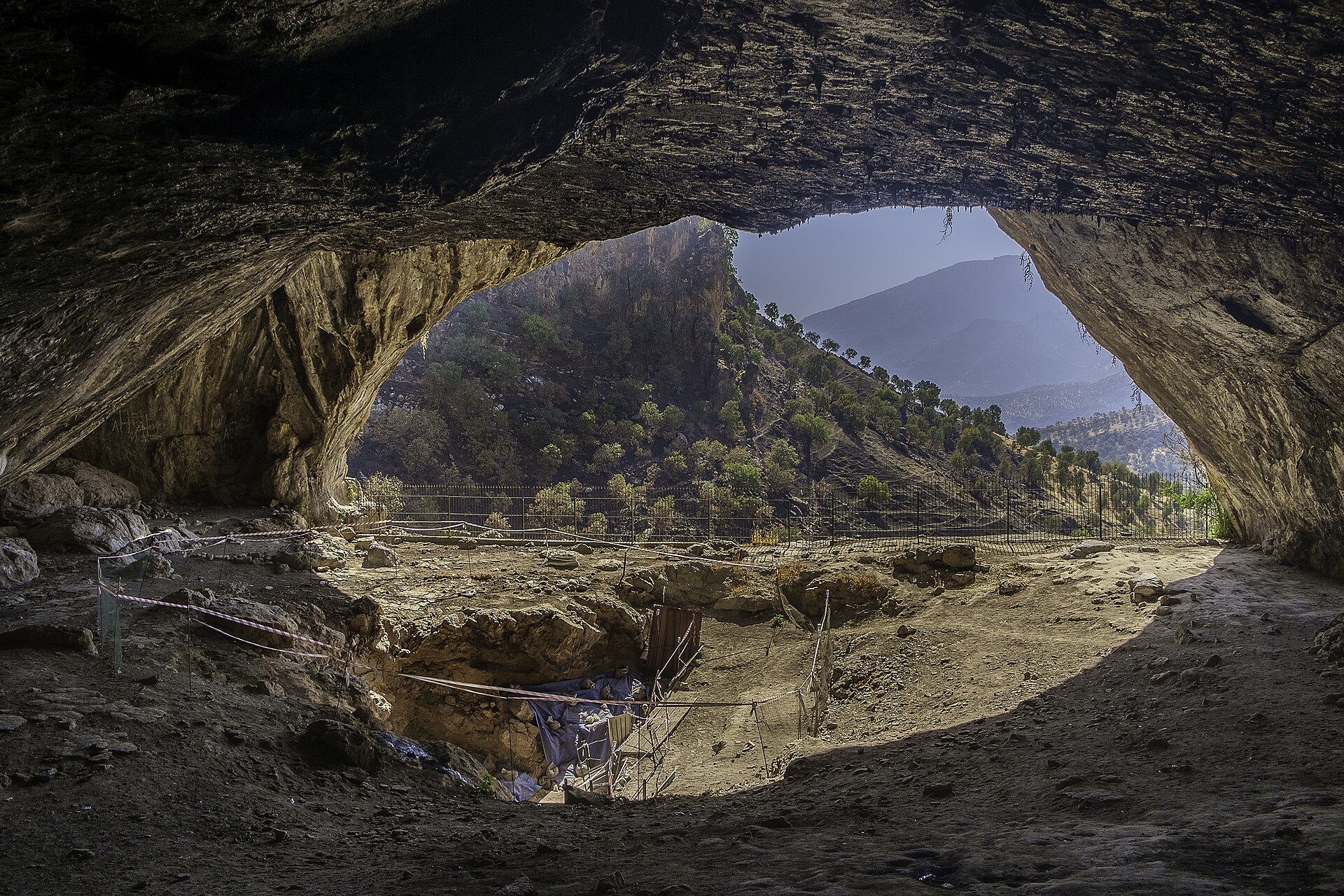
The valleys of Mesopotamia are where settled human life and the first cities began, and the surrounding hills were inhabited far earlier still. In the fertile land between the rivers the Sumerians built the world's earliest urban centres, invented the wheel, and around 3200 BC created cuneiform, the first known writing system, changing the course of human history.
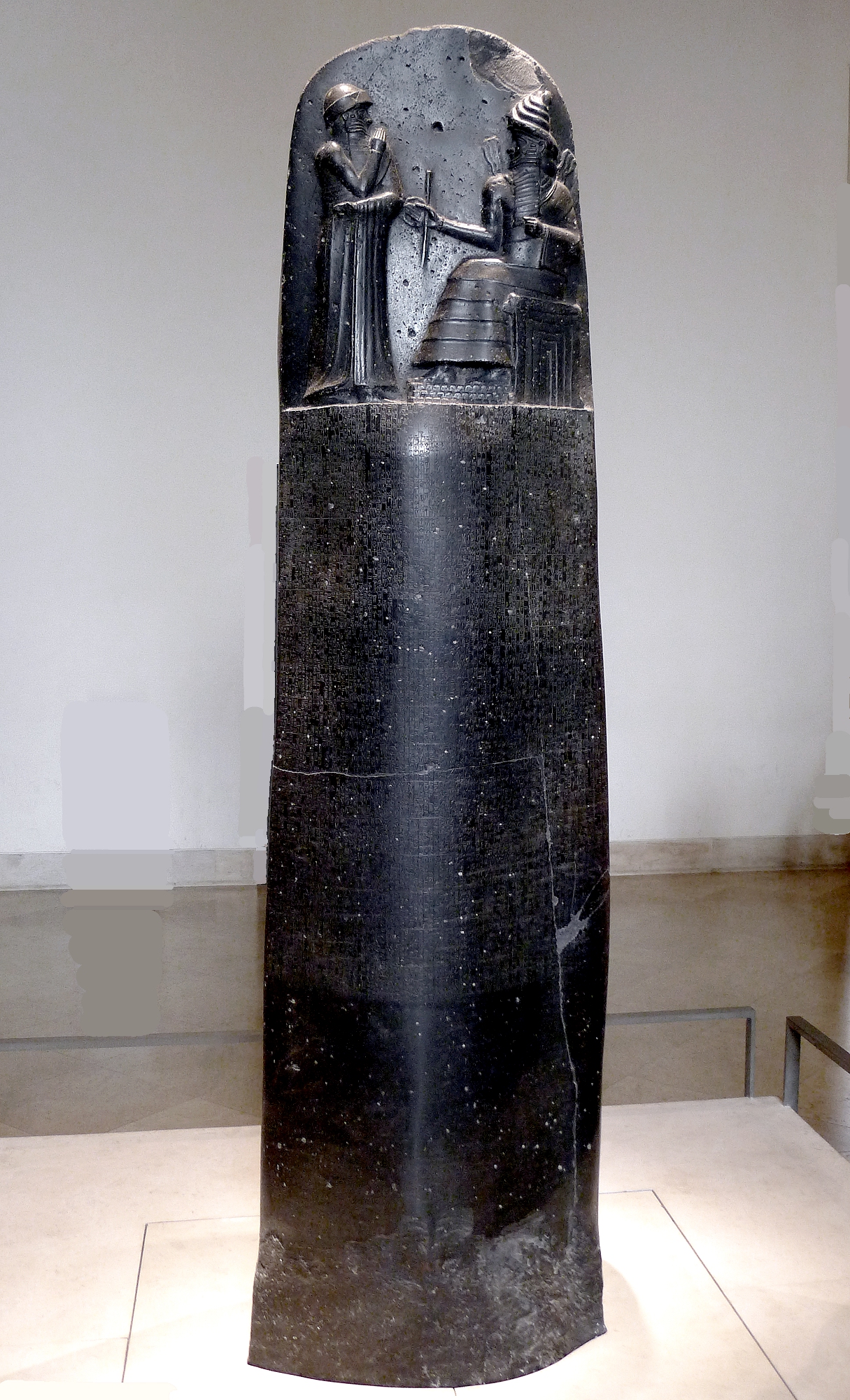
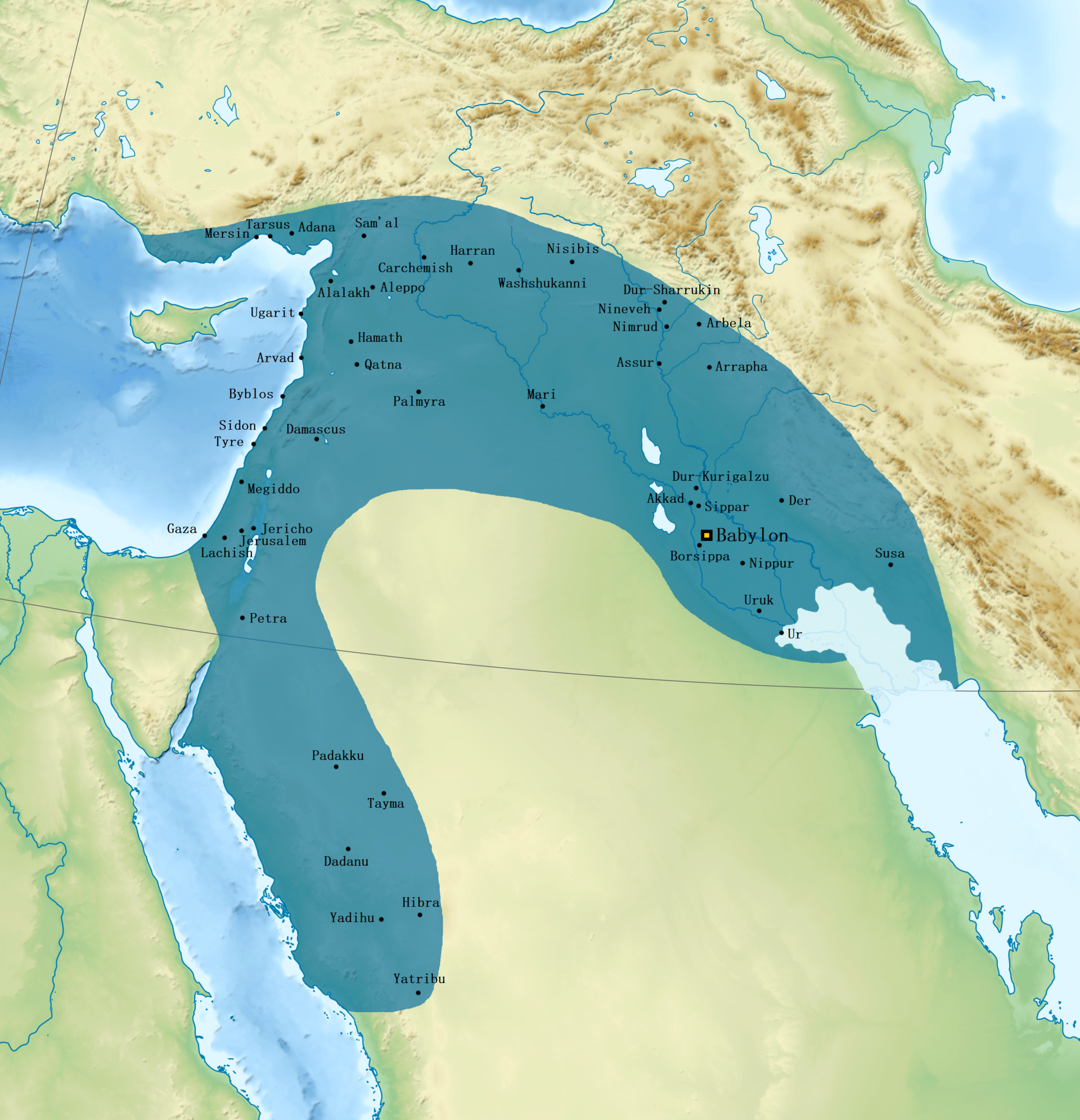
Mesopotamia gave rise to a succession of powerful states, above all Babylon and Assyria. Around 1750 BC King Hammurabi of Babylon issued one of the earliest written law codes in history, and later the Neo-Babylonian kings raised the fabled city of Babylon, with its great walls and, by legend, its hanging gardens.
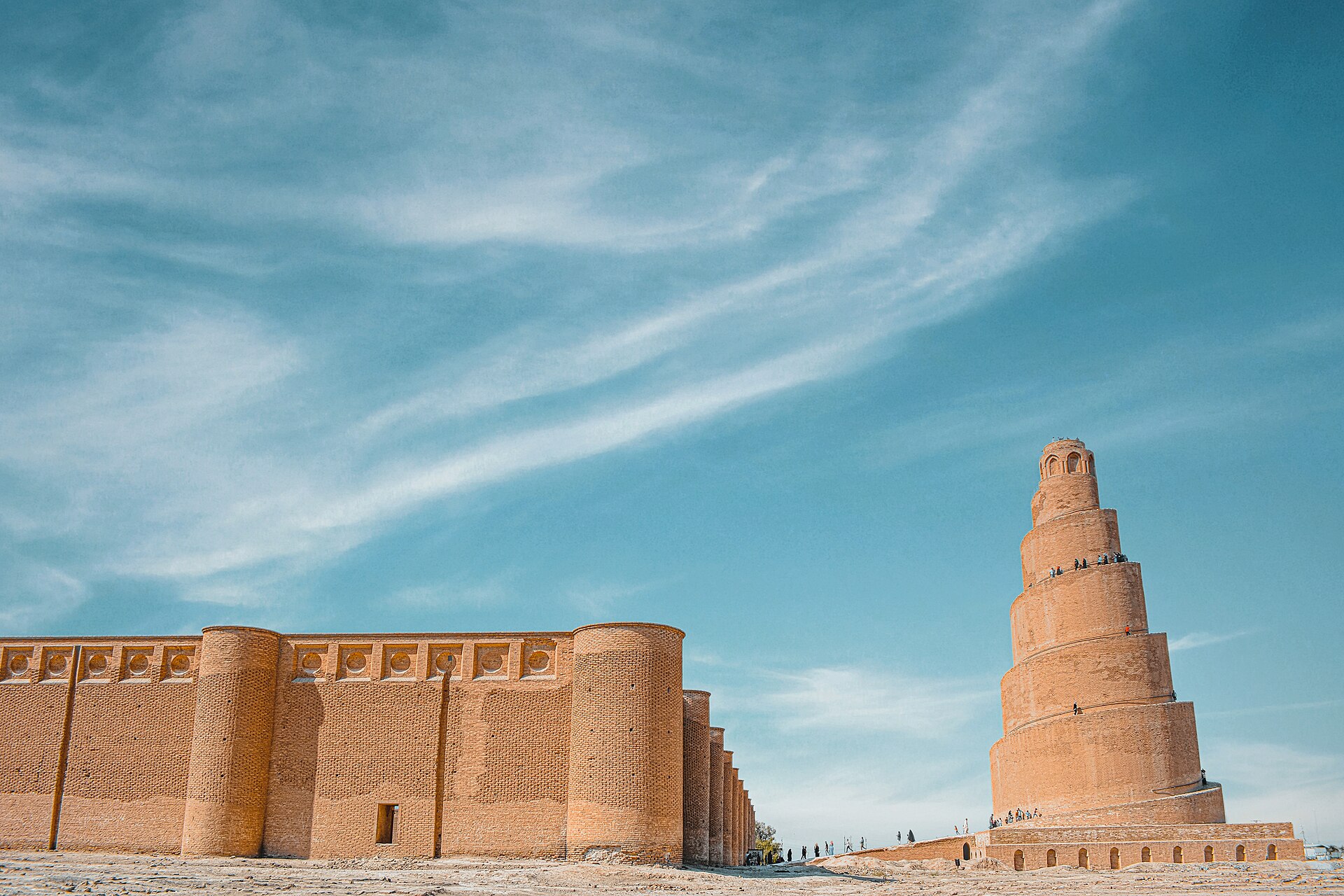
After the Arab conquest brought Islam in the seventh century, the region became the heart of the Muslim world. In 762 the Abbasid Caliphate founded Baghdad, which grew into a dazzling capital of science, medicine, and learning, its House of Wisdom preserving and advancing the knowledge of the ancient world.
The Mongol sack of Baghdad in 1258 ended the golden age, and the region later became a frontier of the Ottoman Empire for four centuries. After the First World War it passed to British oversight, and the modern kingdom of Iraq was created in 1921, gaining full independence in 1932.
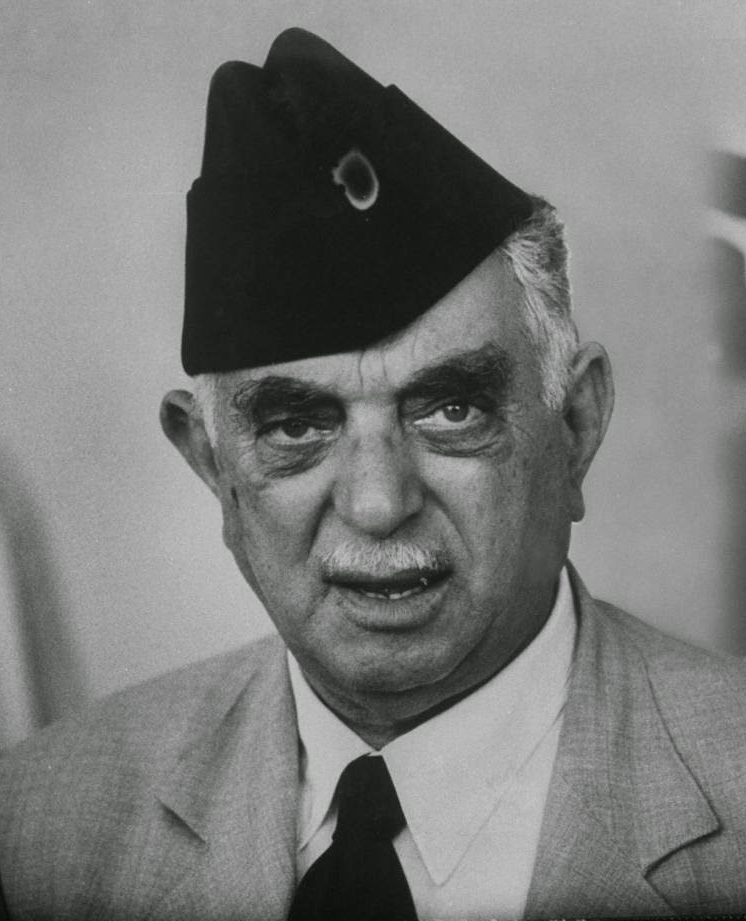
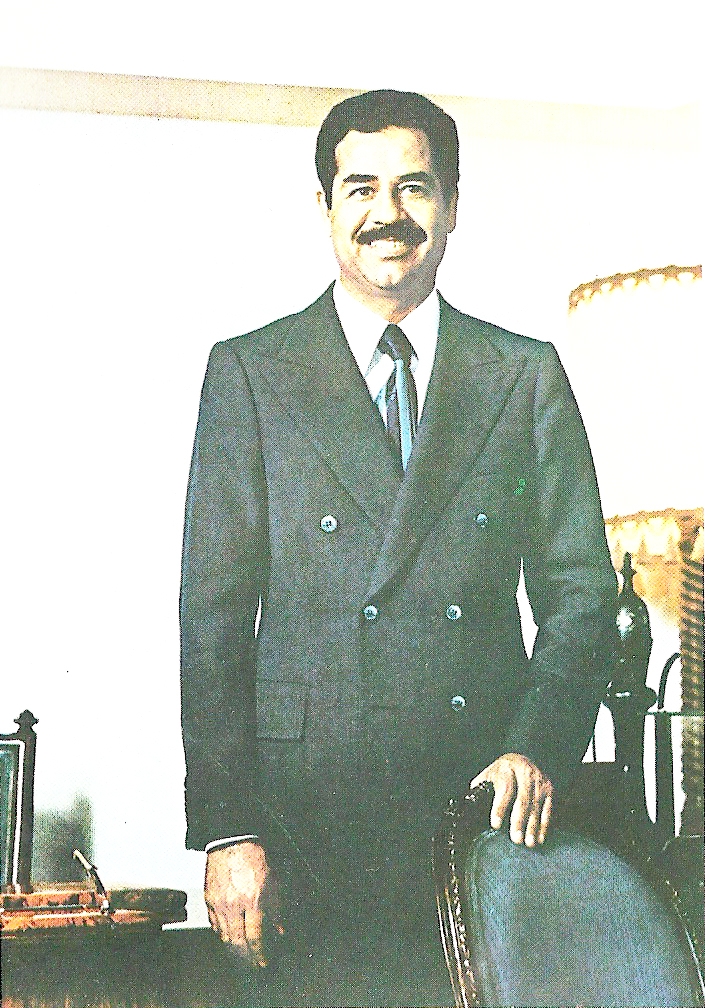
A revolution in 1958 swept away the monarchy, and after years of instability the Baath Party took power, bringing Saddam Hussein to the presidency in 1979. His rule saw the long Iran-Iraq War of the 1980s and the invasion of Kuwait that triggered the Gulf War, before a United States-led invasion toppled him in 2003.
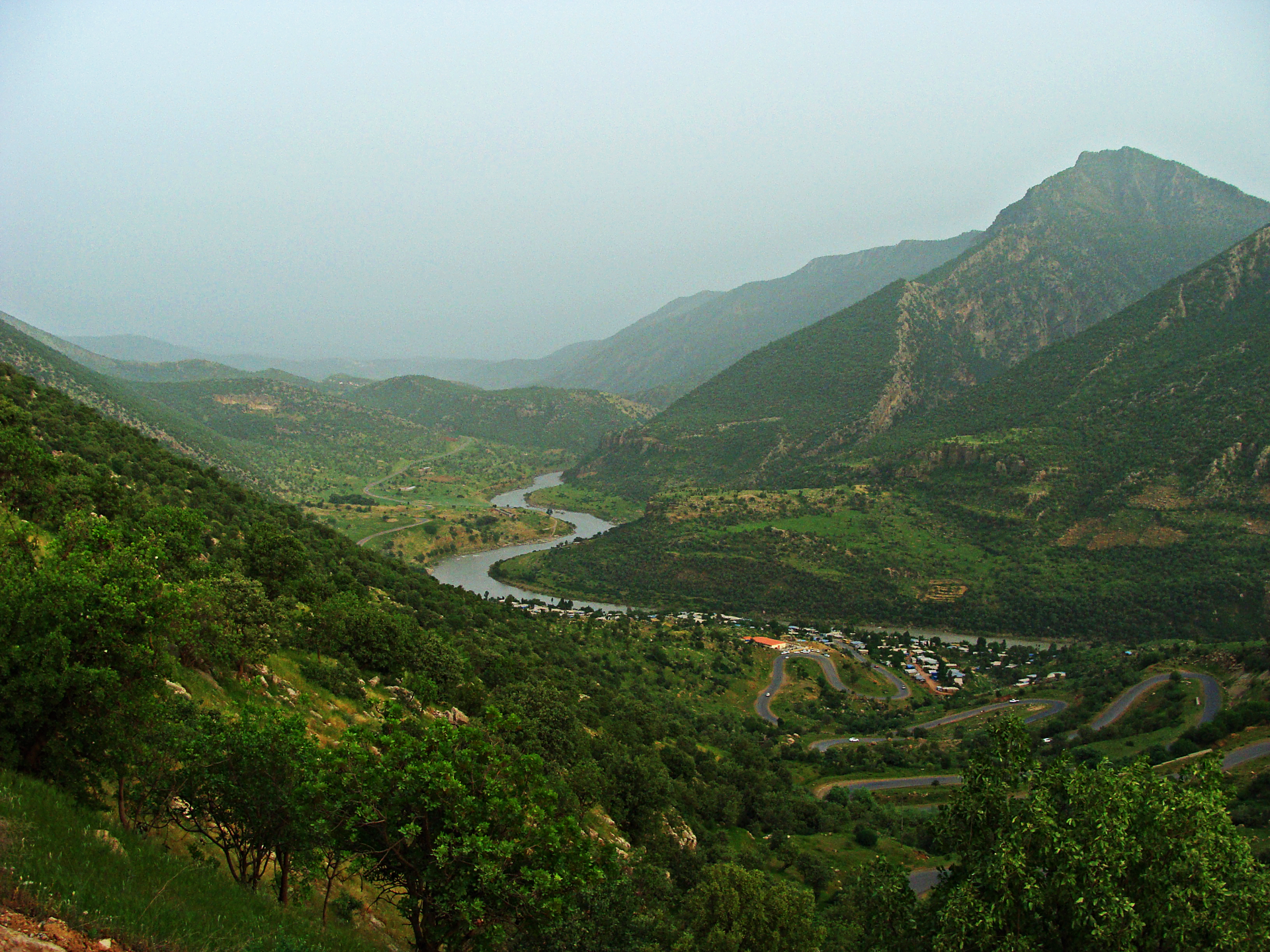
Iraq is dominated by the broad plain of the Tigris and Euphrates, the two great rivers that flow the length of the country and join before reaching the Persian Gulf. This fertile valley, part of the historic Fertile Crescent, is flanked by desert to the west and south and by mountains in the Kurdish north. The rivers have sustained farming and cities here for thousands of years, though falling water levels are a growing concern.
Iraq is a federal parliamentary republic, rebuilt after 2003 around a system that shares power among its main communities. Members of parliament elect the president and approve a prime minister, who holds most executive authority. In practice the top offices are informally divided so that the prime minister is a Shia Arab, the speaker a Sunni Arab, and the president a Kurd. The Kurdistan Region in the north governs itself with its own parliament and armed forces. Politics is often shaped by sectarian bargaining, powerful armed factions, and the influence of neighbouring powers.
Iraq's economy rests overwhelmingly on oil, of which the country holds some of the largest reserves in the world, and which provides most government revenue and export earnings. This dependence leaves Iraq exposed to swings in global prices and has left other industries underdeveloped. Decades of war, sanctions, and instability damaged infrastructure and deterred investment, and today the country faces the challenge of rebuilding, creating jobs for a young population, and reducing a heavy reliance on the state and on crude oil.
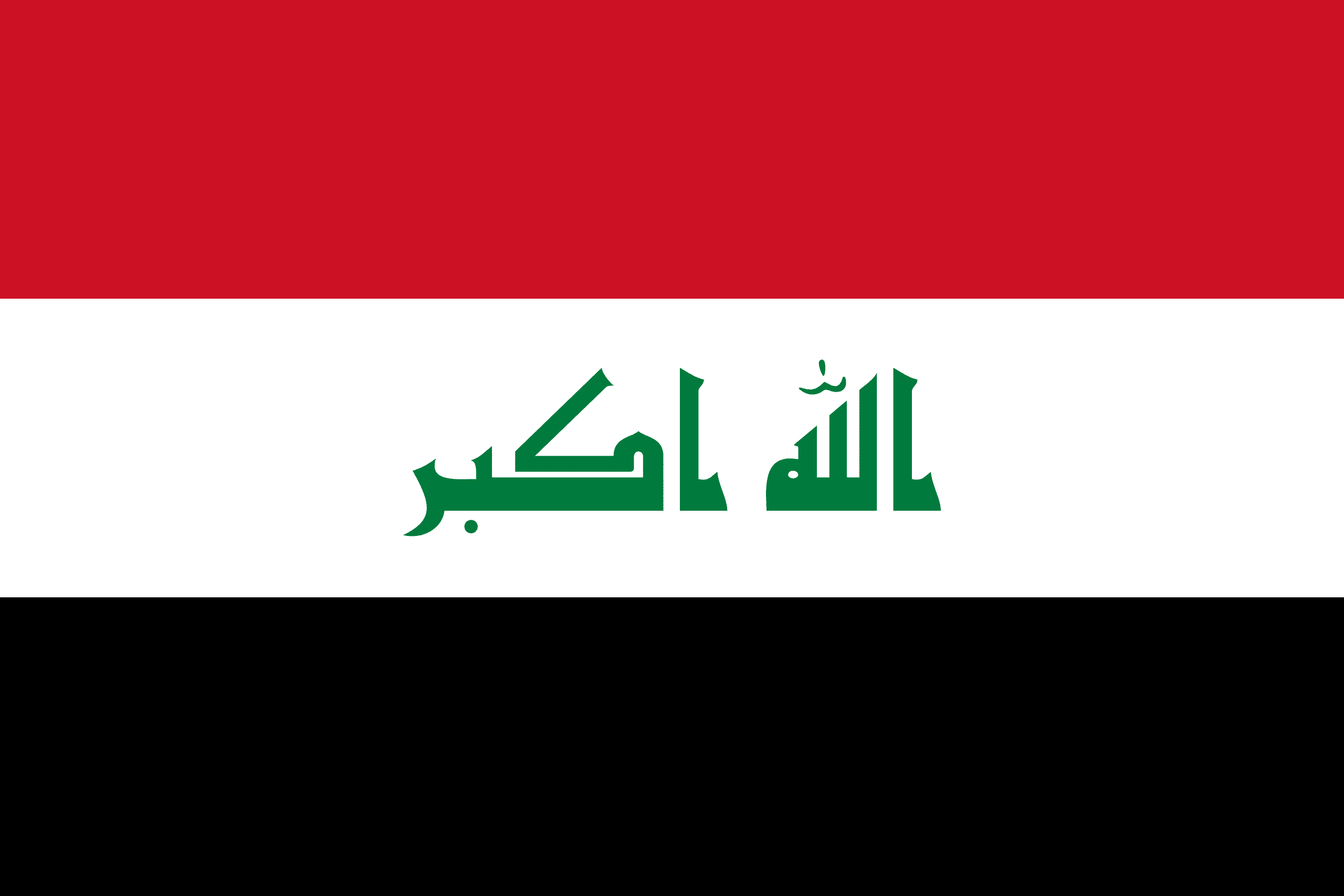
The flag of Iraq has three horizontal bands of red, white, and black, with the Arabic phrase meaning God is great written in green across the central white band. The red, white, and black are colours shared by many Arab nations, expressing a common identity, while the green inscription reflects the central place of Islam. The flag has been revised several times through the country's turbulent modern history.
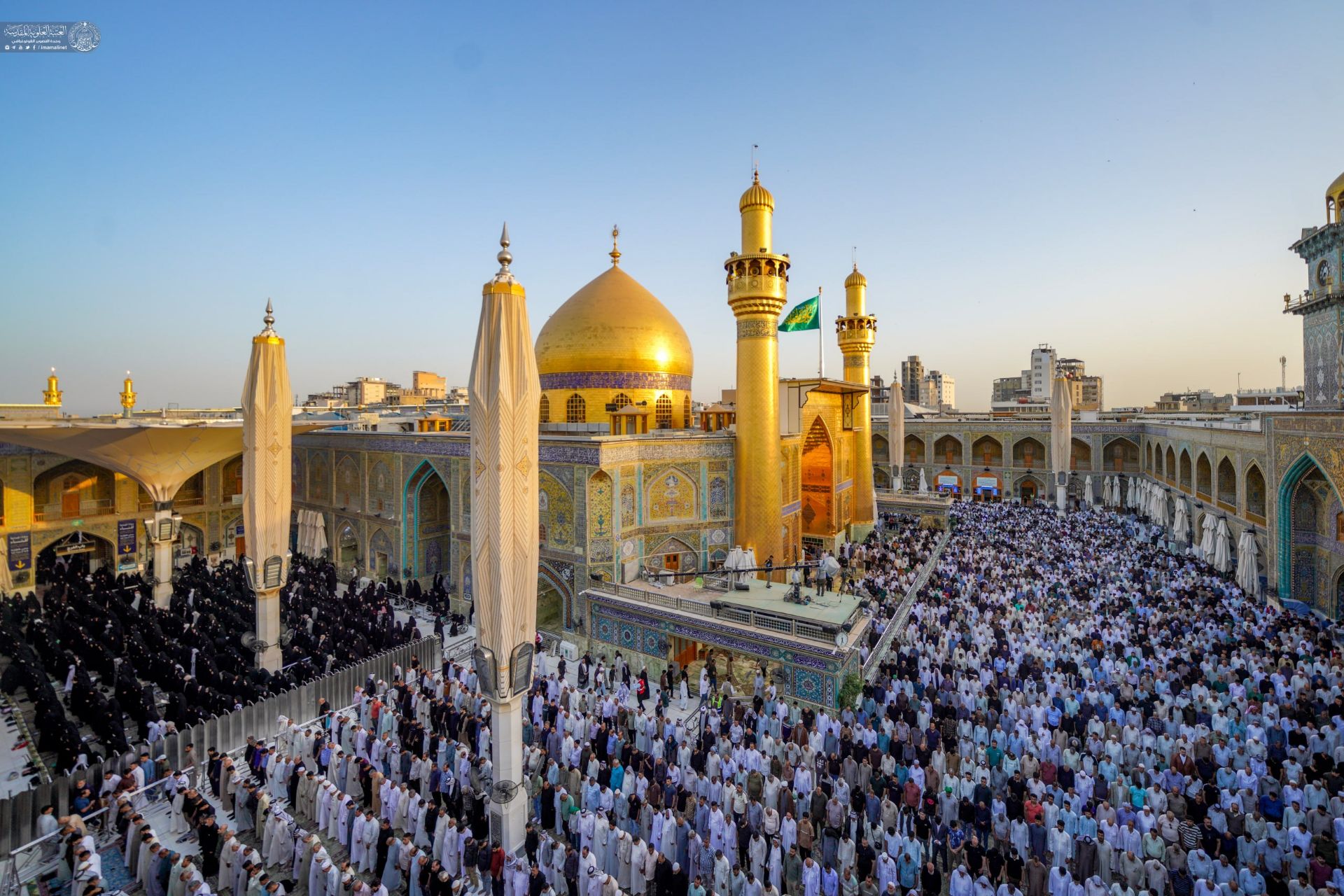
Iraq is an overwhelmingly Muslim country and a place of deep significance to Islam, home to cities holy to Shia Muslims, who form the majority of the population, alongside a substantial Sunni minority. The Kurds of the north are mostly Sunni. Iraq is also home to some of the oldest Christian communities in the world, whose presence reaches back nearly two thousand years, though their numbers have fallen sharply amid recent conflict.
Iraqi cuisine reflects its ancient agricultural heartland and its place at a crossroads of the Middle East. Rice and flatbread are staples, served with stews, grilled meats, and kebabs. A signature dish is masgouf, river fish slow-grilled over an open fire, long associated with the banks of the Tigris. Dates, of which Iraq was once the world's leading producer, appear in many forms, and dishes like dolma, stuffed vegetables, are much loved.
Farming in Iraq depends on the waters of the Tigris and Euphrates and a tradition of irrigation reaching back to antiquity. The country grows wheat and barley, and it was historically famous above all for its dates, harvested from vast palm groves in the south. Decades of war, along with reduced river flows and rising salinity in the soil, have damaged Iraqi agriculture, and restoring it is an important goal for a country that once helped feed the ancient world.
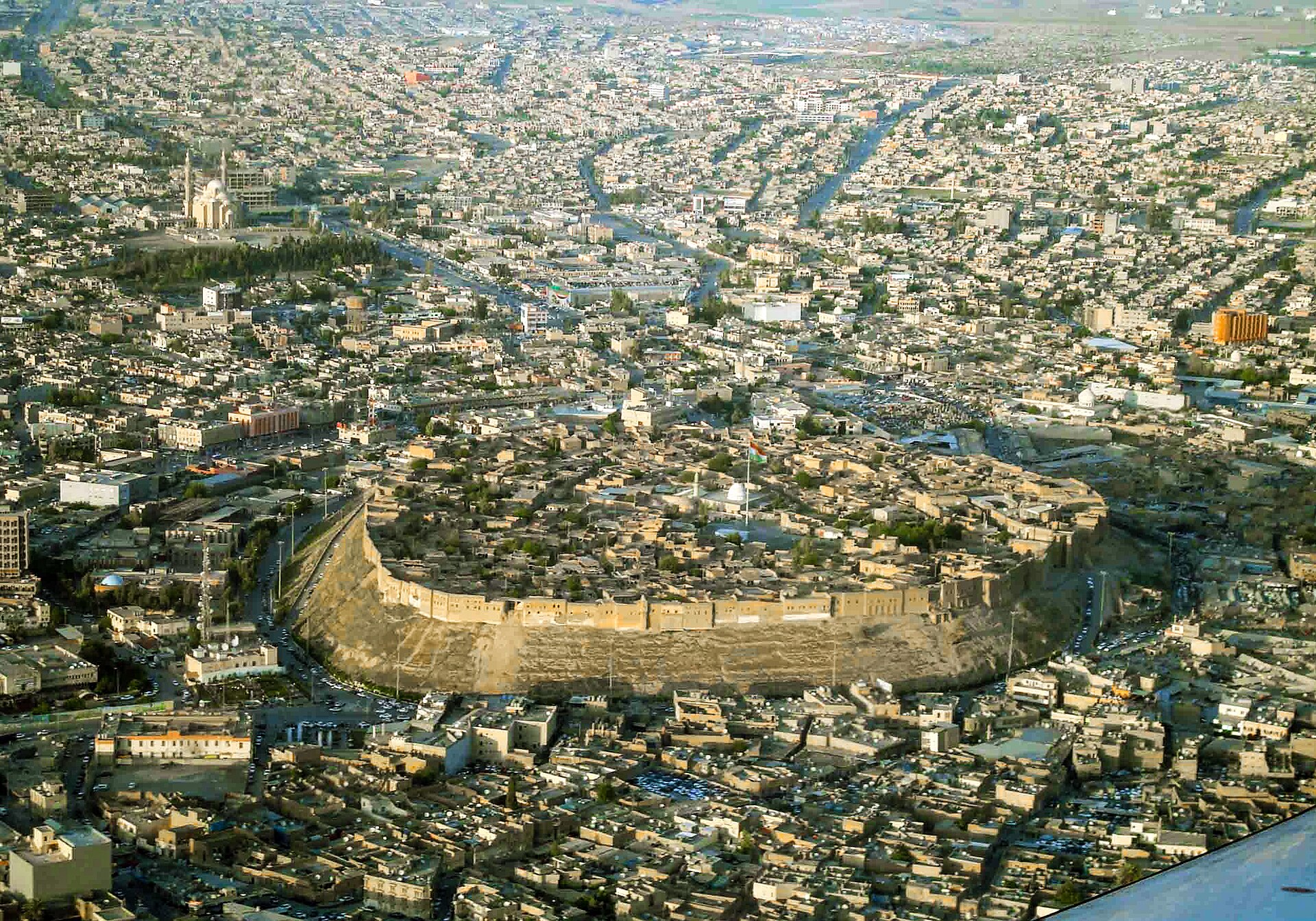
Iraqi culture carries the weight of one of the world's oldest civilisations, expressed in poetry, music, and a deep pride in the land's ancient past. Society is bound by strong family and tribal ties and divided among Arabs and Kurds and between Shia and Sunni traditions, a rich diversity that has also fed modern tensions. The Kurdish north, with its mountains and its own language and customs, adds a distinct culture within the country.
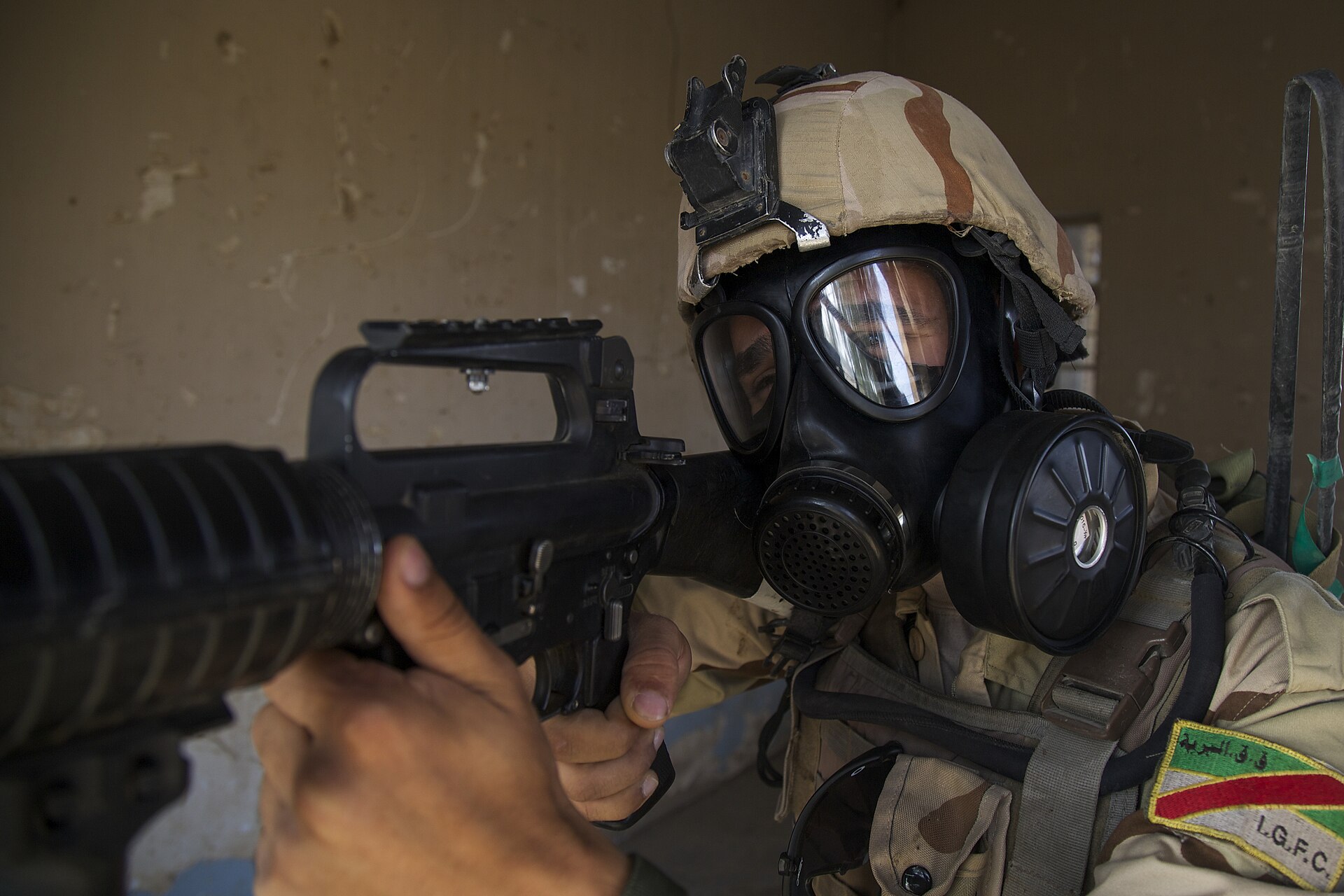
Iraq remains marked by the turmoil of recent decades. The United States-led invasion of 2003 removed Saddam Hussein but was followed by years of insurgency and sectarian violence, and from 2014 the extremist group Islamic State seized much of the north and west before being driven out by 2017 in devastating fighting. Debate continues over the legacy of the invasion, the influence of neighbouring Iran and of powerful armed factions, corruption and the fair sharing of oil wealth, and the unresolved relationship between the central government and the self-governing Kurdistan Region.
Iraq's ancient legacy, from the invention of writing to the Code of Hammurabi and the golden age of Abbasid Baghdad, shaped the wider history of humanity. Its modern history has been dominated by conflict: the long rule of Saddam Hussein, the Iran-Iraq War of the 1980s, the Gulf War, the United States-led invasion of 2003 that toppled the government, and the rise and defeat of the Islamic State group.
Iraq has a population of around 44 million people, the majority Arabs, with a large Kurdish population in the mountainous north who have their own region and language. The country is divided primarily between Shia and Sunni Muslims, a distinction that has shaped its modern politics. Most Iraqis live in the river valley and in great cities, above all the historic capital, Baghdad, one of the major cities of the Middle East.