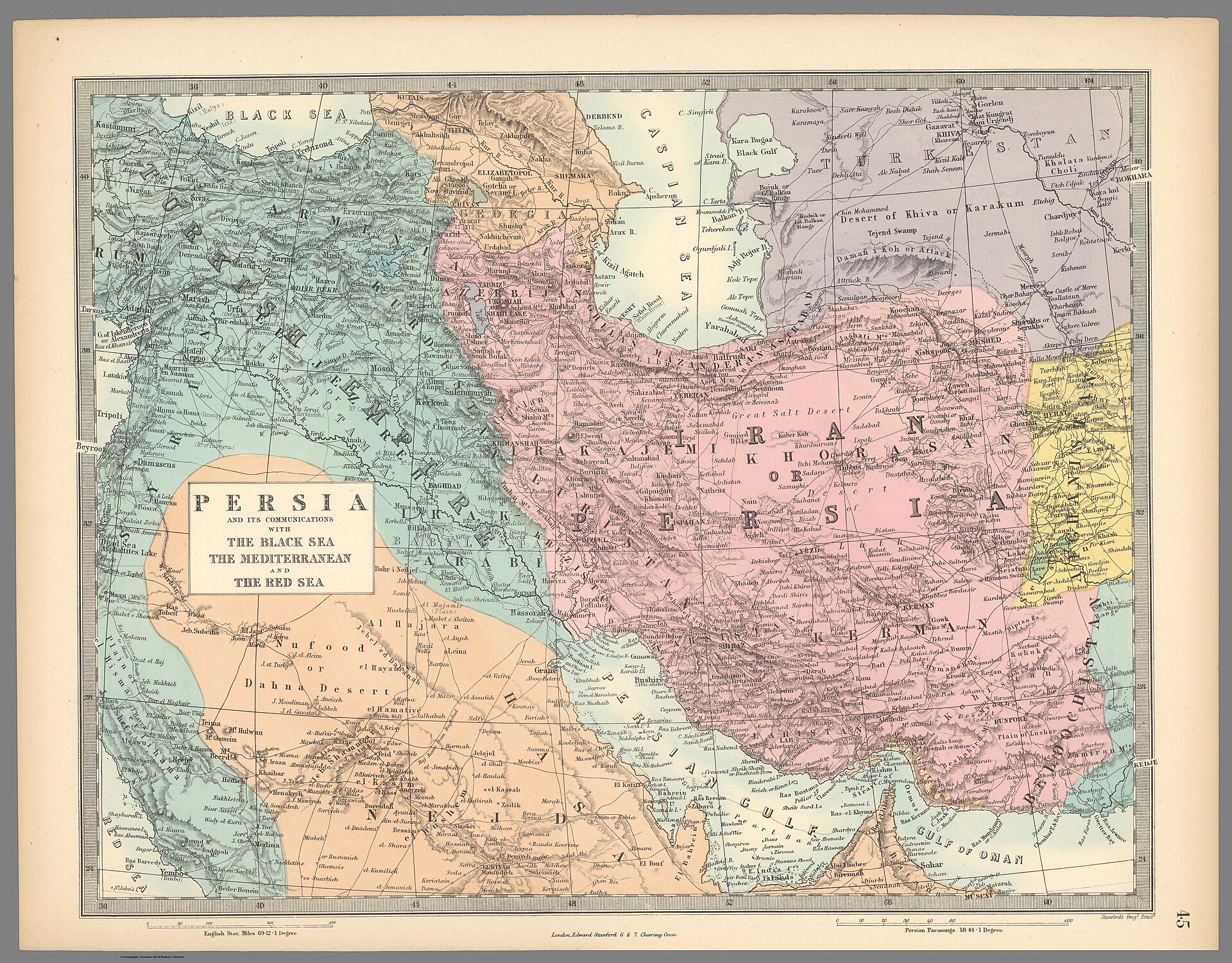
Iran, historically known as Persia, is a large country in western Asia, a high and mountainous land bridging the Middle East and Central Asia. Heir to one of the world's oldest and most influential civilisations, it has given humanity poetry, art, science, and ideas that shaped the ancient and Islamic worlds. Today it is a populous regional power, defined by its deep Persian heritage and its distinctive form of Islamic governance.
Iran, the land of Persia, has been the seat of world empires for two and a half thousand years, a civilisation that shaped the ancient world, embraced Islam, and led a golden age of learning.
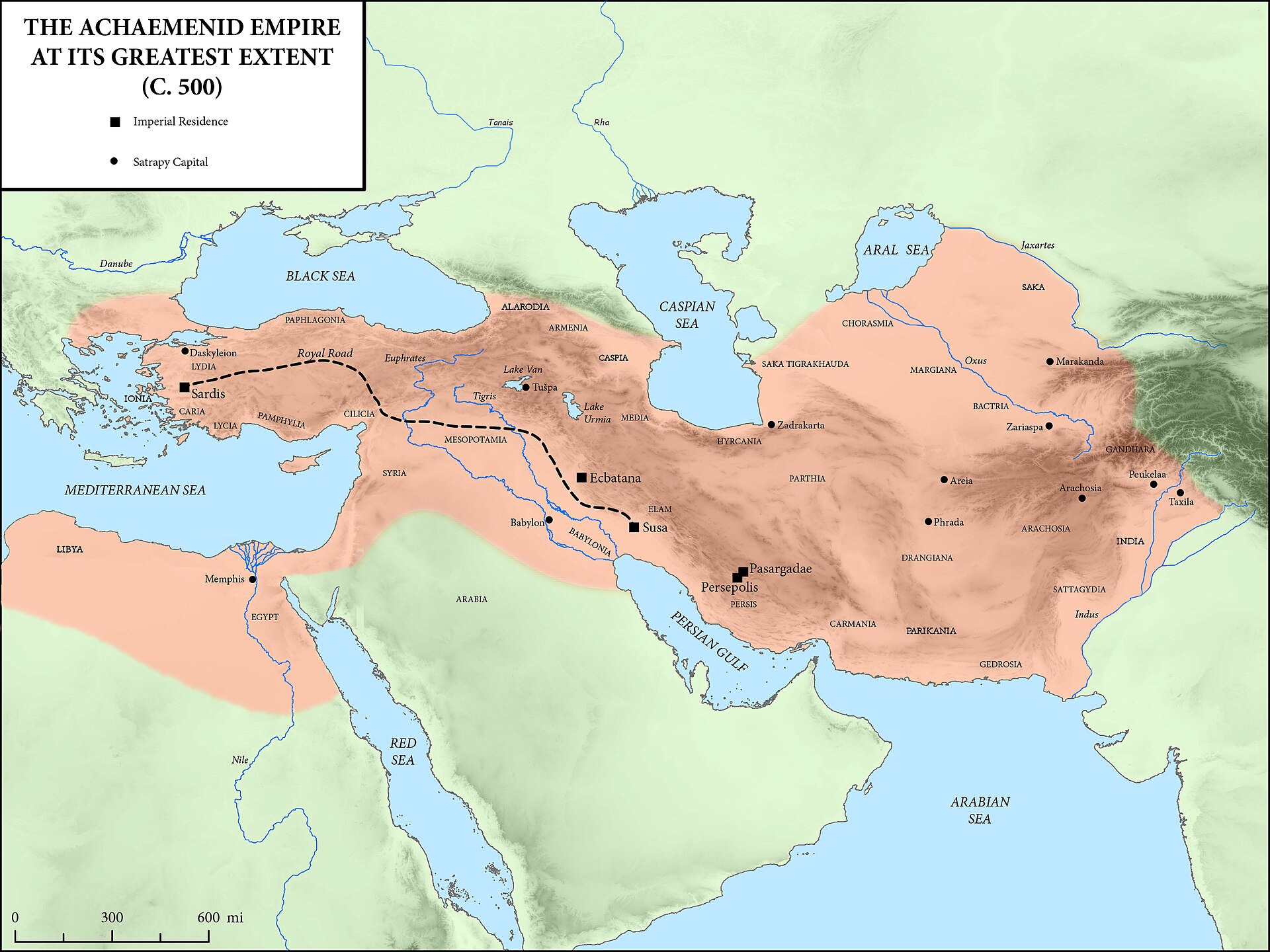
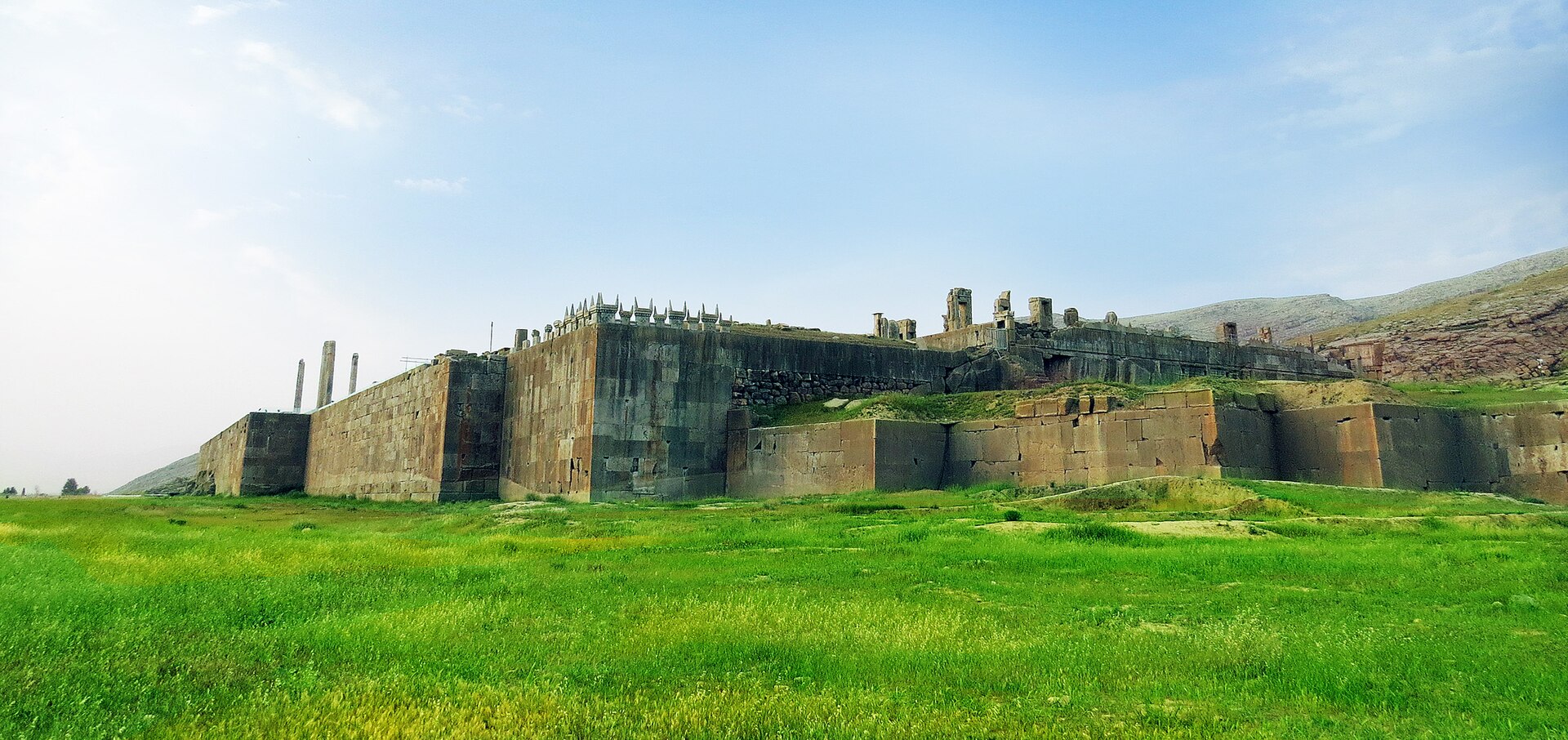
Iran was the heart of the first great world empire, the Achaemenid Empire founded by Cyrus the Great in the sixth century BC, which stretched from Egypt to India and built the ceremonial capital of Persepolis. Conquered by Alexander the Great, Persia rose again under the Parthians and the Sasanians, rivals of Rome, until the seventh century AD.
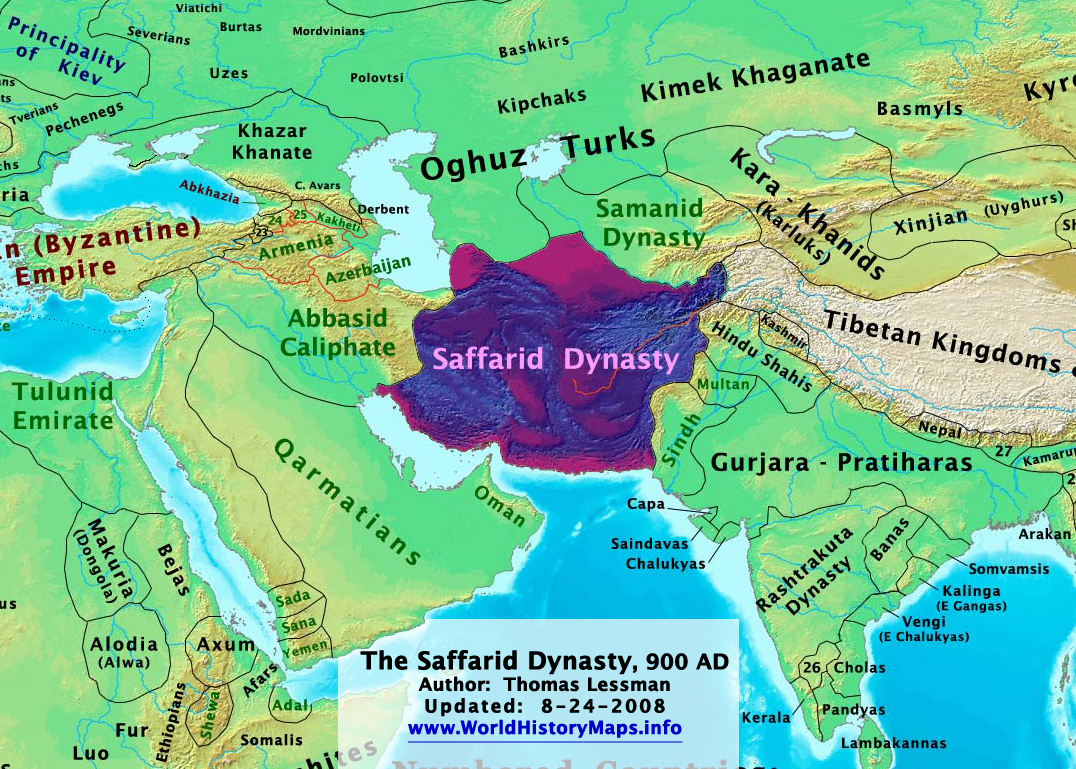
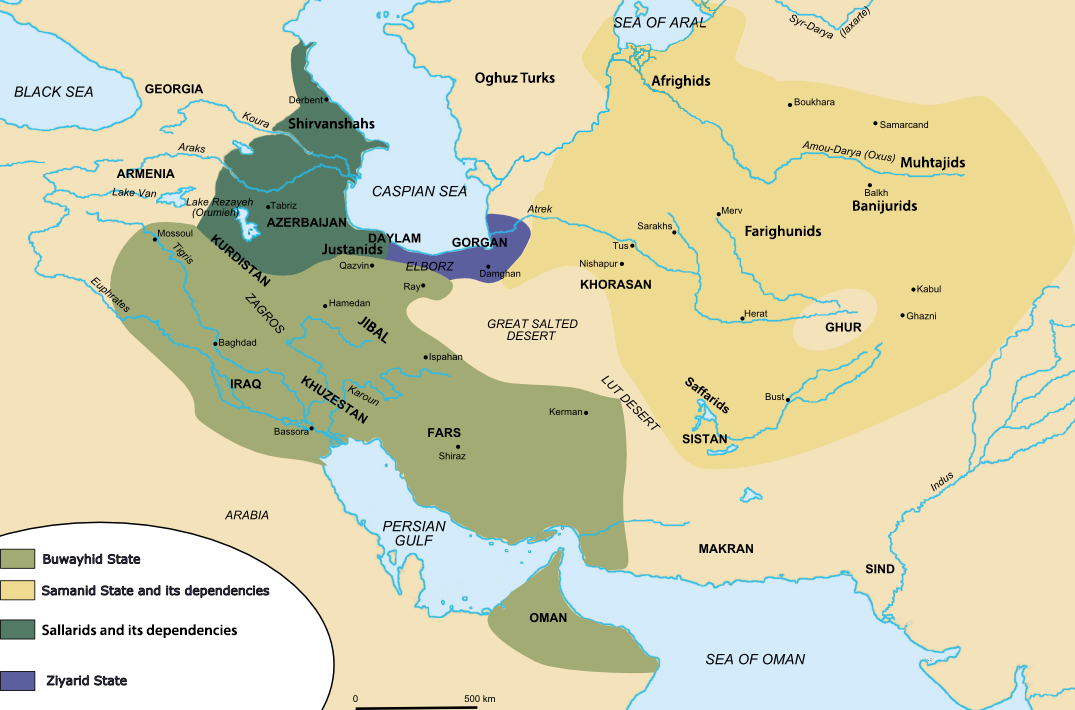
The Arab conquest of the seventh century brought Islam, which Persia embraced while preserving its own language and identity. Persian scholars, poets, and scientists then helped lead the golden age of Islamic civilisation, and a succession of Persian and Turkic dynasties ruled the Iranian world.
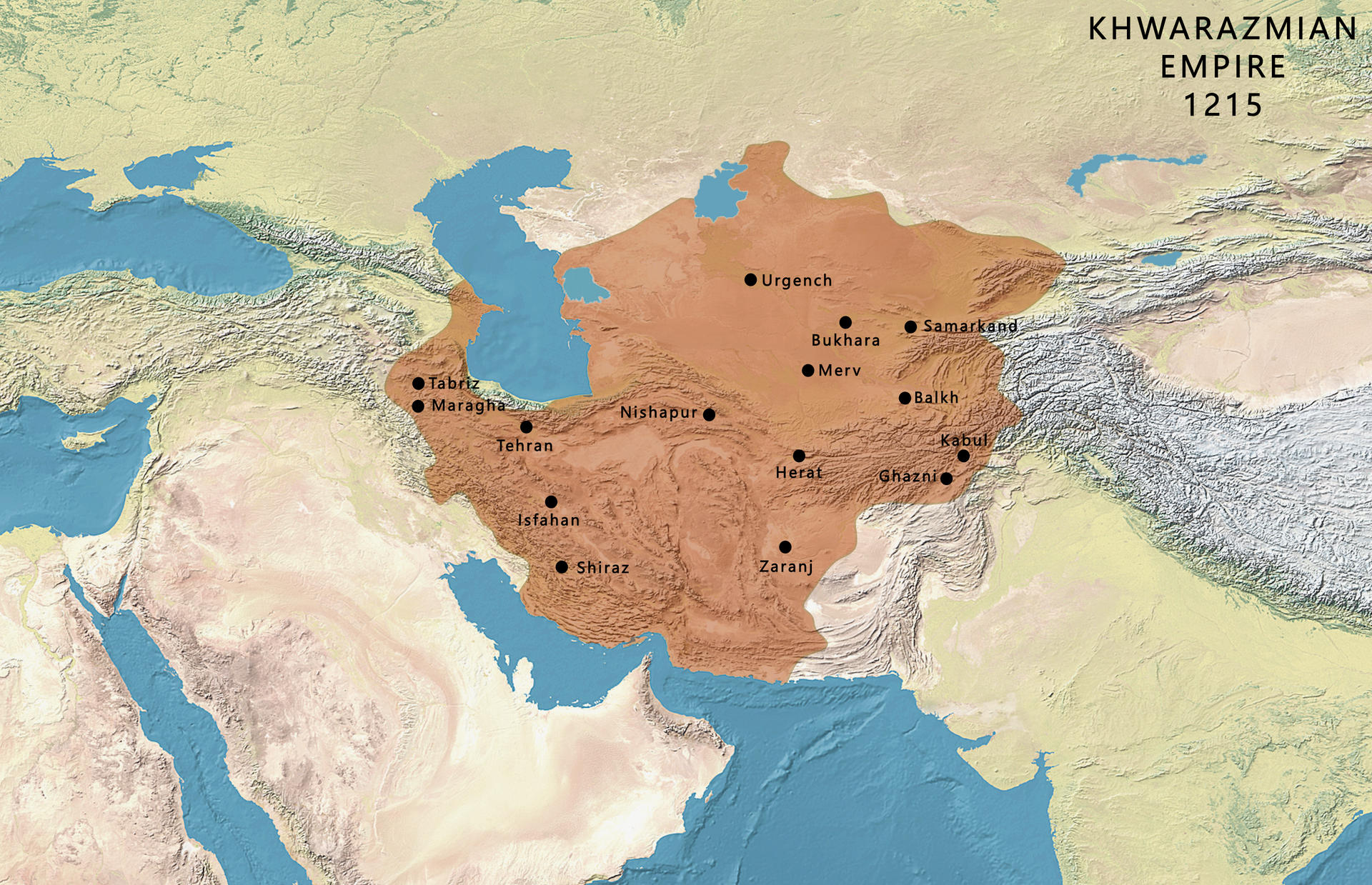
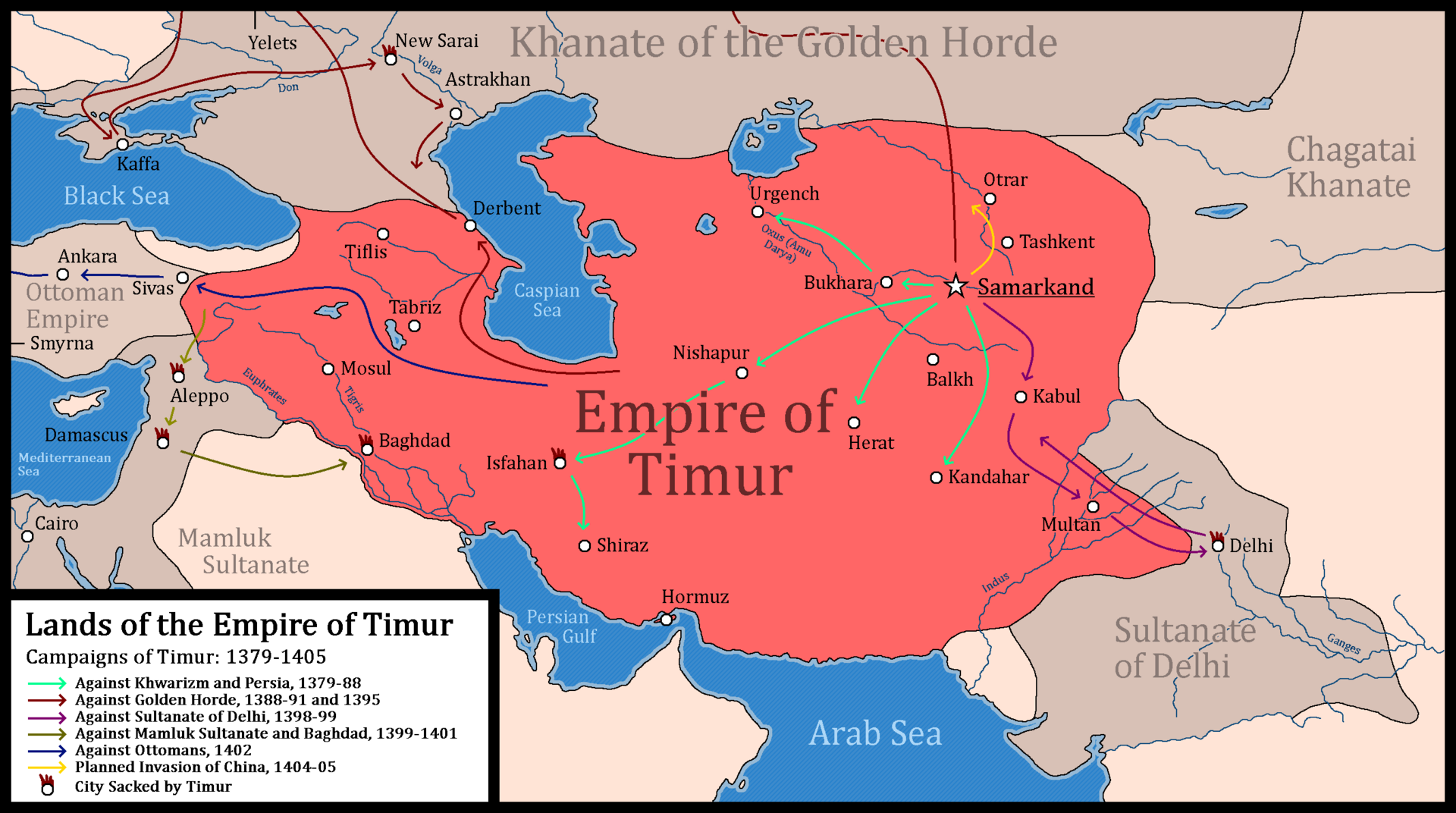
In the thirteenth century the Mongols swept across Iran, destroying cities such as those of the Khwarazmian Empire. A century later the conqueror Timur built another vast empire centred on the region. These invasions were devastating, yet Persian art and administration survived and shaped the conquerors in turn.
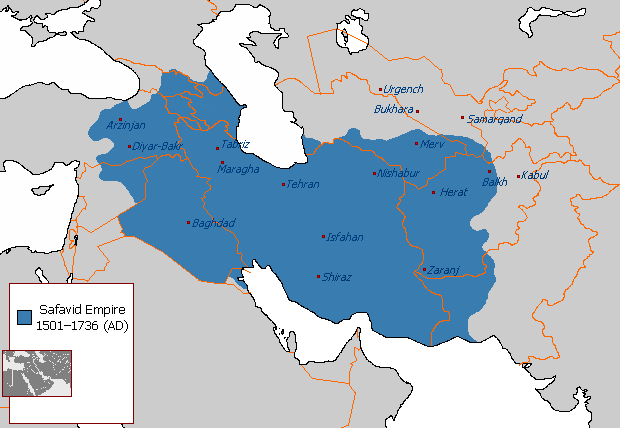
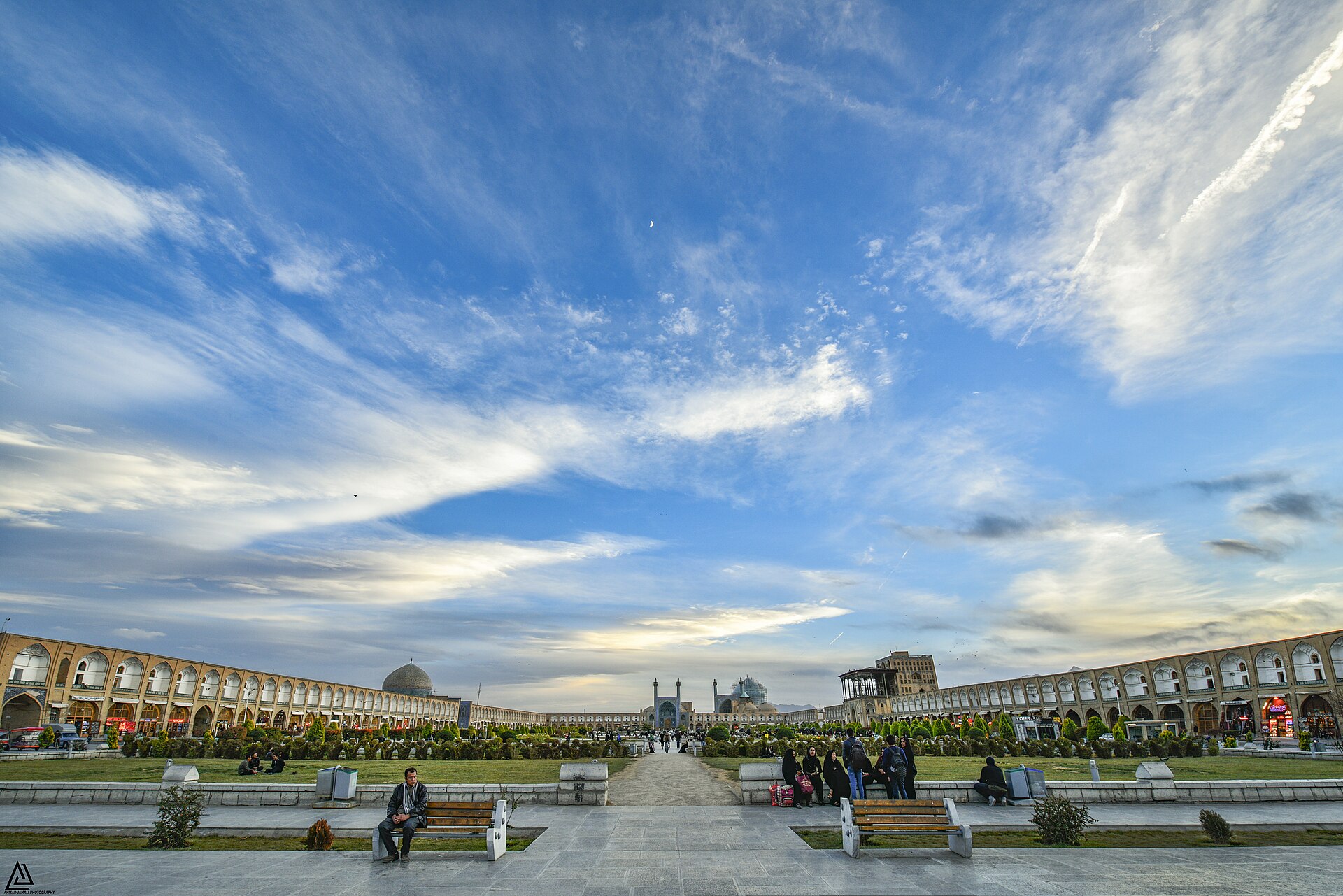
In 1501 the Safavid dynasty reunified Iran and made Twelver Shia Islam the state religion, setting the country apart from its Sunni neighbours and forging much of modern Iranian identity. Their capital, Isfahan, became one of the most beautiful cities in the world.
Persian tradition, preserved above all in the great epic the Shahnameh, tells of a long line of mythical rulers, the Pishdadian and Kayanian kings, who reigned before recorded history, taming demons and bringing civilisation to the world. These legendary kings are central to Iranian culture and self-understanding. They belong, however, to myth and epic rather than the documented past, standing before the era of the historical Persian empires.
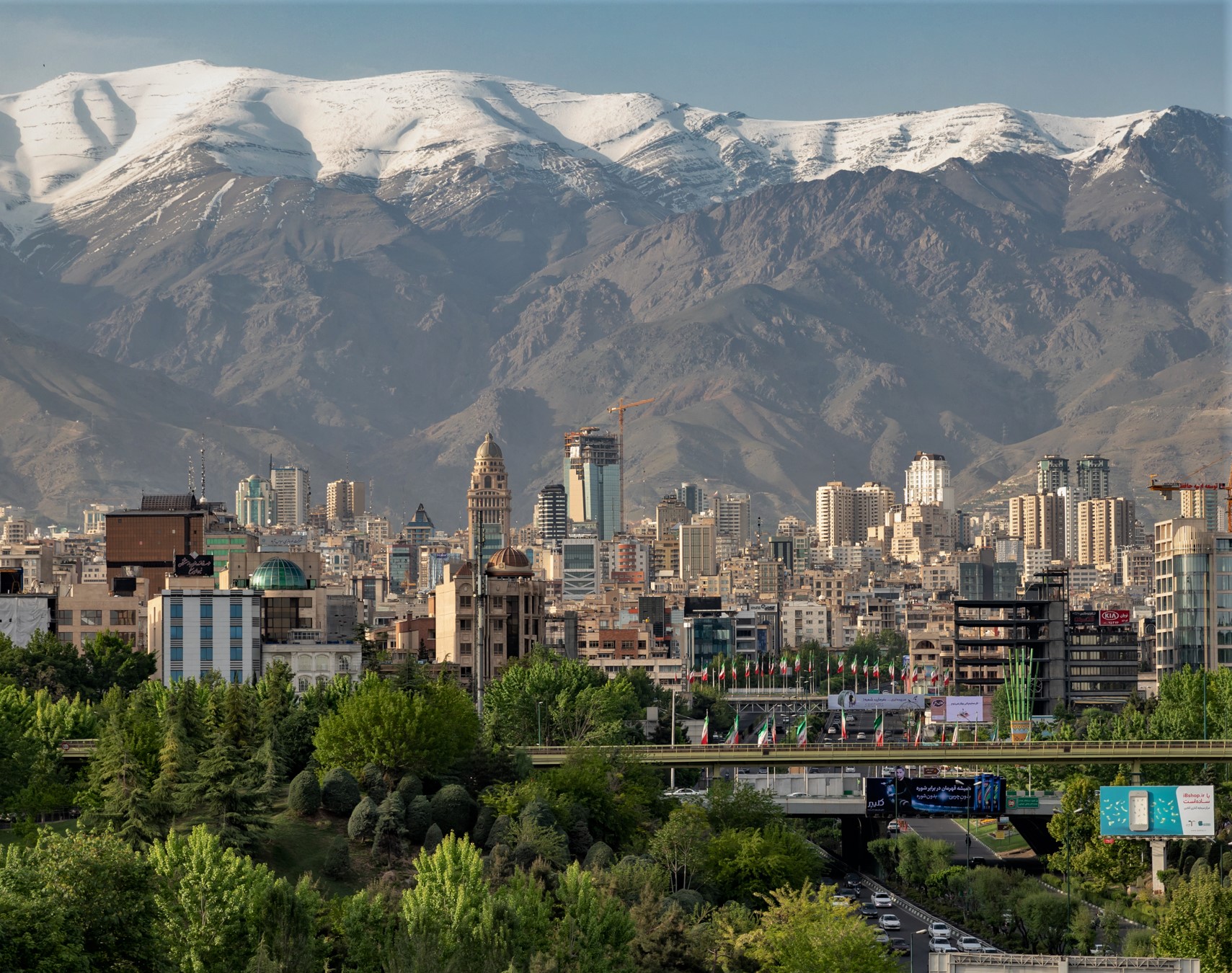
Iran is a country of high plateaus ringed by mountains, including the Zagros range in the west and the Alborz in the north, where the volcanic peak of Damavand rises above the Caspian Sea. Much of the interior is harsh desert, including great salt flats, while the shores of the Caspian to the north are humid and green. This dry land has long depended on ingenious irrigation, including ancient underground channels called qanats.
Iran is an Islamic republic, a distinctive system that blends elected institutions with religious authority. A president and parliament are chosen in elections, but ultimate power rests with the Supreme Leader, a senior cleric who heads the state, the armed forces, and the judiciary, alongside unelected bodies that vet candidates and laws. This order, established by the 1979 revolution under Ayatollah Khomeini, makes Iran unlike any other state in the region.
Iran holds some of the largest oil and natural gas reserves in the world, and energy has long been the backbone of its economy. Yet years of international sanctions, imposed above all over its nuclear programme, have cut it off from much of the global economy, fuelling inflation and isolating its banks. The country has a large, educated population and a substantial industrial and agricultural base, but sanctions and state control weigh heavily on growth.
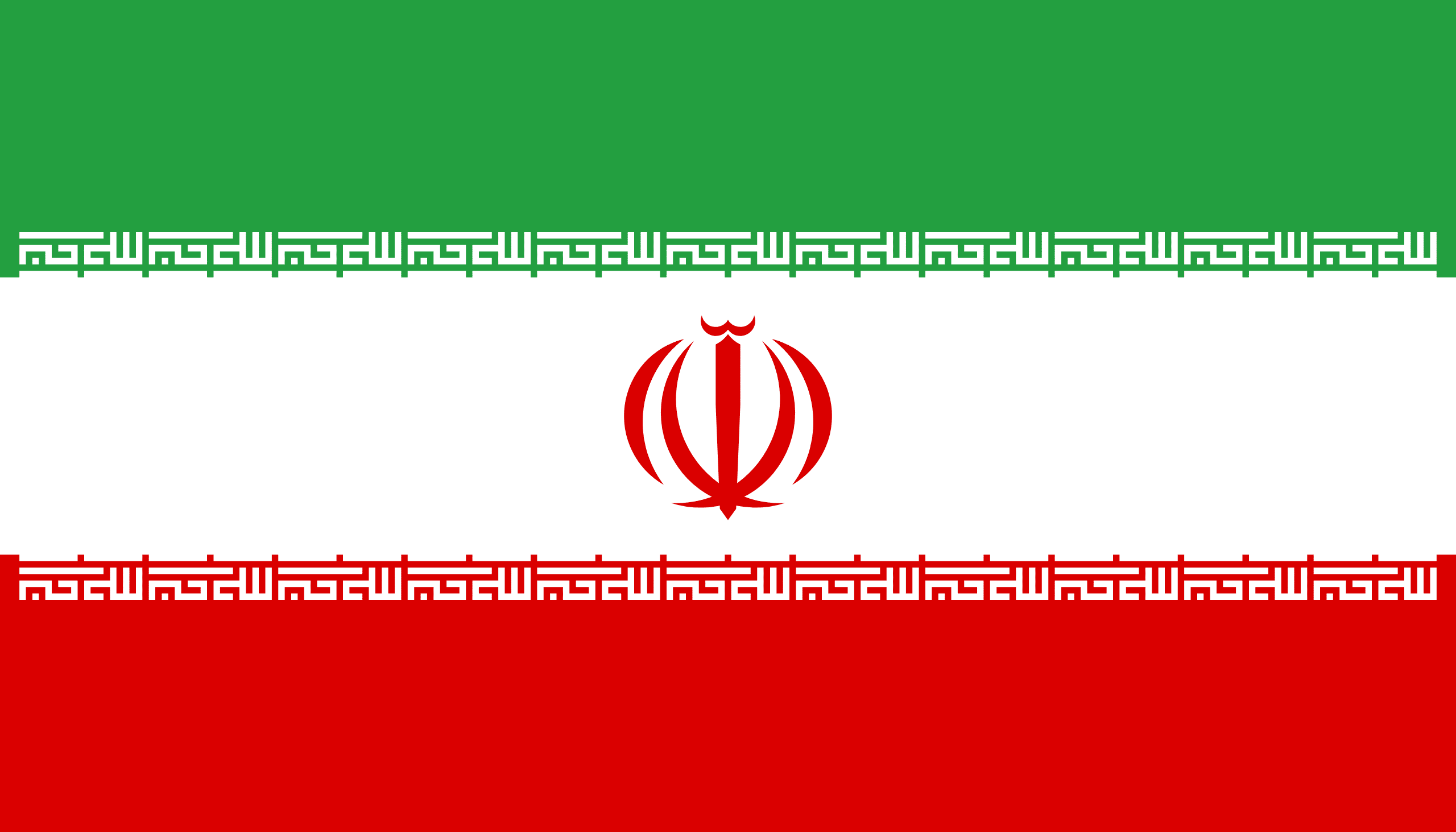
The flag of Iran has three horizontal bands of green, white, and red. Along the inner edges of the green and red bands runs a stylised inscription repeating an Islamic phrase, and at the centre is a red emblem combining elements that form a stylised word and symbol of the Islamic Republic. The colours are traditional to Iran, and the flag in its present form dates from the revolution that created the Islamic Republic in 1979.
Iran is the largest country in the world where Shia Islam is the dominant faith and the official religion, which sets it apart from its mostly Sunni neighbours. This Shia identity, made the state religion centuries ago under the Safavid dynasty, runs deep through Iranian culture and politics, and since 1979 the country has been governed as an Islamic republic led by religious authorities. Small communities of Christians, Jews, Zoroastrians, and others remain.
Persian cuisine is refined, fragrant, and ancient, prizing subtle balances of flavour. Rice, often cooked with a prized golden crust, is central, served alongside slow-cooked stews called khoresh that combine meat with fruits, herbs, and nuts. Kebabs are a national favourite, and ingredients like saffron, pomegranate, dried lime, and fresh herbs give the food its distinctive character. Tea is the constant companion of Iranian hospitality.
Despite its arid climate, Iran has a substantial farming sector sustained by irrigation. It is the world's largest producer of saffron, the costly red spice, and of pistachios, both important exports, along with dates, fruits, and nuts. Wheat is the main food crop, grown where rainfall or irrigation allows, and the humid Caspian coast produces rice and tea. Managing scarce water is one of the country's most pressing long-term challenges.
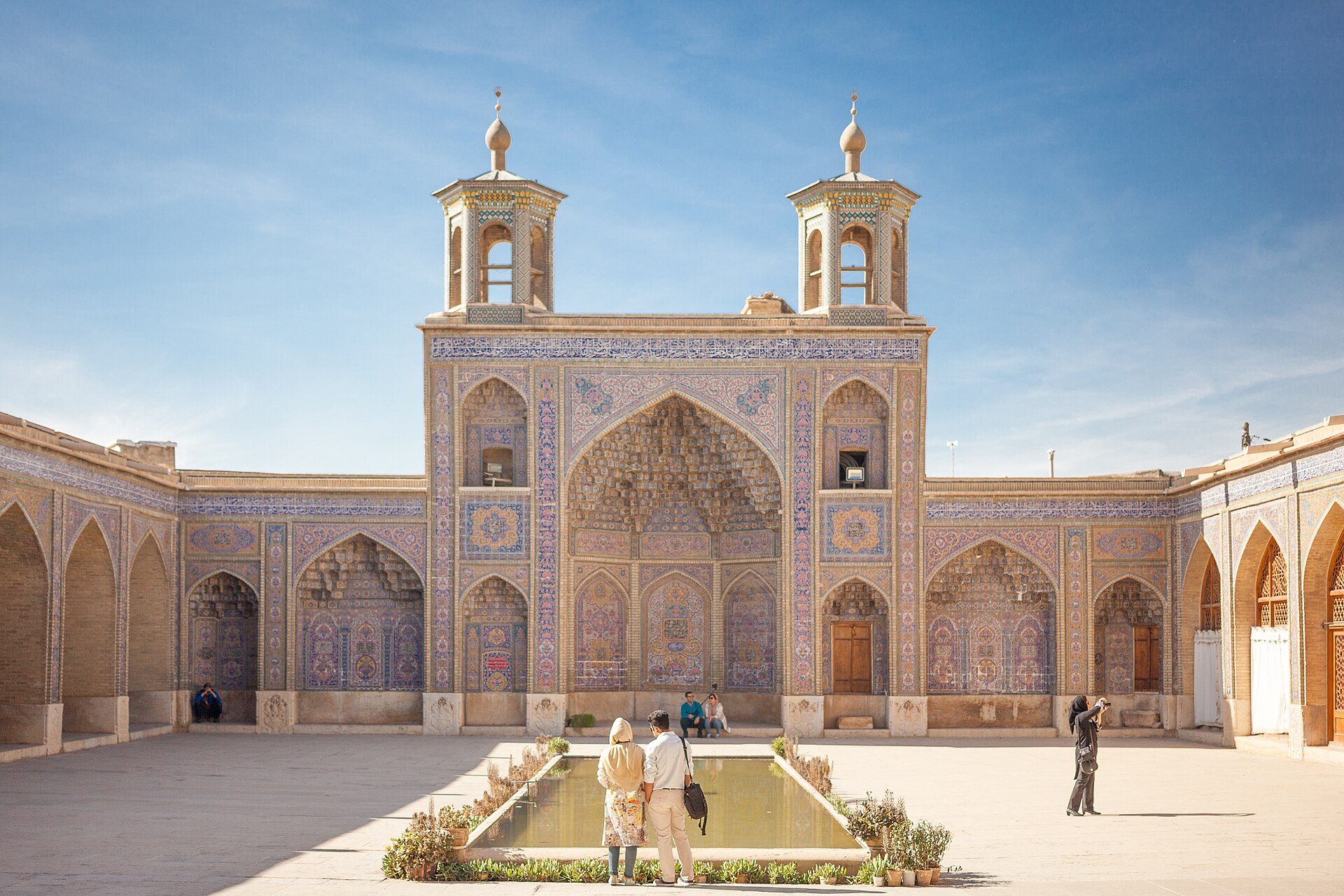
Persia's cultural legacy is immense. Its poets, Ferdowsi, Rumi, Hafez, and Omar Khayyam, are among the greatest in any language, and Persian art, architecture, miniatures, and carpets are treasured the world over. This deep heritage gives Iranians a powerful sense of identity distinct from their Arab neighbours, and a vibrant modern culture, including an internationally acclaimed cinema, thrives alongside it.
Iran stands at the centre of some of the world's tensest disputes. Its nuclear programme, which Iran says is peaceful but which many governments fear is aimed at weapons, has drawn heavy sanctions and repeated crises with the West and with Israel. Iran's support for armed movements across the region makes it a central player in Middle Eastern conflicts. At home, the strict rules of the Islamic Republic, including the compulsory hijab, have met repeated waves of protest, exposing deep divisions over the country's direction.
The Achaemenid Empire under Cyrus the Great, remembered for a measure of tolerance unusual in the ancient world, set a template for empire that influenced rulers for centuries. Persia's absorption of Islam helped power a golden age of science, mathematics, and poetry. In modern times the Iranian Revolution of 1979 overthrew the monarchy and established the Islamic Republic, a turning point that reshaped the politics of the entire Middle East.
Iran has a population of around 88 million people. Persians form the largest group, alongside sizeable Azeri, Kurdish, and other minorities, united by the Persian language and a strong sense of ancient heritage. The population is highly educated and increasingly urban, concentrated in cities such as the sprawling capital Tehran. After decades of high growth the birth rate has fallen sharply, and the society is young but beginning to age.