Israel is a small country in the Middle East, on the eastern shore of the Mediterranean Sea, in a region of profound significance to several of the world's major religions. Established as a modern state in 1948 as a homeland for the Jewish people, it sits on land of deep historical and religious meaning. A developed, high-technology nation, it is also at the centre of one of the world's most enduring and contested conflicts.
The land has been inhabited for many thousands of years. In antiquity it was home to Israelite and Judean kingdoms central to the origins of Judaism, then passed through a long succession of empires. In modern times the Zionist movement sought to re-establish a Jewish homeland here, and the State of Israel was declared in 1948.
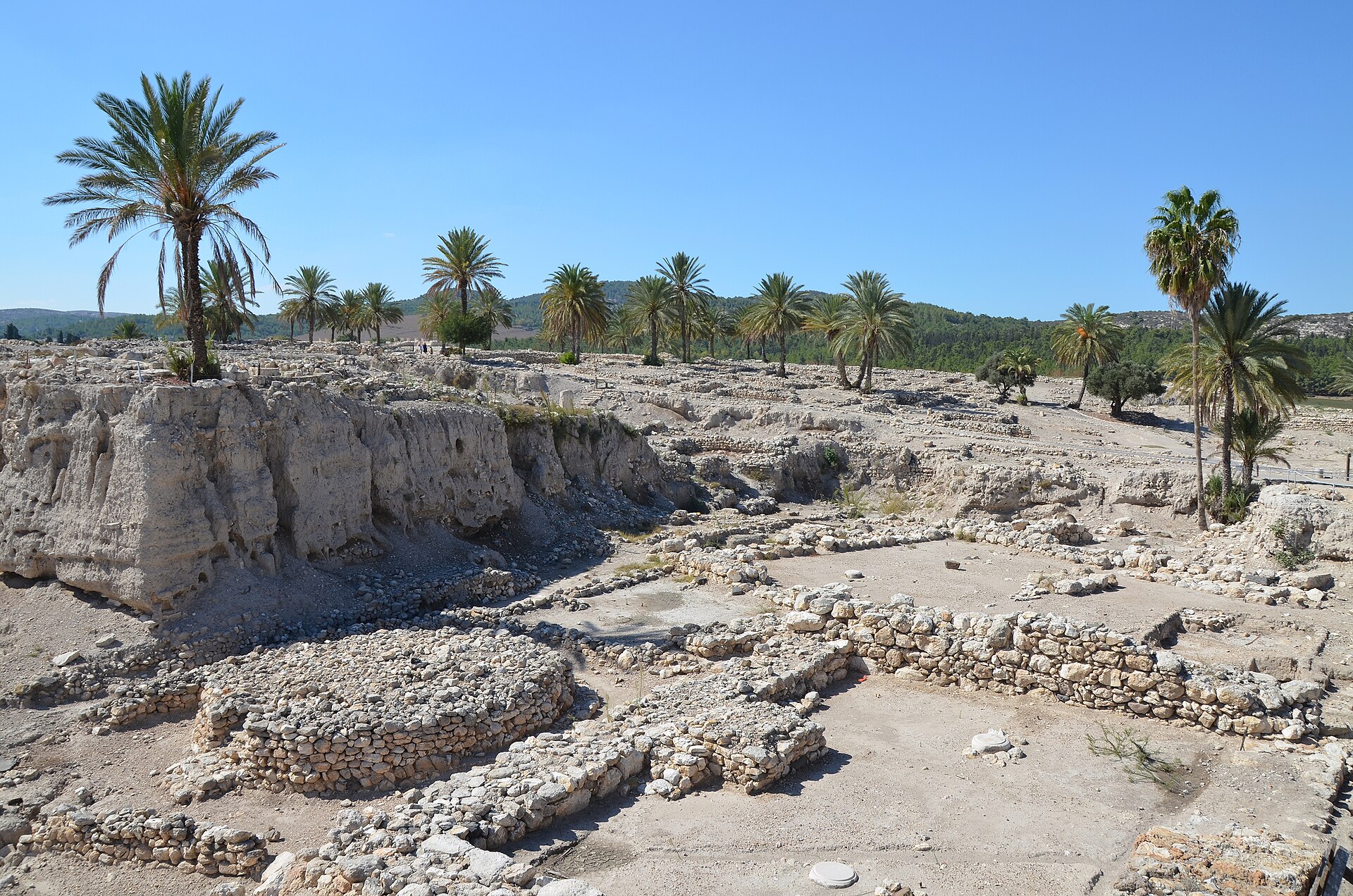
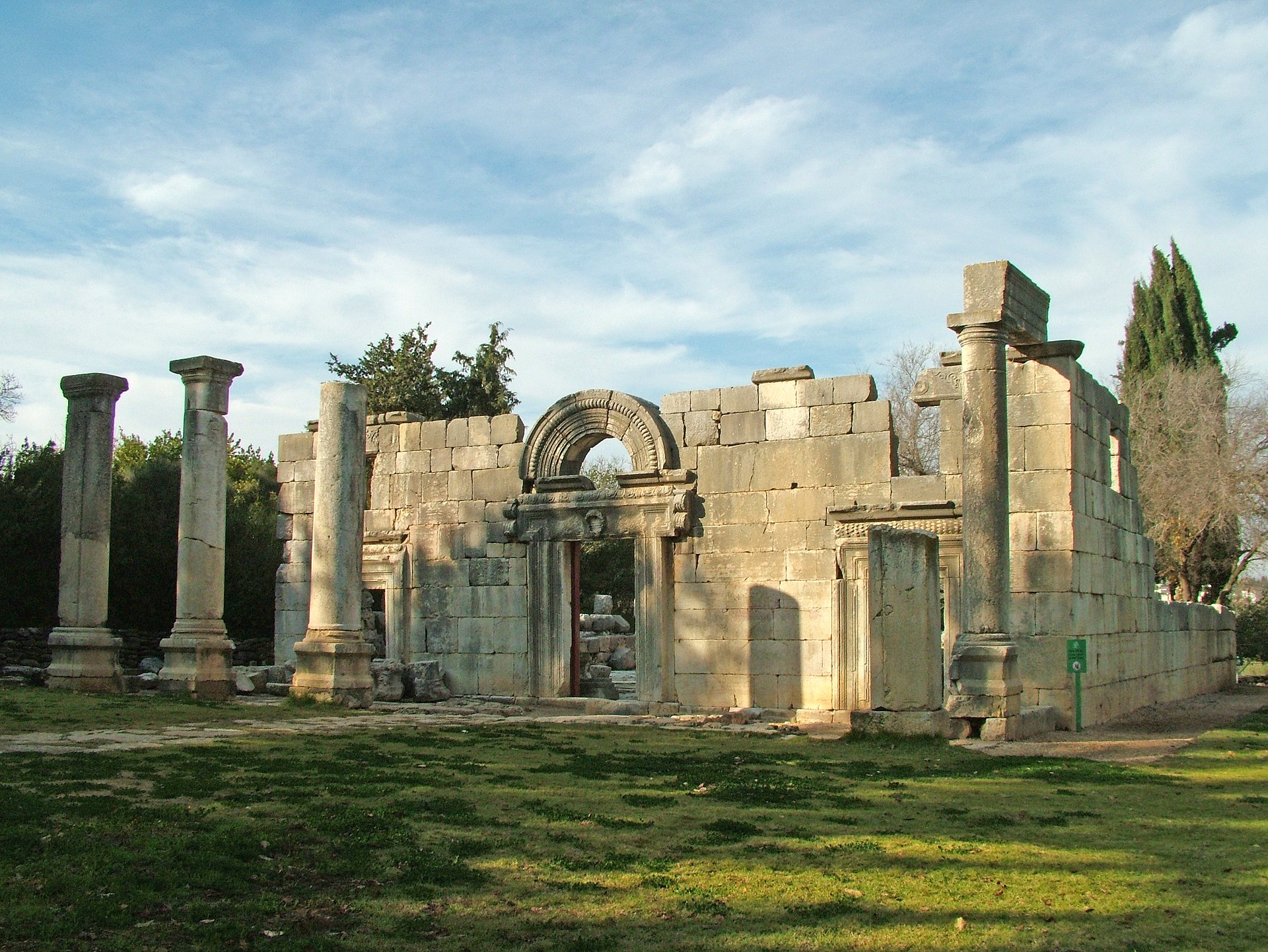
In the Bronze and Iron Ages the land held Canaanite city-states and, later, the Israelite and Judean kingdoms from which Judaism grew. This was the setting for much of the Hebrew Bible, and cities such as Megiddo and Jerusalem were centres of power, worship, and trade across the ancient Near East.
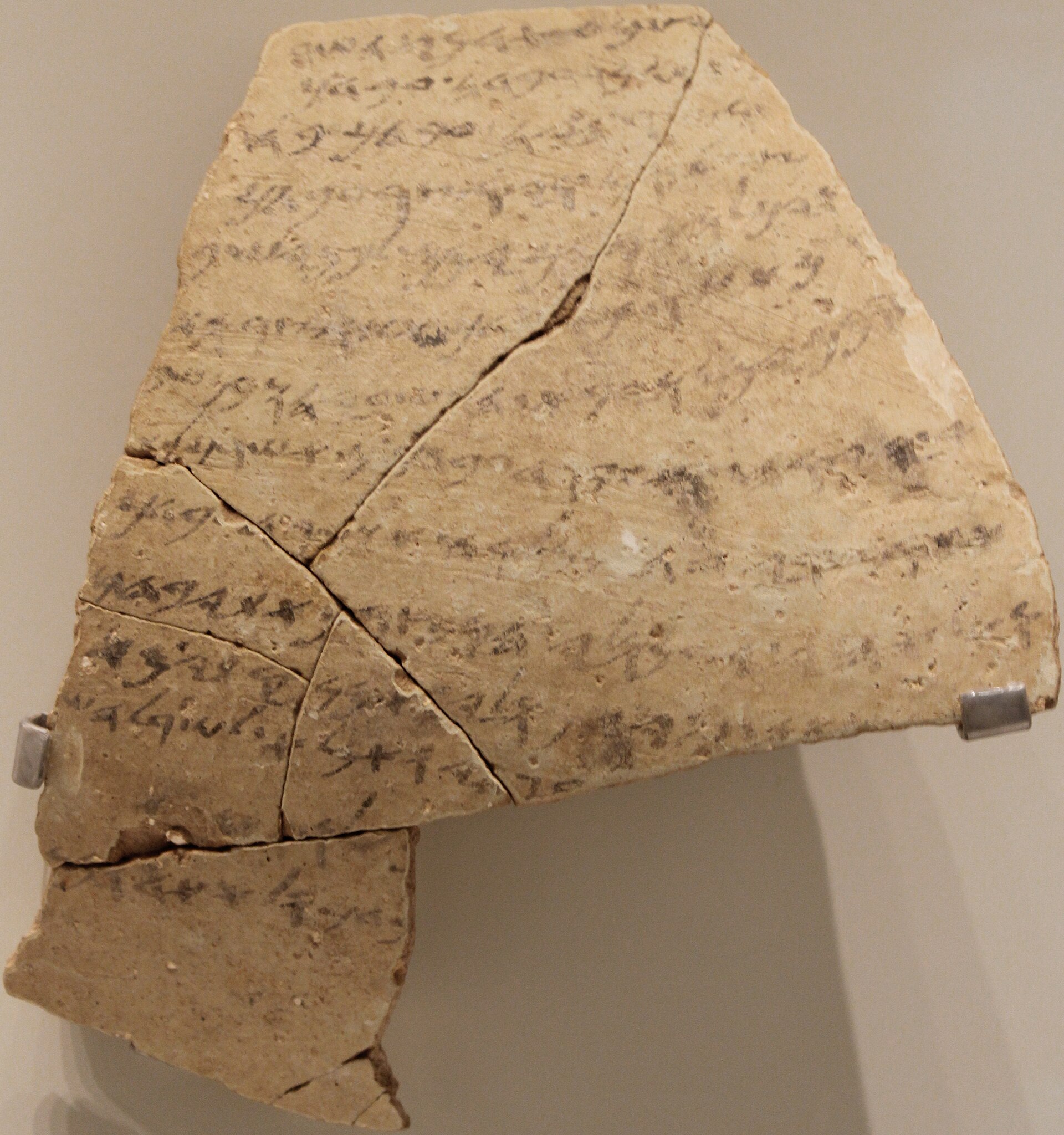
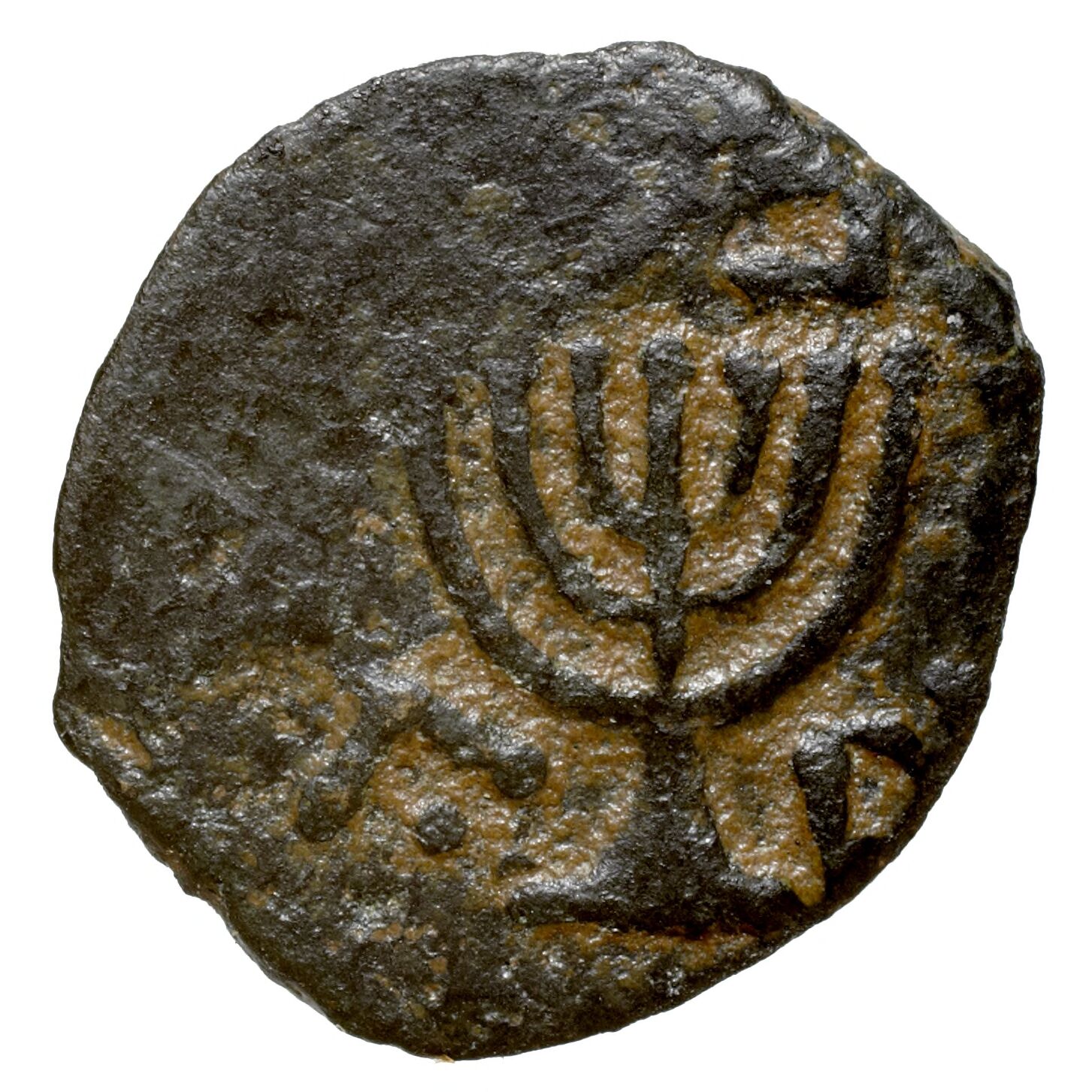
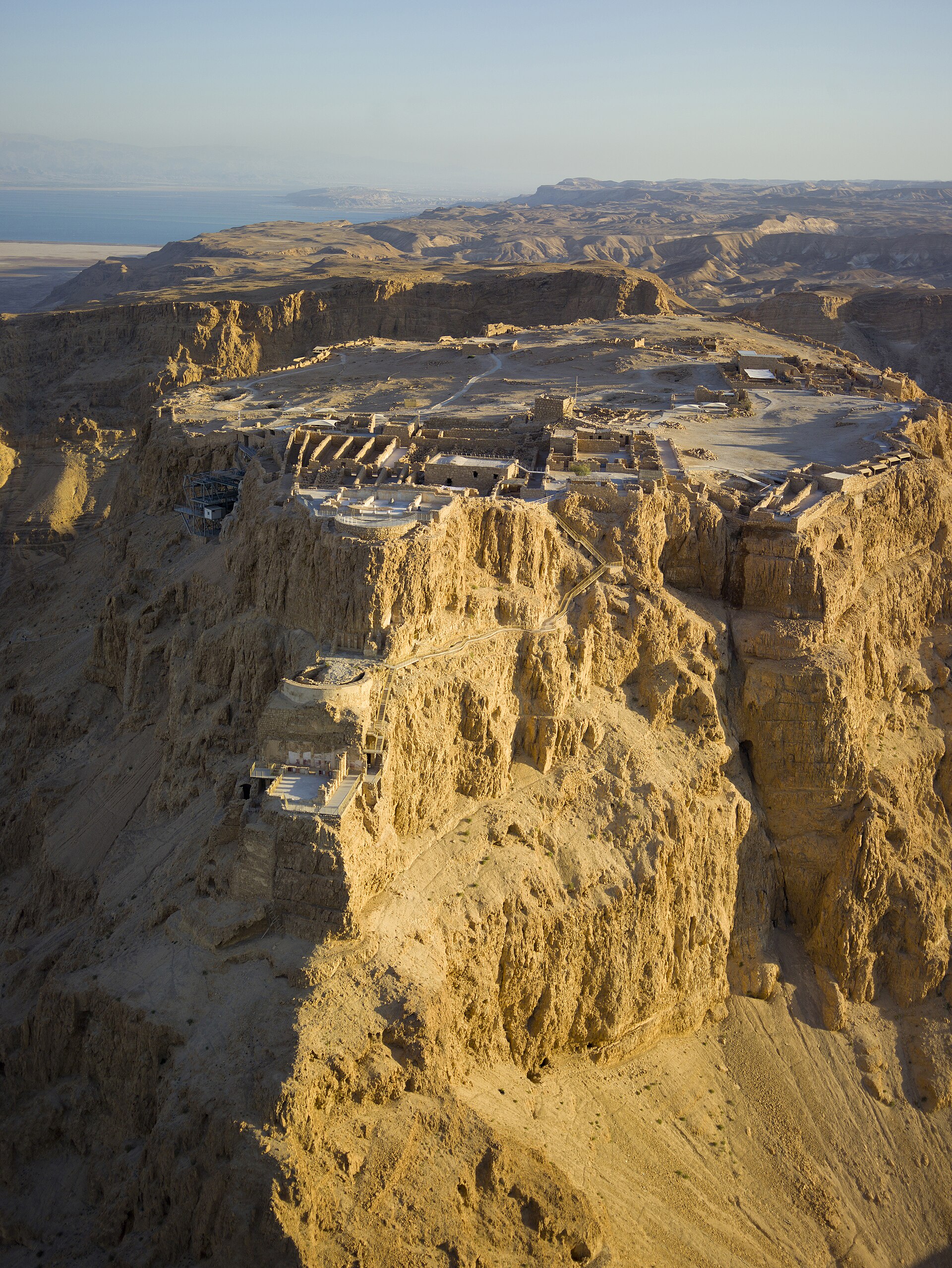
After the Babylonian exile and return, the region was ruled by Greek successors of Alexander and then by the independent Hasmonean kingdom, before Rome took control. Jewish revolts against Rome ended in the destruction of the Second Temple in Jerusalem in 70 AD and the dispersal of much of the Jewish population, beginning the long diaspora.
For the next eighteen centuries the land was ruled in turn by the Byzantine Empire, the Islamic caliphates, the Crusaders, the Mamluks, and finally the Ottomans, who held it for four hundred years. Jewish communities remained throughout, alongside a growing Arab population, and the land stayed sacred to Judaism, Christianity, and Islam.
In the late nineteenth century the Zionist movement, led by figures such as Theodor Herzl, sought to re-establish a Jewish homeland in the historic land of Israel, and Jewish immigration grew. After the First World War the region became a British mandate, and following the Second World War and the Holocaust the State of Israel was declared in 1948.

Much of the earliest history of the region is known through the Hebrew Bible, which describes patriarchs, an exodus from Egypt, and a united kingdom under David and Solomon. These narratives are foundational to Jewish, Christian, and Muslim tradition. How much of the earliest of them reflects documented history, as opposed to later tradition, is genuinely debated among archaeologists and historians, with the evidence for the most ancient events remaining limited and contested.
Despite its small size, Israel holds a striking variety of landscapes, from the Mediterranean coastal plain where most people live, to green hills and valleys in the north, the Jordan River and the Dead Sea, the lowest point on the Earth's land surface, in the east, and the arid Negev Desert across the south. This compact diversity, set in a dry region, has made water and land central concerns throughout its history.
Israel is a parliamentary democracy. Its citizens elect the Knesset, a single chamber of 120 members, through a system of proportional representation that usually produces coalition governments. The head of government is the prime minister, while the president holds a largely ceremonial role. Israel has no single written constitution, governing instead through a series of Basic Laws. Its politics are famously vigorous and often closely divided, and questions of security, religion and state, and relations with the Palestinians are enduring dividing lines.
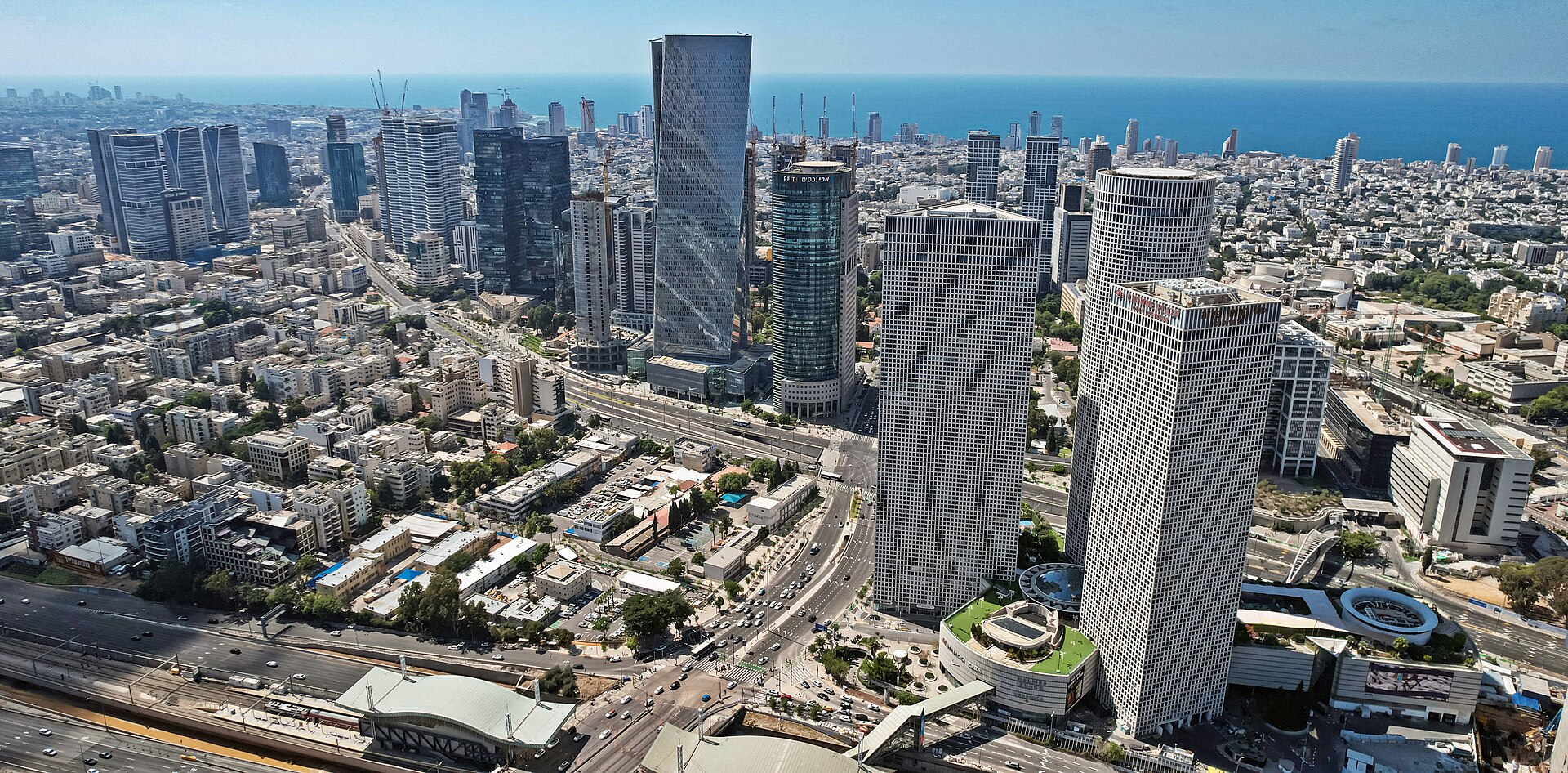
Israel has an advanced, high-income economy widely known as a centre of technology and innovation, earning it the nickname of the Startup Nation for its dense concentration of technology firms and research. With few natural resources, it built its prosperity on education, industry, and enterprise, though recent offshore natural gas discoveries have added energy wealth. Cut diamonds, pharmaceuticals, and advanced electronics are major exports, and the country invests heavily in science and defence technology.
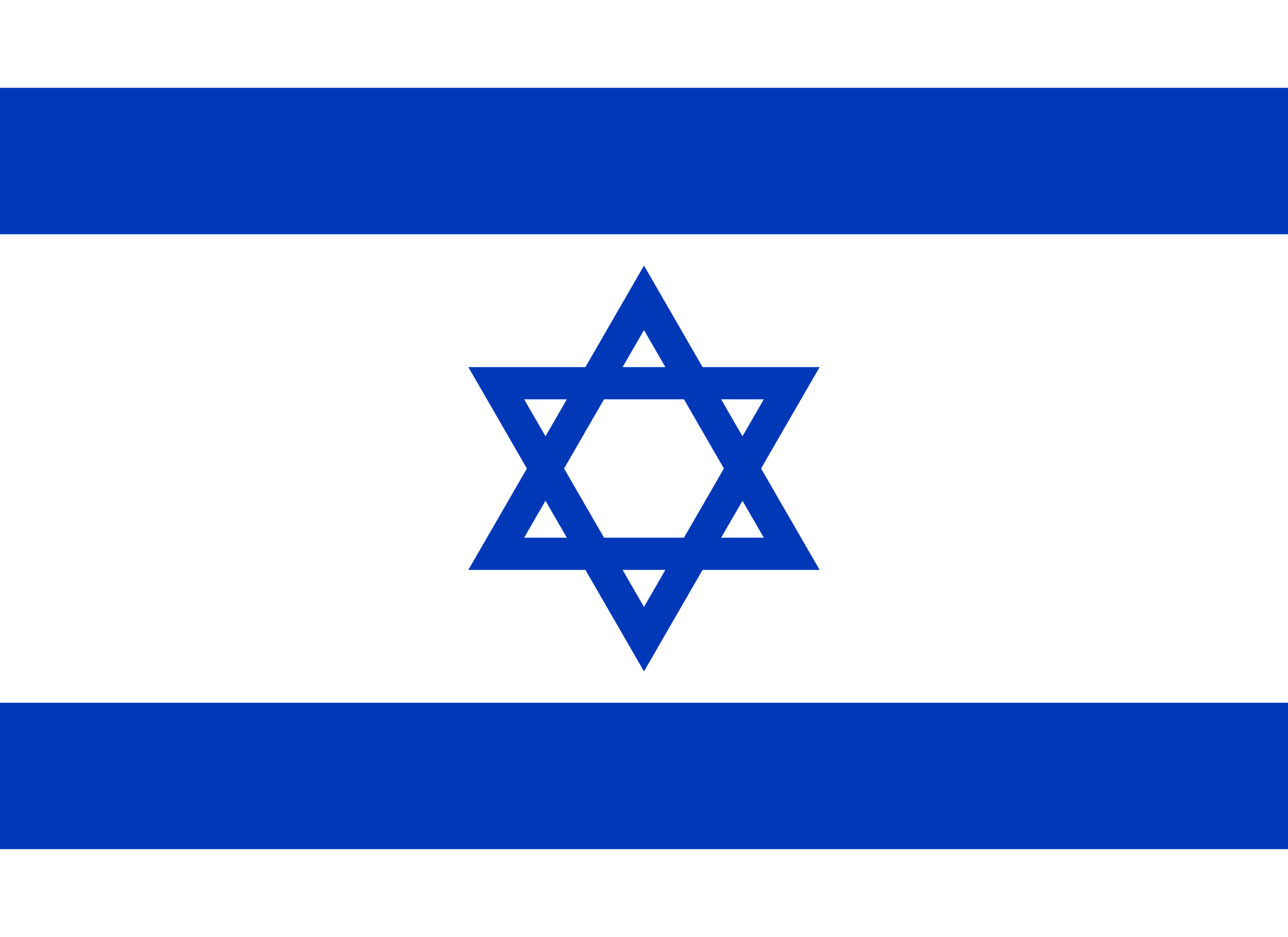
The flag of Israel is white with two horizontal blue stripes and, at its centre, a blue Star of David, the six-pointed star that is a long-standing symbol of Judaism and the Jewish people. The design is based on the traditional Jewish prayer shawl, the tallit, with its stripes, linking the modern state to religious and cultural tradition. The flag was adopted soon after the state was established.
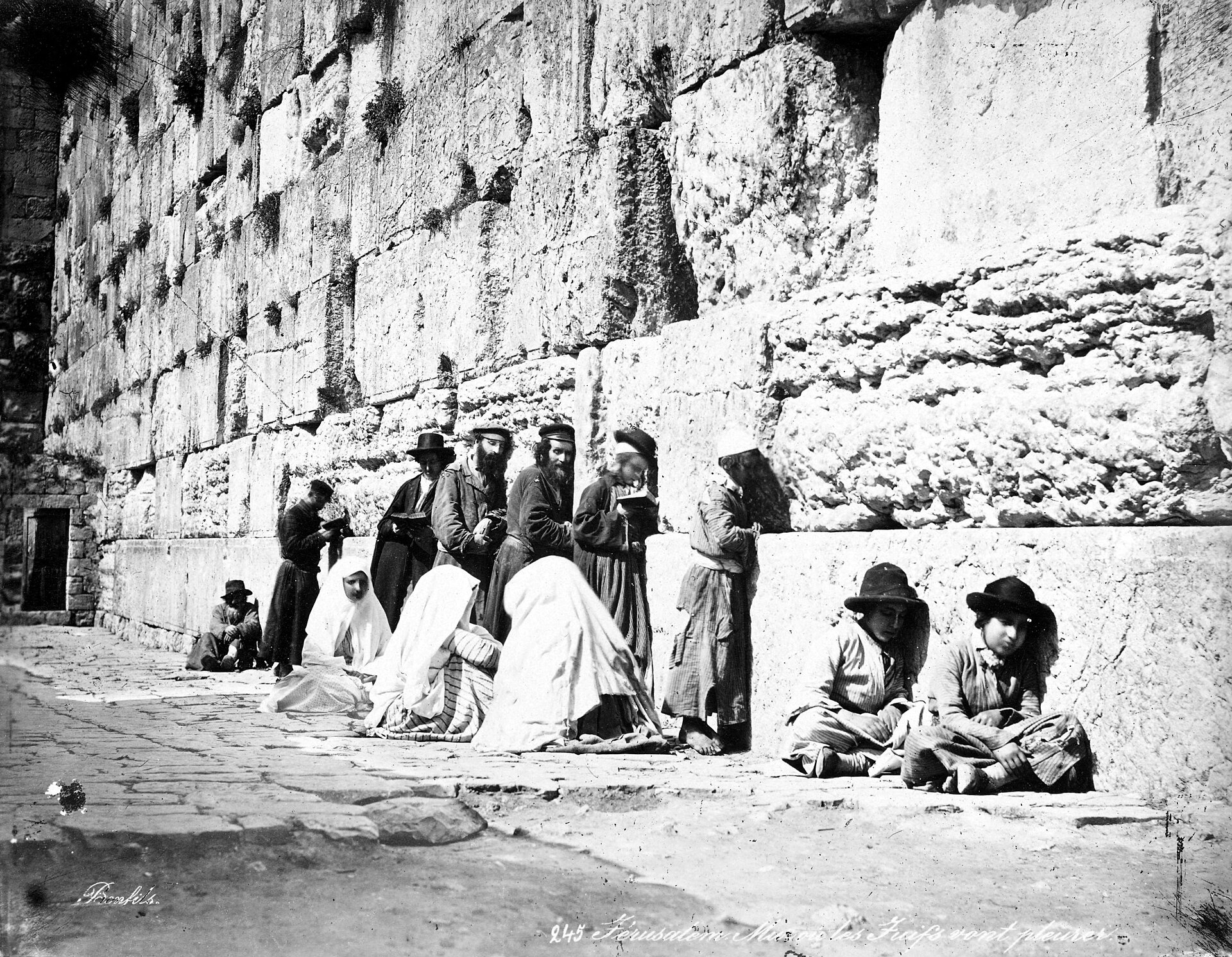
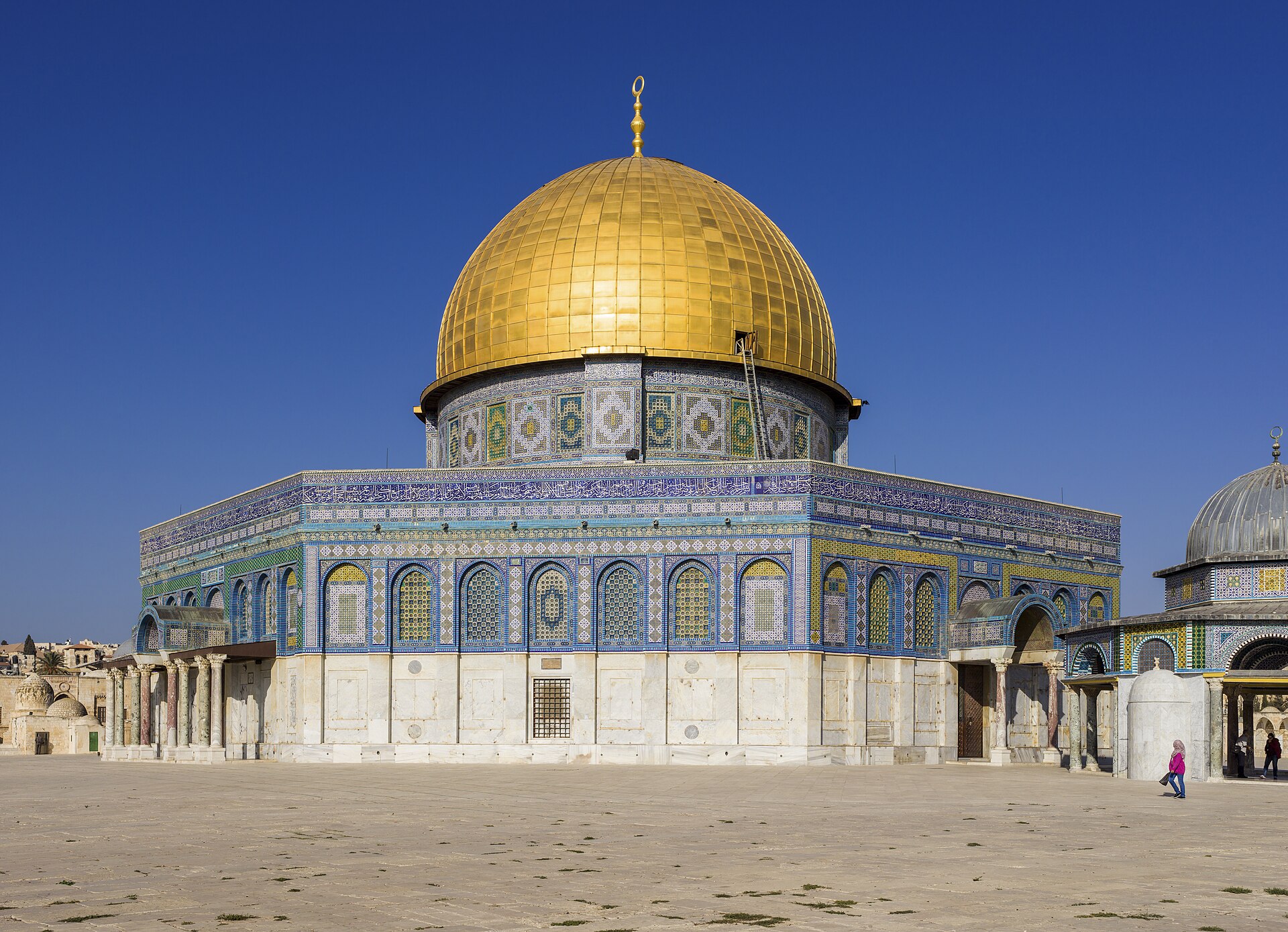
Israel was founded as a Jewish state, and the majority of its citizens are Jewish, spanning a wide range from the secular to the strictly religious. It is also home to a significant Arab minority, most of them Muslims, along with Christians and the Druze. The land contains sites of the highest importance to Judaism, Christianity, and Islam, above all in Jerusalem, which makes the country a focus of religious devotion and of deep contention.
Israeli cuisine is a vibrant blend, drawing on the food traditions of Jewish communities gathered from around the world and on the cooking of the surrounding Middle East. Dishes such as falafel and hummus, shakshuka of eggs poached in tomato sauce, and fresh salads are everyday staples, alongside foods brought by immigrants from Europe, North Africa, and the Middle East. The result is a varied and fast-evolving food culture.
Israel is known for innovative, technologically advanced agriculture that has made productive use of a dry and difficult environment, pioneering techniques such as drip irrigation that are now used worldwide. The country grows citrus fruits, of which it was long a famous exporter, along with dates, vegetables, and flowers, often in the desert. The communal farming settlements known as kibbutzim played an important role in its early agricultural development.
Israeli society is young, highly urban, and marked by deep internal diversity, gathering Jews from Europe, the Middle East, North Africa, and beyond alongside a large Arab minority. A defining achievement was the revival of Hebrew, once largely a language of prayer, as a living everyday tongue. Jerusalem, sacred to three faiths, holds layers of heritage found nowhere else, and the country sustains a lively cultural life in literature, music, film, and science, shaped both by ancient tradition and by the pressures of the modern era.
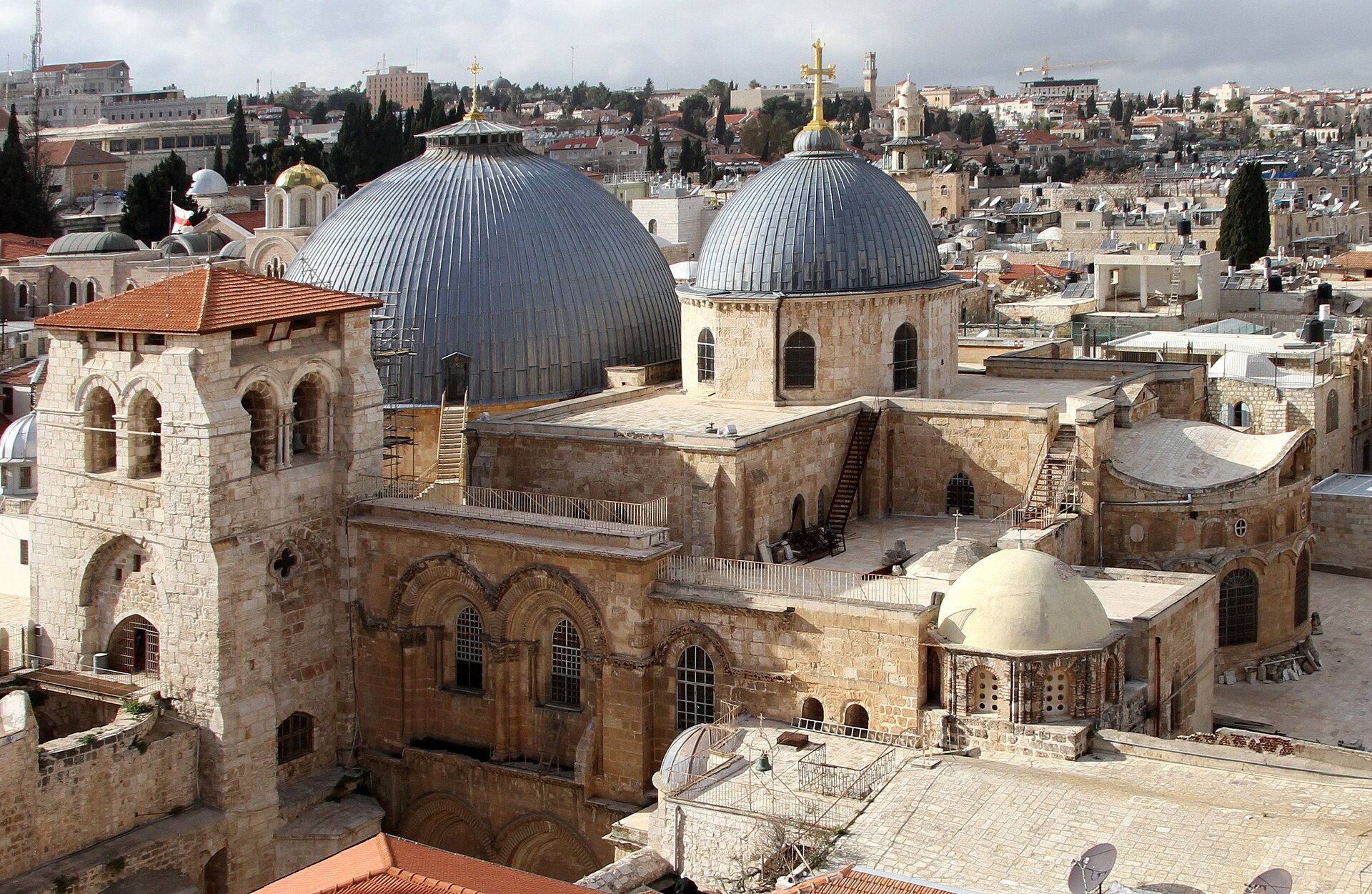
Israel lies at the centre of one of the world's most enduring disputes. Its establishment in 1948 was, for Jews, the rebirth of a homeland after the Holocaust and centuries of persecution; for many Palestinian Arabs, the same events brought the loss of homes and land that they call the Nakba, or catastrophe. Wars between Israel and neighbouring Arab states followed, and in 1967 Israel took control of the West Bank, Gaza, and other territories. Decades of conflict, occupation, and repeated efforts at peace have left core questions unresolved, including borders, the status of Jerusalem, Israeli settlements, the fate of Palestinian refugees, and the security of both peoples. The conflict remains one of the most consequential and bitterly contested issues in world affairs.

The establishment of Israel in 1948 was a landmark in modern history, following the Holocaust and the long Zionist movement. It was also the start of a prolonged conflict with neighbouring Arab states and with the Palestinians over the same land, including several wars and an unresolved dispute over territory, borders, and the status of Jerusalem. Alongside this, Israel built a developed economy and a reputation as a global centre of technology within a few decades of its founding.
Israel has a population of around 9.8 million people. The majority are Jewish, drawn from communities across the world and speaking Hebrew, the revived national language, while a substantial minority are Arabs, most of them citizens of the state. The population is highly urban, concentrated along the coast around Tel Aviv and in Jerusalem. Israeli society is marked by deep internal diversity and by the long shadow of the surrounding conflict.