A count of a population, conducted by a state, at a defined moment. It is among the oldest functions of government and remains the foundation on which most official statistics rest.
A census counts everyone in a defined territory at a defined time, rather than sampling. That is its distinguishing feature and the source of both its value and its cost.
Most collect more than a head count: age, sex, household composition, occupation, education, housing, and often language, ethnicity or religion. The additional questions are what make it useful for planning, and they are also what make it politically sensitive.
A census is usually conducted every five or ten years, which is a compromise between currency and expense. National statistical offices run them and generally guarantee that individual returns will not be shared with other parts of government.
Counts of populations are attested in ancient Egypt, Babylon and China, generally for taxation, labour service and military conscription.
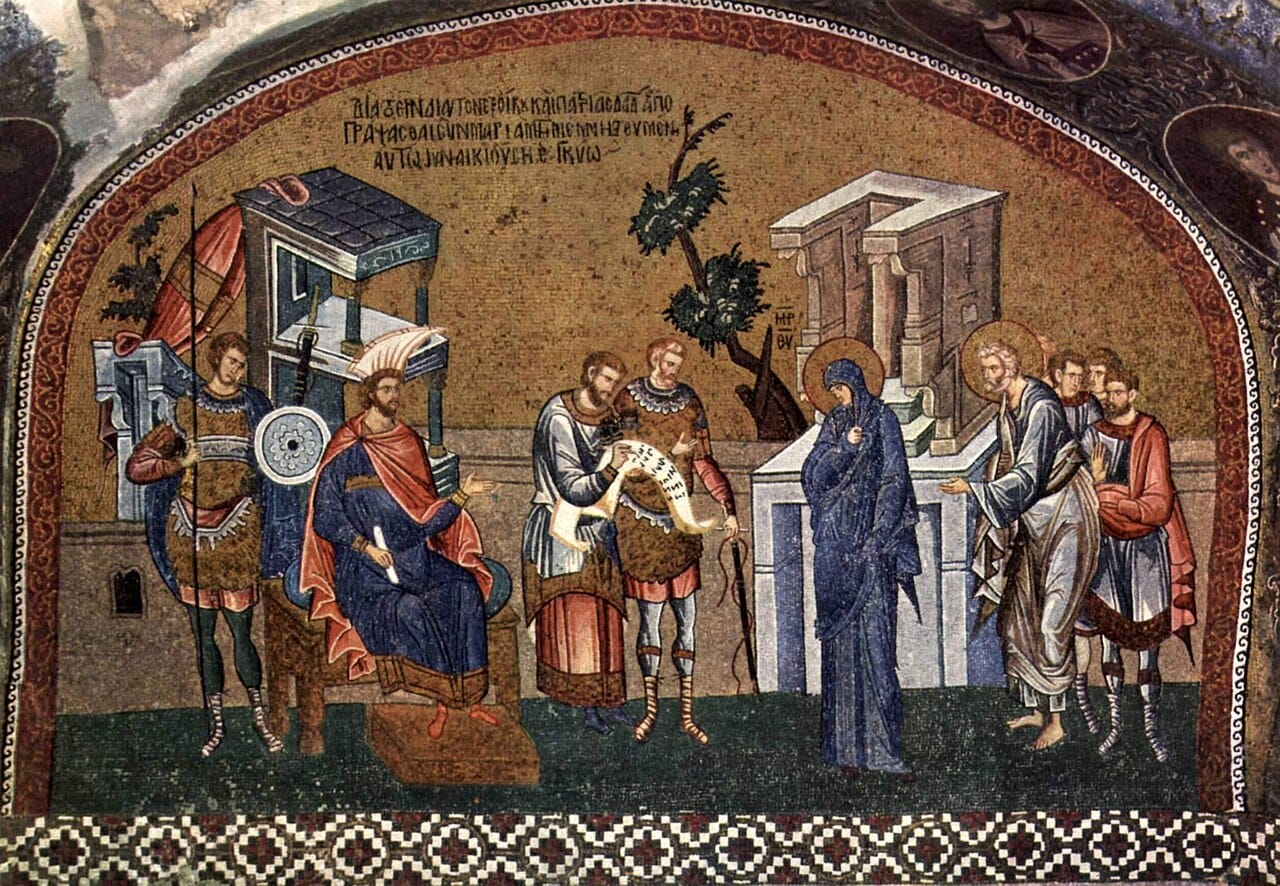
The Roman census gave the word, from a term meaning to assess, and it registered citizens and their property to determine tax liability, military obligation and voting class. It was conducted regularly for centuries.
The Domesday Book of 1086 surveyed landholding in England after the Norman conquest in extraordinary detail, recording who held what and what it was worth. It was a property survey rather than a population count, and it remains one of the most complete administrative records of any medieval society.
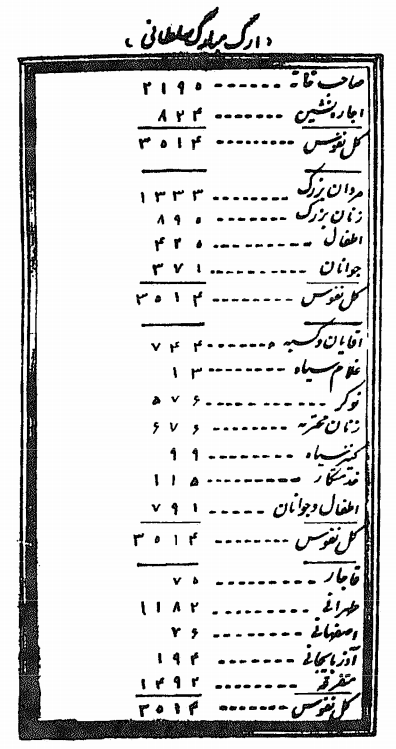
Modern statistical censuses begin in the eighteenth and nineteenth centuries. Sweden's population registers date from 1749, and the United States has counted every ten years since 1790, a requirement written into its constitution because congressional seats are apportioned by population.
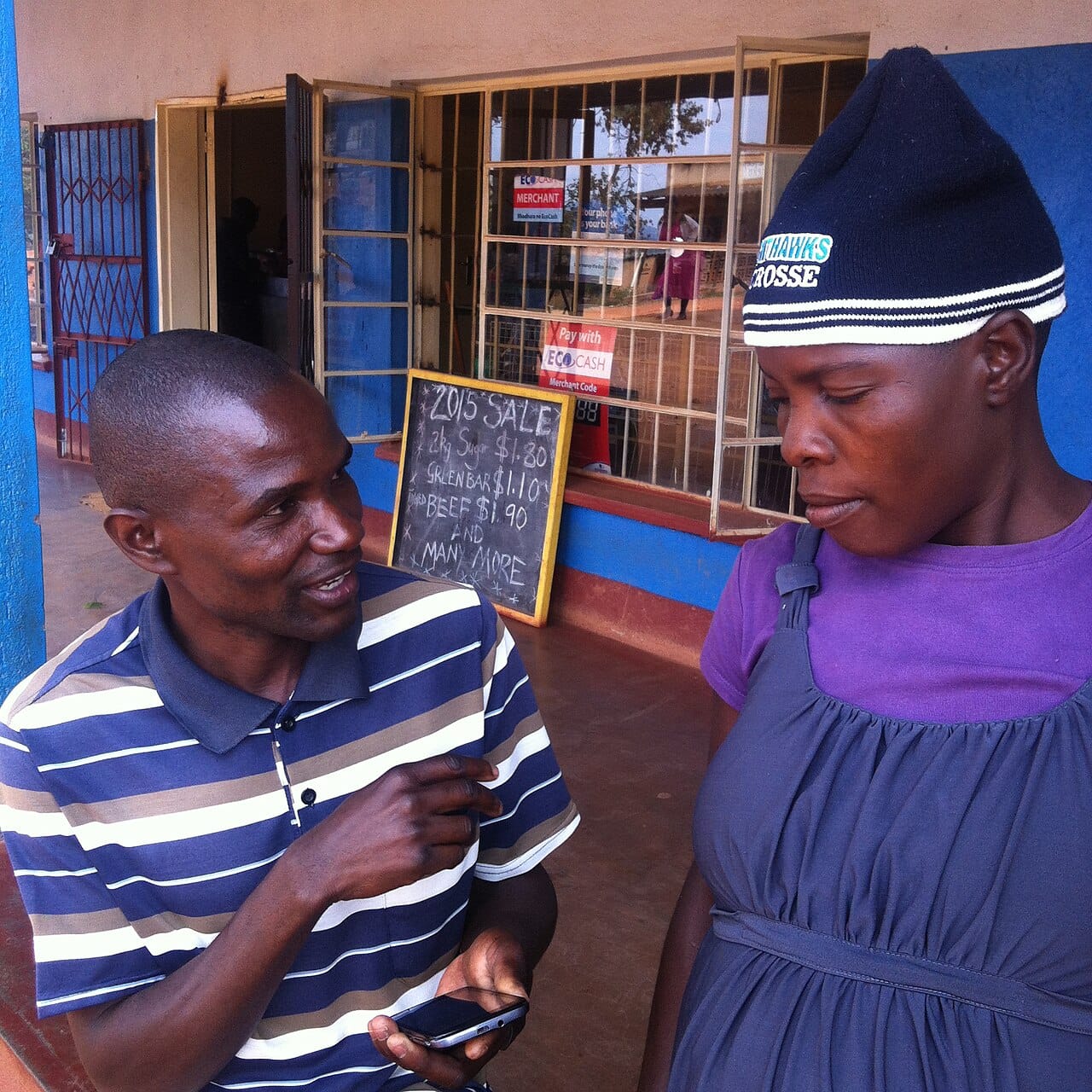
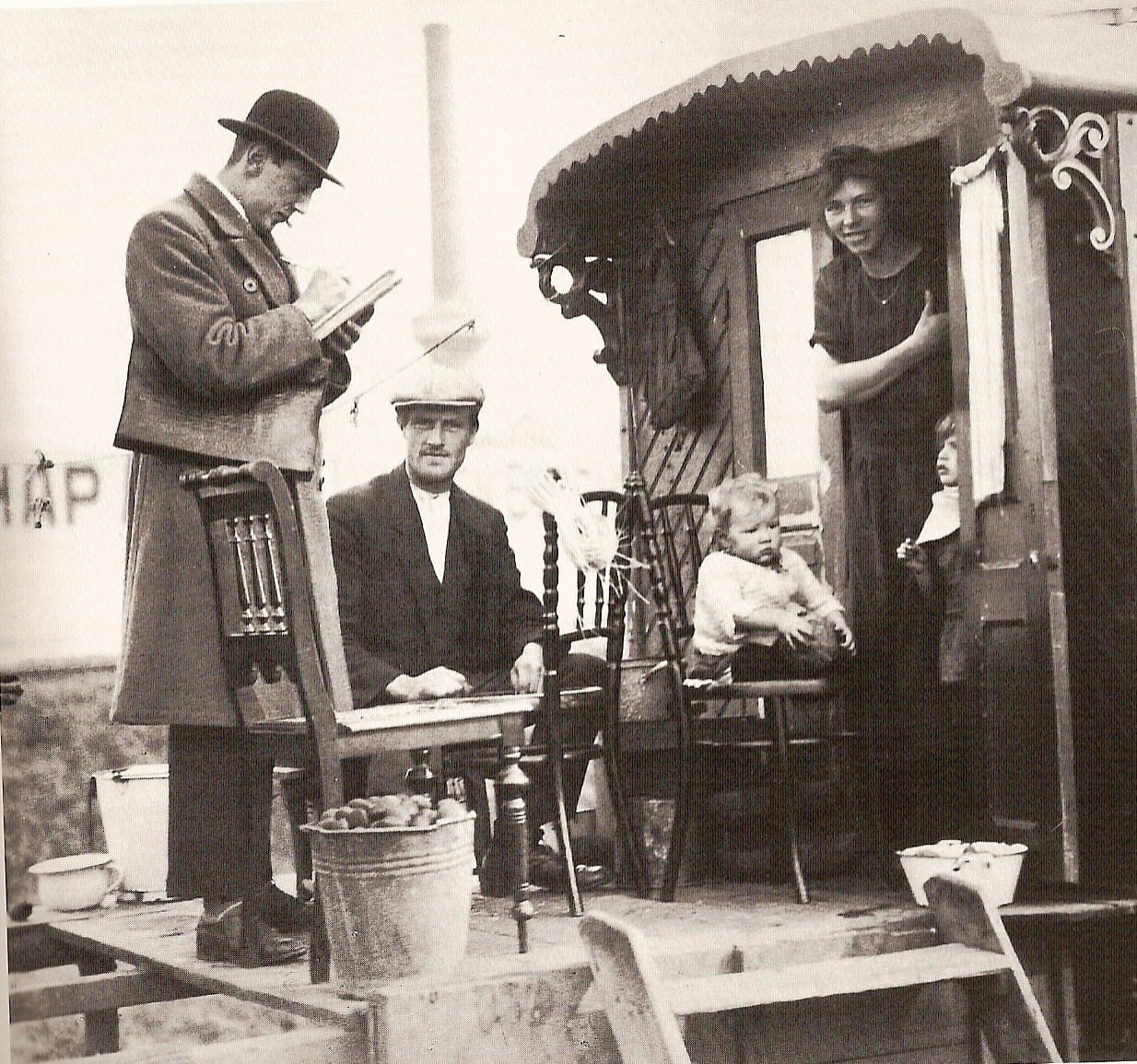
Traditional enumeration sends staff to every household. It is thorough and extremely expensive, and large censuses are among the largest peacetime operations a state undertakes, employing hundreds of thousands of temporary workers.
Self-completion by post or online now handles the majority of returns in many countries, with enumerators following up non-responders.
Register-based censuses, used in several Nordic countries, compile the count from existing administrative records on population, housing, employment and education. This is far cheaper and can be produced more often, and it requires comprehensive registers and a population identifier, which many countries do not have and some would not accept.
Undercount is the persistent technical problem. Certain groups are systematically missed: people without fixed addresses, recent migrants, young men in some populations, and those who distrust the state. Because these groups are not randomly distributed, the undercount distorts small-area results more than national totals, and statistical adjustment for it is contested precisely because the adjustment affects funding and representation.
Political representation. Legislative seats are allocated by population in many countries, and boundaries are redrawn on census results. This makes the count directly consequential for power, and it is why census methodology is litigated.
Public funding. Allocations for health, education, transport and local government are commonly distributed by formulas using census data, so an undercounted area receives less money for a decade.
Planning. Schools, hospitals, housing and transport are planned against projected population, and projections start from a census.
Research. The census provides the denominator for a large share of official statistics, since rates of anything require a population figure, and it supplies the sampling frame for most surveys.
Census questions are decisions about which categories officially exist. Debates over how to ask about ethnicity, race, religion, language, gender and citizenship recur in almost every country, because appearing as a category confers recognition and resources, and being absent removes both.
Privacy concerns are historically grounded rather than abstract. Population registration data has been used against the people recorded, most notoriously in occupied Europe during the Second World War, where detailed records assisted the identification of Jewish populations. That history is why statistical confidentiality is protected by law in most countries, and why breaches of it are treated so seriously.
Cost and response rates have prompted several countries to reduce or replace the traditional census. Canada's replacement of its mandatory long-form census with a voluntary survey in 2011 produced data quality problems severe enough that the decision was reversed in 2016, and it is the standard example of what happens when a compulsory count becomes optional.
Almost everything a modern state knows about itself rests on a census, and almost every statistic quoted as a rate depends on it for the denominator. It is also the point where measurement and politics meet most directly: deciding who is counted, and in which category, allocates money and power for years afterwards.