Suriname is the smallest country in South America, lying on the continent's northern coast between Guyana and French Guiana. A former Dutch colony, it is the only nation in the Americas where Dutch is the official language, and it is one of the most ethnically and religiously diverse countries in the world, its small population a remarkable mosaic of peoples drawn from Africa, India, Indonesia, China, Europe, and the indigenous Americas. Largely covered by pristine rainforest, it is culturally a Caribbean nation despite its South American location.
Suriname's history is that of a Dutch plantation colony, built on slavery and then indenture, that assembled one of the most diverse societies on Earth before winning a troubled independence.
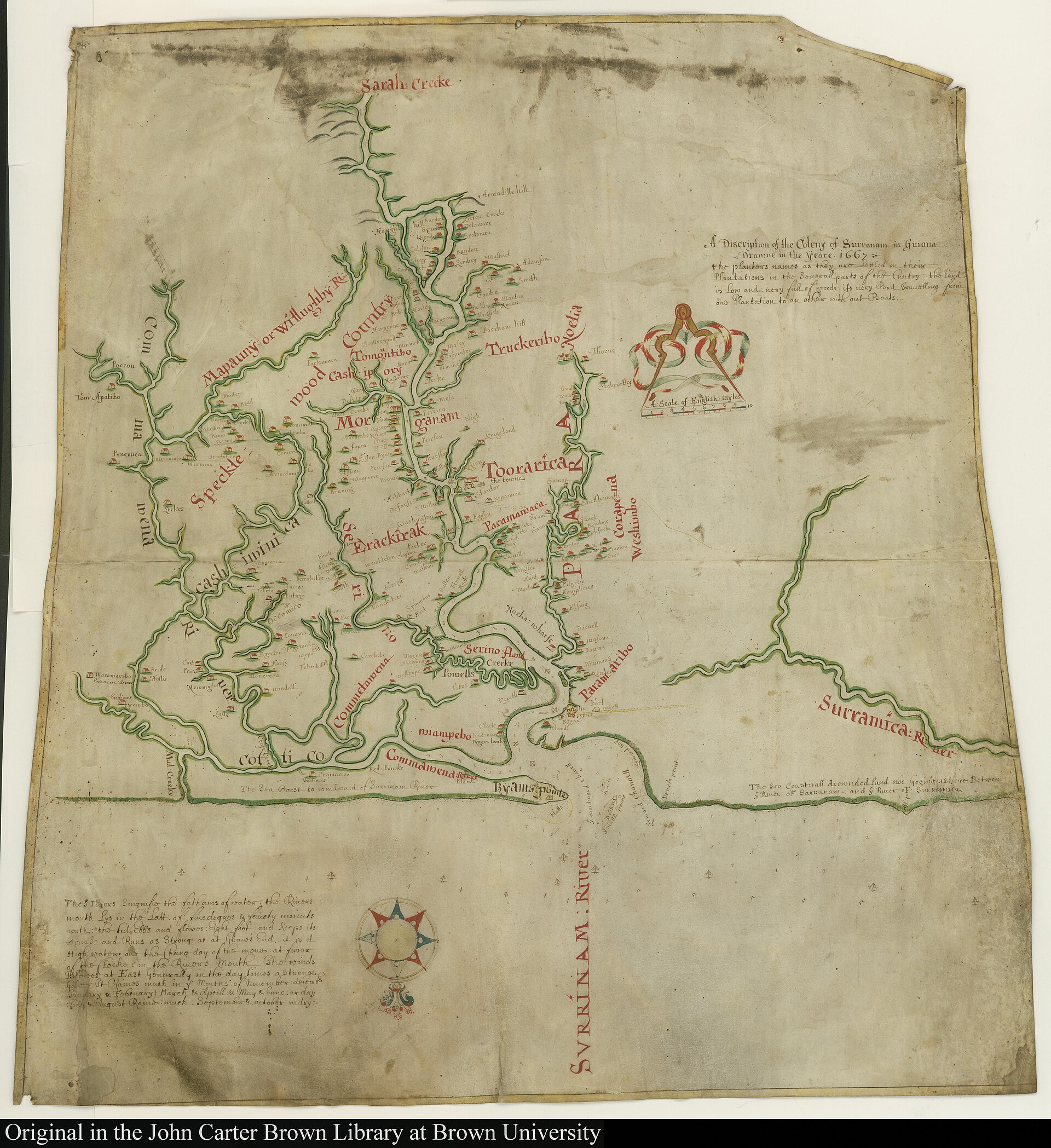
Indigenous peoples inhabited the land when European powers began contesting its coast, and in 1667 it became a Dutch colony in one of history's more remarkable bargains: by the Treaty of Breda, the Dutch kept sugar-rich Suriname and ceded to the English their North American colony of New Amsterdam, the future New York. The Dutch built a notoriously brutal plantation economy, worked by enslaved Africans under some of the harshest conditions in the Americas.
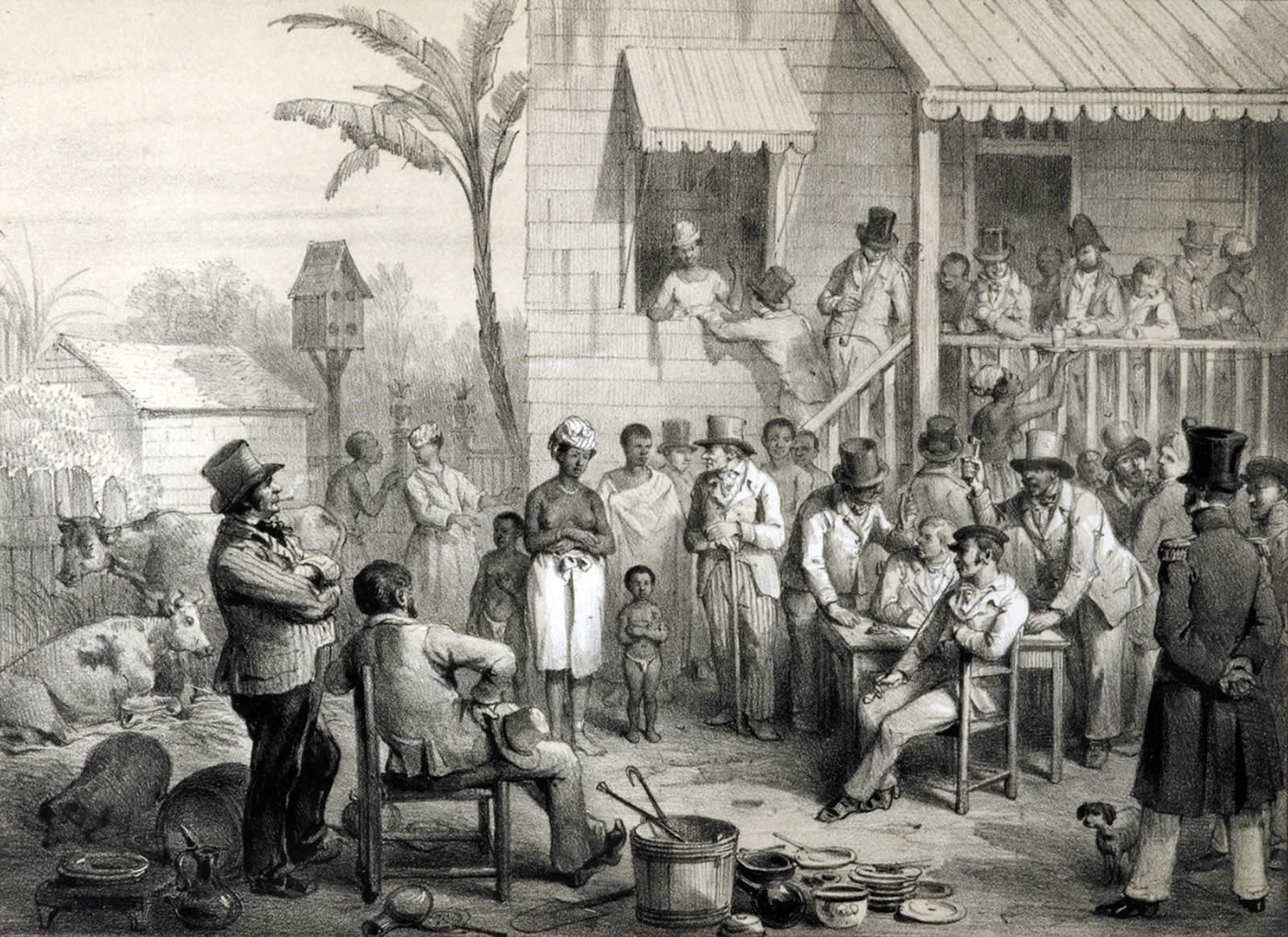
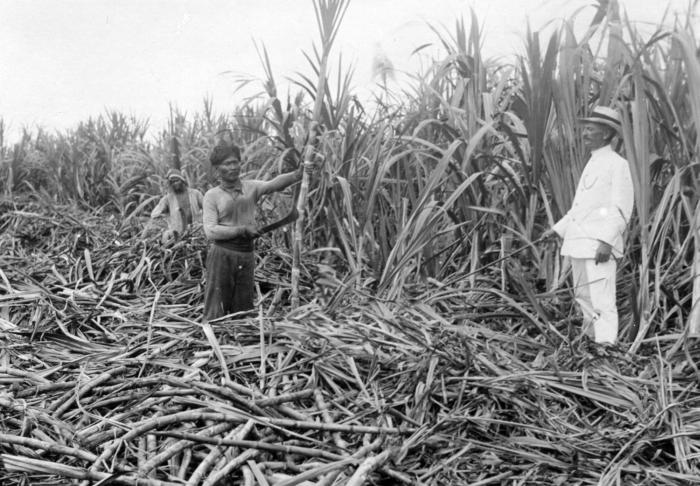
So harsh was the plantation regime that many of the enslaved escaped into the vast interior, where they formed independent communities, the Maroons, who fought the Dutch to a standstill and won treaties recognising their freedom, preserving African-rooted cultures that survive in the forest to this day. After slavery was abolished in 1863, the Dutch brought indentured labourers from India and from their East Indies colony of Java to work the plantations, and it is from this layering of peoples, indigenous, African, Maroon, Indian, Javanese, Chinese, and European, that Suriname's extraordinary diversity was born.
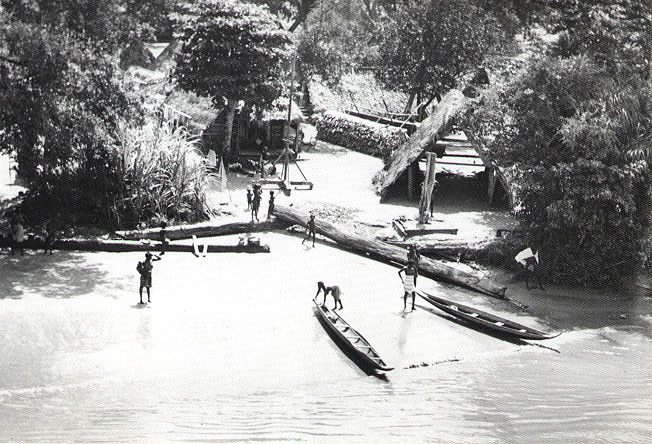
Suriname is a small country whose landscape is dominated by water and forest. A narrow, flat, and swampy coastal plain, where most of the population lives and where the Dutch built dykes and polders, gives way inland to a belt of savanna and then to vast, largely untouched tropical rainforest that covers the great majority of the country and reaches into forested highlands. This immense, sparsely inhabited wilderness, threaded by great rivers, is one of the most pristine in the world and shelters extraordinary biodiversity, much of it within protected nature reserves.
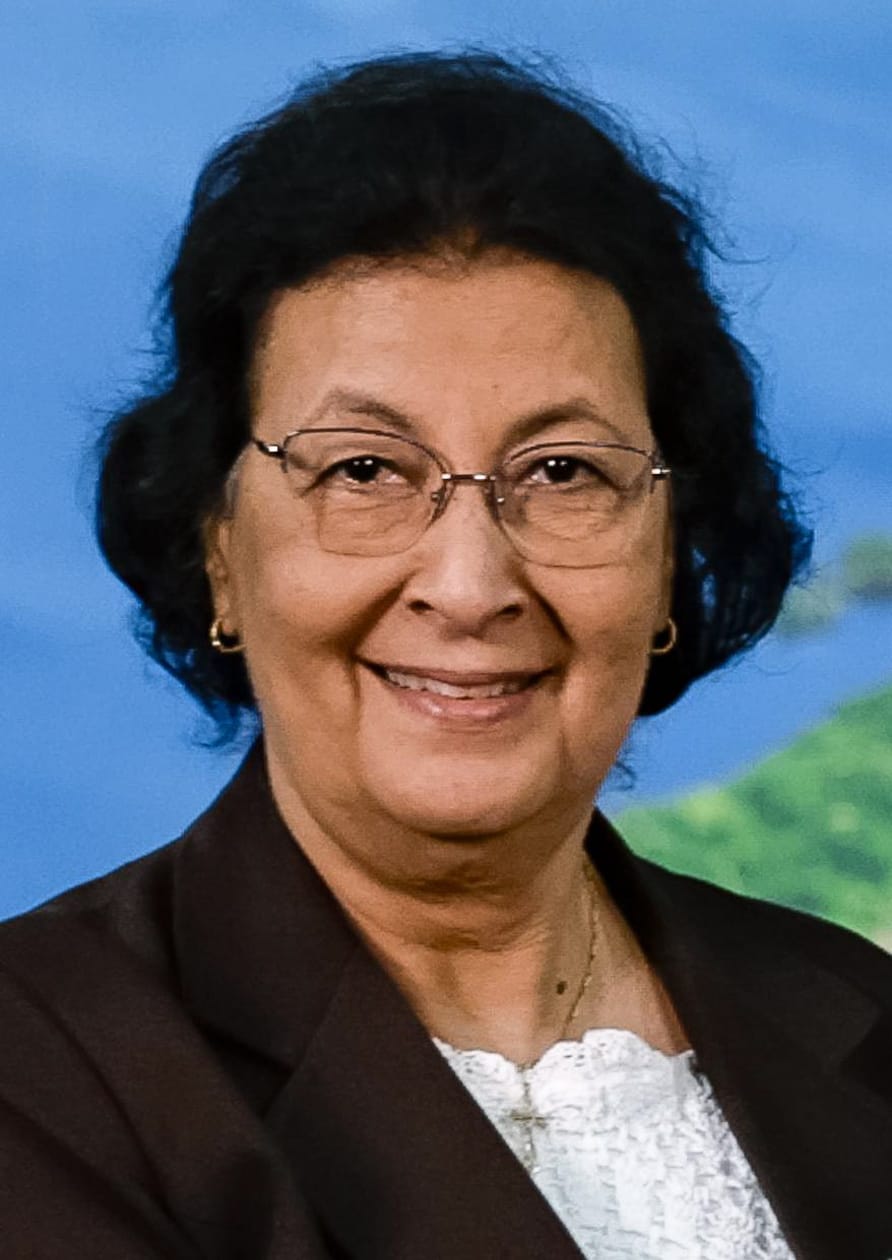
Suriname is a constitutional democracy in which the president is elected by the National Assembly. In 2025 that assembly chose Jennifer Geerlings-Simons as the country's first woman president, at the head of the National Democratic Party. That party carries a heavy history: it was founded by Desi Bouterse, the army officer who dominated Suriname for decades and whose legacy still divides the nation. Politics is shaped less by ideology than by the country's ethnic patchwork, with parties often rooted in particular communities forming shifting coalitions, and by the perennial challenges of corruption, economic instability, and hopes pinned on newly discovered offshore oil.
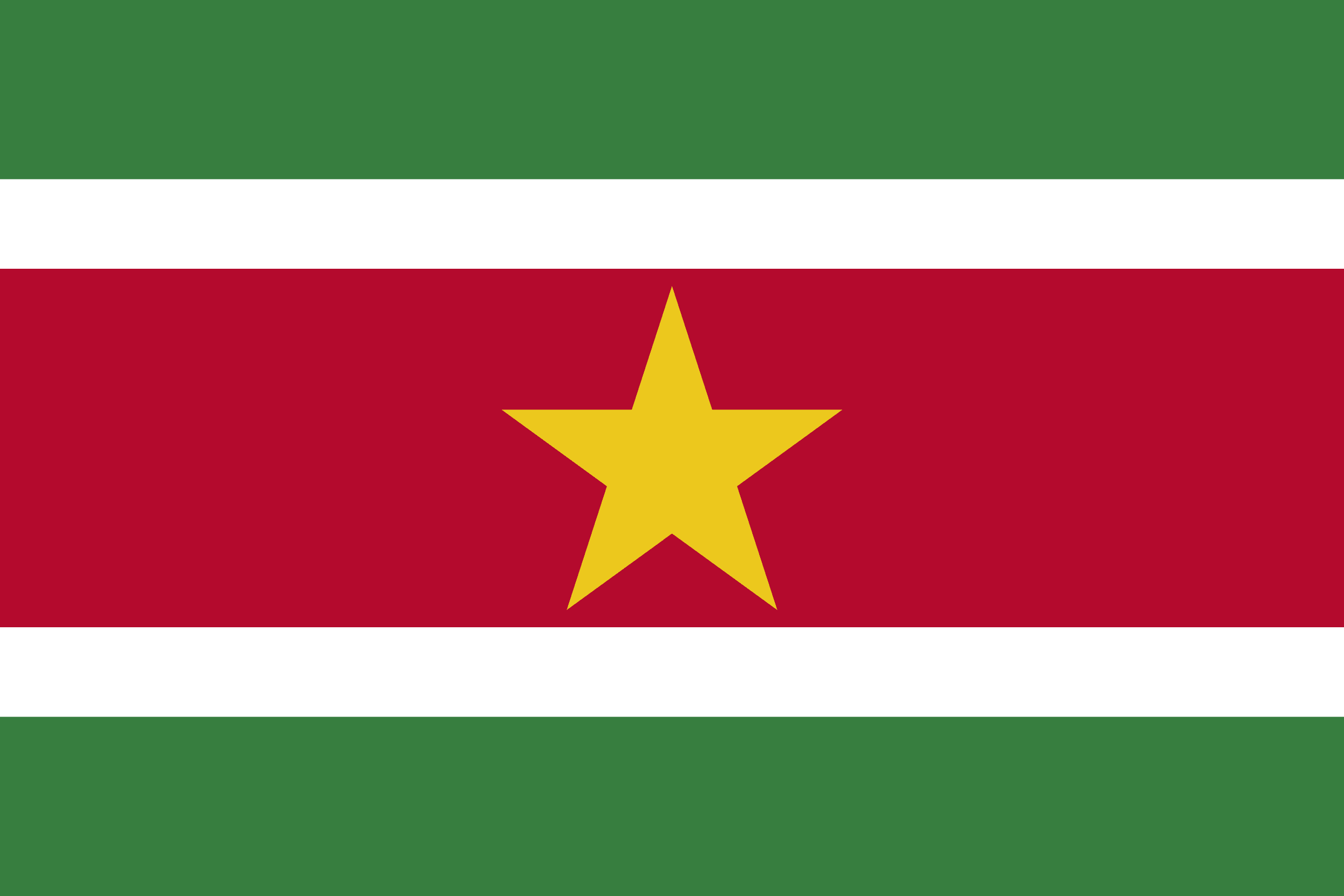
The flag of Suriname has five horizontal bands of green, white, red, white, and green, with a large yellow star in the centre. The green represents the country's fertility and forests and the hope for the future, the white justice and freedom, the red progress and love, and the central yellow star the unity of the nation's many peoples and their golden future. Adopted at independence in 1975, the flag's emphasis on unity reflects the diversity that is the defining feature of Surinamese society.
Suriname is one of the most religiously diverse countries in the world, with no single faith holding a majority, and a tradition of remarkable tolerance in which different communities live side by side. Christianity, in both Protestant and Roman Catholic forms, is followed by a large share of the population, while Hinduism, brought by the Indian indentured labourers, and Islam, brought by both Indian and Javanese labourers, are each practised by significant communities, giving Suriname one of the highest proportions of Muslims and Hindus in the Americas. Indigenous and Afro-Surinamese traditions also endure.
Surinamese cuisine is among the most diverse in the world, a delicious fusion of the country's many cultures. Indian, Javanese, Chinese, African, indigenous, and Dutch influences all appear, often side by side: roti with curried chicken and potatoes, Javanese dishes such as the noodle dish bami, Chinese stir-fries, and African-derived dishes are all part of the national table. Rice and cassava are staples, and the mixing of so many traditions, sometimes within a single meal, makes the food a flavourful expression of Suriname's extraordinary diversity.
Agriculture is a significant part of Suriname's economy, concentrated on the fertile coastal plain. Rice is the leading crop and a major export, grown in the polders reclaimed from the coastal swamps, along with bananas, vegetables, and tropical fruit. The country also exports fish and shrimp from its coastal waters. Beyond agriculture, Suriname's economy has long depended heavily on its mineral wealth, especially bauxite, from which aluminium is made, as well as gold, and there are hopes that newly discovered offshore oil will bring future prosperity.
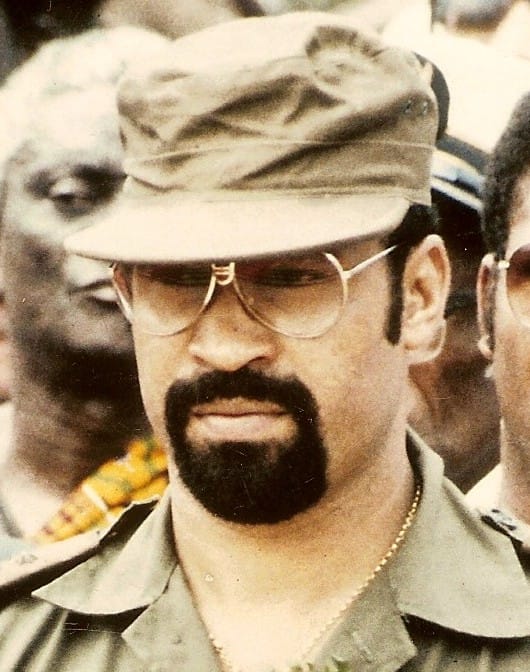
No figure looms larger over modern Suriname, or divides it more sharply, than Desi Bouterse. Independence in 1975 prompted a huge exodus to the Netherlands, and in 1980 an army sergeant, Bouterse, seized power in a coup. His years of military rule were dark: in the December murders of 1982, fifteen prominent opponents, among them lawyers, journalists, and academics, were rounded up and executed, and a brutal civil war followed in the 1980s against Maroon rebels in the interior.
Yet Bouterse's story did not end there, and that is what makes his legacy so contested. He returned to power democratically, elected president in 2010 and serving a decade, even as courts pursued him: he was convicted in the Netherlands of drug trafficking and, at home, sentenced for the 1982 murders, a sentence he evaded, dying a fugitive in 2024. To his opponents he is a murderer and a criminal who never faced justice; to a devoted base he remains a nationalist hero who stood up to the former colonial power, and his party returned to power in 2025. How Suriname should remember him, as villain or champion, is a wound that has not healed. This account records the documented events.
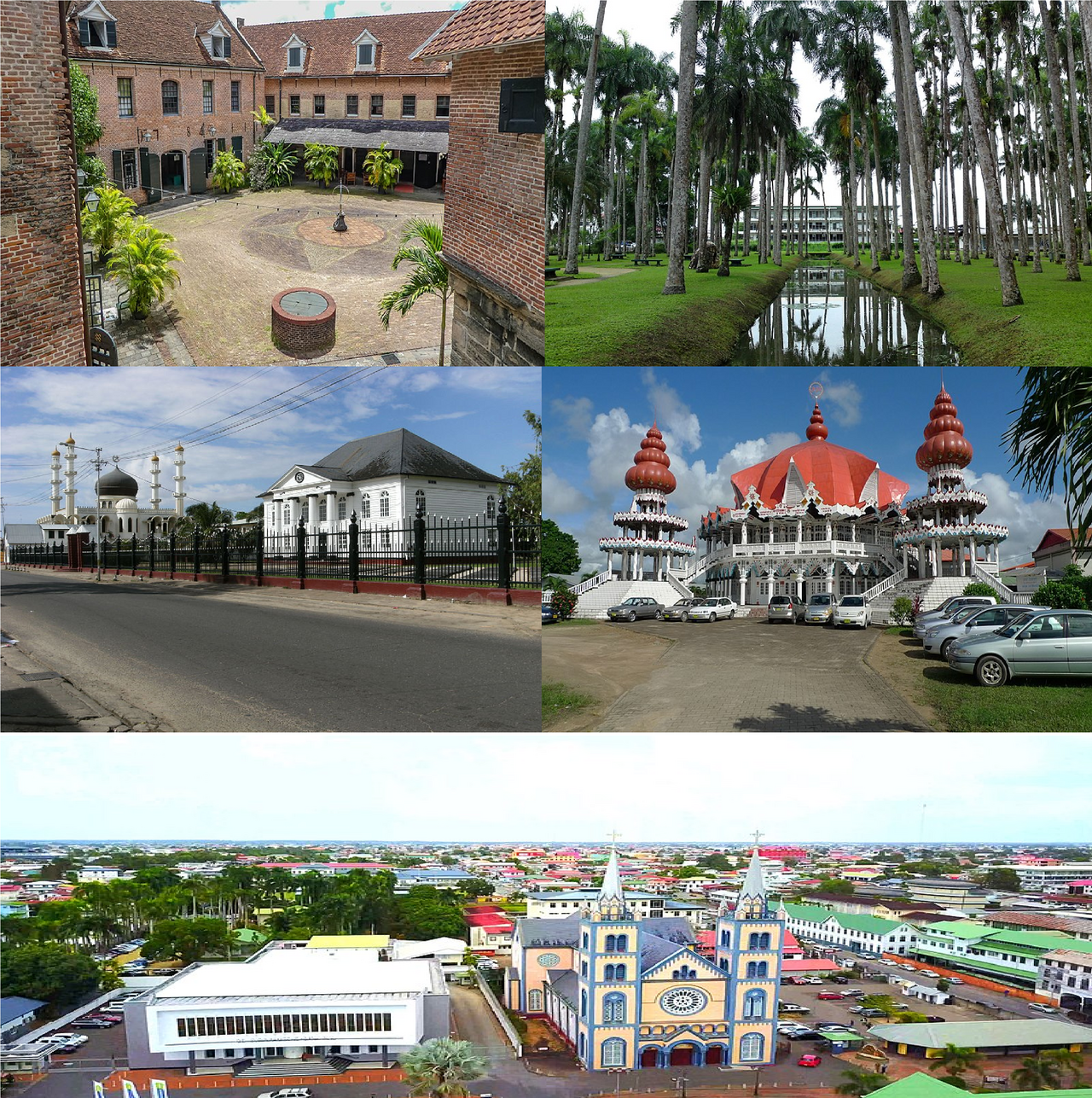
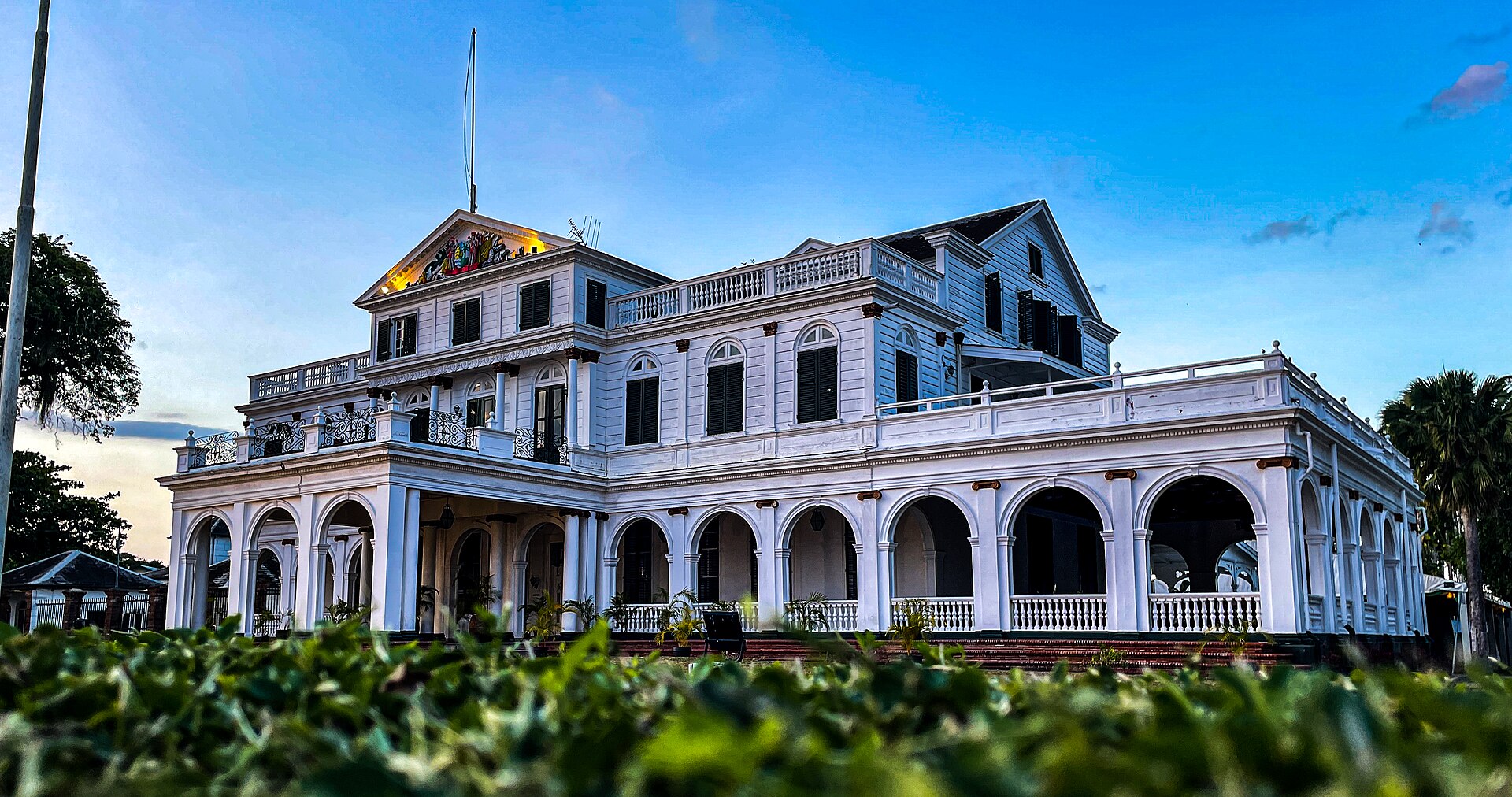
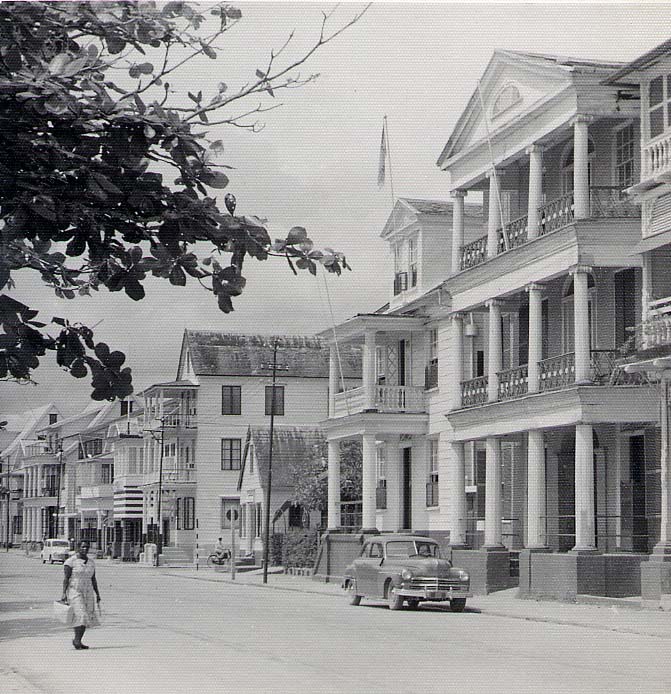
Suriname's defining feature is its diversity, and its proudest achievement is the peace in which its many peoples live together. In the capital, Paramaribo, a synagogue and a mosque stand side by side, and Hindu temples, churches, and the shrines of Maroon and indigenous tradition are all part of daily life. This mosaic expresses itself in one of the world's most varied cuisines, in a calendar crowded with the festivals of every community, and in the common tongue, an English-based creole called Sranan Tongo, that binds the groups together across their many ancestral languages. The old wooden Dutch colonial core of Paramaribo, a World Heritage site, is the historic heart of it all.
Suriname has a population of only around 600,000 people, one of the smallest in the Americas, yet one of the most diverse anywhere. Its peoples include those of Indian (Hindustani) descent, Maroons descended from escaped slaves, Creoles of mixed African and European heritage, Javanese from Indonesia, indigenous Amerindians, Chinese, and others. Dutch is the official language, while an English-based creole called Sranan Tongo serves as a common tongue. The population is concentrated in and around the capital, Paramaribo, and a very large Surinamese community lives in the Netherlands.