Selkirk is a city on the Red River about twenty-two kilometres northeast of Winnipeg, with 10,504 residents at the 2021 census. It came close to being the site of the transcontinental railway crossing and, when that went to Winnipeg instead, settled into a distinct identity as a river port, a steel town, and the self-declared Catfish Capital of the World. It is named for Thomas Douglas, fifth Earl of Selkirk, who established the Red River Colony.
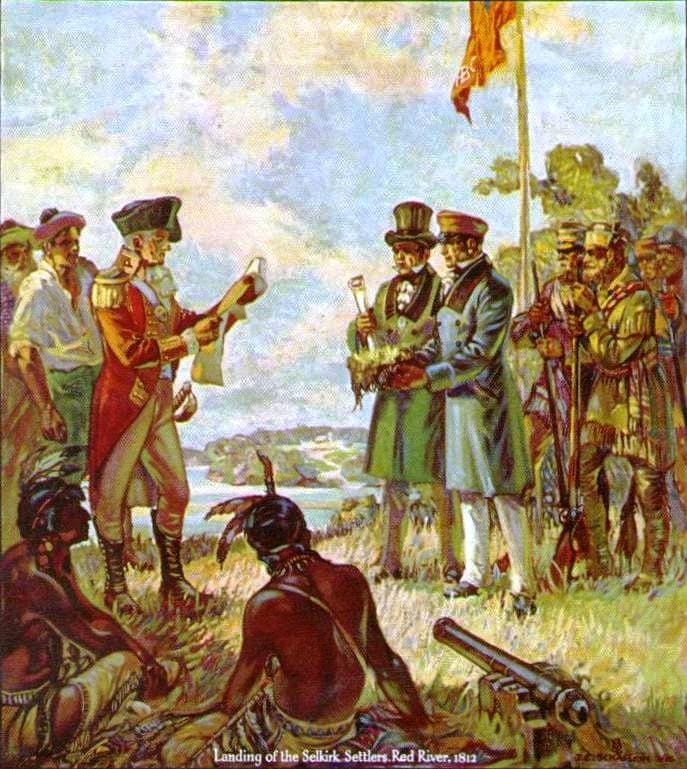
Lord Selkirk secured a vast grant of land from the Hudson's Bay Company in 1811 and settled Scottish and Irish families on the Red River from 1812. The colony was placed in the middle of the North West Company's supply route and in a territory the Metis regarded as theirs, and the resulting conflict included the killing of the colony's governor and twenty others at Seven Oaks in 1816.
The settlement at the site of the present city grew later, from the 1870s, on the west bank of the Red.
Selkirk was the Canadian Pacific Railway's expected crossing point of the Red River, and the town was laid out in that expectation. In 1881 the route was changed to Winnipeg, reportedly after inducements from that city. The decision made Winnipeg and left Selkirk a smaller place with a different future.
What it kept was the river. Selkirk sits below the rapids that limited navigation upstream, which made it the natural port for Lake Winnipeg, and it became the base for the lake's steamboat and fishing fleets.
The city lies on the Red River in the flat lake-bed country north of Winnipeg, close to the point where the river opens into Lake Winnipeg. That position governs both its economy and its hazards: ice jams on the Red have caused serious flooding, and the Red River Floodway's outlet lies upstream.
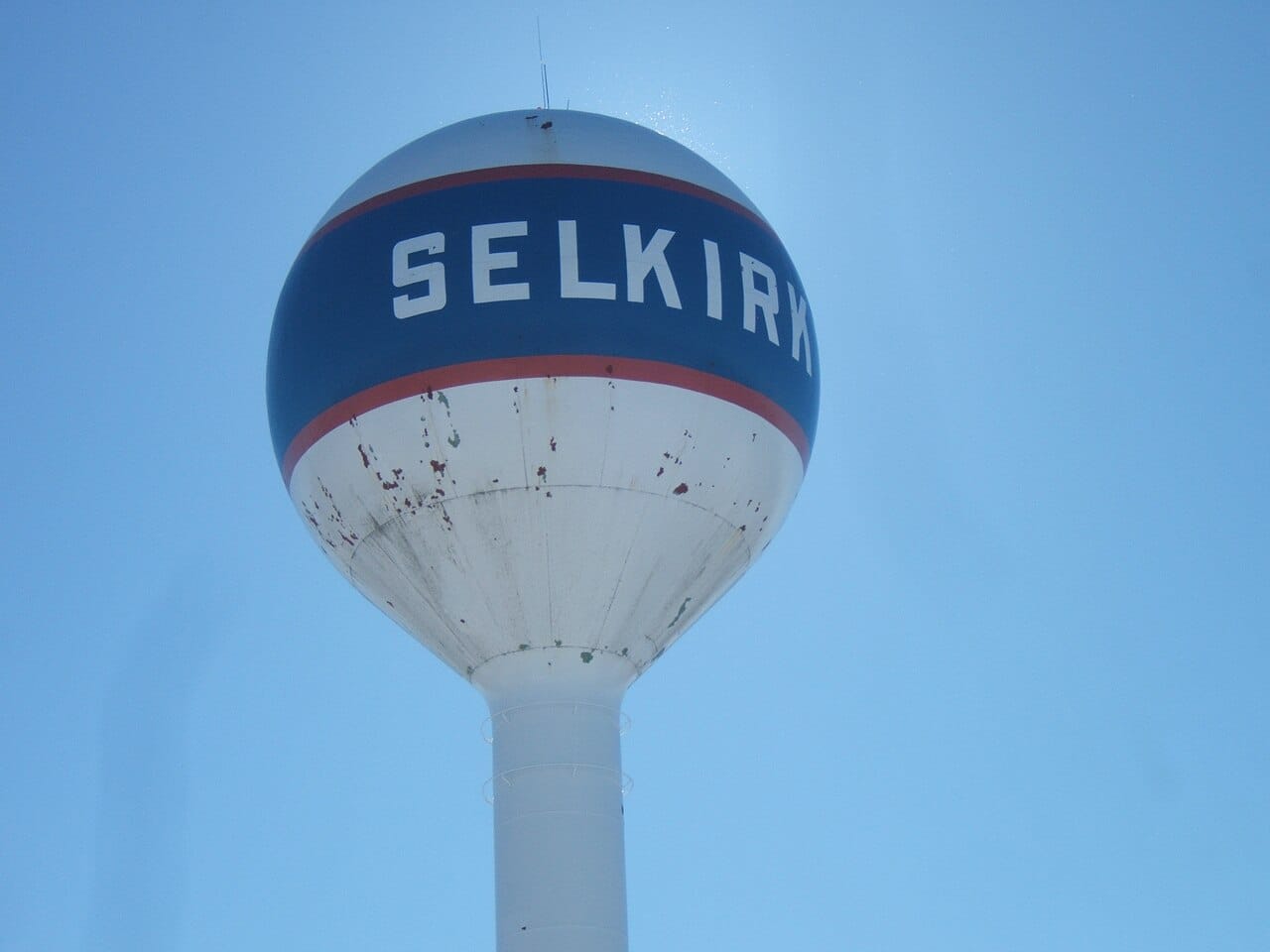
Selkirk is governed by a mayor and six councillors. It was incorporated as a town in 1882 and became a city in 1974. The city has attracted attention in municipal circles for long-range asset management planning of a kind uncommon in communities of its size.
Steel has been the largest industrial employer for a century. The rolling mill on the edge of the city, founded in 1913 and now operated by Gerdau, produces steel from scrap and remains central to the local economy.
The Red River and Lake Winnipeg fishery has long been part of the city's identity and economy, though the lake's commercial fishery has faced pressure from nutrient loading and invasive species.
Selkirk's proximity to Winnipeg increasingly makes it a commuter community as well, and the population has grown steadily rather than dramatically.
The Selkirk Mental Health Centre, a provincial psychiatric facility with a history reaching back to 1886, is among the largest employers.
The Lord Selkirk School Division serves the city and a substantial surrounding area.
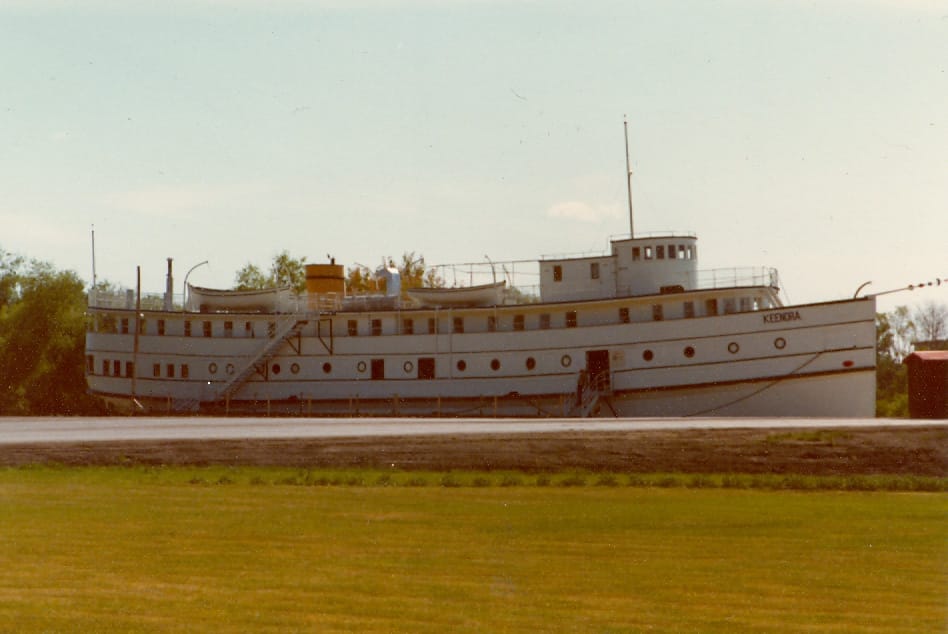
The Marine Museum of Manitoba preserves the vessels that worked Lake Winnipeg, including the SS Keenora, built in 1897, and several later ships pulled ashore and set on the ground beside the river.
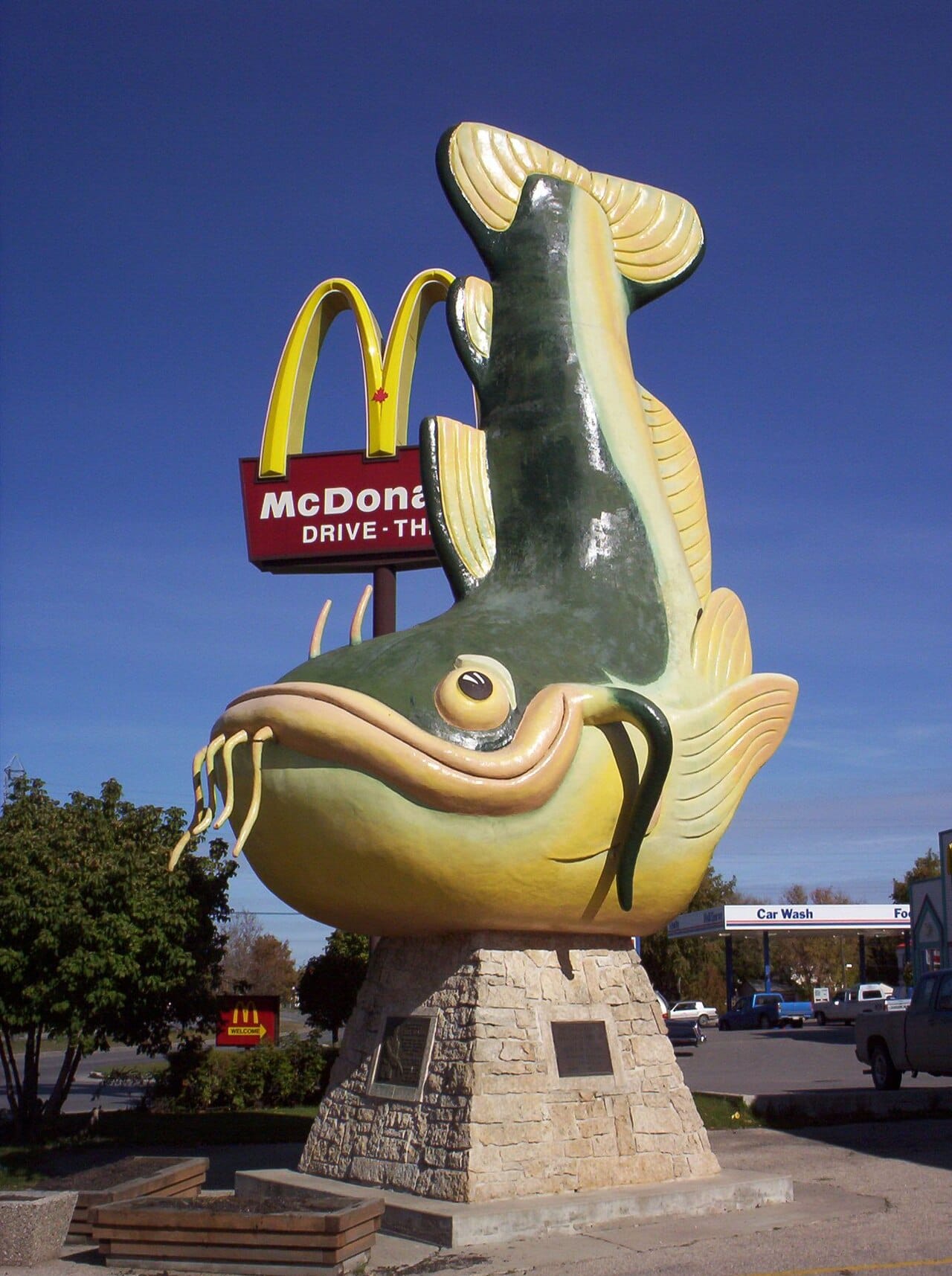
The Red River at Selkirk holds a channel catfish population that draws anglers internationally, and the city has built a considerable amount of its public identity on it. Chuck the Channel Cat, erected in 1986, is the most visible expression.
The 2021 census recorded 10,504 residents. The city has a significant Indigenous population and, as with much of the Interlake region, a mixed heritage that includes Scottish, Ukrainian, Icelandic and Metis roots.