Saskatchewan is a Prairie province in the centre of Canada, a broad rectangle of land running from the United States border north to the edge of the Arctic. Often pictured as the flattest and most quintessential of the prairies, it is a land of vast wheat fields and enormous skies in the south, giving way to lakes and forest in the north. Home to around 1.2 million people, it is one of the world's great producers of grain and of minerals such as potash and uranium.
Saskatchewan's history runs from the Indigenous buffalo hunters of the plains, through the fur trade and the Métis resistance, to the great wheat boom that filled the prairie with farms and created a new province in 1905.
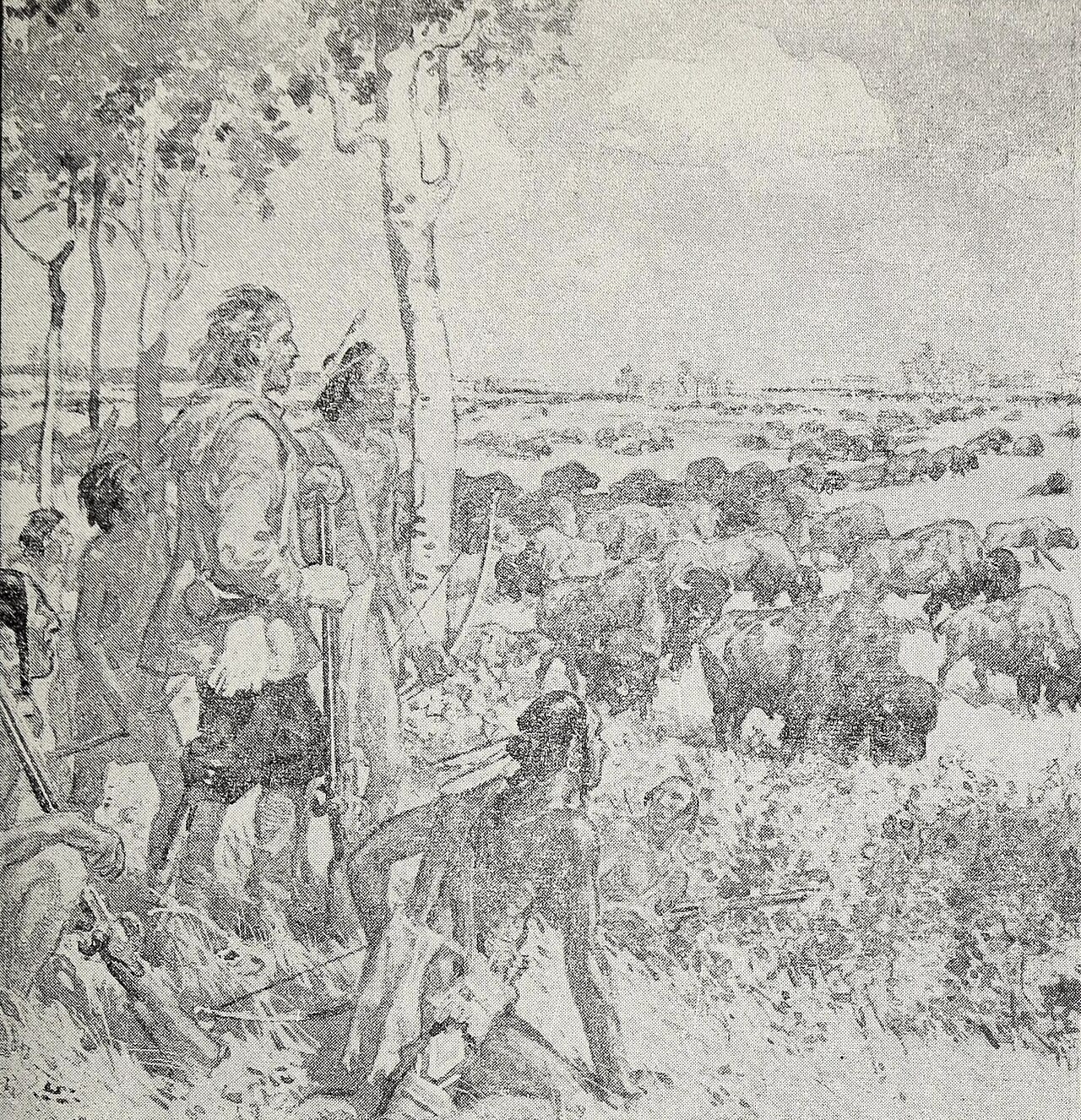
For thousands of years the plains of Saskatchewan were home to Indigenous nations, among them the Cree, Saulteaux, and Dakota, who lived by following the immense herds of bison. From the late seventeenth century European fur traders reached the region, the explorer Henry Kelsey being among the first to see the great buffalo herds of the western plains.
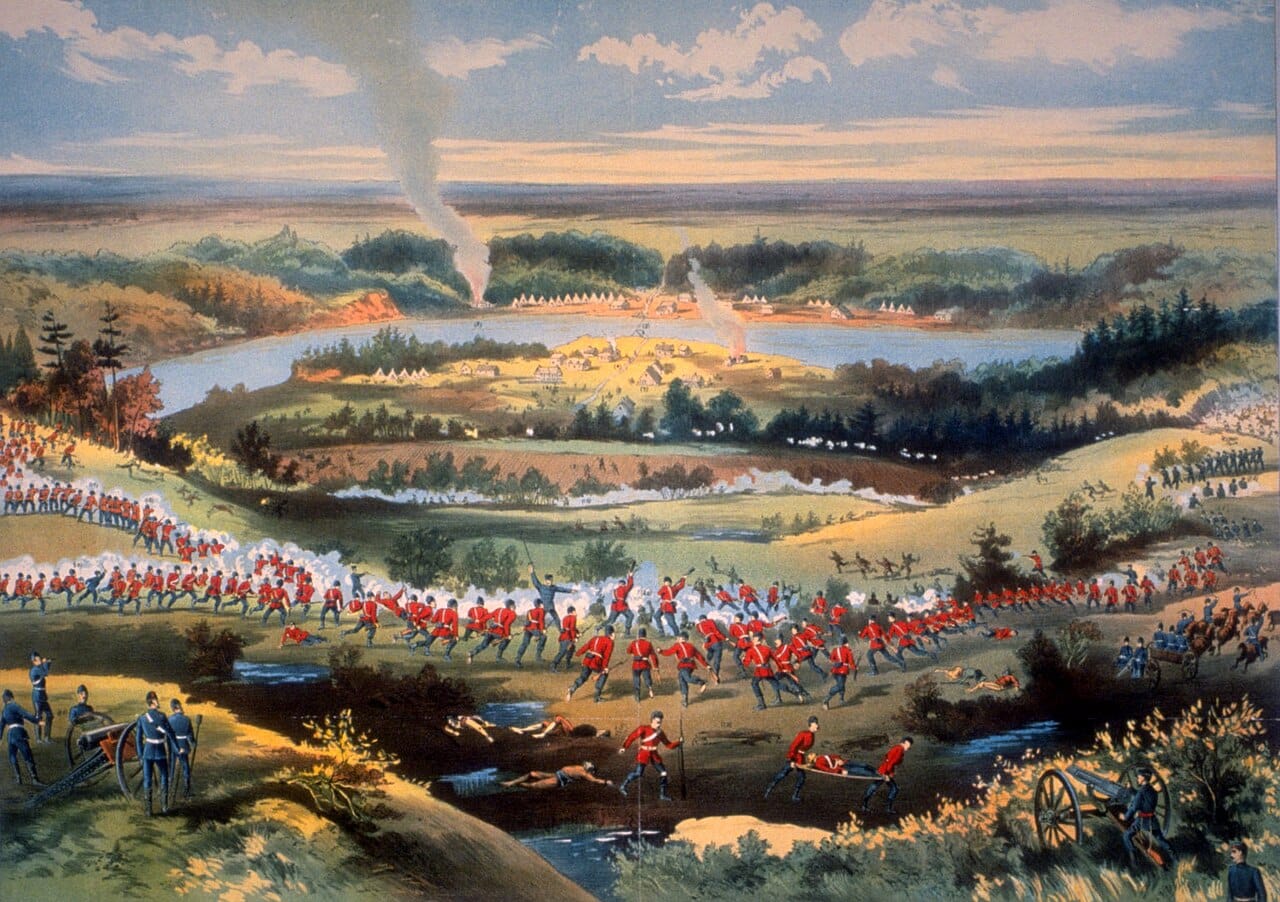
As settlers pushed west, the Métis, a people of mixed Indigenous and European descent, fought to defend their land and way of life. Their struggle culminated in the North-West Resistance of 1885, led by Louis Riel, which ended in defeat at the Battle of Batoche, a decisive and still-debated moment in the history of the Canadian West.
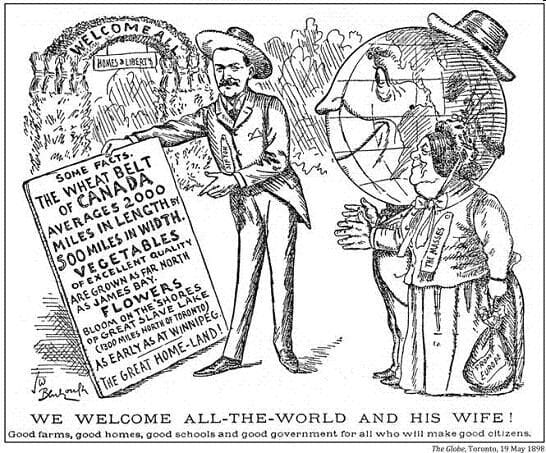
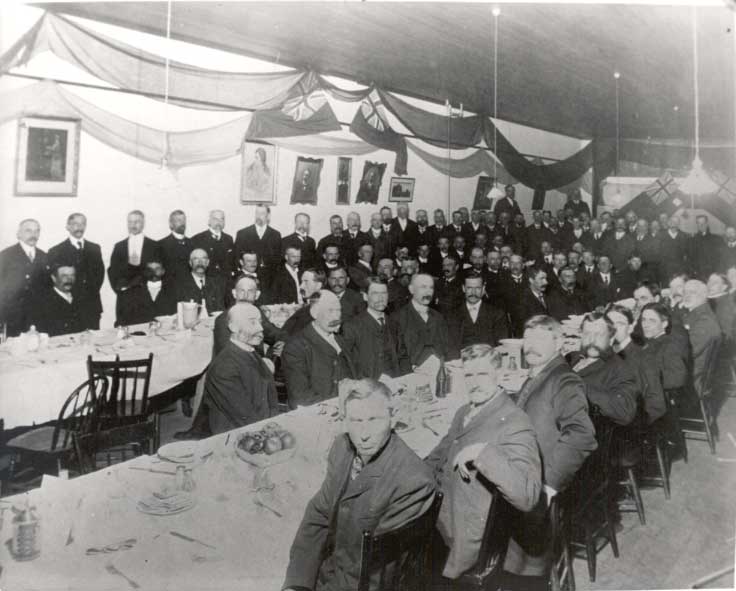
At the turn of the twentieth century the Canadian government drew settlers to the prairies with the promise of free farmland, and immigrants poured in from Europe to break the sod and plant wheat. The population grew so fast that in 1905 the region became the province of Saskatchewan, its identity bound up with the grain that made it famous.
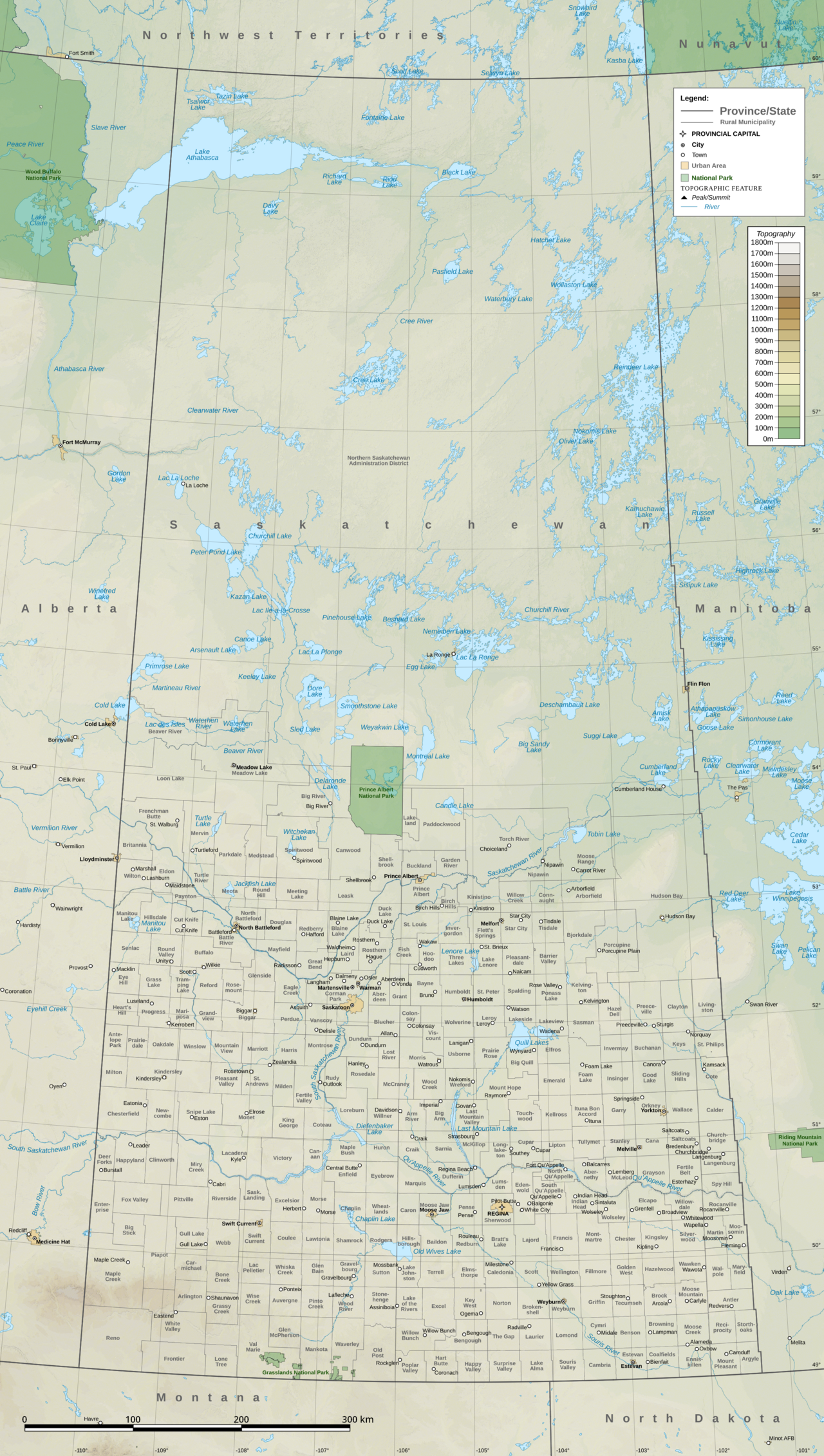
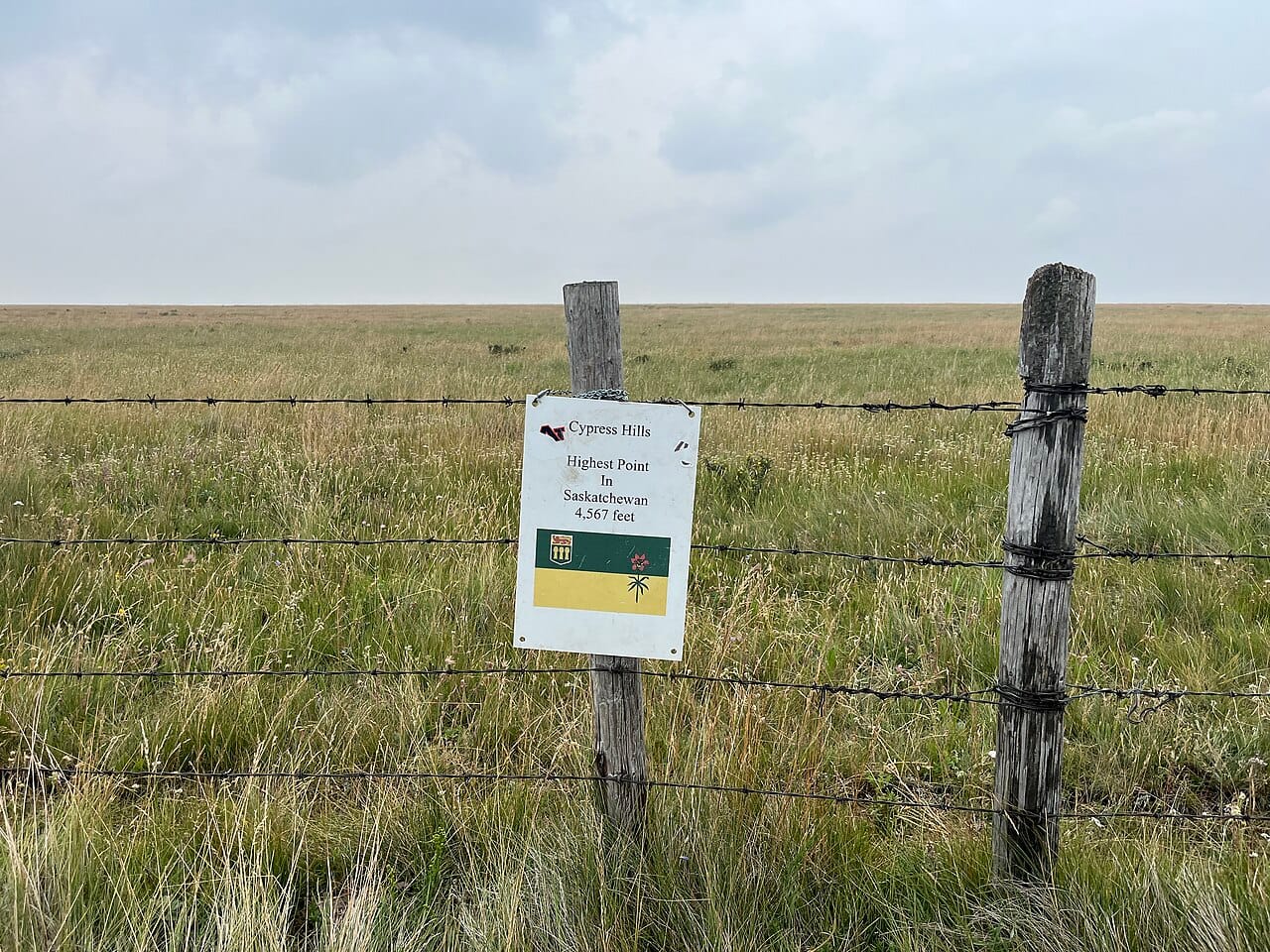
Saskatchewan is a land of two halves. The south is classic prairie, some of the flattest and most fertile farmland in the world, an expanse of grain fields and grassland under vast skies, dotted with grain elevators and small towns. The north, by contrast, is part of the rocky Canadian Shield, a wilder country of forests, lakes, and rivers with rich mineral deposits. The climate is sharply continental, with hot summers and long, bitterly cold winters, and it is one of the sunniest parts of Canada.
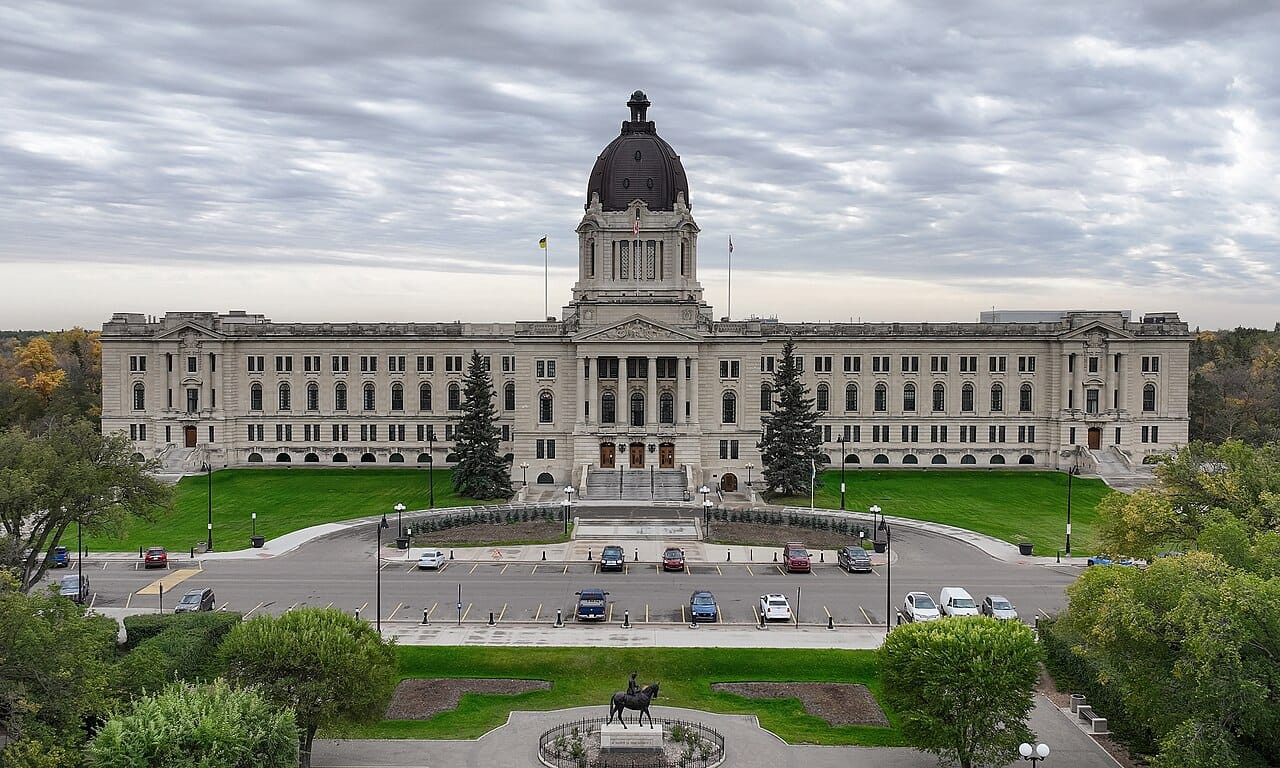
Saskatchewan is governed as a parliamentary democracy, with an elected Legislative Assembly that sits in the capital, Regina, and a premier who leads the government, while a lieutenant governor represents the Crown. As of 2026 the premier is Scott Moe, leader of the Saskatchewan Party, in power since 2018 and re-elected in 2024, and the lieutenant governor is Bernadette McIntyre. Like its neighbour Alberta, Saskatchewan has a strong tradition of defending provincial interests, especially over its resources.

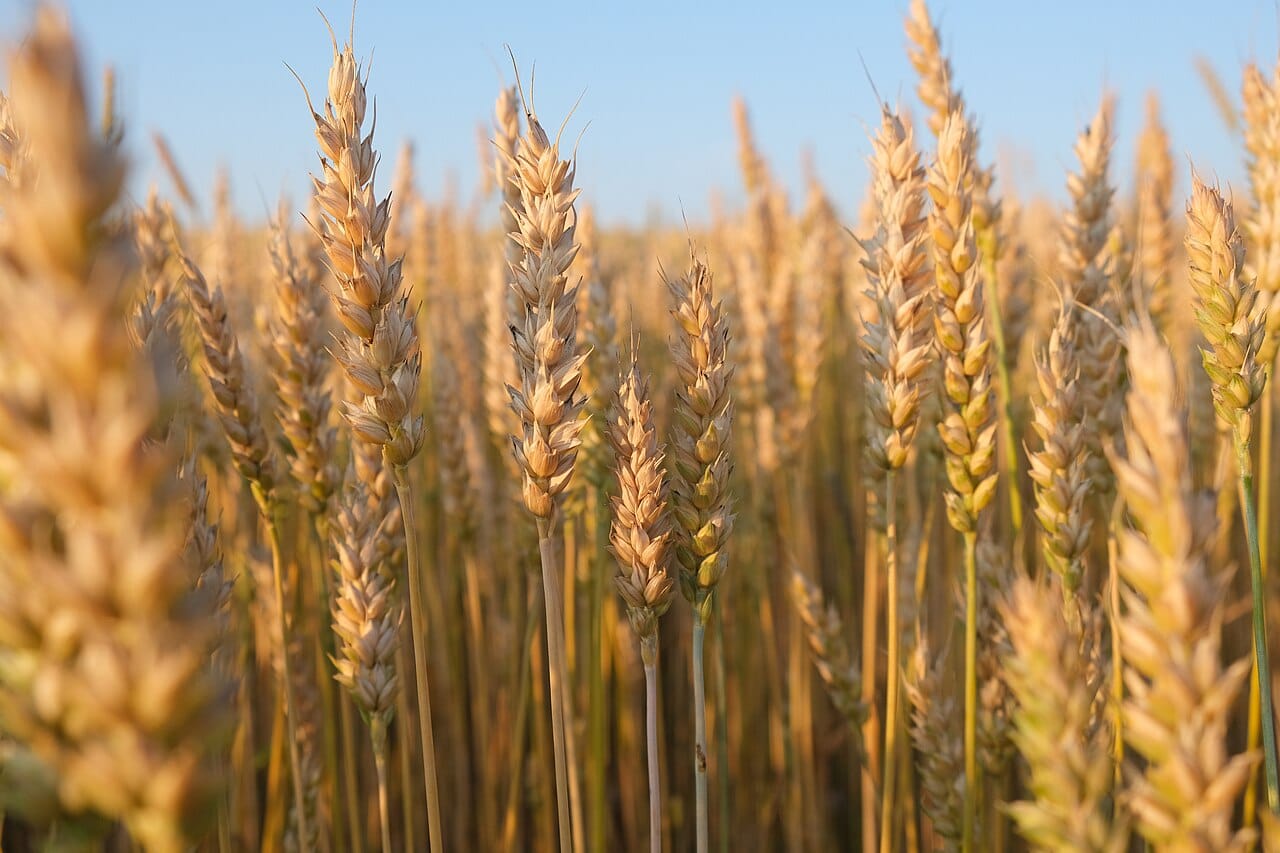
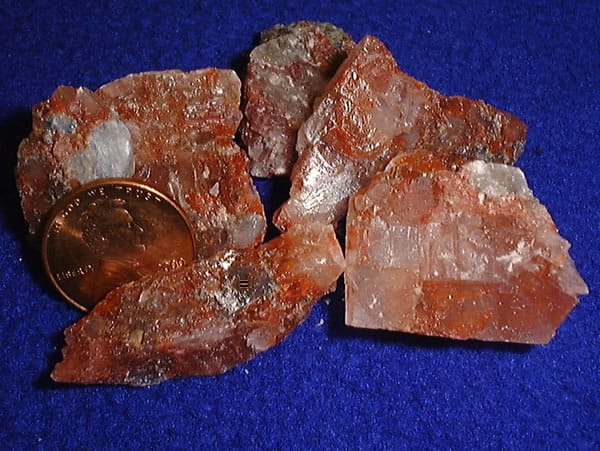
Saskatchewan is a resource powerhouse. Its prairies make it one of the world's great exporters of wheat, canola, and other crops, the mainstay of the province since the settlement era, alongside cattle ranching. Beneath the land lies immense mineral wealth: Saskatchewan is the world's largest producer of potash, a vital fertiliser, and a major producer of uranium, along with oil and gas. This combination of farming and mining gives the province an economy tied closely to feeding and fuelling the world.
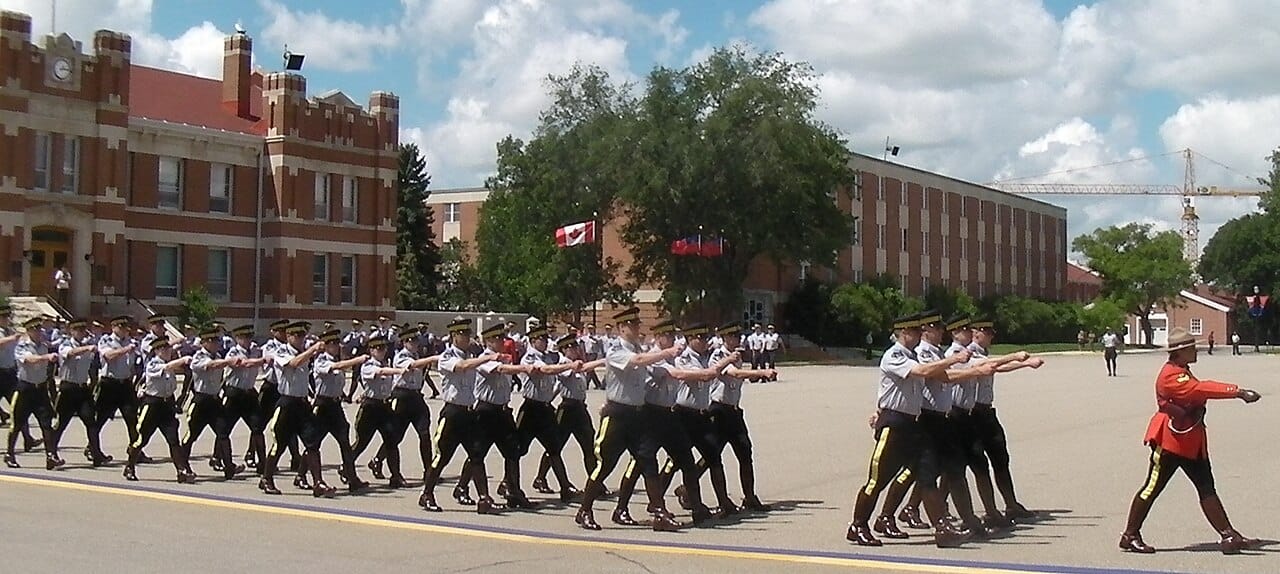
Saskatchewan's culture is rooted in the land and in the tight-knit communities of the prairie, shaped by the many peoples who came to farm it, from Ukrainians and Germans to Scandinavians and others, and by a large and growing Indigenous and Métis population. The province is the birthplace of important Canadian institutions, from universal public health care, pioneered here in the 1960s, to the training depot of the Royal Canadian Mounted Police in Regina, and it prizes a spirit of community and cooperation forged in a demanding climate.
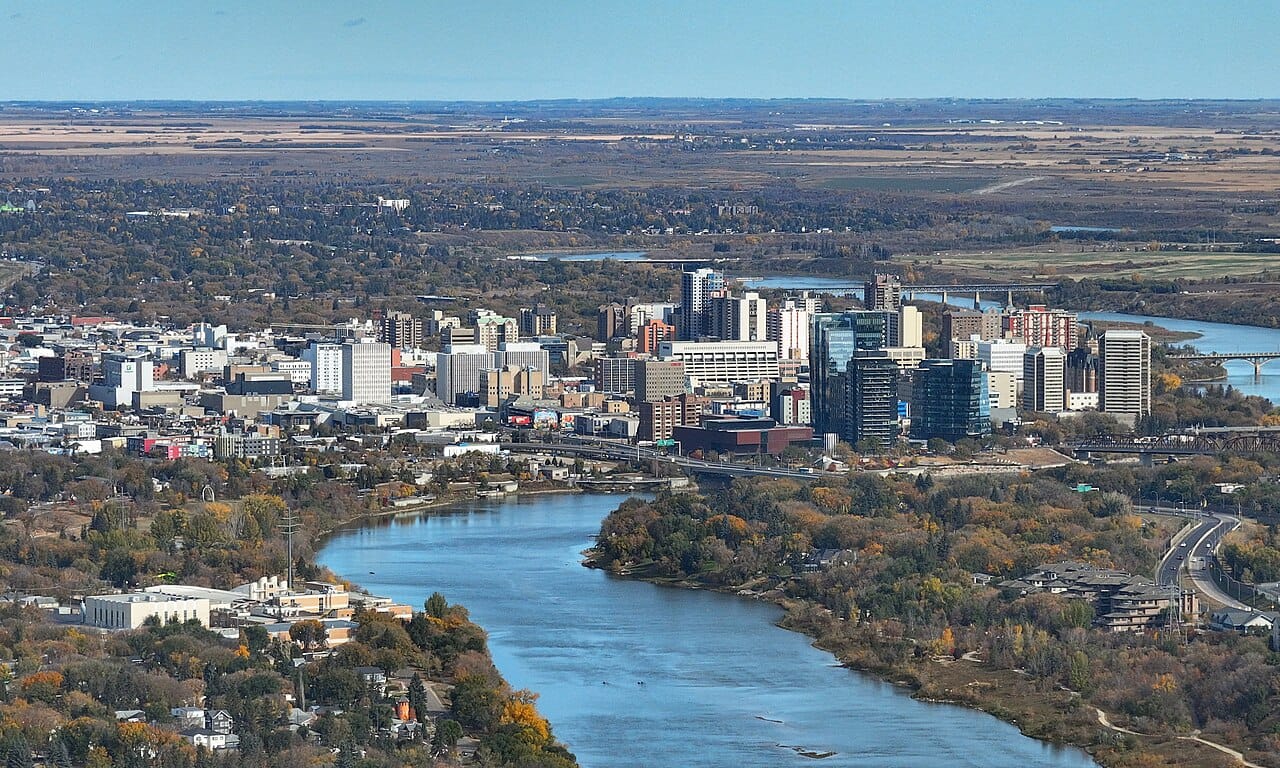
Saskatchewan has a population of around 1.2 million people, most of them living in the southern half of the province. The two largest cities are Saskatoon, on the South Saskatchewan River, and the capital, Regina, with the rest of the population spread across farming towns and villages and, in the north, small and often remote communities. Descended from waves of settlers and home to one of the largest Indigenous populations by share of any province, Saskatchewan is a diverse society with deep prairie roots.