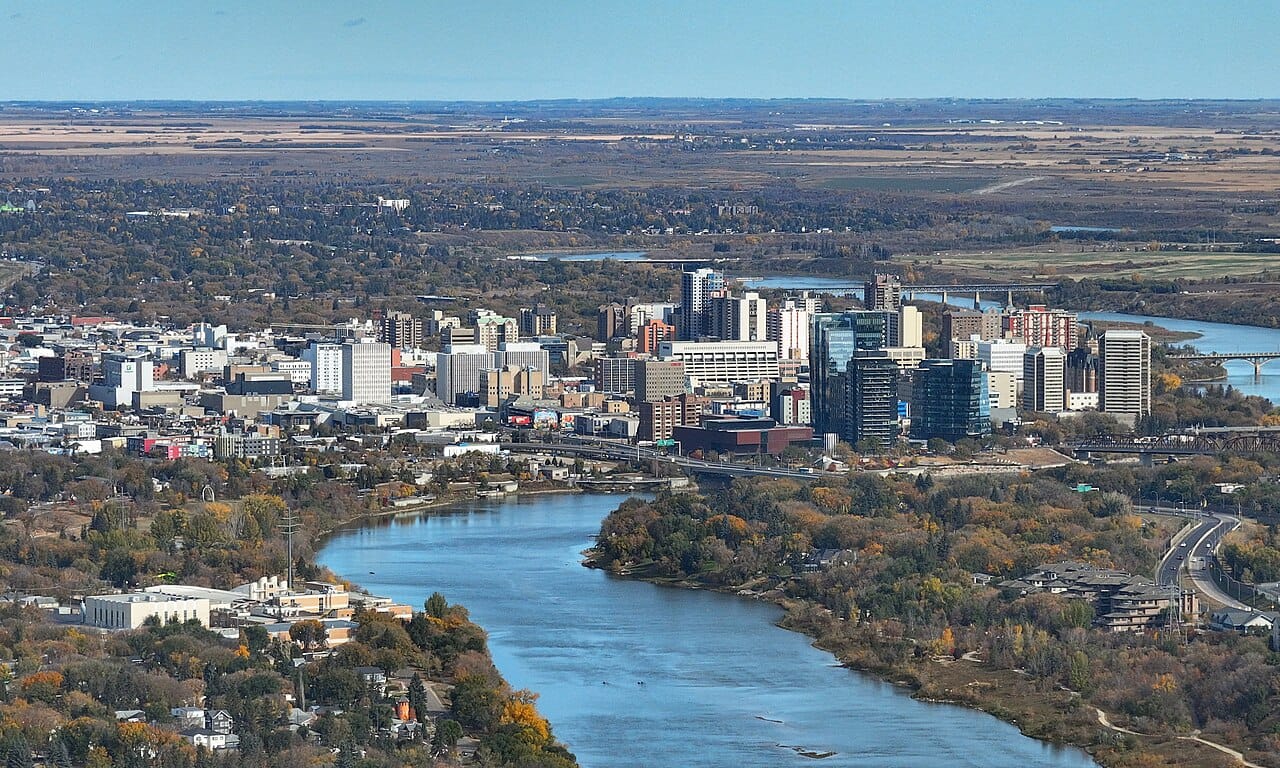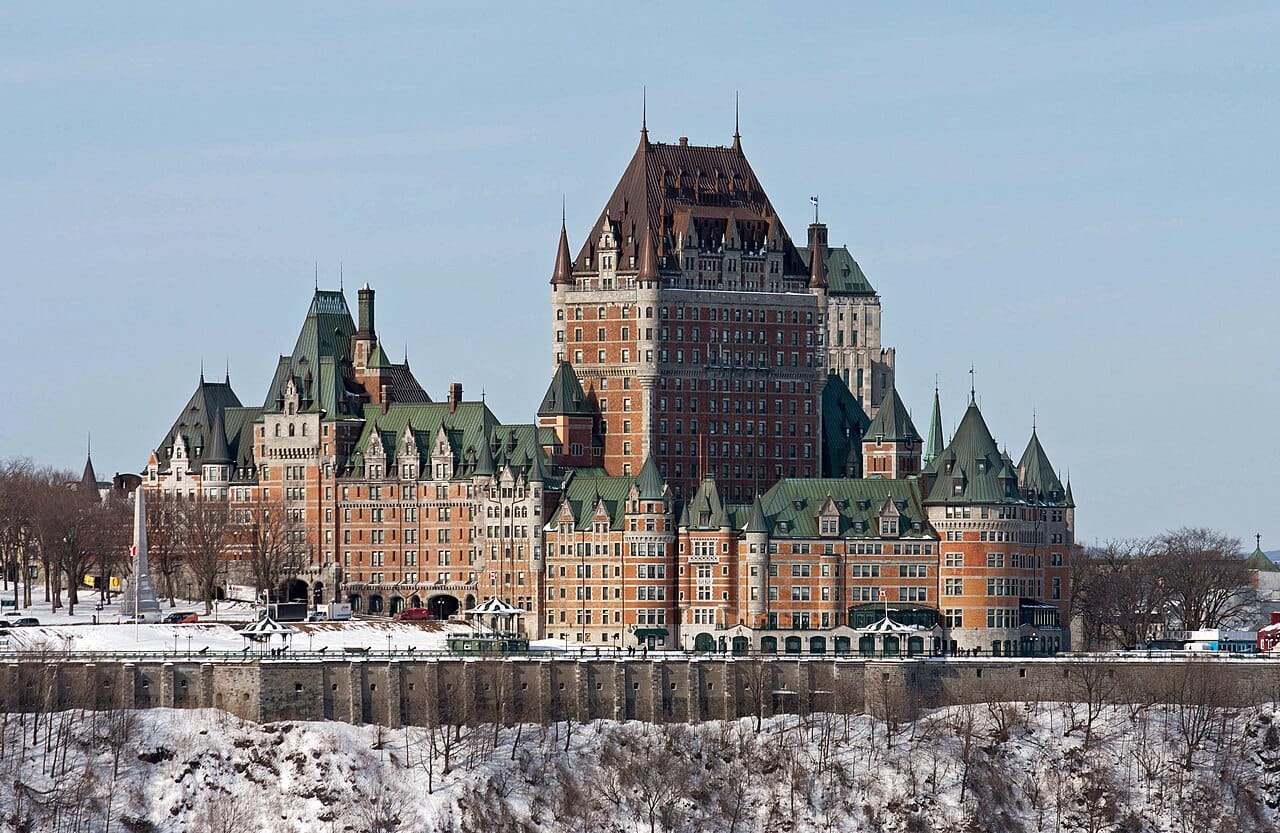
Quebec is the largest province of Canada by area and the heart of French-speaking North America, a distinct society within the country whose language, law, and culture set it apart. Stretching from the United States border north to the Arctic, it is centred on the great St Lawrence River, along which lie its historic capital, Quebec City, and its largest city and cultural powerhouse, Montreal. Home to more than eight million people, most of them French-speaking, Quebec has a proud identity forged over four centuries.
Quebec's history is the story of French North America: the founding of New France, its conquest by Britain, the long survival of a French-speaking nation, and a modern awakening that transformed the province and raised the question of its place in Canada.
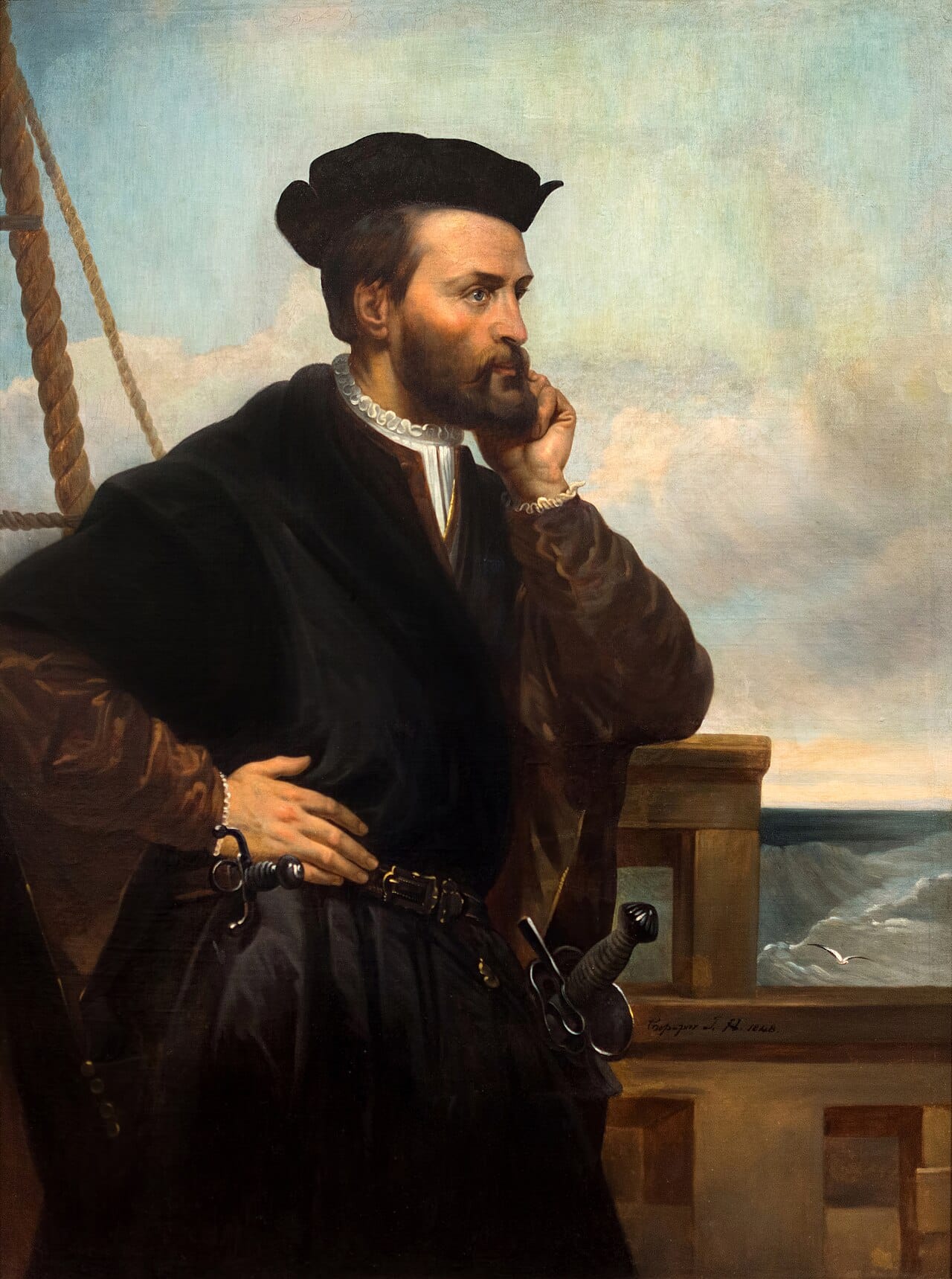
The French presence began with the explorer Jacques Cartier, who sailed up the St Lawrence in the 1530s, and took root when Samuel de Champlain founded Quebec City in 1608. Over the next century and a half the colony of New France grew along the great river, its settlers and Indigenous allies bound together by the fur trade and the Catholic faith.
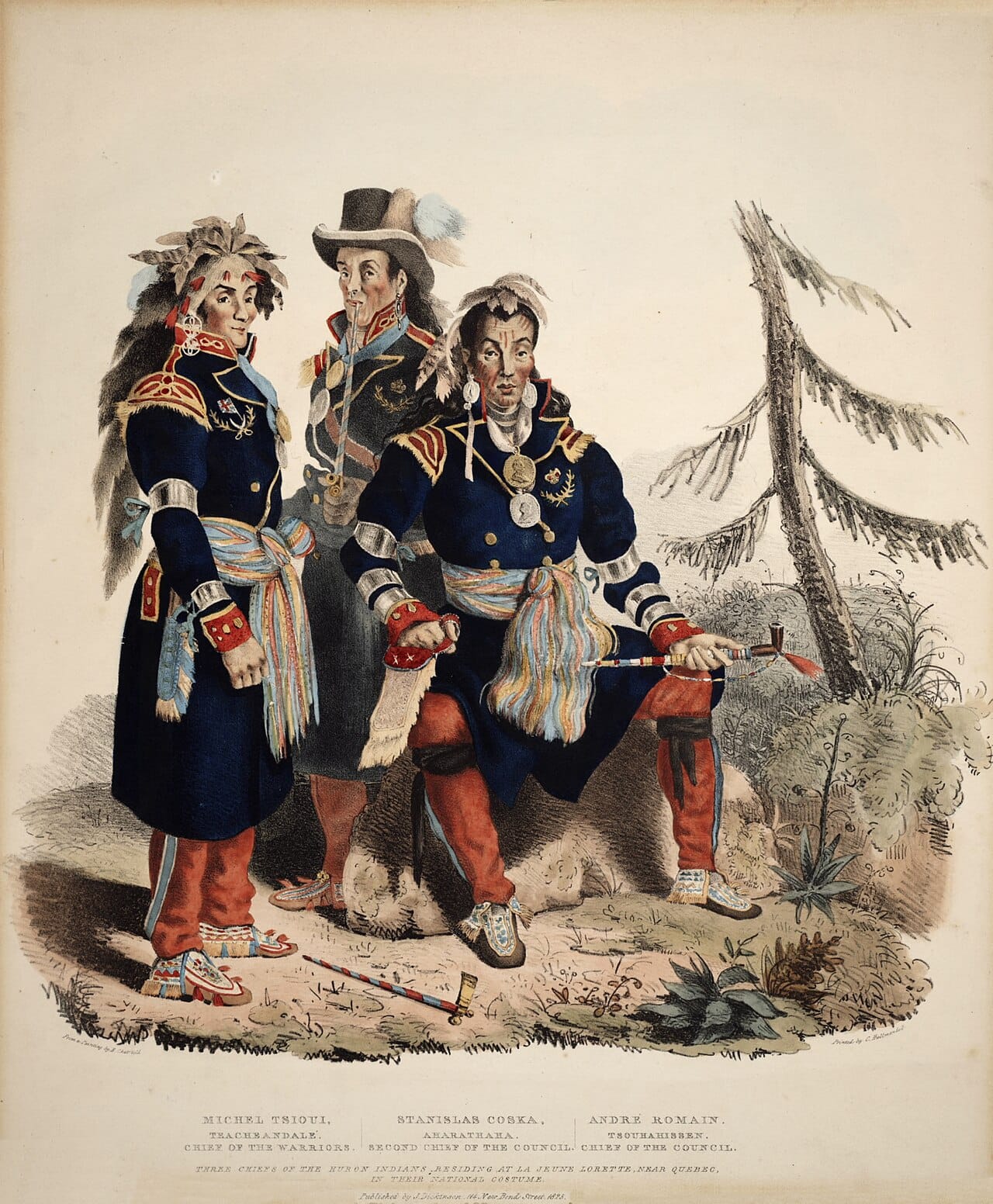
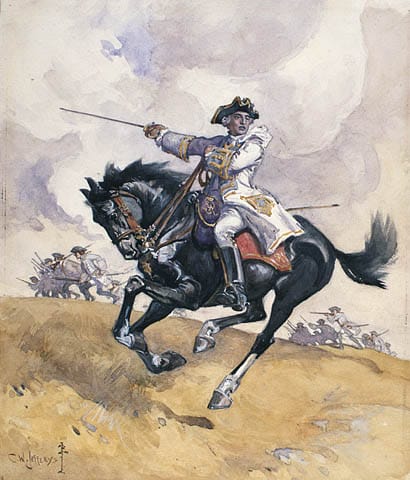
The rivalry between France and Britain in North America ended on the Plains of Abraham outside Quebec City in 1759, where a British army defeated the French. The fall of New France placed its French-speaking, Catholic population under British rule, a people determined to preserve their language and faith, which Britain came to protect by law.
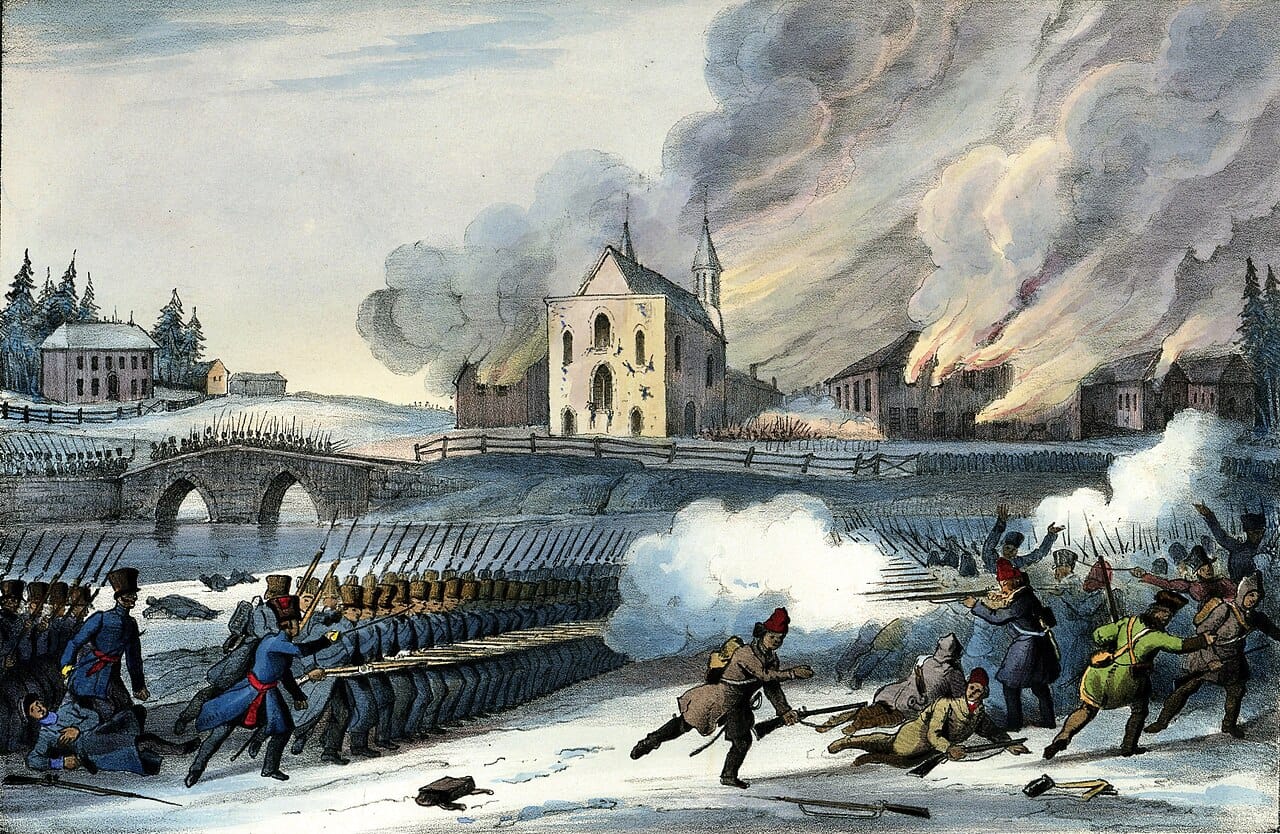
Frustration with British colonial rule boiled over in the rebellions of 1837, when French Canadian reformers, the Patriotes, rose up and were crushed. Yet within a generation French Canadian leaders helped design a new country: in 1867 Quebec became a founding province of Confederation, its distinct language, civil law, and religion protected within the federation.
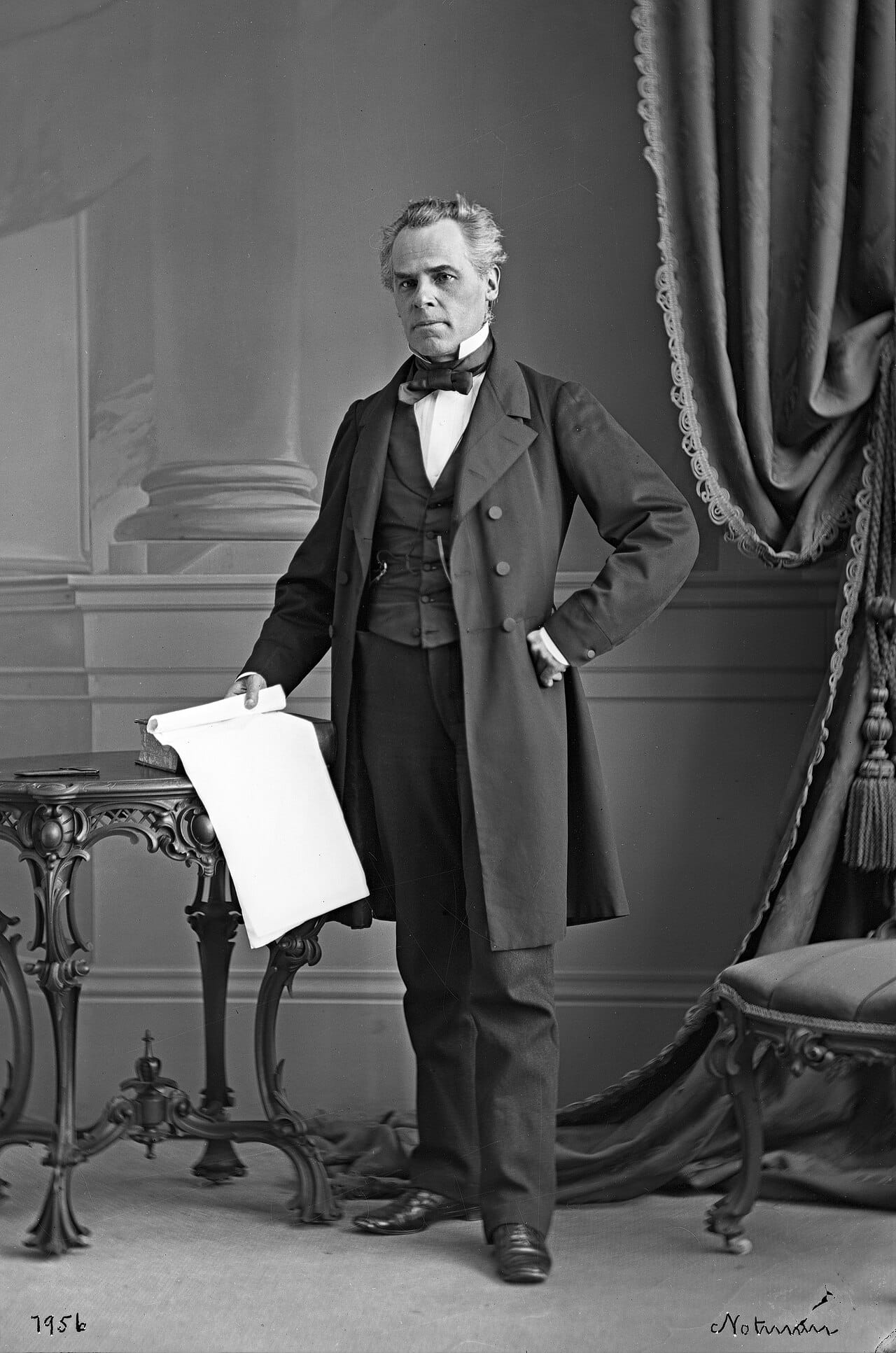
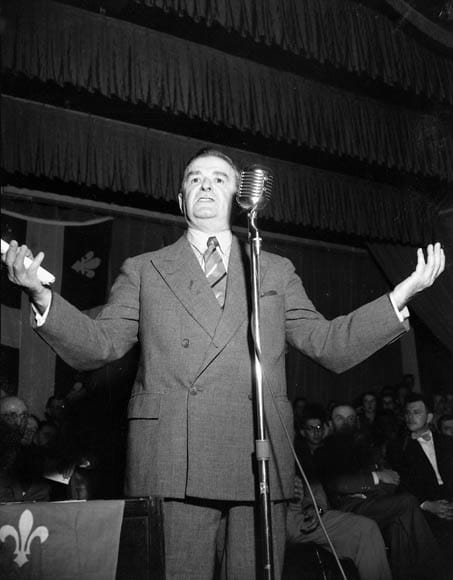
For decades Quebec was dominated by a conservative, church-bound order, epitomised by the long rule of Premier Maurice Duplessis. Then in the 1960s came the Quiet Revolution, a sweeping and peaceful transformation in which Quebec modernised its state, loosened the grip of the Church, took control of its economy, and asserted a proud French Canadian identity.
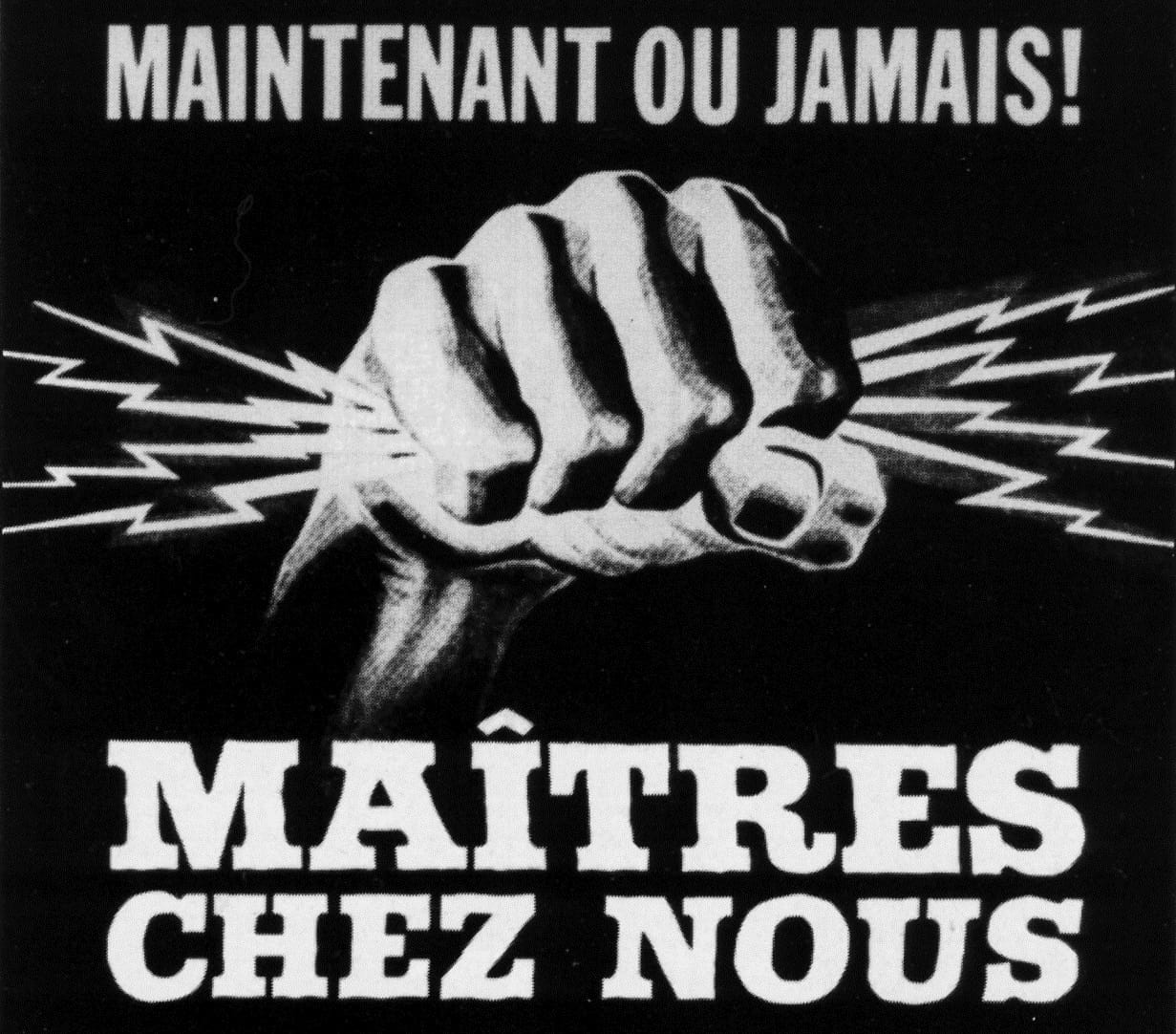
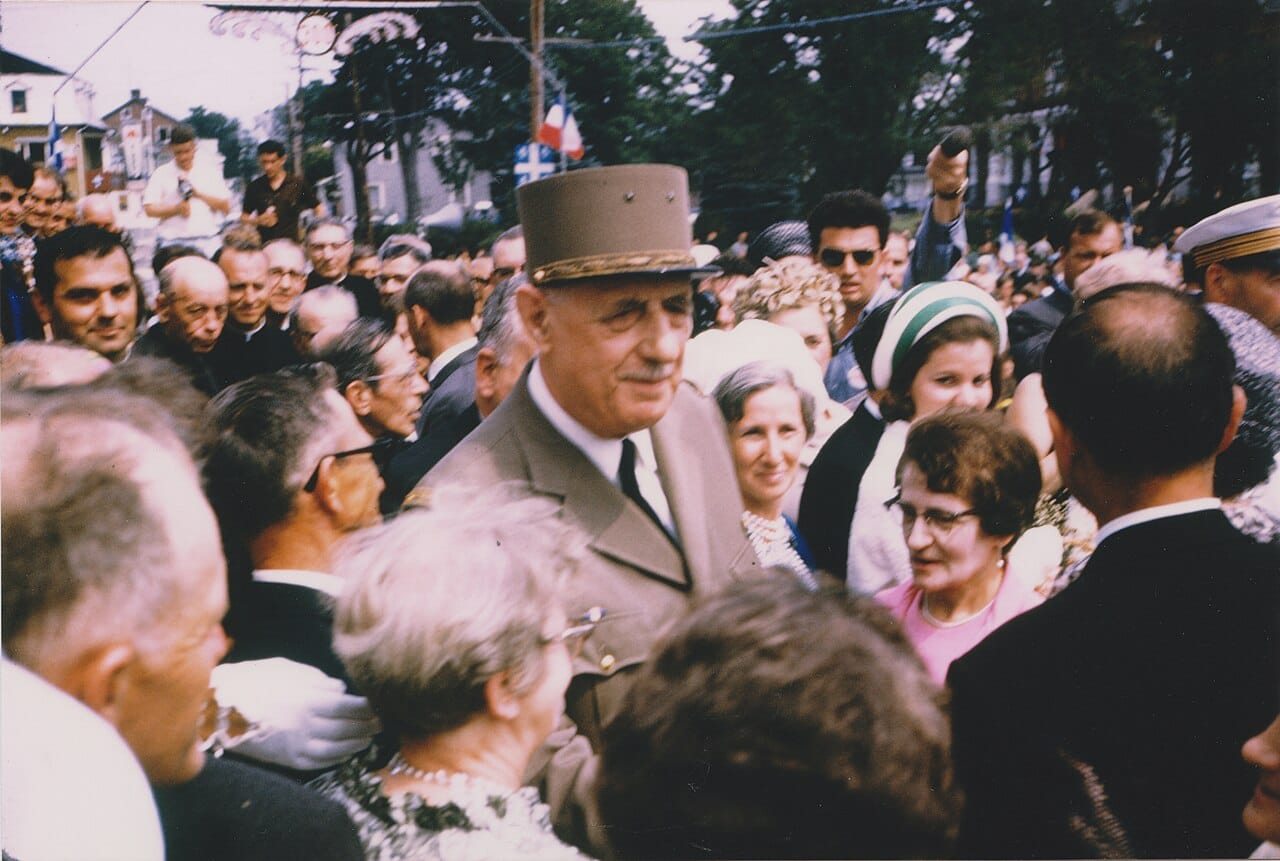
The new confidence fed a movement for Quebec sovereignty, dramatised when the French president Charles de Gaulle cried Vive le Quebec libre in Montreal in 1967. Quebec held referendums on independence in 1980 and 1995, the second lost by the narrowest of margins, and while support for full sovereignty has since cooled, the question of Quebec's place in Canada remains a defining thread of its politics.
Quebec is immense, by far the largest Canadian province, and most of it is the rugged, lake-strewn Canadian Shield, thinning northward into subarctic forest and Arctic tundra along Hudson Bay. Almost all Quebecers, however, live in the south, in the fertile lowlands along the mighty St Lawrence River, the historic highway of the province, which widens into a great gulf as it flows to the Atlantic. This river valley holds the cities, the farms, and the heart of Quebec life.
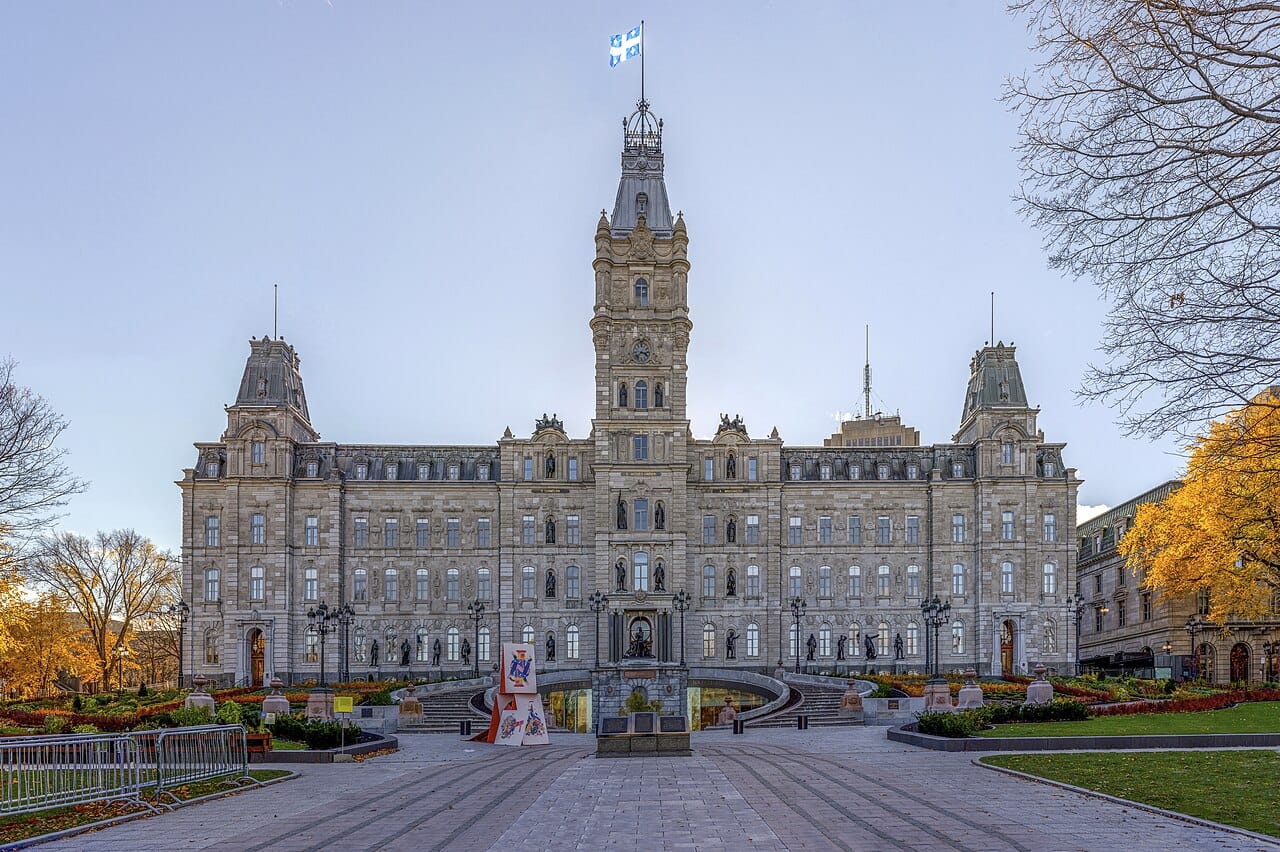
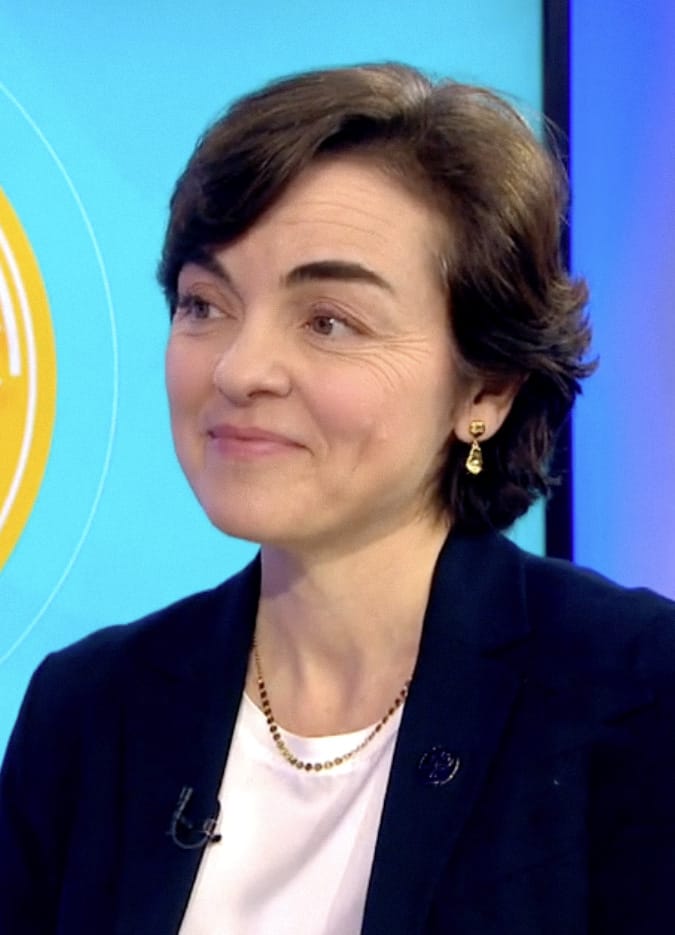
Quebec is governed as a parliamentary democracy, with an elected National Assembly that sits in Quebec City and a premier who leads the government, while a lieutenant governor represents the Crown. As of 2026 the premier is Christine Fréchette, leader of the Coalition Avenir Québec, who took office in April 2026 after François Legault stepped down, and the lieutenant governor is Manon Jeannotte, the first Indigenous person to hold the office in Quebec. The province guards its distinct powers jealously and plays a powerful, and often distinctive, role in the Canadian federation.
Quebec has a large and diverse economy, powered above all by cheap and abundant hydroelectricity harnessed from its northern rivers, a resource so central that the state utility, Hydro-Québec, is a symbol of the modern province. The economy also rests on aerospace and high technology centred on Montreal, on mining and forestry in the north, and on the farms, dairy, and famous maple syrup of the south. The province exports its clean power to its neighbours.
Quebec is the guardian of the French language in North America, and protecting it, above all through the Charter of the French Language, is central to public life. French is the official language, spoken by the great majority, and it underpins a rich and distinctive culture of music, film, literature, festivals, and food, from the winter carnival of Quebec City to the cosmopolitan life of Montreal. This vibrant French-speaking culture, set within an English-speaking continent, is the essence of Quebec's identity.
The flag of Quebec, known as the Fleurdelisé, is blue with a white cross and a white fleur-de-lis in each quarter. The fleur-de-lis, the ancient lily emblem of French royalty, proclaims the province's French heritage, while the white cross recalls its Catholic tradition and the blue its skies. Adopted in 1948, it is flown with deep pride and has become one of the most recognised symbols of French Canada.
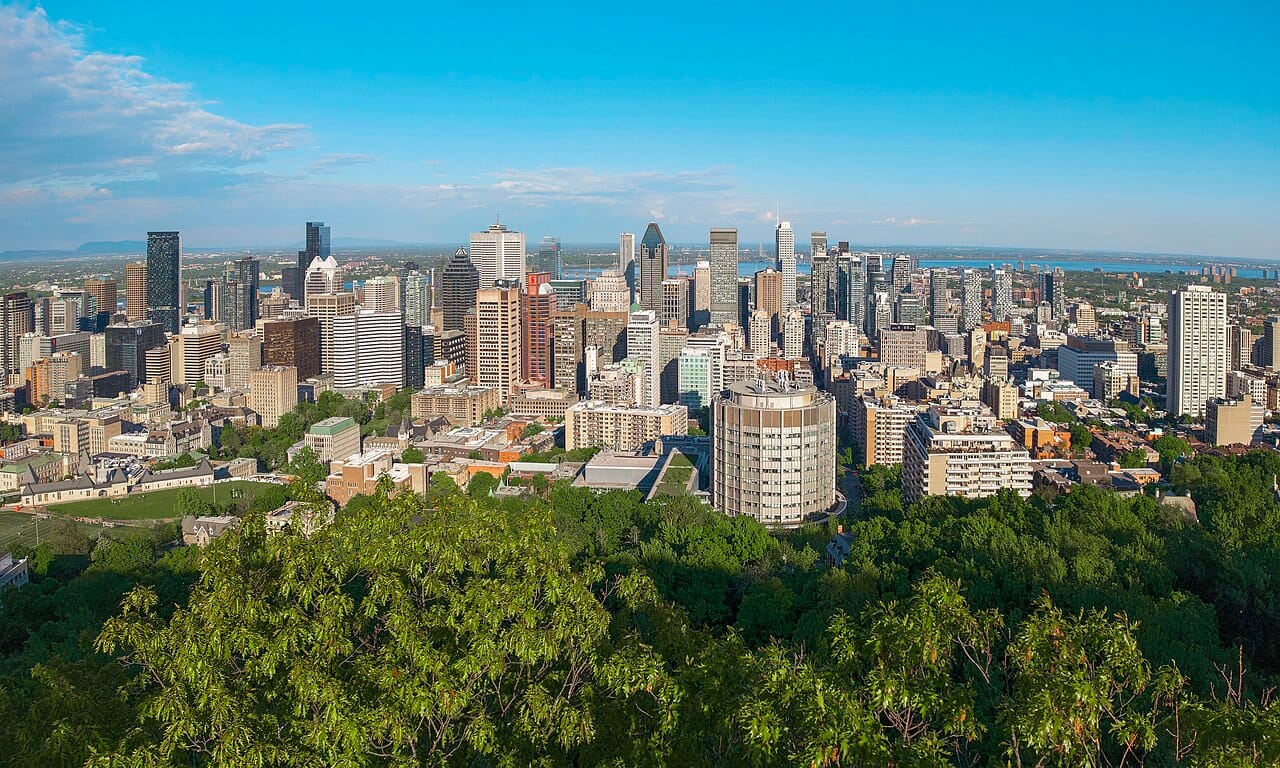
Quebec has a population of more than eight million people, the second most of any province, the great majority of them francophones whose first language is French. Most live in the St Lawrence lowlands, above all in Greater Montreal, a large and diverse metropolis, with a substantial English-speaking minority and communities of immigrants, alongside the historic capital of Quebec City. Eleven Indigenous nations, including Inuit in the far north, also call the province home, making Quebec a distinct and layered society within Canada.