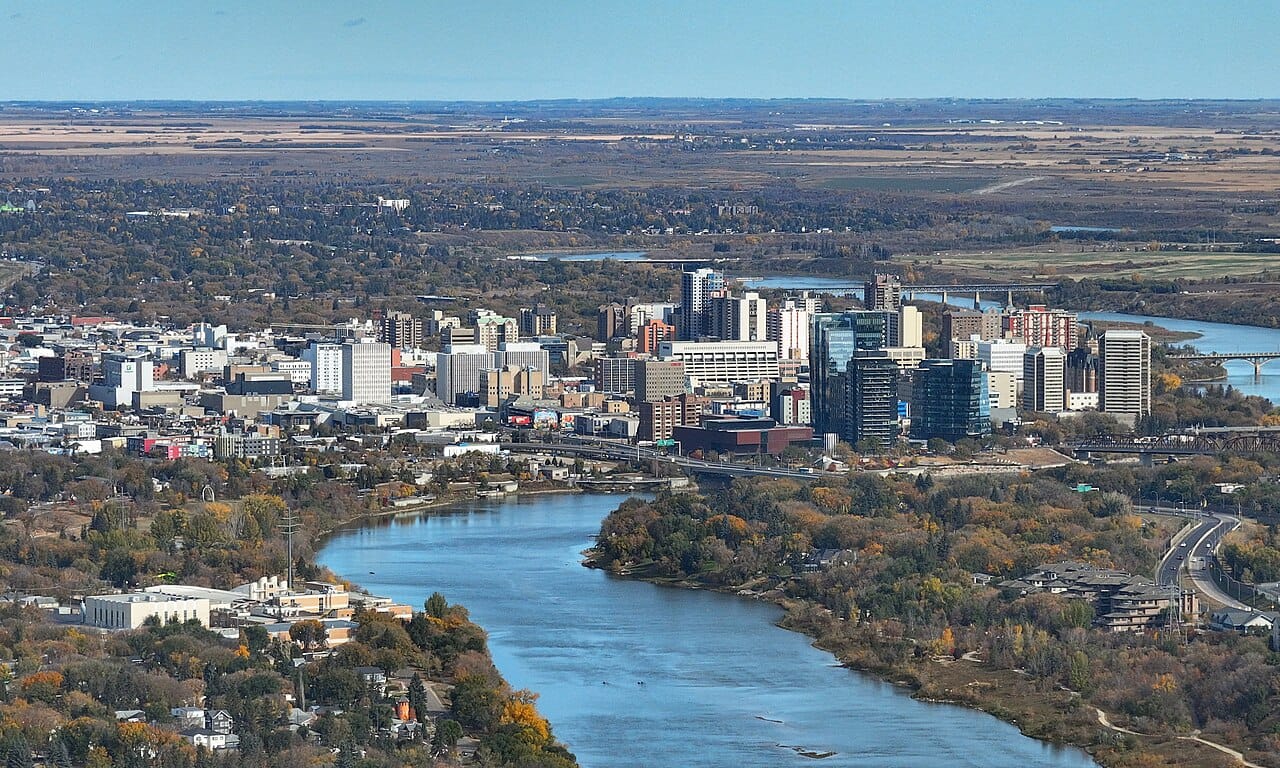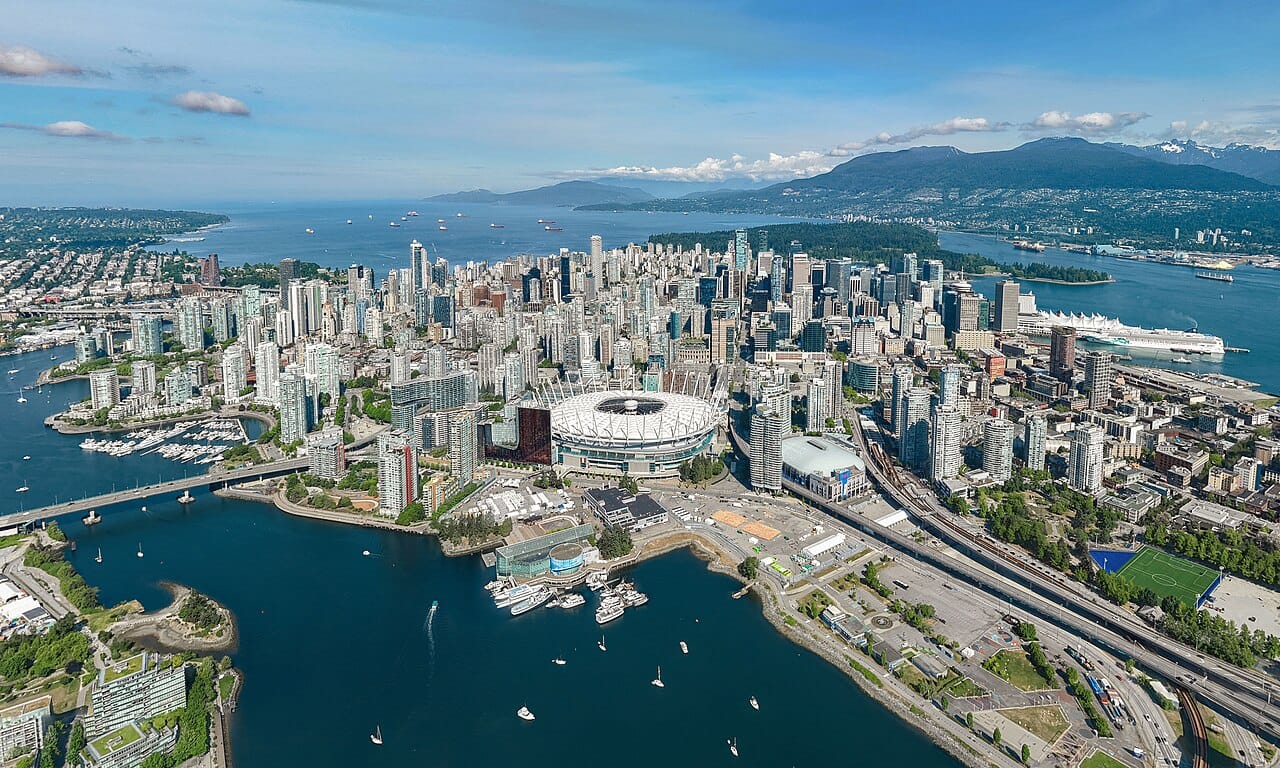
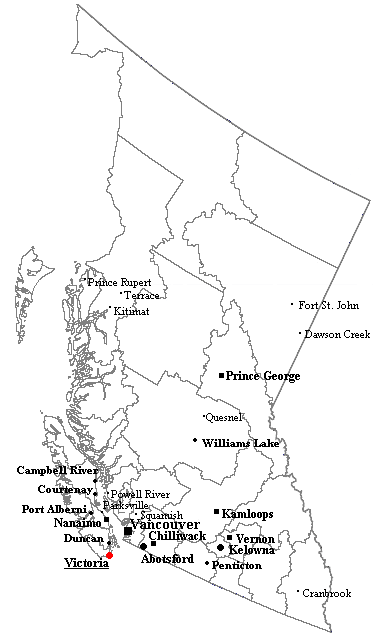
British Columbia is the westernmost province of Canada, a mountainous land of forests, fjords, and Pacific coastline stretching from the Rocky Mountains to the sea. Its mild, spectacular coast, where most of its roughly five and a half million people live, is home to the great port city of Vancouver, while the capital, Victoria, sits on Vancouver Island. Rich in timber, minerals, and natural beauty, and a gateway between Canada and Asia, British Columbia is known for its dramatic scenery and its outdoor way of life.
British Columbia's history runs from the rich cultures of its coastal First Nations, through the fur trade and the gold rushes that brought a colony into being, to its entry into Canada on the promise of a railway to the Pacific.
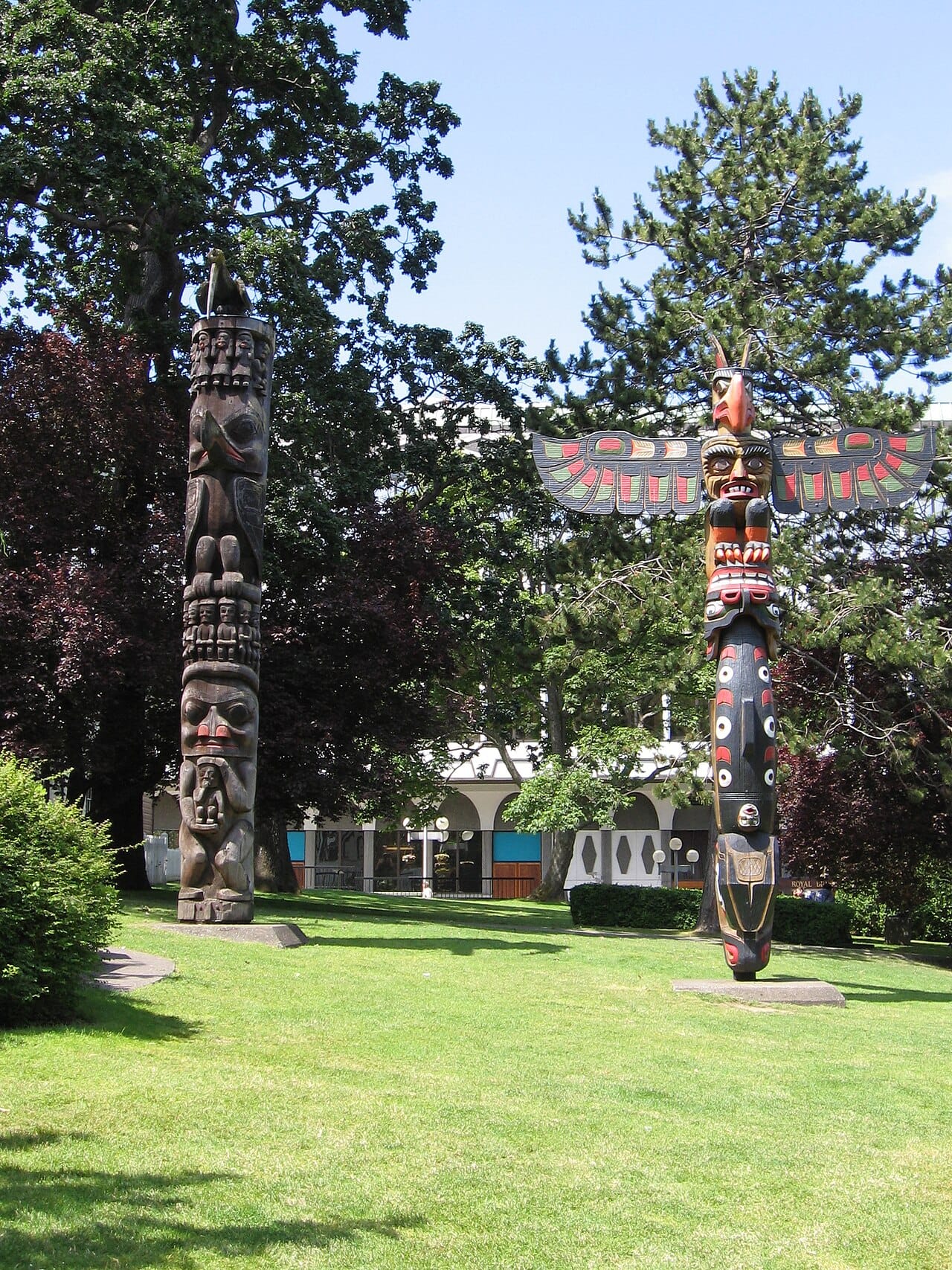
Long before Europeans came, the Pacific coast was home to some of the most populous and artistically accomplished Indigenous nations in the Americas, among them the Haida, the Coast Salish, and many others. Sustained by the abundance of the sea, above all the salmon, they built great cedar houses and carved the towering totem poles for which the coast is famous.
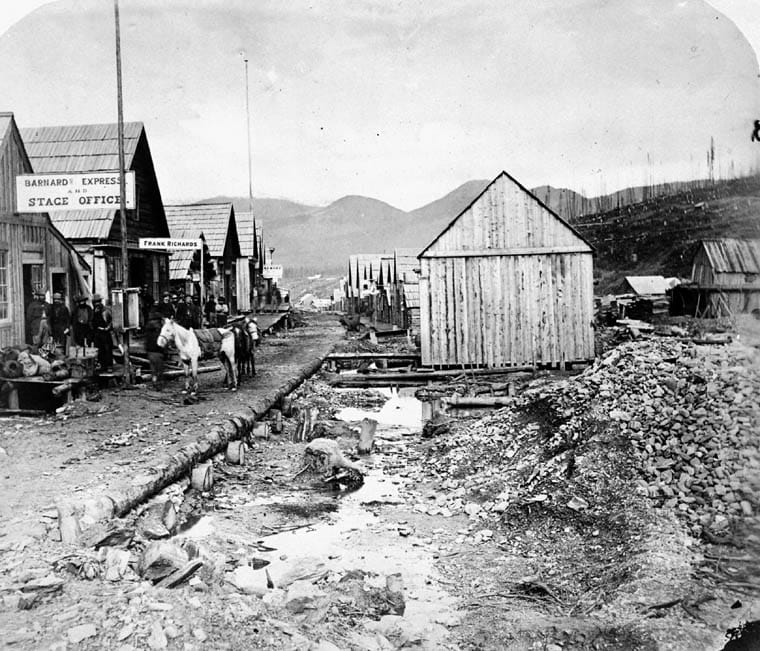
European contact came by sea and through the fur trade, and the region was drawn into the reach of Britain and the Hudson's Bay Company. Everything changed with the gold rushes, beginning on the Fraser River in 1858, which brought a sudden flood of prospectors and led Britain to establish the colony of British Columbia to keep order and hold the land.
In 1871 the colony joined the young Dominion of Canada as its sixth province, tempted into Confederation by the promise of a railway linking it to the east. The completion of the Canadian Pacific Railway in 1885 fulfilled that promise, binding the distant Pacific province to the rest of the country and opening it to settlement and trade.
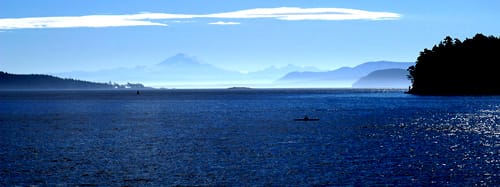
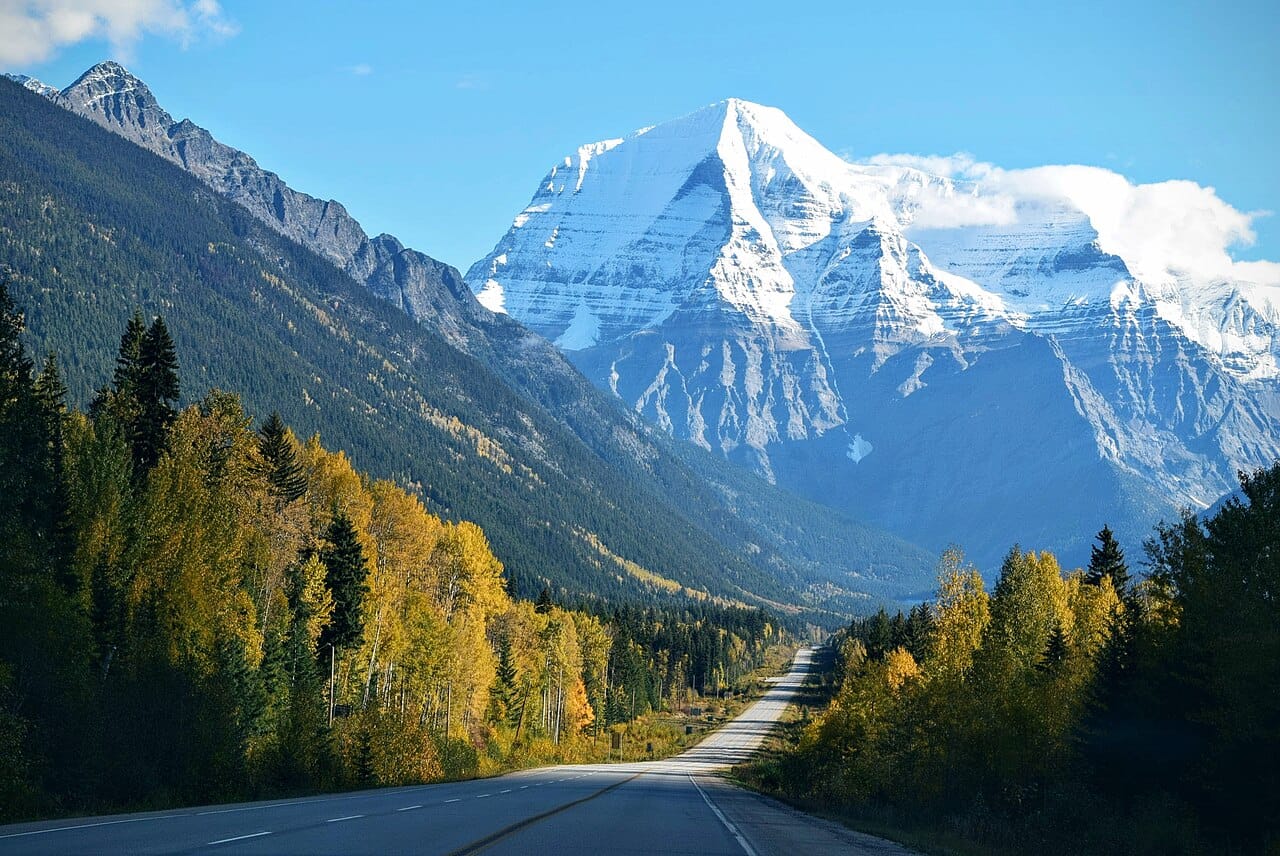
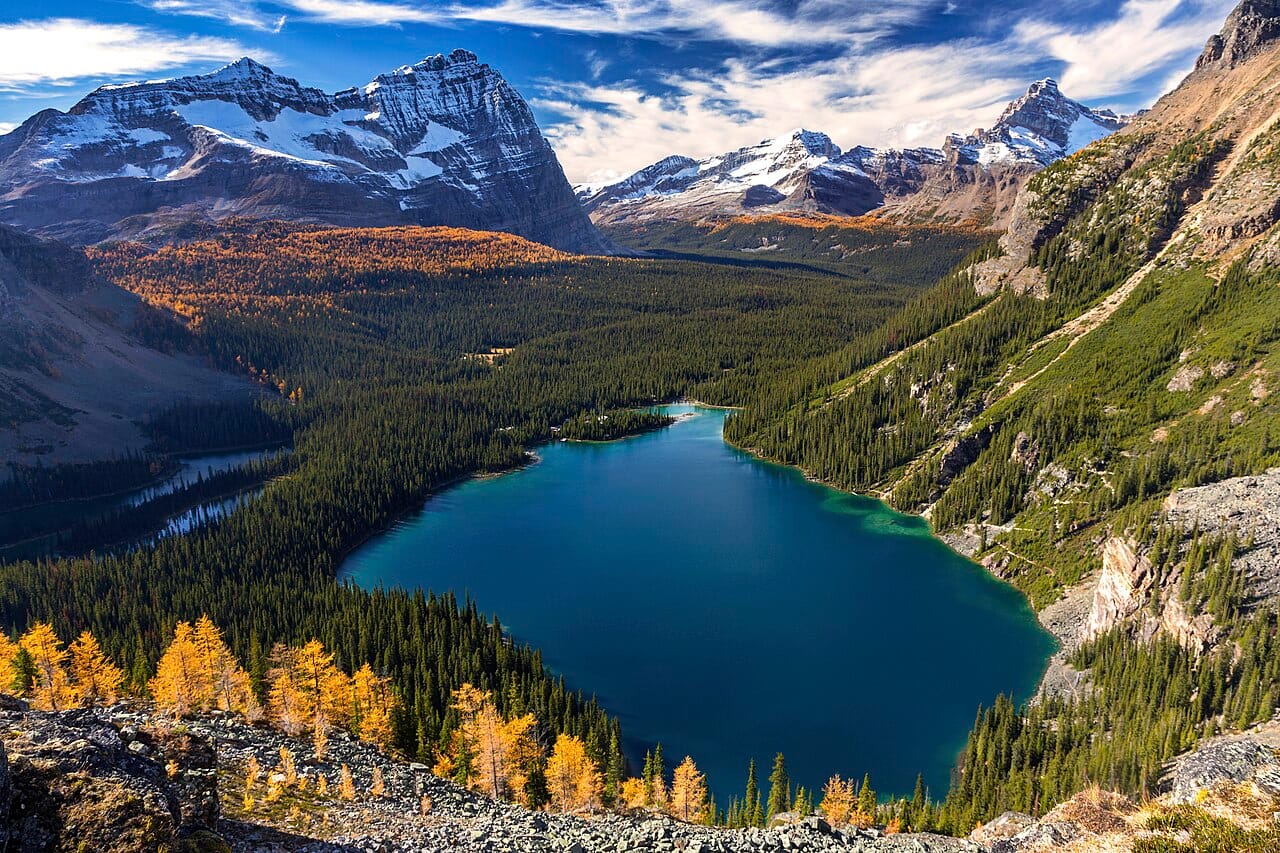
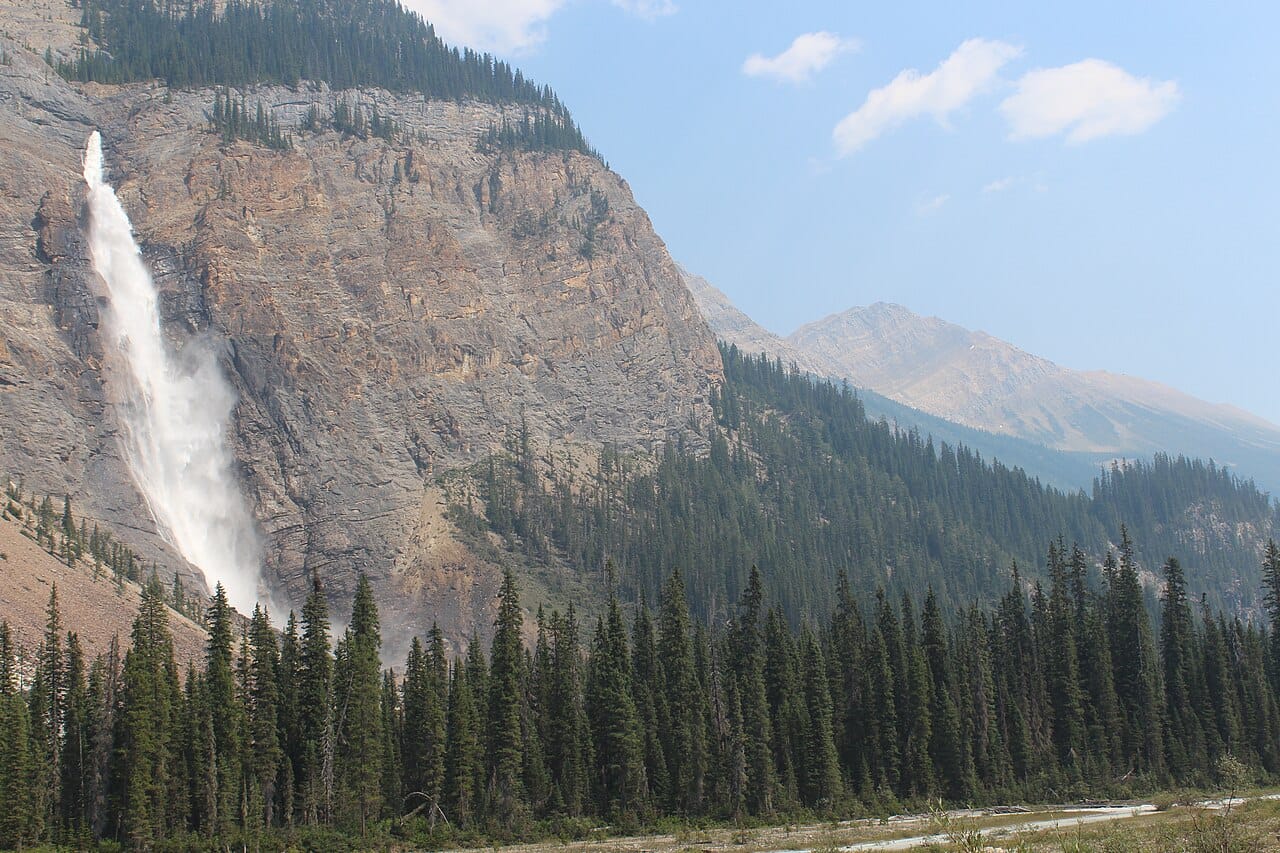
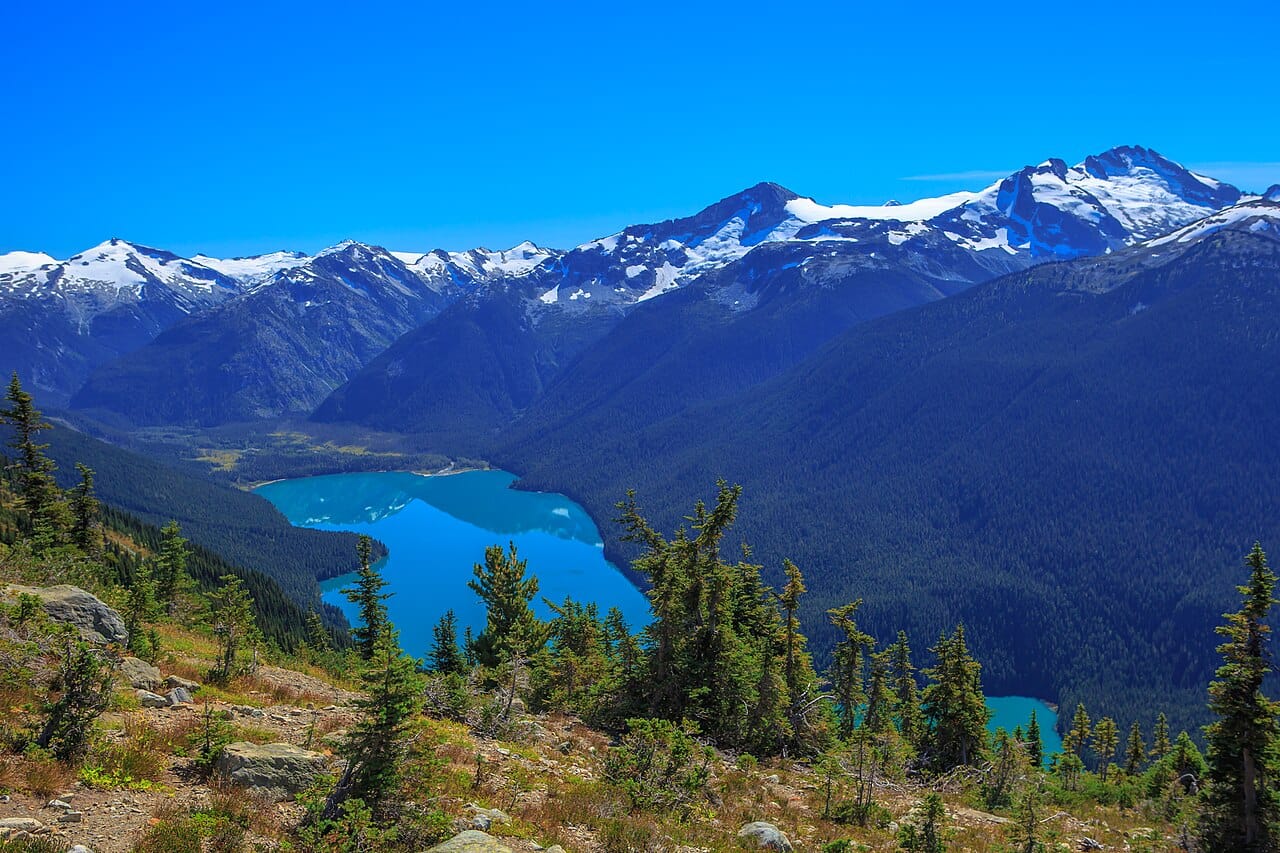
British Columbia is the most mountainous province in Canada, a rugged land where range after range runs from the Rocky Mountains in the east to the deeply indented Pacific coast. Between the mountains lie high plateaus and dry interior valleys, while the coast is a maze of fjords and islands cloaked in temperate rainforest. This immense variety of terrain gives the province a striking range of climates, from the mild, rainy coast to the snowy peaks and the semi-desert of the southern interior.
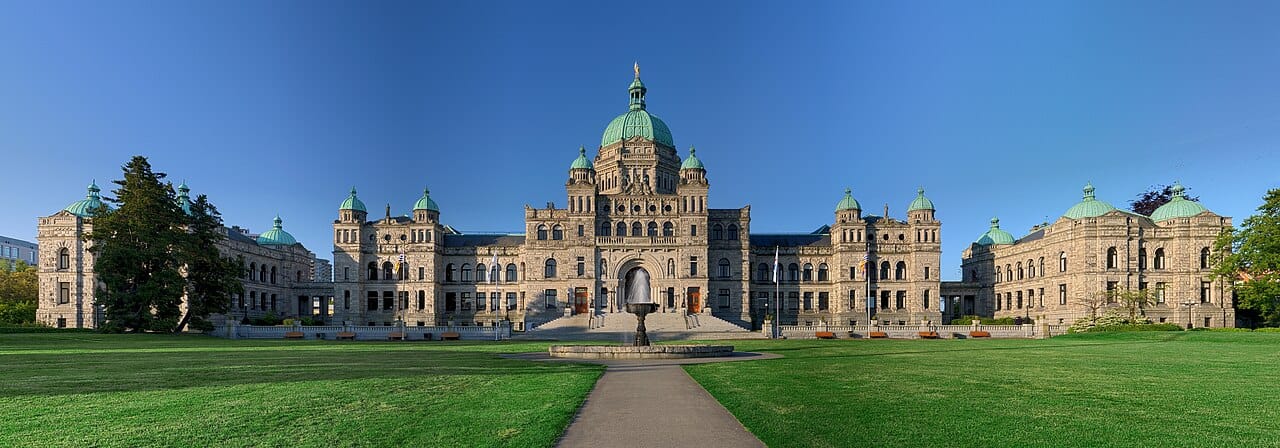
British Columbia is governed as a parliamentary democracy, with an elected Legislative Assembly that sits in the capital, Victoria, and a premier who leads the government, while a lieutenant governor represents the Crown. As of 2026 the premier is David Eby, leader of the New Democratic Party, whose government was re-elected in 2024, and the lieutenant governor is Wendy Cocchia. The province's politics have long swung between the New Democrats and parties of the centre-right, and issues of housing, resources, and the environment loom large.

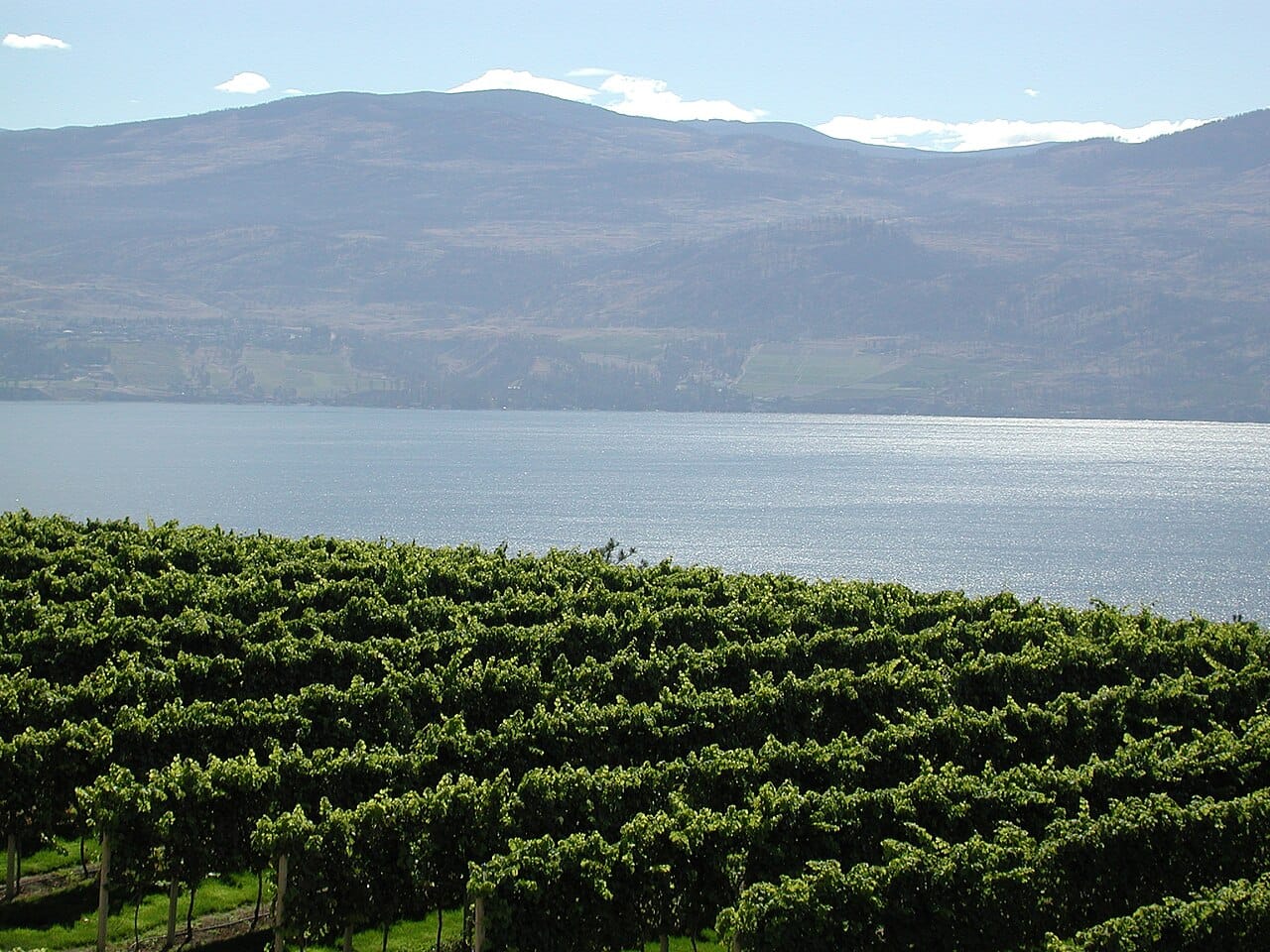
British Columbia's economy grew from its natural riches, above all the forests that made it Canada's leading producer of timber, along with mining, fishing, and hydroelectric power. Today it is far more diverse: the great Port of Vancouver is Canada's gateway for trade across the Pacific to Asia, and the province has thriving film and technology industries, tourism drawn by its scenery, and the wine and fruit of its warm interior valleys. Its position on the Pacific ties its fortunes closely to Asia.
The flag of British Columbia bears the Union Jack across the top, with a golden crown at its centre, above a golden half-sun setting over blue and white wavy stripes. The Union Jack marks the province's origins as a British colony, while the setting sun and the waves represent its position on the Pacific, at the western edge of the country. The dogwood, with its white flowers, is the provincial emblem, and the towering Pacific dogwood and western red cedar are cherished symbols of the province.
British Columbia is one of Canada's most diverse and outward-looking societies, its cities, above all Vancouver, home to large and long-established Asian-Canadian communities and shaped by immigration across the Pacific. It is famous for a relaxed, active culture built around its mountains, forests, and sea, from skiing and hiking to sailing and surfing. The province also leads the country in the revival and recognition of Indigenous cultures, whose art and heritage are woven into its identity.
British Columbia has a population of around five and a half million people, the third most of any province. The great majority live in the mild southwest, above all in Greater Vancouver, one of the most diverse and expensive cities in Canada, and around Victoria on Vancouver Island. Drawn by immigration from Asia and around the world, and home to many First Nations, the province has a richly multicultural population, though its beauty and desirability have brought some of the highest housing costs in the country.