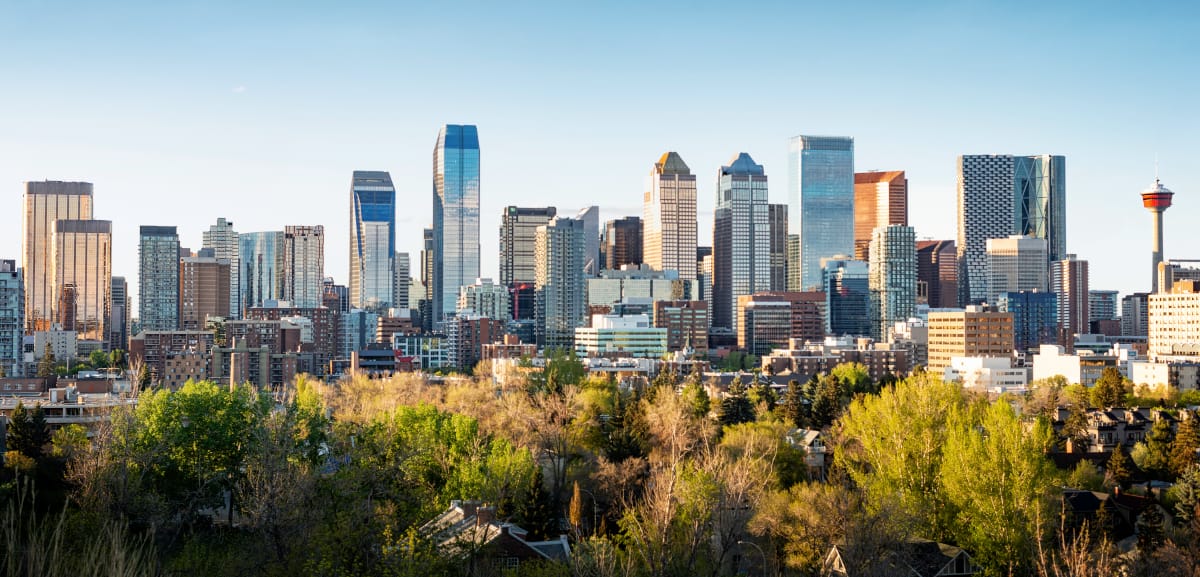
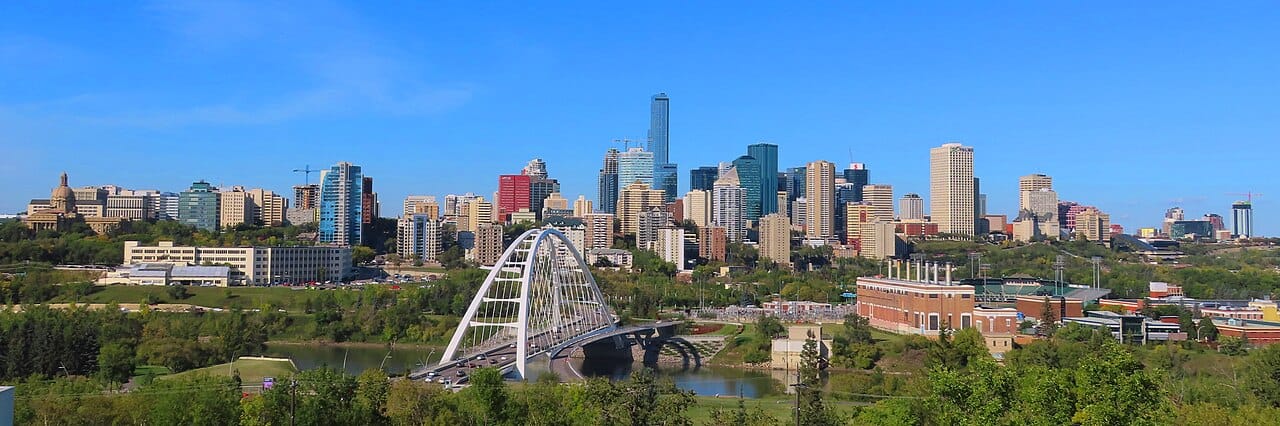
Alberta is a western province of Canada, the westernmost of the three Prairie provinces, running from the rolling grasslands of the south to the peaks of the Rocky Mountains and the great boreal forests of the north. Home to around five million people, its wealth is built above all on oil and gas, and its dynamic cities, Calgary and the capital, Edmonton, anchor one of the country's richest economies. A land of ranching, energy, and spectacular mountain scenery, Alberta has a proud and independent streak.
Alberta's history reaches from the age of the dinosaurs whose fossils fill its badlands, through the Indigenous nations of the plains and the fur trade, to a wave of ranchers and farmers and the oil boom that transformed the province.
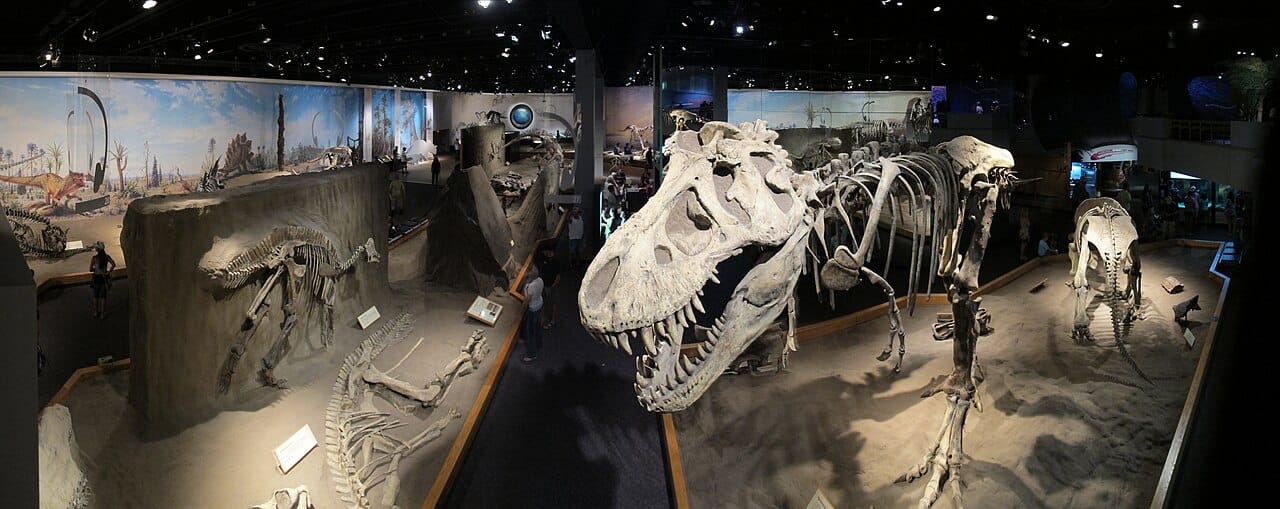
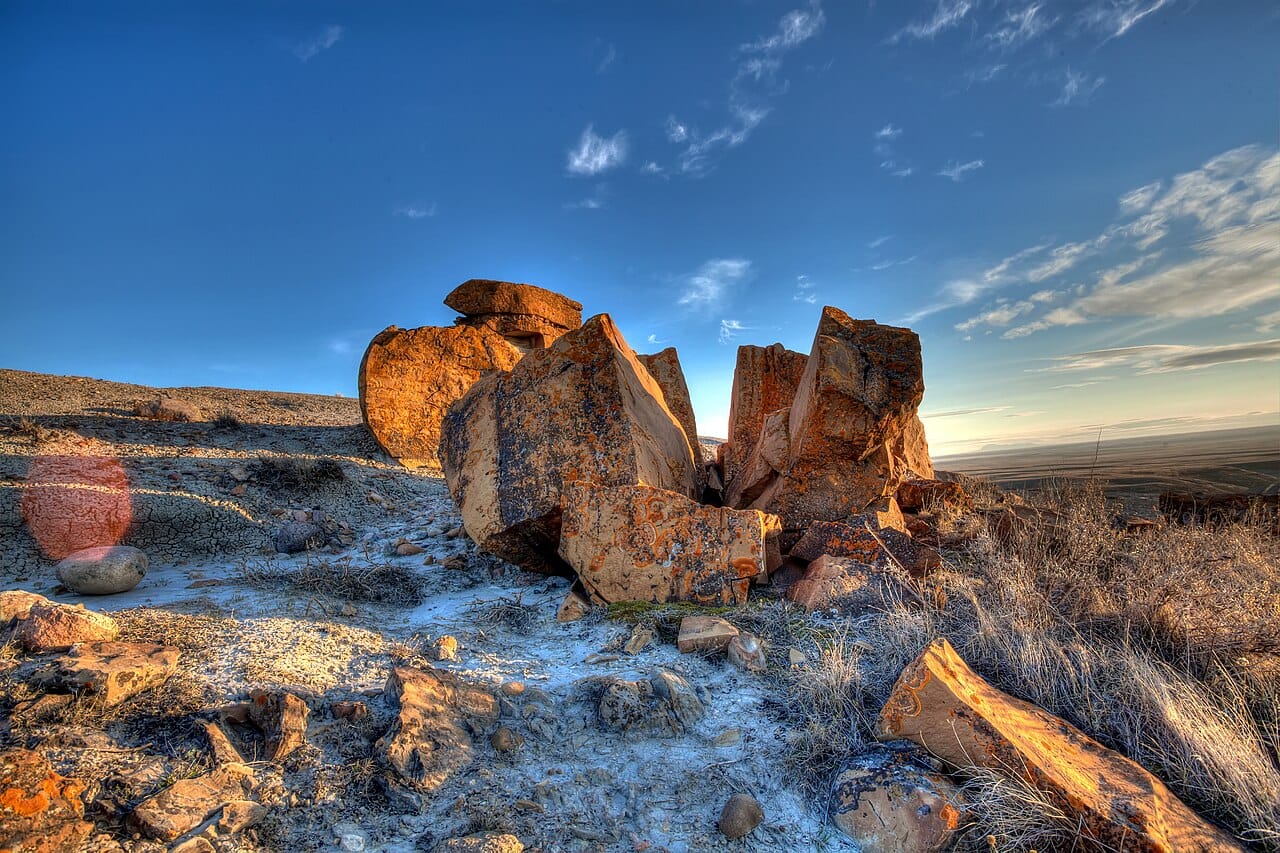
Long before human history, Alberta's badlands were laid down as the bed of ancient seas and swamps, and today they hold one of the richest troves of dinosaur fossils on Earth. The province's deep past is celebrated at the Royal Tyrrell Museum, and the fossil beds of the Red Deer River valley draw scientists from around the world.
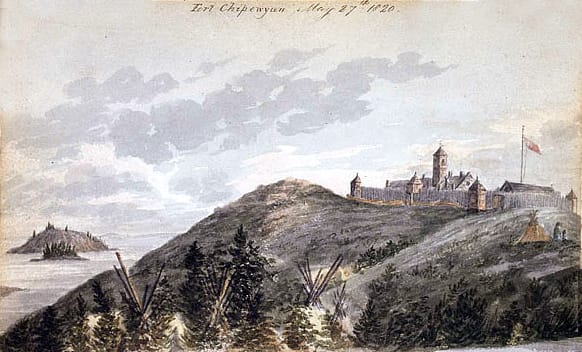
For thousands of years the plains were home to Indigenous nations such as the Blackfoot and the Cree, who followed the great bison herds across the grasslands. From the late eighteenth century the fur trade drew European traders north and west, building posts like Fort Chipewyan that opened the region to the wider world.
In the late nineteenth century the coming of the railway and the near-extinction of the bison opened the plains to ranching and then to a flood of homesteading farmers, who broke the prairie for wheat. The growing territory became the province of Alberta in 1905, and the discovery of oil in the following decades would remake its fortunes entirely.
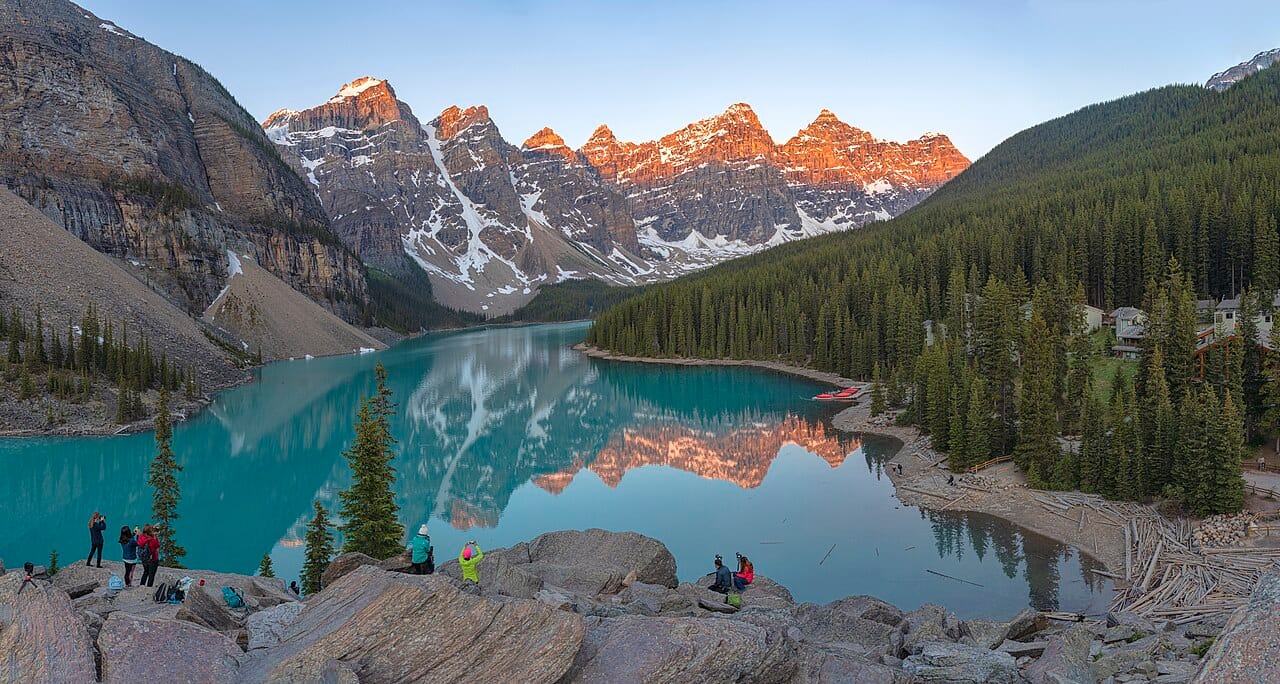
Alberta spans a striking range of country. The mighty Rocky Mountains form its western wall, holding the famous national parks of Banff and Jasper with their turquoise lakes and glaciers. Eastward the land falls to rolling foothills and then the wide prairies of the south, broken by the eroded badlands of the dinosaur country, while the north is a vast expanse of boreal forest, wetlands, and the oil sands. The climate is dry and continental, with cold winters warmed at times by the chinook winds off the mountains.
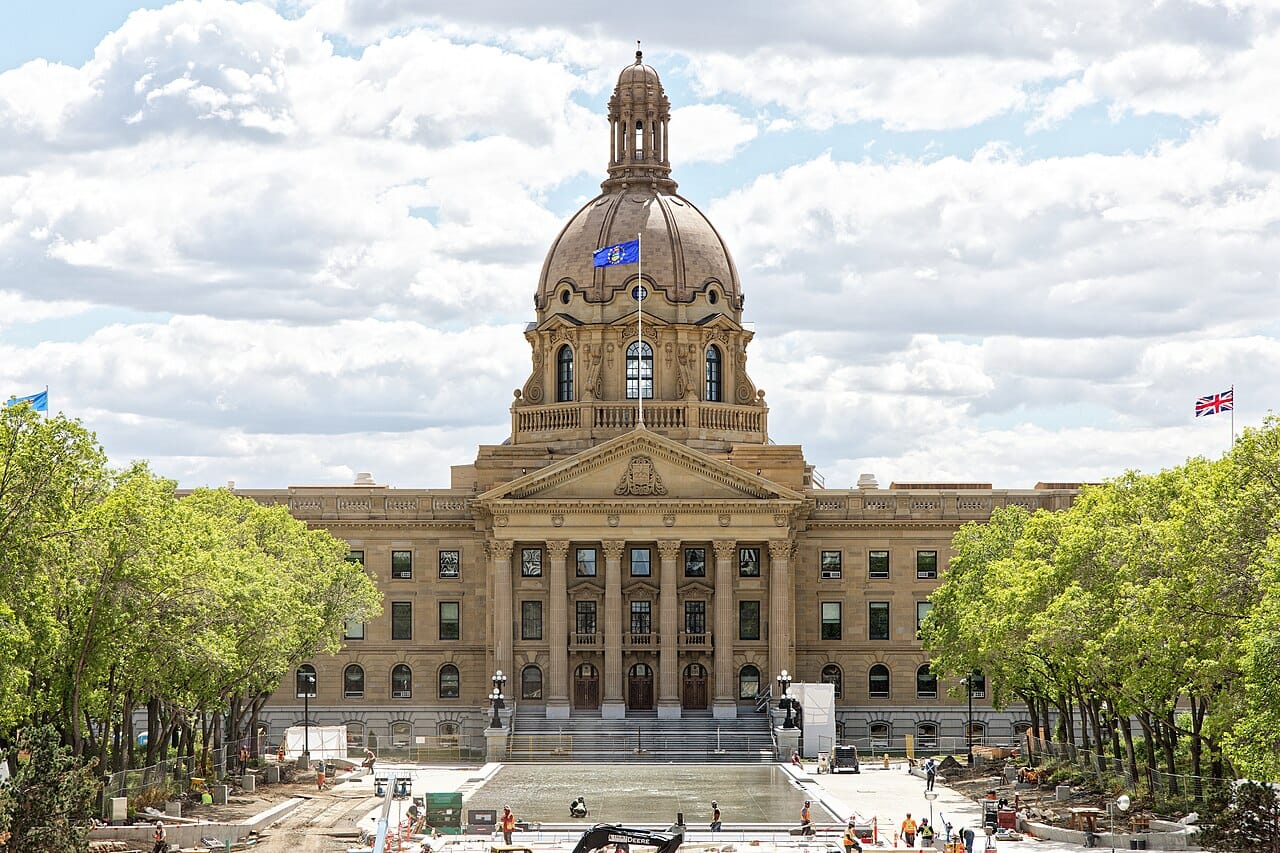
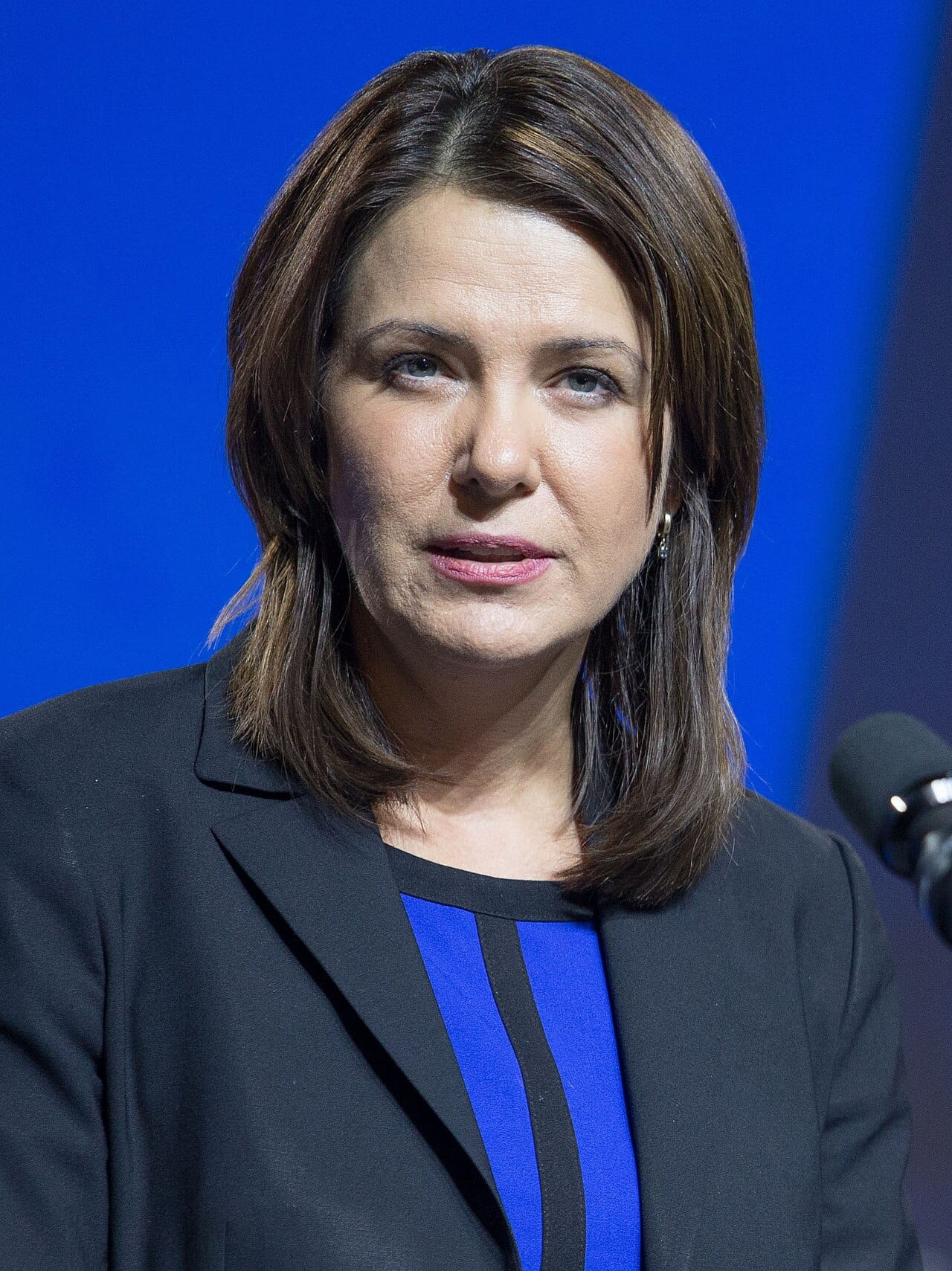
Alberta is governed as a parliamentary democracy, with an elected Legislative Assembly that sits in Edmonton and a premier who leads the government, while a lieutenant governor represents the Crown. As of 2026 the premier is Danielle Smith, leader of the United Conservative Party, and the lieutenant governor is Salma Lakhani, the first Muslim to hold a viceregal office in Canada. Alberta's politics have long leaned conservative and are marked by a fierce defence of provincial interests, especially over energy, and periodic friction with the federal government.
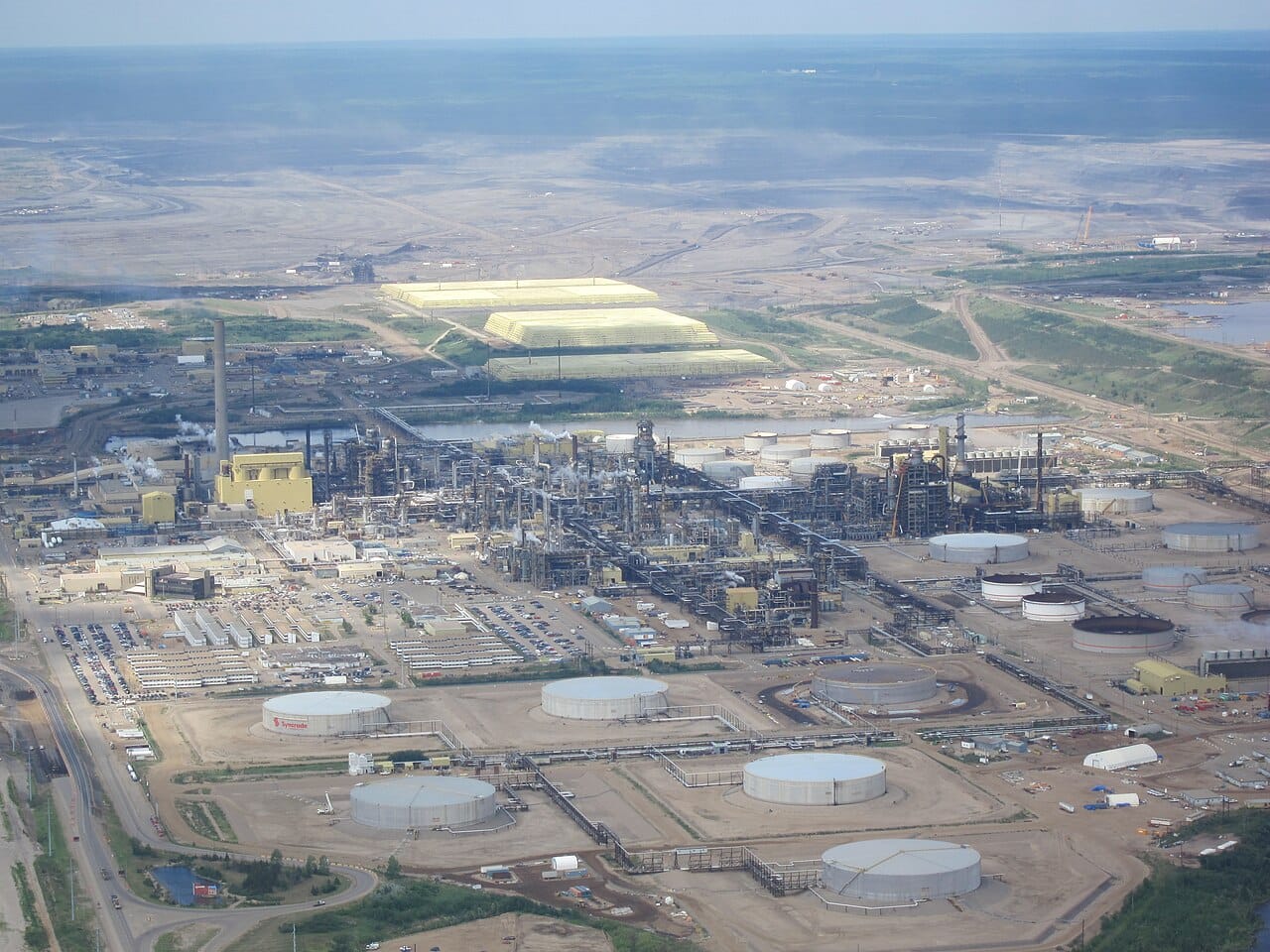
Alberta has one of the strongest economies in Canada, built above all on oil and gas. It holds the vast oil sands of the north, among the largest petroleum deposits in the world, and the energy industry has made the province wealthy while tying its fortunes to the swings of global prices. Beyond energy, Alberta is a major producer of beef from its sprawling ranches and of wheat and canola from its farms, and Calgary and Edmonton have grown into significant centres of finance, services, and technology.
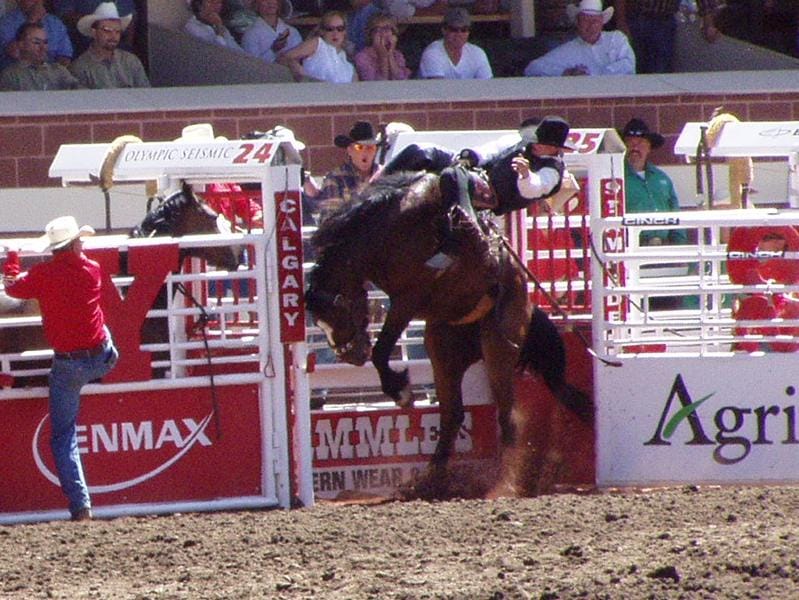
Alberta blends the heritage of the ranching frontier with the energy of its booming modern cities. The cowboy tradition of the foothills lives on most vividly in the Calgary Stampede, a vast annual rodeo and festival that bills itself as the greatest outdoor show on earth. The province is young, fast-growing, and increasingly diverse, drawing newcomers from across Canada and the world to its cities, while its mountains and parks underpin a strong culture of the outdoors.
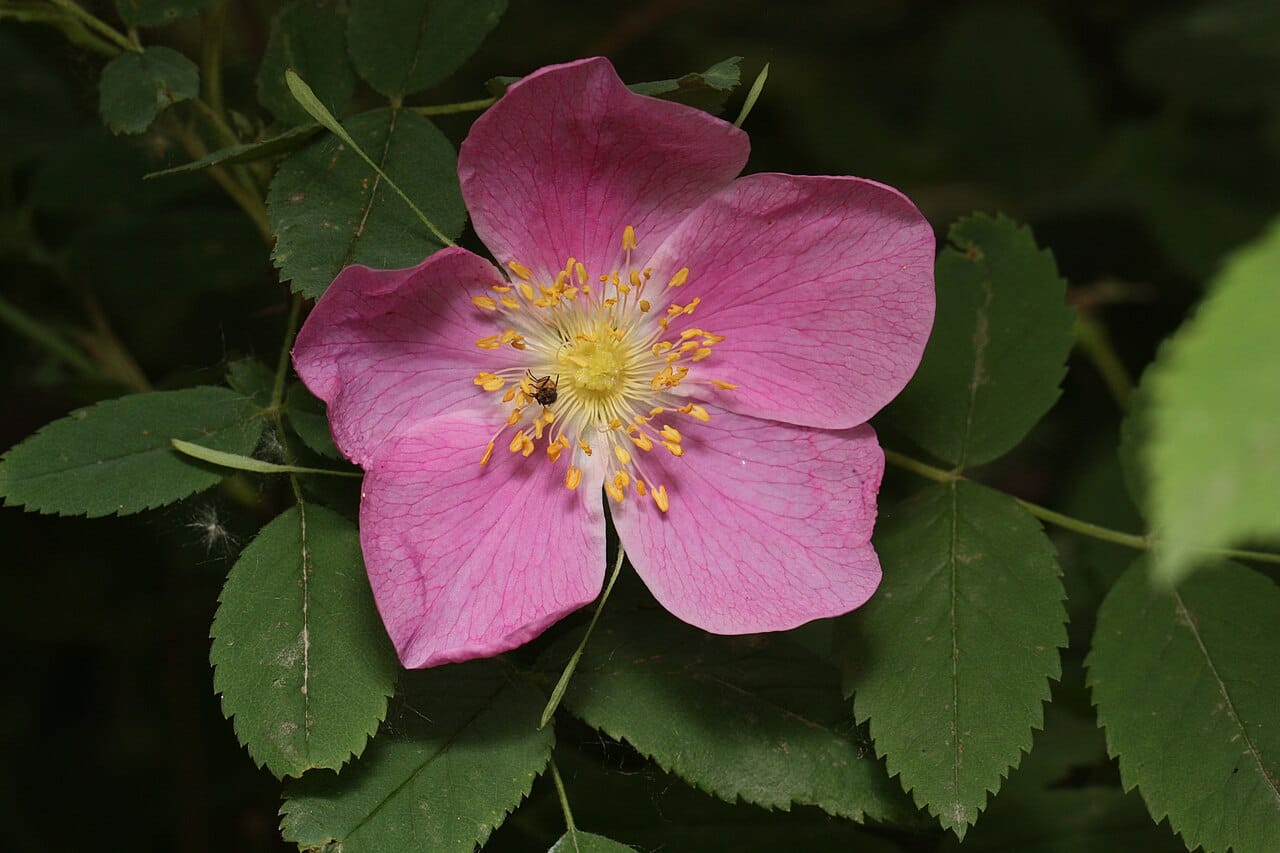
The flag of Alberta is blue, bearing the provincial shield at its centre. The shield shows the cross of Saint George above a landscape of snow-capped mountains, green hills, and golden prairie wheat, a picture of the province's range of scenery from the Rockies to the plains. The wild rose, a pink flower that grows across the province, is Alberta's floral emblem, so cherished that the province is sometimes nicknamed Wild Rose Country.
Alberta has a population of around five million people, the fourth most of any province and one of the fastest-growing, swelled by newcomers from across Canada and abroad drawn by its economy. Most people live in the two big cities, Calgary and the capital, Edmonton, and along the corridor between them, with the rest spread across farming and ranching country and the resource towns of the north. Young, prosperous, and increasingly diverse, Alberta has one of the most dynamic populations in the country.