A material that conducted electricity with no resistance at ordinary temperatures and pressures would be genuinely transformative, eliminating losses in power transmission and making magnetic levitation and compact fusion magnets far cheaper. The search for one has produced several of the most prominent retractions in modern physics, and no accepted result.
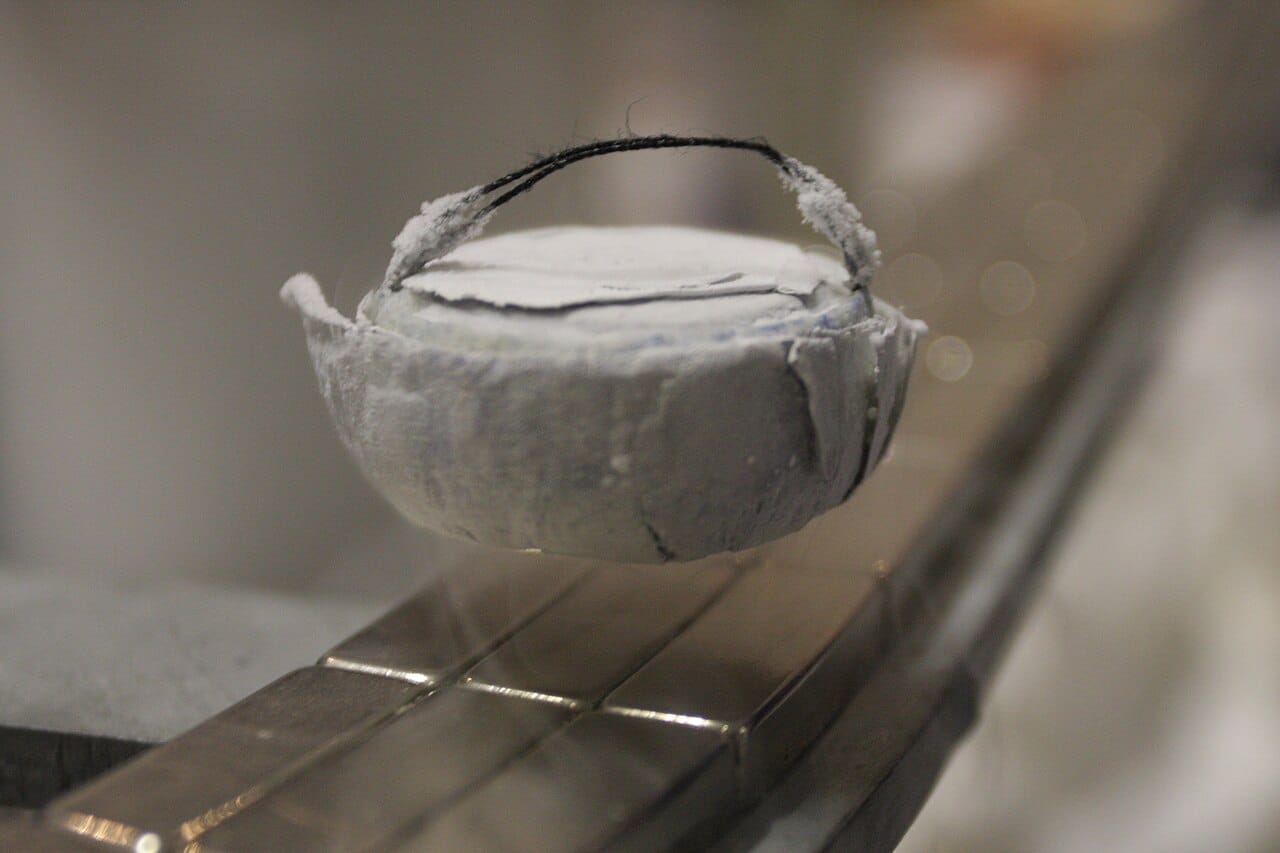
Superconductivity itself is not in doubt. Discovered by Heike Kamerlingh Onnes in 1911, it involves both zero electrical resistance and the expulsion of magnetic fields, the Meissner effect, which is what distinguishes a superconductor from a merely very good conductor and is the diagnostic test any claim must pass.
Conventional superconductivity was explained by BCS theory in 1957, which earned a Nobel Prize and which predicted an upper temperature limit around 30 kelvin. That prediction was broken in 1986 by cuprate materials working above 90 kelvin, above the boiling point of liquid nitrogen, which made superconductivity practical for some applications and earned another Nobel Prize the following year. How the cuprates work is, remarkably, still not settled after nearly four decades.
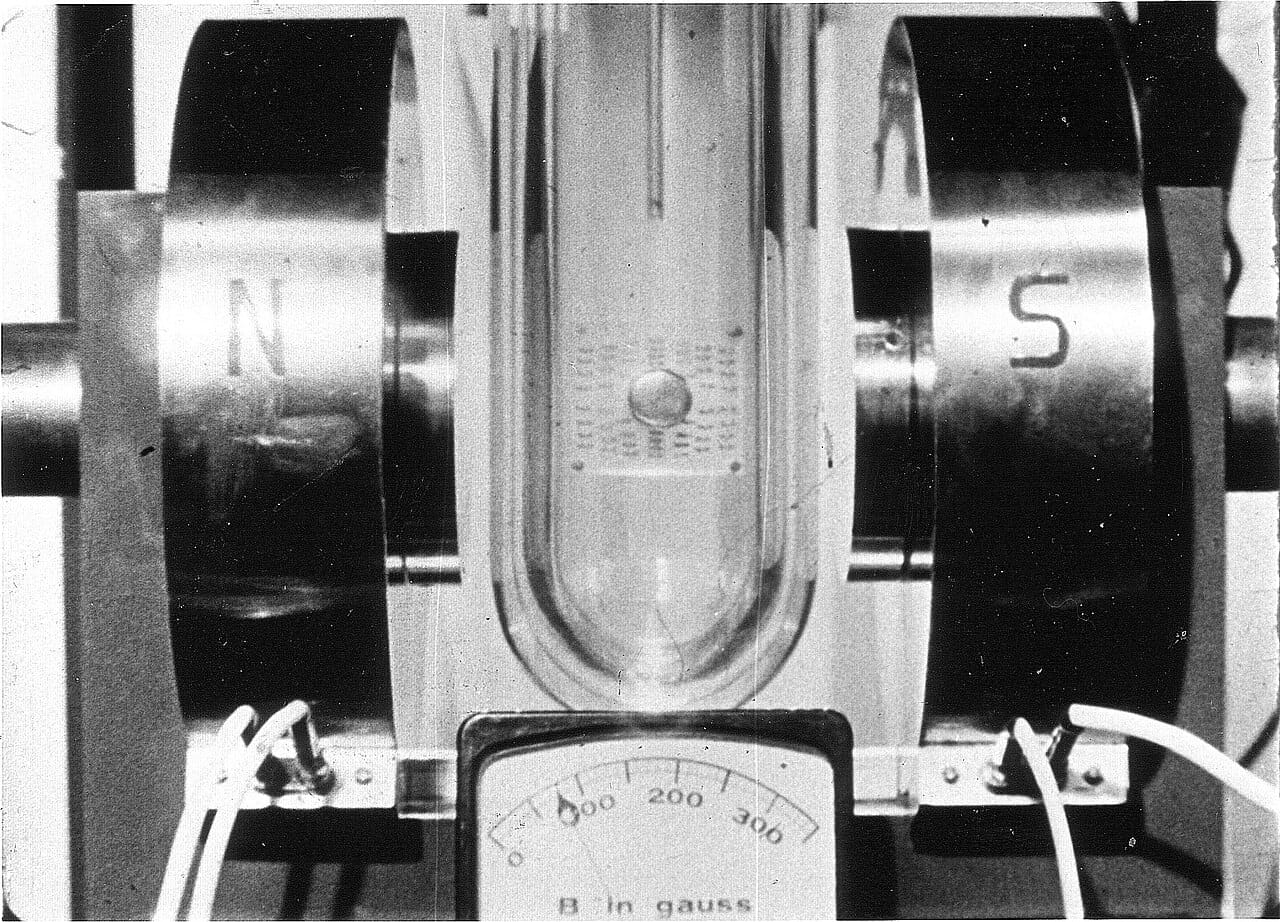
Substantial progress has been made in hydrogen-rich materials under enormous pressure. Hydrogen sulphide was reported superconducting around 200 kelvin at pressures in the region of 1.5 million atmospheres, and lanthanum hydride at higher temperatures still. These results are broadly accepted.
The pressures involved, however, are achievable only in a diamond anvil cell holding a sample smaller than a grain of sand, which rules out every practical application. A material that superconducts at room temperature and room pressure is a different target, and no accepted example exists.
This field has an unusually poor record of claims surviving scrutiny.
Ranga Dias published results in 2020 and 2023 reporting room-temperature superconductivity, in carbonaceous sulphur hydride and then in a lutetium hydride. Both were retracted, the second amid findings of data fabrication, and an investigation by his university concluded that research misconduct had occurred. The episode did considerable damage, not least because the results were published in a leading journal and widely reported before the problems surfaced.
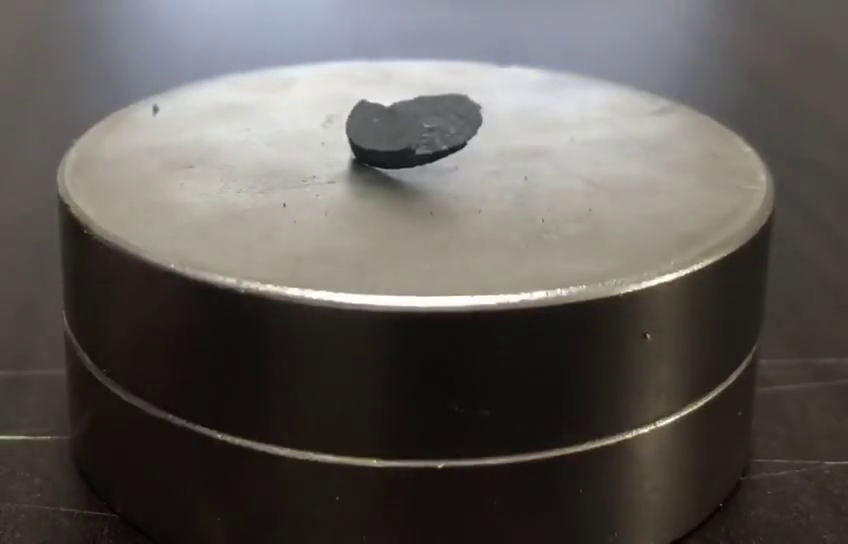
In July 2023 a Korean group posted preprints claiming a lead-based compound, LK-99, was a superconductor at ambient temperature and pressure. The claim spread through social media at extraordinary speed, and laboratories worldwide attempted replication within days. Within about a month the consensus was that the observed behaviour was explained by impurities, principally copper sulphide, whose known phase transition mimicked the reported signature, and that the partial levitation shown in the videos was ferromagnetism rather than the Meissner effect.
Both episodes are frequently cited as evidence that science is unreliable. A better reading is that both were caught, one by replication attempts completed in weeks and the other by physicists who scrutinised the underlying data and would not let it go. Dias was dismissed by his university following its investigation, which is a slower correction than the LK-99 case but a correction nonetheless.
Whether a genuine ambient superconductor is physically possible is unresolved, and there is no theoretical result forbidding one, which is why the search continues despite the record.
Two directions have produced results that have survived scrutiny, neither of them at ambient pressure.
Hydrides remain the only confirmed near-room-temperature superconductors, with reported critical temperatures now above 250 kelvin and in some claims higher. Every validated result requires pressures of one to two million atmospheres, in samples too small to see, which keeps them permanently in the domain of physics rather than engineering.
Nickelates are the more interesting development. Long predicted as cuprate analogues, they were made to superconduct and, in work at Stanford and SLAC reported in 2025, stabilised in a form permitting proper study. Their transition temperatures are far below room temperature. Their value is that they offer a second family of high-temperature superconductors to compare against the cuprates, which is what a theory of the mechanism has always lacked.
The honest position is that ambient-pressure room-temperature superconductivity has no validated candidate, that the search is now assisted by computational screening of candidate compounds, and that the field's credibility problem is a reason to treat the next dramatic announcement with more patience rather than less.