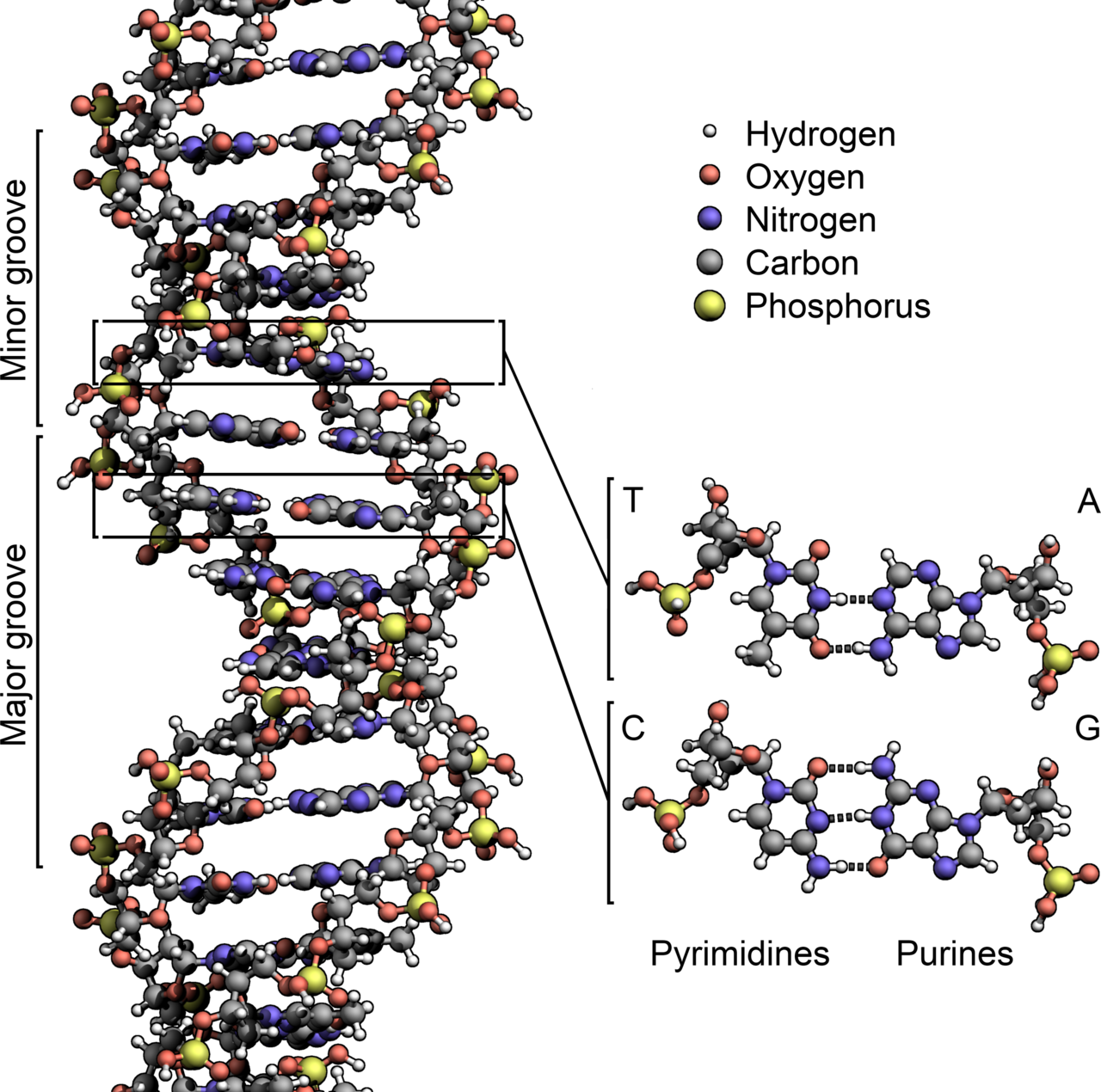
Ribonucleic acid, a molecule closely related to DNA that carries genetic messages, performs chemical work, and regulates which genes are used. It was long treated as an intermediate and is now understood to do a great deal more.
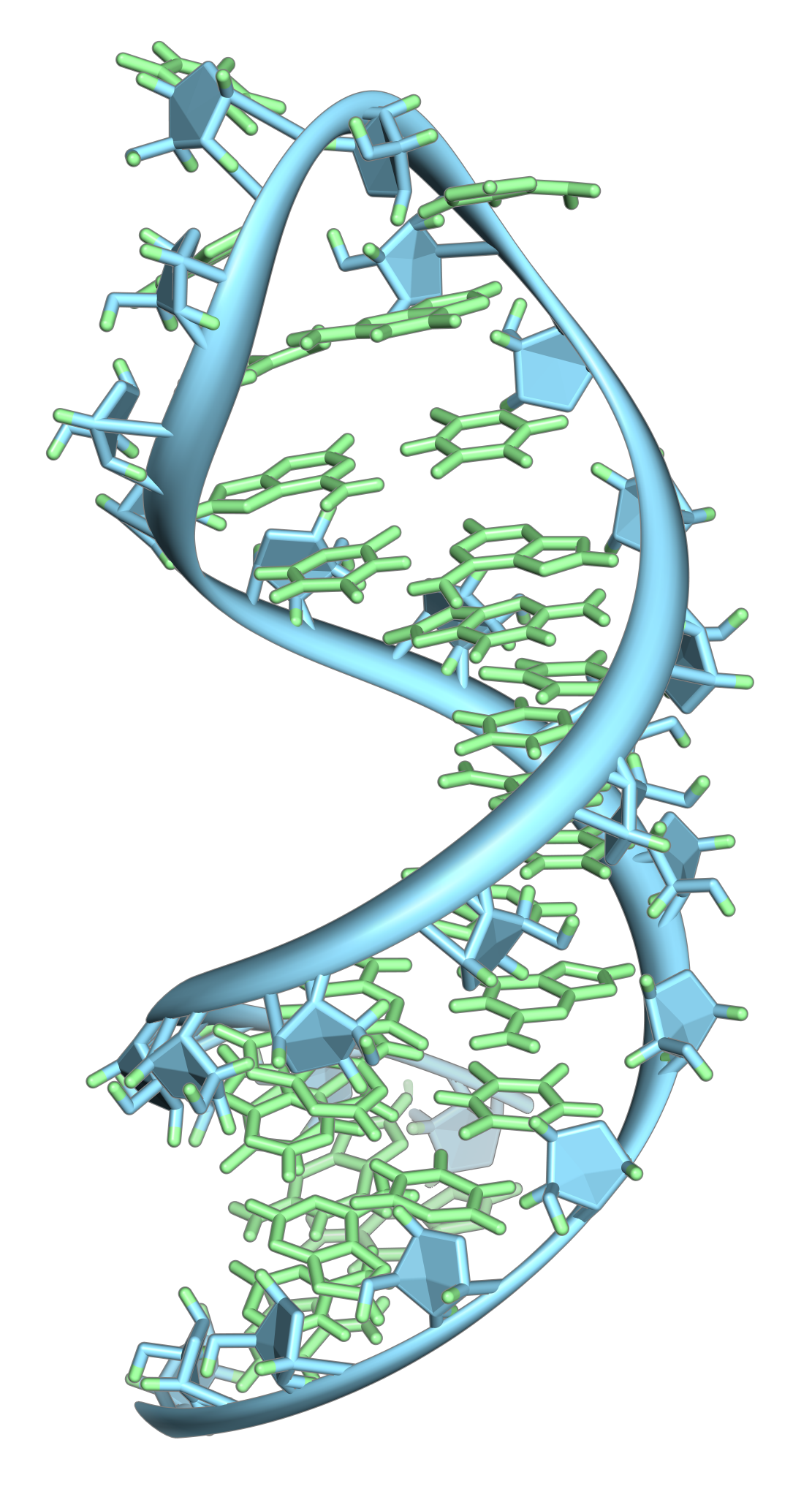
Three differences matter.
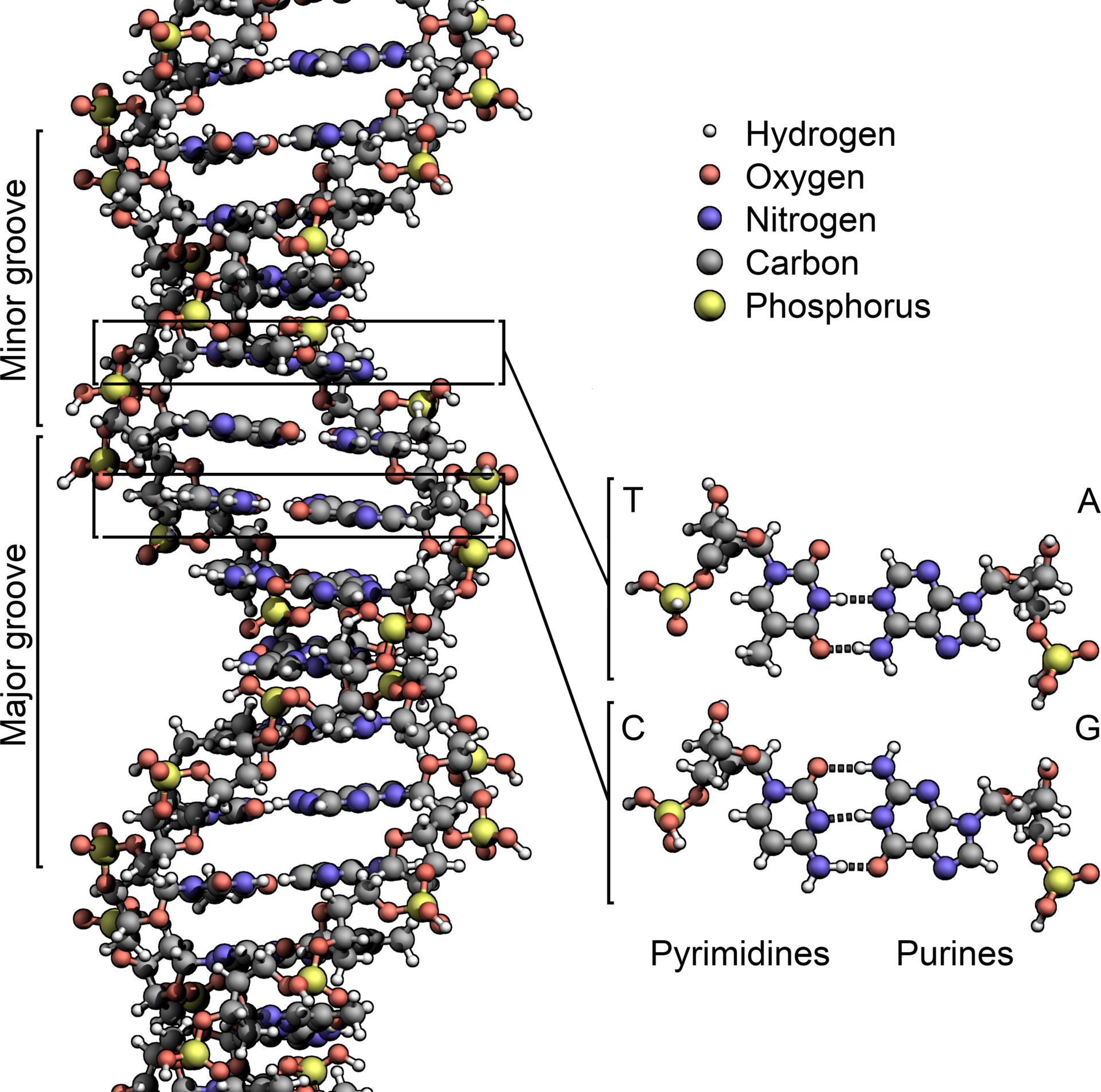
The sugar is ribose rather than deoxyribose, carrying one additional oxygen. This makes RNA more chemically reactive and less stable, which is why DNA is better suited to long-term storage and RNA to temporary use.
RNA uses uracil where DNA uses thymine.
RNA is usually single-stranded rather than a double helix. This is the most consequential difference, because a single strand can fold back on itself, pairing with its own sequence to form loops and helices, producing specific three-dimensional shapes. A shaped molecule can bind targets and catalyse reactions, which a uniform double helix cannot.
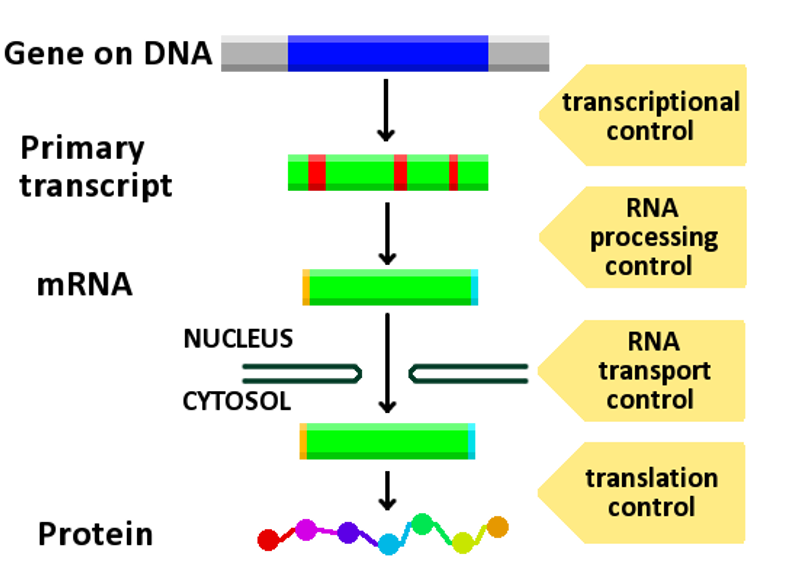
Messenger RNA carries a copy of a gene from the DNA to the ribosome. It is transcribed from the template, processed, and read three bases at a time to specify a protein sequence.
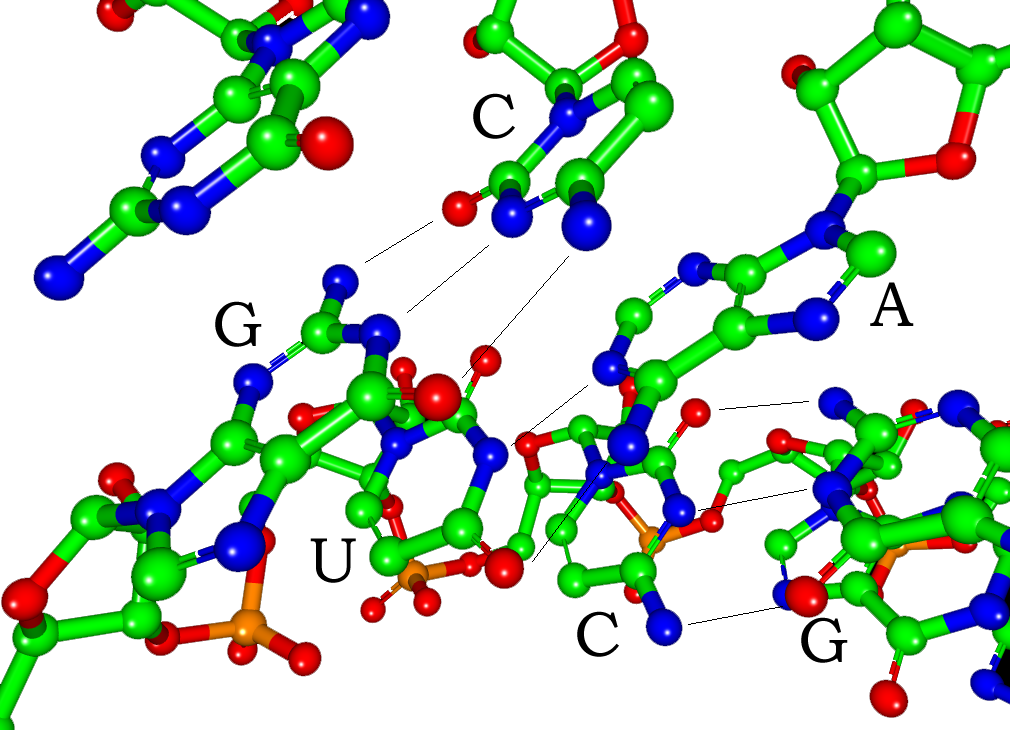
Transfer RNA is the adaptor. Each carries a specific amino acid at one end and a three-base sequence at the other that pairs with the corresponding sequence on the messenger, which is the physical mechanism by which the genetic code is read.
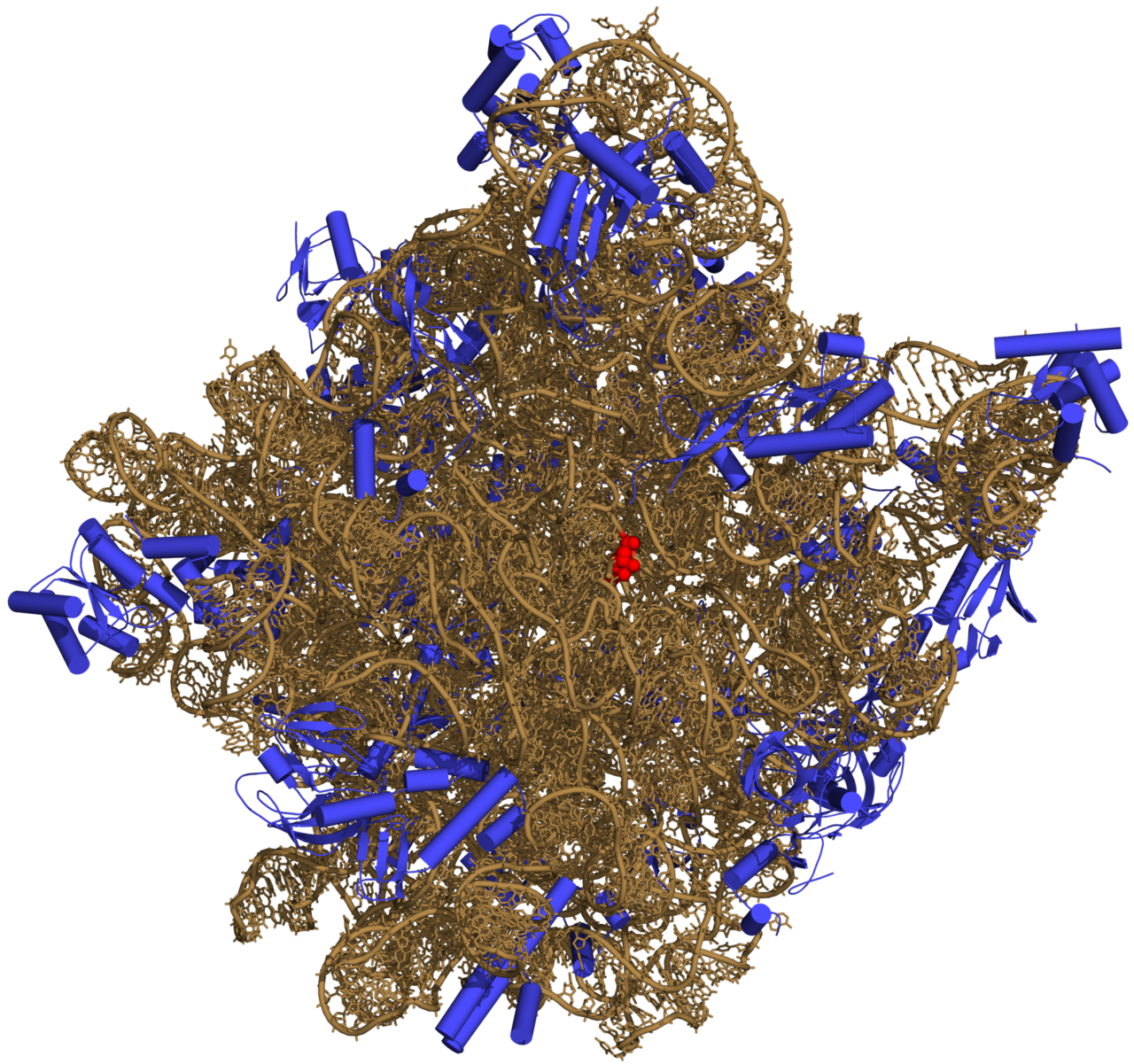
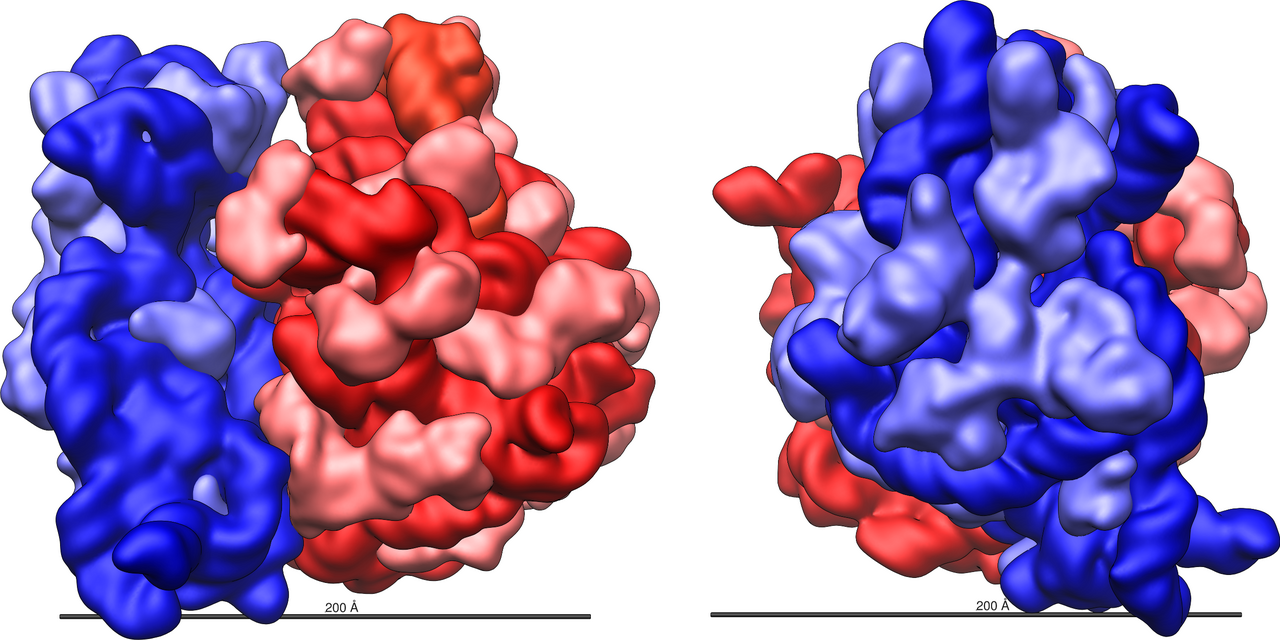
Ribosomal RNA forms the structural and catalytic core of the ribosome, described in its own capsule. The discovery that the bond-forming reaction is catalysed by RNA and not by protein was a significant result, since it means the machine that makes proteins is itself run by RNA.
Regulatory RNAs form a large and varied group. MicroRNAs and small interfering RNAs bind messenger RNAs and suppress them, a mechanism called RNA interference whose discovery received the Nobel Prize in 2006. Long non-coding RNAs participate in switching genes on and off, including the RNA that inactivates one X chromosome in mammalian cells.
Until the early 1980s, catalysis was assumed to be exclusively the work of proteins.
Thomas Cech and Sidney Altman independently found RNA molecules that catalyse reactions, and shared the Nobel Prize in 1989 for it. These are ribozymes.
The implication reaches beyond biochemistry. A molecule that both carries information and catalyses reactions could in principle sustain a self-replicating system without proteins or DNA, which is the basis of the RNA world hypothesis, treated in its own capsule. That hypothesis is not settled, and the existence of ribozymes is what makes it a serious proposal rather than a speculation.
RNA has become a therapeutic platform, and the reason is that it instructs the cell rather than acting directly.
Messenger RNA vaccines deliver instructions for a single protein, which the recipient's cells produce, prompting an immune response. The approach was developed over decades, with key work on modifying the molecule to avoid triggering an unwanted immune reaction, and it was deployed at scale against COVID-19. Katalin Kariko and Drew Weissman received the Nobel Prize in 2023 for that modification work.
The practical advantage is speed. Because only the sequence changes between one target and another, a new candidate can be designed within days of a pathogen's genome being published, where conventional vaccine development requires growing and modifying the organism.
RNA interference has produced approved drugs that silence specific genes, used in conditions caused by a harmful protein.
Antisense oligonucleotides bind a target messenger RNA to block or alter its processing, and are approved for several genetic conditions.
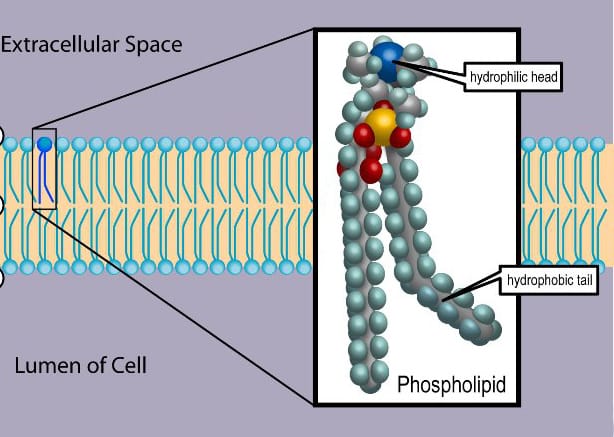
The common difficulty across all of these is delivery. RNA is degraded rapidly and does not cross cell membranes on its own, so the lipid nanoparticles and chemical modifications that protect it are as much of the technology as the sequence itself.
RNA connects the genome to everything the cell actually does, and the recognition that most of the genome produces RNA which is never translated changed the understanding of what genomes contain.
It is also the clearest recent case of basic research producing an unanticipated application. Work on how RNA folds, how it is degraded and why it provokes immune responses was undertaken to understand the molecule, and it produced a vaccine platform that could be redirected at a new pathogen within days.