Panama is a country at the southern end of Central America, a narrow, S-shaped isthmus linking North and South America and separating the Atlantic from the Pacific. Its geography has defined its destiny: it has always been a crossroads of trade, and it is home to the Panama Canal, one of the greatest engineering feats in history, which carries a huge share of the world's shipping between the two oceans. Once part of Colombia, Panama became independent in 1903 and built a modern, service-based economy around its canal and its banks.
Panama's history has been shaped, above all, by its geography as the narrowest bridge between two oceans, a crossroads coveted by empires and, in the end, made into a nation by the desire to dig a canal.
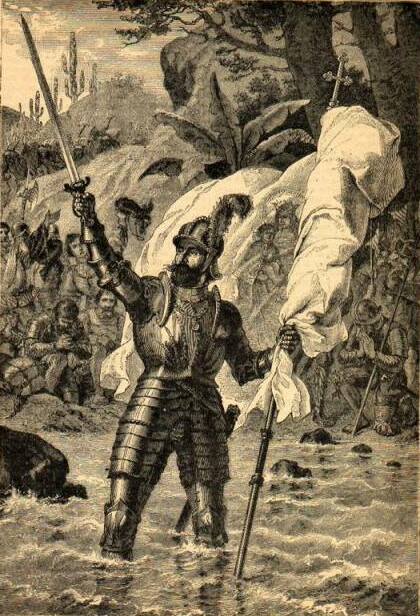
The isthmus was home to indigenous peoples when the Spanish arrived, and it was here in 1513 that Vasco Nunez de Balboa became the first European to cross the Americas and sight the Pacific. Panama then became a vital artery of the Spanish empire, the place where the looted silver of Peru was carried overland to be shipped to Spain, making its ports rich and a target for pirates.
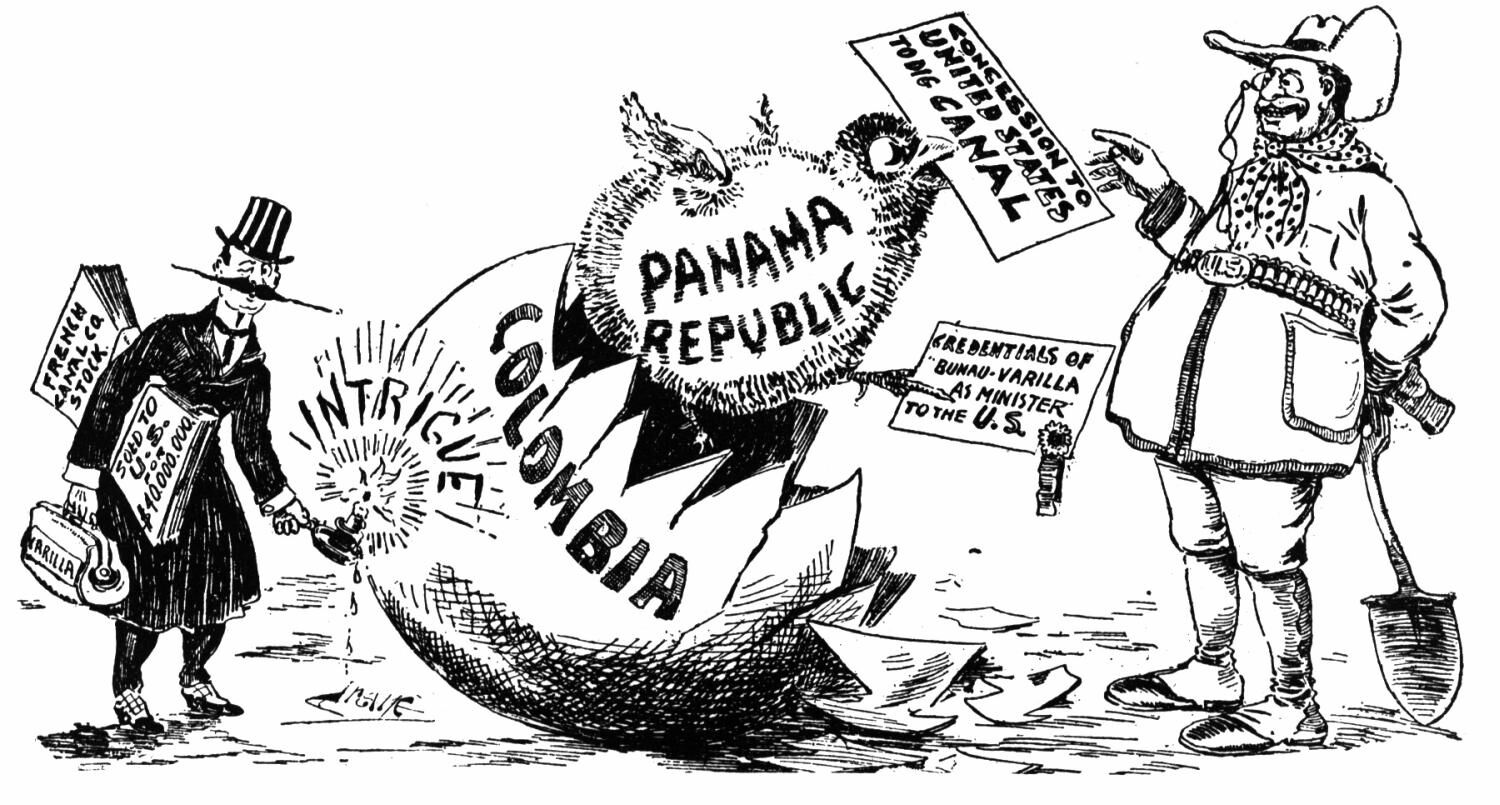
After independence from Spain, Panama became part of Colombia. But its destiny was tied to the dream of a canal, and when Colombia's congress balked at a treaty with the United States, Panama, with the backing of an American navy that blocked Colombian troops, declared independence in 1903. Within days the new republic granted the United States the right to build and control a canal across its territory.
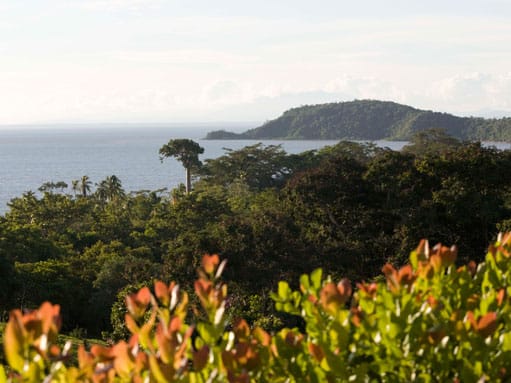
Panama is a long, narrow isthmus running east to west, with a mountainous spine, including volcanoes in the west, dropping to coastal plains and a deeply indented shoreline on both the Caribbean and Pacific sides, scattered with islands. Much of the country is covered in dense tropical rainforest, especially the wild and roadless Darién region toward Colombia, which breaks the Pan-American Highway. The land bridge between two continents and barrier between two oceans, Panama is a meeting point of North and South American wildlife and a place of great biodiversity.
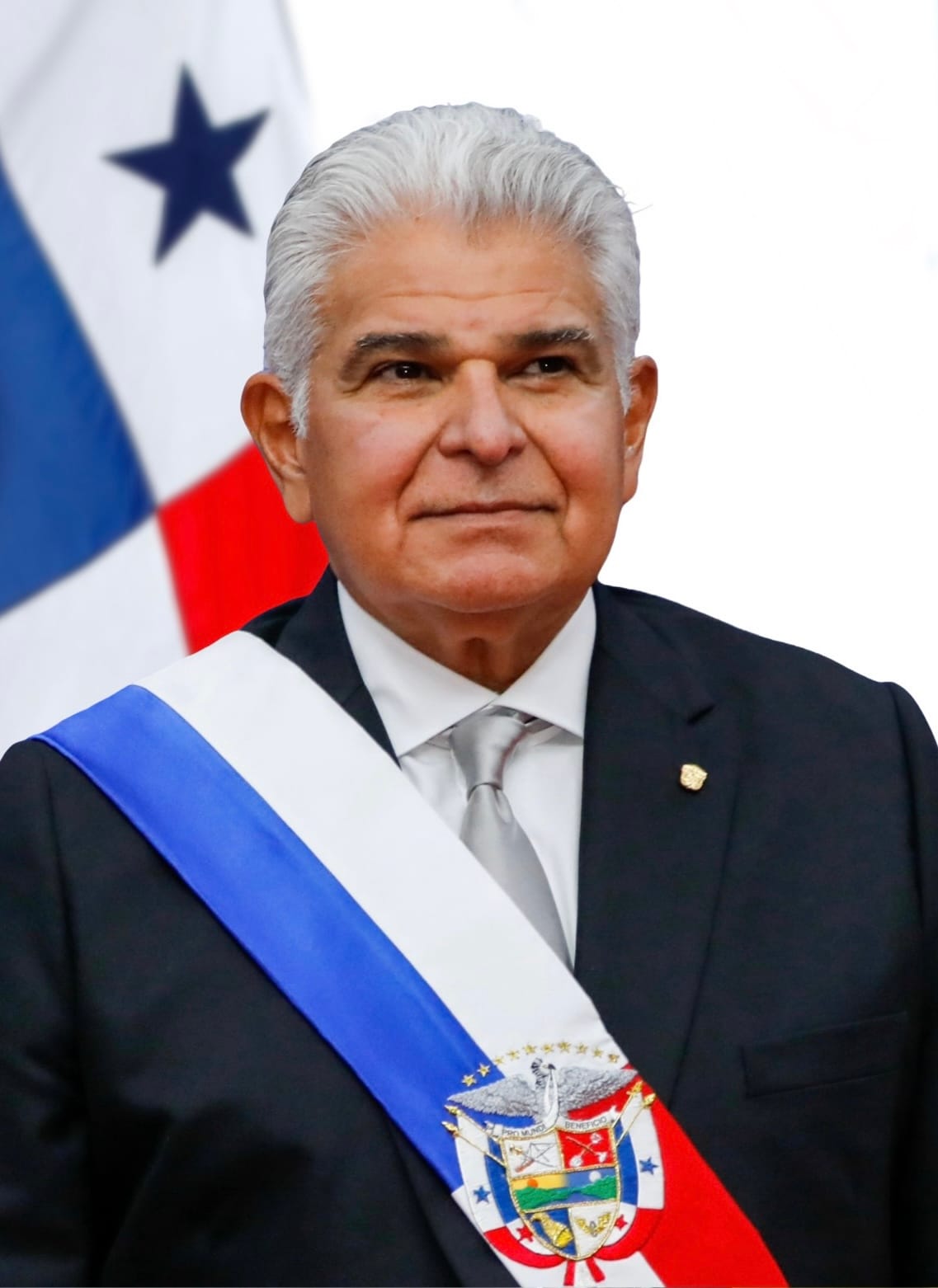
Panama is a presidential republic, and since the fall of its last dictatorship it has been a functioning democracy, if one long troubled by corruption. Its economy, one of the fastest-growing in the region, rests on the canal, on banking, shipping registries, and trade, and on a famous free-trade zone, a service-based prosperity unusual in Central America. The president since 2024 is Jose Raul Mulino, a conservative who took office pledging to curb corruption and to stem the flow of migrants through the Darien. His term has been dominated by an extraordinary external pressure: renewed demands from the United States, and its president, to reassert control over the canal, which Mulino has firmly rejected.
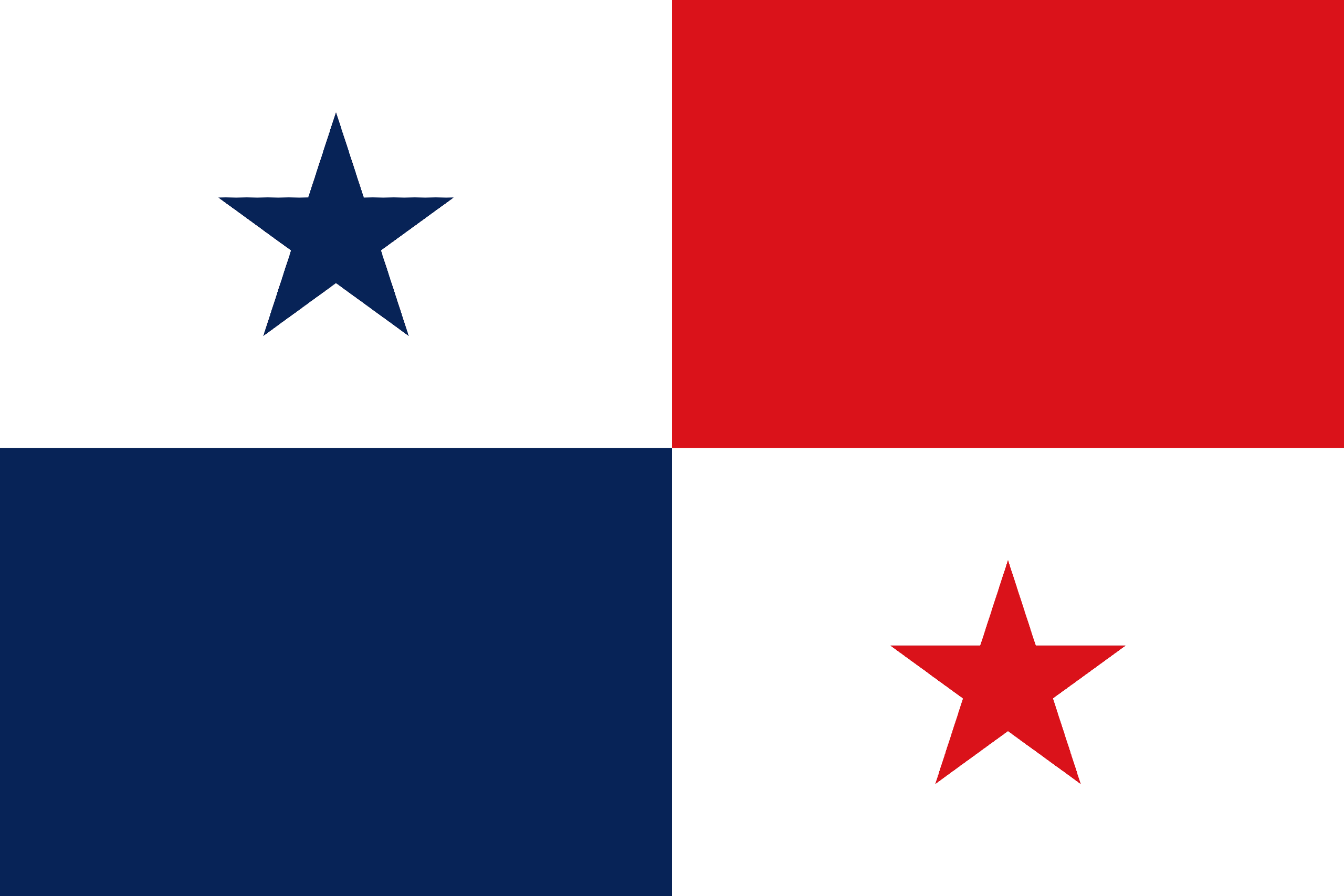
The flag of Panama is divided into four quarters: white with a blue star, red, white with a red star, and blue. The blue and red were said to represent the country's two main historic political parties, and the white the peace between them, while the blue star stands for the purity and honesty of national life and the red star for the authority and law that enforce them. The flag dates from the country's independence in 1903 and is celebrated each year on a national flag day.
Panama is a predominantly Christian country, with Roman Catholicism the historic and majority faith, a legacy of Spanish colonisation, woven into the culture, festivals, and calendar. As across the region, evangelical Protestant churches have grown significantly in recent decades. Panama's role as a crossroads has also brought a notable religious diversity for the region, including communities of Jews, Muslims, Hindus, and Buddhists among its merchant and immigrant populations, as well as the traditional beliefs maintained by some of the country's indigenous peoples.
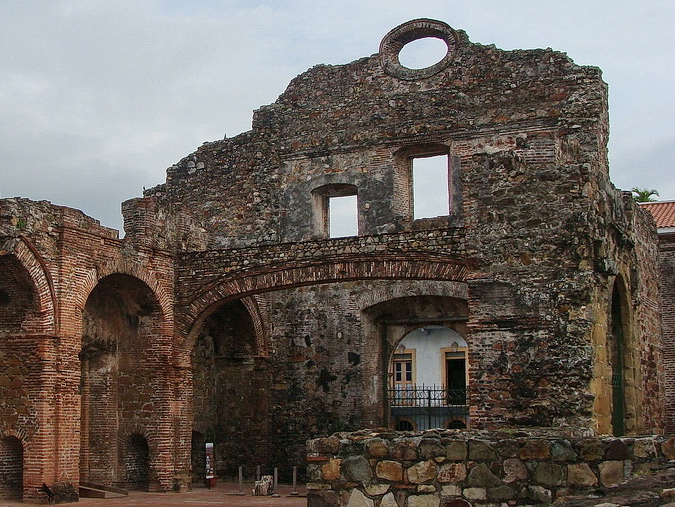
Panamanian cuisine reflects the country's role as a crossroads, blending indigenous, Spanish, African, and Caribbean influences. Staples include rice, maize, beans, and plantains, and a beloved national dish is sancocho, a hearty chicken-and-root-vegetable soup flavoured with the herb culantro. Maize dishes, fried foods such as the puffy hojaldra, and an abundance of fresh tropical fruit and seafood from the two oceans are central. The food is generally hearty and comforting, with the Afro-Caribbean coast adding its own coconut-rich dishes to the national table.
Agriculture plays a smaller role in Panama's economy than in most of Central America, because the country's wealth comes above all from services tied to the canal, banking, and trade. Still, the land produces bananas, a major export crop grown on the plantations, along with coffee grown in the cool western highlands and prized internationally, sugar, and tropical fruits, while cattle ranching and fishing, including for shrimp, are also important. The fertile interior provinces remain a heartland of farming and ranching that supplies much of the nation's food.
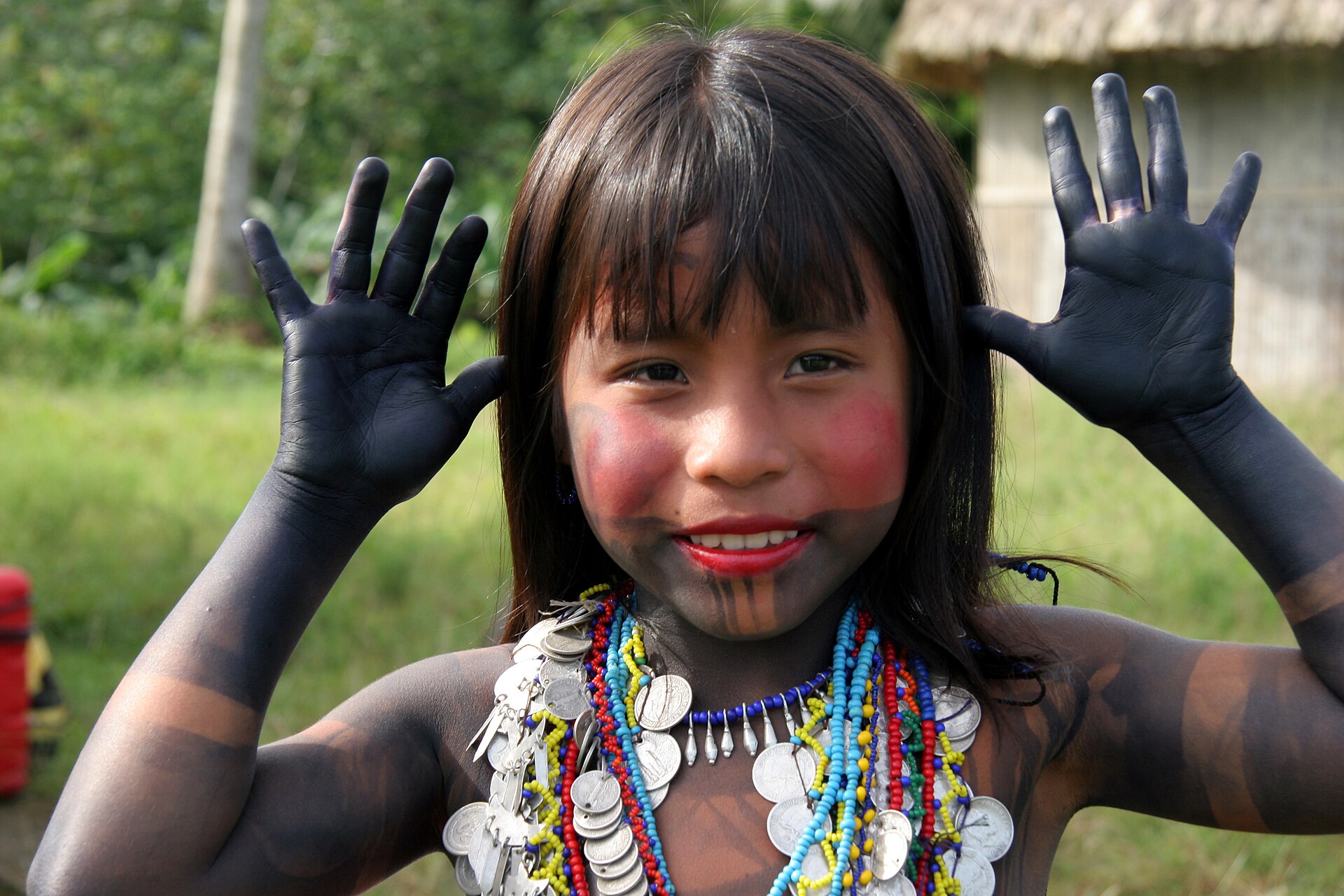
Panamanian culture is a rich blend born of the crossroads, mixing Spanish, indigenous, and Afro-Caribbean strands into a distinct national identity. Its music is famous across Latin America, having given the world the singer and salsa legend Ruben Blades, and its calendar is crowned by an exuberant carnival. Several indigenous peoples, among them the Guna, Embera, and Ngabe, maintain their languages, dress, and largely self-governing homelands, the comarcas, a striking survival of native culture. Baseball, rather than football, is the great national sport, another mark of the long American presence.
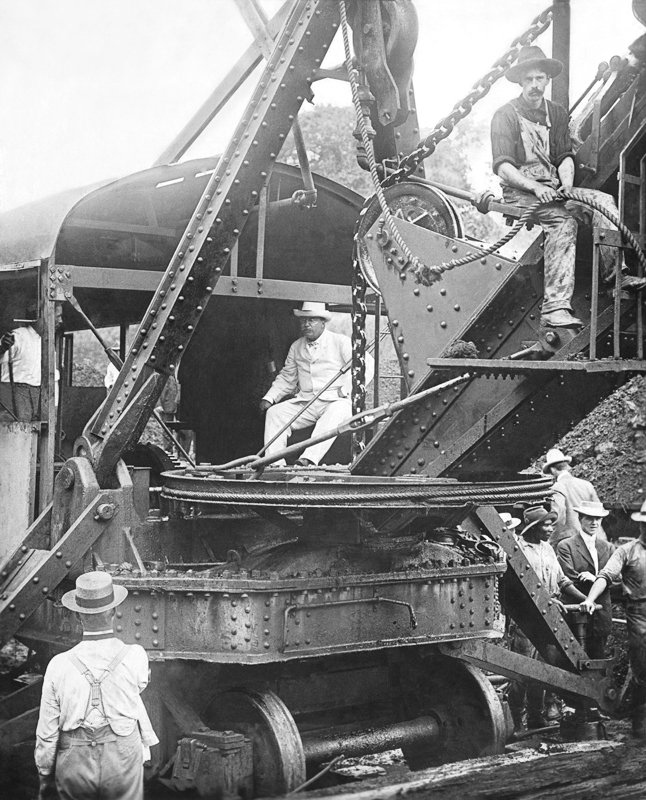
The defining achievement of Panama, and one of the greatest engineering feats in history, is the canal that cuts across the isthmus to join the Atlantic and Pacific oceans. An earlier French attempt in the 1880s collapsed in financial ruin and the deaths of thousands from disease; the United States, having secured the new republic, completed the canal in 1914, conquering the mountains and the mosquito to build a waterway of locks that lifts ships over the continental divide. Today it carries a large share of world shipping, and the tolls and business it generates are the beating heart of the national economy, expanded in 2016 with a new set of giant locks.
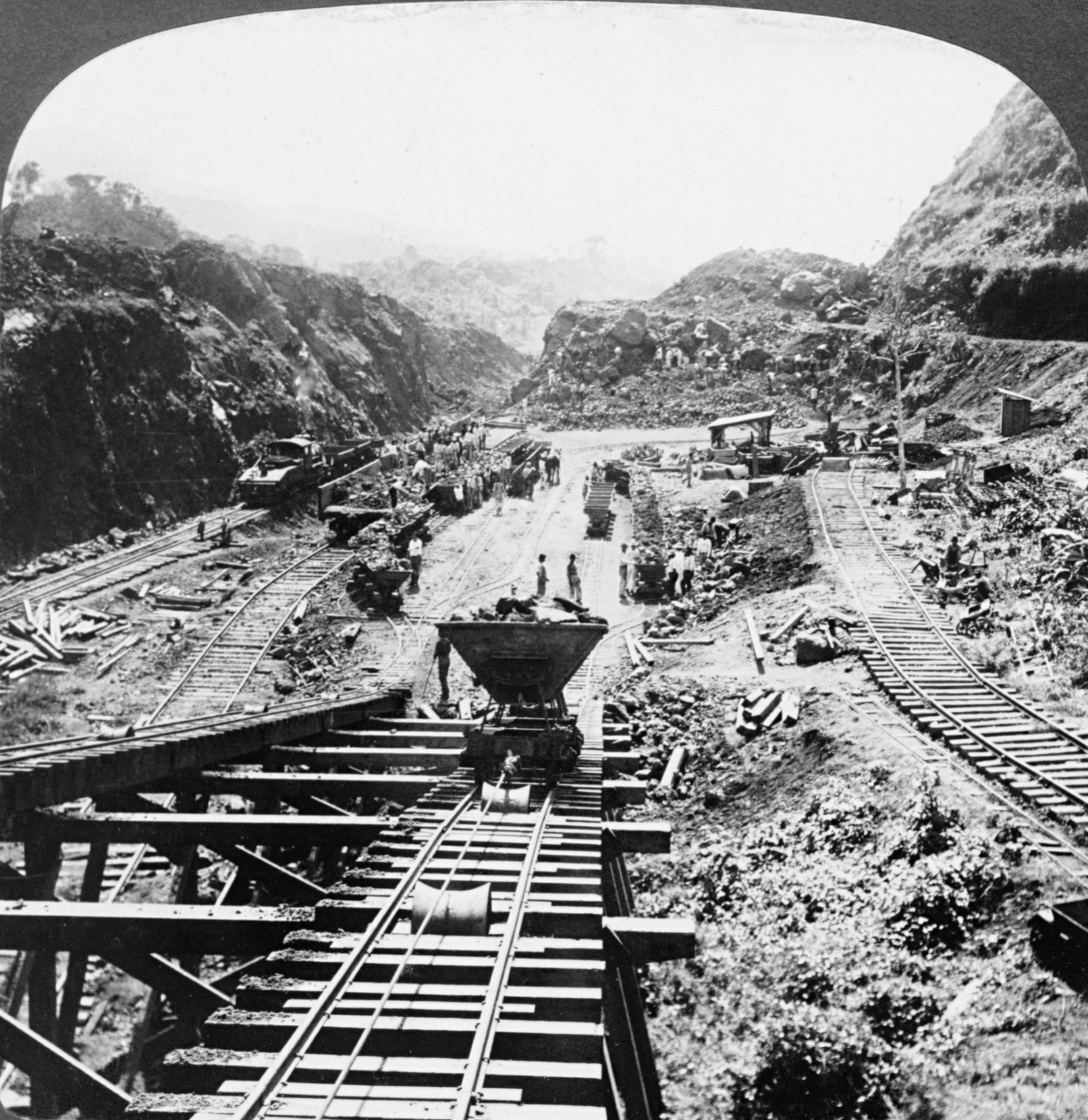
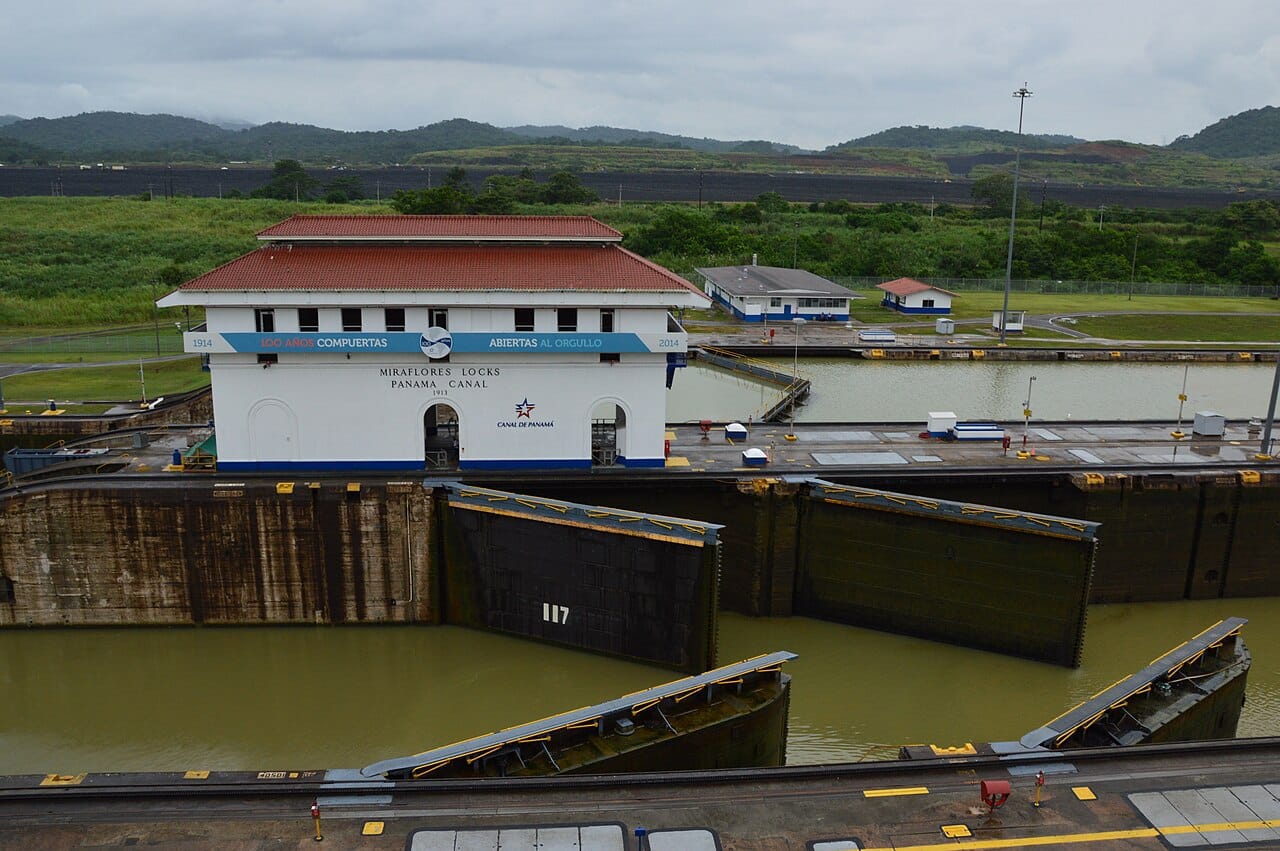
The canal made Panama, but it also placed the country in the shadow of the United States, and the terms of that relationship have been contested for over a century. For most of the twentieth century the United States controlled not just the canal but a Canal Zone slicing through the heart of the country, a standing affront to Panamanian sovereignty that erupted in deadly riots in 1964. Long negotiation produced the Torrijos-Carter treaties of 1977, under which the United States agreed to hand the canal to Panama, which it did, in full, at the end of 1999, a moment of immense national pride. Between those events the United States invaded Panama in 1989 to remove the dictator Manuel Noriega, once its ally, an operation that killed hundreds and remains bitterly remembered even by those glad to see him gone.
The question flared up anew in the mid-2020s, when the United States, under President Trump, began to demand that it reassert control of the canal, citing Chinese influence over ports at its ends and the tolls charged to American ships, and pointedly refusing to rule out force. Panama has firmly rejected the demand, its leaders insisting the canal is sovereign Panamanian territory and not for sale, while making some concessions on Chinese investment. To Panamanians the canal is the very symbol of their hard-won independence; the renewed pressure has revived the oldest and rawest question in their national life. The documented history is set out here; the judgements it stirs remain sharply disputed.
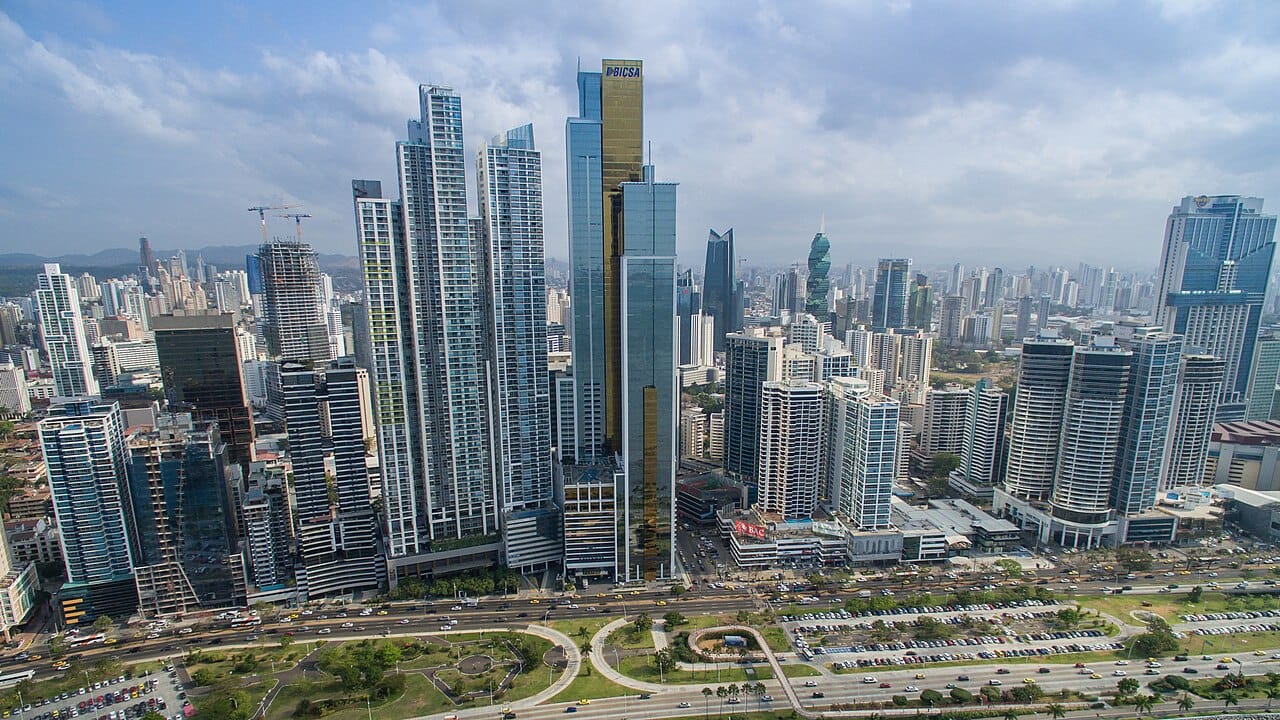
Panama has a population of around 4.4 million people, mostly of mixed indigenous, European, and African descent, with significant Afro-Panamanian, indigenous, and immigrant communities reflecting the country's history as a crossroads. Spanish is the official language. The population is concentrated in the corridor along the canal, above all in the cosmopolitan capital, Panama City, a skyline of high-rises that is one of the most important financial and commercial centres in the region, while several indigenous peoples maintain self-governing territories in the more remote areas.