Nicaragua is the largest country in Central America, lying between Honduras and Costa Rica, with coasts on both the Caribbean Sea and the Pacific Ocean. Known as the land of lakes and volcanoes, it is a country of dramatic natural beauty, dominated by a chain of volcanoes and by the great Lake Nicaragua, the largest lake in Central America. Its history has been turbulent, marked by colonial rivalry, foreign intervention, dictatorship, and revolution, leaving it one of the poorer nations of the Americas, yet rich in culture and natural wonders.
Nicaragua's history runs from its Indigenous peoples, through two rival colonial cities and a century of foreign meddling, to the great revolution of 1979 and the long, disputed rule of the man it brought to power.
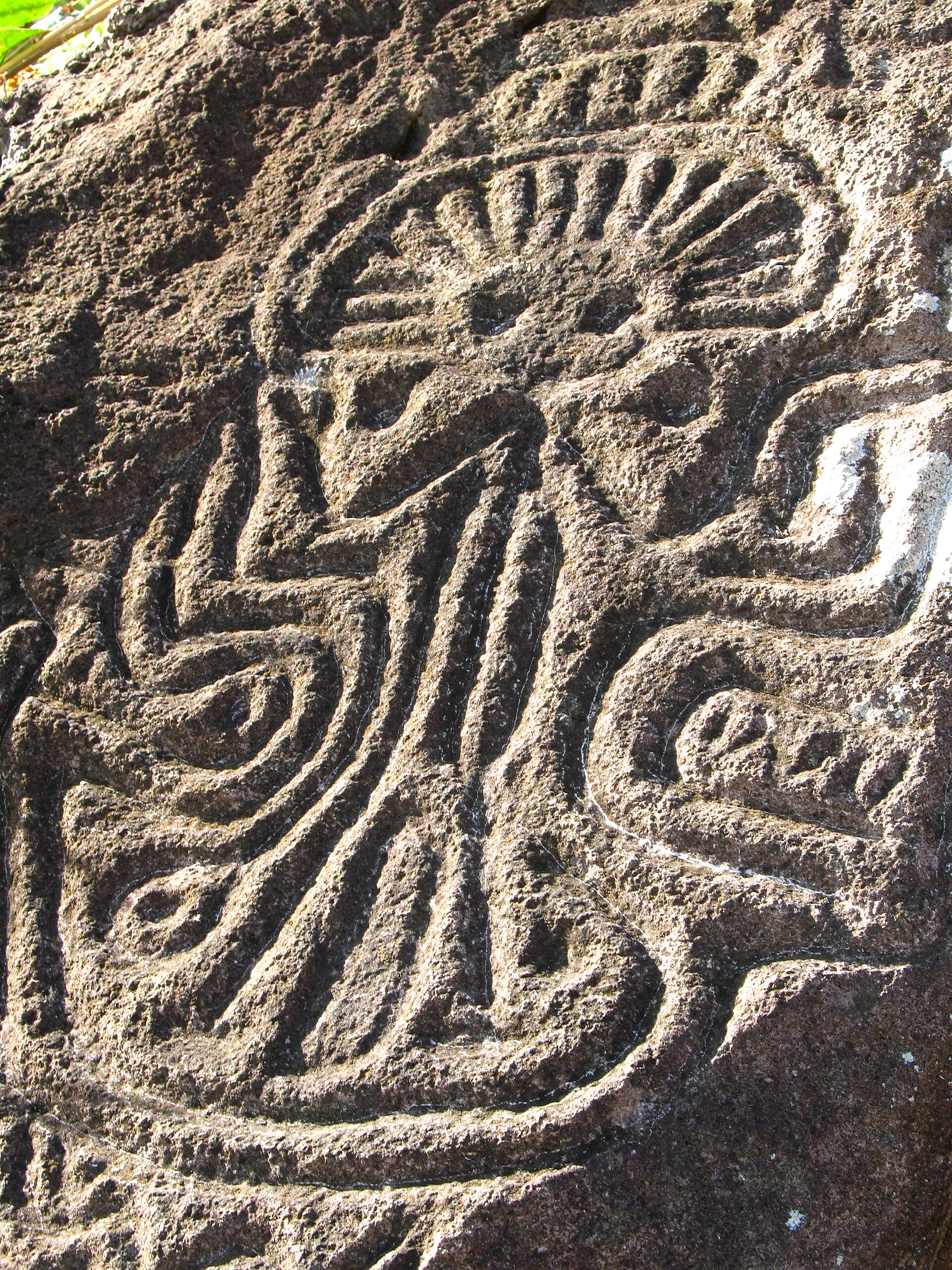
Long before the Spanish, the Pacific side of Nicaragua was settled by Indigenous peoples, some of them Nahua migrants linked to the cultures of Mexico, who farmed the fertile volcanic lands and left carvings and pottery across the region. The country takes its name from Nicarao, a chief the Spanish encountered on the shores of the great lake. On the eastern, Caribbean side lived separate peoples, among them the Miskito, whose lands would follow a very different history.
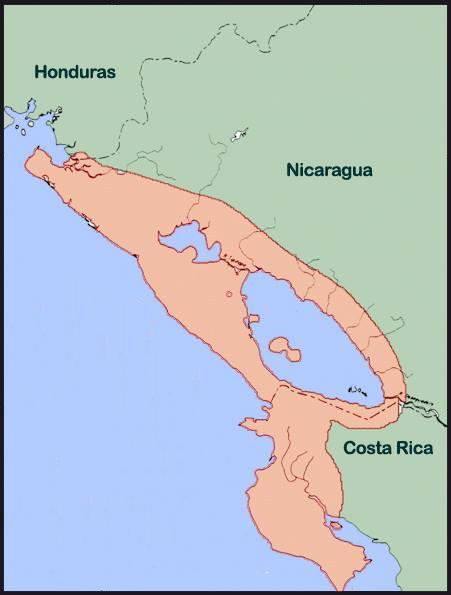
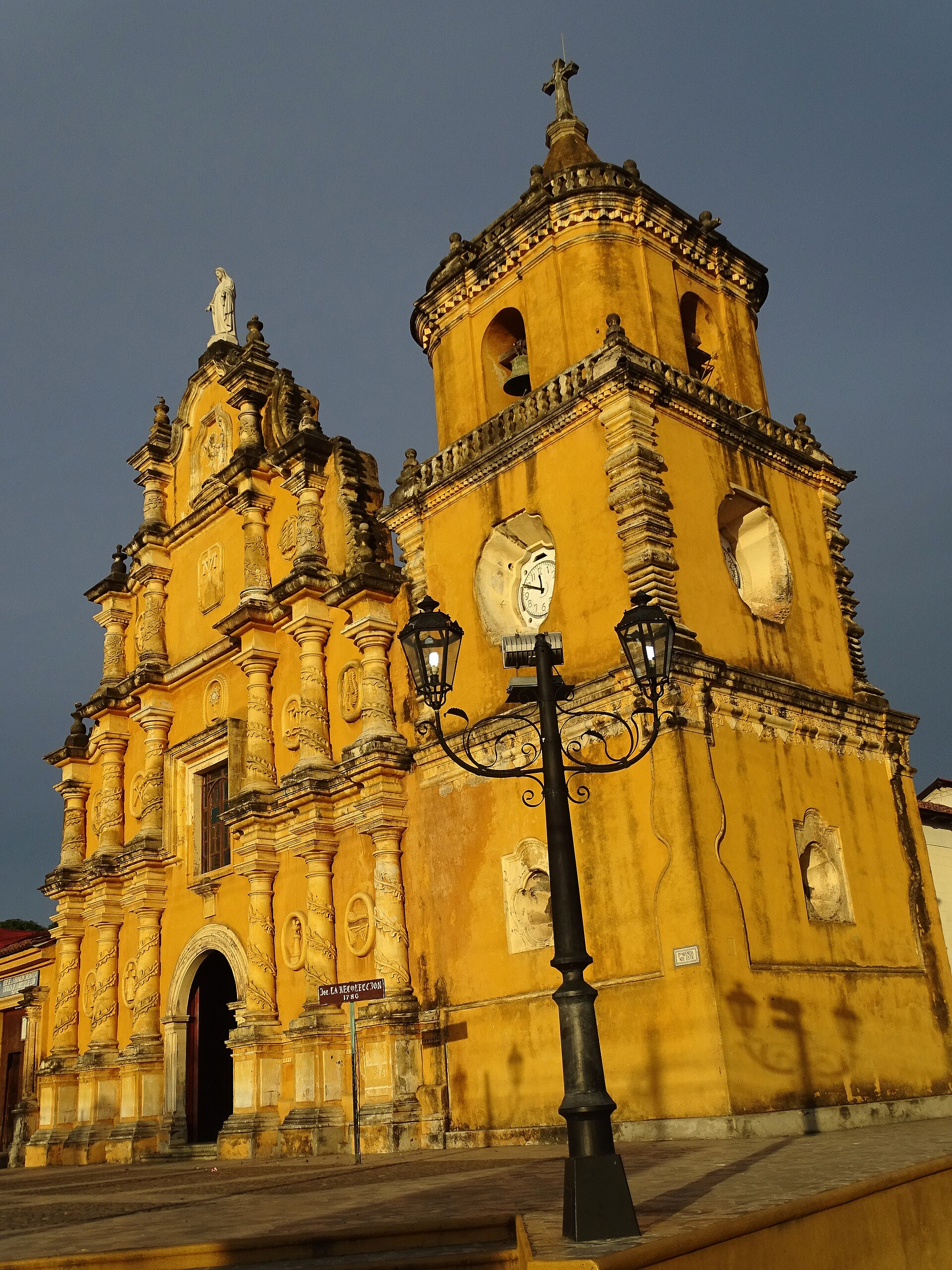
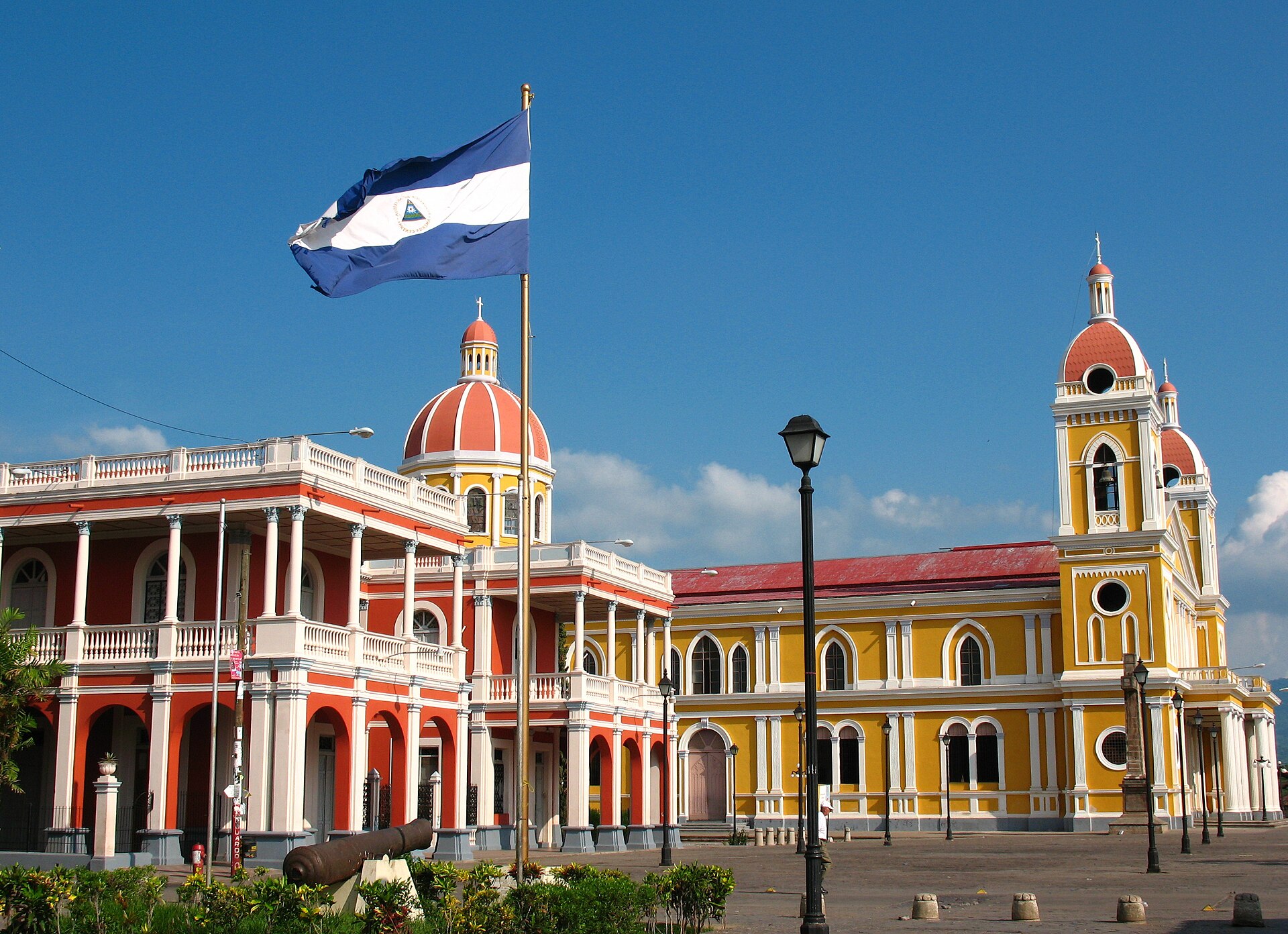
The Spanish conquered the region in the sixteenth century and founded two cities that would define its history: Leon, the seat of liberal, secular power, and Granada, beside Lake Nicaragua, the conservative bastion of the church and the landed families. Their long rivalry shaped colonial life and, after independence from Spain in 1821, tore at the young republic, at one point forcing the capital to be fixed at Managua as a compromise between them.
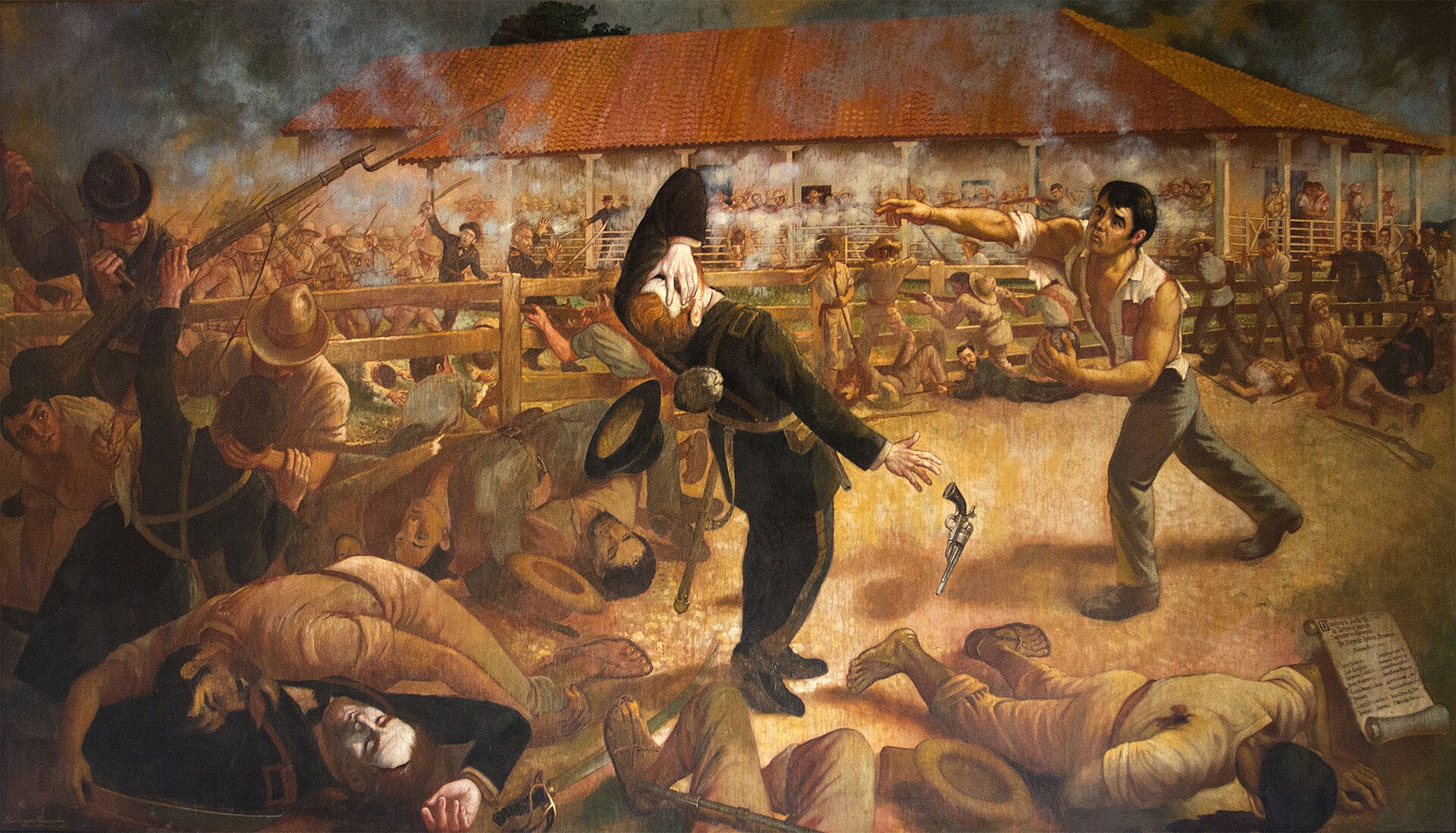
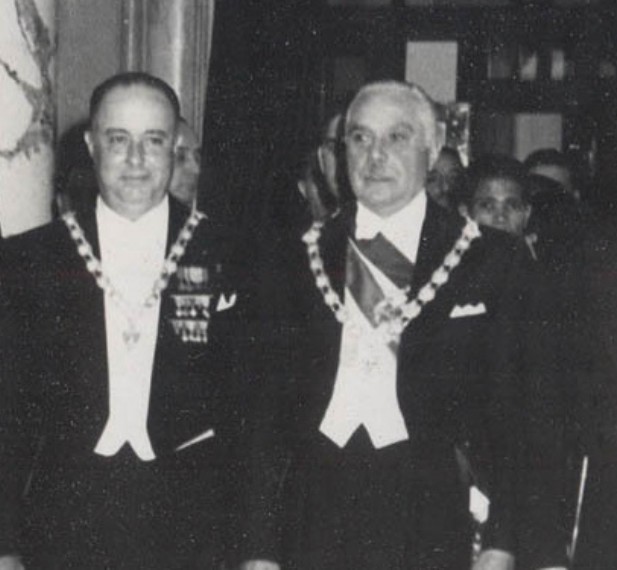
The city rivalry drew in outsiders: in the 1850s the liberals invited the American adventurer William Walker, who seized the country and declared himself president before a Central American alliance drove him out. Decades of United States involvement followed, including a long occupation by the Marines resisted by the guerrilla Augusto Sandino. From 1936 the Somoza family ruled as a dynasty of dictators until, in 1979, the leftist Sandinista movement that took Sandino's name overthrew them in a popular revolution, which was then met by the United States-backed Contra war through the 1980s.
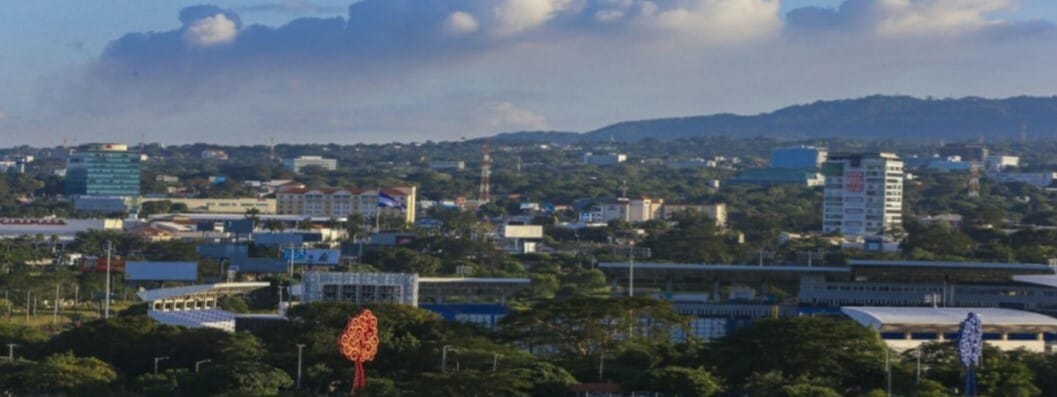
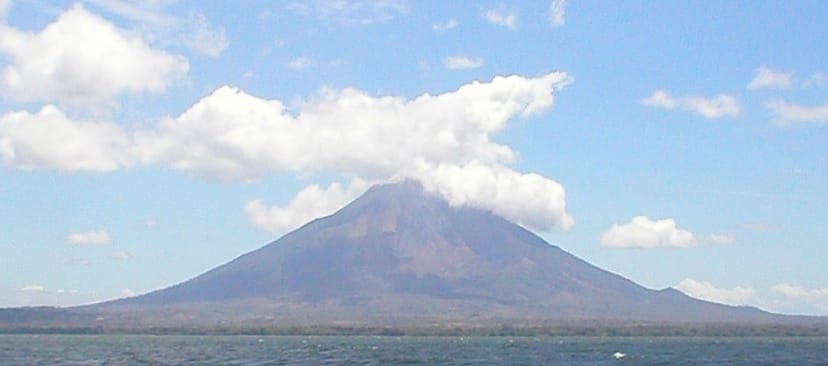
Nicaragua is dominated by a chain of volcanoes, many of them active, running parallel to its Pacific coast, beside which lie the lowlands and the great lakes, including Lake Nicaragua with its volcanic island of Ometepe. To the east stretch the vast, sparsely populated lowlands and rainforests of the Caribbean coast, historically known as the Mosquito Coast, while the centre rises into cooler highlands. This varied landscape of fire and water, with its lakes, volcanoes, forests, and two very different coasts, gives the country both its nickname and its striking natural diversity.
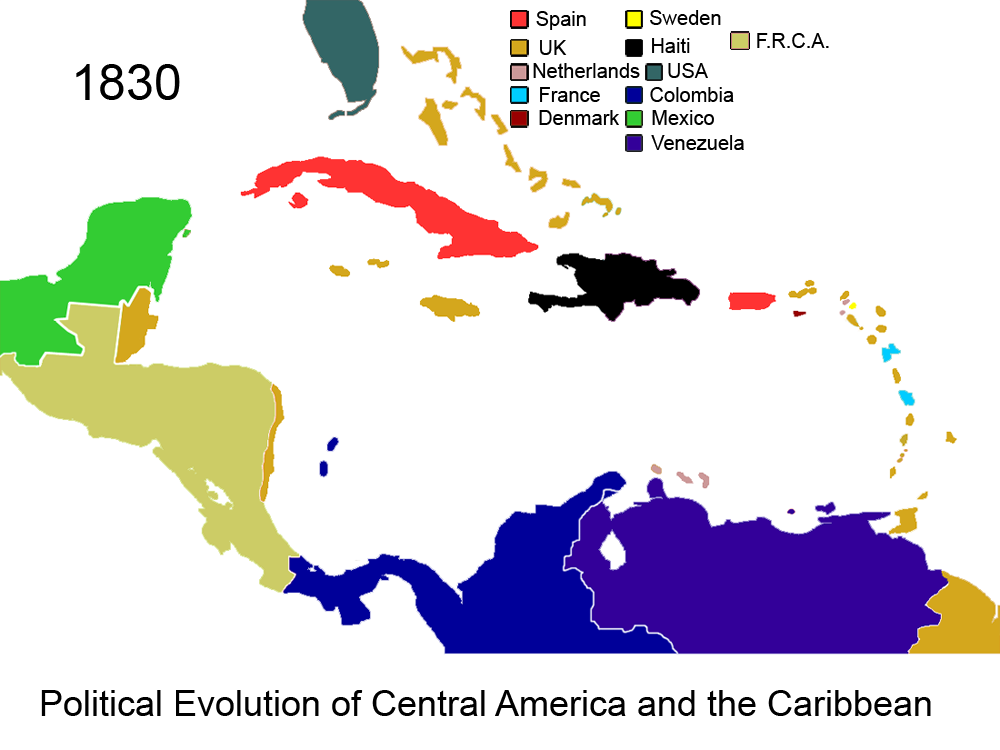
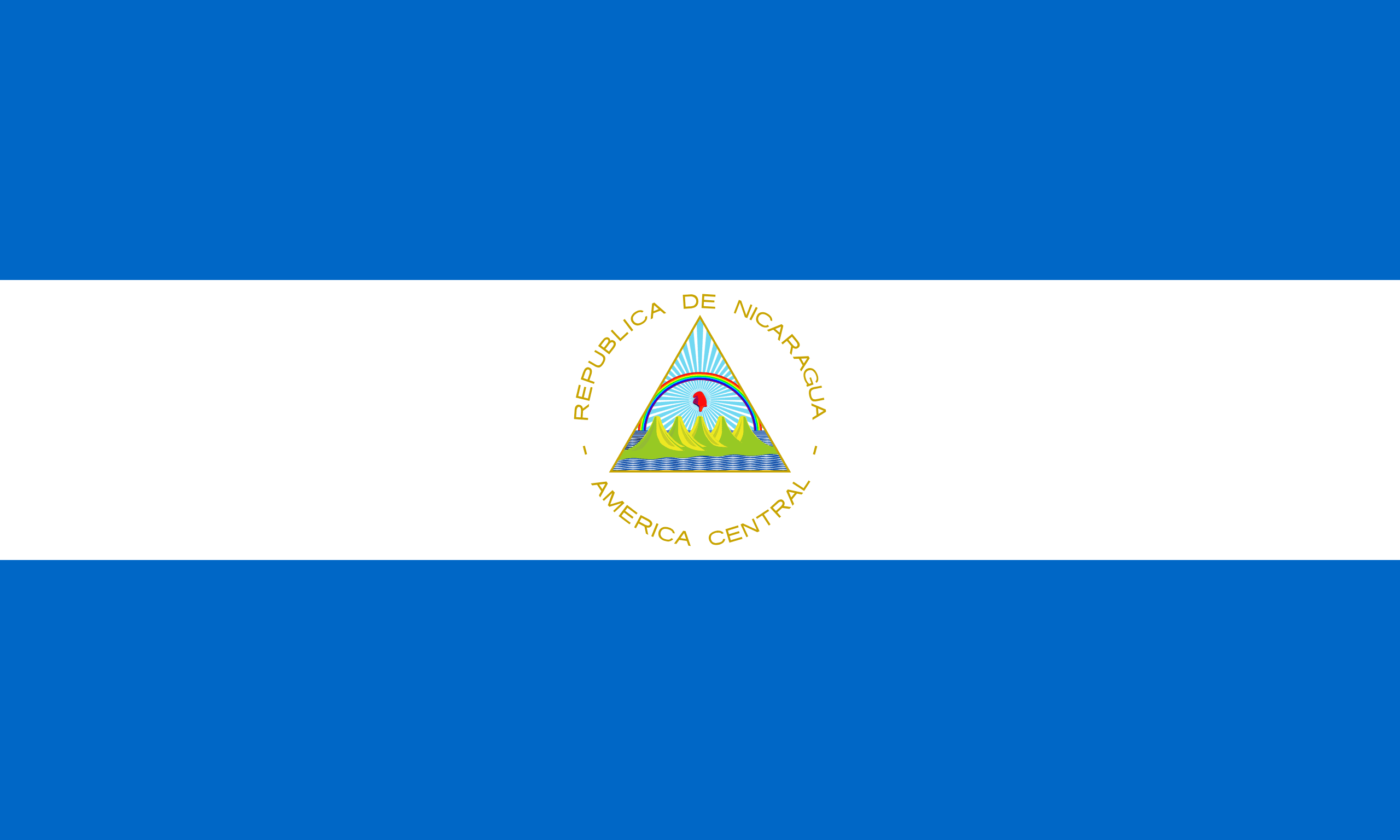
The flag of Nicaragua has three horizontal bands of blue, white, and blue, with the national coat of arms in the centre. The two blue bands are said to represent the Caribbean Sea and the Pacific Ocean that border the country, and the white the land between them and its purity. The coat of arms, featuring a triangle with a row of volcanoes, a rainbow, and a liberty cap, recalls the symbols of the old Central American federation, of which Nicaragua was once a part, reflecting a shared regional heritage.
Nicaragua is a predominantly Christian country, with Roman Catholicism the historic and largest faith, brought by Spanish colonisation and central to the culture and its vivid festivals, such as the celebrations for the country's patron saints. As elsewhere in the region, evangelical Protestant churches have grown strongly in recent decades and now claim a large share of the population. On the Caribbean coast, the historic British influence left a Protestant, especially Moravian, tradition, and indigenous and Afro-Caribbean communities maintain their own customs and beliefs.
Nicaraguan cuisine is based on maize, beans, rice, and the produce of the land, with dishes shared across Central America but given a local character. The everyday staple is gallo pinto, rice and beans fried together, while a signature dish is nacatamal, a large maize parcel filled with meat and vegetables, wrapped in leaves and steamed. Vigorón, yuca with pork and cabbage salad, and an array of maize drinks and dishes are popular, along with fresh tropical fruit and, on the coasts, abundant fish and seafood.
Agriculture is a mainstay of Nicaragua's economy and the livelihood of many of its people. The country is a significant producer of coffee, grown in the highlands and a leading export, along with beef and dairy from its cattle ranches, sugar, and tobacco used in fine cigars. Beans, maize, and other staples are grown for food, and tropical products round out the farms. The fertile volcanic soils of the Pacific region are especially productive, and agriculture remains central to rural life across much of this largely agricultural nation.
For all its poverty and upheaval, Nicaragua has a rich and passionate culture, and it is above all a nation of poets. Its greatest figure is Ruben Dario, the father of the modernismo movement that transformed poetry in the Spanish language, revered across the Hispanic world and a source of immense national pride. Music, dance, and vivid religious festivals fill the calendar, mingling Spanish and Indigenous roots, while the Caribbean coast has its own Afro-Caribbean and Miskito traditions, its own English-based creole, and its own rhythms. Baseball, not football, is the national sport, a legacy of the long American presence.
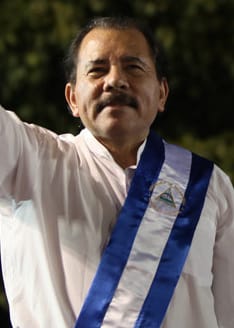
The Sandinista revolution of 1979 remains the pivotal event of modern Nicaragua, and how to judge its legacy divides the country and its diaspora deeply. To its supporters it overthrew a hated dynasty and brought land reform, literacy, and health campaigns to the poor; to its opponents it installed a new authoritarianism that provoked the ruinous Contra war of the 1980s. The Sandinista leader Daniel Ortega lost power at the ballot box in 1990 but returned as president in 2007, and has held it ever since.
His long second rule has grown steadily more authoritarian, a shift that most outside observers and human-rights bodies describe as a slide into dictatorship. In 2018 mass protests against the government were met with lethal force that left hundreds dead, and in the years since, opposition leaders, journalists, priests, and rights groups have been jailed, exiled, or stripped of their nationality, and the Catholic Church has come under sustained pressure. Ortega won re-election in 2021 after his leading rivals had been imprisoned, and constitutional changes in 2025 formally elevated his wife, Vice President Rosario Murillo, to rule alongside him as co-president. The government presents itself as the defender of the revolution and of national sovereignty against foreign interference; its critics, at home and abroad, describe a family dictatorship. This account records the documented events.
Nicaragua has a population of around 6.8 million people, the majority of mixed indigenous and European descent, with minorities of European, Afro-Caribbean, and indigenous origin, the latter two concentrated on the historically distinct Caribbean coast, which enjoys a degree of autonomy. Spanish is the official language, with indigenous and creole languages spoken on the Caribbean side. The population is concentrated in the Pacific lowlands and highlands, especially around the capital, Managua. In recent years, political repression and hardship have driven large numbers of Nicaraguans to emigrate, above all to Costa Rica and the United States.