Guatemala is a country in Central America, just south of Mexico, a land of volcanoes, rainforests, and highland lakes. It was a heartland of the ancient Maya civilisation, whose ruined cities still rise from the jungle, and it retains one of the largest indigenous populations in the Americas, with a vivid living Maya culture. The most populous country in Central America, it carries both a magnificent ancient heritage and the scars of a long and brutal civil war.
Guatemala's history runs from the glory of the ancient Maya, through Spanish conquest and a turbulent independence, to a scarred but hopeful present.
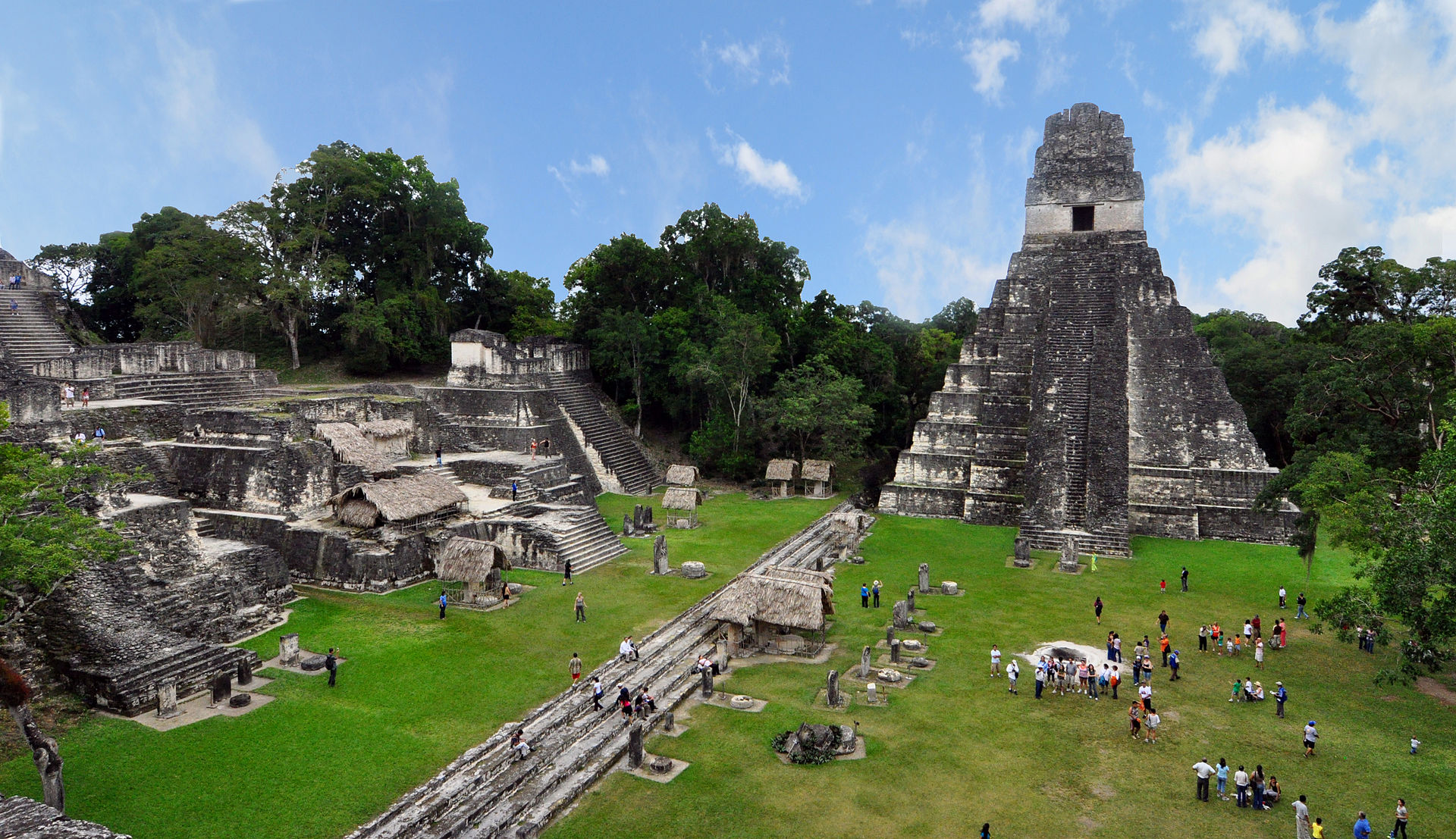
Guatemala lay at the very heart of the Maya world, whose city-states flourished for over a thousand years with a sophisticated writing system, advanced mathematics and astronomy, and towering temple-pyramids. The greatest of them, Tikal, rose above the rainforest of the northern Peten, a metropolis of tens of thousands, before the classic Maya cities mysteriously declined centuries before the Europeans arrived, though the Maya themselves never vanished.
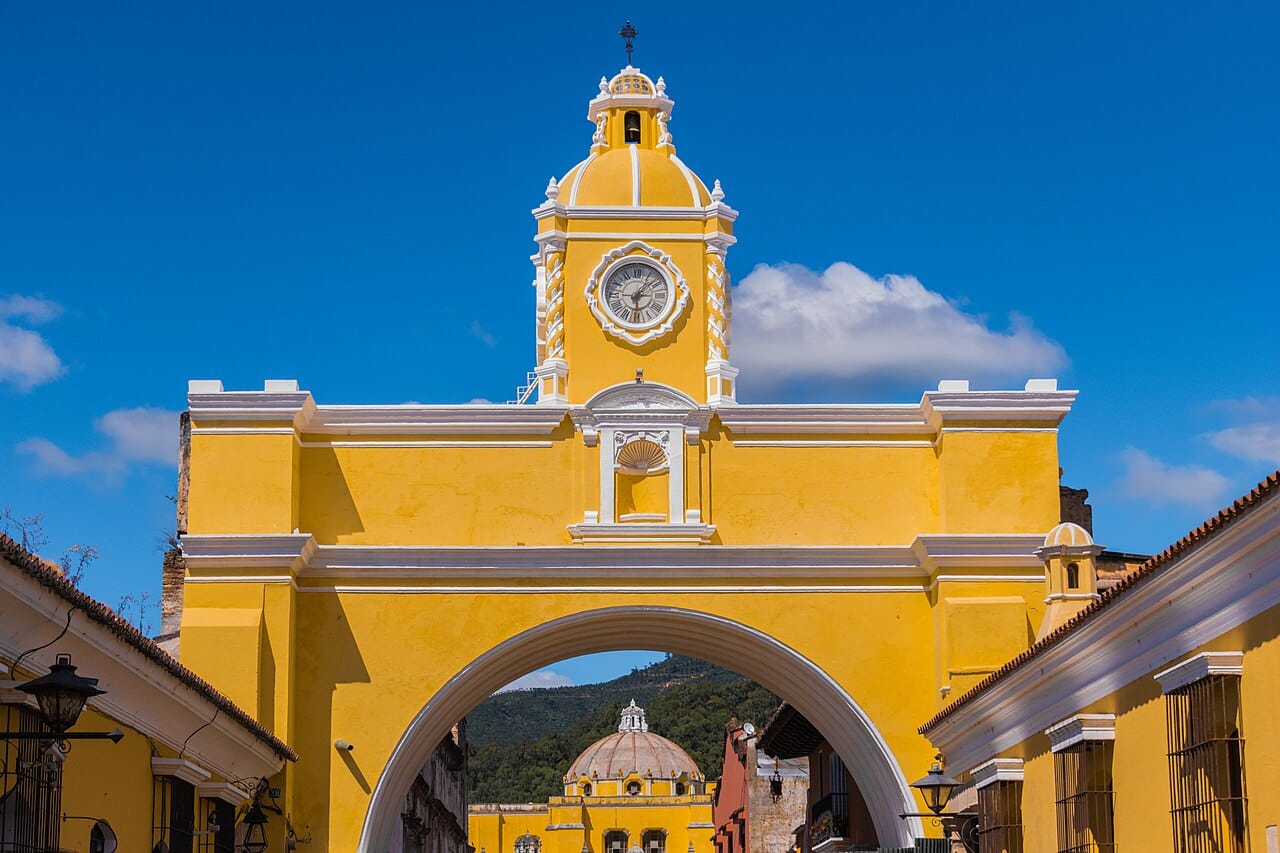
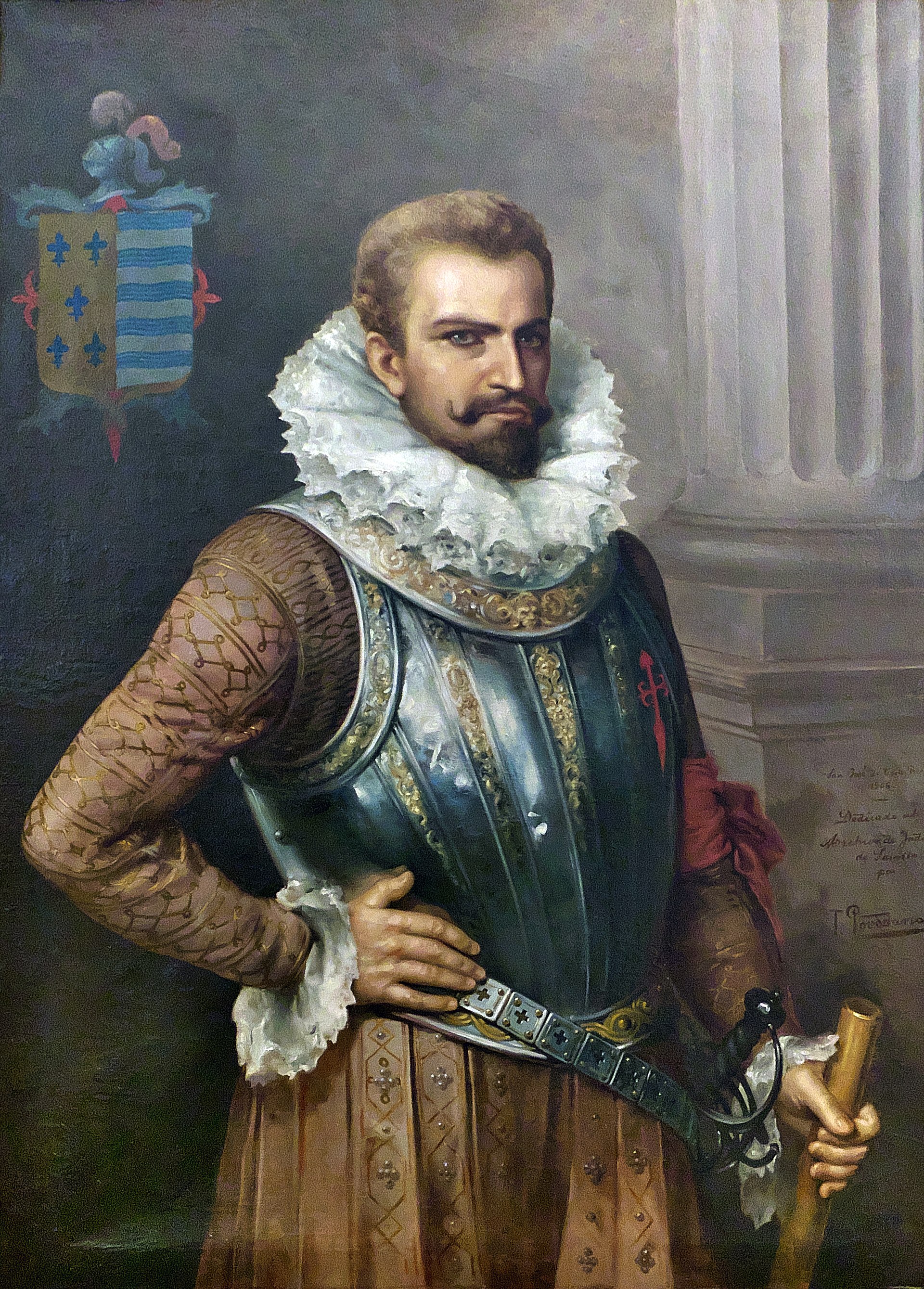
In 1524 the Spanish conquistador Pedro de Alvarado, a lieutenant of Cortes, subdued the Maya kingdoms of the highlands in a brutal campaign, and Guatemala became the seat of Spanish rule over much of Central America. The colonial capital, today's Antigua, grew into one of the finest Spanish cities in the Americas, ringed by volcanoes, before earthquakes forced the capital's move.
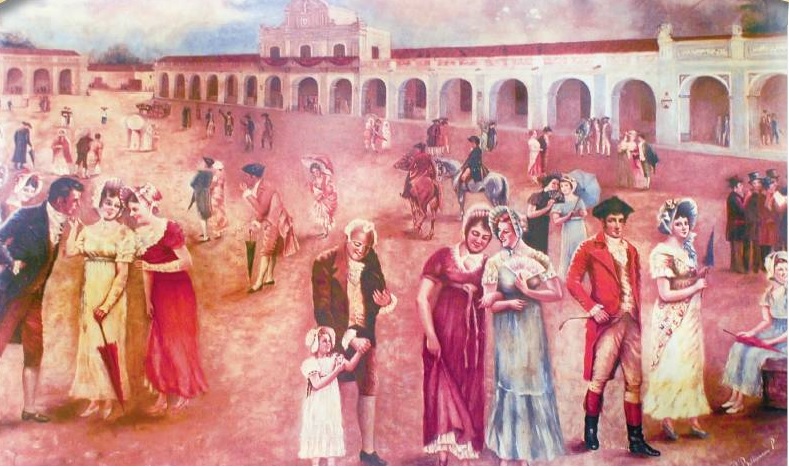
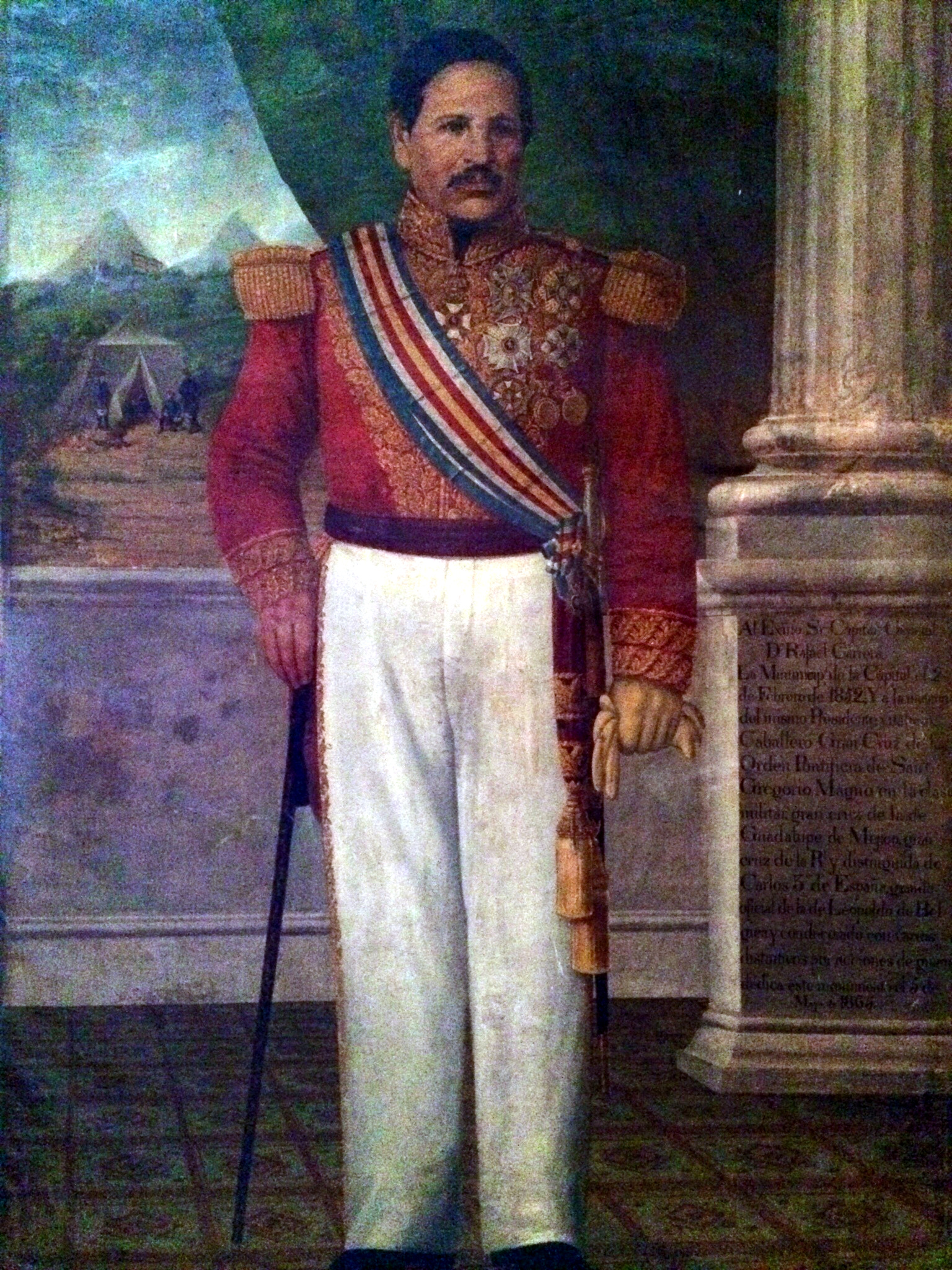
Guatemala won independence from Spain in 1821 and was briefly the heart of a federation of Central American states before it broke apart. The new republic fell under the long conservative rule of Rafael Carrera, and its later history was shaped by the coffee planters and powerful landed elites who dominated the economy and the land, at the expense of the indigenous majority.
In the twentieth century Guatemala became a classic banana republic, its economy and politics heavily influenced by the American United Fruit Company. When a reformist government moved to redistribute land in the 1950s, it was overthrown in a coup backed by the United States, opening the way to decades of military rule. From 1960 to 1996 the country was torn by a brutal civil war in which the army's scorched-earth campaigns against the indigenous Maya were later recognised as genocide, killing some two hundred thousand people before peace accords finally ended the conflict.
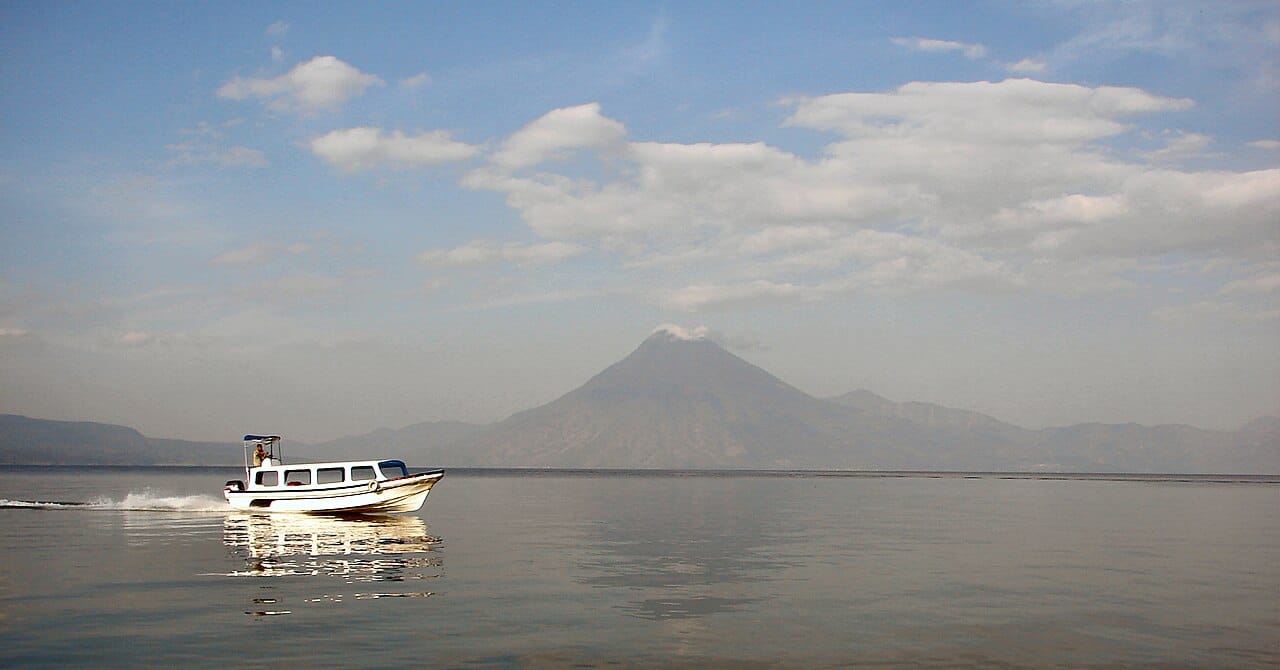
Guatemala is a mountainous, volcanic country, with a chain of volcanoes, some still active, running through its southern highlands, where most of the population lives in a temperate climate. To the north lies the lowland region of the Peten, covered in tropical rainforest and dotted with Maya ruins, while narrow coastal plains border both the Pacific and, at one corner, the Caribbean. The highlands hold beautiful lakes, including Lake Atitlan, set among the volcanoes.
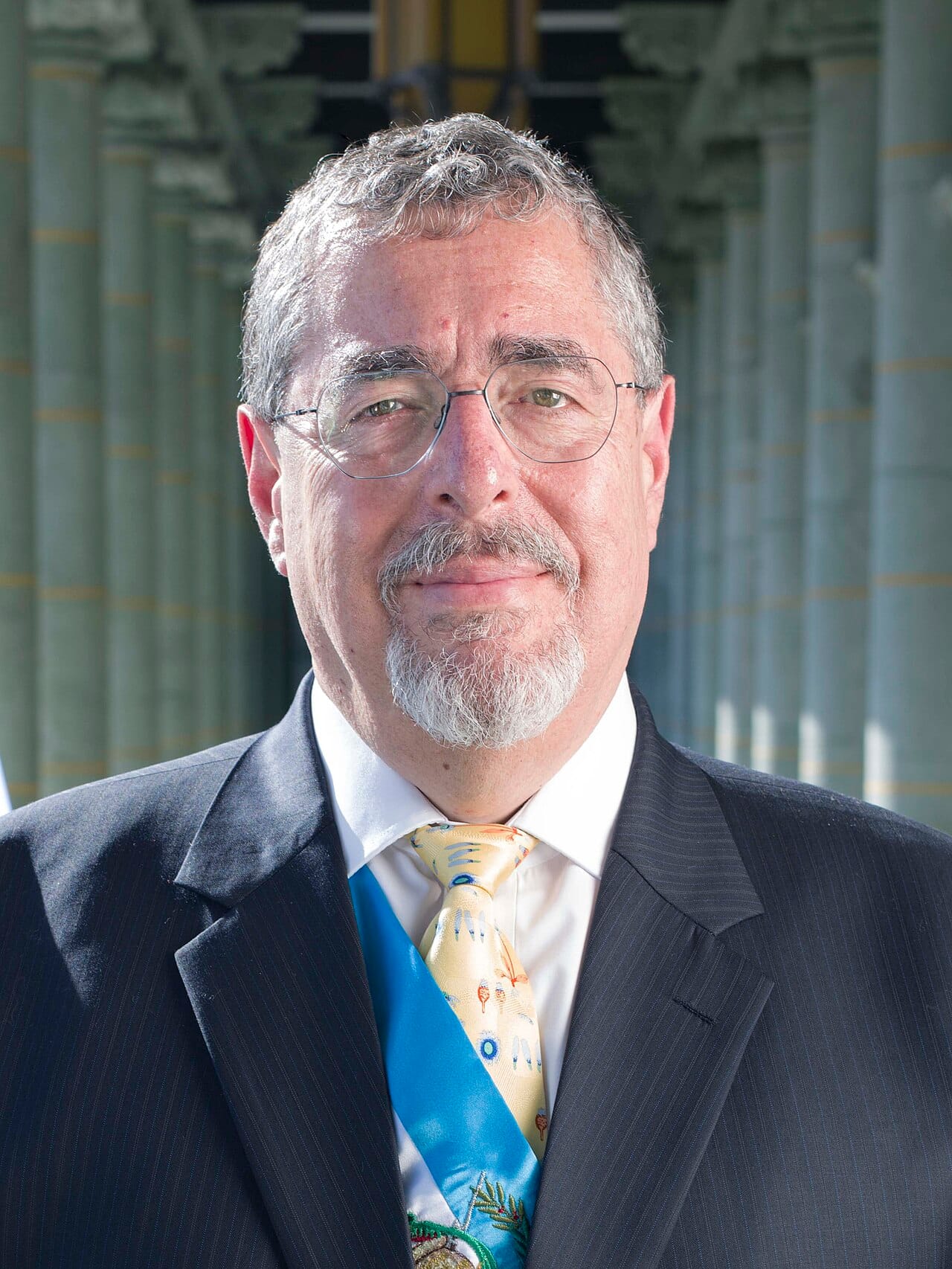
Guatemala is a presidential republic whose politics has long been dominated by a powerful and often corrupt elite. That grip was challenged in 2023 when Bernardo Arevalo, an anti-corruption reformer and son of a celebrated mid-century president, unexpectedly won the presidency. The entrenched establishment, which Guatemalans call the pact of the corrupt, used the courts and prosecutors in an attempt to block him from taking office, and only sustained protests, led in good part by the country's indigenous communities, ensured that he was inaugurated in 2024. His government has since struggled against a hostile congress and judiciary, in a tense standoff between reform and the old order.
Guatemala has the largest economy in Central America, though also deep inequality. Agriculture remains fundamental: coffee grown on the volcanic highlands is famous for its quality, alongside sugar and bananas, and Guatemala is the world's leading exporter of cardamom. Textiles and light manufacturing, and the money sent home by the very large number of Guatemalans working in the United States, are also central to the economy. Yet much of the rural and indigenous population remains poor, and that poverty, together with insecurity, drives the steady stream of migrants heading north.

The flag of Guatemala has three vertical bands, sky blue on the outer edges and white in the centre, with the national coat of arms in the middle. The blue and white are shared with the other nations of the former Central American federation, often interpreted as the two oceans that border the region and the sky, with white for peace and purity. The coat of arms features the resplendent quetzal, the national bird and a symbol of liberty, perched above a scroll and crossed rifles and swords.
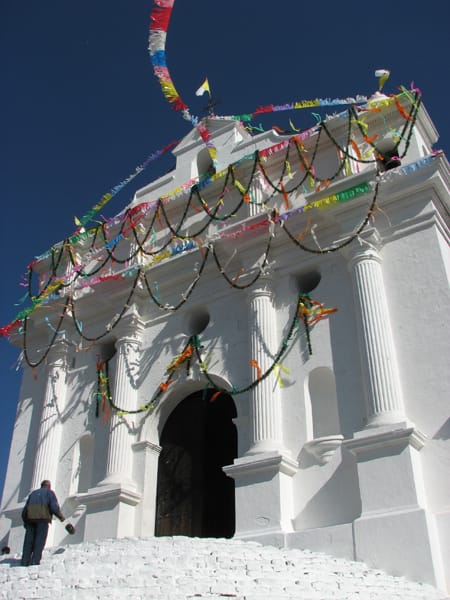
Guatemala was historically Roman Catholic, brought by Spanish colonisation, but it has seen one of the most dramatic growths of evangelical Protestantism in Latin America, and the two now divide the Christian population. Among the indigenous Maya, traditional beliefs and rituals endure, often blended with Catholic practice in a distinctive spirituality that honours both saints and ancestral and natural forces. This mix of faiths is a vivid feature of Guatemalan life.
Guatemalan cuisine is rooted in the ancient foods of the Maya, above all corn, which is made into the tortillas and tamales that accompany nearly every meal, along with beans. A celebrated national dish is pepian, a rich, spiced stew of meat thickened with toasted seeds, one of several complex stews at the heart of the cuisine. Chilies, squash, and tropical fruits feature widely, and the country grows some of the world's finest coffee.
Agriculture is a pillar of Guatemala's economy and the livelihood of much of its rural population. Coffee, grown on the volcanic highland slopes, is a major export and renowned for its quality, alongside sugar and bananas. Guatemala is also the world's leading exporter of cardamom, a fragrant spice grown for markets in the Middle East and beyond. Corn and beans remain the staple crops of countless smallholder and indigenous farmers across the country.
Guatemala has one of the richest living indigenous cultures in the Americas. Around half its people are Maya, belonging to more than twenty distinct groups speaking their own languages, and their heritage colours the whole country: in the dazzling handwoven textiles whose patterns identify each village, in the highland markets such as Chichicastenango, in the marimba music that is the national sound, and in a spirituality that weaves Maya ritual together with Catholic and, increasingly, evangelical Christianity. Corn, sacred to the Maya since ancient times, remains the heart of the diet and of daily life. This deep indigenous presence, alongside the Spanish colonial legacy, gives Guatemala a character unlike anywhere else in Central America.
Two intertwined injustices lie at the heart of Guatemala's struggles. The first is corruption and impunity: a narrow elite of politicians, business interests, and their allies in the courts has long treated the state as its own, blocking reform and shielding itself from accountability, as its attempt to overturn the 2023 election starkly showed. The second is the enduring marginalisation of the indigenous Maya, who make up around half the population yet remain, in the main, the poorest and least served, their communities the chief victims of the civil war's genocide and still fighting for land, recognition, and justice. The two are bound together, for it was often indigenous communities who mobilised to defend democracy against the corrupt. Whether Guatemala can break the grip of impunity and build a state that serves its whole people, indigenous and Ladino alike, is the defining and contested question of its future.
Guatemala has a population of around 18 million people, the most populous country in Central America, and among the most indigenous: a large share are Maya, belonging to many distinct groups speaking over twenty Mayan languages, alongside a mestizo, or Ladino, population. Spanish is the official language. The population is concentrated in the highlands and around the capital, Guatemala City, and the country's vibrant indigenous cultures, with their textiles and traditions, are famous across the world.