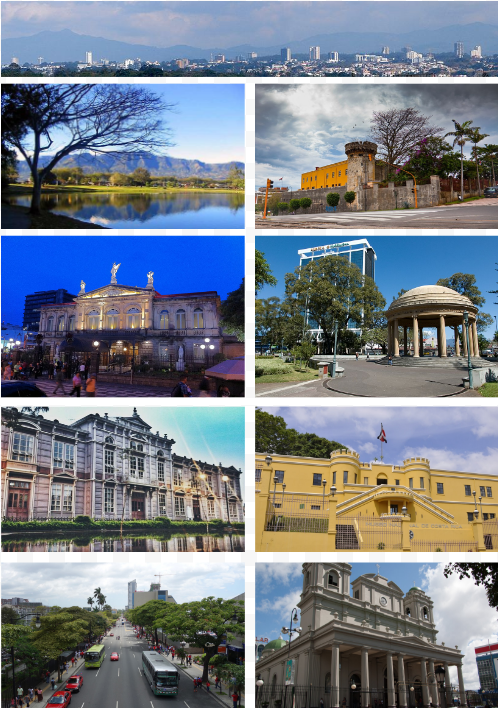
Costa Rica is a country in Central America, lying between Nicaragua and Panama, with coasts on both the Caribbean Sea and the Pacific Ocean. Long a quiet backwater of the Spanish empire, it grew into one of the most stable and prosperous democracies in Latin America, famous for having abolished its army in 1948 and invested instead in education and health. A green and mountainous land of extraordinary biodiversity, it has become a world leader in conservation and ecotourism, and its people are known for a relaxed philosophy of life summed up in the phrase pura vida.
Costa Rica's history is unusual in its region: a poor and neglected colony that grew, almost quietly, into one of the most stable and peaceful democracies in the Americas.
The region was home to indigenous peoples, among them the makers of the mysterious stone spheres of the Diquis. When the Spanish came in the sixteenth century, they found little of the gold or the large settled labour force that drew them elsewhere, and Costa Rica, the rich coast, proved a misnomer: it became a remote, poor, and thinly settled backwater of the empire. Many historians believe this very poverty, which left most people as small farmers working their own land rather than an elite lording over the masses, helped seed the more egalitarian and democratic society to come.
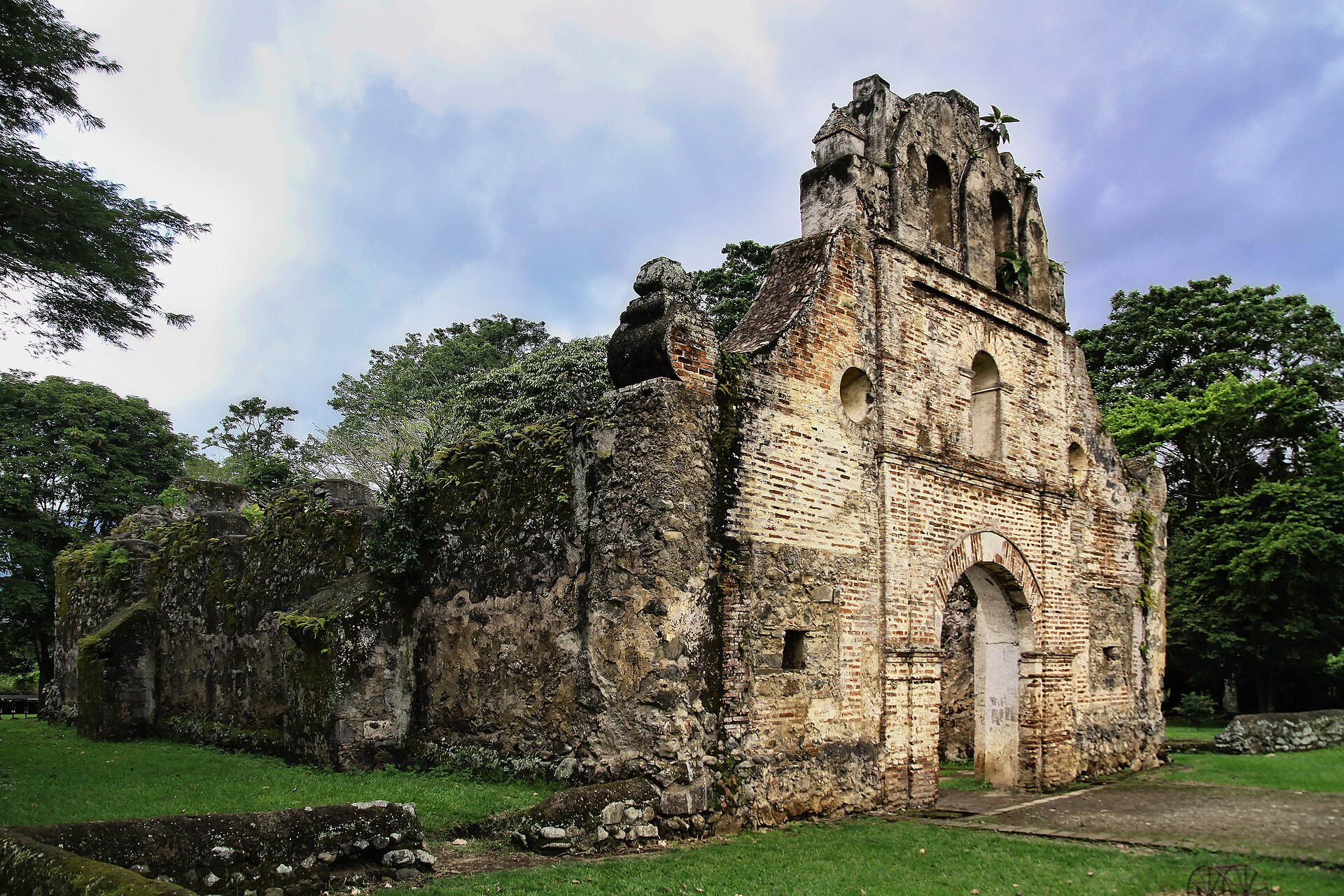
Costa Rica became independent from Spain in 1821, drifted through brief regional unions, and settled into a sovereign republic. Its defining modern moment came after a short civil war in 1948, when the victorious leader Jose Figueres abolished the country's army altogether, an almost unheard-of step, and poured the savings into education, health, and development instead. That choice underpinned decades of stability and peace while its neighbours suffered coups and civil wars.
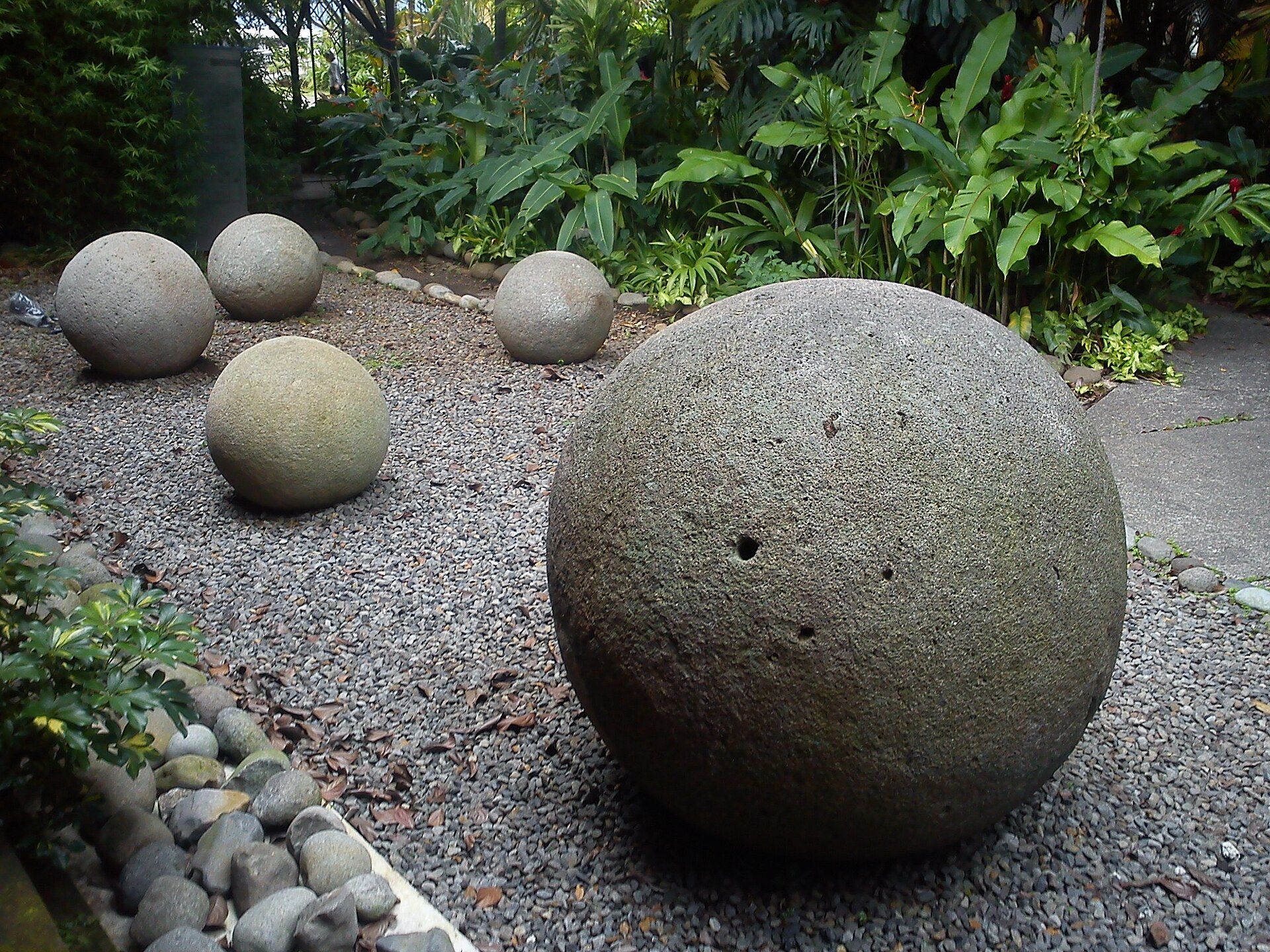
Scattered across southern Costa Rica are hundreds of stone spheres, carved by the Diquís culture with remarkable precision, some nearly perfectly round and over two metres across. Their purpose remains genuinely unknown, and many explanations have been offered, from markers of rank or astronomical alignments to purely ceremonial uses, while popular imagination has spun wilder theories. Archaeologists agree the spheres are authentic human handiwork of great skill, but the meaning their makers gave them is a real and unresolved mystery.
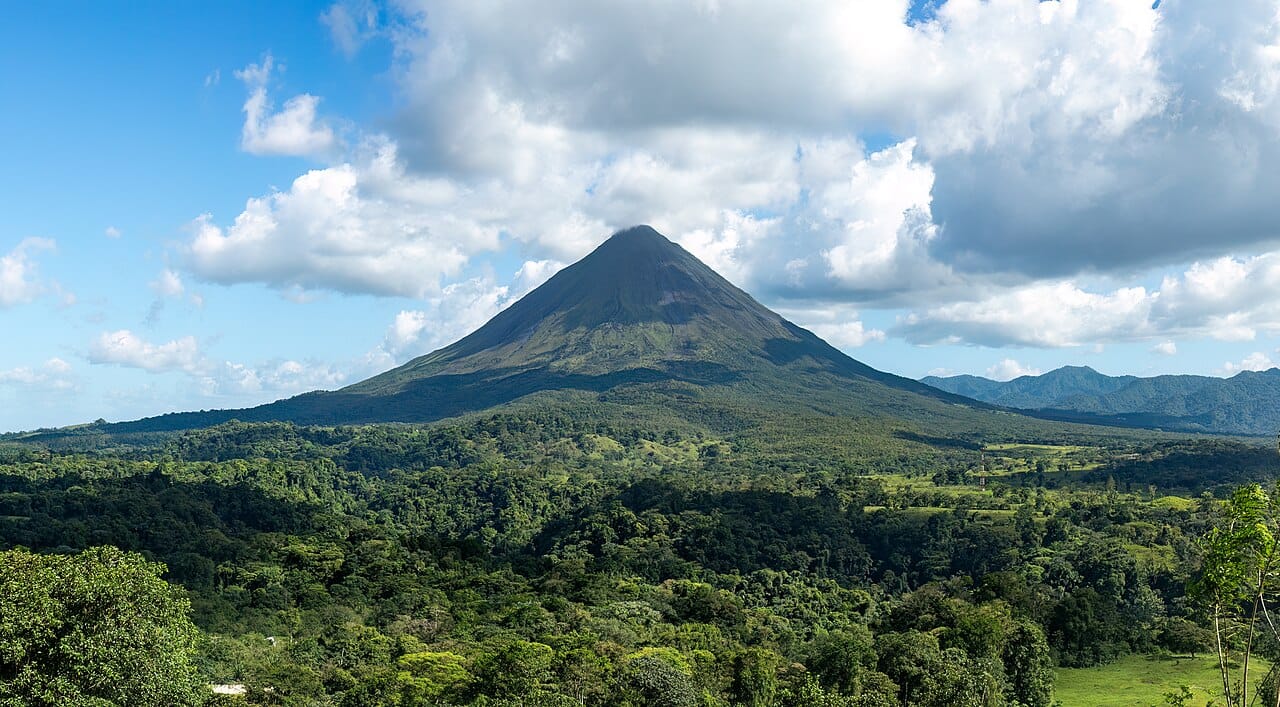
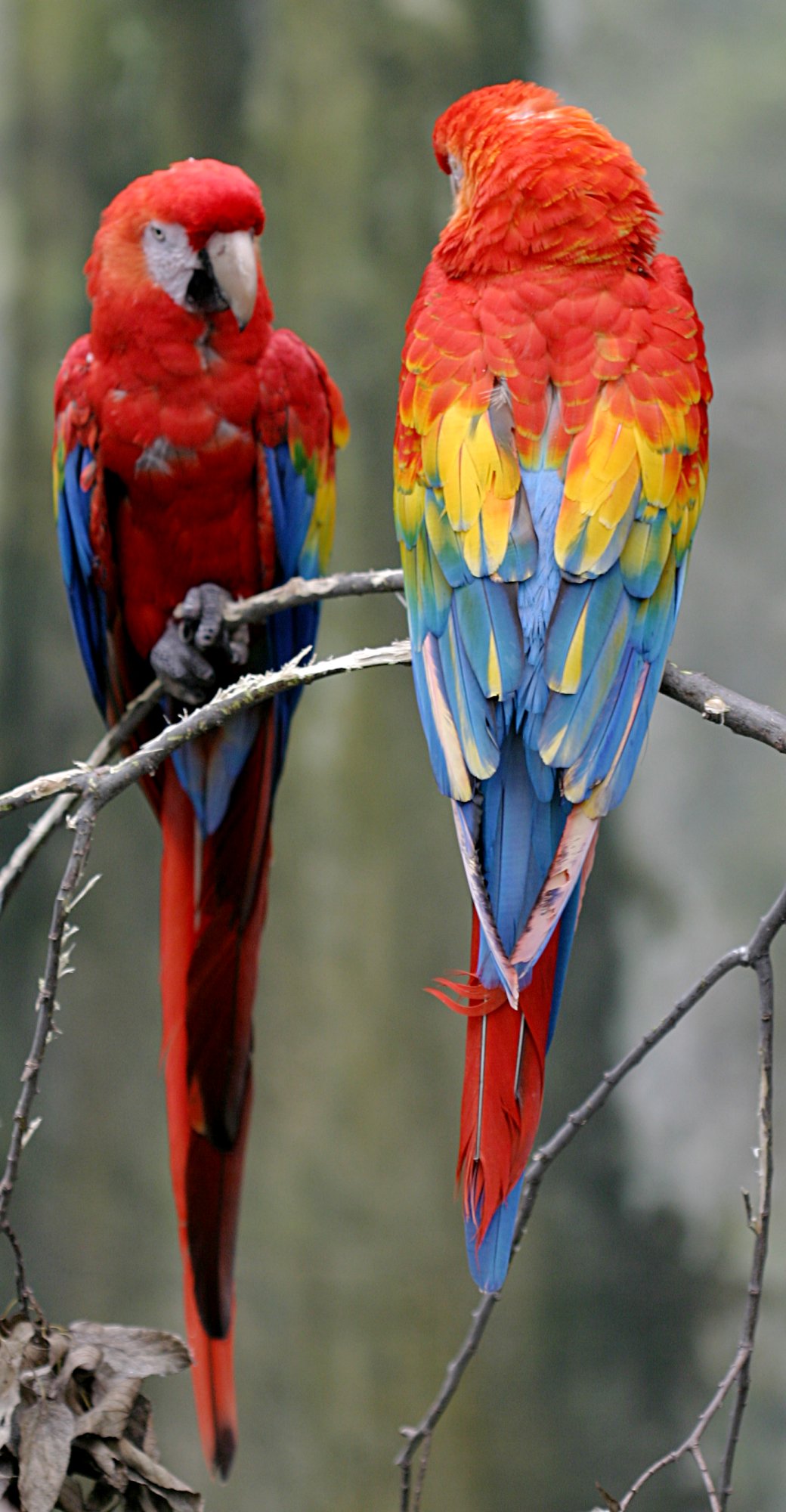
Costa Rica is a mountainous country, with chains of volcanoes, some active, running through its centre and rising to high peaks, between which lie the fertile valleys and the central highland where most people live. The land drops to coastal lowlands on both the Caribbean and Pacific sides, each with its own climate, beaches, and rainforest. Despite its small size, the country holds an astonishing share of the world's biodiversity, with cloud forests, rainforests, and wetlands sheltering a wealth of wildlife, much of it protected in an extensive network of national parks.
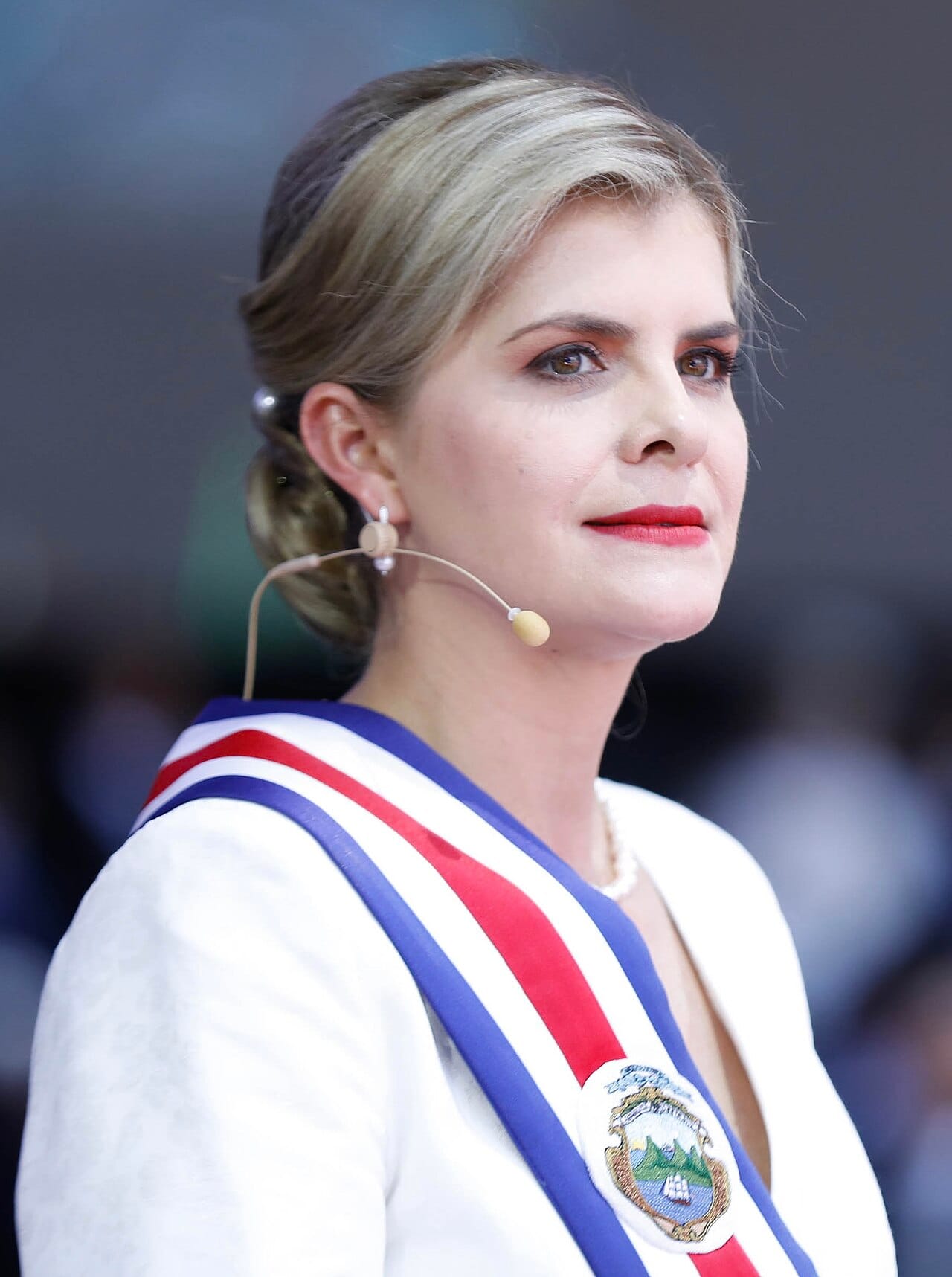
Costa Rica is one of the most stable and admired democracies in Latin America, a republic without an army, with a long tradition of peaceful, competitive elections and strong social institutions. Its politics, long dominated by two established parties, has in recent years become more fluid and anti-establishment. The combative outsider Rodrigo Chaves won the presidency in 2022, and in the election of 2026 his movement carried his ally Laura Fernandez to victory; she took office in May 2026 as the country's second woman president. Costa Ricans enjoy one of the highest standards of living and life expectancies in the region, though concerns over the cost of living, inequality, and a recent rise in drug-related crime have tested the country's placid reputation.
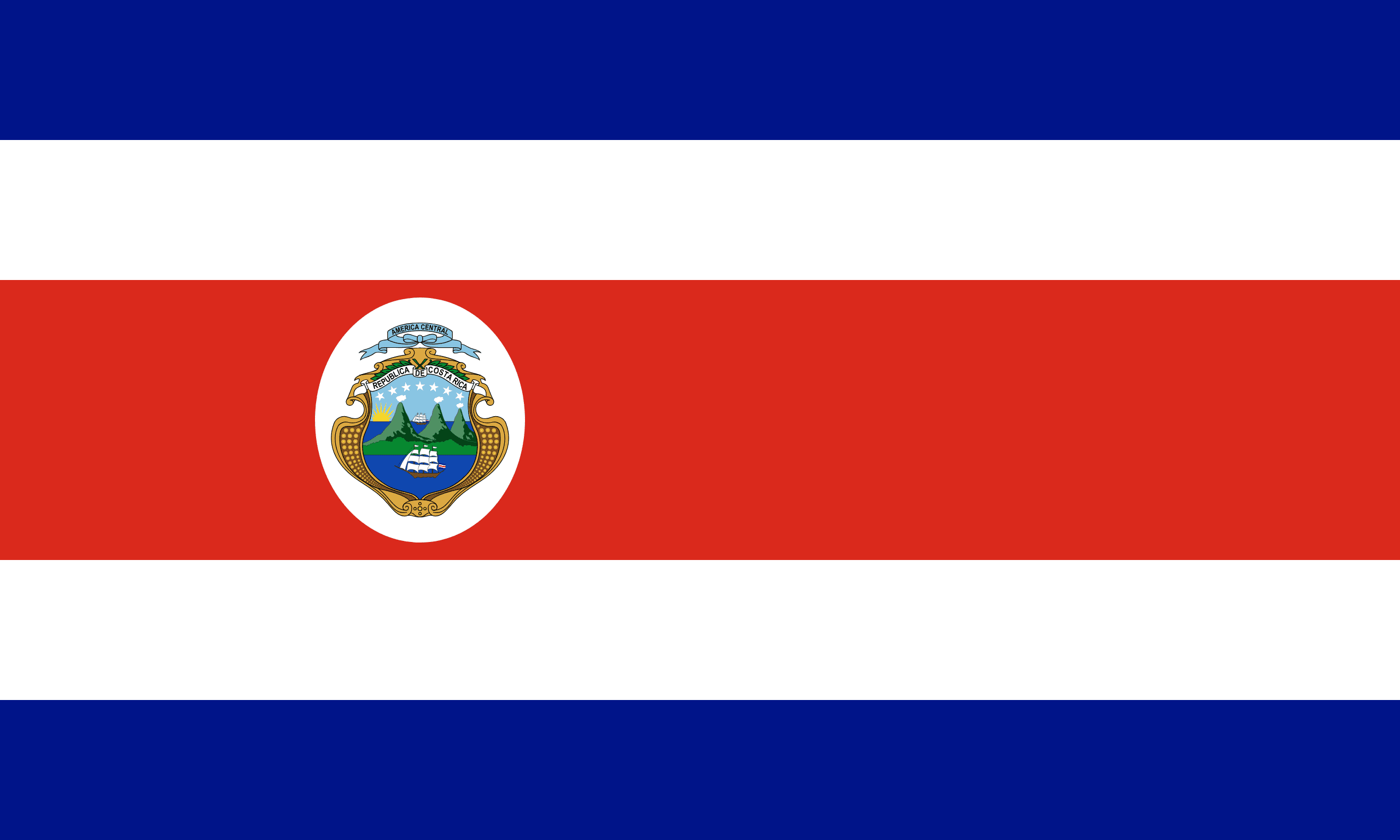
The flag of Costa Rica has five horizontal bands of blue, white, and red, with a wide central red band, and the national coat of arms set in an oval on the red for official use. The blue represents the sky, opportunity, and perseverance, the white peace, wisdom, and happiness, and the red the warmth of the people and the blood shed for freedom. The colours were inspired by those of France and its revolution, and the design has flown, with variations, since the mid-nineteenth century.
Costa Rica is a predominantly Christian country, with Roman Catholicism historically the dominant faith and, unusually, the official state religion, deeply woven into the culture and its festivals. In recent decades evangelical Protestant churches have grown rapidly, and a significant share of people now belong to them, while others profess no religion. The Catholic heritage remains visible in the colonial churches and the patron-saint celebrations that punctuate the year, even as Costa Rican society has become more religiously diverse and, in many respects, secular in outlook.
Costa Rican cuisine is simple, fresh, and hearty, built on rice, beans, and the abundant produce of the tropics. The everyday staple is gallo pinto, rice and beans cooked together, eaten at breakfast, and the casado, a plate of rice, beans, plantains, salad, and a meat or fish, is the classic lunch. Fresh fruit and vegetables, maize-based dishes, and seafood from the two coasts round out the diet, which is generally mild and wholesome, reflecting a culture that prizes the unhurried enjoyment of a good, home-cooked meal.
Agriculture has long been central to Costa Rica, and the country's prosperity was built first on coffee, grown in the rich volcanic highlands and prized for its quality, and then on bananas, cultivated on the lowland plantations, both major exports to this day. Pineapples, of which Costa Rica is a leading world producer, sugar, and other tropical crops are also important. While the economy has diversified into technology, services, and above all tourism, the green farms of coffee and the plantations of fruit remain a defining feature of the country.
Costa Rica's culture is bound up with two things above all: peace and nature. A Costa Rican president, Oscar Arias, won the Nobel Peace Prize in 1987 for helping to broker an end to the wars then raging across Central America, and the country has made peace and neutrality a point of national identity. Even more famously, it has become a global pioneer of environmental protection, reversing its once-rapid deforestation, generating almost all its electricity from renewable sources, and protecting a quarter of its land, so that a small country holds an outsized share of the planet's wildlife and draws visitors from around the world for its ecotourism. All of this is wrapped in the national creed of pura vida, pure life, an easygoing philosophy of gratitude, contentment, and taking things as they come.
Costa Rica has a population of around 5 million people, the majority of mixed European and indigenous descent or of European origin, with smaller Afro-Caribbean, indigenous, and immigrant communities, the Afro-Caribbean population concentrated on the Caribbean coast. Spanish is the official language. Costa Ricans, who often call themselves Ticos, are known for a friendly and easygoing outlook captured in the saying pura vida, pure life. The population is concentrated in the temperate Central Valley, around the capital, San José, and enjoys one of the highest standards of living in the region.