Honduras is a country in Central America, bordered by Guatemala, El Salvador, and Nicaragua, with a long Caribbean coastline and a short Pacific one. A mountainous, tropical land, it was home to the southern reaches of the ancient Maya civilisation, whose great city of Copán is one of the wonders of the region. Long one of the poorest countries in the Americas, and the original archetype of the so-called banana republic, Honduras has struggled with poverty, natural disasters, and instability, while remaining a country of warm people and striking natural beauty.
Honduras's history runs from the southern frontier of the Maya world, through a Spanish colony of gold and silver, to a modern republic so dominated by foreign fruit companies that it gave the world a phrase.
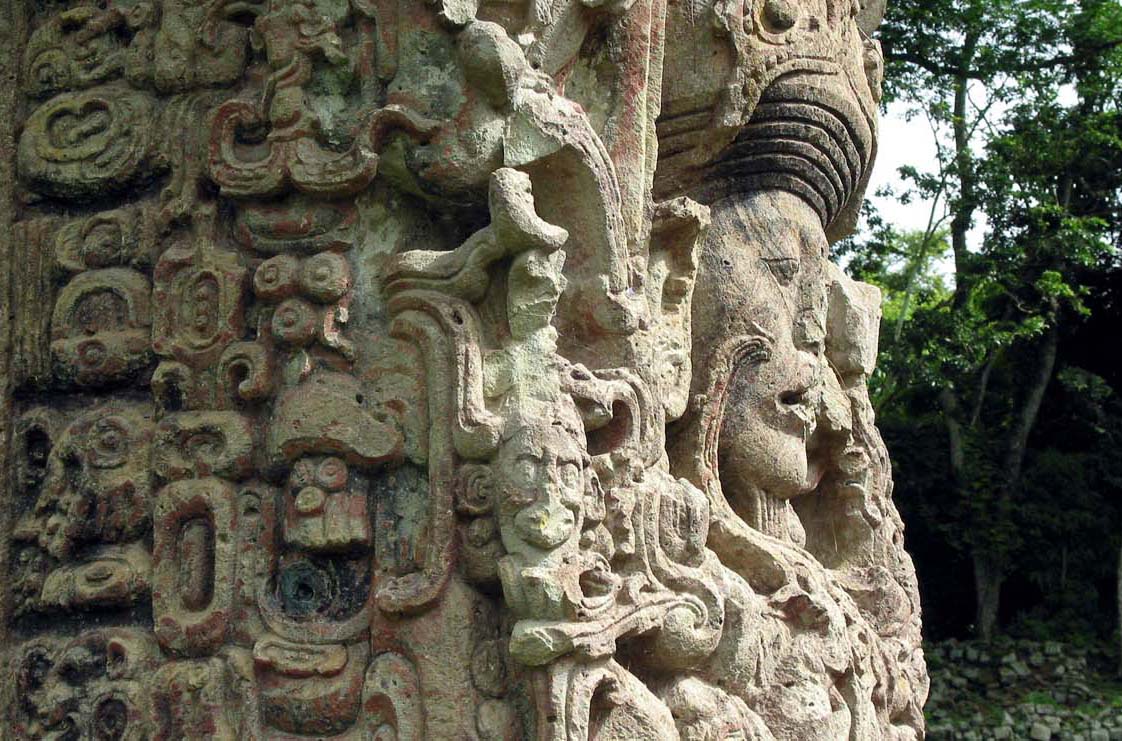
Western Honduras lay on the southern edge of the Maya world, and there the city of Copan rose to become one of its greatest centres, celebrated for the finest sculpture and hieroglyphic carving of any Maya city. For centuries it flourished as a seat of art, astronomy, and dynastic power before, like the other lowland Maya cities, it declined and was swallowed by the jungle around the ninth century, leaving ruins that are among the wonders of the ancient Americas.
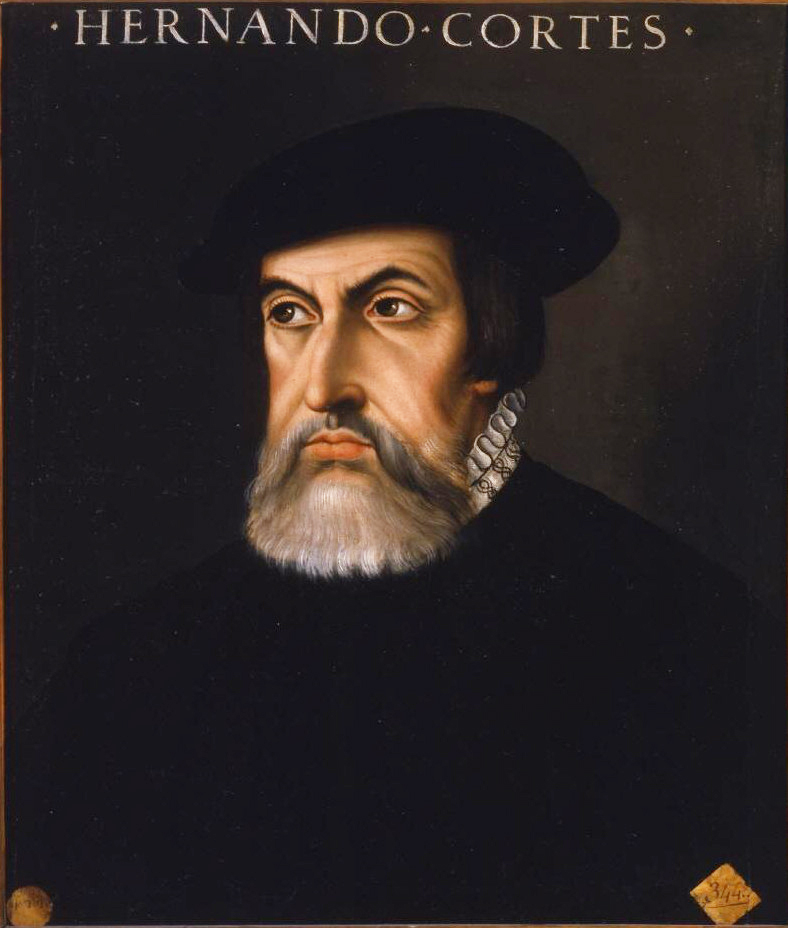
The Spanish reached Honduras in the early sixteenth century, drawn by gold and by rich silver strikes in the interior, and conquered it after hard resistance led by the Indigenous chief Lempira, still a national hero whose name the currency bears. Ruled as a poor and thinly settled colony, its Caribbean coast was long plagued by English pirates and logwood cutters, against whom the Spanish built stout fortresses.
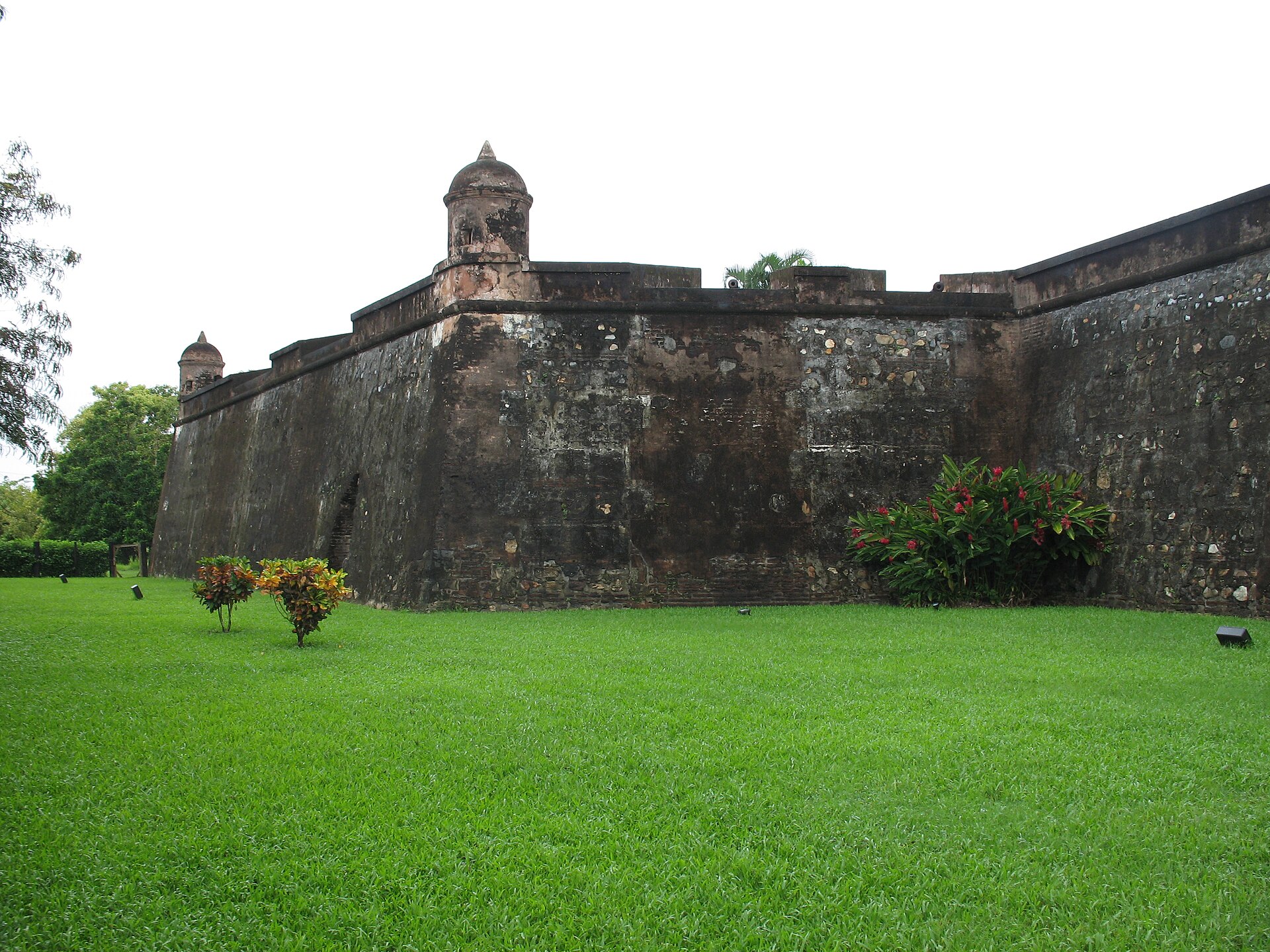
Honduras became independent from Spain in 1821, was briefly part of a Central American federation, and then a republic beset by poverty and instability. From the late nineteenth century its economy and politics fell under the sway of the American fruit companies, whose vast banana plantations on the Caribbean coast made the country the archetypal "banana republic", a term coined for Honduras, in which foreign corporations effectively controlled national life. The twentieth century brought military rule, then a fragile return to elected government.
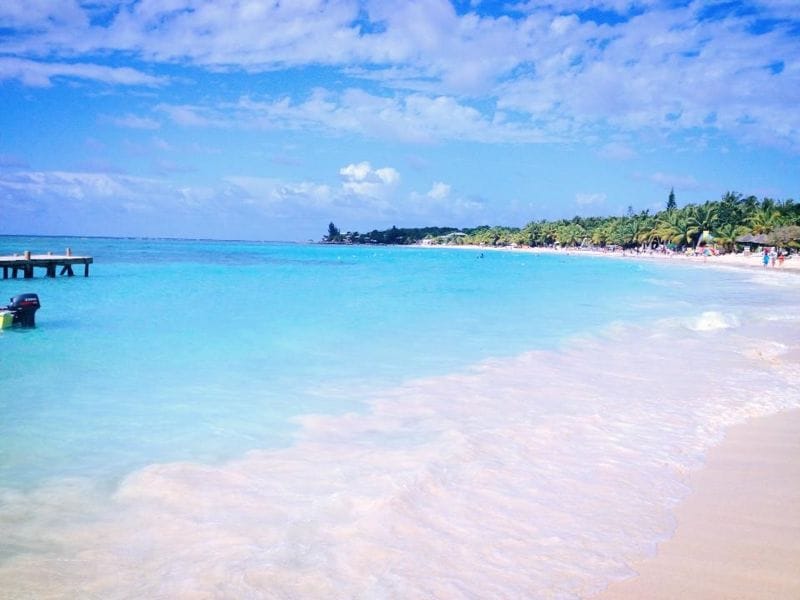
Honduras is largely mountainous, with rugged interior highlands covered in pine and cloud forest, falling to fertile valleys and to broad lowlands along the Caribbean coast, where banana plantations spread. The long northern coastline faces the Caribbean and includes the Bay Islands, ringed by coral reefs that form part of the great Mesoamerican Barrier Reef, while only a short stretch of coast touches the Pacific in the south. The country's varied terrain holds rich forests and biodiversity, including the famed wildlife of its protected rainforest reserves.
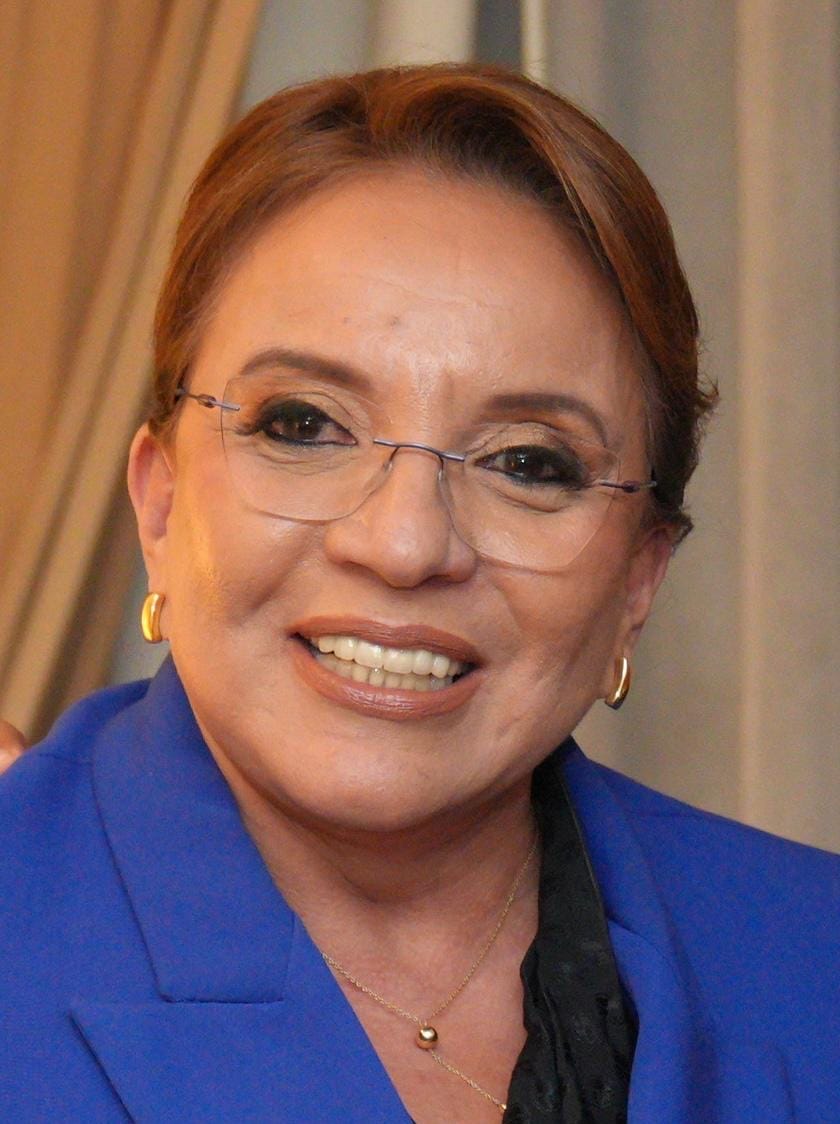
Honduras is a presidential republic whose democracy, restored after decades of military rule, has remained fragile and deeply polarised. In 2009 President Manuel Zelaya was removed from office and expelled from the country in a coup, an event that scarred the nation's politics for years. In 2022 his wife, Xiomara Castro of the leftist LIBRE party, became the country's first woman president. The general election of late 2025 was closely fought and marred by a prolonged, disputed vote count that drew international concern; its winner, the conservative Nasry Asfura of the National Party, a former mayor of Tegucigalpa, was inaugurated in January 2026. Persistent poverty, corruption, drug trafficking, and gang violence remain the country's defining political challenges.

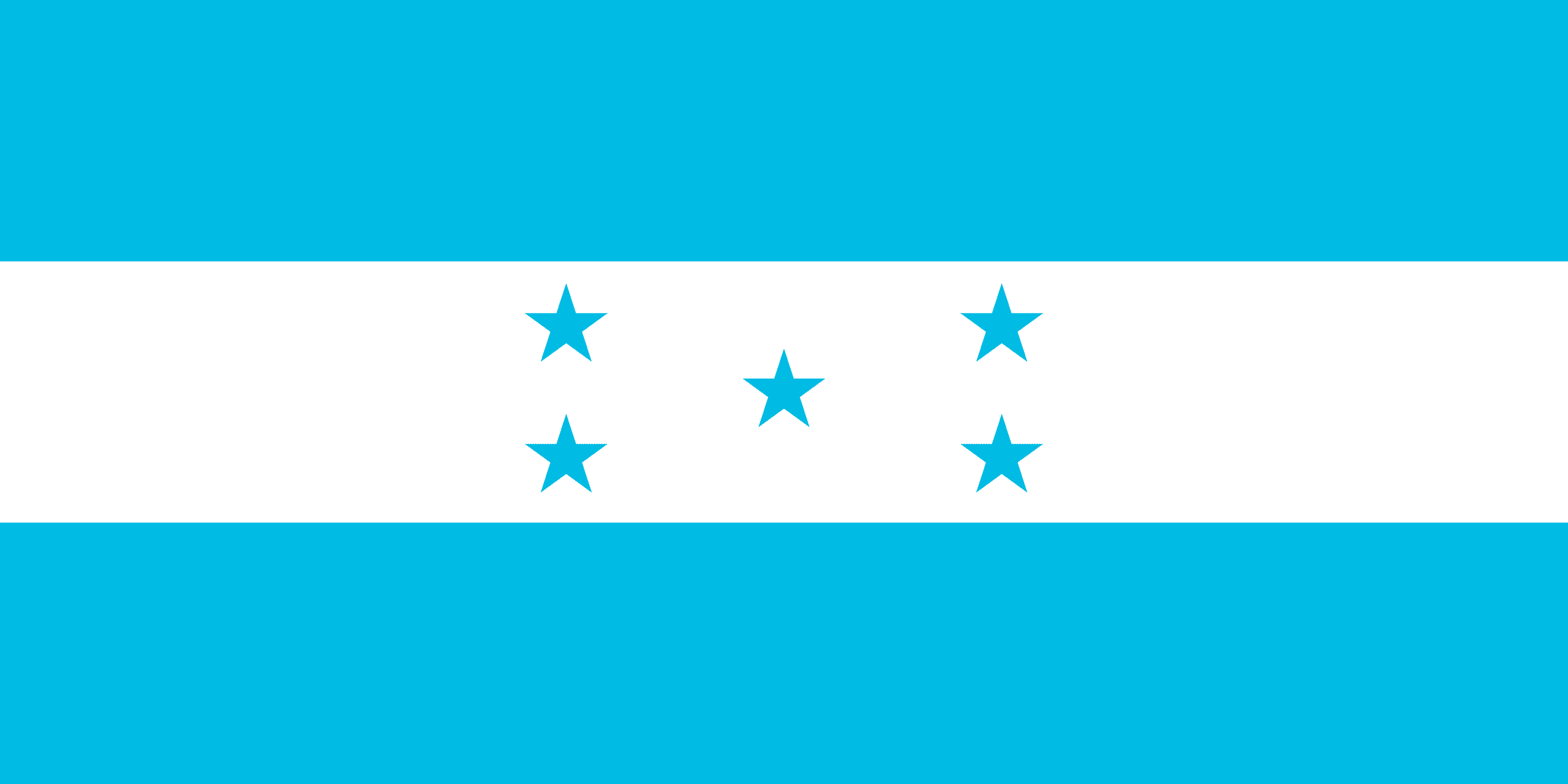
The flag of Honduras has three horizontal bands of blue, white, and blue, with five blue stars arranged in an X-shape across the central white band. The blue bands represent the Caribbean Sea and the Pacific Ocean, and the white the land and the peace of its people. The five stars stand for the five nations of the former Central American federation, Honduras among them, expressing the hope, long held by some, of a reunited Central America. The flag reflects the country's shared regional history and identity.
Honduras is a predominantly Christian country, with Roman Catholicism the historic and traditionally dominant faith, brought by Spanish colonisation and central to the culture and its festivals. As across Central America, evangelical and Pentecostal Protestant churches have grown enormously in recent decades, and a very large share of Hondurans now belong to them, so that the country is roughly divided between Catholic and Protestant communities. On the Caribbean coast, the Garifuna and other communities maintain their own distinctive religious and cultural traditions.
Honduran cuisine is based on maize, beans, rice, and tropical produce, with coconut featuring strongly along the Caribbean coast. A typical meal is the plato típico, a platter of grilled meat, beans, rice, fried plantains, cheese, and tortillas, and the baleada, a folded wheat tortilla filled with beans, cheese, and cream, is a beloved everyday food. Maize tortillas, tamales, and an abundance of tropical fruit are staples, while the coast contributes seafood dishes rich in coconut, reflecting the Garifuna and Afro-Caribbean heritage.
Agriculture has long been the backbone of the Honduran economy, and the country's modern history is bound up with the banana, grown on the Caribbean coastal plantations that once dominated national life. Coffee, grown in the highlands, has become a leading export, alongside bananas, palm oil, sugar, and shrimp farmed on the coast. Maize and beans are the staple food crops of small farmers throughout the country. Agriculture remains central to the livelihoods of a large share of the population, especially in the rural highlands and valleys.
Honduran culture blends Spanish, Indigenous, and Afro-Caribbean strands into a warm and distinctive whole. The Spanish colonial inheritance shows in language, faith, and the handsome old towns of the highlands, while the Caribbean coast has a wholly different flavour, home to the Garifuna, a people of mixed African and Indigenous descent whose language, drumming, and punta music are recognised as a treasure of world heritage. Maize, the sacred grain of the Maya, remains the heart of the table, and baseball and football both command devoted followings. For all its hardships, Honduras is known for the warmth and resilience of its people.
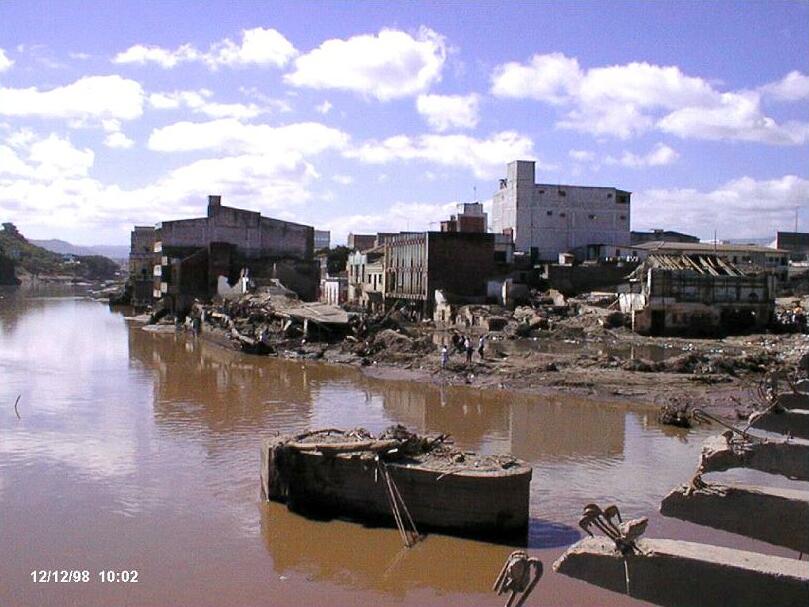
Honduras has long been one of the poorest and most troubled countries in the Western Hemisphere, and the reasons why are woven through its history. From the late nineteenth century the American fruit companies made it the original "banana republic", a byword for a nation whose economy and politics were controlled by foreign corporations, entrenching poverty and a weak, dependent state. Repeated blows have followed: a brief 1969 war with El Salvador, and, above all, Hurricane Mitch in 1998, one of the deadliest storms ever to strike the Americas, which killed thousands and set the country's development back by years.
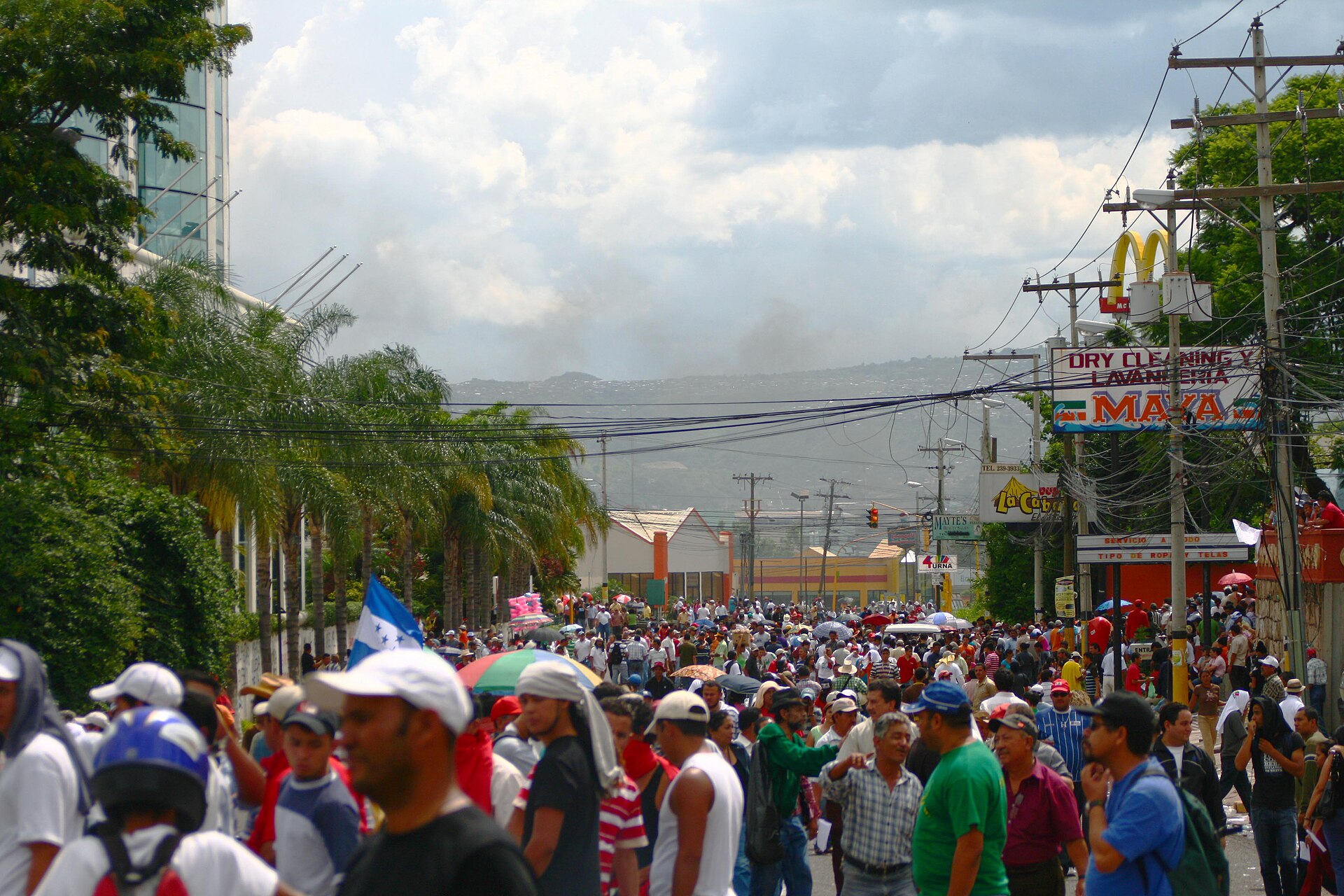
In this century, the country has been wracked by some of the highest murder rates in the world, driven by drug trafficking and by the violent street gangs, the maras, whose extortion and killing have made daily life dangerous in poor neighbourhoods and helped drive waves of Hondurans to flee north toward the United States, many in the migrant caravans that drew world attention. Politics has remained unstable and bitterly contested: the 2009 removal of President Zelaya in a coup, a disputed 2017 re-election marked by deadly protests, and the drawn-out, disputed count of the 2025 election have all deepened distrust. How to judge the roots of this hardship, whether foreign exploitation, homegrown corruption, or the drug war fought largely to serve markets abroad, is itself contested; the suffering is not.
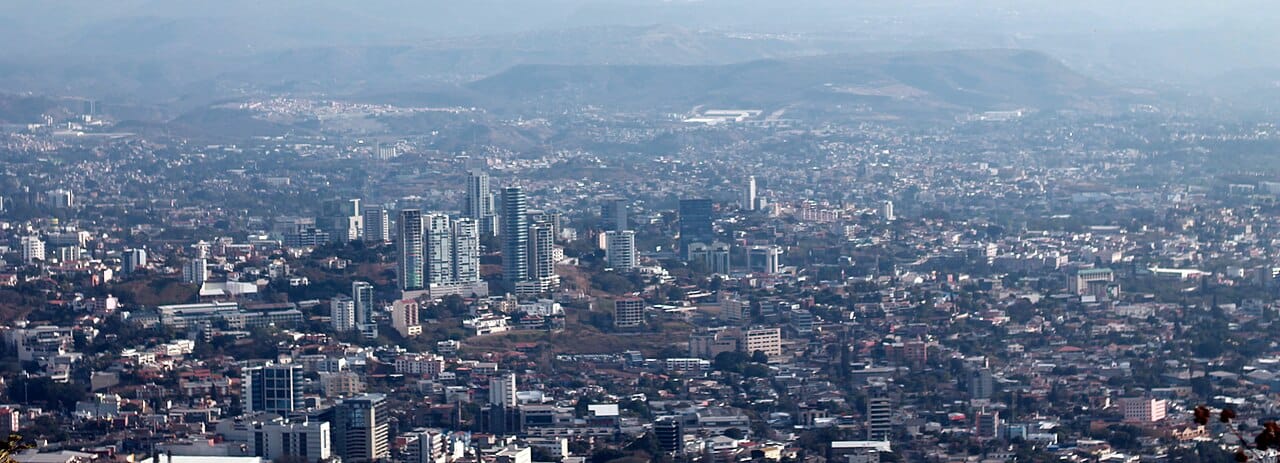
Honduras has a population of around 10 million people, the great majority of mixed indigenous and European descent, with minorities including indigenous peoples, the Afro-Caribbean Garifuna of the north coast, and others. Spanish is the official language. The population is concentrated in the western and central highlands and in the cities, including the capital, Tegucigalpa, set in a mountain basin. Many Hondurans have emigrated, especially to the United States, in search of work and safety, and the money they send home is a vital part of the economy.