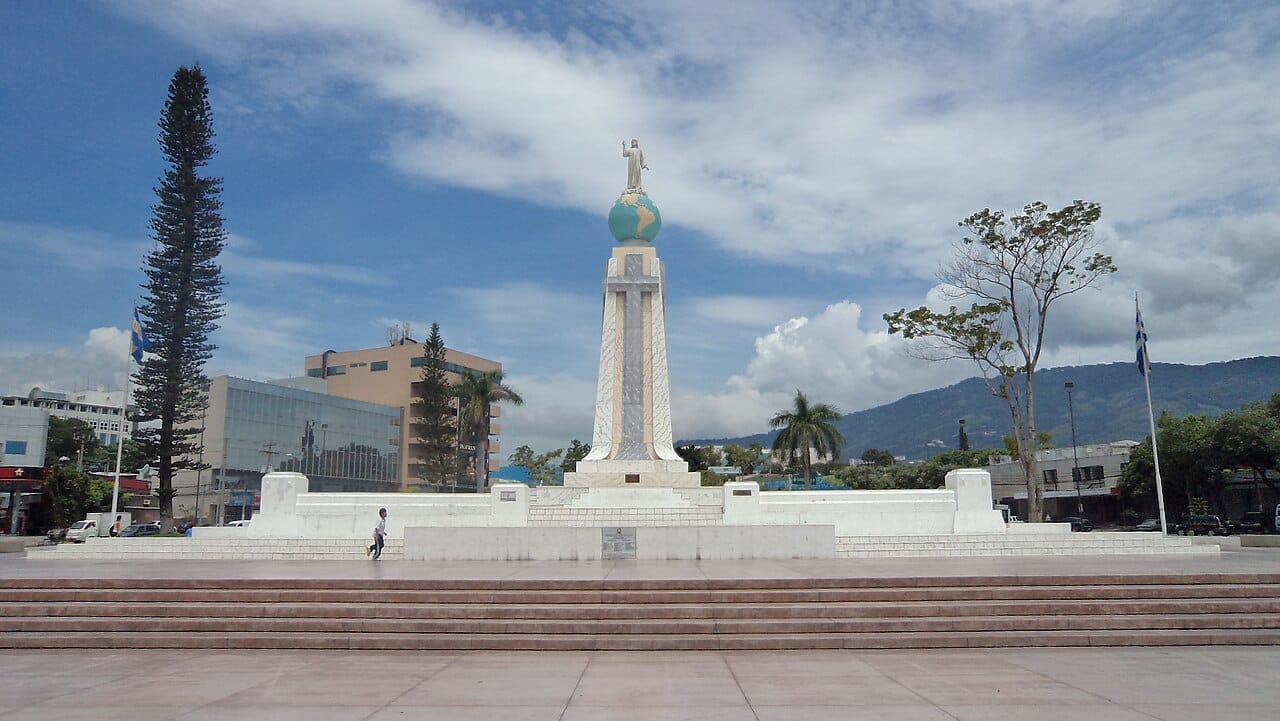
El Salvador is the smallest country in mainland Central America, and the most densely populated, bordered by Guatemala and Honduras and facing only the Pacific Ocean, the only Central American country without a Caribbean coast. Known as the land of volcanoes for the chain of peaks that defines its landscape, it is a small, crowded, and hardworking nation that endured a brutal civil war in the 1980s and, more recently, severe gang violence. In modern times it has drawn world attention for dramatic and controversial policies under its current government.
El Salvador's history runs from the Pipil and the Maya, through a coffee republic built on stark inequality, to a brutal civil war and, in our own time, one of the most closely watched experiments in governance in the Americas.
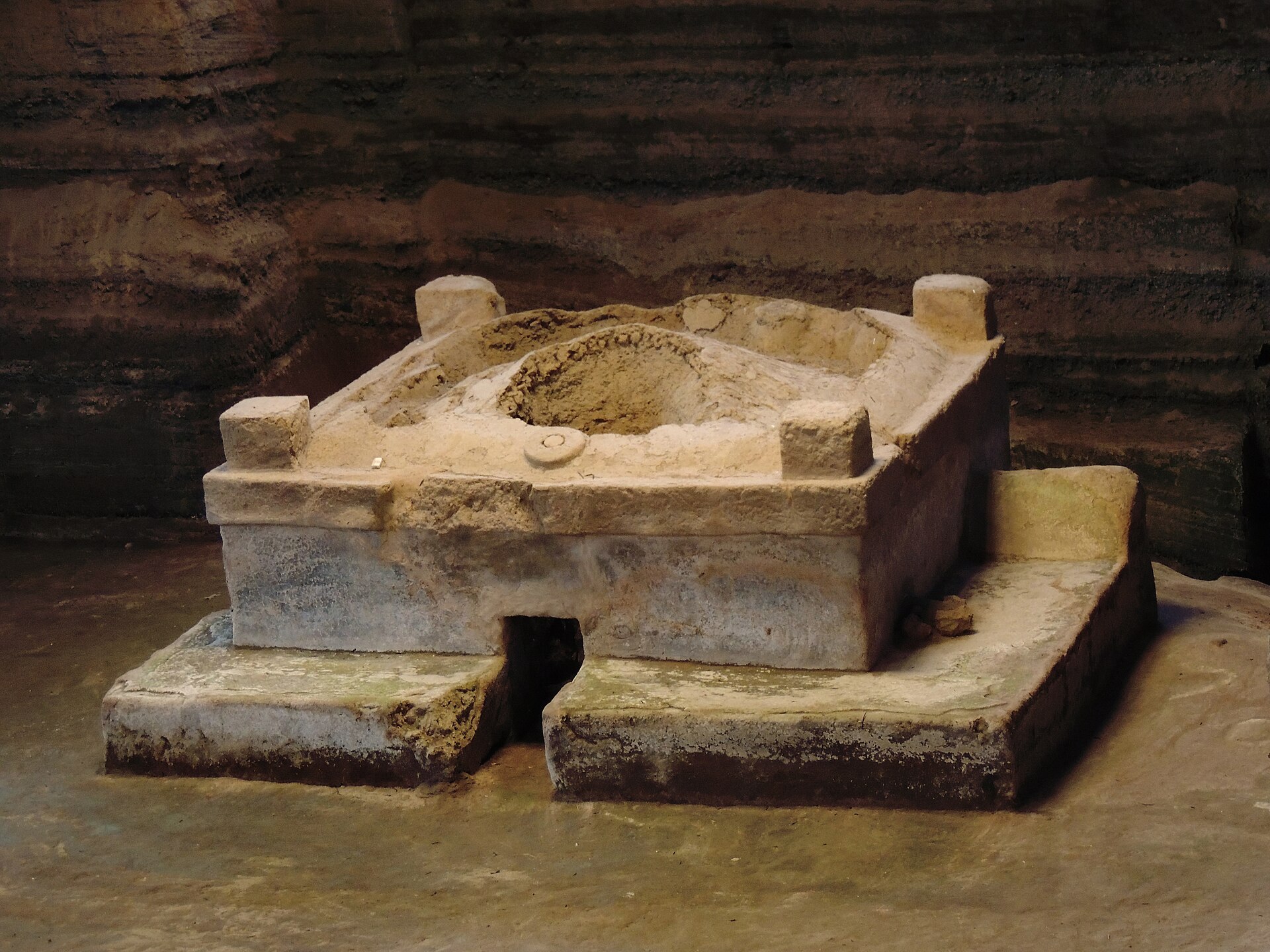
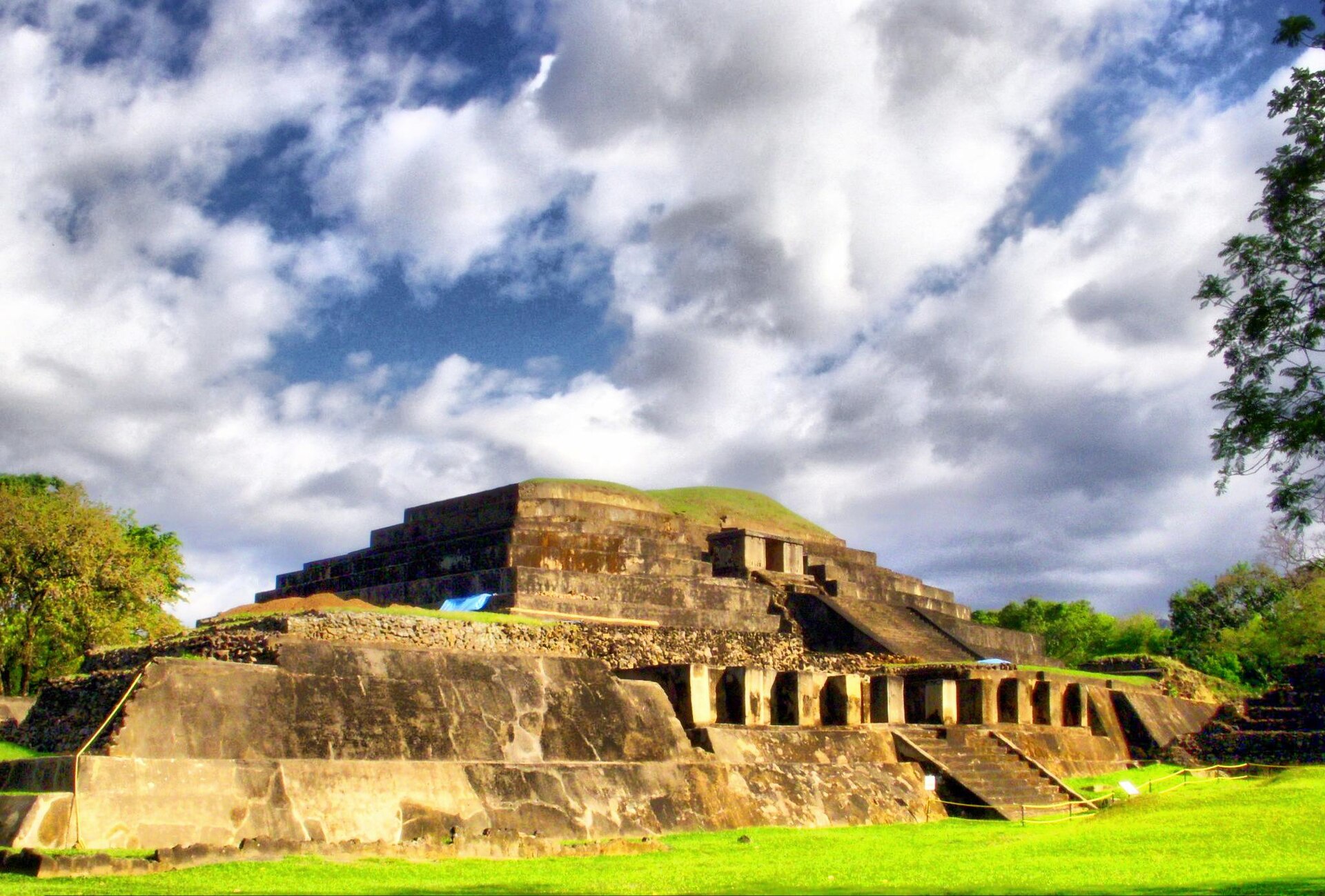
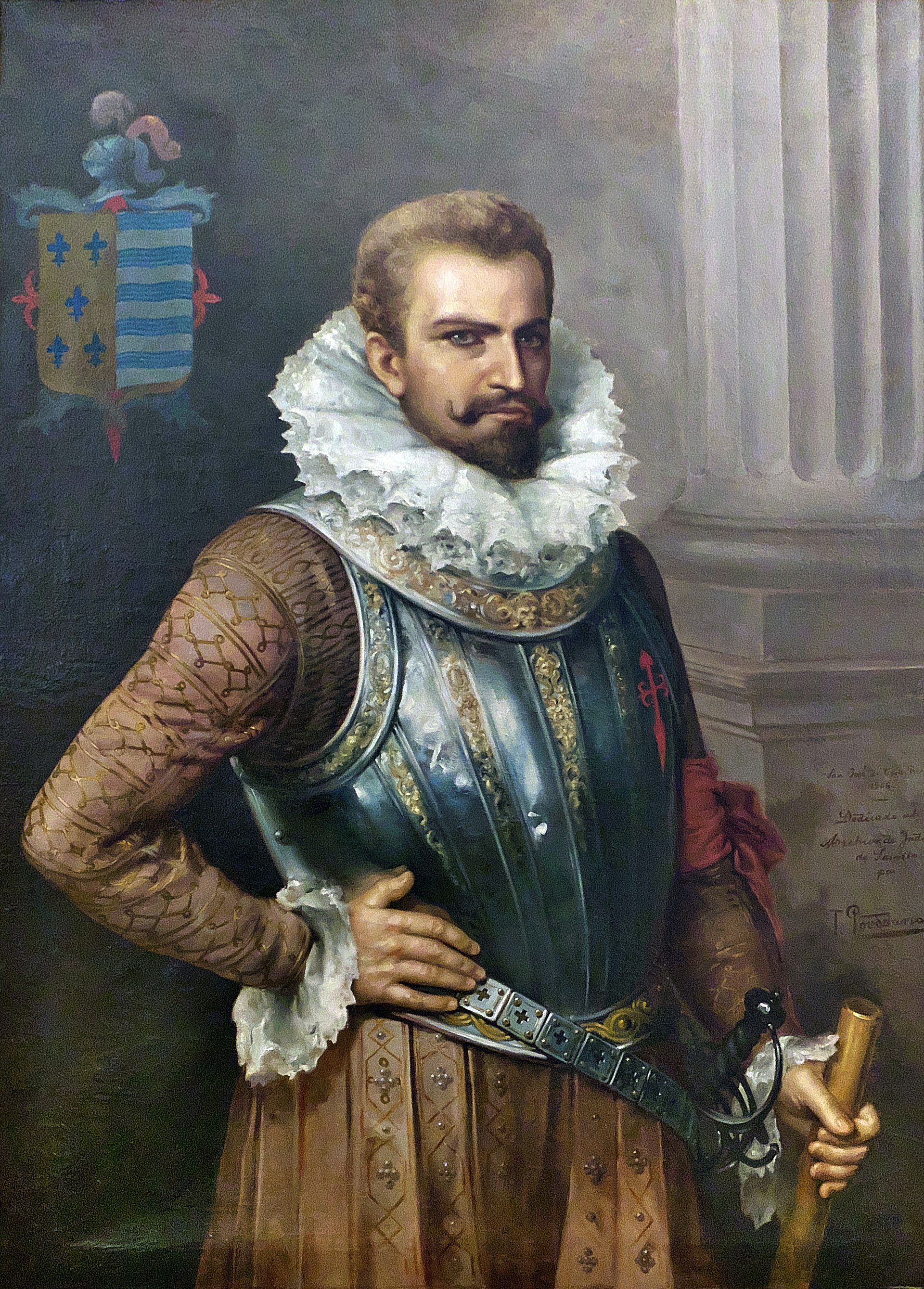
Before the Spanish, the land was home to the Pipil, a people related to the Aztecs, heirs to earlier Maya cultures whose villages and pyramids still dot the country, including Joya de Ceren, a farming hamlet buried and preserved under volcanic ash, the Pompeii of the Americas. The Spanish conquistador Pedro de Alvarado conquered the region in the 1520s after fierce resistance, and it was ruled for three centuries as a minor part of the empire.
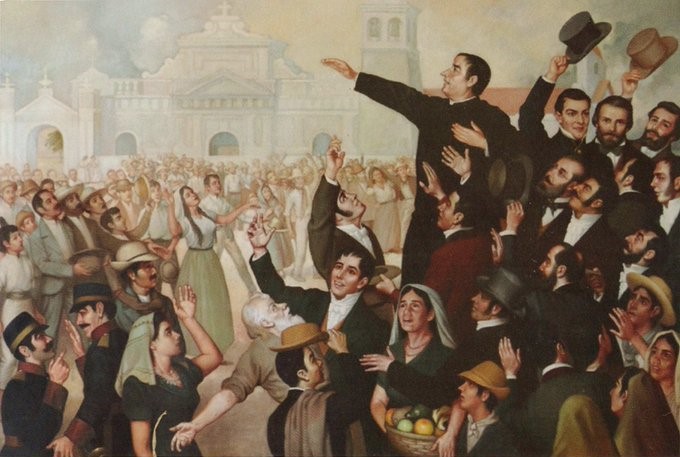
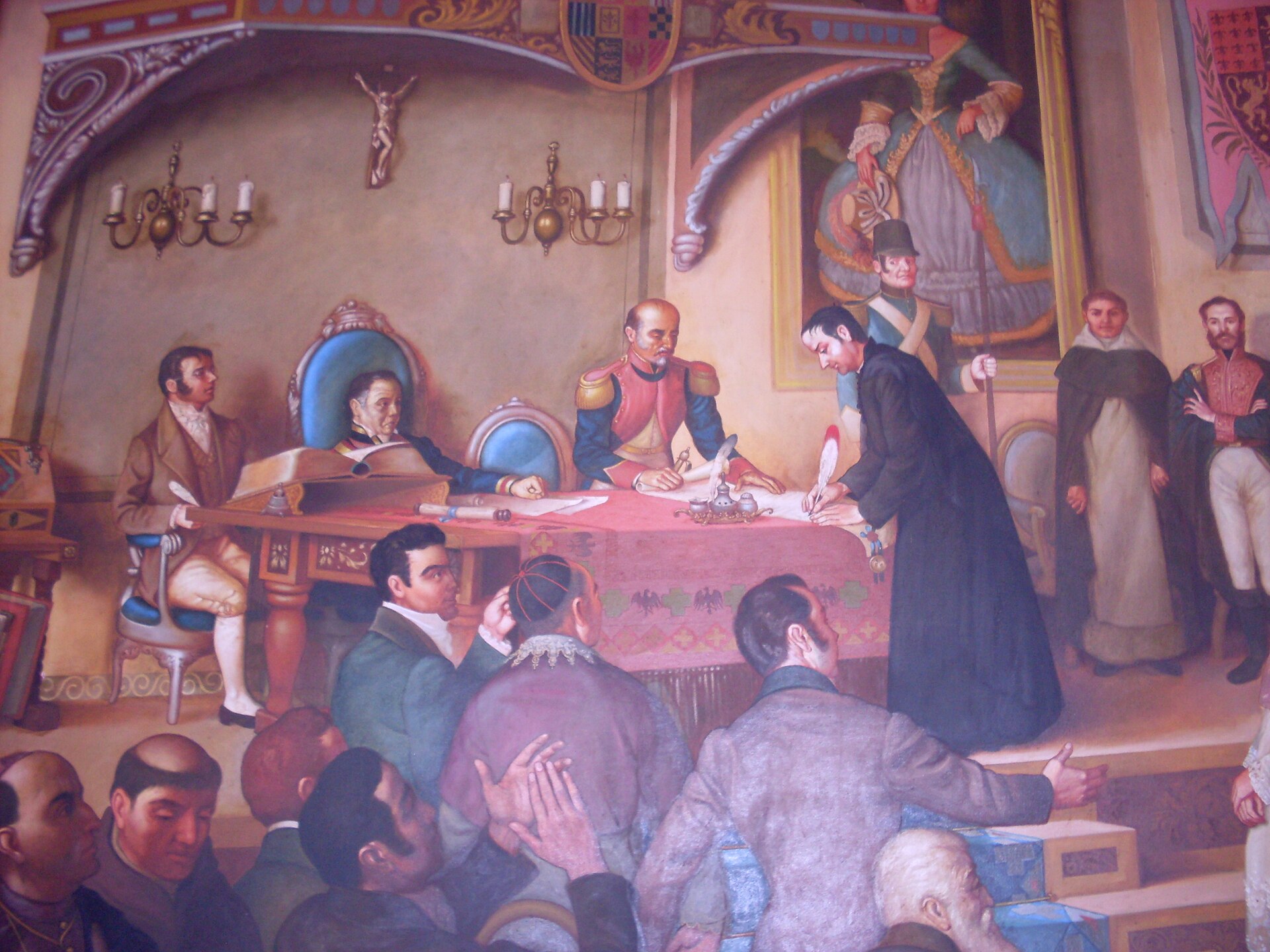
El Salvador became independent from Spain in 1821, was briefly the heart of a Central American federation, and then a republic on its own. Its economy came to rest almost entirely on coffee, grown on the volcanic highlands and controlled by a tiny landowning elite, remembered as the fourteen families. The resulting concentration of land and wealth, and the crushing poverty of the rural majority, bred a deep and bitter inequality that would haunt the country.
The long-simmering tensions exploded in 1980 into a civil war between a United States-backed military government and leftist guerrillas of the FMLN. Over twelve years the conflict killed some 75,000 people, many of them civilians murdered by army death squads, drove huge numbers into exile, and was marked by atrocities such as the massacre at El Mozote. A United Nations-brokered peace in 1992 ended the war and brought the guerrillas into democratic politics, but left behind a society scarred by violence and awash with weapons.
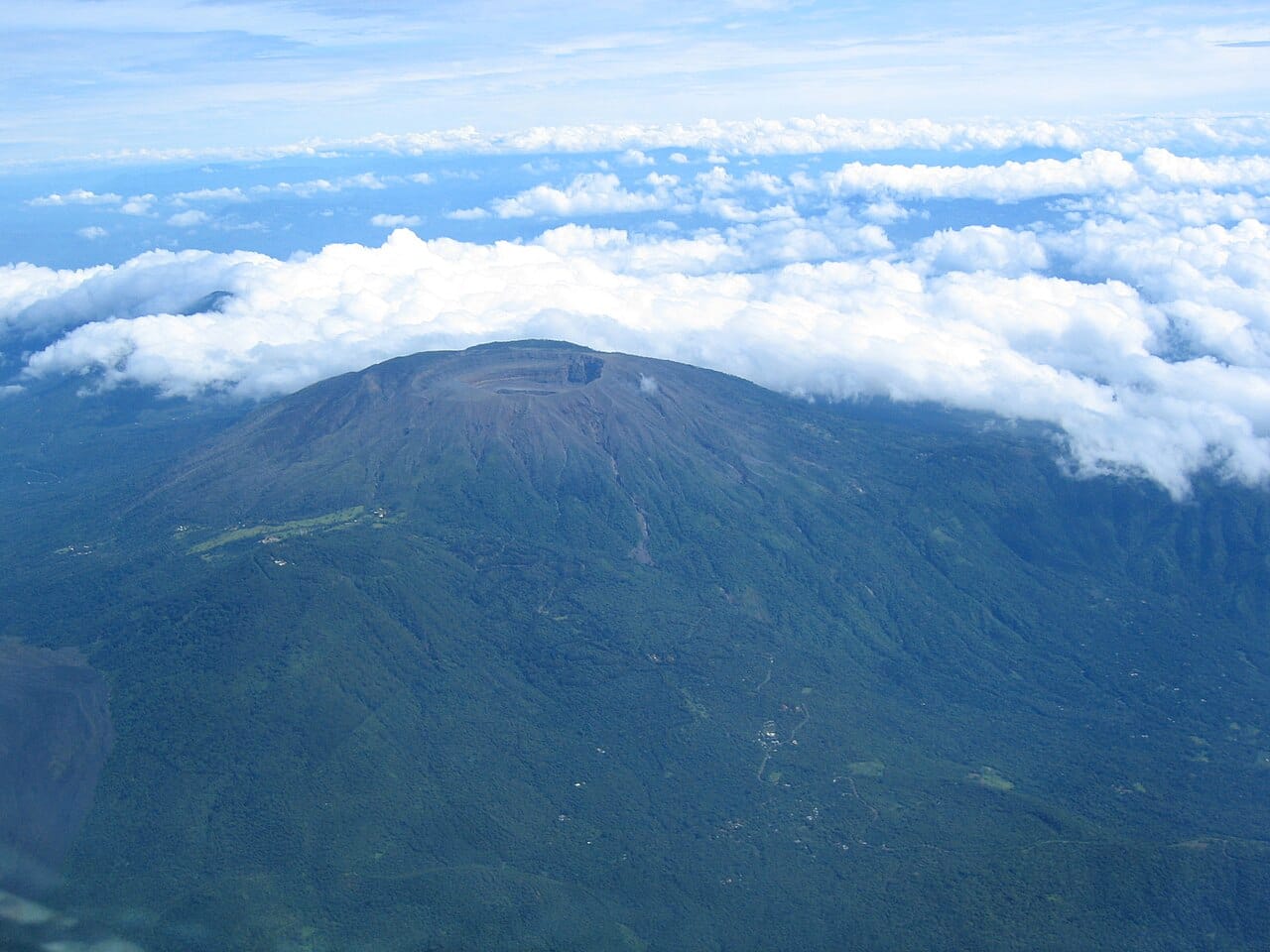
El Salvador is a small, mountainous country dominated by two ranges and by a chain of volcanoes, many of them active, that give it its nickname, the land of volcanoes. Between and around the mountains lie a central plateau, where most people live, and a narrow, hot coastal plain along the Pacific. The fertile volcanic soils are good for farming, but the country sits in a zone of frequent earthquakes and volcanic activity, and its lack of forest cover, much of it long cleared for agriculture, leaves it prone to landslides and other natural hazards.
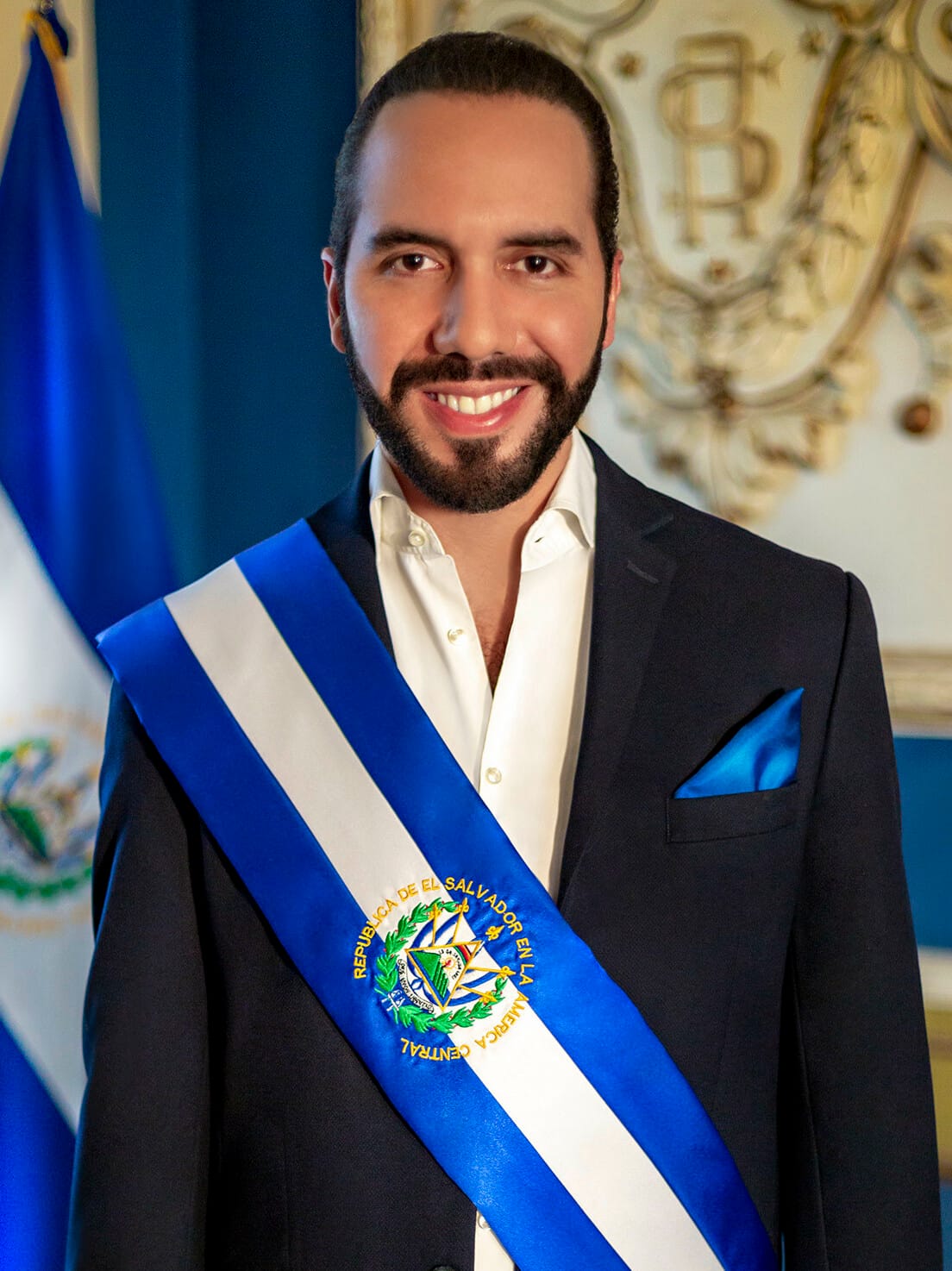
El Salvador is a presidential republic whose politics, for decades a contest between the right-wing ARENA and the former guerrillas of the FMLN, was upended by the rise of Nayib Bukele. A young former mayor with a mastery of social media, Bukele swept to the presidency in 2019, sidelined the old parties, and concentrated power in his own hands to a degree critics call authoritarian, including securing a controversial re-election in 2024 despite a constitutional ban on consecutive terms. Hugely popular at home, he styles himself the world's coolest dictator, half in jest, and has made El Salvador a laboratory for bold and divisive policies, from a war on the gangs to an embrace of Bitcoin.
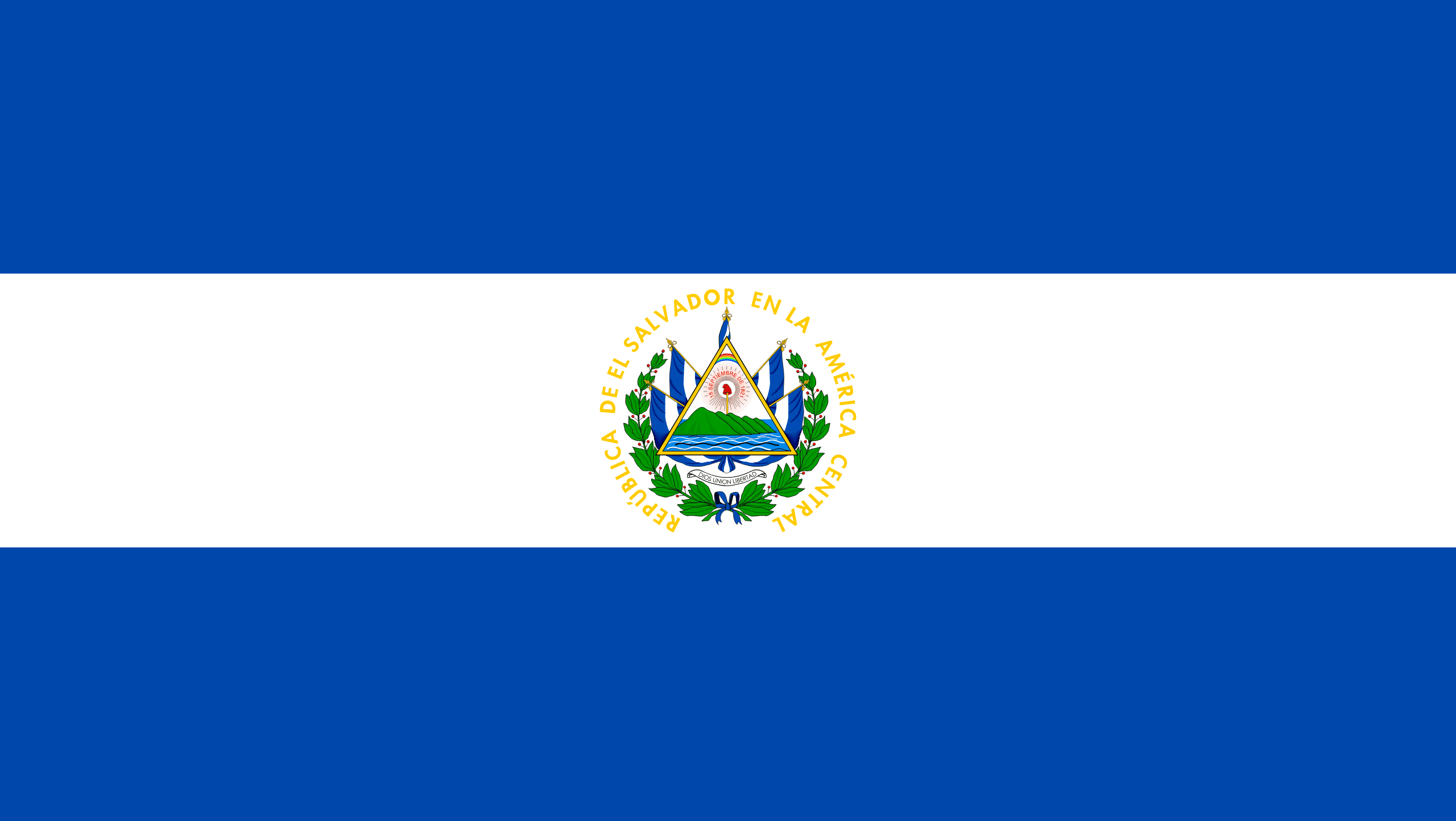
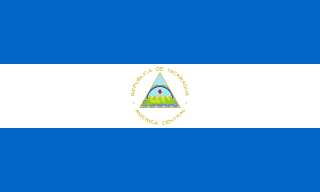
The flag of El Salvador has three horizontal bands of blue, white, and blue, with the national coat of arms in the centre. The blue bands are commonly said to represent the ocean and the sky, and the white peace, while the design follows the pattern of the old Central American federation to which the country belonged. The coat of arms includes a triangle with volcanoes and a liberty cap, surrounded by the flags of the federation and a banner, recalling the shared history and the ideals of the region.
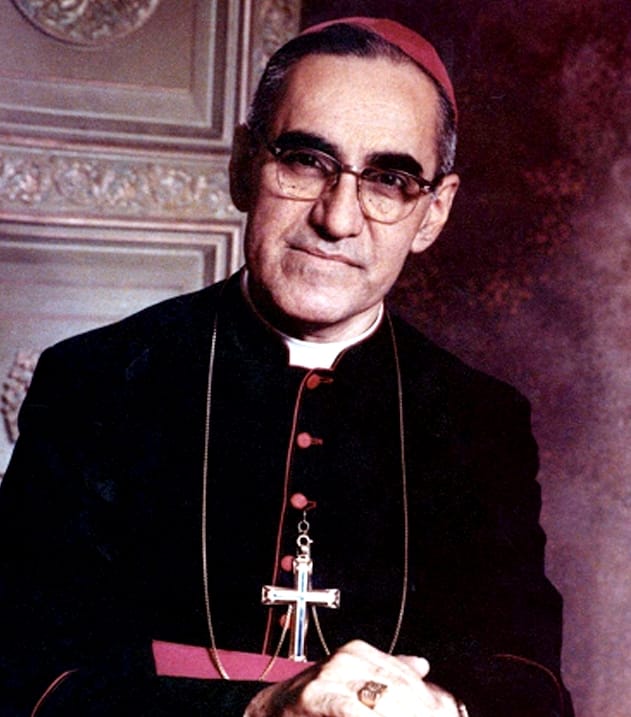
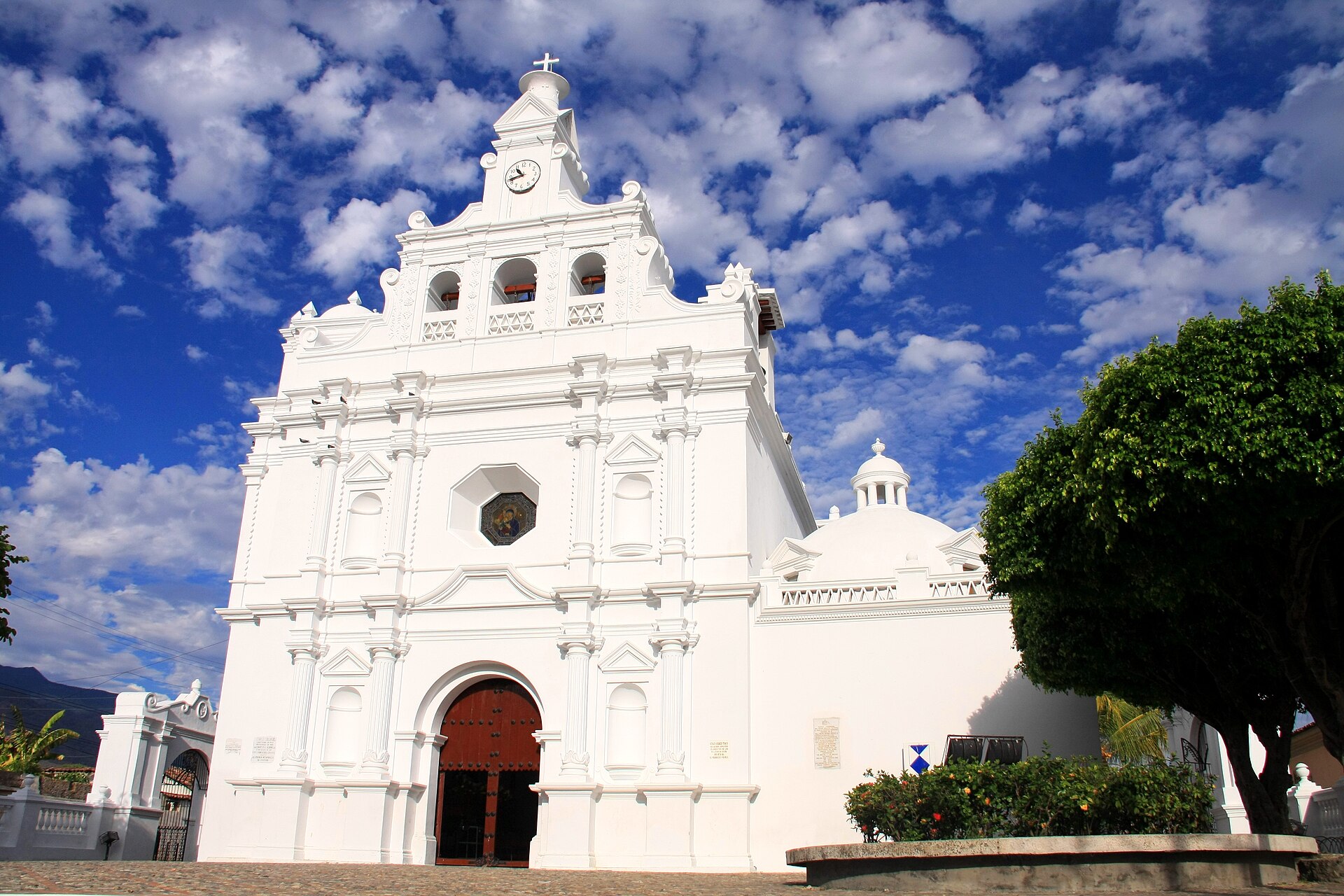
El Salvador is a predominantly Christian country, with Roman Catholicism the historic and traditionally dominant faith, brought by Spanish colonisation. As across Central America, evangelical and Pentecostal Protestant churches have grown dramatically, and a large share of Salvadorans now belong to them. The Catholic Church played a prominent role in the country's history, especially through Archbishop Óscar Romero, a champion of the poor who was assassinated in 1980 and later declared a saint, becoming a powerful symbol of faith and social justice for the nation.
Salvadoran cuisine is based on maize, beans, and rice, and its most famous creation is the pupusa, a thick, hand-made maize tortilla stuffed with cheese, beans, or pork and griddled, served with a tangy cabbage relish called curtido and tomato sauce, considered the national dish and a source of great pride. Other maize dishes, tamales, fried plantains, and the hearty stews and seafood of the Pacific coast round out a satisfying food culture in which the pupusa, eaten everywhere, holds a special place.
Agriculture has long been central to El Salvador, and for generations the economy rested above all on coffee, grown on the volcanic highlands and once the source of great wealth for a small elite, a concentration of land that fed deep social tensions. Coffee remains important, along with sugar and other crops, while maize and beans are the staples grown by small farmers. As the economy has shifted toward manufacturing, services, and remittances, agriculture has declined in relative weight but still shapes much of rural life.
For years after its civil war, El Salvador was terrorised by the maras, transnational street gangs such as MS-13 that extorted, recruited, and murdered on a scale that gave the country one of the highest homicide rates in the world and drove many to flee north. In 2022, after a spasm of gang killings, President Bukele declared a state of exception, suspending certain civil liberties, and launched a sweeping crackdown, arresting more than one percent of the entire population and building a vast new mega-prison, the Terrorism Confinement Center, to hold them. The results were dramatic: homicides collapsed, and streets once ruled by gangs became safe, making Bukele extraordinarily popular at home and a model admired by leaders across the region.
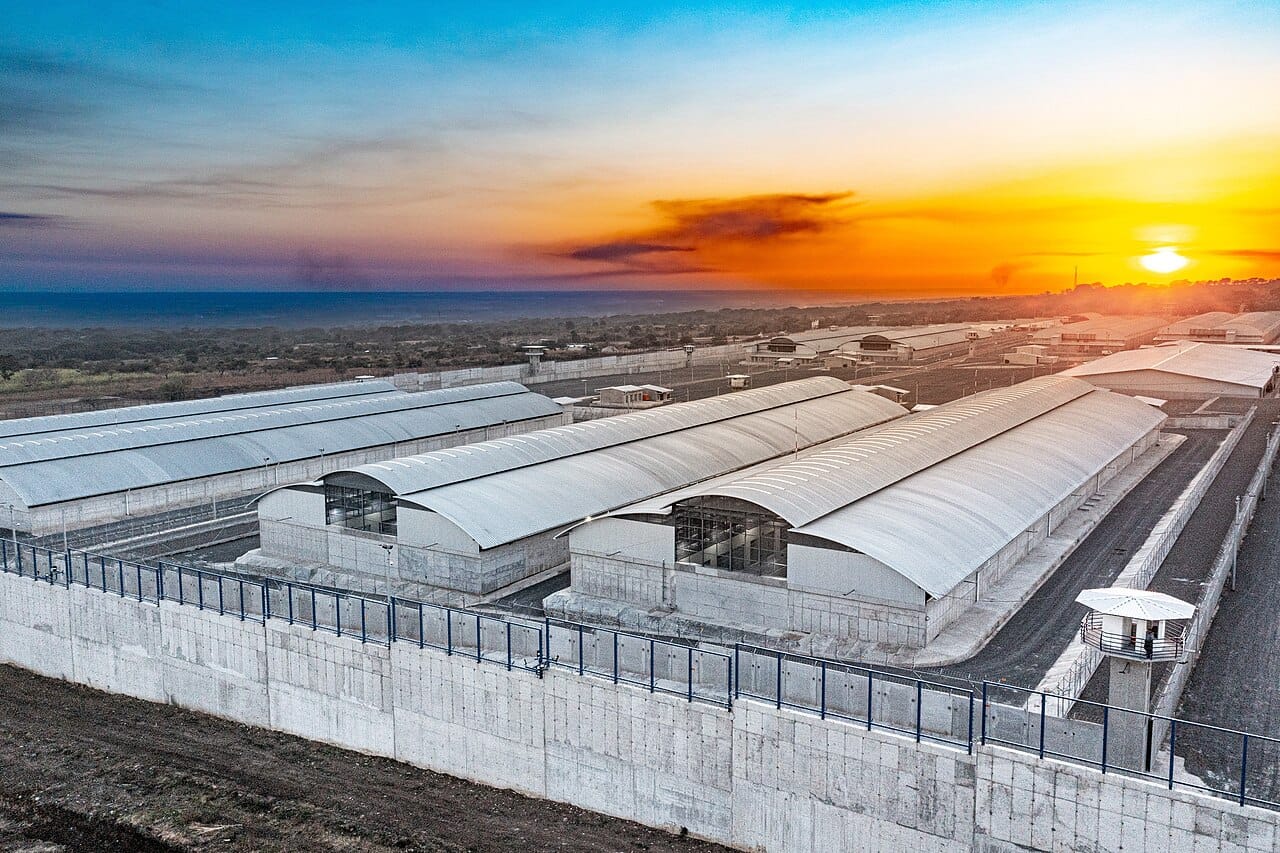
The crackdown is also fiercely contested. Human-rights groups record tens of thousands detained without proper trials, credible reports of innocent people swept up and of deaths in custody, and the effective suspension of due process, warning that a genuine security gain has come at the cost of the rule of law and unchecked presidential power; in 2025 El Salvador even agreed to house deportees sent from the United States in its prisons. Bukele's other great gamble, making El Salvador in 2021 the first country to adopt Bitcoin as legal tender, drew global attention but limited domestic uptake, and its official status was later rolled back under pressure from the International Monetary Fund, even as the government kept buying the currency. Whether Bukele represents a bold new model of the strong, effective state or a slide into authoritarian one-man rule is one of the most watched debates in the hemisphere. This account records the documented events.
El Salvador has a population of around 6.3 million people, the great majority of mixed indigenous and European descent, with small indigenous and other minorities, making it one of the more ethnically homogeneous countries of the region. Spanish is the official language. The country is the most densely populated on the Central American mainland, with people concentrated in the central highlands around the capital, San Salvador. A very large number of Salvadorans live abroad, especially in the United States, and the money they send home is one of the pillars of the economy.