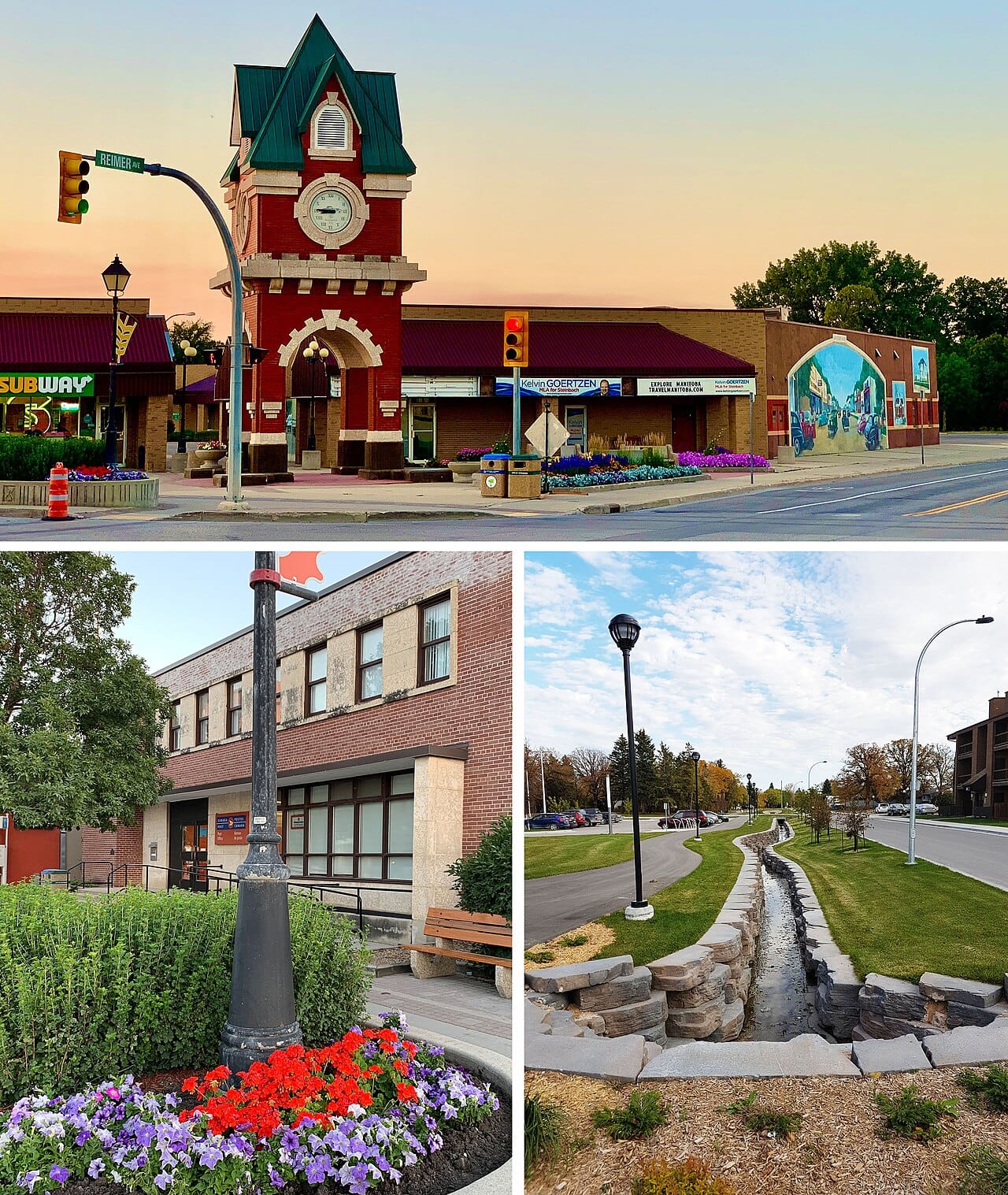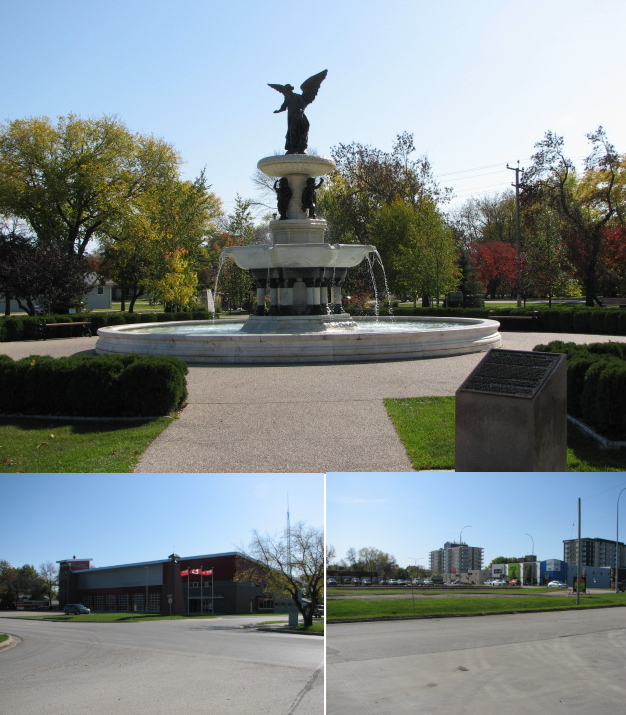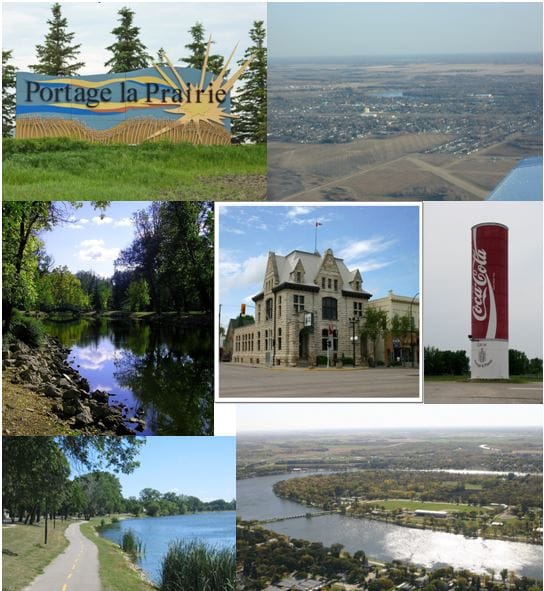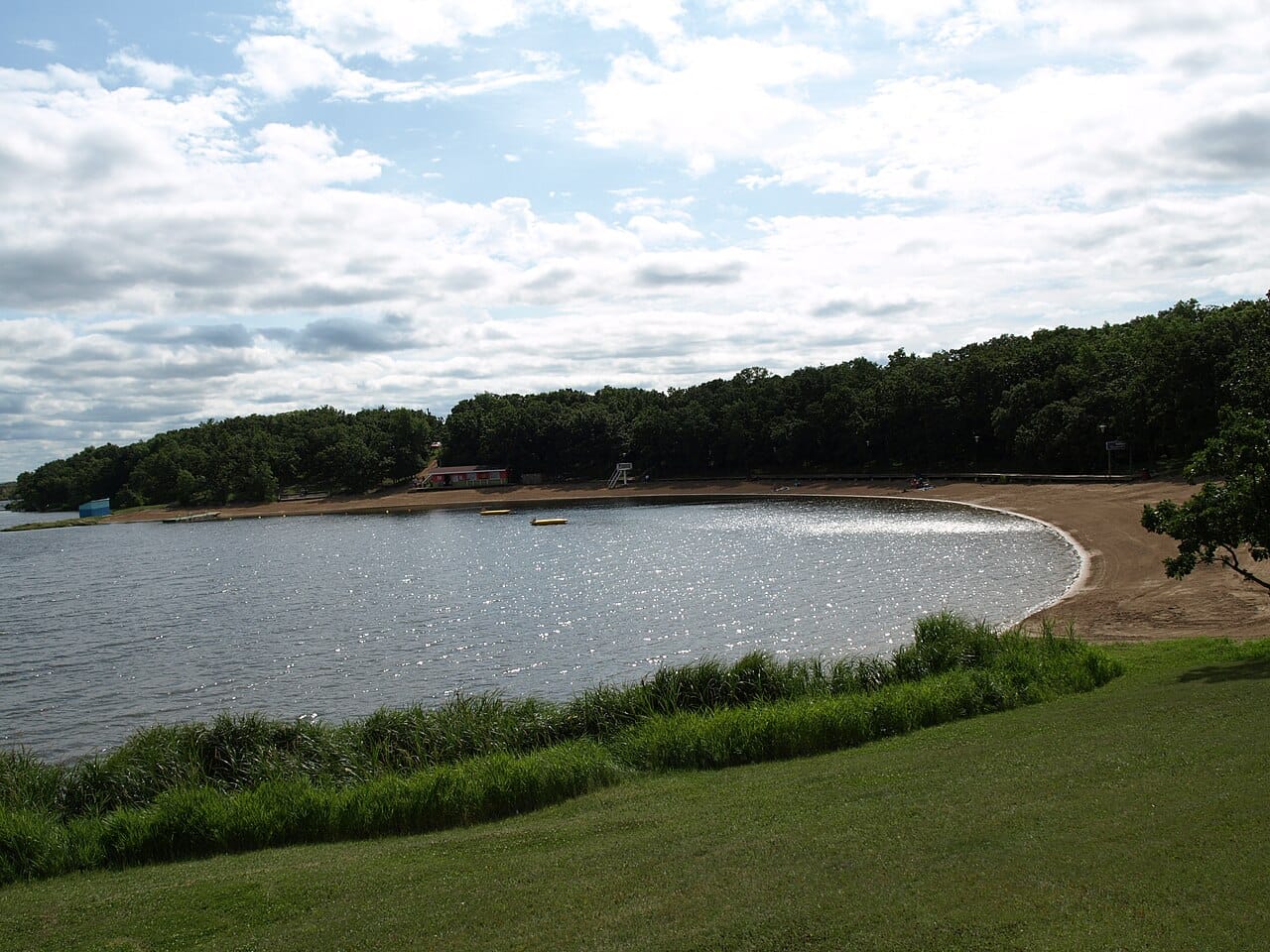
Morden is a city in the Pembina Valley of southern Manitoba, close to the United States border and about twenty kilometres west of Winkler, with 9,929 residents at the 2021 census. It is a farming and research centre with an unusually strong civic identity, best known nationally for two things: an annual harvest festival that has run since 1967, and a museum holding the largest publicly displayed mosasaur fossil in the world.
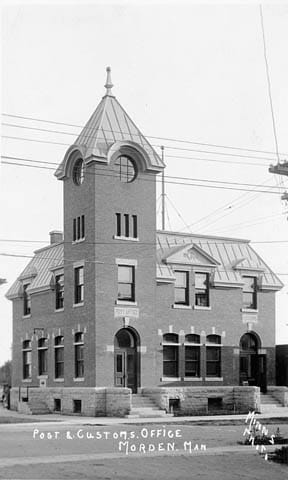
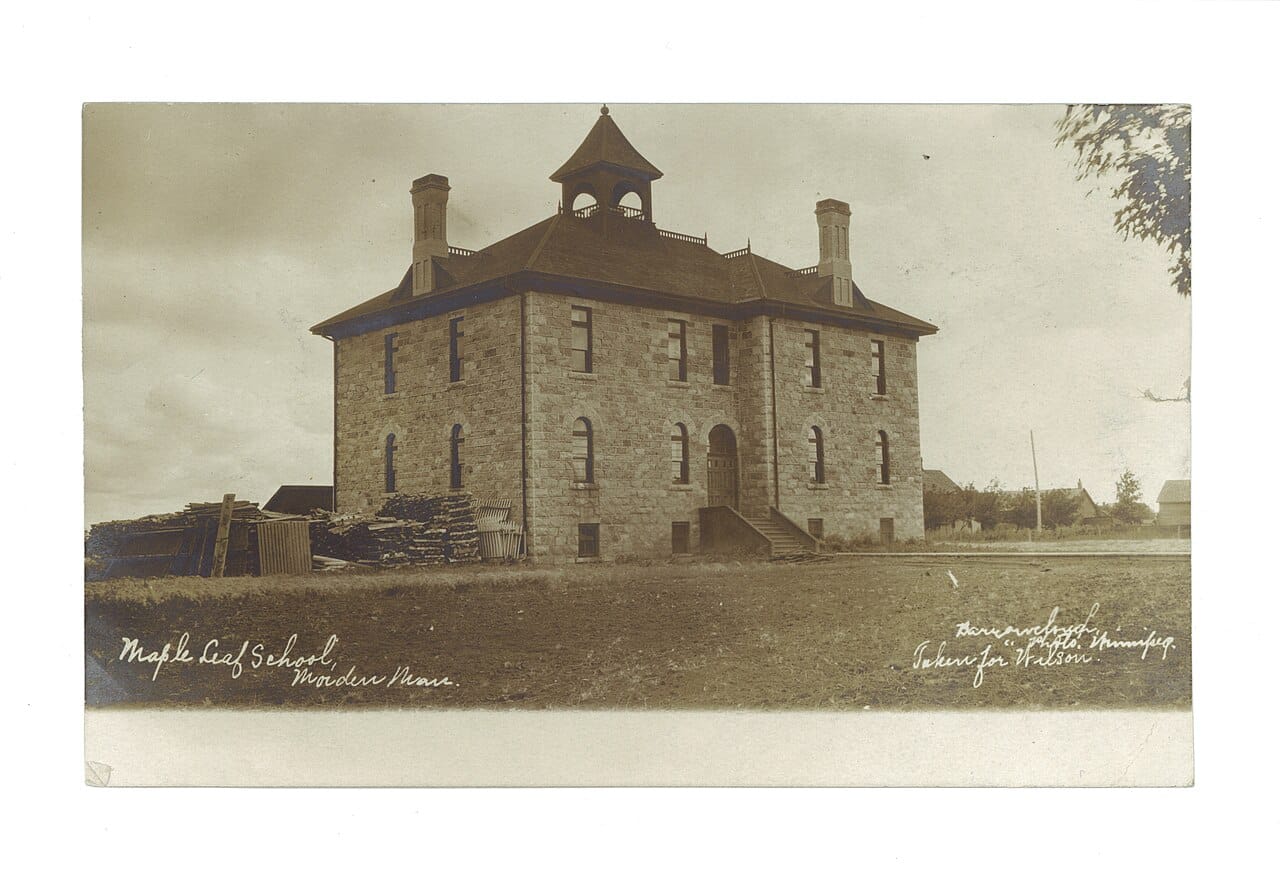
Morden grew, like Winkler, from the arrival of the Canadian Pacific Railway branch line in the early 1880s. The settlement that became the town moved to meet the tracks, absorbing the nearby community of Nelsonville, whose businesses relocated building by building.
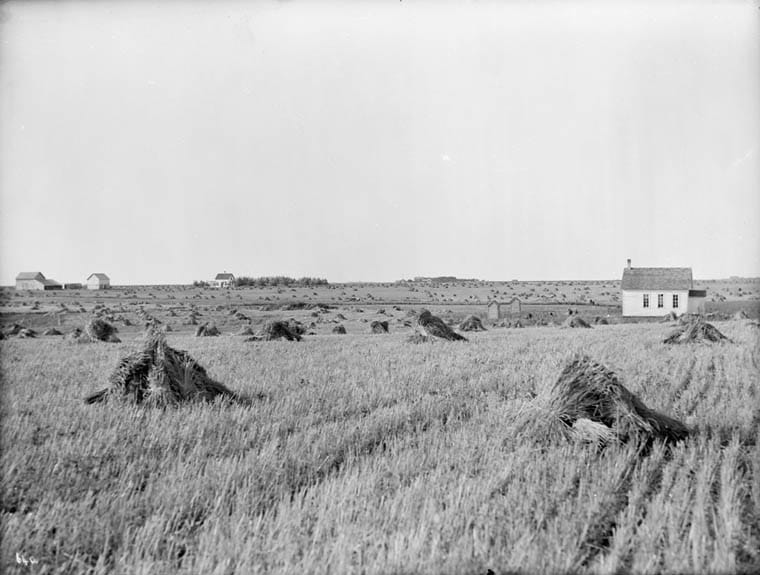
Unlike its neighbours to the east and west, Morden was settled substantially by English-speaking settlers from Ontario and the British Isles rather than by Mennonites, and the difference in institutions and civic style between Morden and Winkler, twenty kilometres apart, is still noticeable locally.
The Morden Research and Development Centre, established by the federal Department of Agriculture in 1915, gave the town a scientific role it has held ever since, developing crop varieties and hardy ornamentals suited to prairie conditions.
Morden sits at the foot of the Pembina Escarpment, the eroded edge of the Manitoba Escarpment that marks the western shore of glacial Lake Agassiz. The land rises west of the town and falls away east into the Red River valley.
That geology is the reason for the fossils. The shales of the escarpment were laid down on the floor of the Western Interior Seaway, the shallow sea that split North America during the late Cretaceous, and they preserve the marine reptiles that lived in it.
Lake Minnewasta, a reservoir created in the 1940s, supplies the city's water and forms its principal recreation area.
Morden is governed by a mayor and six councillors. It was incorporated as a town in 1902 and became a city in 2012.
Agriculture and food processing are the base, supported by manufacturing and by the research centre. The Pembina Valley's soil and climate support a wider range of crops than most of Manitoba, including maize, sunflowers, beans and orchard fruit.
Morden has pursued immigration deliberately as economic policy. Its community-driven immigration initiative, run in partnership with the province, has recruited skilled workers and their families directly and is regarded as a model by other small Canadian municipalities facing labour shortages and demographic decline.
The Western School Division serves the city.
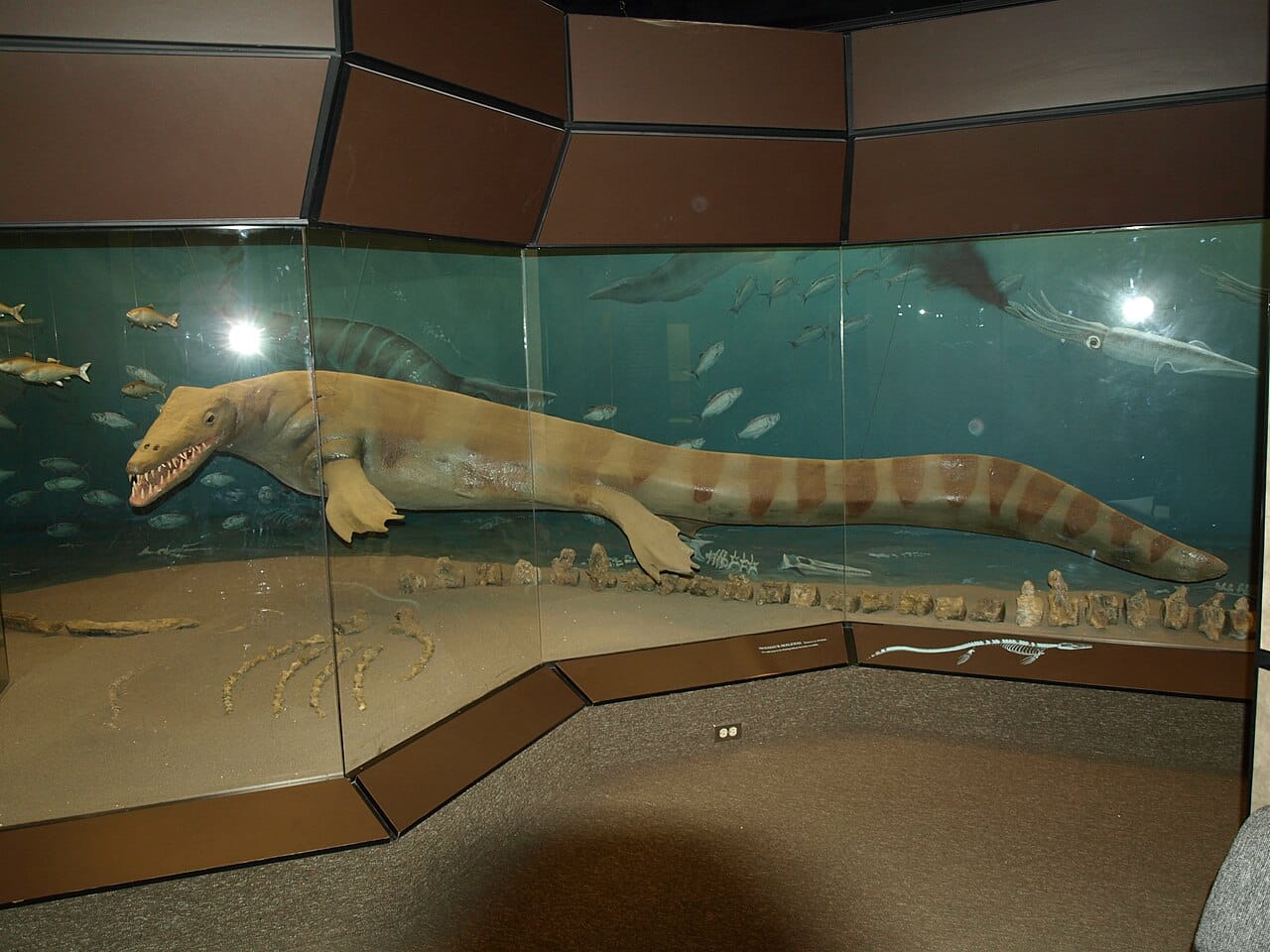
The Canadian Fossil Discovery Centre holds Canada's largest collection of marine reptile fossils. Its centrepiece is Bruce, a Tylosaurus pembinensis mosasaur excavated near Morden in 1974, measuring just over thirteen metres and recognised by Guinness World Records in 2014 as the largest publicly displayed mosasaur. A second specimen, Suzy, found in 1977 and over nine metres long, was unveiled in 2015.
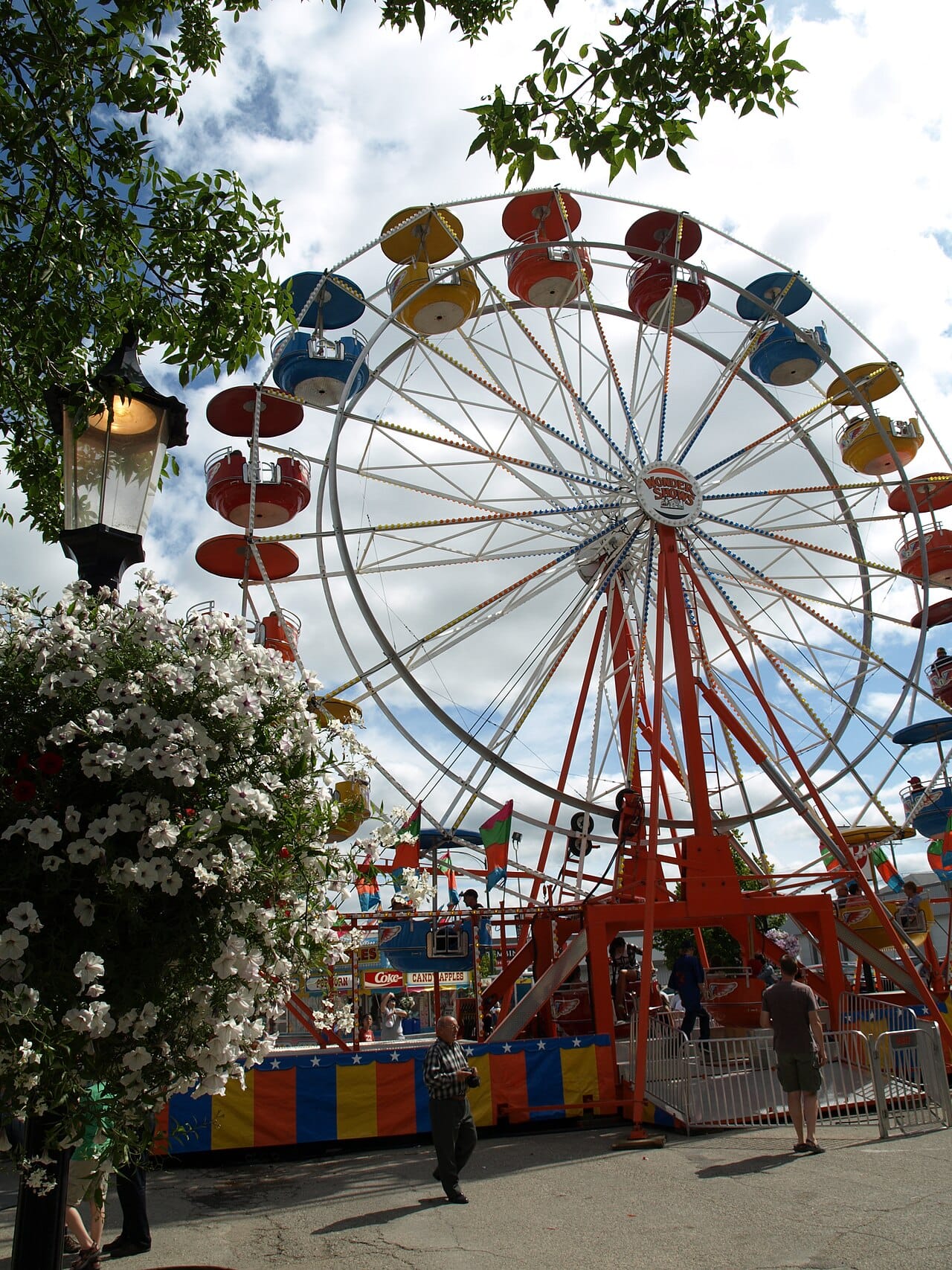
The Morden Corn and Apple Festival, held each August since 1967, is the city's defining public event. It gives away sweet corn and apple cider free of charge and attracts tens of thousands of visitors over three days, a scale that has made it one of the best known small-town festivals in western Canada.
The 2021 census recorded 9,929 residents. Morden has grown steadily, and a substantial share of that growth has come through its own immigration programme, which has brought families from Germany, Ukraine, the Philippines and elsewhere into a city that would otherwise have aged and shrunk.