The agricultural biology of Trofim Lysenko, adopted as official Soviet doctrine from the 1930s to the mid-1960s, which rejected genetics as a discipline and claimed that acquired characteristics could be inherited and species transformed. Its claims failed, and its enforcement destroyed Soviet biology for a generation.
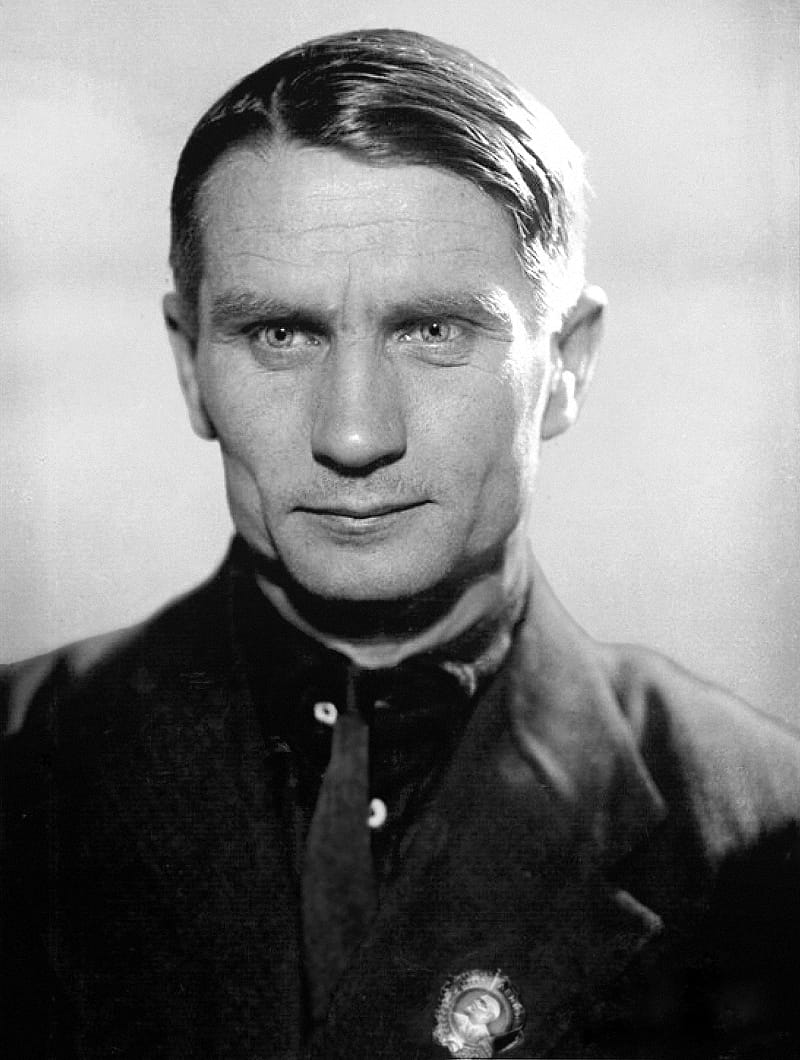
Lysenko came to notice around 1928 with vernalization, the treatment of seed with cold and moisture before sowing. The practice itself is real and long known: many crops require a period of chilling before they will flower, and treated seed can be sown in spring rather than autumn.
His claims went far beyond the practice. He asserted that the treatment altered the plant's heredity, so that treated seed would produce descendants permanently converted from a winter to a spring form. He later claimed that one species could be transformed into another, that wheat could give rise to rye, and that plants of the same species did not compete with one another, a proposition used to justify sowing at extreme densities.

He denied the existence of genes, describing chromosomal genetics as a bourgeois invention, and argued that heredity was a property of the whole organism shaped by its conditions of life.
The appeal was not only agricultural. A biology in which organisms are remade by their environment fitted the political premise that human beings could be remade by changed conditions, and it promised rapid gains without the slow work of conventional breeding.
Vernalization does not alter the genome. It is a change in the state of the plant, mediated by chromatin modification at flowering-control genes, and it is reset in the next generation. This is well characterised, and the reset is the point: the treatment must be applied again to each generation, which is exactly what Lysenko denied.
Species do not transform into one another by cultivation. The claimed conversions of wheat into rye were never demonstrated under controlled conditions, and the reports are explained by contamination of plots with seed of the other species.
Plants of the same species compete intensely, more so than with other species, because they require identical resources. Dense sowing on the recommended pattern reduced yields.
The general claim, that characteristics acquired during an organism's life are transmitted to offspring, is the Lamarckian proposition treated in its own capsule, and it fails for the same reason there: there is no route from a modified body back into the germ line.
The practical test was the one that mattered and it was never passed. Lysenko's methods were adopted across an enormous agricultural system for three decades without producing the promised yields, and the supporting data were assembled through selective reporting rather than controlled trials.
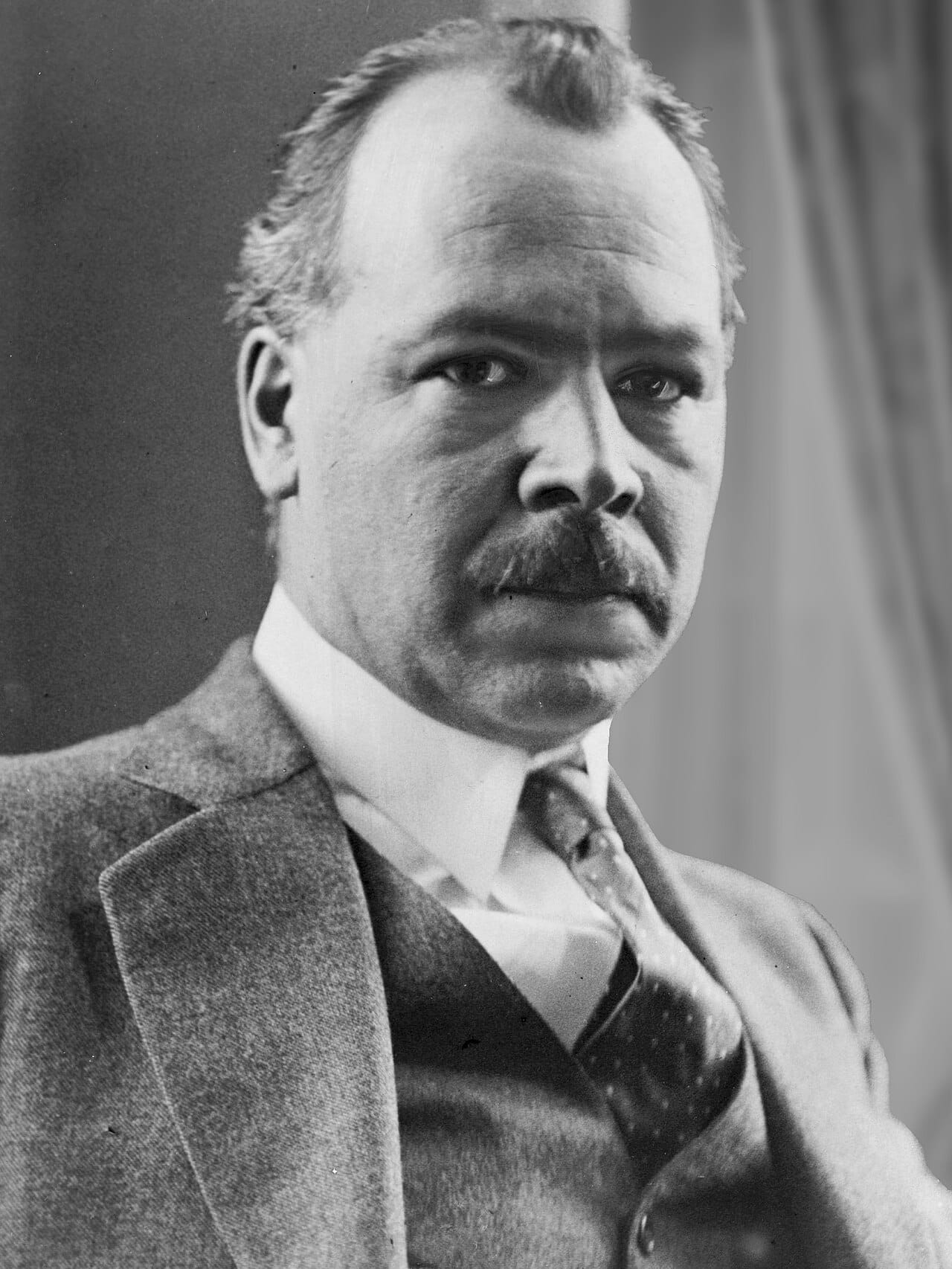
Nikolai Vavilov was the leading plant geneticist of his generation, the founder of a collection of crop varieties assembled from expeditions across five continents, and the principal scientific opponent of Lysenko's claims. He was arrested in 1940, sentenced to death, had the sentence commuted, and died of malnutrition in a Saratov prison in 1943.
His collection survived the siege of Leningrad because members of his institute chose to starve rather than eat the seed stores under their protection. Several of them died at their posts.
In August 1948 a session of the Lenin All-Union Academy of Agricultural Sciences declared Mendelian genetics prohibited. Laboratories were closed, teaching was rewritten, and researchers lost positions or were imprisoned. The consequences extended into medicine and into the emerging field of molecular biology, where the Soviet Union began the 1950s excluded from work that was transforming the discipline elsewhere.
Lysenko retained influence under Khrushchev and lost it after Khrushchev's removal in 1964, when a commission examined his experimental station and found the record did not support the claims.
Lysenko is periodically described as vindicated by epigenetics, and the claim does not hold.
Epigenetic marks do modify gene expression in response to environment, and in some organisms some marks persist across one or a few generations. That is a real and active field.
It is not what Lysenko claimed. Transgenerational effects that have been demonstrated are limited in duration, are mostly reset during germ cell formation in mammals, act on gene expression rather than on gene content, and do not convert one species into another. Epigenetic regulation operates on a genome, so it presupposes the genetics that Lysenko denied outright.
Lysenkoism is the standard case of what happens when a scientific question is settled by authority. The claims were testable, the tests were available, and the mechanism that prevented resolution was that dissent carried professional and personal danger.
The relevant lesson is structural rather than national. What failed was not the intelligence of Soviet biologists, many of whom knew the claims were false, but the removal of the conditions under which being wrong can be demonstrated safely.