Domesticated animals kept for food, fibre, labour and other products. Livestock made agriculture viable on land that grows no crops, and they are now among the largest single sources of greenhouse gas emissions.
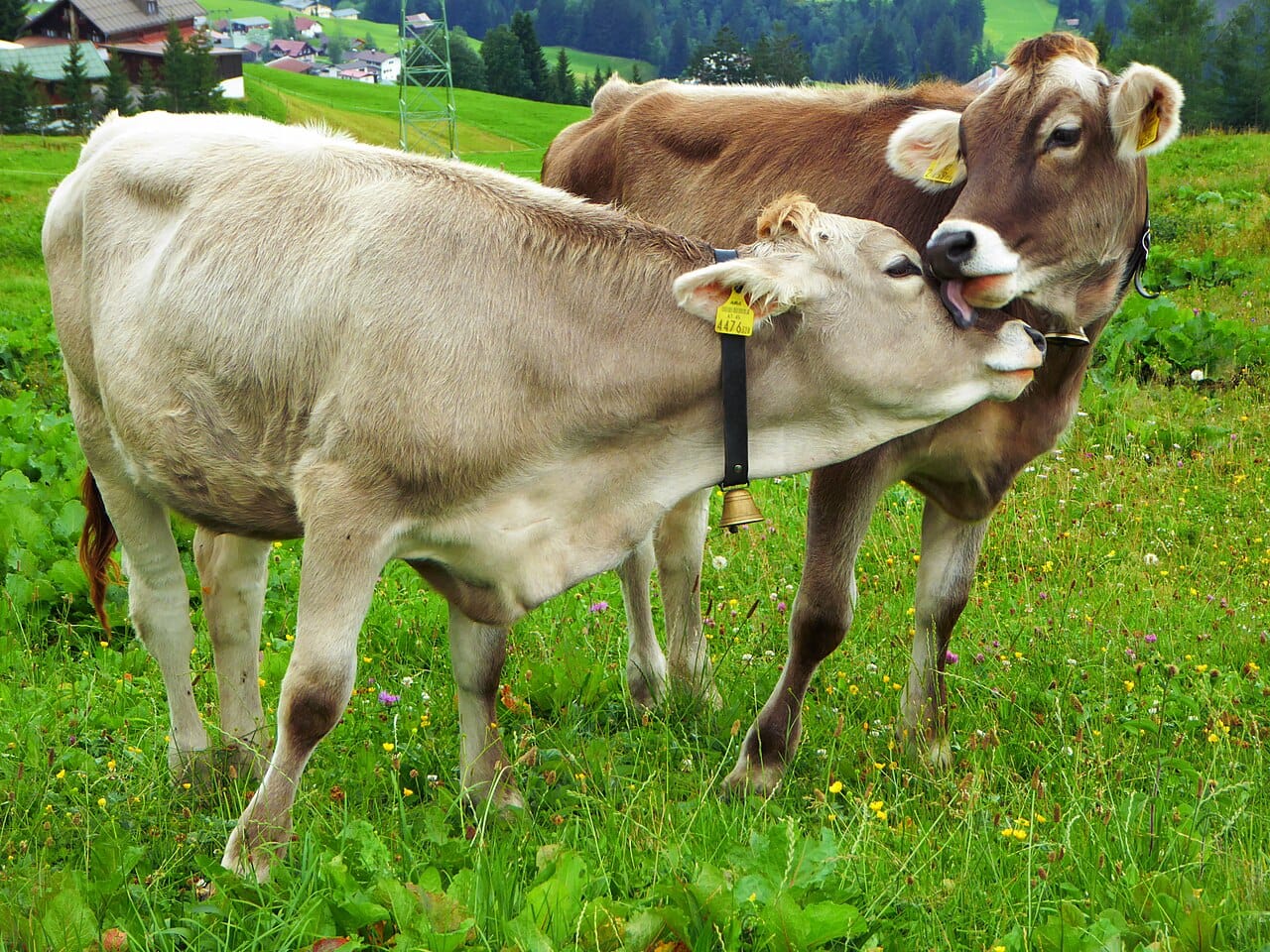
Converting inedible plants into food is the fundamental function. Ruminants digest cellulose using microbial fermentation in a specialised stomach, which humans cannot do, so grass, crop residues and browse become milk and meat.
This matters because a great deal of the world's agricultural land cannot grow crops. It is too steep, too dry, too cold or too poor, and grazing is the only way to obtain food from it.
Draught power was historically as important as food. Oxen and horses provided the traction for ploughing and transport across most of the world until mechanisation, and still do in many places.
Fibre, hide, bone, horn and dung follow. Dung is fuel and fertiliser across large parts of the world, and its removal from a farming system has to be replaced with something.
Wealth and social function are not incidental. Cattle serve as stored wealth, as bridewealth and as a measure of status in many societies, and herd size in such systems is not primarily an economic decision, which is why programmes assuming otherwise have failed.
Manure closes the nutrient loop in mixed farming, returning nitrogen and phosphorus to soil, and the separation of livestock from crop production into specialised operations broke that loop, producing a fertiliser requirement in one place and a waste disposal problem in another.
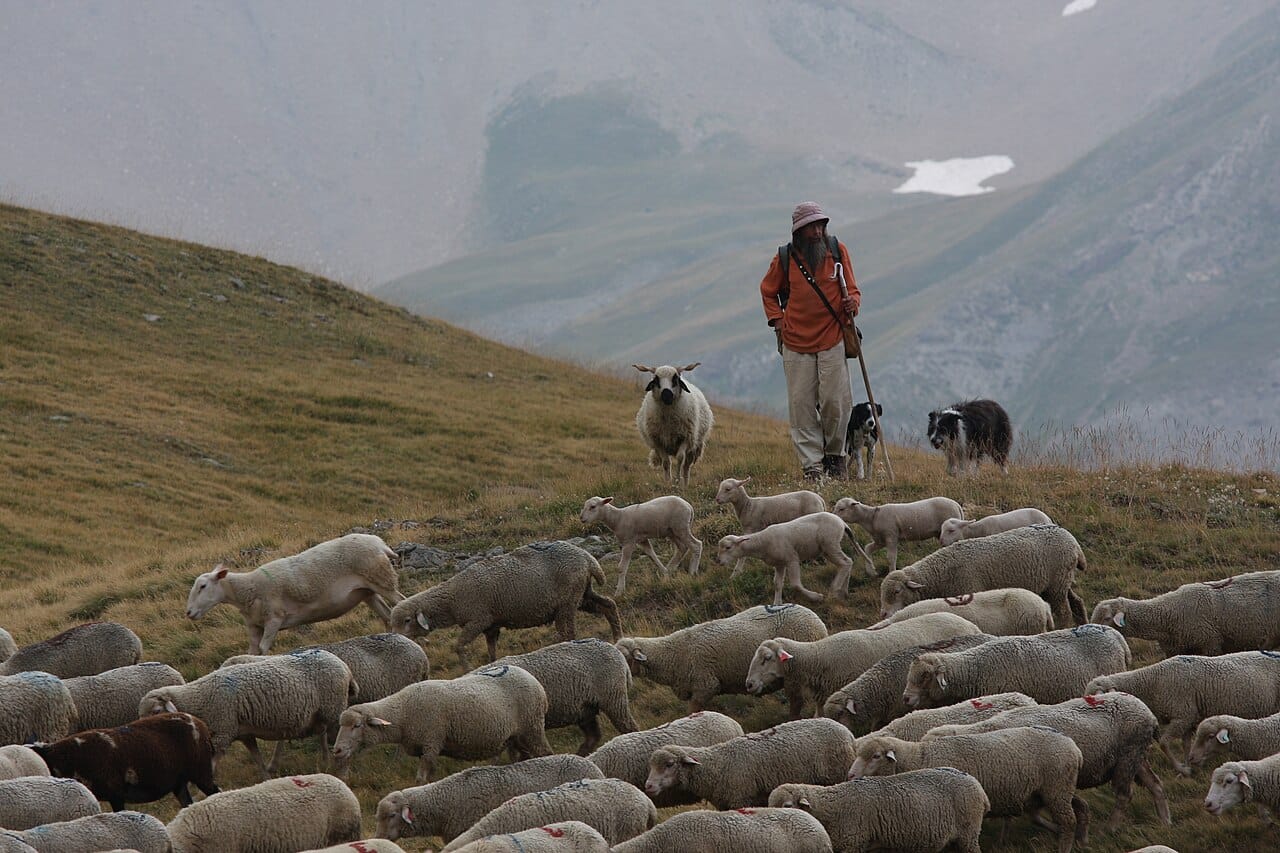
Sheep and goats were domesticated in Southwest Asia around ten to eleven thousand years ago, cattle shortly after from the wild aurochs, and pigs independently in more than one place.
Chickens were domesticated in Southeast Asia from junglefowl and are now the most numerous bird on Earth by an enormous margin.
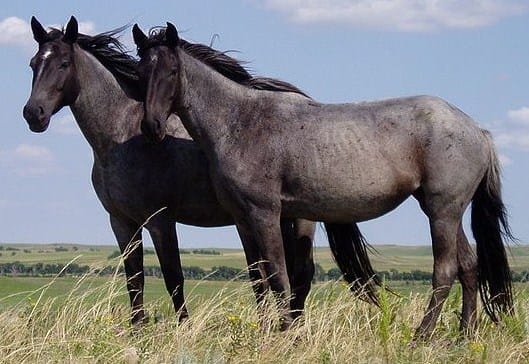
Horses were domesticated later, on the Eurasian steppe, and their effect on mobility and warfare was out of proportion to their number.
Domestication changed the animals physically. Reduced body size, smaller brains, retained juvenile features, coat colour variation and altered reproductive timing appear across domesticated species, a cluster called domestication syndrome, and the explanation remains debated.
Lactase persistence in adult humans evolved separately in several populations after dairying began, which is one of the clearest cases of a cultural practice driving human genetic change.
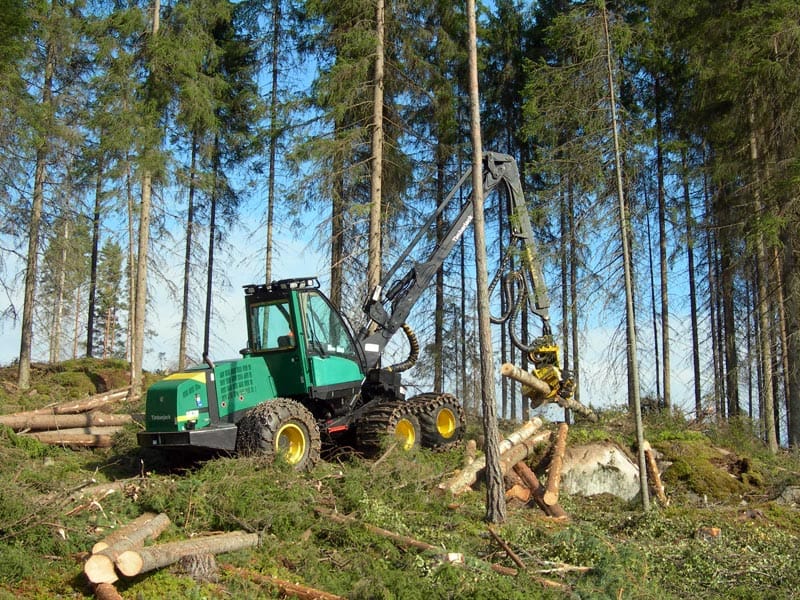
Intensification transformed the sector in the twentieth century. Selective breeding, formulated feed, veterinary medicine and controlled housing raised output per animal dramatically: dairy yield per cow and the growth rate of broiler chickens both increased several fold within a few decades.
Specialisation separated livestock from crops. Animals moved from mixed farms into dedicated operations, feed is grown elsewhere and transported, and this is efficient in production terms and is what broke the nutrient cycle described above.
Antibiotic use in livestock exceeds human medical use in many countries, and a substantial share has historically been for growth promotion rather than treatment. This selects for resistant bacteria, and the link to human resistance is established for several organisms, which the antibiotic resistance capsule treats. Growth-promotion use is now banned in the European Union and restricted elsewhere.
Disease in dense populations is a standing risk. Avian influenza, foot and mouth disease and African swine fever have each caused mass culls, and the last removed a substantial fraction of the world's pig population within a few years.
Livestock account for roughly fourteen per cent of global greenhouse gas emissions on common estimates, though the figure varies with methodology and boundaries.
Methane is the largest component. Ruminant digestion produces it, and methane is a far more potent greenhouse gas than carbon dioxide over a twenty year period while persisting in the atmosphere for around a decade rather than centuries. How to weigh a short-lived potent gas against a long-lived weaker one is a genuine methodological dispute with real consequences for how the sector is assessed.
Land use is the larger effect by some measures. Grazing and feed production occupy a substantial share of habitable land, and clearing for pasture and feed crops is a leading driver of deforestation, particularly in South America.
Efficiency varies enormously by system and by animal. Beef requires far more land, water and feed per unit of protein than poultry, pork, eggs or dairy, and the difference between the best and worst production systems for the same product is larger than the difference between some products.
The strongest arguments on each side are not the popular ones. Against livestock: the land used for feed crops could feed people directly, and the emissions are large and reducible by dietary change faster than by technology. For livestock: ruminants on land that cannot grow crops produce food from nothing else usable, and mixed systems maintain soil fertility, so the case against grain-fed intensive beef is much stronger than the case against grazing marginal land.
Welfare is a separate argument that does not reduce to emissions. Confinement systems including battery cages and gestation crates have been banned or restricted in a number of jurisdictions, and the evidence on animal cognition and pain has strengthened the case rather than weakened it.
Livestock are how a large part of the world's land produces food at all, and a billion people depend on them directly for livelihood, which is why proposals treating them as simply a problem to be removed do not survive contact with where they are kept.
They are also the sector where the environmental accounting is genuinely difficult rather than merely disputed. The answer depends on which gas metric is used, on whether the land could do anything else, and on which system is being described, and confident single numbers in either direction generally conceal those choices.