Between the 1950s and the 1980s, new crop varieties and the inputs they required roughly tripled cereal production across much of Asia and Latin America. It is credited with averting famines that were widely predicted, and it carried costs that are still being paid.
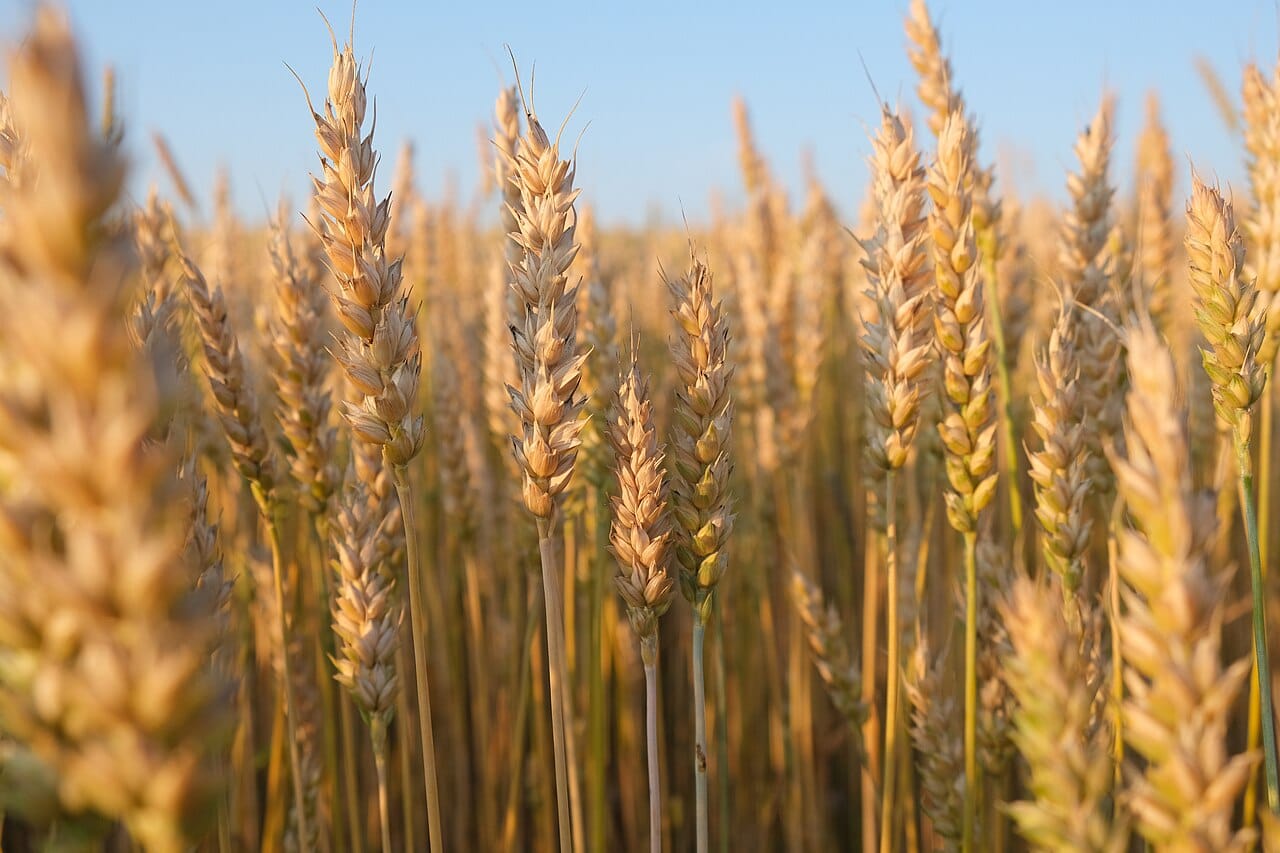
The core innovation was a plant of a different shape. Traditional wheat and rice varieties respond to heavy fertiliser by growing tall and then falling over, which destroys the crop. Semi-dwarf varieties put the extra growth into grain rather than stem, so they can absorb far more nitrogen without lodging.

Norman Borlaug developed the wheat varieties in Mexico from the 1940s, working on disease resistance and then on dwarfing genes obtained from Japanese stock. The International Rice Research Institute released IR8 in 1966, which did the same for rice. Borlaug received the Nobel Peace Prize in 1970.
The varieties only work as part of a package: fertiliser, controlled irrigation, pesticides, and often credit to buy them. This is central to both the achievement and the criticism.
The numbers are not in dispute. Indian wheat production rose from around 12 million tonnes in the mid 1960s to over 70 million by the late 1990s. Mexico became a wheat exporter, having imported half its supply in the 1940s. World cereal production roughly doubled between 1960 and 1990 while cultivated area grew only slightly.
Famine forecasts that were mainstream in the 1960s, including Paul Ehrlich's prediction of hundreds of millions of deaths in the 1970s, did not come to pass. Estimates of lives saved run to a billion, which are necessarily counterfactual, though the direction is not seriously contested.
Nitrogen fertiliser applied beyond what plants absorb runs off into water. Aquatic systems downstream of intensive agriculture suffer algal blooms and oxygen depletion, and the resulting dead zones are large and persistent.
Irrigation drew down groundwater faster than it recharges. Punjab and Haryana, the states where the Indian Green Revolution was most successful, are among the most severely depleted aquifer regions in the world, and satellite measurement has confirmed the losses.
Replacing thousands of local landraces with a small number of high-yielding varieties narrowed the genetic base of the world's staple crops, which is a standing vulnerability to new pests and diseases.
The package required capital. Farmers who could buy fertiliser, drill a well and access credit gained the most, and in several regions the result was consolidation: larger holdings absorbed smaller ones, and landless labourers gained least.
Vandana Shiva and others have argued that the revolution replaced diverse subsistence systems with input-dependent monocultures, transferring control to seed and chemical suppliers and leaving farmers exposed to input prices and debt. Critics of that position respond that the alternative was not a stable traditional agriculture but recurring famine, and that population growth left no realistic option.
Sub-Saharan Africa saw comparatively little effect. Its staples, sorghum, millet, cassava and yams, were not the focus of the breeding programmes; its soils, rainfall and farm sizes vary far more than the irrigated plains of Punjab; and the roads, credit and input markets the package assumes were largely absent. Cereal yields there remain a fraction of Asian levels.
The yield gains have largely plateaued in the regions that saw them, while water and soil constraints have tightened. The disagreement over what comes next runs between further intensification through genetic modification and precision inputs, and agroecological approaches that raise yields through diversity and soil management. Both sides invoke the Green Revolution as their evidence.