Kosovo is a landlocked country in the central Balkans of southeastern Europe, bordered by Serbia, North Macedonia, Albania, and Montenegro. The youngest country in Europe, it declared independence from Serbia in 2008 following a war and a period of United Nations administration, and it is recognised by a large number of countries but not by all, its sovereignty still disputed by Serbia. With a young, overwhelmingly ethnic Albanian population and a smaller Serbian minority, Kosovo is a small, developing nation working to build its institutions and economy after a turbulent recent history.
Kosovo's history is layered and fiercely contested, an ancient land that became a heartland of medieval Serbia, then an Ottoman province with an Albanian majority, and finally the youngest state in Europe.
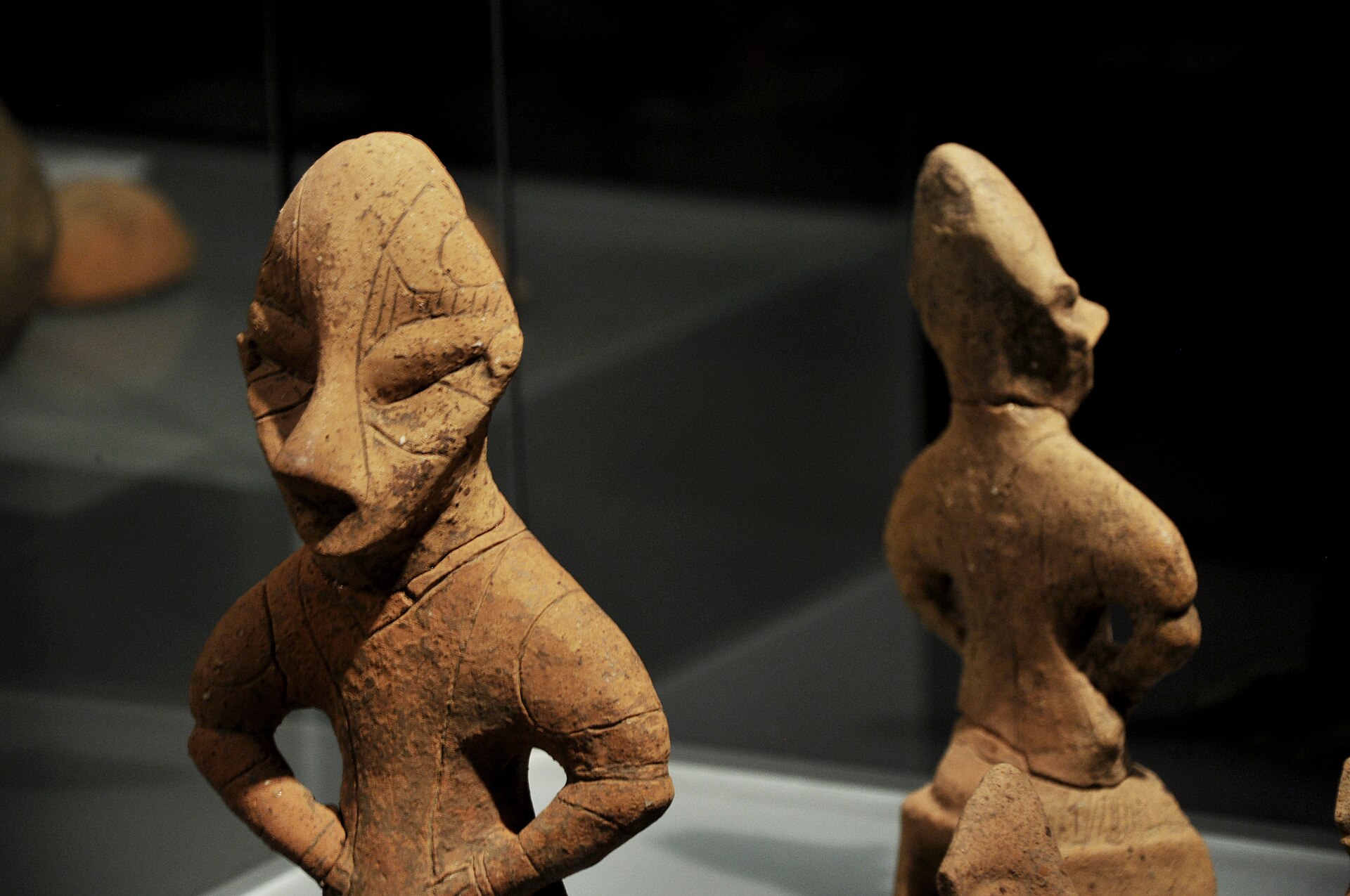
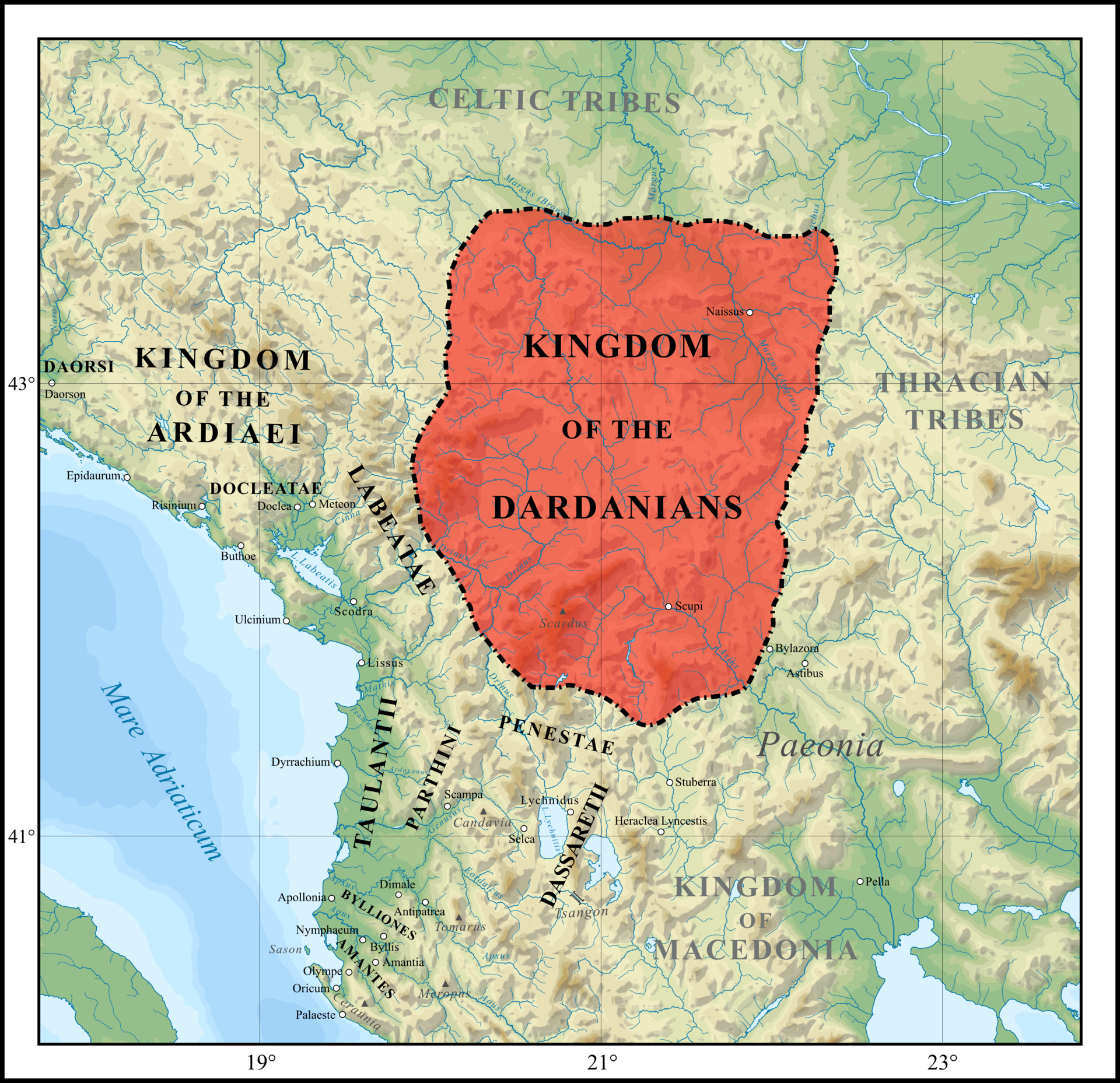
The region has been inhabited since the Stone Age, and its Neolithic cultures left striking figurines such as the Goddess on the Throne, now an emblem of Kosovo's capital. In antiquity it was the core of the kingdom of Dardania, an Illyrian and Thracian realm, before Rome absorbed it and built cities such as Ulpiana.
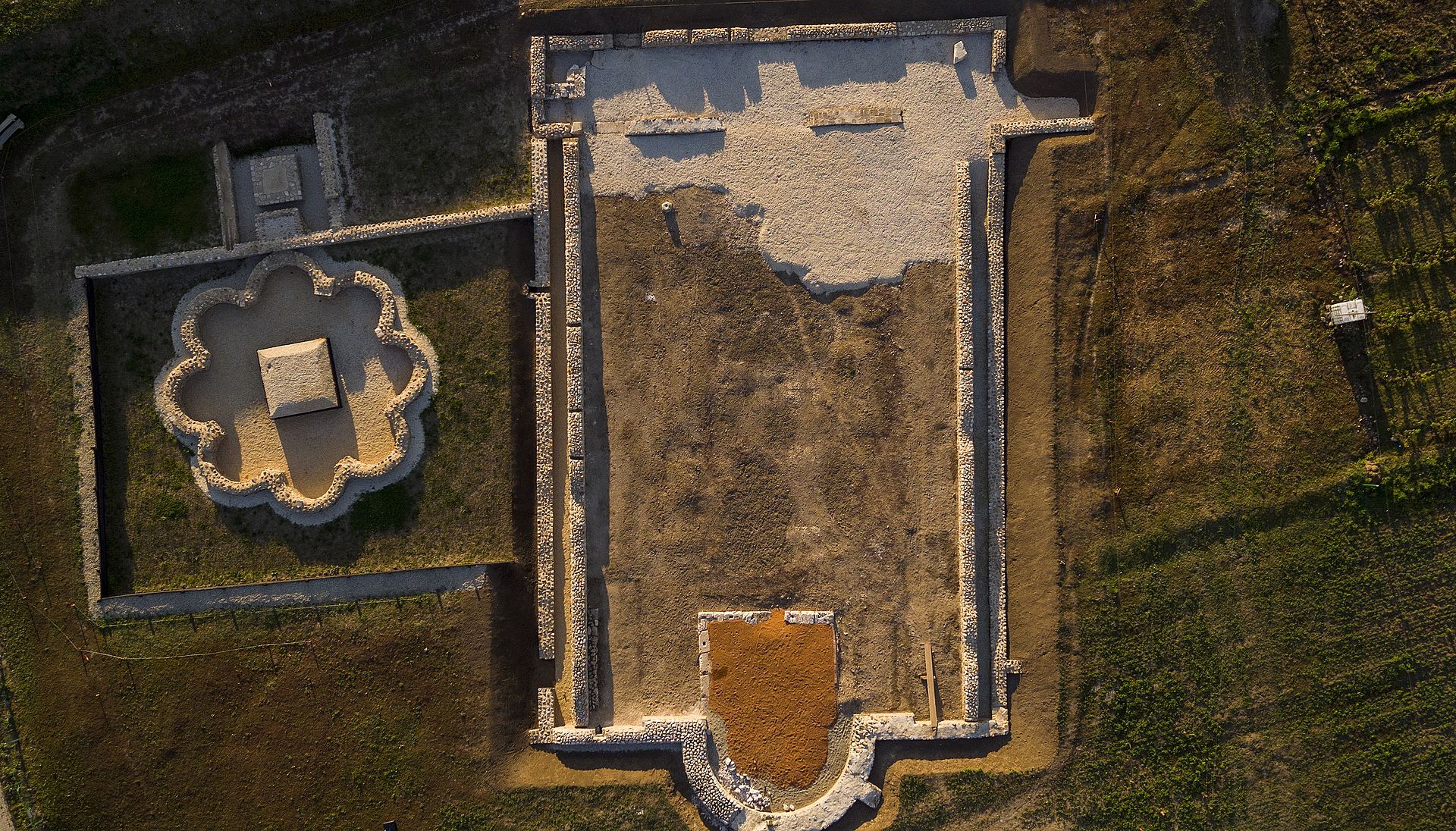
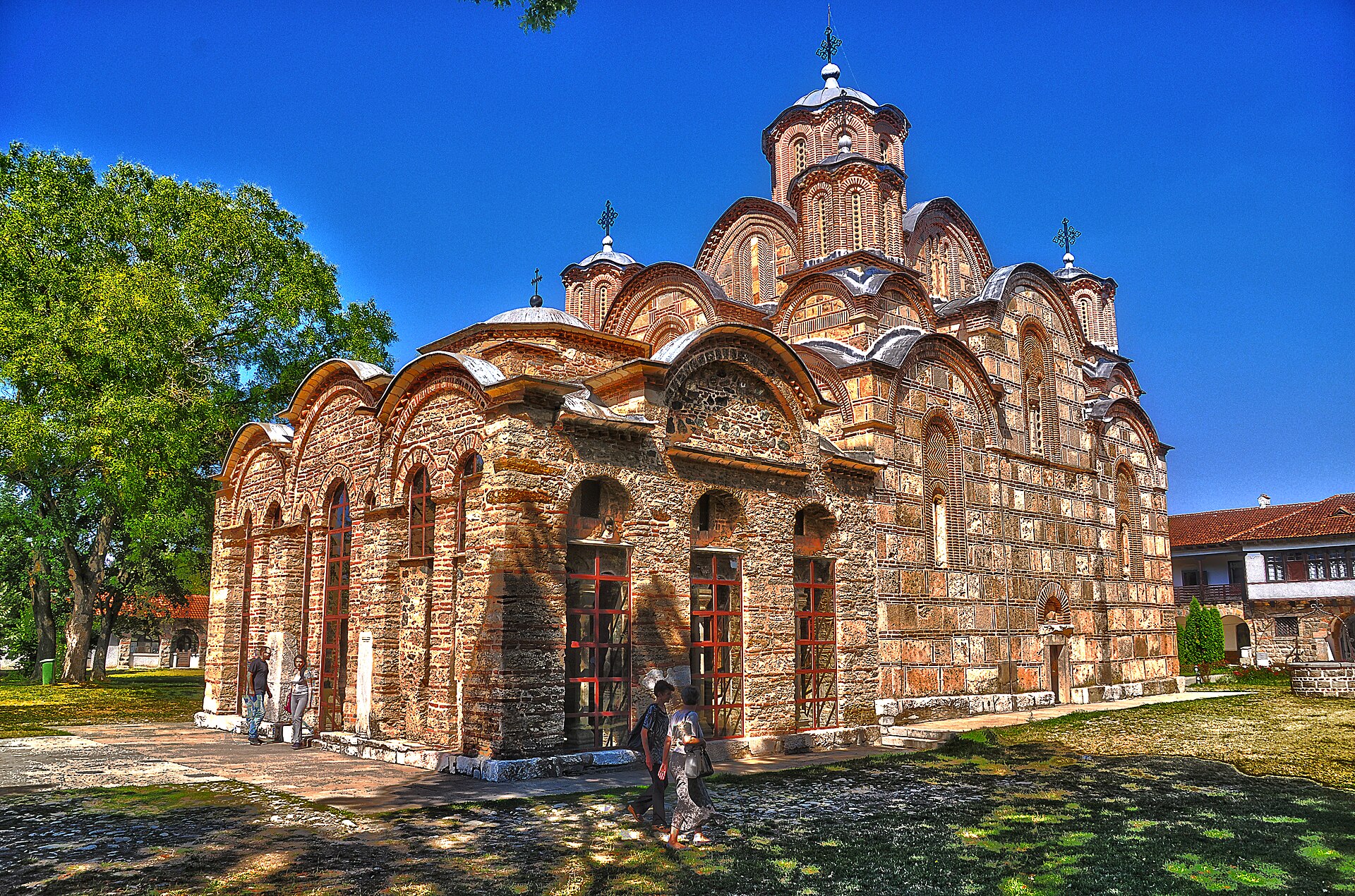
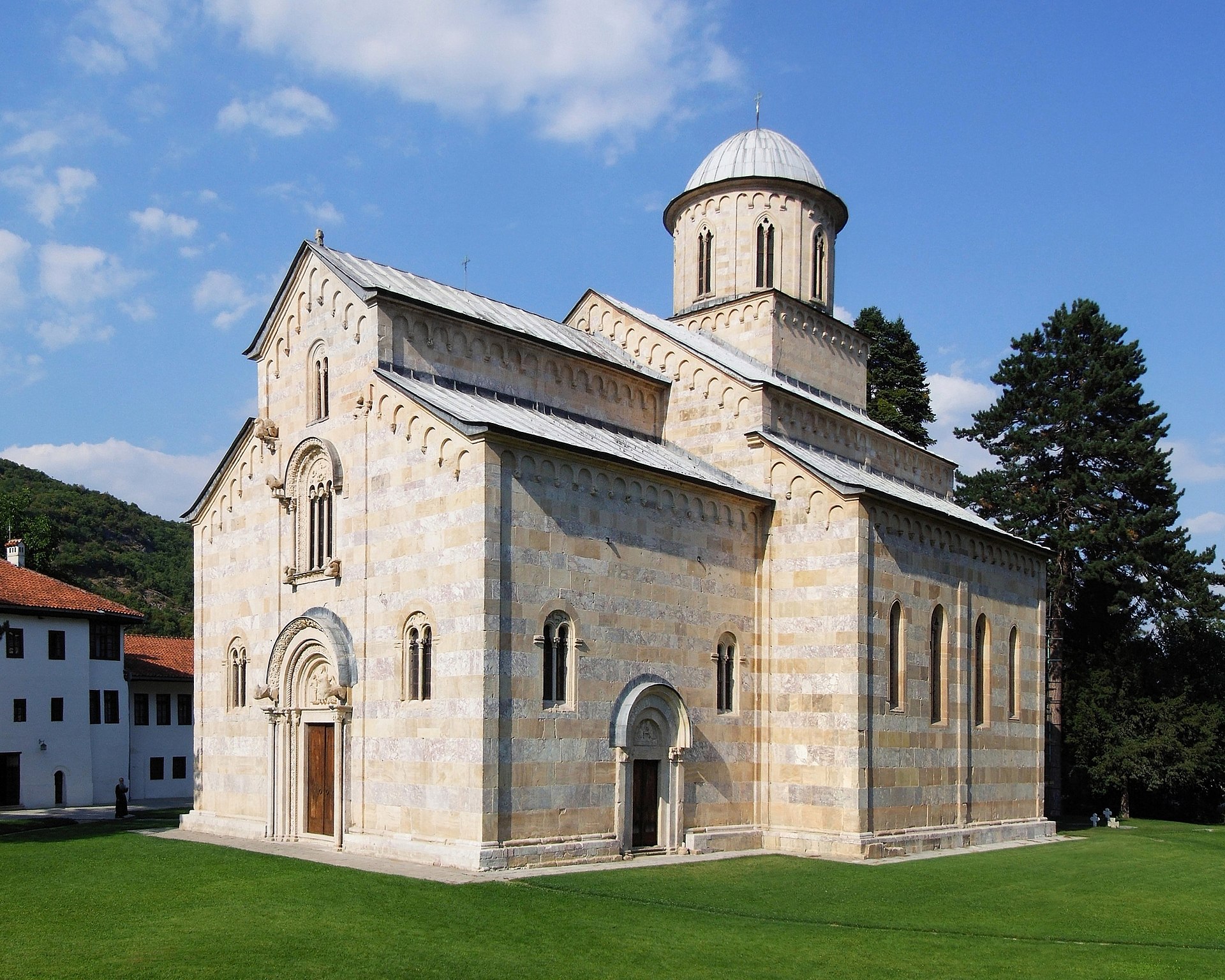
In the Middle Ages the region became the political and spiritual heart of the medieval Serbian kingdom and church, and it is dotted with magnificent Orthodox monasteries, such as Gracanica and Visoki Decani, that are among the greatest monuments of Serbian culture and remain sacred to Serbs. The Battle of Kosovo in 1389, a defeat by the advancing Ottomans, became the central myth of Serbian national memory. This medieval heritage is the root of Serbia's enduring claim to the land.
From the fourteenth century Kosovo fell under Ottoman rule for five centuries, during which most of its people came to follow Islam and its population became increasingly and then overwhelmingly ethnic Albanian. In the twentieth century it was part of Yugoslavia, as an autonomous province within Serbia. The stripping away of that autonomy fed a spiral of repression and resistance, culminating in a brutal war in the late 1990s between Serbian forces and Albanian insurgents, marked by atrocities and the mass expulsion of Albanians, which ended only when NATO intervened with a bombing campaign in 1999.
After the war of 1999, Kosovo was administered by the United Nations, and in 2008 it declared independence. It has since been recognised by a large share of the world's nations, including most of the West, and functions as a self-governing country with its own government, currency, and institutions. Yet its statehood remains genuinely contested. Serbia regards Kosovo as its own southern province, unlawfully severed, and a significant number of states, including Russia, China, and several European Union members, withhold recognition, which keeps Kosovo out of the United Nations.
Relations between Kosovo's Albanian majority and its Serbian minority, concentrated in the north around Mitrovica, remain tense and occasionally violent, and a European Union-mediated dialogue between Pristina and Belgrade, meant to normalise relations, has dragged on for years without a final settlement. Kosovo Albanians see their independence as the just outcome of a struggle for freedom from oppression; Serbia and its allies see it as an illegal secession from a sovereign state and a violation of international law. Whether Kosovo is a fully sovereign country is therefore not a settled fact but one of the live disputes of European politics.
Kosovo is a small, landlocked, and largely mountainous country, set on a plateau ringed and crossed by mountain ranges that rise along its borders, with fertile basins and plains between them where most of the population and farming are found. Rivers rising in Kosovo flow out to three different seas. The climate is continental, with cold winters and warm summers. The mountains, including parts of the so-called Accursed Mountains in the west, offer dramatic scenery and a growing potential for tourism, while the central plains form the agricultural and urban heart of the country.
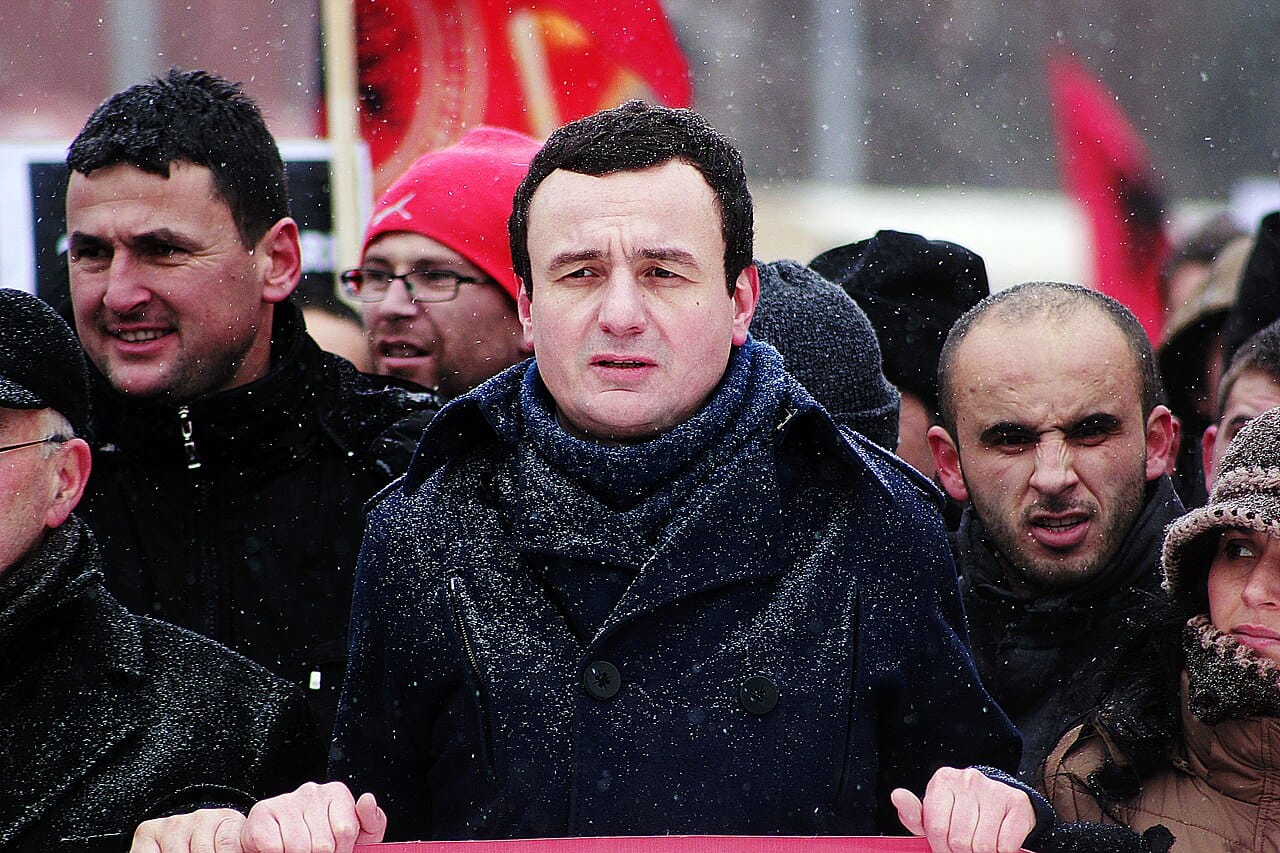
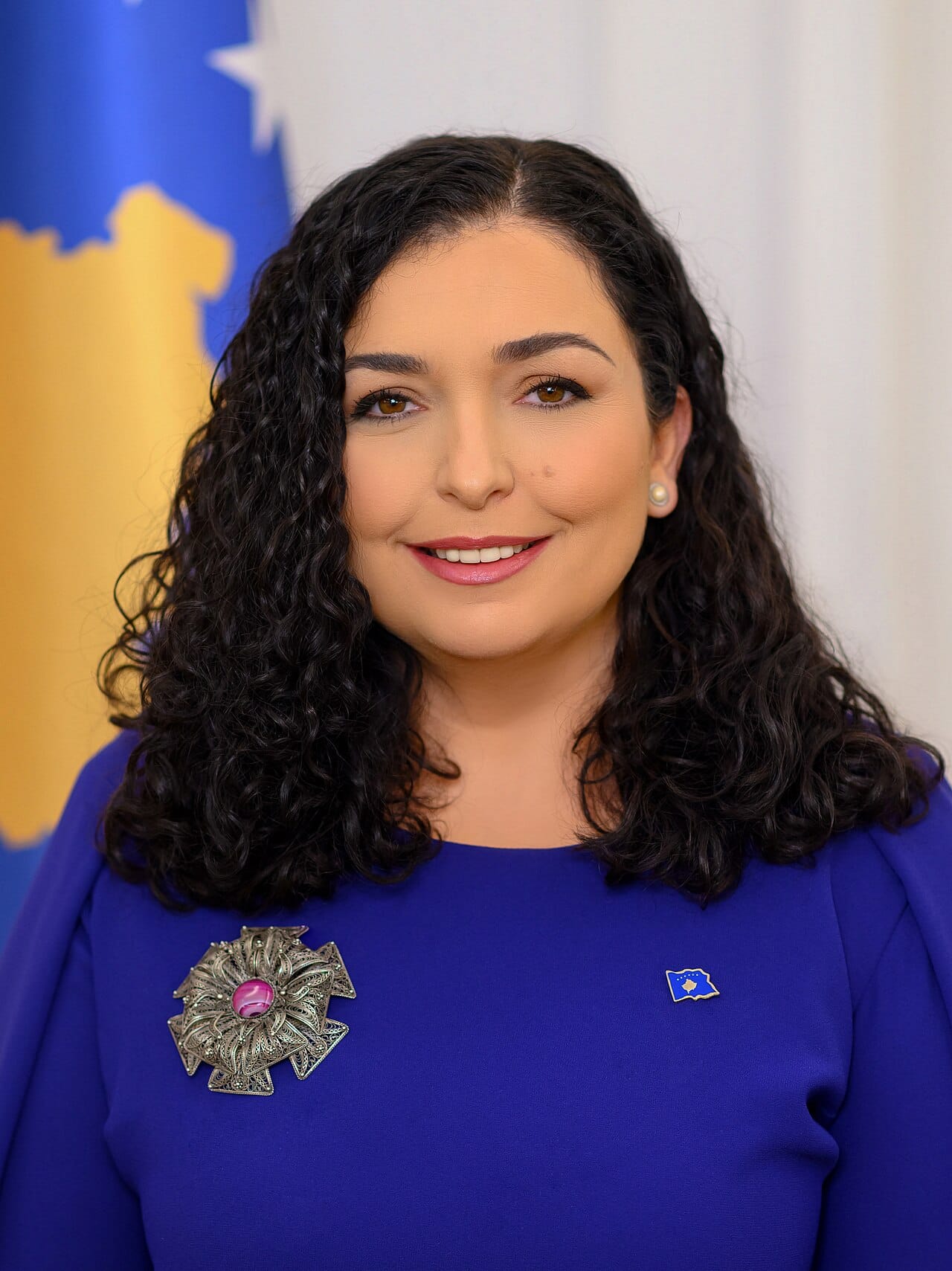
Kosovo is a parliamentary republic, young and still building its institutions, whose politics is dominated by the legacy of the independence struggle and the unfinished business with Serbia. The leading figure of recent years is Prime Minister Albin Kurti, whose left-nationalist Vetevendosje movement swept to power in 2021 on promises of clean government and a firmer line toward Belgrade and toward the restive Serb-majority north. His assertive approach has delivered greater control over the north but also friction with Kosovo's Western backers, and after inconclusive elections in 2025 the formation of a stable government proved difficult. The president, a largely ceremonial role, is Vjosa Osmani. Above all, Kosovo's political life is defined by two goals that remain out of reach: wider international recognition, and eventual membership of the European Union.
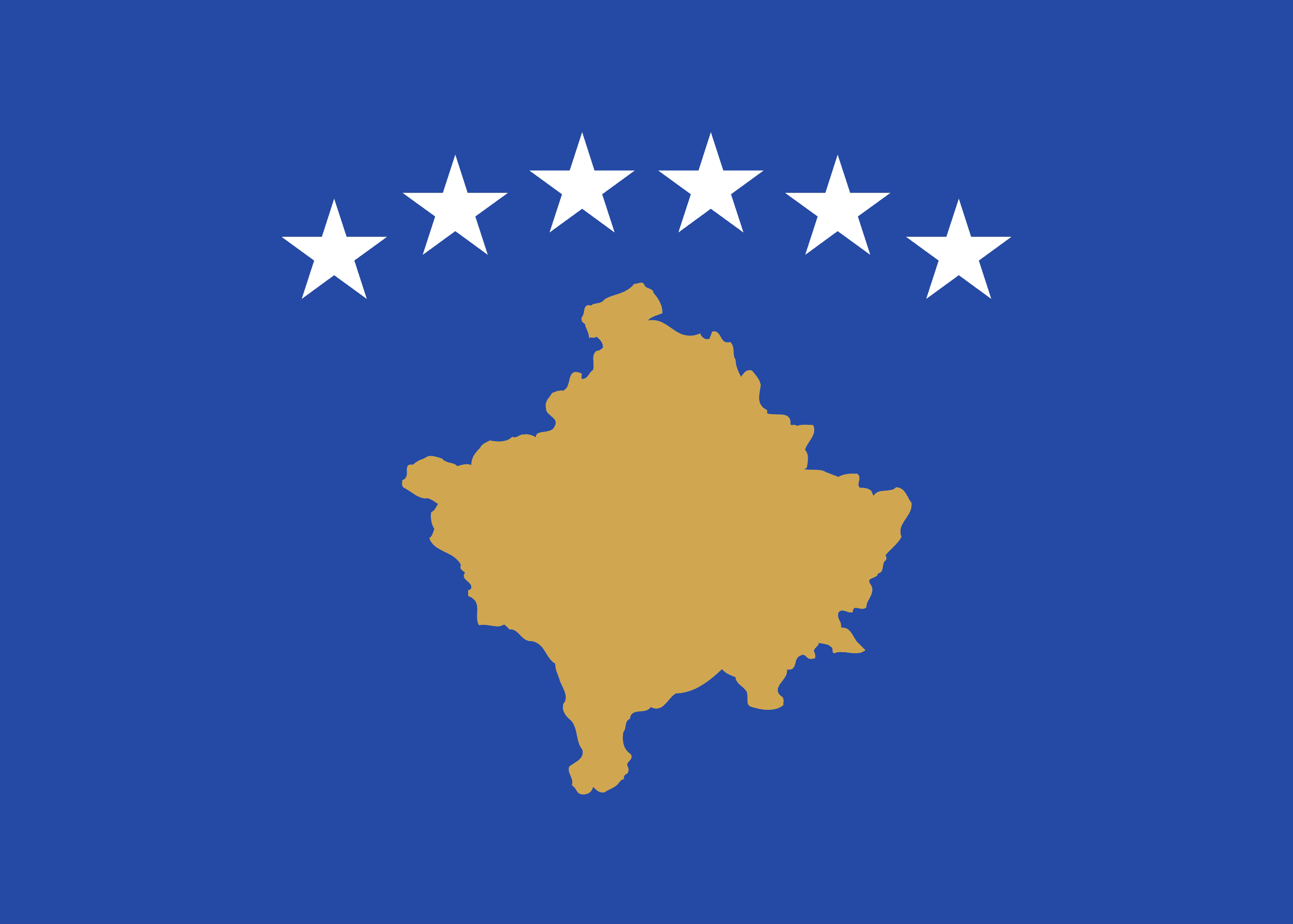
The flag of Kosovo has a blue field bearing a golden map of the country in the centre, above an arc of six white stars. The map represents the territory of the new nation, and the six stars are intended to symbolise its six main ethnic groups, Albanians, Serbs, and others, expressing a hope for a multi-ethnic state, while the design deliberately avoided the symbols of any one community. Adopted on independence in 2008, the flag was the product of an international competition and is one of the few in the world to depict the country's own outline.
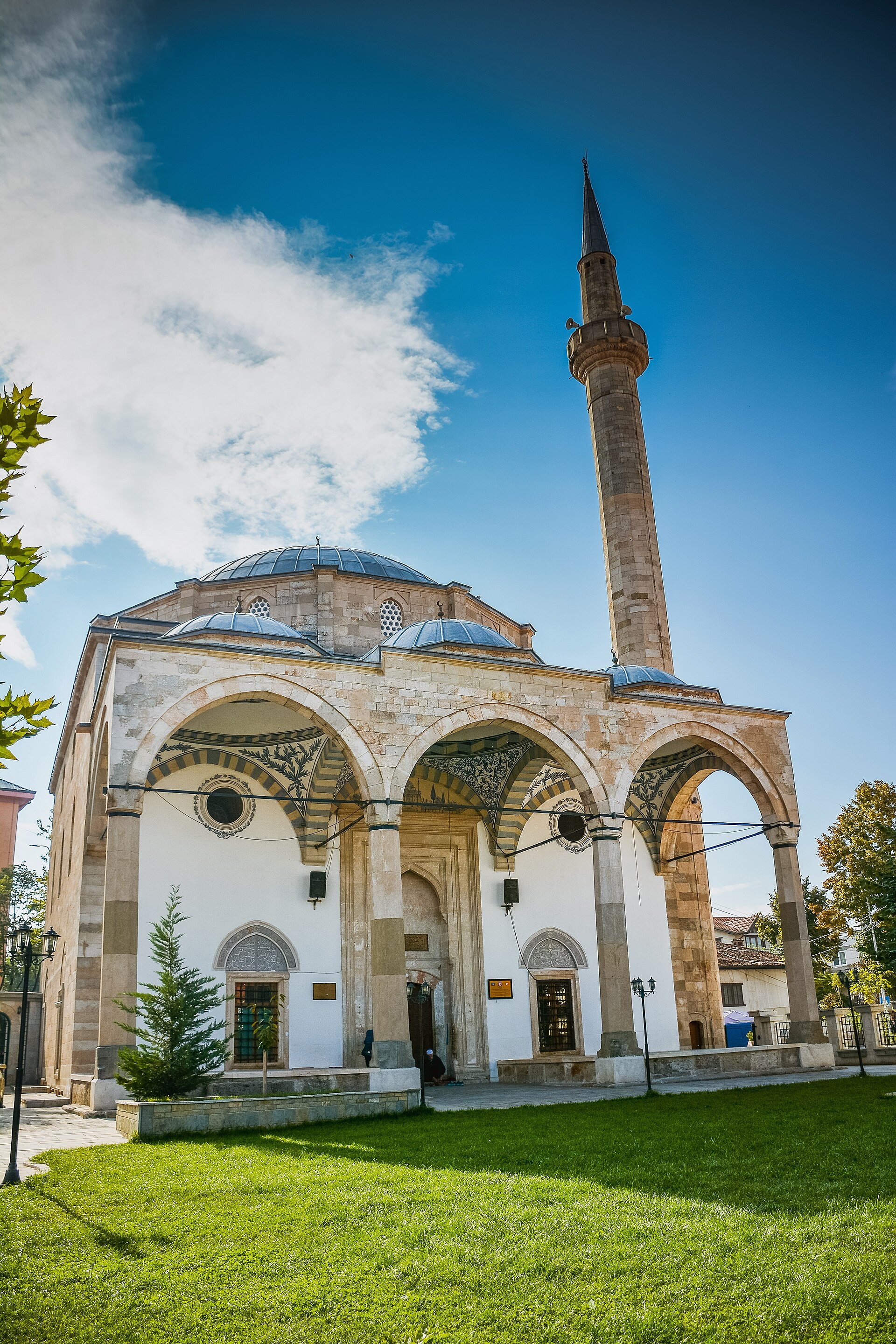
Kosovo is a predominantly Muslim country, the legacy of centuries of Ottoman rule, with the great majority of its ethnic Albanian population following Sunni Islam, generally in a moderate and secular form. There are also significant Christian communities, including Catholic Albanians and the Serbian Orthodox minority, for whom Kosovo holds deep religious importance as the site of historic monasteries and churches central to Serbian Orthodoxy. This mix of Islam and Orthodox and Catholic Christianity, and the heritage tied to it, is bound up with the ethnic identities at the heart of the country's recent history.
Kosovar cuisine reflects its Balkan and Ottoman heritage, sharing much with Albanian, Turkish, and wider regional cooking. Meat, especially grilled and minced, features strongly, in dishes such as the grilled rolls and patties common across the Balkans, alongside hearty pies of layered pastry called flia and byrek, stuffed peppers, beans, and dairy products such as cheese and yoghurt. Bread is a staple, and strong coffee and sweet pastries reflect the Turkish influence. The food is rustic, generous, and central to the region's strong traditions of hospitality.
Agriculture is an important part of Kosovo's economy and a livelihood for much of its rural population, supported by the fertile plains and basins between the mountains. Farmers grow wheat, maize, and other grains, along with vegetables, fruit, and grapes for wine, and raise livestock for meat and dairy. Much farming is on a small scale and the sector faces challenges of modernisation. Kosovo also holds significant mineral resources, including deposits of lignite and metals, and the economy depends as well on remittances sent home by the large Kosovar diaspora abroad.
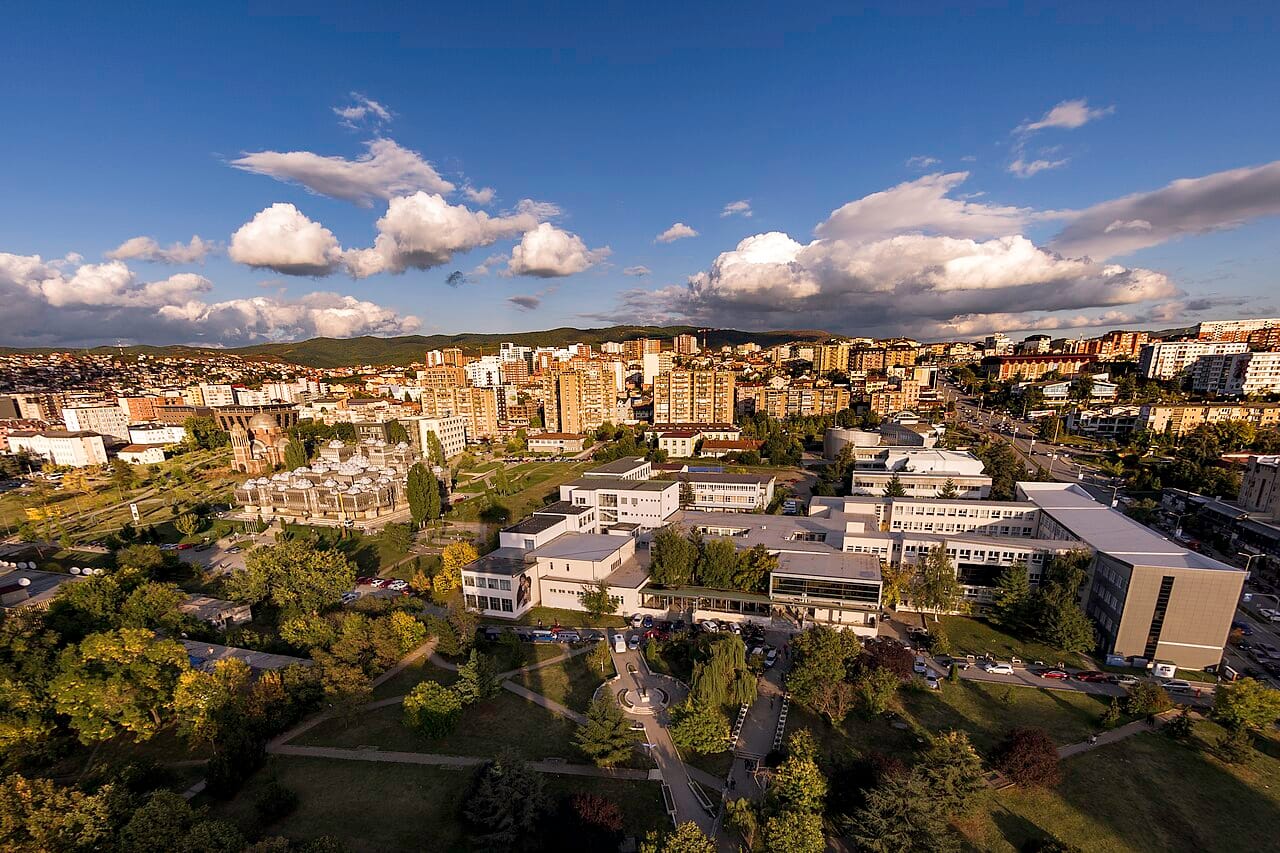
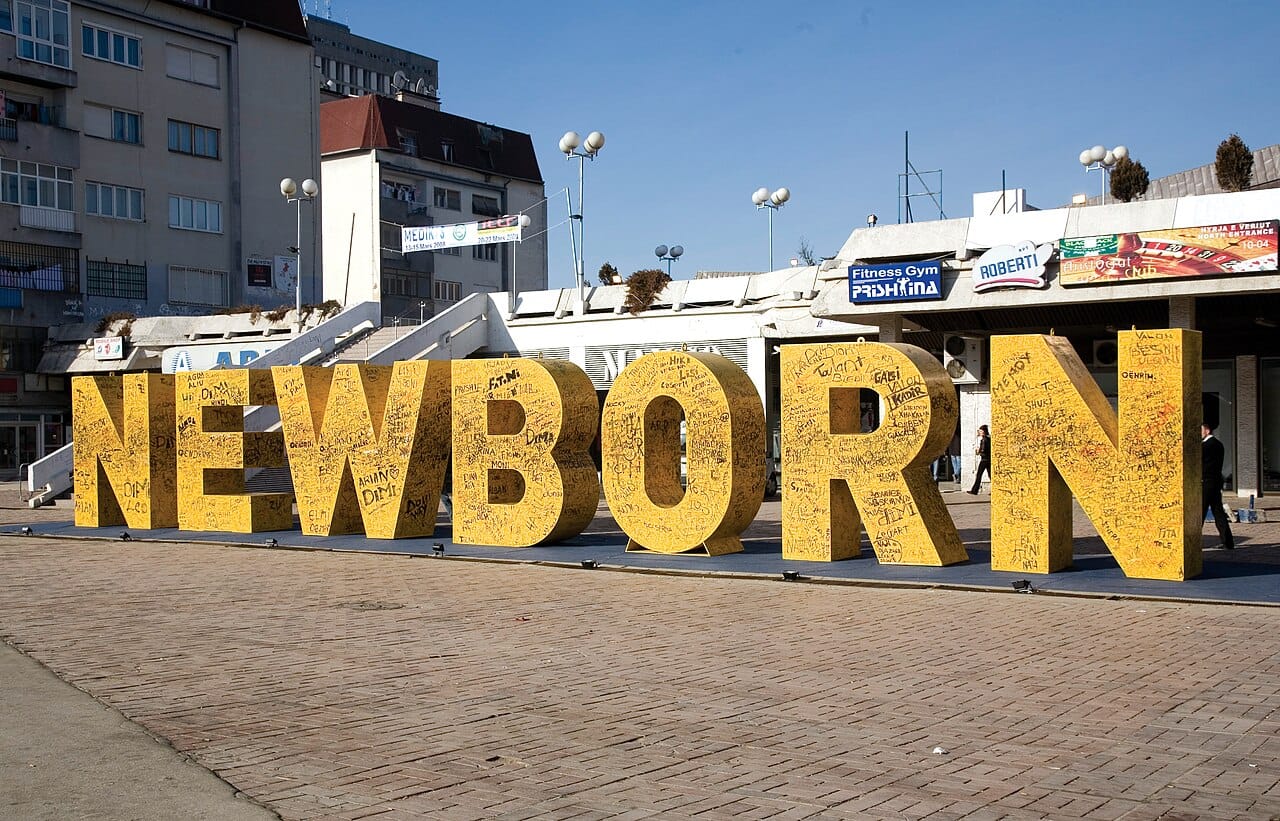
Kosovo is a country of the young, with the lowest average age in Europe, and much of its story now is the effort to build a functioning state and economy after so turbulent a birth. It remains one of the poorest countries in Europe, burdened by high unemployment that pushes many of its young people to seek work abroad, and heavily dependent on the money sent home by a vast diaspora, especially in Germany and Switzerland. Yet it is also energetic and firmly pro-Western, its capital, Pristina, dotted with monuments to its friendship with the United States and NATO, whose 1999 intervention Kosovo Albanians credit with their liberation. Building prosperity, winning recognition, and settling relations with Serbia are the tasks of a nation still very much in the making.
Kosovo has a population of around 1.6 million people, with the youngest age profile in Europe, overwhelmingly ethnic Albanian, who make up the great majority, alongside a Serbian minority concentrated in the north and in enclaves, and smaller communities of Bosniaks, Turks, Roma, and others. The main languages are Albanian and Serbian, both official. The population is concentrated in the central plains and the cities, above all the capital, Pristina. A very large number of Kosovars live and work abroad, especially in Germany and Switzerland, and their remittances are vital to the economy.