Bosnia and Herzegovina is a country in the western Balkans of southeastern Europe, a rugged, mountainous land at the meeting point of cultures and faiths. For centuries the frontier between the Christian and Ottoman worlds, it became a place where Muslim, Orthodox, and Catholic communities lived side by side, leaving a rich blend of East and West visible in its towns. That same diversity, however, made it the scene of a terrible war in the 1990s, the legacy of which still shapes the country.
Bosnia's history is one of a mountainous crossroads: a medieval kingdom, four centuries under the Ottomans that made it a meeting of faiths, and a modern tragedy of war.
The land was inhabited from deep antiquity by Illyrian peoples and later brought within the Roman world, which left villas and towns such as Mogorjelo in Herzegovina. Slavs settled the region in the early Middle Ages, the ancestors of the peoples who share it today.
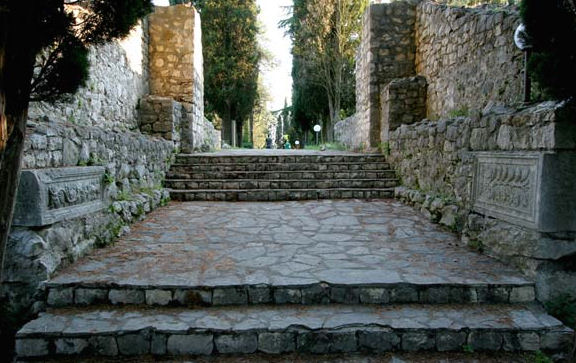
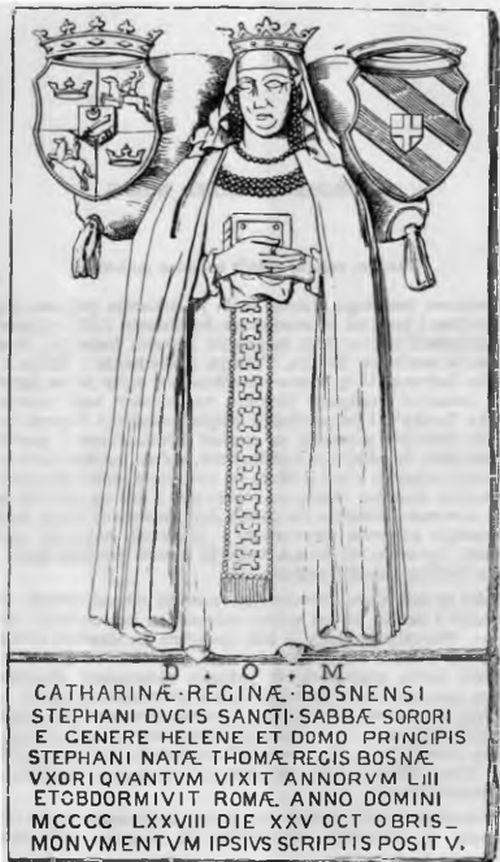
By the Middle Ages Bosnia was an independent state, a banate and then a kingdom that reached its height under King Tvrtko the First, with its own distinctive Bosnian Church and a striking heritage of carved medieval tombstones, the stecci. It was a proud realm before the tide of Ottoman conquest reached it in the fifteenth century, ending with the fall of its last rulers.
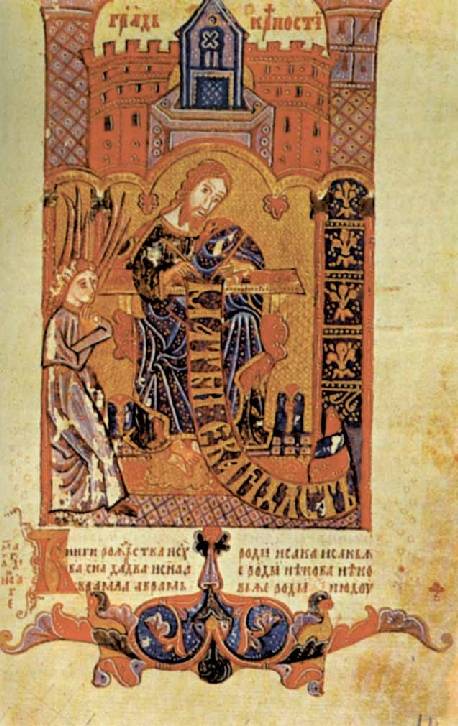
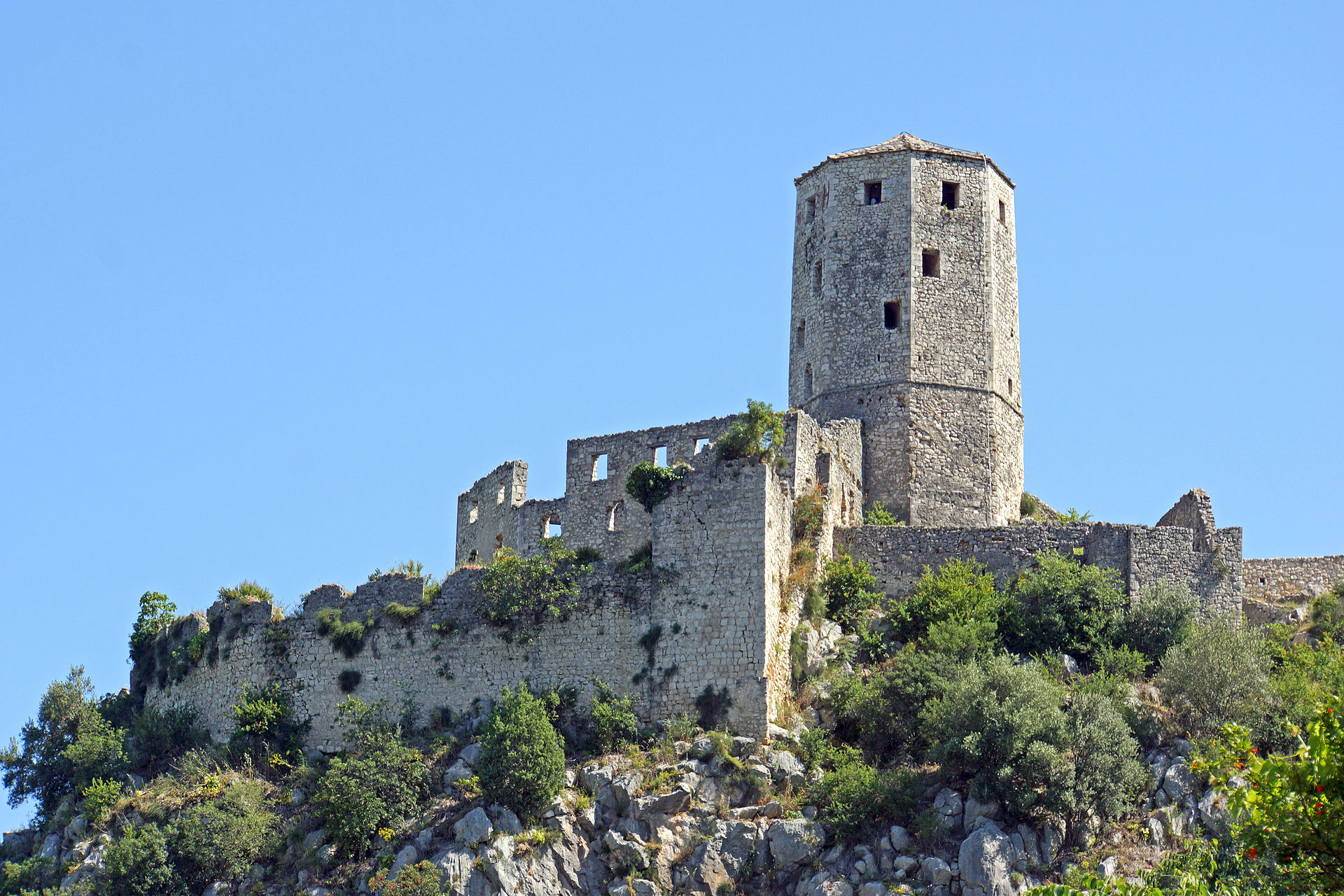
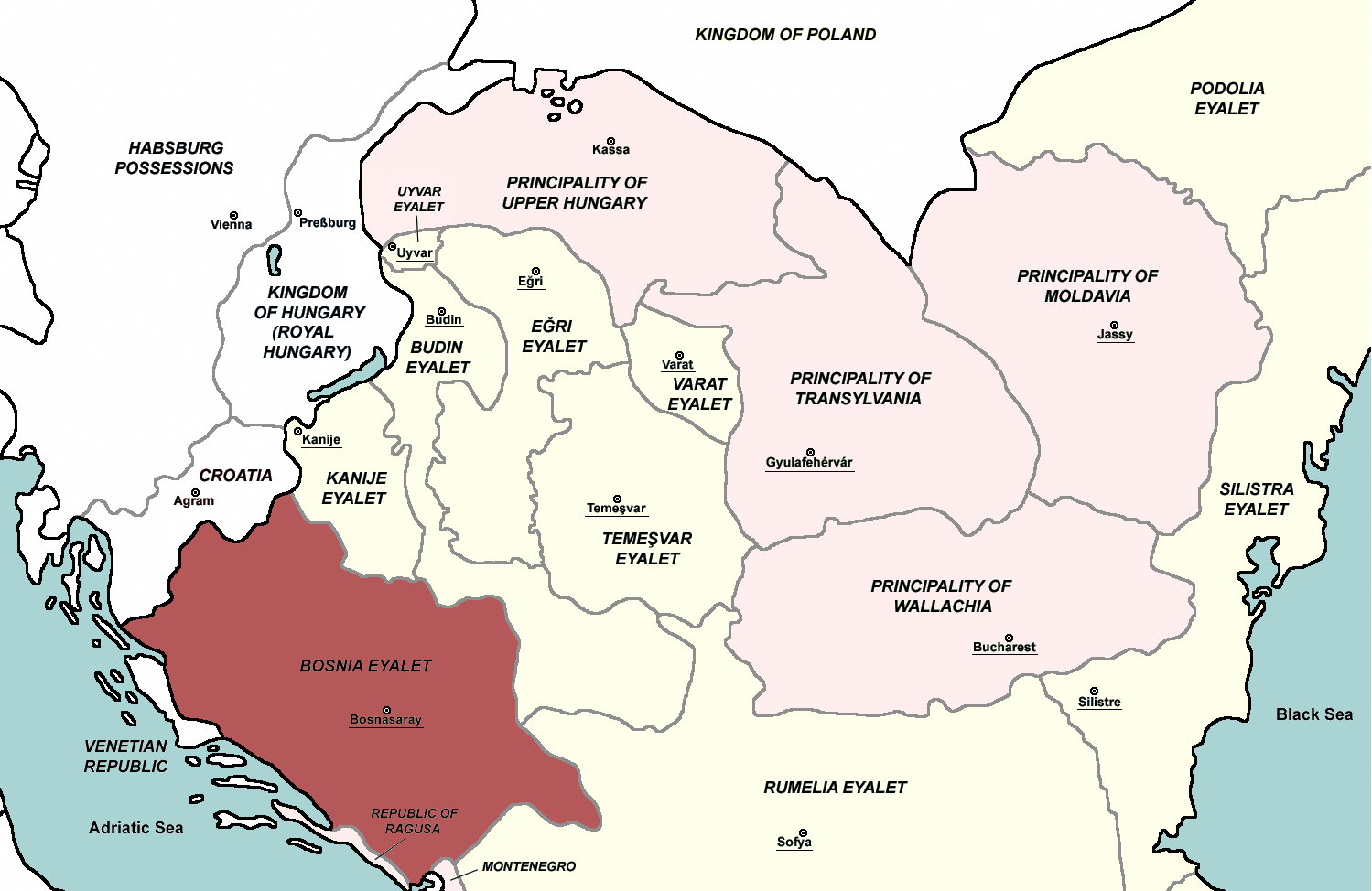
The Ottoman Empire ruled Bosnia for some four centuries, an era that transformed it: many Bosnians adopted Islam, giving rise to the Bosniak community, and the land was adorned with mosques, bridges, and bazaars. In 1878 the country passed to Austria-Hungary, and it was in its capital, Sarajevo, that the assassination of the Austrian heir in 1914 helped ignite the First World War.
After the First World War Bosnia became part of Yugoslavia, and within socialist Yugoslavia it was the most ethnically mixed of the republics, a model of coexistence among Bosniaks, Serbs, and Croats. As Yugoslavia disintegrated, Bosnia declared independence in 1992, and that same diversity was turned into a weapon, plunging the country into the most devastating of the Yugoslav wars.
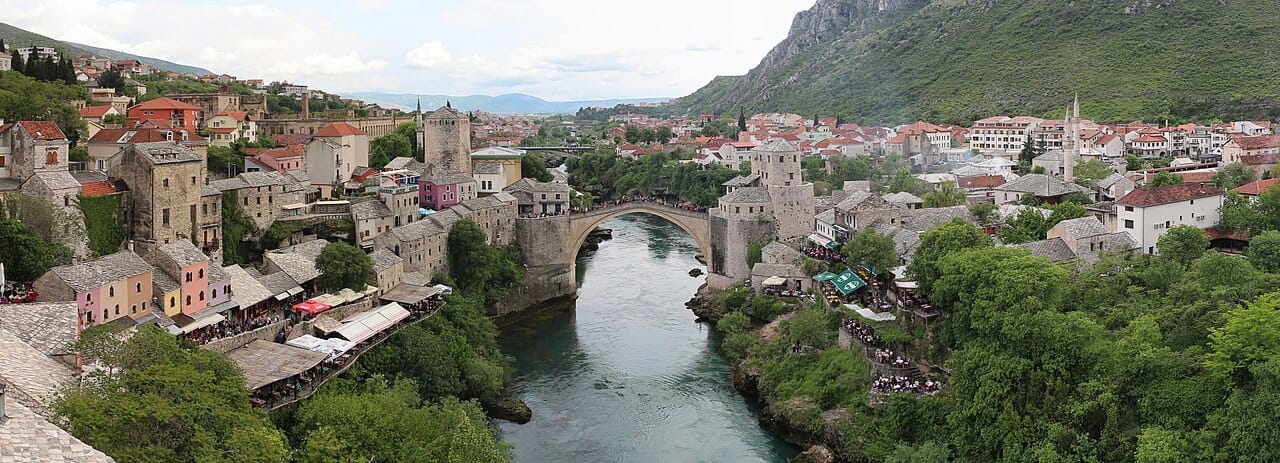
Bosnia and Herzegovina is overwhelmingly mountainous, part of the Dinaric Alps, with deep river valleys, dense forests, and limestone uplands riddled with caves. The northern region of Bosnia is greener and more wooded, while the southern region of Herzegovina is drier and more Mediterranean, reaching almost to the Adriatic, though the country has only a tiny stretch of coast. Fast-flowing rivers, including the emerald Neretva with its famous bridge at Mostar, cut through the dramatic terrain.
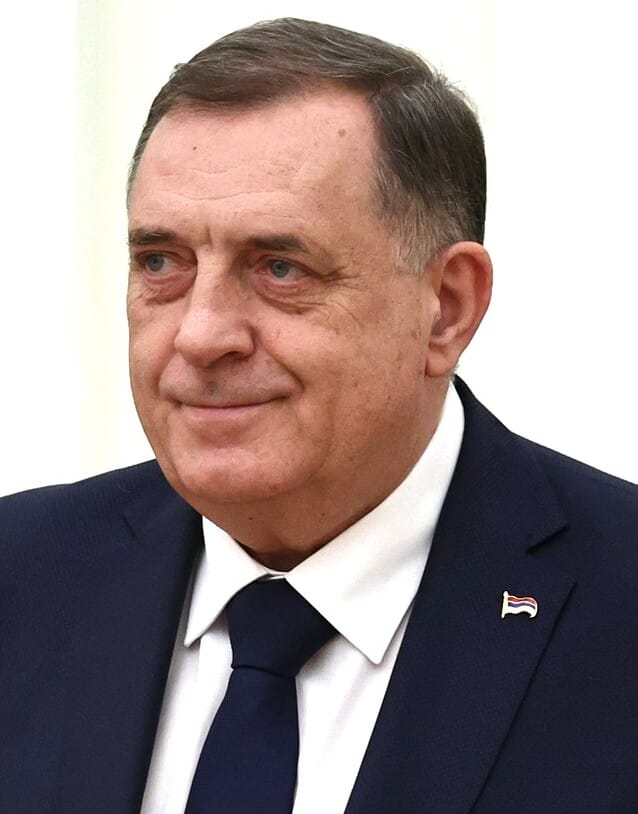
Bosnia and Herzegovina has one of the most complicated systems of government in the world, a direct product of the agreement that ended its war. Under the Dayton accords of 1995, the country was split into two self-governing entities, the mainly Bosniak and Croat Federation and the Serb Republika Srpska, joined by a weak central state with a three-member presidency, one from each of the main peoples, taking turns as chair. An international official, the High Representative, retains sweeping powers to impose or strike down laws. This arrangement stopped the killing but froze the country's ethnic divisions into its very constitution, producing chronic gridlock, and the Bosnian Serb leader Milorad Dodik has for years threatened to pull his entity out of the state altogether.
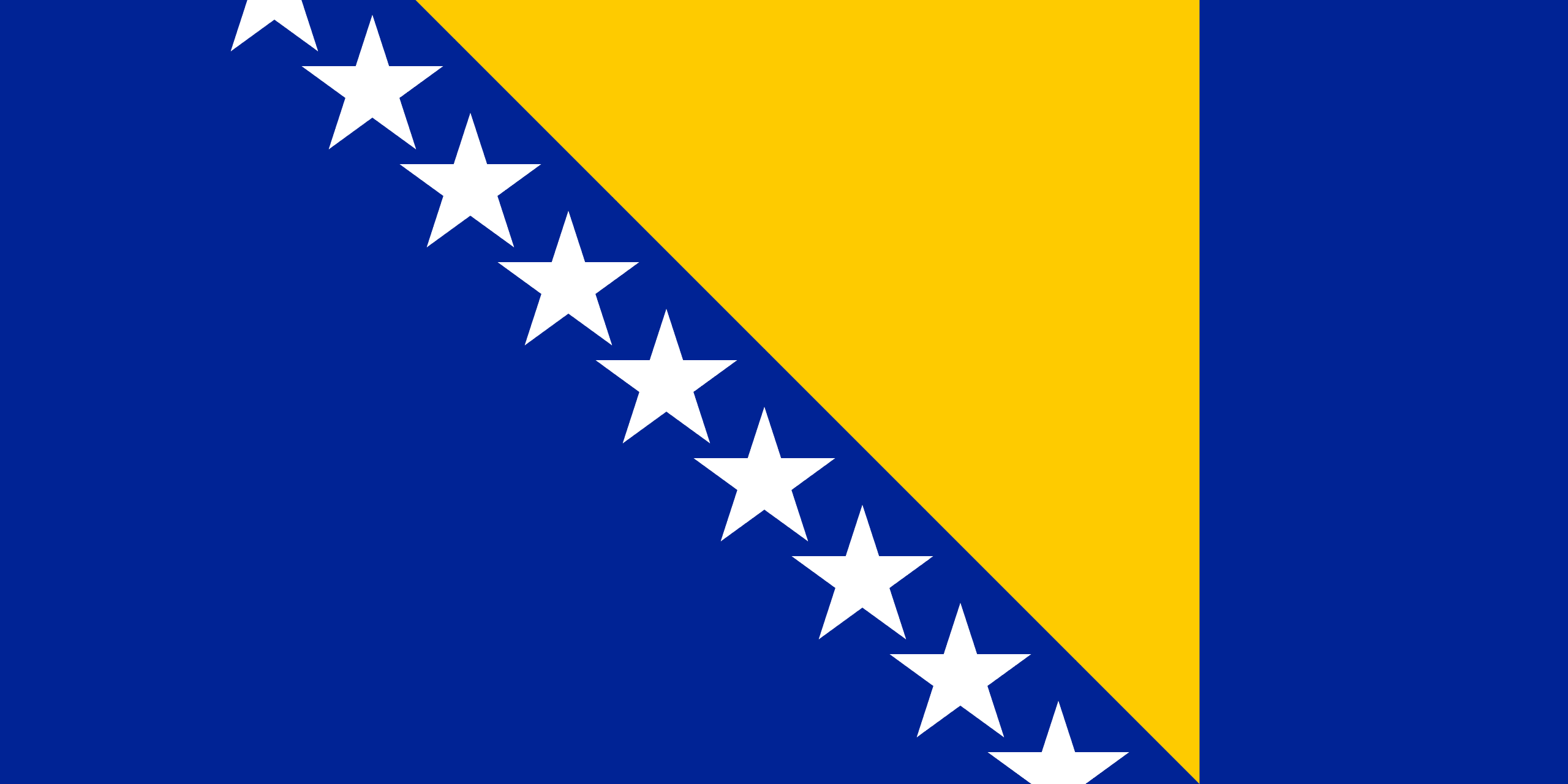
The flag of Bosnia and Herzegovina is blue with a yellow triangle and a line of white stars along one side of it. Adopted after the war by international design, it deliberately avoids the symbols of any one of the country's communities in order to be neutral and unifying. The triangle is sometimes said to represent the roughly triangular shape of the country and its three main peoples, and the stars, echoing the European flag, point toward a shared European future.
Bosnia and Herzegovina is unusual in Europe for its religious balance, divided among three main communities: Bosniaks, who are mostly Muslim, Serbs, who are mostly Orthodox Christian, and Croats, who are mostly Catholic. For centuries these faiths coexisted, and the towns are dotted with mosques, Orthodox and Catholic churches, and synagogues, a living testament to that mixing. Religion is closely tied to ethnic and national identity, a link that became tragically central to the conflict of the 1990s.
Bosnian cuisine bears the strong imprint of the Ottoman centuries, blended with Central European and Mediterranean influences. A beloved national dish is cevapi, small grilled rolls of minced meat served in flatbread with onions. Burek and other filled pastries, slow-cooked stews, and grilled meats are staples, often prepared with care for guests. Thick, strong Bosnian coffee, served in the Ottoman style, is central to social life and a cherished daily ritual.
Agriculture in Bosnia and Herzegovina is shaped and limited by the mountainous terrain, with farming concentrated in the river valleys and the more fertile north. Farmers grow maize, wheat, and vegetables, tend orchards and vineyards, and raise livestock, including sheep on the upland pastures. Plums and other fruit are important, both for eating and for making the strong fruit brandy popular across the region. Much farming is small-scale, and the sector is still recovering from the disruption of war.
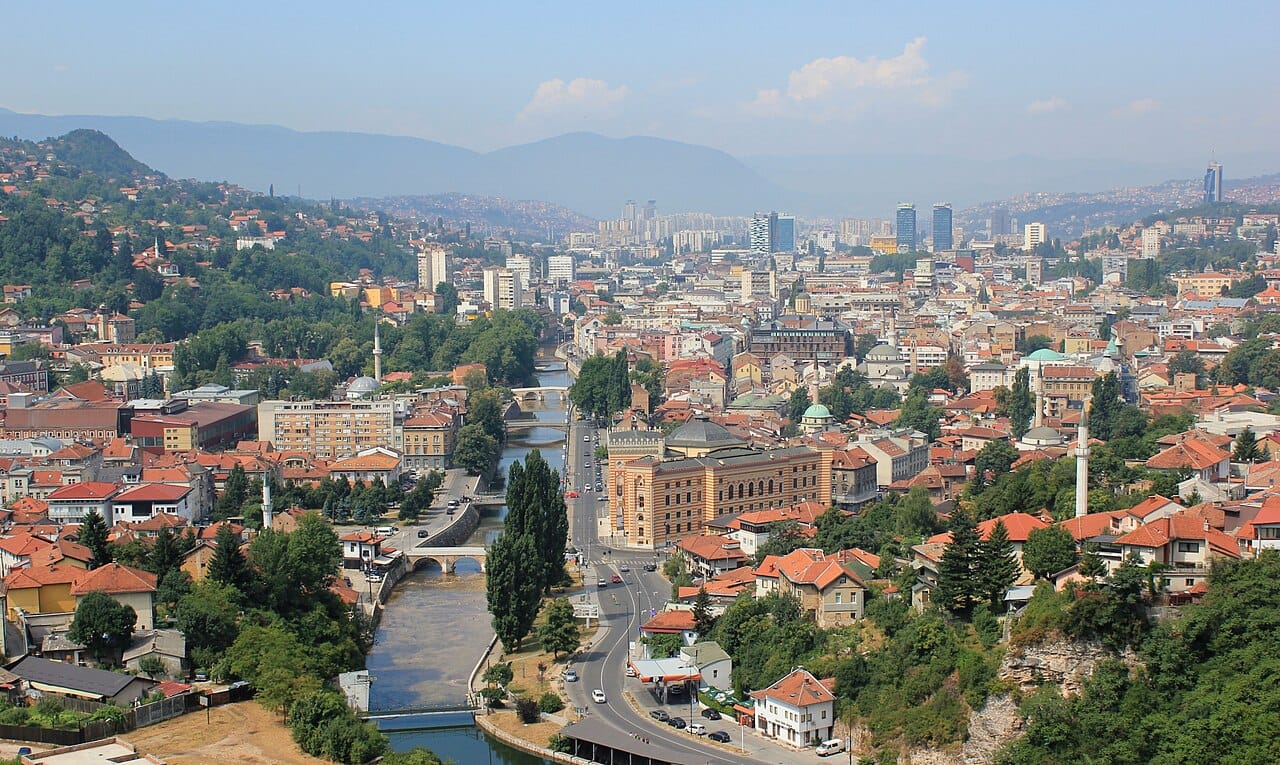
Bosnia's culture is a rich fusion of East and West, the enduring gift of its position on the frontier of empires and faiths. The Ottoman centuries left mosques, bridges, bazaars, and the ritual of thick Bosnian coffee, while Austro-Hungarian rule added grand facades and a Central European air, all mingling most vividly in Sarajevo, where a mosque, an Orthodox church, a Catholic cathedral, and a synagogue stand within a few streets of one another. The country shares much with its neighbours, in language, food such as the grilled cevapi, and the soulful sevdah music that is its own distinctive sound. This deep coexistence, and the ways it was shattered, are both central to what Bosnia is.
Bosnia's present is overshadowed by the war of 1992 to 1995, the most terrible of the conflicts that tore Yugoslavia apart. As the country broke from Yugoslavia, its Serb, Croat, and Bosniak communities were turned against one another; the capital, Sarajevo, endured the longest siege of any city in modern warfare, and in July 1995 the massacre of some eight thousand Bosniak men and boys at Srebrenica was recognised by international courts as genocide. In all, around a hundred thousand people died and half the population was driven from their homes. The Dayton agreement stopped the fighting but entrenched the ethnic division, and three decades on the country remains split, its politics dominated by nationalists, its future as a single state openly questioned. The Old Bridge of Mostar, an Ottoman masterpiece blown up during the war and painstakingly rebuilt, stands as the emblem of both the destruction and a fragile, unfinished reconciliation.
Bosnia and Herzegovina has a population of around 3.2 million people, made up of its three constituent peoples, Bosniaks, Serbs, and Croats, who share a common South Slavic language with different names, alongside others. The legacy of the war is reflected in a complex federal structure divided into two main entities, and in a diaspora and internal displacement that reshaped where people live. The population is concentrated in the valleys and cities, above all the capital, Sarajevo, a city famous for the meeting of its mosques, churches, and markets.