Bulgaria is a country in southeastern Europe, on the Balkan Peninsula, stretching from mountains and river valleys to a coastline on the Black Sea. One of the oldest states in Europe, founded more than thirteen centuries ago, it gave the Slavic world the Cyrillic alphabet and a rich tradition of Orthodox Christianity. A land of ancient Thracian gold, medieval empires, and long Ottoman rule, it is known today for its mountains, its Black Sea resorts, and its roses.
Bulgaria's history reaches from the gold of the ancient Thracians, through medieval empires that shaped the Slavic world, to five centuries under the Ottomans and a modern rebirth.
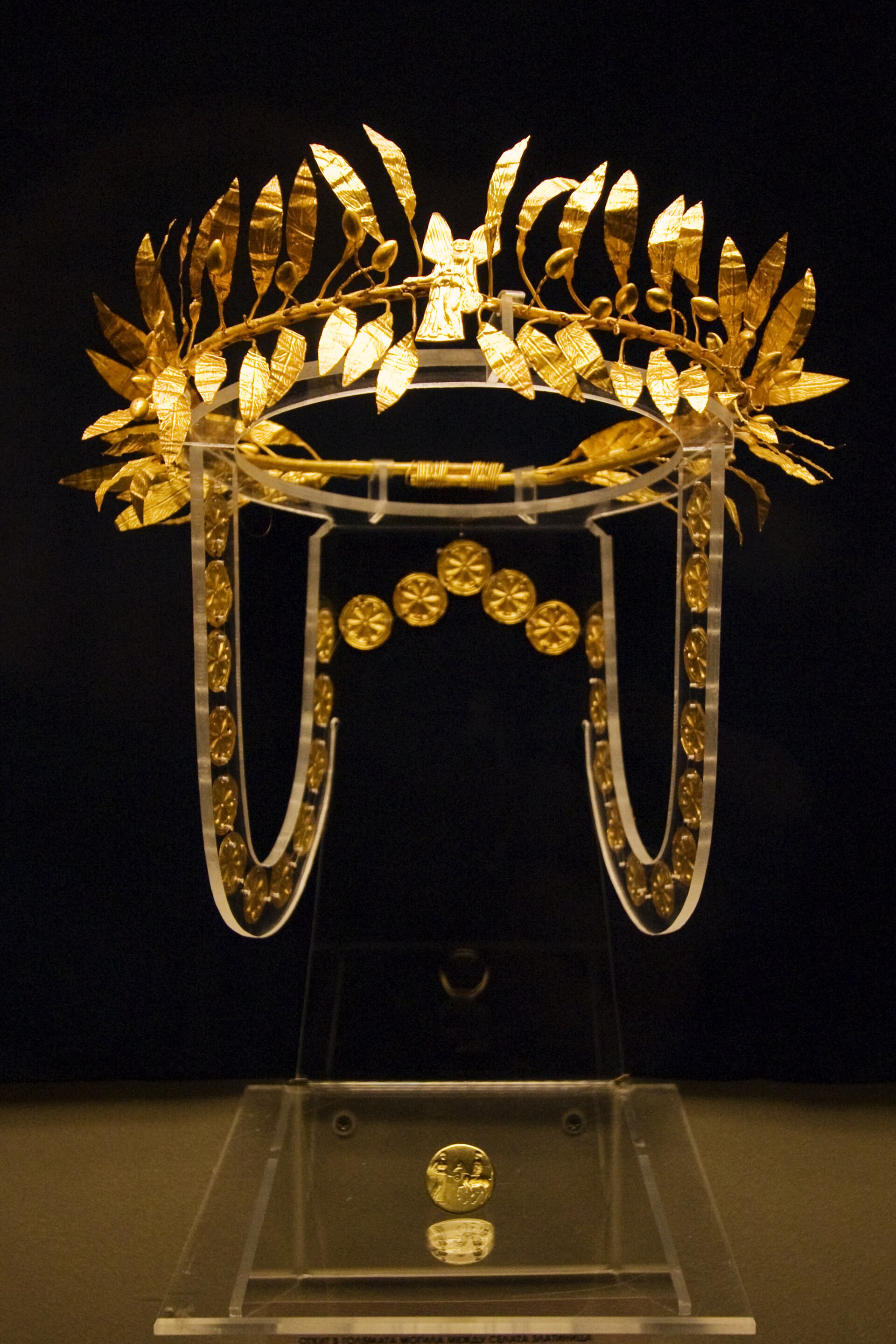
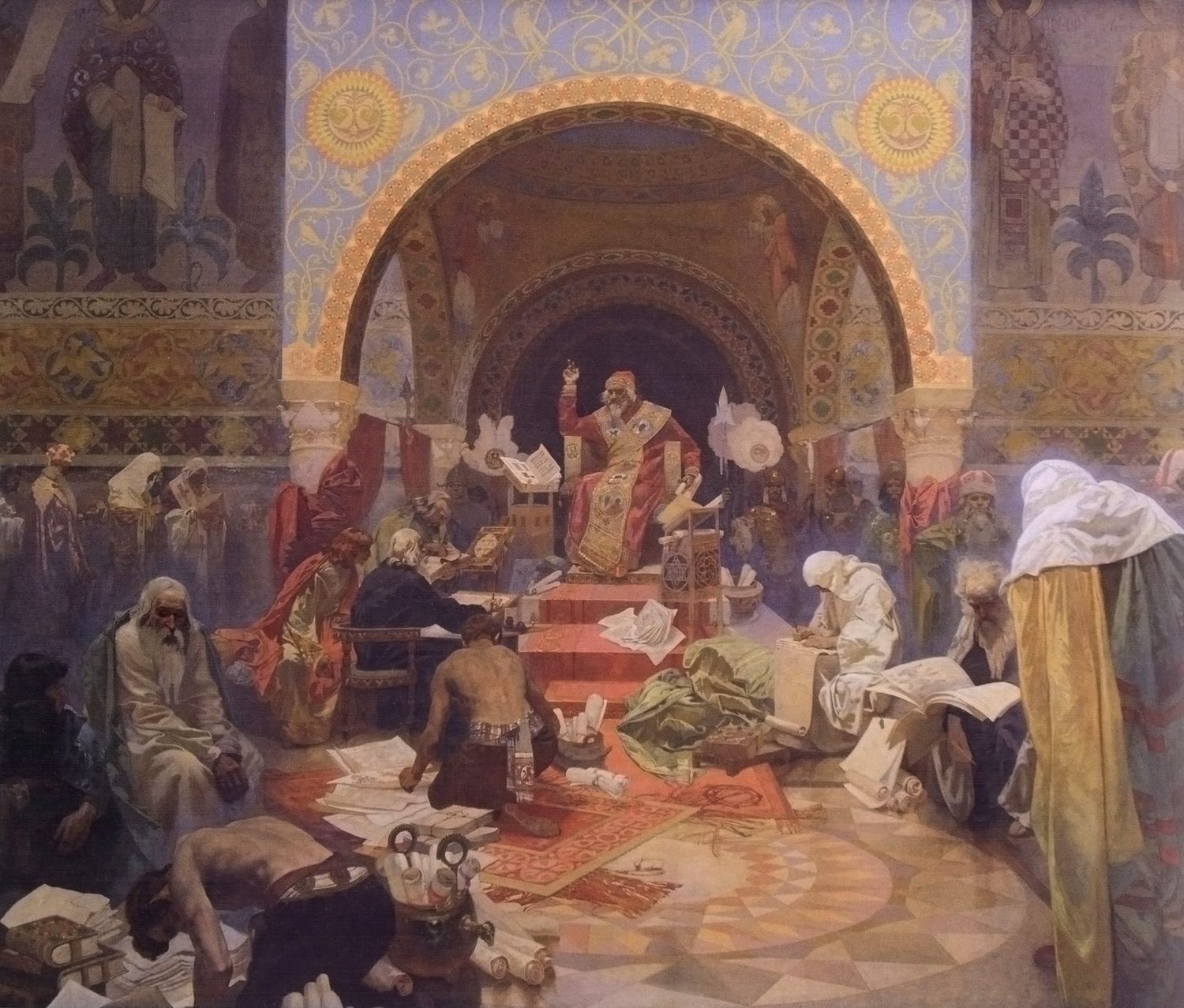
The land was home to the ancient Thracians, famed for their gold, their horsemanship, and the legend of Orpheus, and later to Greeks and Romans. In 681 the First Bulgarian Empire was founded, and it grew into a major power that, under rulers such as Tsar Simeon, reached a golden age of Slavic learning. It was here that scholars developed and spread the Cyrillic script, now used by hundreds of millions across the Slavic and Orthodox world, one of Bulgaria's proudest gifts to civilisation.
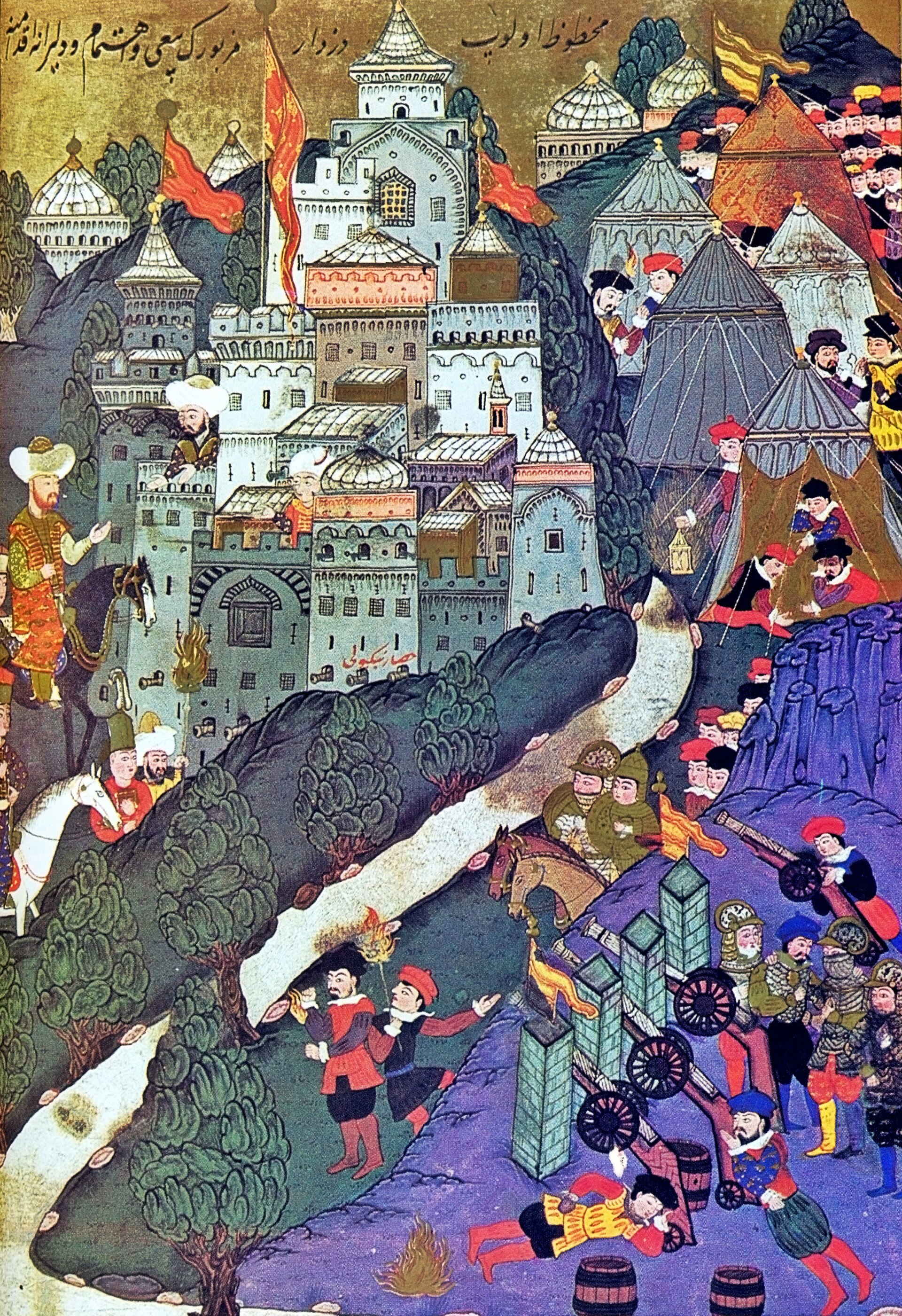
After a brilliant Second Bulgarian Empire, the medieval kingdom was overwhelmed by the advancing Ottoman Turks, a fate sealed around the Battle of Nicopolis in 1396. There followed nearly five centuries of Ottoman rule, a long age Bulgarians remember as the yoke, through which the Orthodox Church and the language kept the nation's identity alive.
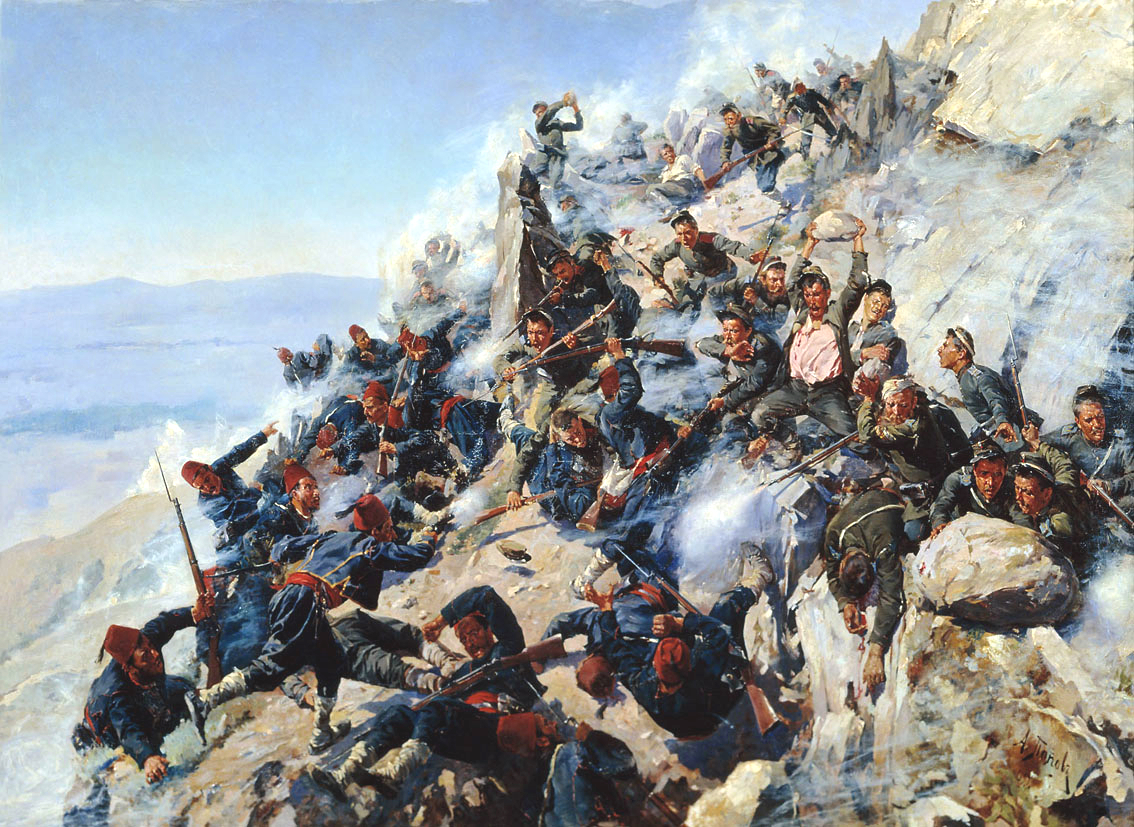
National awakening in the nineteenth century, and above all the Russo-Turkish war of 1877 and 1878, with its heroic defence of the Shipka Pass, freed Bulgaria from Ottoman rule. A modern principality, later a kingdom, took shape, though the peace treaties left many Bulgarians outside its borders, a grievance that would drive the country's politics for decades.
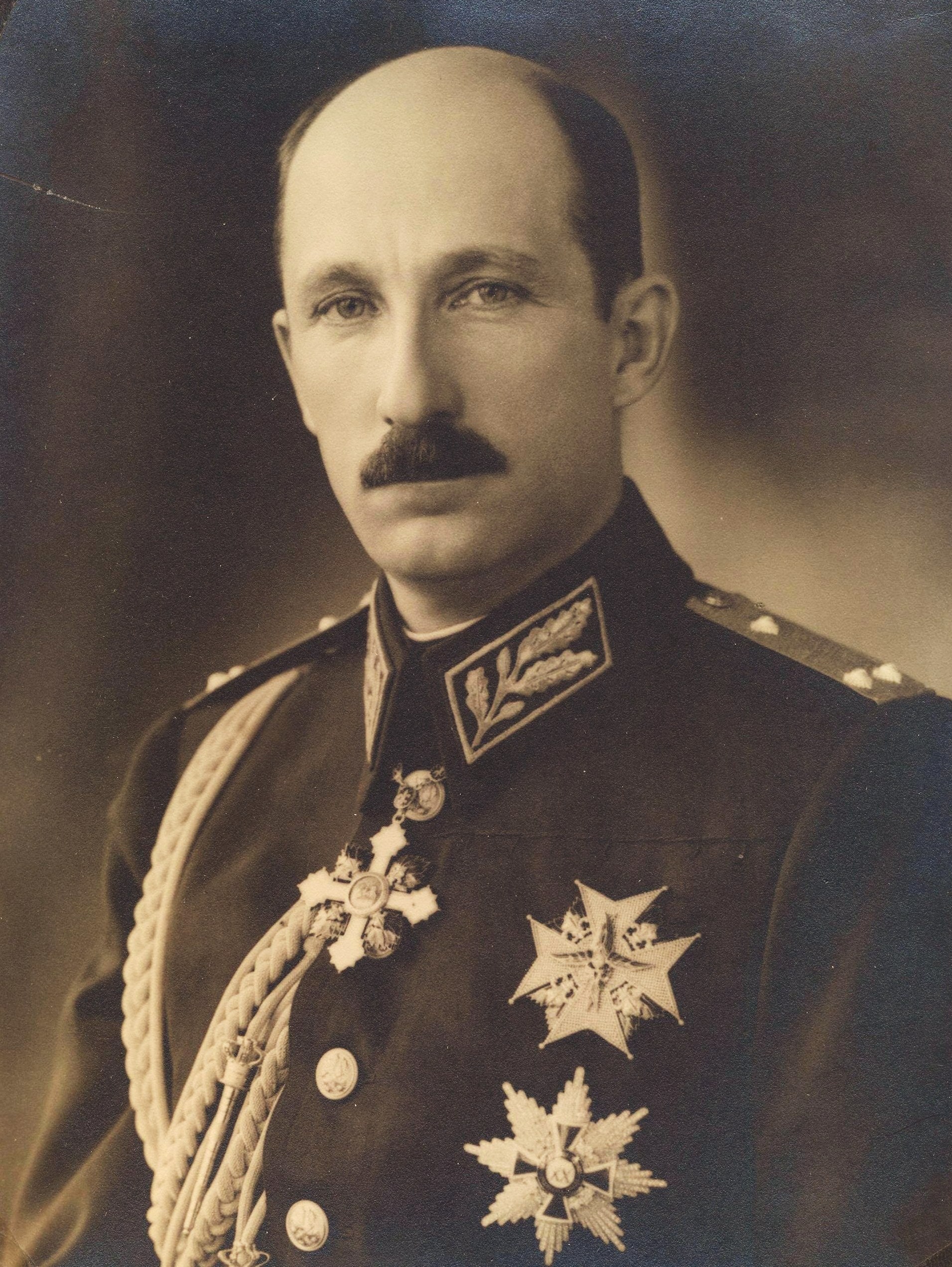
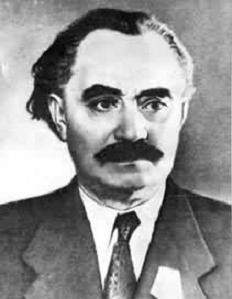
Bulgaria fought in both world wars, on the losing side each time, under monarchs such as Tsar Boris the Third, whose government, though allied to Nazi Germany, famously refused to deport its own Jewish population to the death camps. After the Second World War the country became a communist state closely tied to the Soviet Union, until that system collapsed in 1989 and Bulgaria began a difficult transition to democracy and the market.
Bulgaria is a land of mountains and valleys. The Balkan Mountains, which give the whole peninsula its name, run east to west across the centre of the country, with the higher Rila and Pirin ranges in the southwest holding the highest peaks in the Balkans. Between and around them lie fertile plains and river valleys, including those of the Danube in the north and the rose-growing Valley of the Roses. To the east, the Black Sea coast draws visitors to its beaches and resorts.
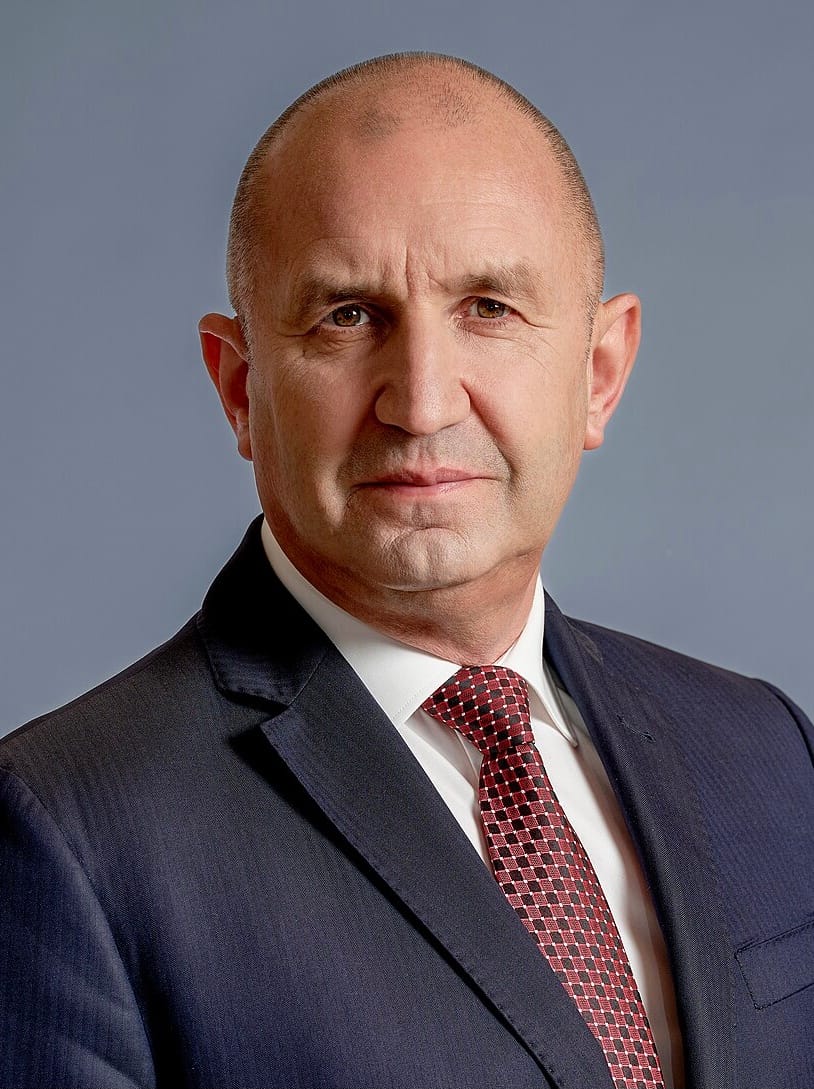
Bulgaria is a parliamentary republic and a member of the European Union and NATO, and it is set to adopt the euro. Its recent politics, however, has been marked by extraordinary instability, with a rapid succession of elections and fragile or caretaker governments as parties struggled to form durable coalitions, driven above all by public anger at corruption. A directly elected president, Rumen Radev, in office since 2017, has provided a measure of continuity as head of state, while governments have come and gone. Restoring stable government and tackling deep-rooted corruption are the central challenges of Bulgarian public life.
Bulgaria is the least wealthy member of the European Union, but a steadily developing one. Its low costs and skilled, multilingual workforce have made it a growing centre for information technology and business services, alongside manufacturing, mining, and energy. Agriculture remains important, from grain and sunflowers to the famous rose oil and wine. European Union membership and funds have supported growth and modernisation, and the country's coming adoption of the euro marks a further step in its integration, even as corruption and the loss of many workers abroad continue to hold it back.
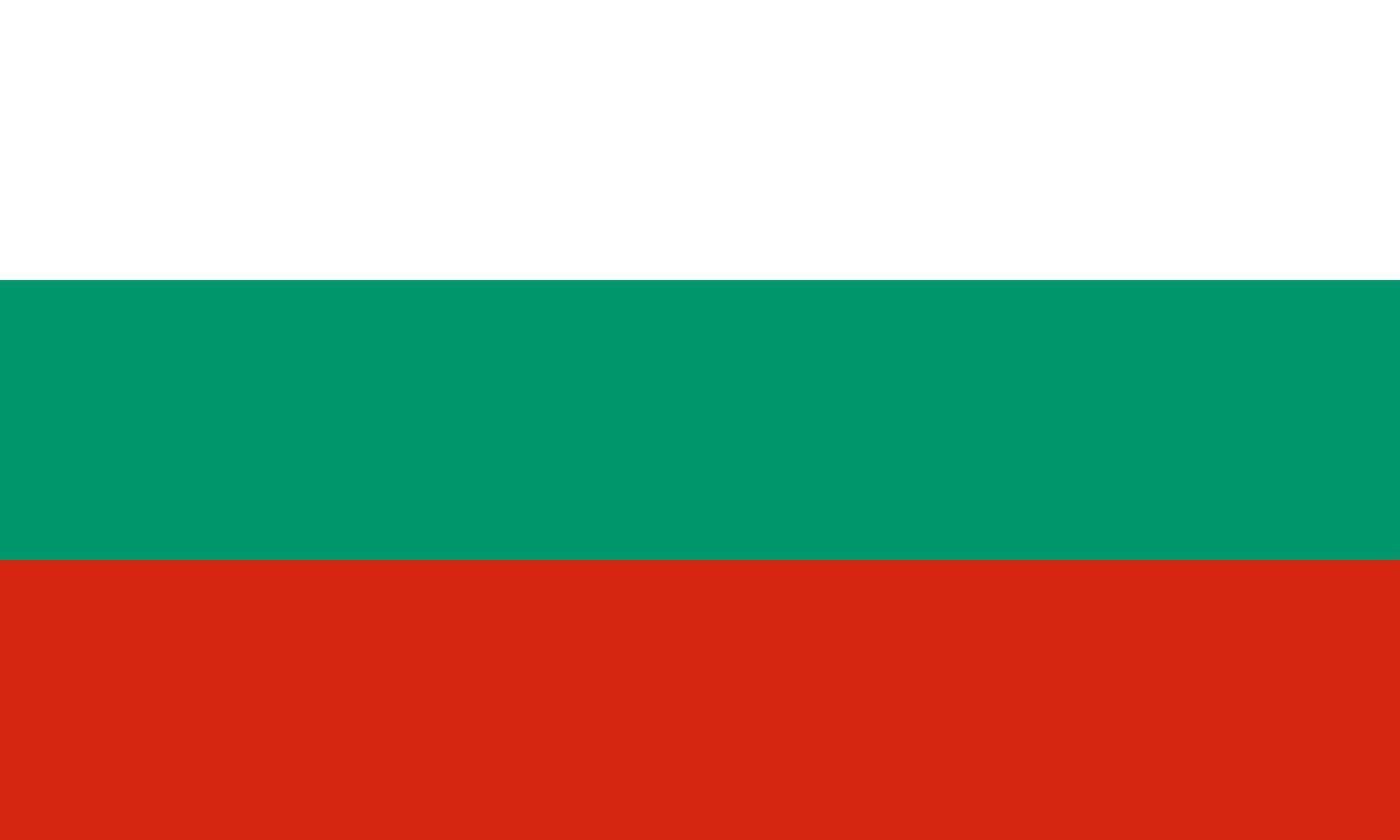
The flag of Bulgaria has three horizontal bands of white, green, and red. The colours are commonly understood to represent peace and the love of freedom in the white, the country's fertile land and forests in the green, and the courage and blood of those who fought for independence in the red. The simple tricolour was adopted after Bulgaria's liberation from Ottoman rule and has represented the nation ever since.
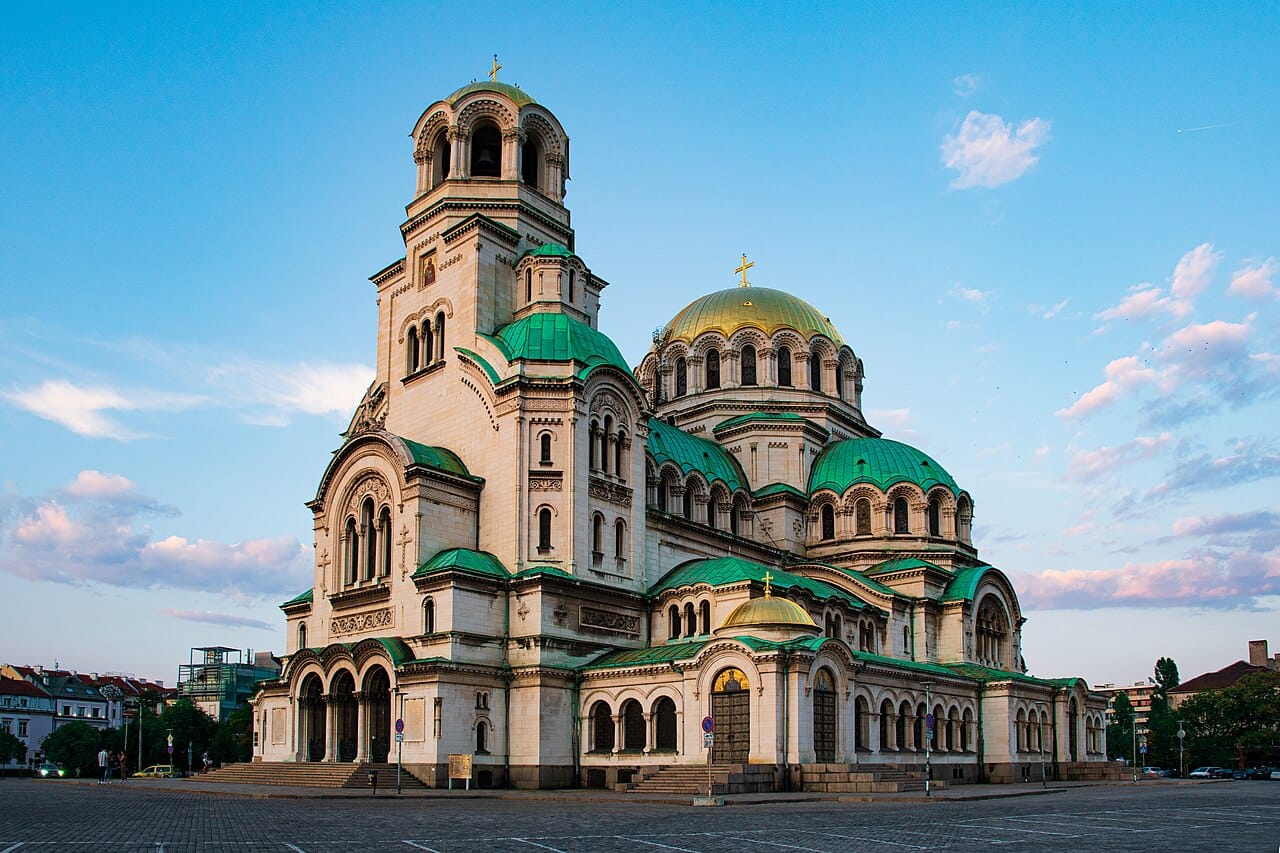
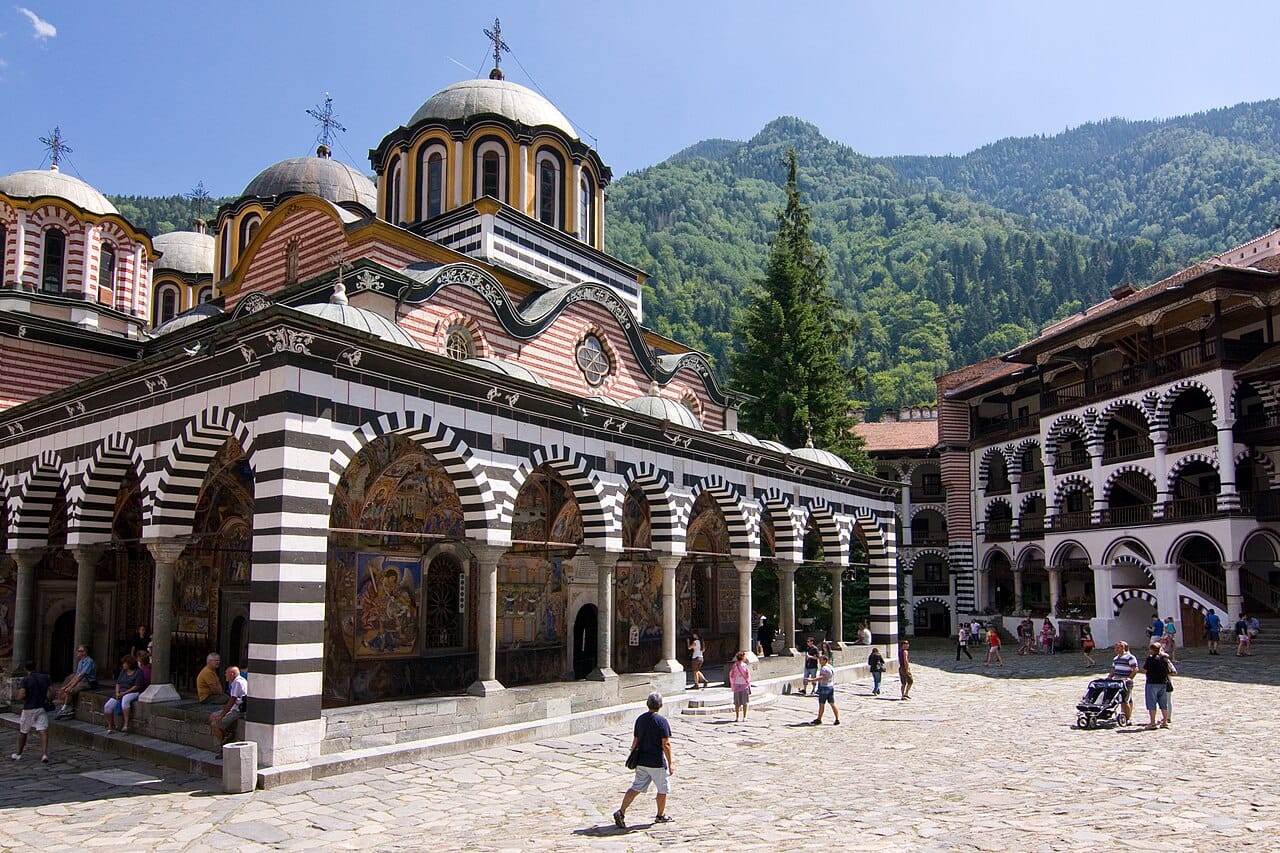
The great majority of Bulgarians belong to the Bulgarian Orthodox Church, one of the oldest Slavic Orthodox churches, which played a central role in preserving national identity through the long centuries of Ottoman rule. There is also a significant Muslim minority, a legacy of the Ottoman period. Orthodox monasteries, such as the famous Rila Monastery in the mountains, are among the country's greatest cultural and spiritual treasures and centres of national heritage.
Bulgarian cuisine is fresh, varied, and closely tied to the land. A national favourite is the shopska salad of tomatoes, cucumbers, peppers, and grated white cheese. The country is especially famous for its yogurt, made with a bacterium named for Bulgaria and credited by some with the longevity of its mountain people. Grilled meats, stuffed vegetables, and the flaky pastry banitsa are staples, and Bulgaria has a winemaking tradition reaching back to the Thracians.
Bulgaria has a strong agricultural heritage, supported by its fertile plains and warm valleys. The country grows wheat, maize, sunflowers, and an abundance of vegetables and fruit, and has a notable wine industry. Its most famous product is rose oil: the Valley of the Roses produces a large share of the world's rose oil, a precious essence distilled from rose petals and used in fine perfumes. Bulgarian yogurt and dairy are also renowned.
Bulgarian culture is rooted in its Orthodox faith and its role as a cradle of Slavic civilisation. The country celebrates the Cyrillic alphabet, developed on its soil, with a national holiday, and its Orthodox monasteries, above all Rila high in the mountains, are treasured as fortresses of the national spirit. Bulgaria has a haunting folk-music tradition, the ethereal harmonies once marketed to the world as the Mystery of the Bulgarian Voices, and vivid living customs, from the fire-dancing and masked kukeri rituals of the villages to the rose harvest of the Valley of the Roses. Ancient towns such as Plovdiv are among the oldest continuously inhabited places in Europe, layering Thracian, Roman, and later worlds one atop another.
Few countries feel the pull between Russia and the West as keenly as Bulgaria. Its bonds with Russia run deep: a shared Orthodox faith and Slavic kinship, the Cyrillic script, and, above all, the memory that Russian arms freed Bulgaria from the Ottomans in 1878, a debt commemorated in monuments across the land. Yet Bulgaria is a full member of the European Union and NATO, tied to the West by treaty, trade, and hopes of prosperity. Bulgarian society is genuinely divided between these loyalties, a split that deepened with the war in Ukraine and that pro-Russian and pro-Western parties alike exploit, feeding the chronic instability of its politics. How to reconcile a heartfelt gratitude and affinity toward Russia with a Western future, all while its population shrinks faster than almost any nation on Earth, is the defining tension of modern Bulgaria.
Bulgaria has a population of around 6.5 million people, the great majority ethnic Bulgarians, a South Slavic and Orthodox people, with Turkish and Roma minorities. The country has one of the fastest-declining populations in the world, the result of low birth rates and heavy emigration since the fall of communism. Most Bulgarians live in cities, above all the capital, Sofia, which lies in a basin at the foot of a mountain in the west of the country.