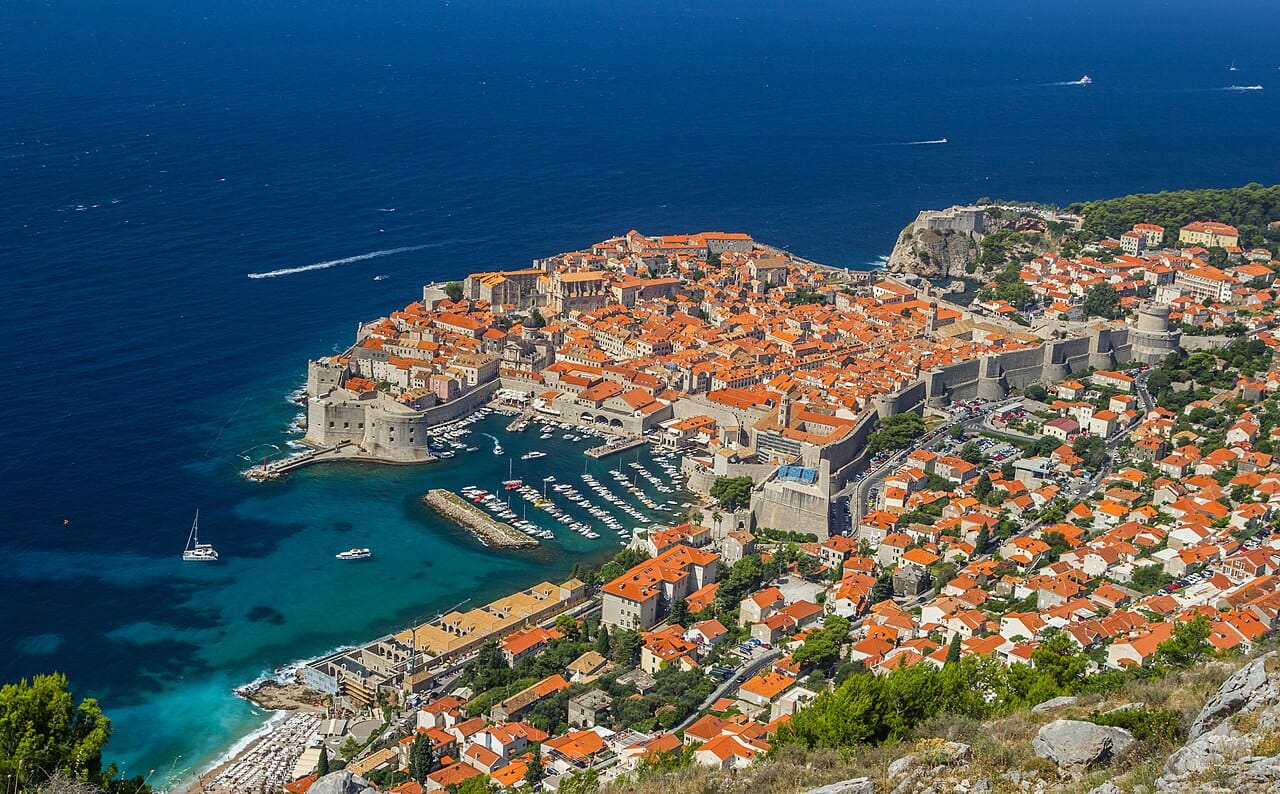
Croatia is a country in southeastern Europe, curving around its neighbours in a crescent shape from the plains of the interior to a long, indented coastline on the Adriatic Sea. That coast, with its thousands of islands and historic walled cities such as Dubrovnik, has made Croatia one of Europe's most popular destinations. A young state that won its independence in the 1990s amid the breakup of Yugoslavia, it blends Central European and Mediterranean character.
Croatia's history runs from ancient cultures on the Adriatic, through a medieval kingdom and long centuries on the frontier of empires, to a hard-won modern independence.
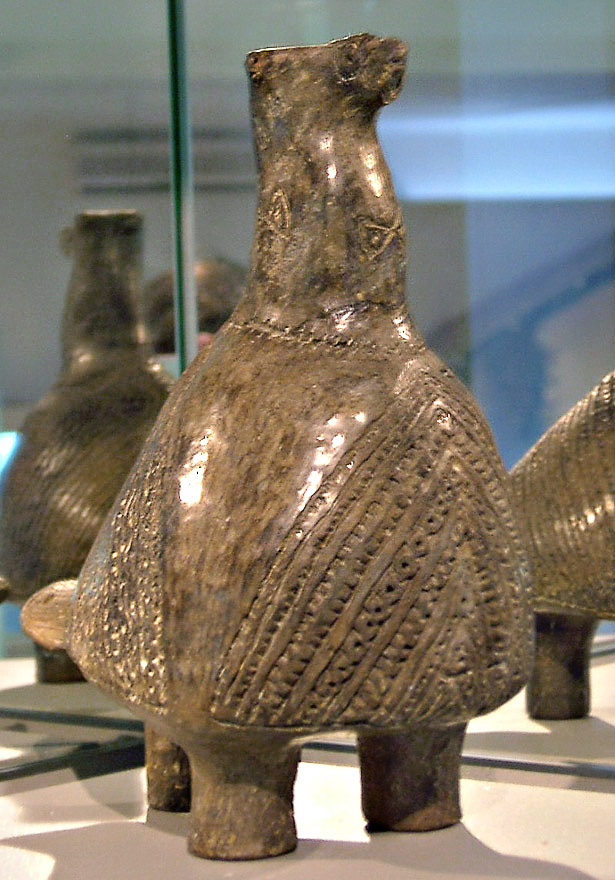
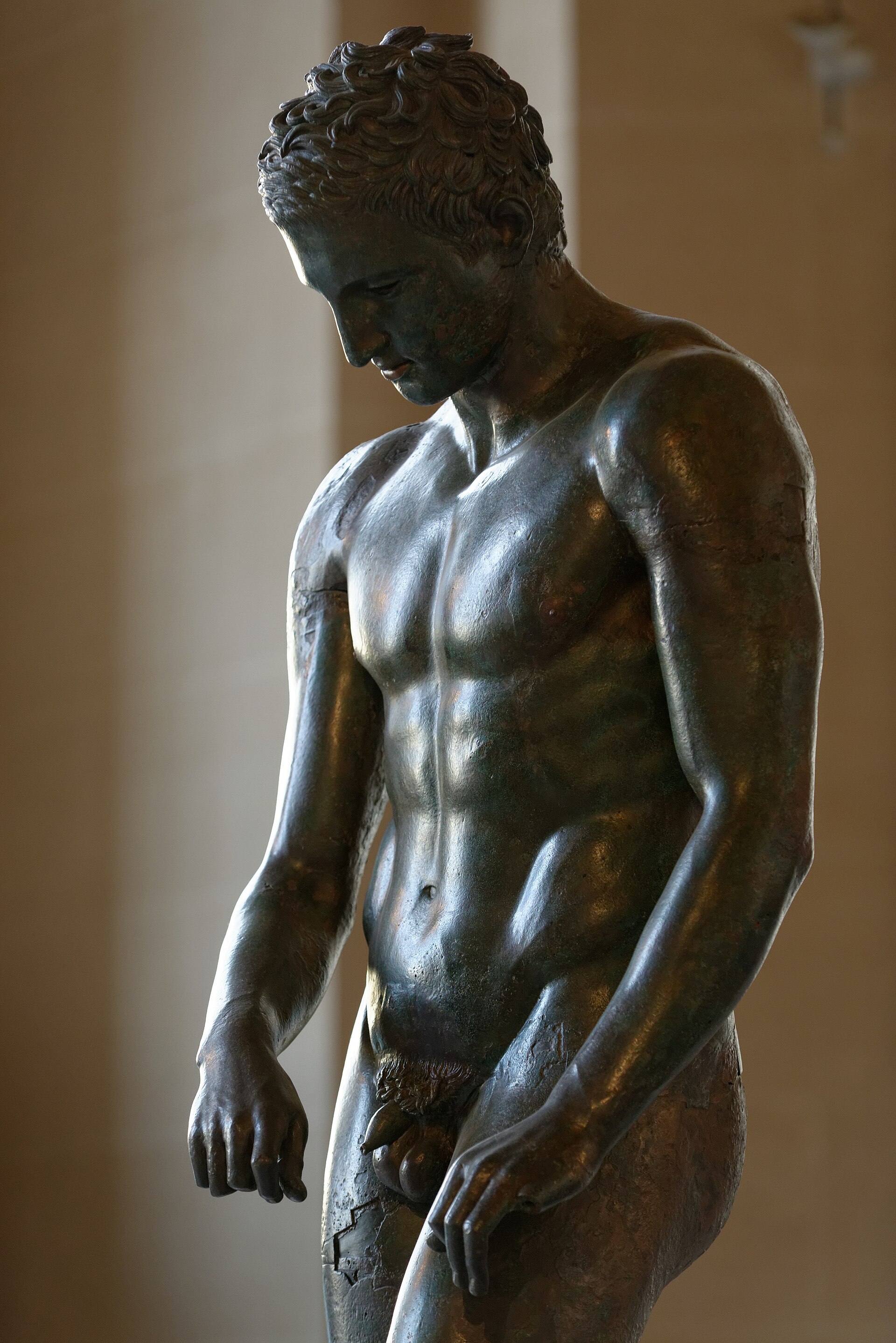
The land was home to prehistoric cultures that left striking treasures, such as the Vucedol dove, and later fell within the Roman world, whose Dalmatian coast produced emperors and grand cities, including Diocletian's vast palace at Split. The clear Adriatic waters have yielded remarkable finds, among them a superb ancient Greek bronze statue of an athlete.
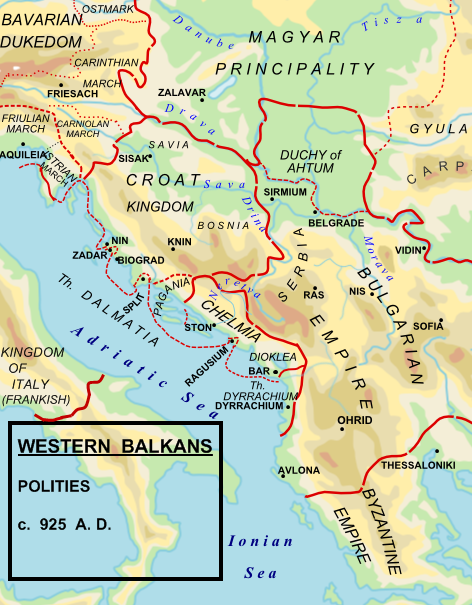
The Croats settled the region in the early Middle Ages, adopted Christianity, and formed a kingdom that, around the year 925, crowned its first king, Tomislav. From the twelfth century Croatia entered a long dynastic union with Hungary, while its coastal cities, above all the merchant republic of Dubrovnik, flourished under Venetian and their own independent influence.
For centuries much of Croatia lay under Habsburg rule and served as a militarised frontier defending Christian Europe against the advancing Ottoman Empire. In the nineteenth century a Croatian national revival stirred, symbolised by figures such as Ban Josip Jelacic, as the Croats sought to assert their identity within the Habsburg realm.
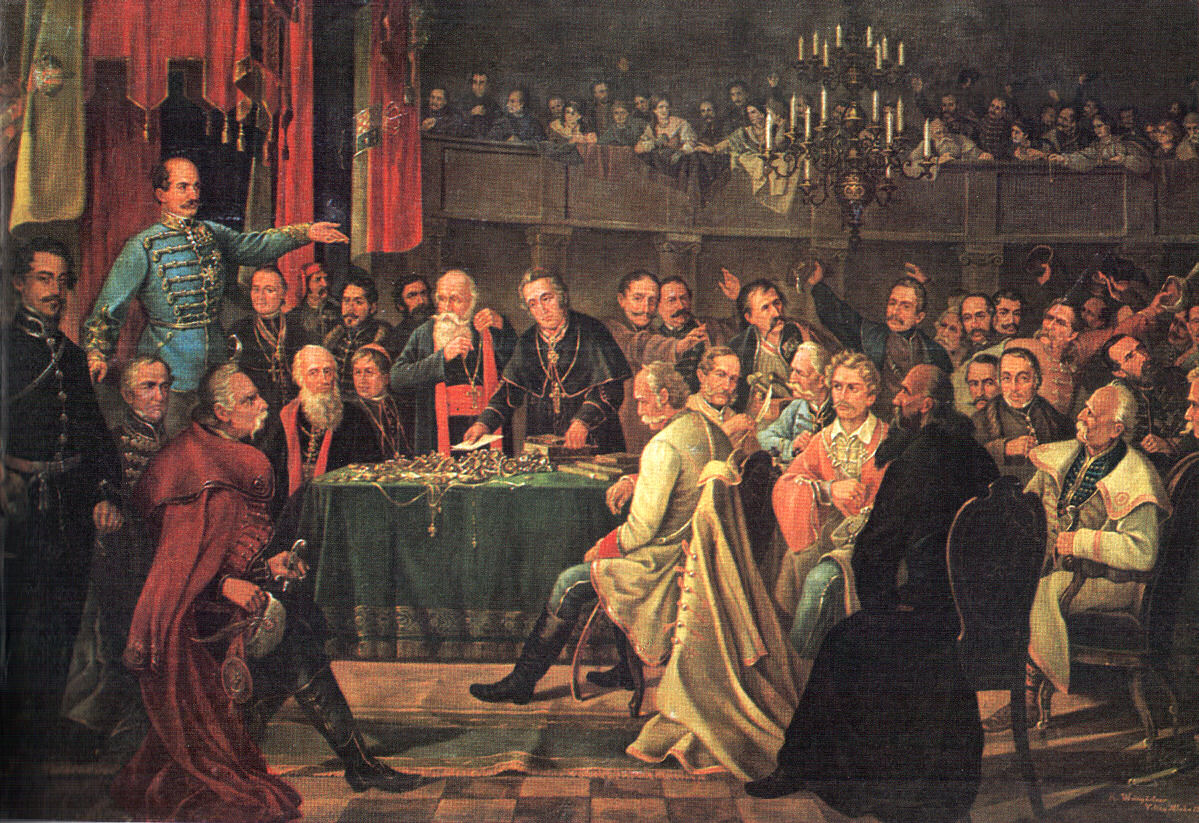
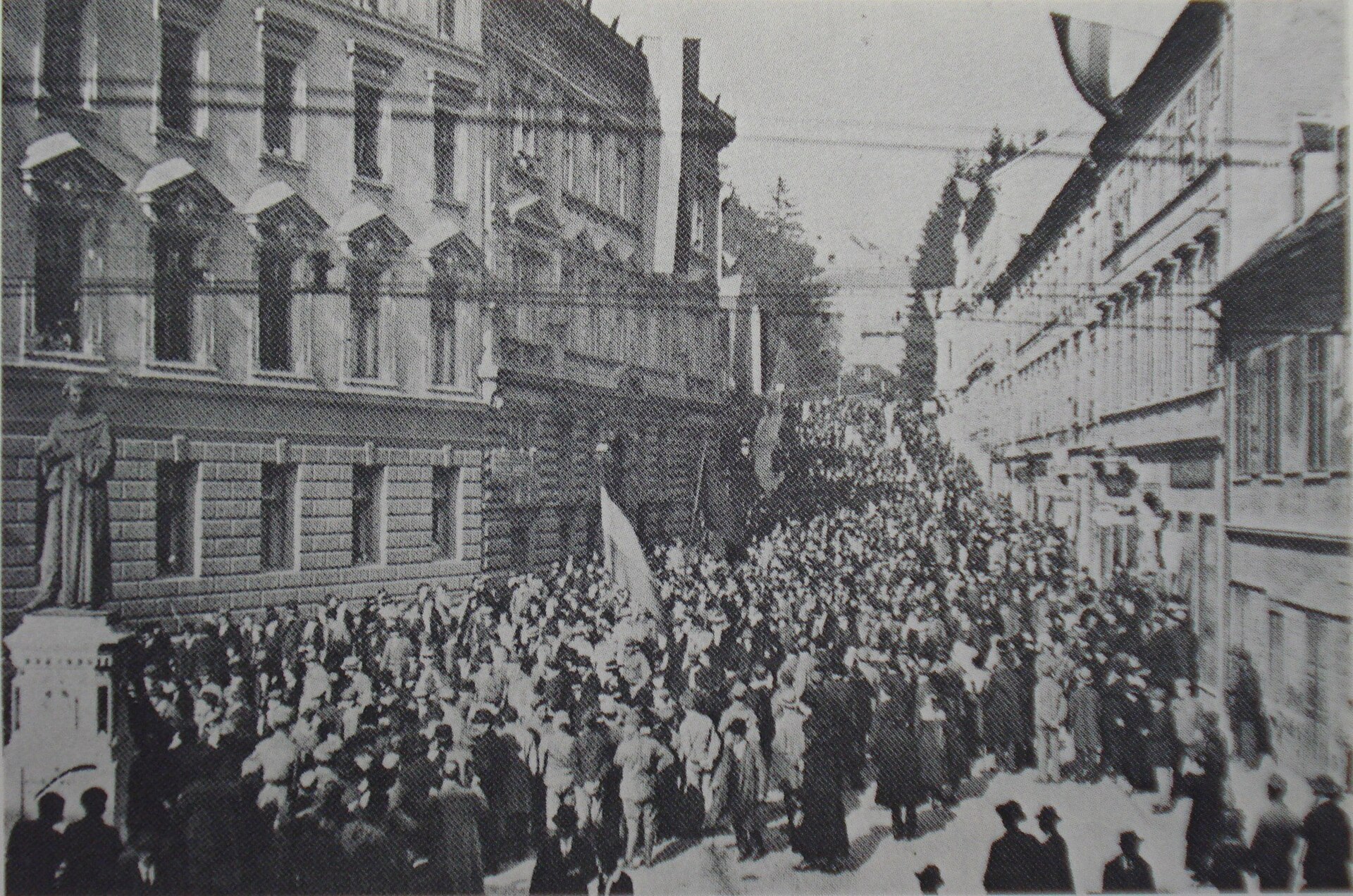
After the First World War the Croats joined the new South Slav state of Yugoslavia, but discontent with their place in it deepened over the decades. As Yugoslavia disintegrated in the early 1990s, Croatia declared independence, triggering a bitter war from 1991 to 1995 against Serb forces and the Yugoslav army, which devastated parts of the country before securing its sovereignty.
An old account, recorded by a Byzantine emperor centuries after the events, tells that the Croats arrived in their new homeland led by five brothers and two sisters, who freed the land from its rulers and settled it. The story has long been cited as the founding tradition of the Croatian people. Modern historians regard the tale of the seven siblings as legend, a later tradition rather than a reliable record of how the Croats actually came to settle the region.
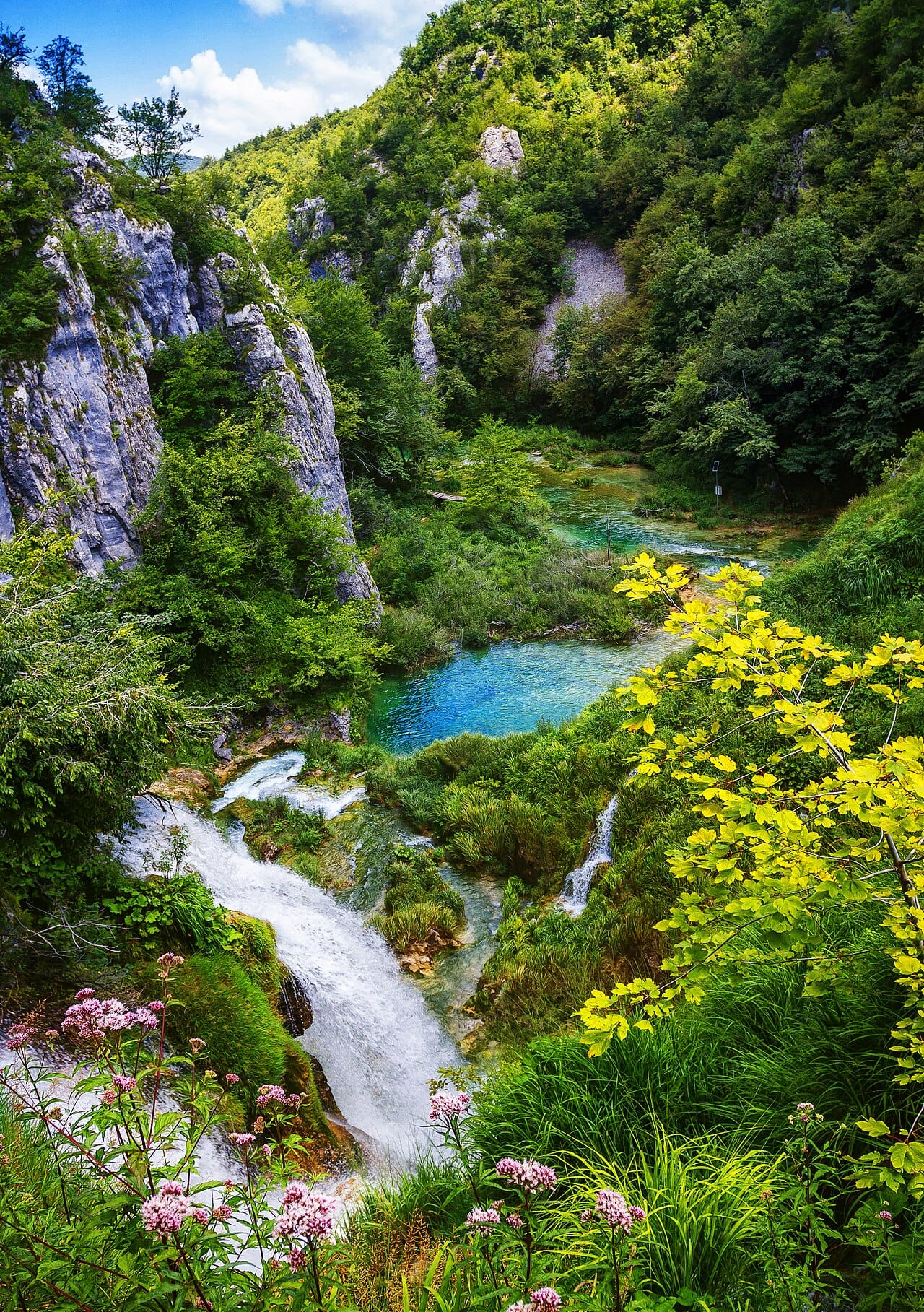
Croatia's geography falls into three contrasting parts: the flat, fertile farmland of the Pannonian plains in the northeast, the wooded hills and mountains of the central highlands, and the long, rugged Adriatic coast in the south and west. That coastline is the country's jewel, stretching for over a thousand kilometres and fringed by more than a thousand islands. Inland lie beautiful natural wonders such as the cascading lakes and waterfalls of Plitvice.
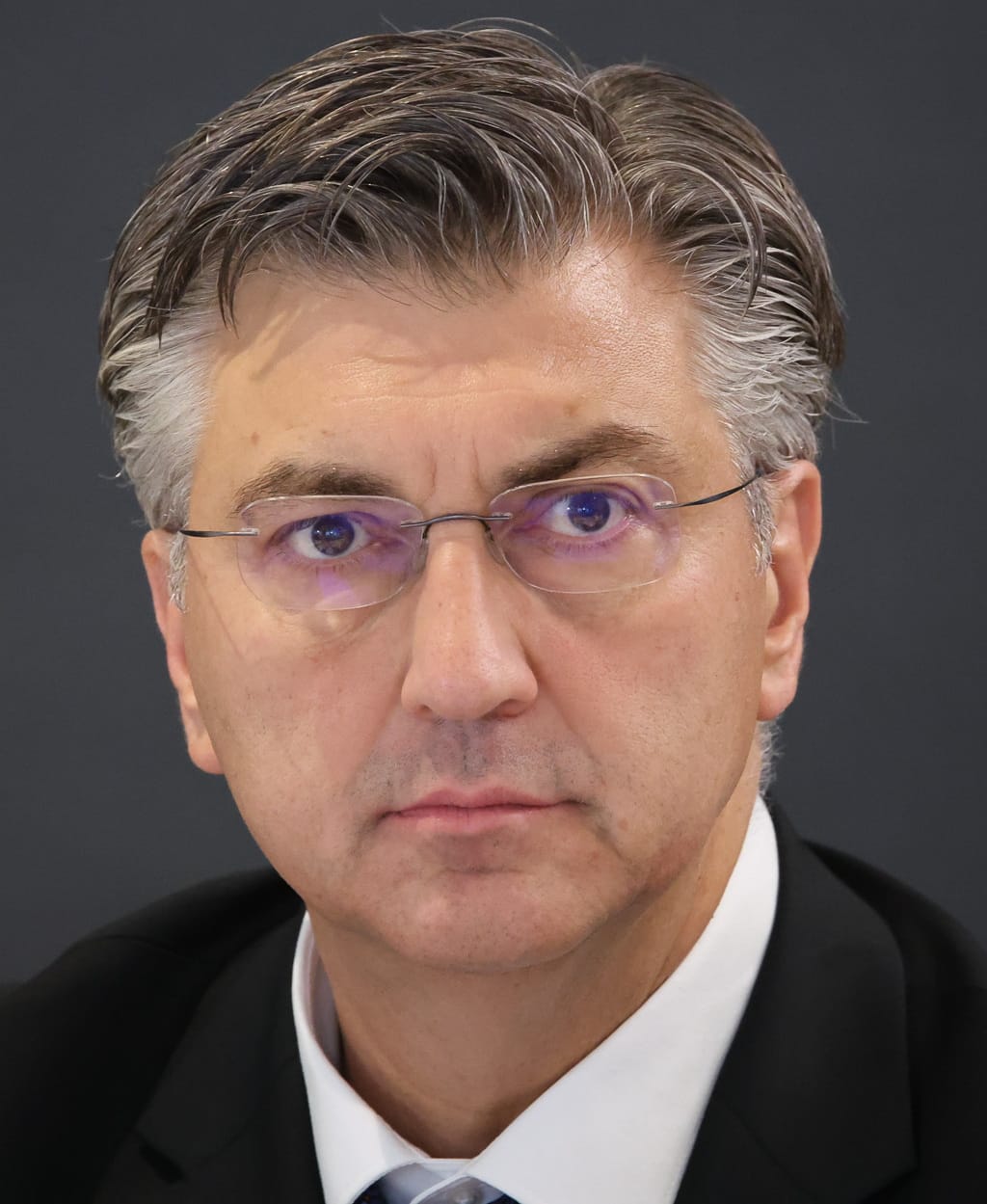
Croatia is a parliamentary democracy and, since the 1990s, a firmly Western-oriented state: it joined NATO and, in 2013, the European Union, and at the start of 2023 it adopted the euro and entered the passport-free Schengen zone, completing its integration with Europe. A prime minister leads the government while a directly elected president serves as head of state, the two offices often held by rivals; the prime minister since 2016 is Andrej Plenkovic of the centre-right. Croatian politics is generally stable, though marked by the usual regional concerns of corruption and the steady emigration of its people.
Croatia's economy leans heavily on tourism, which draws millions of visitors each summer to the Adriatic coast, the walled city of Dubrovnik, and the islands, and which has become the country's largest industry. Alongside it are shipbuilding, an old Adriatic tradition, food processing and agriculture, and some manufacturing. Membership of the European Union, the euro, and the Schengen area has bound the economy tightly to the rest of Europe. The great challenges are a heavy reliance on seasonal tourism and, as across the region, the loss of many young workers to emigration.
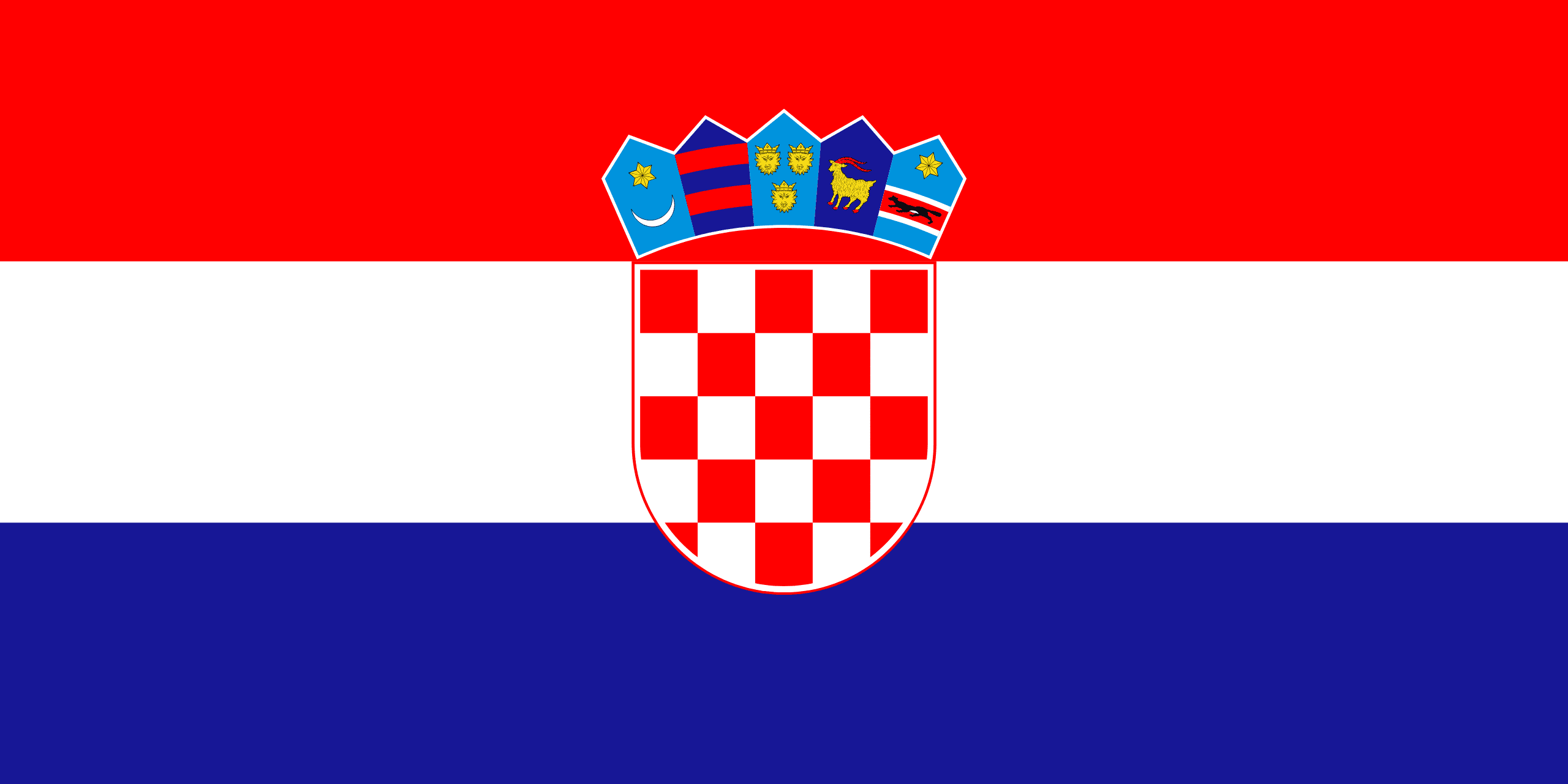
The flag of Croatia has three horizontal bands of red, white, and blue, with the distinctive Croatian coat of arms set in the centre. The shield is a red-and-white checkerboard, a very old Croatian symbol, topped by a crown of smaller shields representing the country's historic regions. The red, white, and blue are the pan-Slavic colours, while the unmistakable checkerboard makes the flag instantly recognisable as Croatian.
Croatia is a predominantly Roman Catholic country, and Catholicism is closely tied to Croatian national identity, a connection that distinguished the Croats historically from their Orthodox and Muslim neighbours in the region. The faith remains influential in the country's culture, festivals, and public life, with the great majority of Croatians identifying as Catholic. The land is dotted with churches, monasteries, and Marian shrines that are important centres of pilgrimage and devotion.
Croatian cuisine reflects the country's split between the Mediterranean coast and the Central European interior. Along the Adriatic, the food is light and Italian-influenced, rich in seafood, olive oil, and the prized truffles of the Istrian peninsula, while inland the cooking is heartier, featuring meat, stews, and dishes baked under a bell-shaped lid in a method called peka. Pasta, cured meats, and excellent local wines feature across the country's varied regions.
Croatian agriculture mirrors its varied landscape. The fertile northeastern plains produce grains, maize, sugar beet, and sunflowers, while the warm coast and islands are ideal for olives, grapes, and other Mediterranean crops, supporting a respected winemaking tradition that reaches back to antiquity. Istria is famous for its truffles and olive oil. Tourism along the spectacular coast, however, has become far more important to the modern economy than farming.
Croatian culture blends a Mediterranean and a Central European soul. Roman Catholicism is woven deeply into national identity, and the country's heritage ranges from the Roman palace at Split and the medieval walls of Dubrovnik to the traditional harmony singing of Dalmatia known as klapa. Croatia has given the world figures of real note, among them the inventor Nikola Tesla, born in the Croatian lands, while in modern times nothing unites the nation like football: a country of under four million people has repeatedly reached the summit of the World Cup, a source of enormous pride. The spectacular coast, meanwhile, has become a global stage, its cities familiar backdrops in film and television.
For a nation forged in war, the memory of the twentieth century remains raw and contested. Two chapters weigh most heavily. The first is the Second World War, when a fascist puppet state, the Ustase regime, ran concentration camps and murdered Serbs, Jews, and Roma, while a Communist-led Partisan movement resisted; how to remember these opposed legacies, and how firmly to condemn the fascist past that a nationalist fringe still seeks to soften, is a live and bitter argument. The second is the Homeland War of the 1990s, celebrated as a just struggle for independence, yet shadowed by unresolved questions of war crimes, missing persons, and the flight of much of Croatia's Serb population, whose relations with the majority are still healing. How Croatia reckons with both wars, and with its neighbours, is an open and sensitive part of national life.
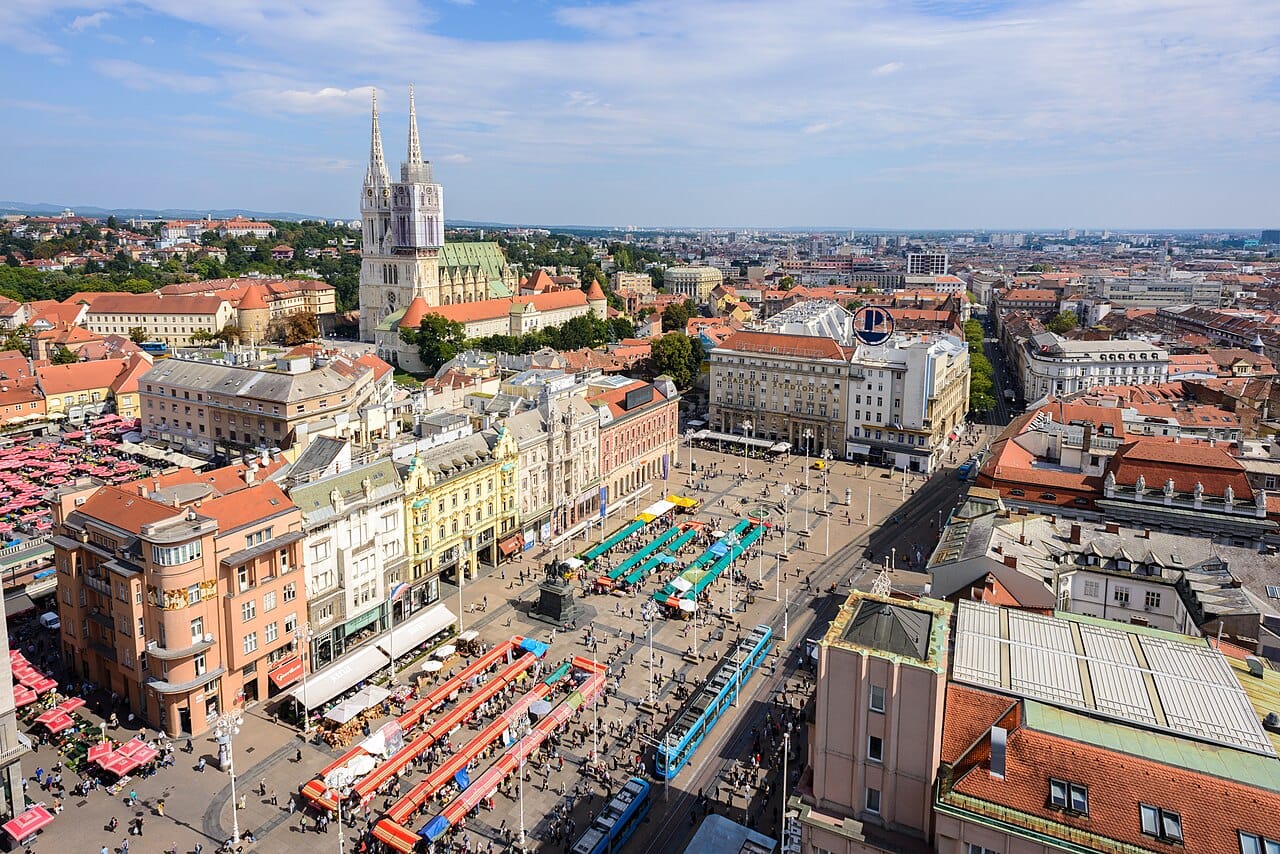
Croatia has a population of around 3.9 million people, the great majority ethnic Croats, a South Slavic people who are predominantly Catholic, with small minorities including Serbs. Like much of the region, the country has seen its population decline through low birth rates and emigration to wealthier parts of the European Union. Most Croatians live in cities and towns, above all the capital, Zagreb, in the interior, while the coast draws millions of visitors each summer.