Albania is a country in the western Balkans of southeastern Europe, on the Adriatic and Ionian Seas across from the heel of Italy. A rugged, mountainous land with a beautiful coastline, it is home to a people, the Albanians, who trace their roots to the ancient Illyrians and speak a language unrelated to those of their neighbours. After spending much of the twentieth century as one of the most isolated and repressive communist states in the world, Albania has, since the 1990s, opened up to become a developing, increasingly visited Mediterranean nation.
Albania's history runs from the ancient Illyrians, through the legendary resistance of Skanderbeg and long Ottoman rule, to the most isolated dictatorship in Europe and a hard-won reopening to the world.
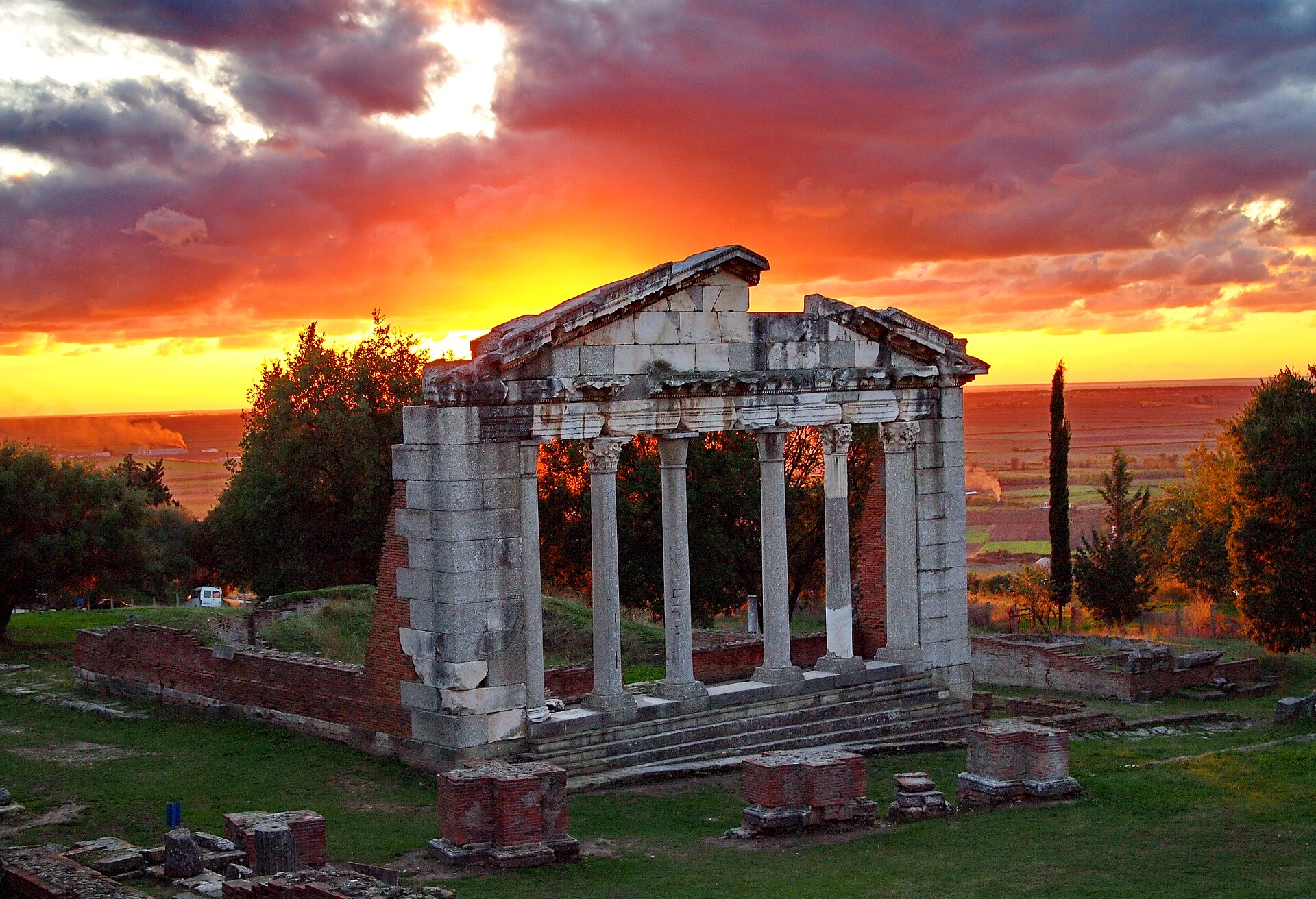
The Albanians trace their descent from the Illyrians, an ancient people who inhabited the western Balkans and built their own kingdoms, such as that centred on Scodra, before falling to Rome. The coast was studded with Greek colonies, and under Rome and then Byzantium the region prospered, crossed by the great Via Egnatia road linking the Adriatic to Constantinople.
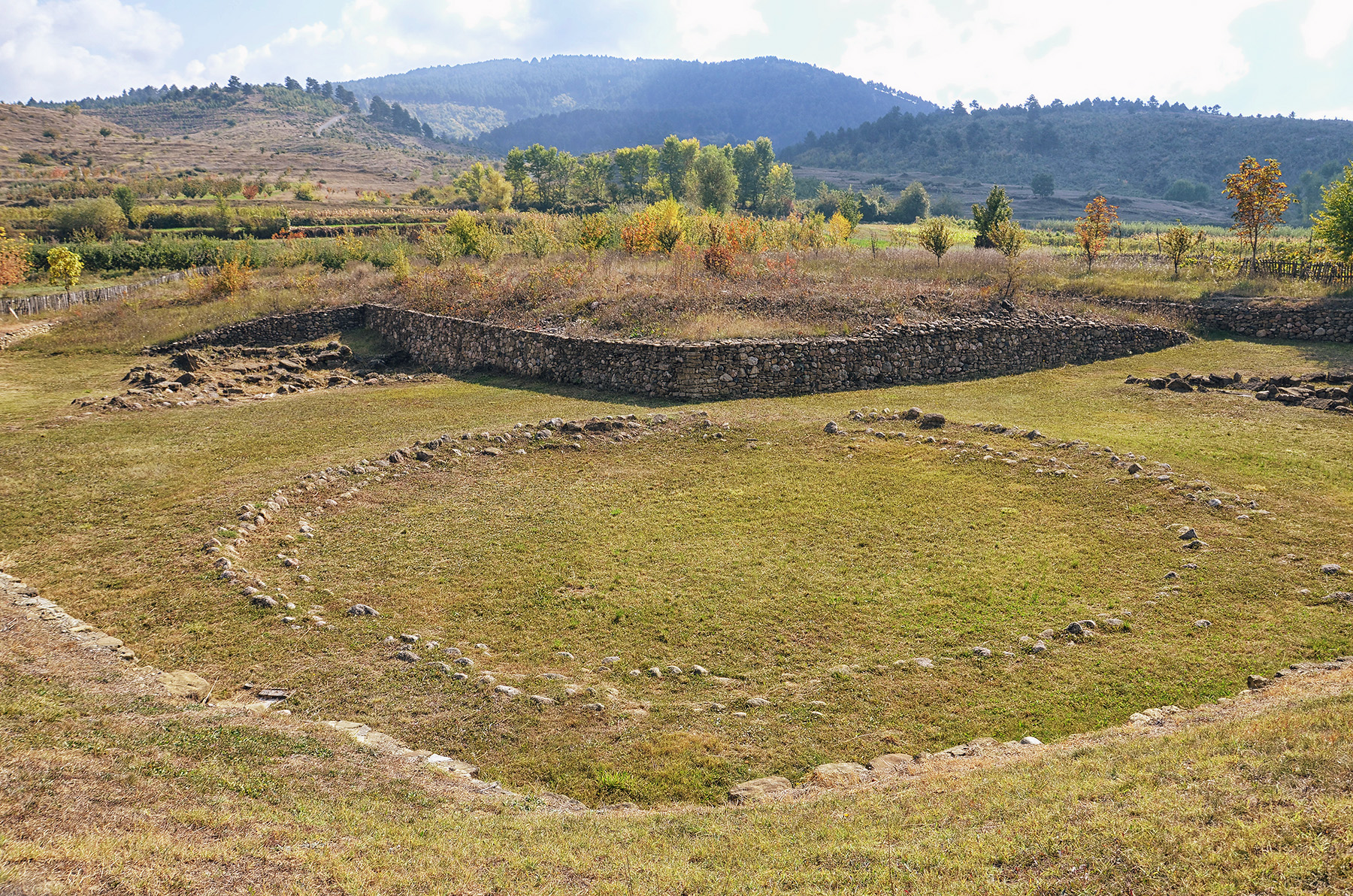
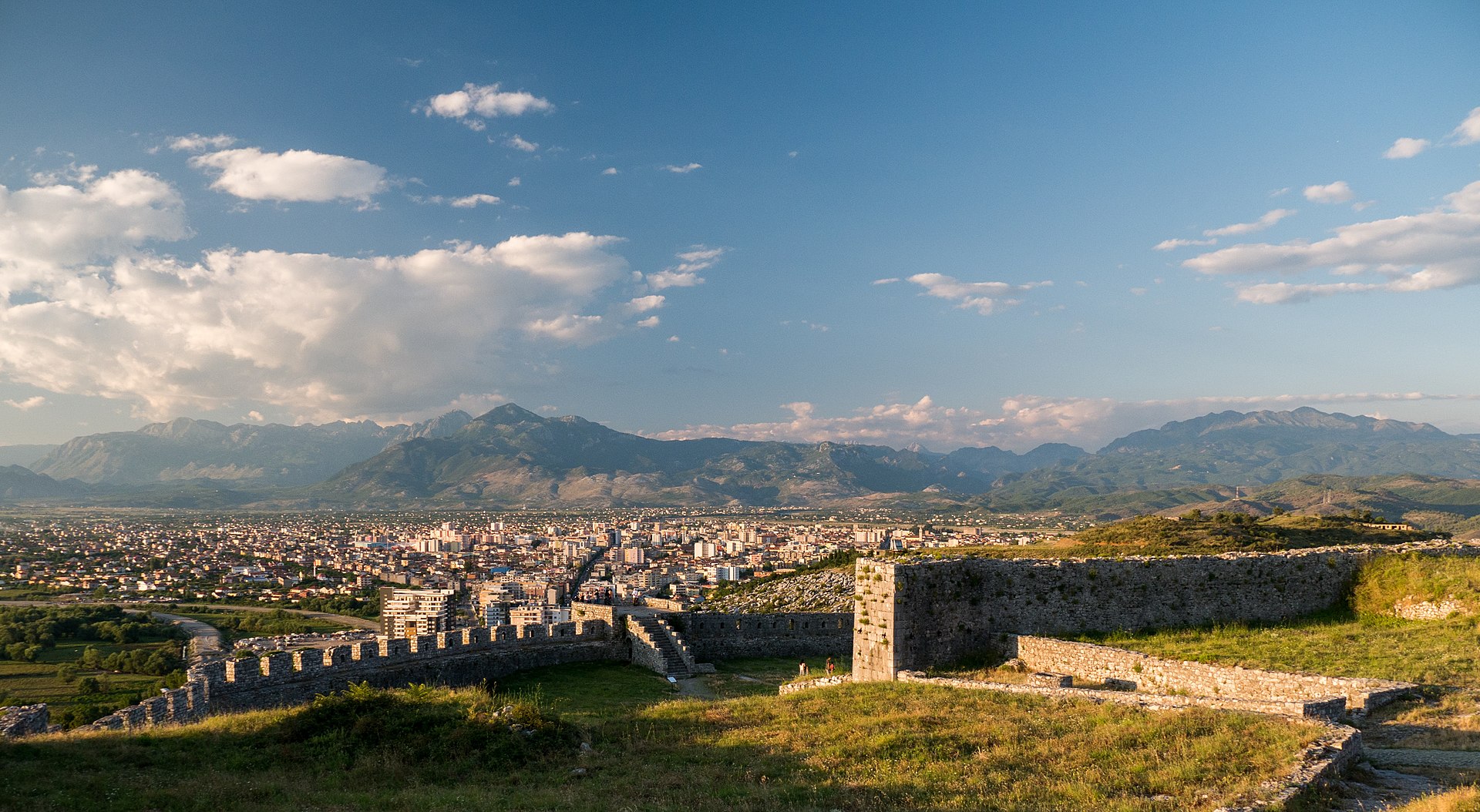
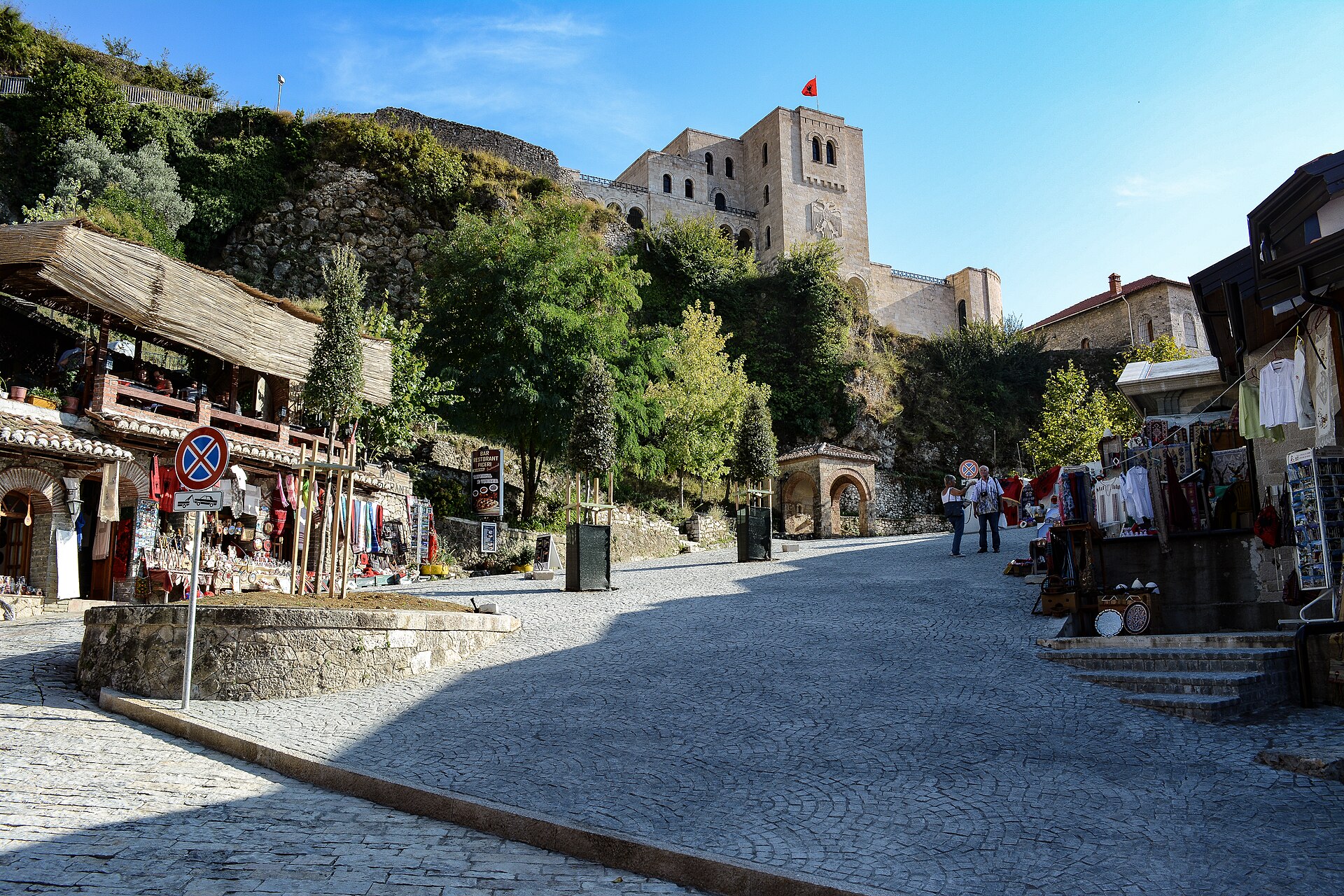
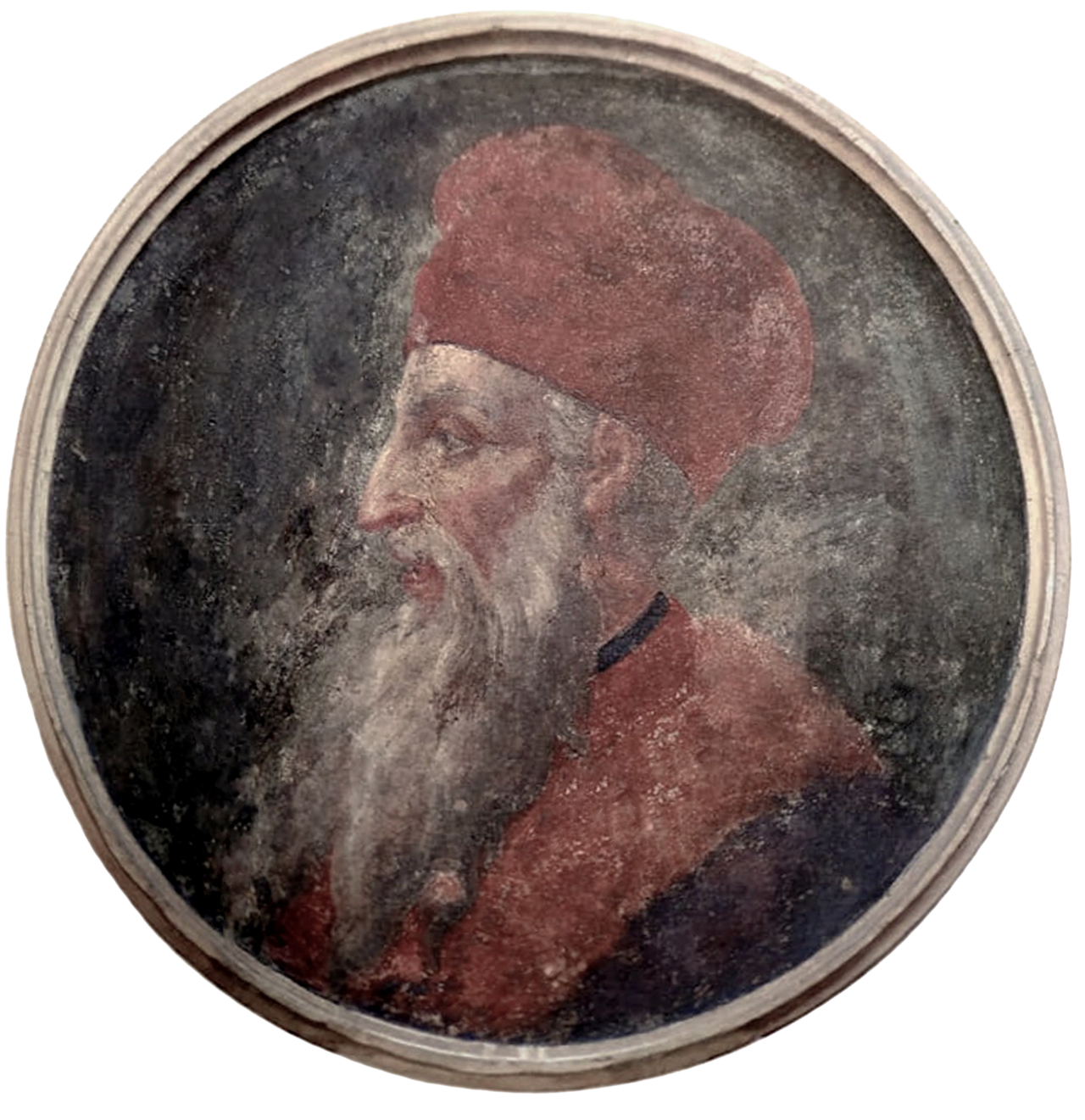
As Byzantine power faded, a patchwork of Albanian principalities emerged. In the fifteenth century, as the Ottomans swept through the Balkans, the nobleman George Kastrioti, known as Skanderbeg, led a remarkable quarter-century of resistance from his mountain stronghold at Kruje, holding off the might of the empire and becoming the enduring national hero of the Albanians.
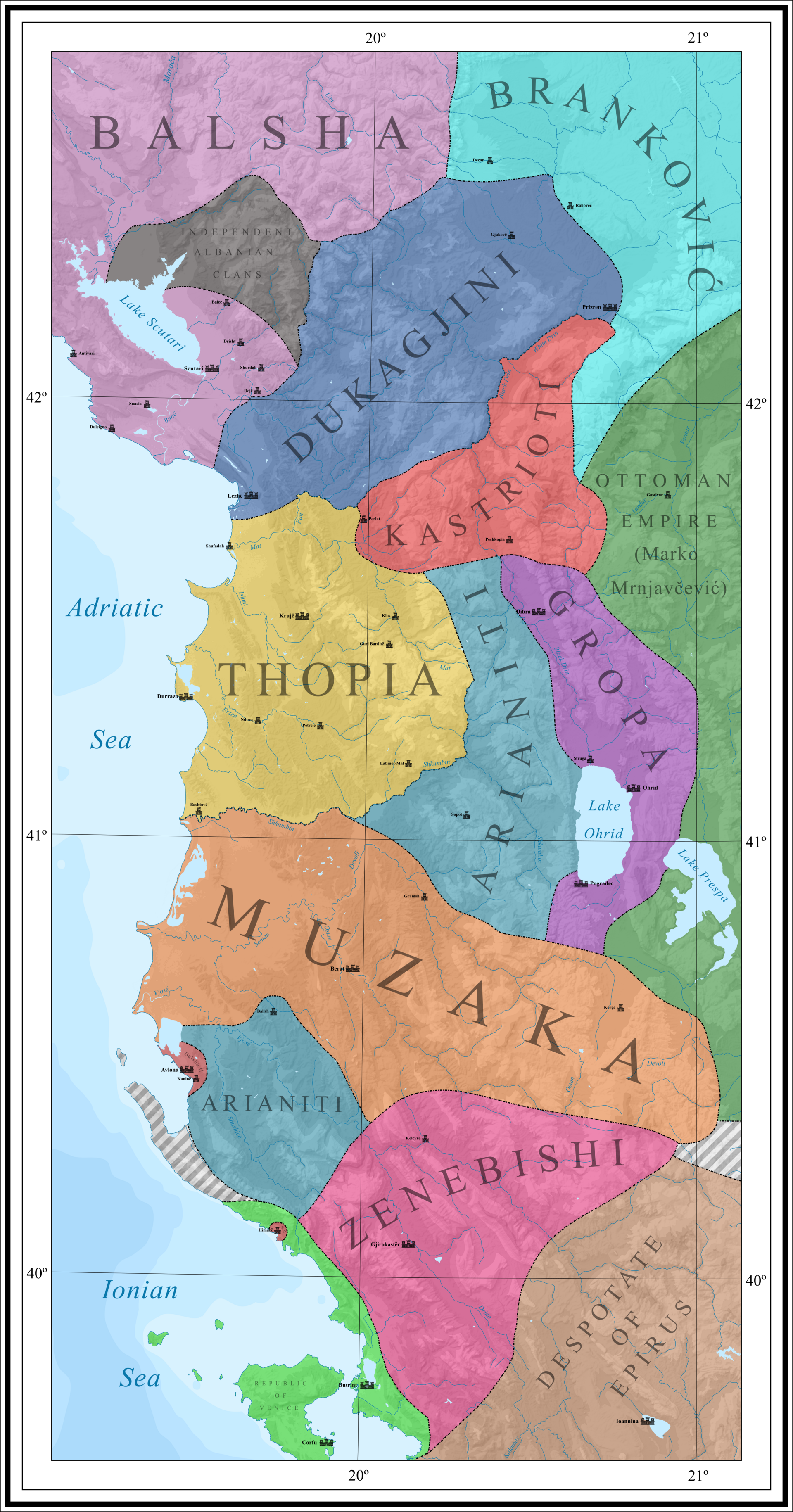
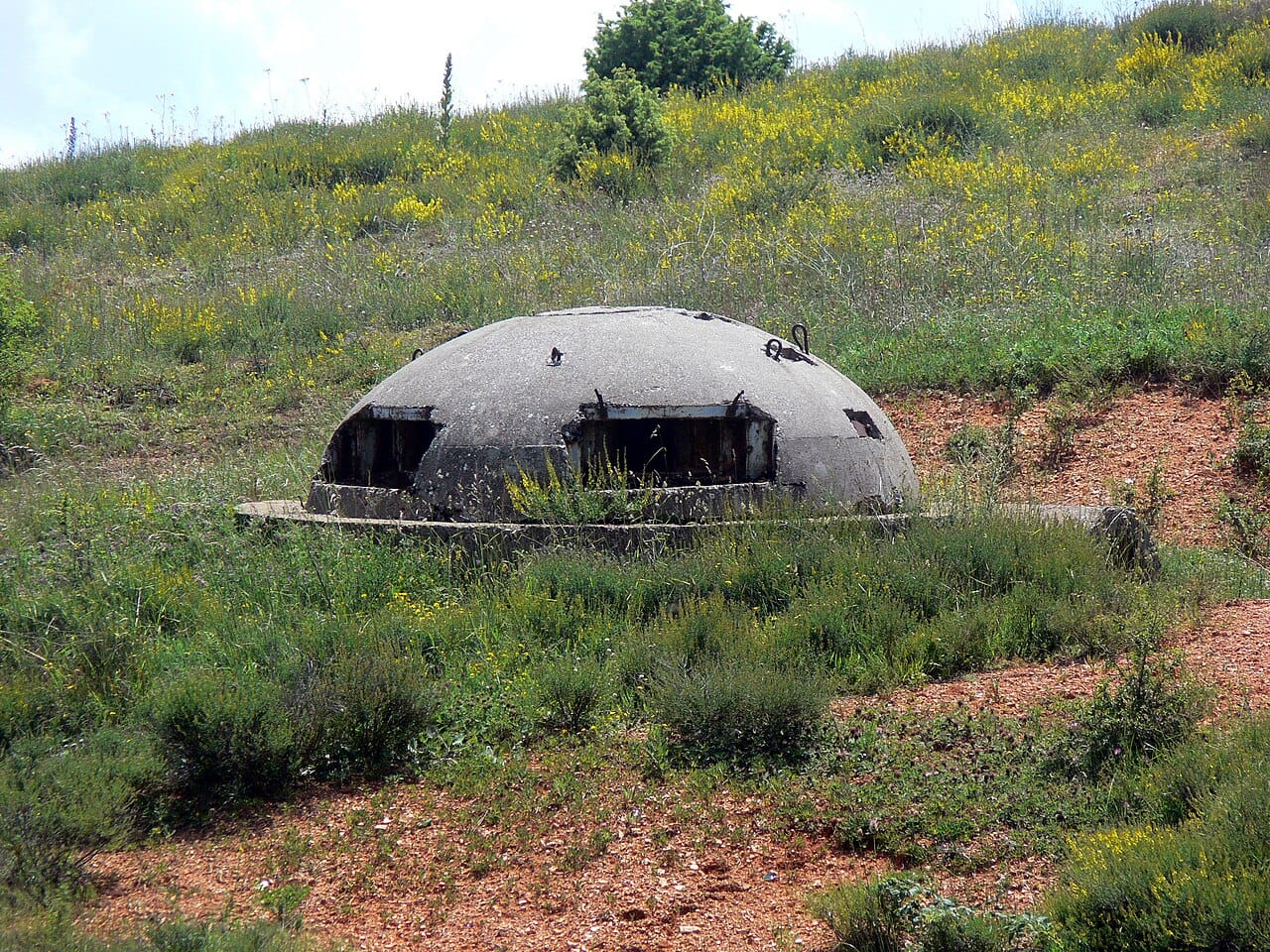
After Skanderbeg's death Albania was absorbed into the Ottoman Empire for over four centuries, during which most Albanians converted to Islam. Independence came in 1912, followed by a brief monarchy and Italian and German occupation in the Second World War. Then came the defining ordeal of the century: the communist dictatorship of Enver Hoxha, an extraordinarily paranoid and isolated Stalinist regime that broke with the Soviet Union and even China, banned religion, sealed the country off from the world, and dotted the land with hundreds of thousands of concrete bunkers against an invasion that never came.
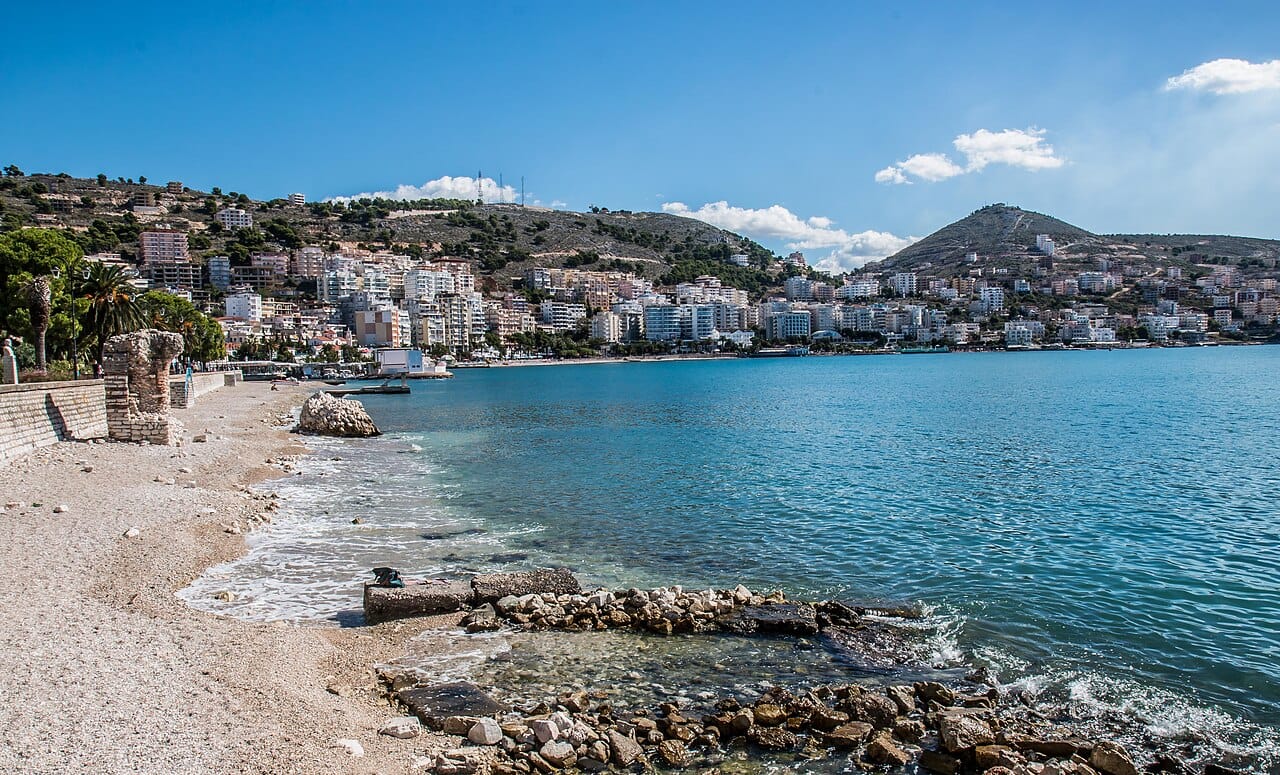
Albania is largely mountainous, with rugged ranges covering much of the interior and rising sharply behind a coastal plain on the Adriatic. The coastline, washed by the clear waters of the Adriatic and Ionian Seas, is increasingly famous for its beaches, while inland lie deep river valleys, alpine highlands in the north, and ancient lakes shared with neighbouring countries. This dramatic landscape, long isolated and little developed, has preserved a wild beauty and rich biodiversity.
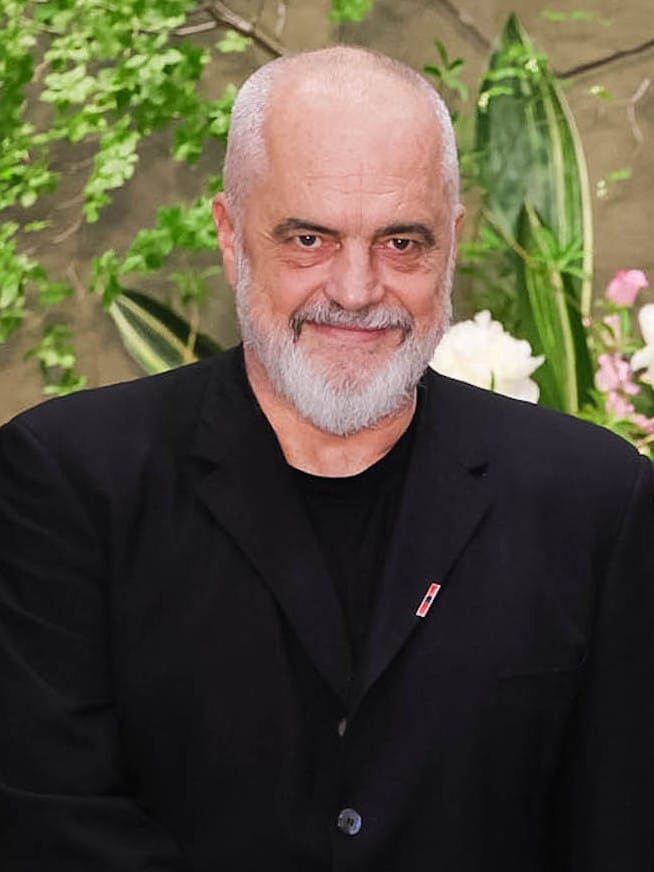
Albania is a parliamentary republic and a member of NATO since 2009, and its central national goal is membership of the European Union, with which it opened accession negotiations in 2022 and hopes to join around the end of the decade. Its politics is dominated by the long rivalry between the Socialist Party and the Democratic Party, and since 2013 by the Socialist prime minister Edi Rama, a former artist and basketball player who won a fourth consecutive term in 2025. Rama has overseen closer ties with the West and a tourism boom, but his government, like the country's politics generally, is dogged by persistent concerns over corruption and organised crime, which remain the chief obstacles on the road to Europe.
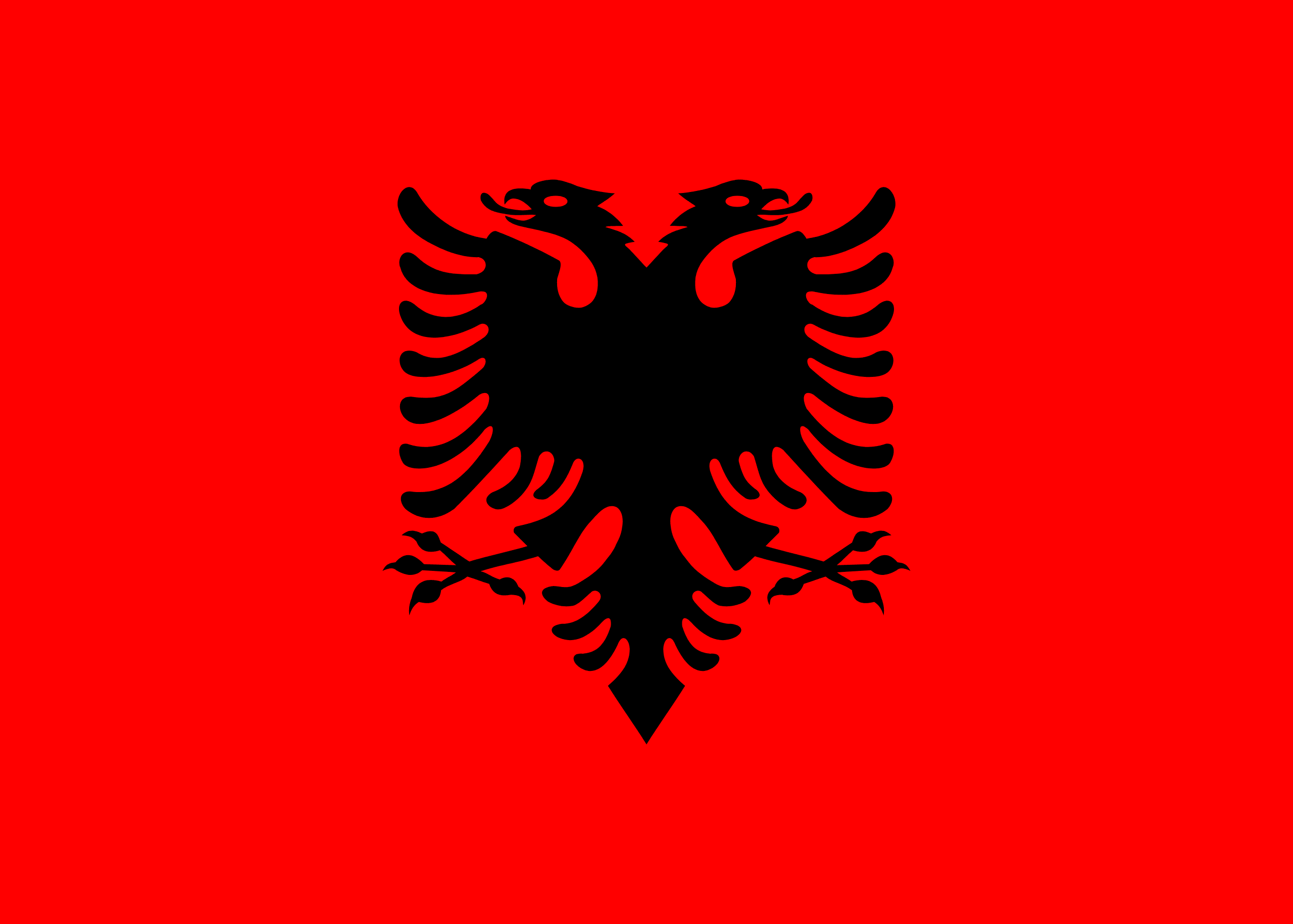
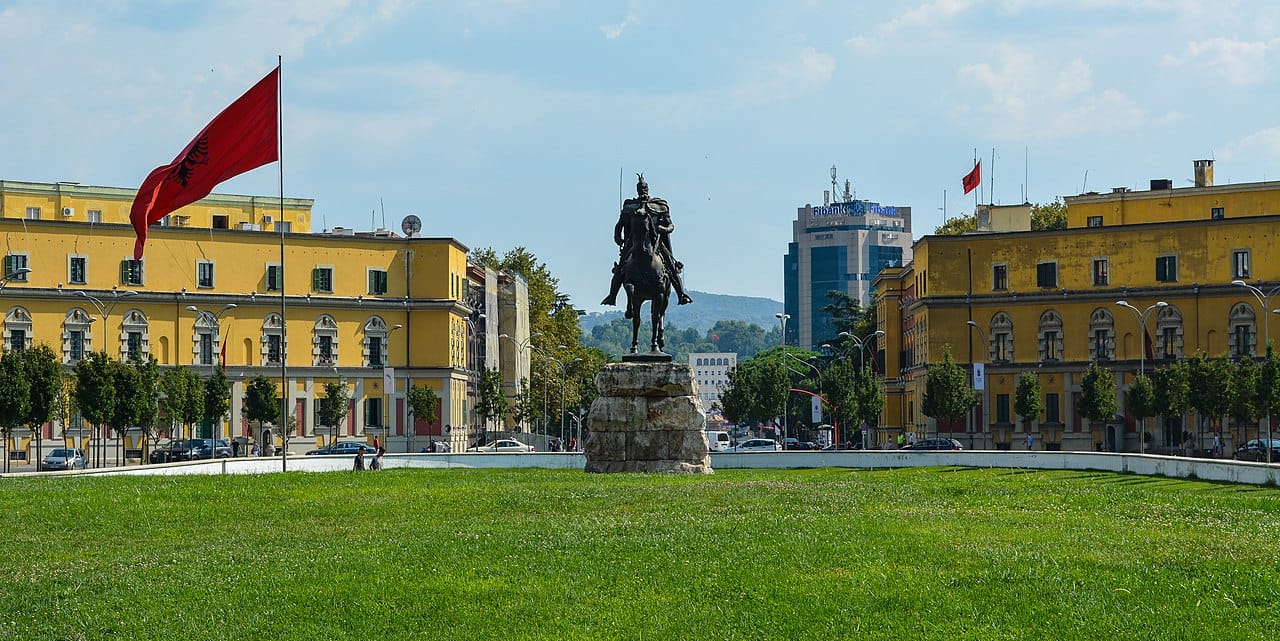
The flag of Albania is a striking red field bearing a black double-headed eagle. The double-headed eagle is an ancient symbol associated with Skanderbeg and with Albanian identity, and indeed Albanians call their country the land of the eagles. The bold red and black design is one of the most distinctive national flags, and the eagle has stood for the Albanian people through centuries of struggle for survival and independence.
Albania has a religious history unlike almost any other European country. Centuries of Ottoman rule made the majority Muslim, including a strong presence of the mystical Bektawi Sufi order, alongside Orthodox and Catholic Christian minorities. The communist regime then declared Albania the world's first officially atheist state and banned religion entirely. Since the fall of communism, faith has revived, and Albania is widely noted for the tolerance and easy coexistence among its religious communities, which many see as a point of national pride.
Albanian cuisine blends Mediterranean and Ottoman influences, making generous use of olive oil, vegetables, lamb, and dairy. A national dish is tave kosi, lamb baked with a topping of yogurt and eggs until set, and savoury filled pastries called byrek are eaten everywhere. Grilled meats, fresh salads, and seafood along the coast are staples, and the warm climate yields an abundance of fruit and vegetables, reflecting a healthy, sun-filled food culture.
Agriculture remains important to Albania and employs a significant share of its people, though it is constrained by the mountainous terrain and a legacy of underdevelopment. Farmers grow olives, grapes, and a variety of fruits and vegetables in the warm coastal lowlands and valleys, along with wheat and maize, and raise sheep and goats in the highlands. Much farming is small-scale, and the sector has been modernising since the country emerged from its long communist isolation.
Albanian culture is distinctive and fiercely cherished, built around a language that forms its own unique branch of the Indo-European family, unrelated to any of its neighbours. Notions of honour, hospitality, and family loyalty run deep, historically codified in the highlands in an unwritten body of customary law, the Kanun. Music ranges from the haunting polyphonic singing of the south, recognised as a treasure of world heritage, to the brass and drums of the north. The remarkable religious tolerance among the country's Muslim majority and Christian minorities, forged in part by shared national feeling and the communist ban on faith, is a widely held point of pride, and figures such as the Albanian-born Mother Teresa are claimed with affection.
The collapse of the Hoxha dictatorship in 1990 and 1991 left Albania the poorest and most isolated country in Europe, and its reopening has been turbulent. A chaotic transition, mass emigration, and the collapse of fraudulent pyramid investment schemes in 1997, which plunged the country into near-anarchy, marked the early years. Since then Albania has steadily stabilised and grown, joining NATO, opening talks to join the European Union, and, most visibly, transforming its long-forbidden coast into a booming tourist destination. Yet emigration, corruption, and organised crime remain serious challenges, and the country's future is bound up with its long march toward Europe.
Albania has a population of around 2.8 million people, overwhelmingly ethnic Albanians, who speak a unique Indo-European language that forms its own branch of the family. Large Albanian populations also live in neighbouring Kosovo, North Macedonia, and beyond, and a vast diaspora has spread across Europe and the world, the result of heavy emigration after the fall of communism. The population is concentrated in the coastal lowlands and in the capital, Tirana, a city that has been rapidly transformed in recent decades.