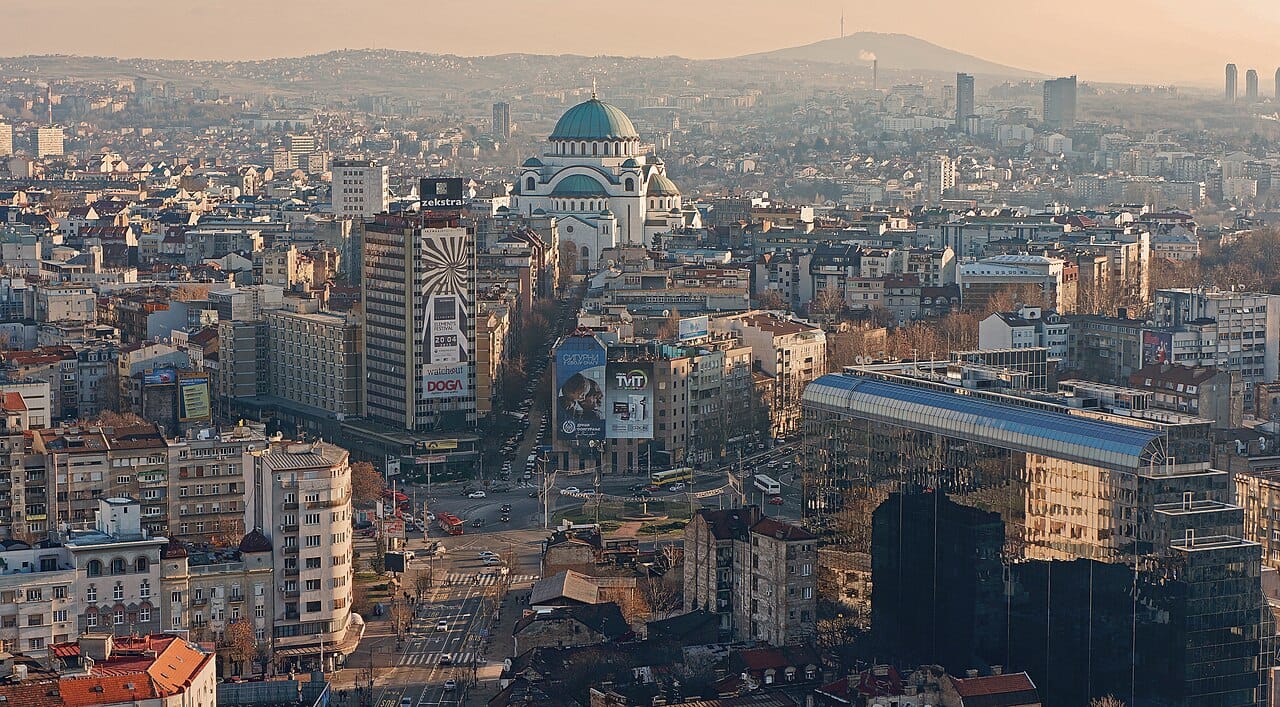
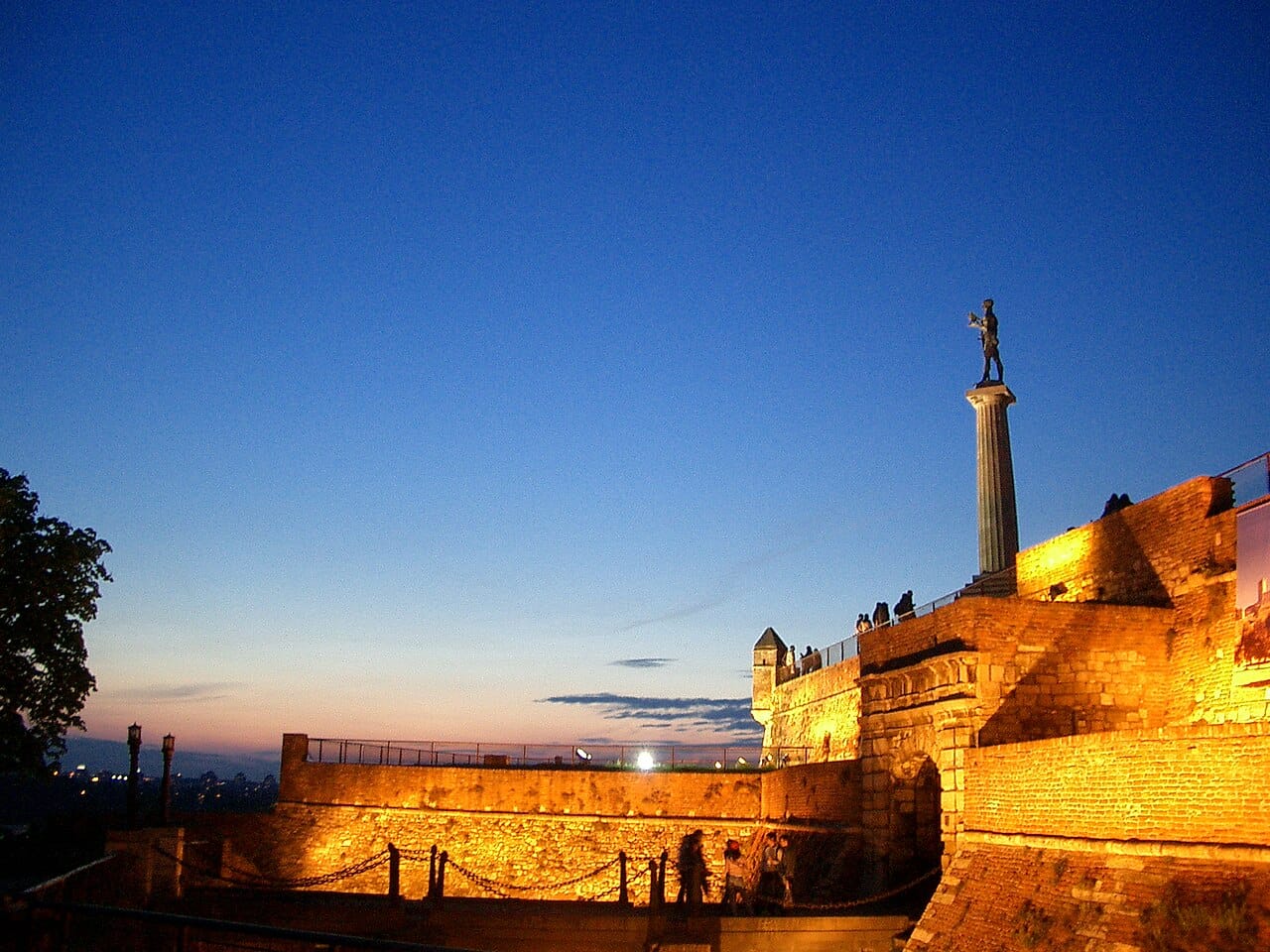
Serbia is a landlocked country in the central Balkans of southeastern Europe, where the great river Danube crosses the heart of the continent. A crossroads between Central Europe and the Mediterranean and Near Eastern worlds, it has a long and turbulent history of medieval glory, Ottoman conquest, and a central role in the Yugoslav state and its violent dissolution. With its capital Belgrade standing where the Sava meets the Danube, Serbia is a nation with deep historical roots and a strong cultural identity.
Serbia's history runs from ancient European cultures, through a medieval golden age and centuries under the Ottomans, to the making and violent unmaking of Yugoslavia.
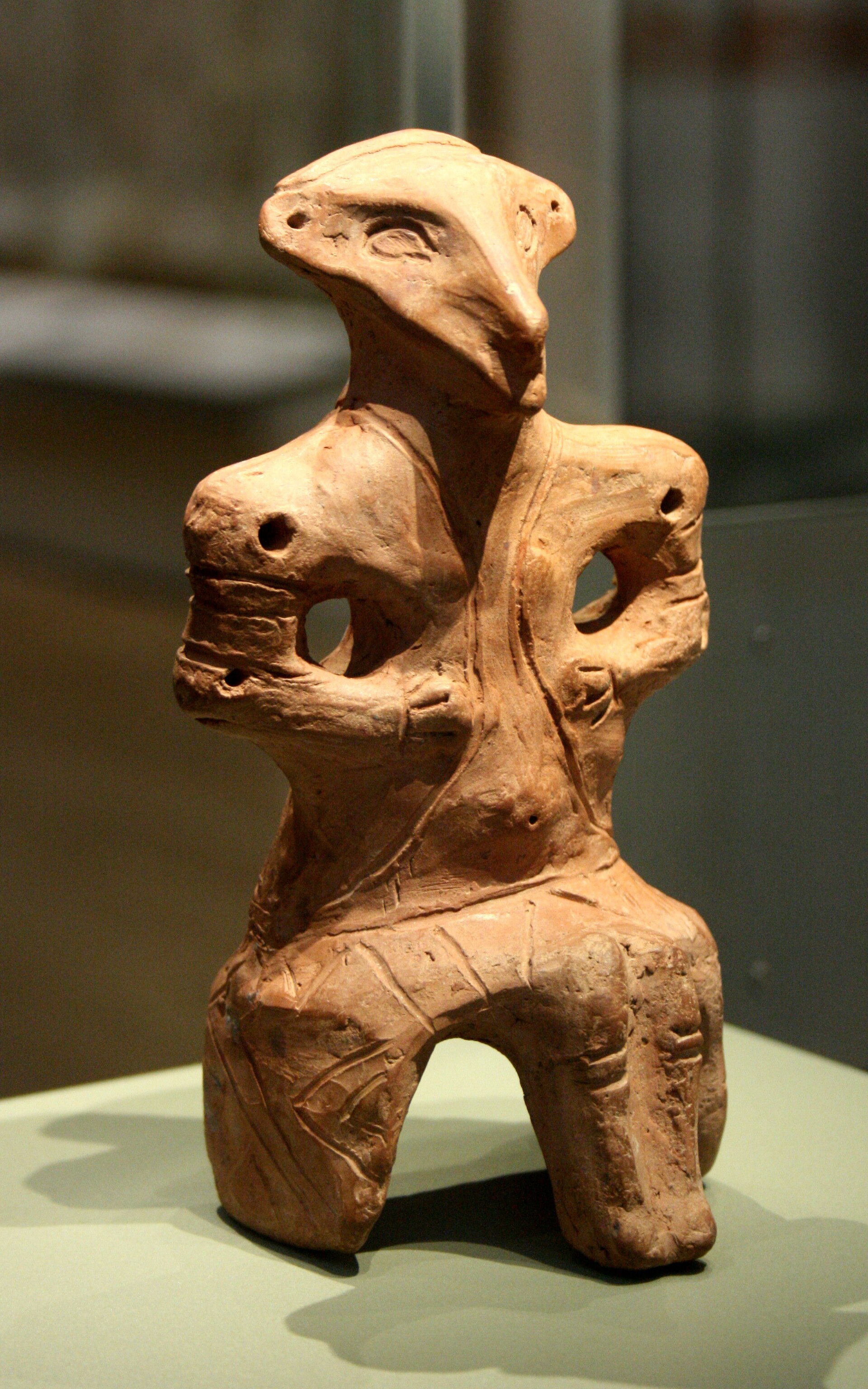
The land has been inhabited since deep antiquity, home to the prehistoric Vinca culture, among the earliest in Europe, and later a Roman province so important it produced several emperors, including Constantine the Great, born at Nis. In the Middle Ages a Serbian kingdom rose under the Nemanjic dynasty and grew, under Tsar Dusan in the fourteenth century, into an empire that dominated much of the Balkans, adorning the land with magnificent Orthodox monasteries.
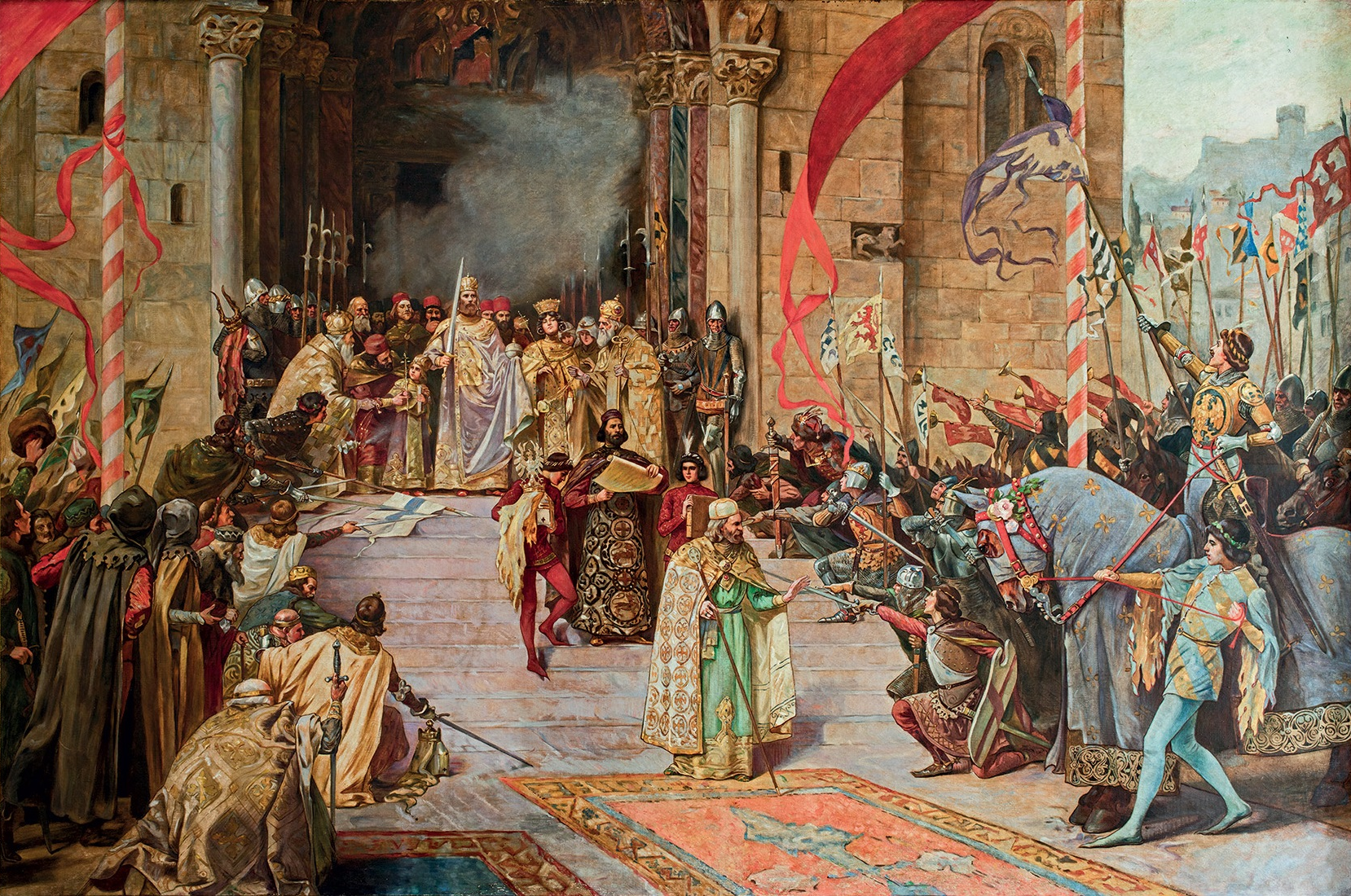
In 1389 the Serbs met the advancing Ottomans at the Battle of Kosovo, a clash remembered in national epic and myth as a heroic, tragic stand at the heart of Serbian identity, even though it did not immediately end Serbian independence. Within decades, however, Serbia fell under Ottoman rule, which would last for some five centuries, a long age of subjection during which the Orthodox Church helped keep the sense of nationhood alive.
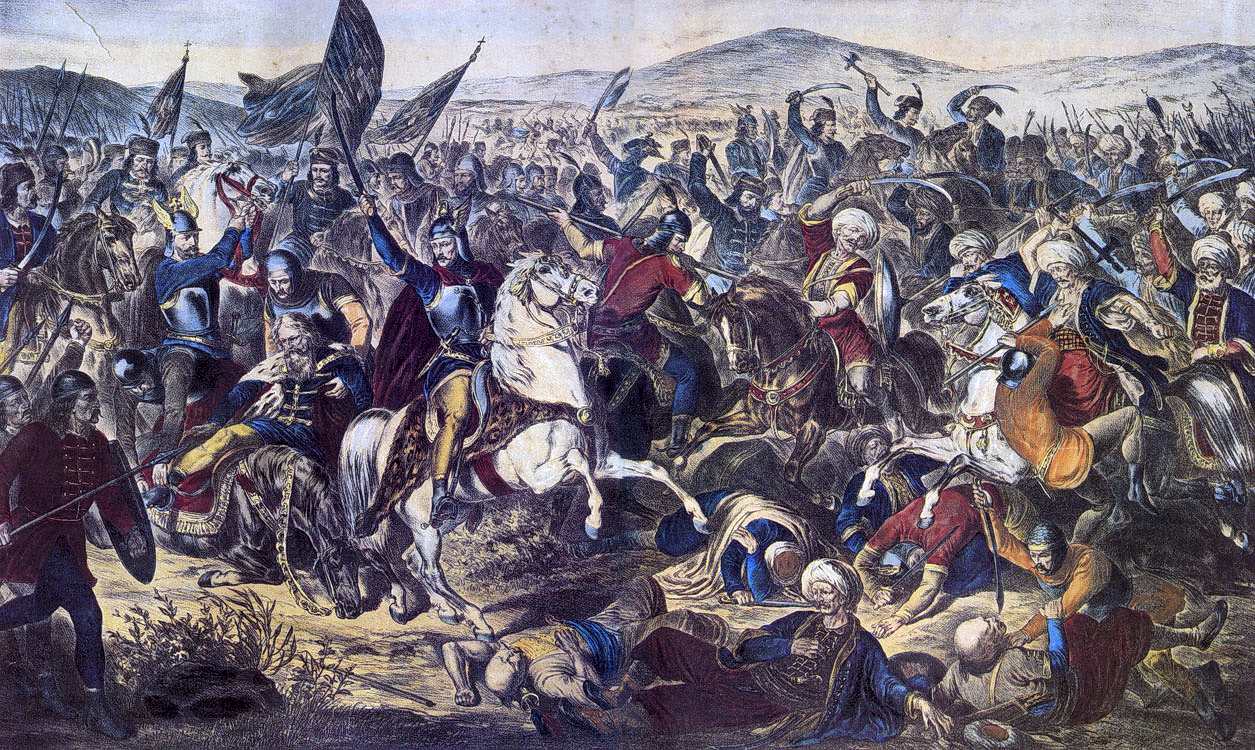
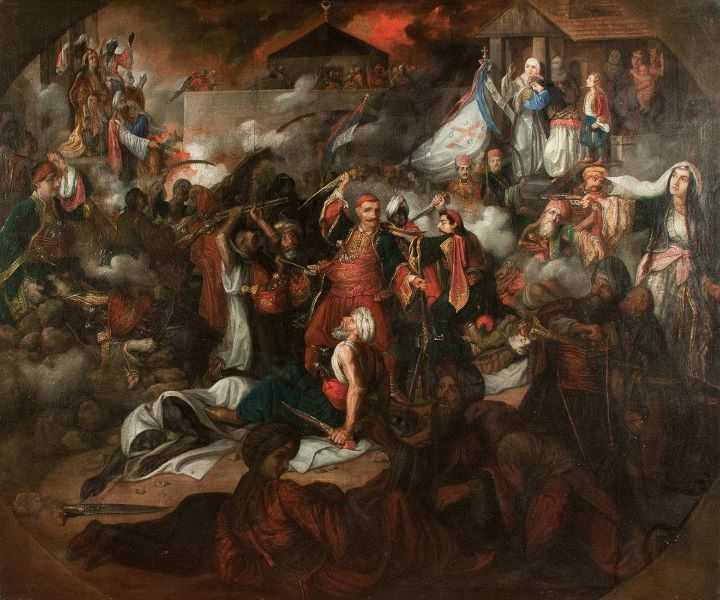
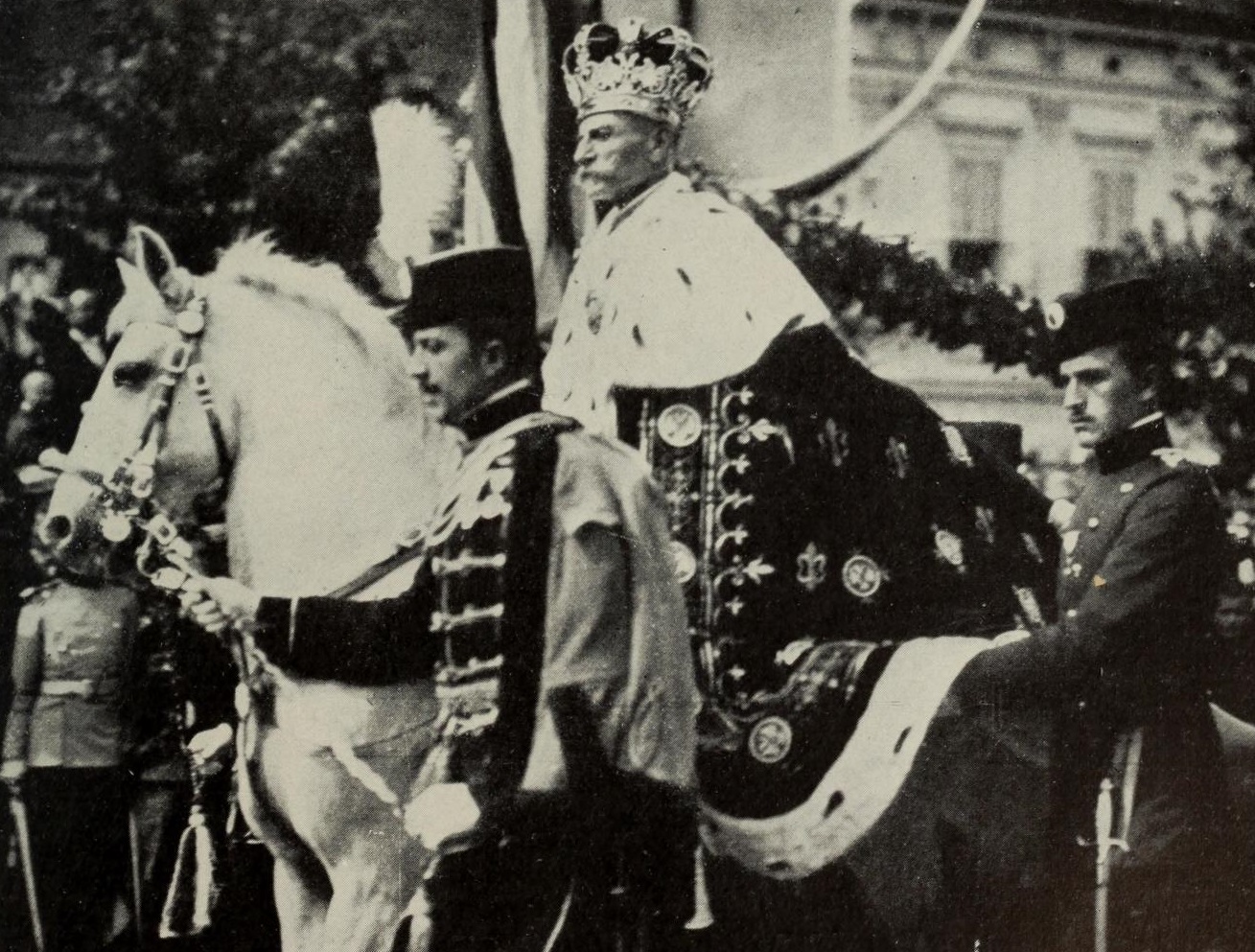
In the early nineteenth century Serbian uprisings won back self-rule, and Serbia grew into an independent kingdom that played a fateful role in the origins of the First World War and suffered terribly in it. After 1918 it became the core of the new South Slav state of Yugoslavia. That state held together through decades of socialism under Tito, before disintegrating in the 1990s in a series of brutal wars that reshaped the Balkans and left Serbia, the largest of the successor states, isolated and scarred.
Serbia is varied in landscape, with the flat, exceptionally fertile plains of Vojvodina in the north giving way to rolling hills and, in the south and east, mountains and river gorges. The Danube and its tributaries, the Sava and the Morava, water the land and have long served as routes of trade and travel. The dramatic Iron Gates gorge, where the Danube cuts through the mountains on the border with Romania, is one of the great natural features of Europe.
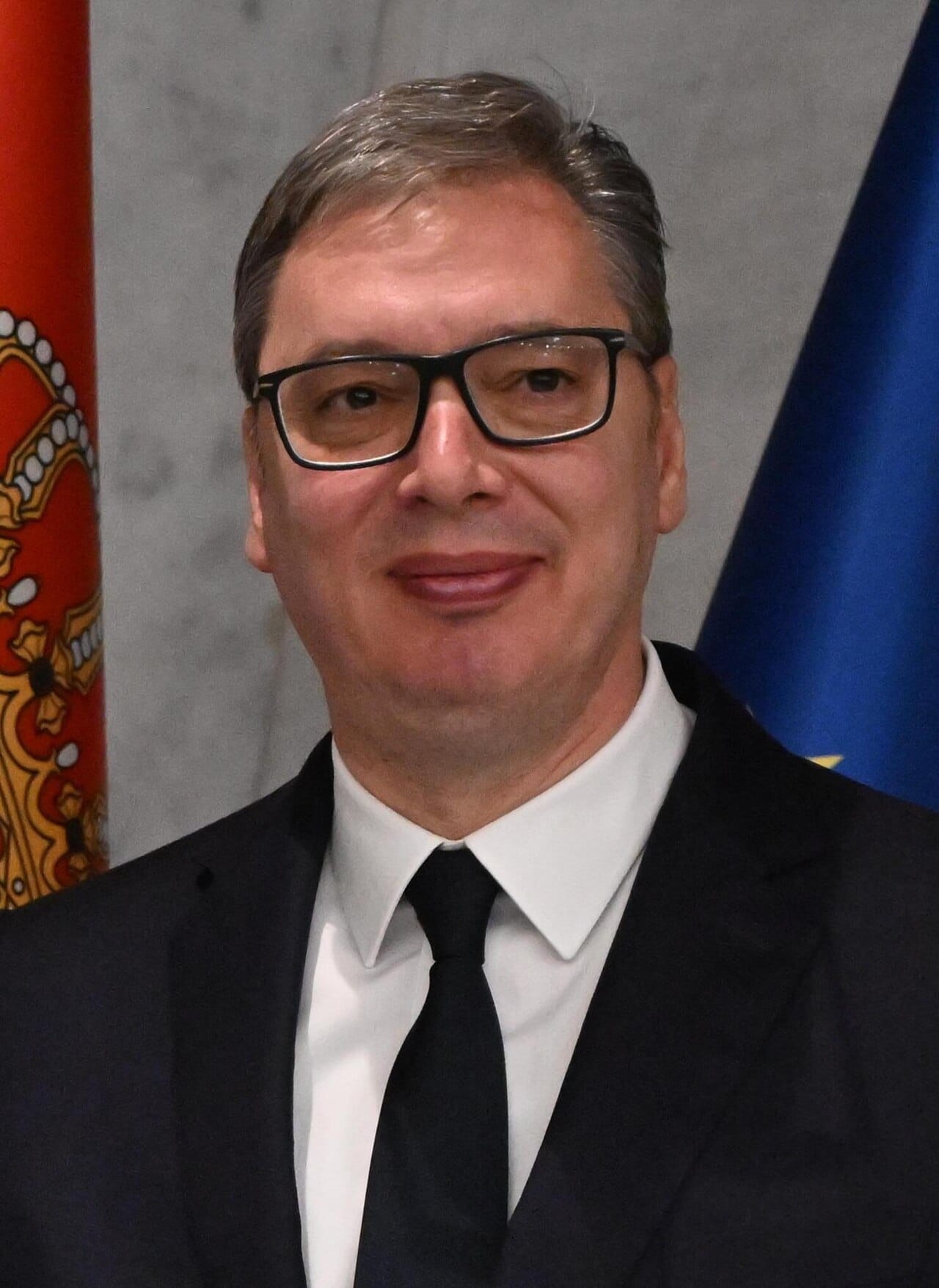
Serbia is a parliamentary republic, though in practice power is concentrated around the presidency. The dominant figure of recent Serbian politics is Aleksandar Vucic, president since 2017 and long the country's strongman, whose grip on the media and institutions has drawn accusations of eroding democracy. That grip has faced its sternest test in a wave of huge protests that began after a railway-station canopy collapsed in Novi Sad in 2024, killing sixteen people, an accident that became a symbol of corruption and swelled into a sustained, student-led movement against the government. Serbia is a candidate to join the European Union, yet it also keeps notably close ties with Russia and China and has declined to join Western sanctions against Moscow.
Serbia has a middle-income, transitioning economy that has grown steadily in recent years. Agriculture is important, drawing on the rich soils of the Vojvodina plain, and the country is one of the world's leading exporters of raspberries. To this are added manufacturing, mining, and a fast-growing information-technology sector that has become a bright spot for the young and educated. Serbia has attracted heavy investment from both the European Union, its largest trading partner, and from China, which has funded mines, factories, and infrastructure, reflecting the country's careful balancing between East and West.
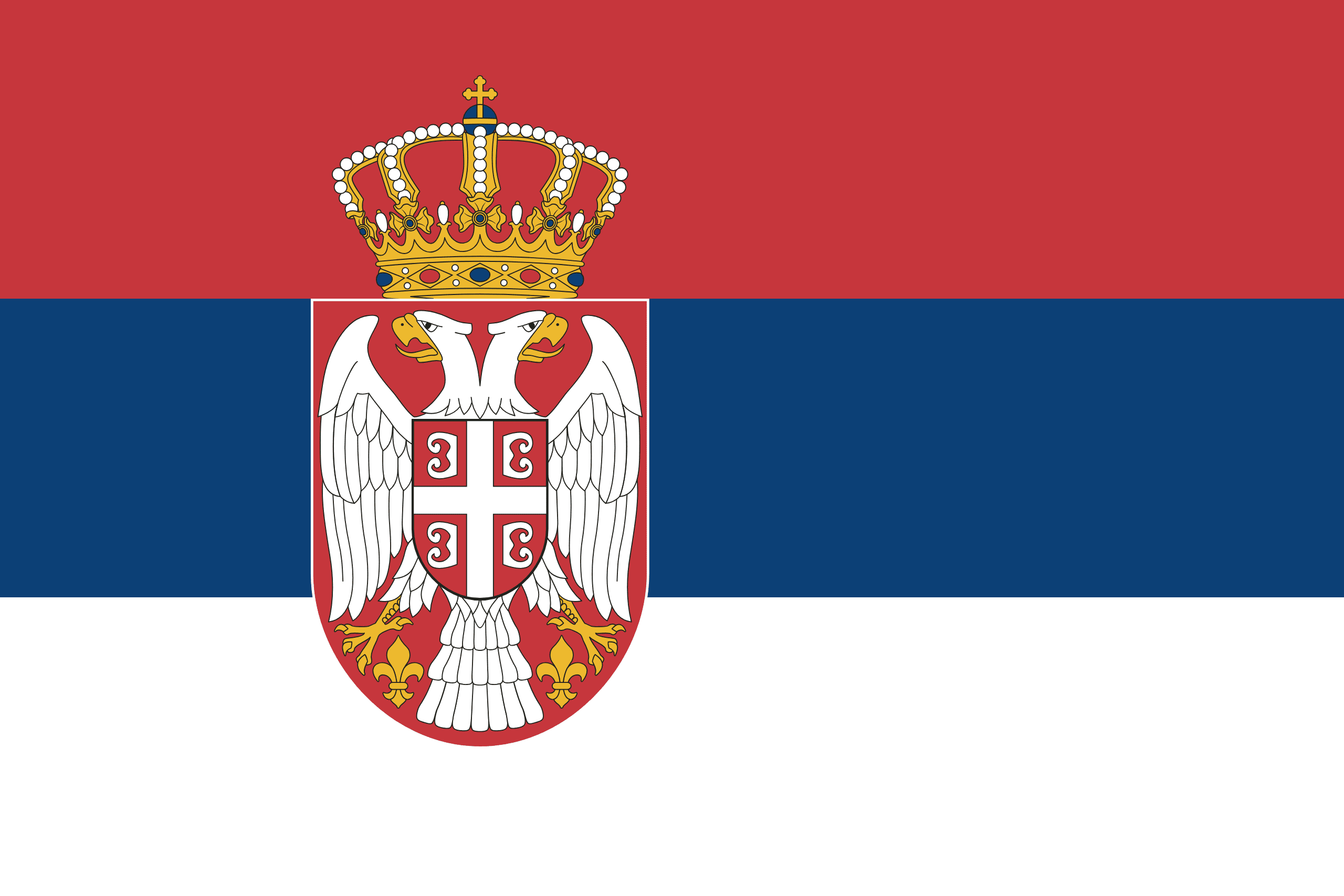
The flag of Serbia has three horizontal bands of red, blue, and white, the pan-Slavic colours, with the national coat of arms set toward the hoist. The shield bears a white double-headed eagle, a symbol of Serbian statehood inherited from the Byzantine world, above a cross flanked by four shapes often read as firesteels. The flag connects modern Serbia to its medieval kingdom and to the wider family of Slavic and Orthodox nations.
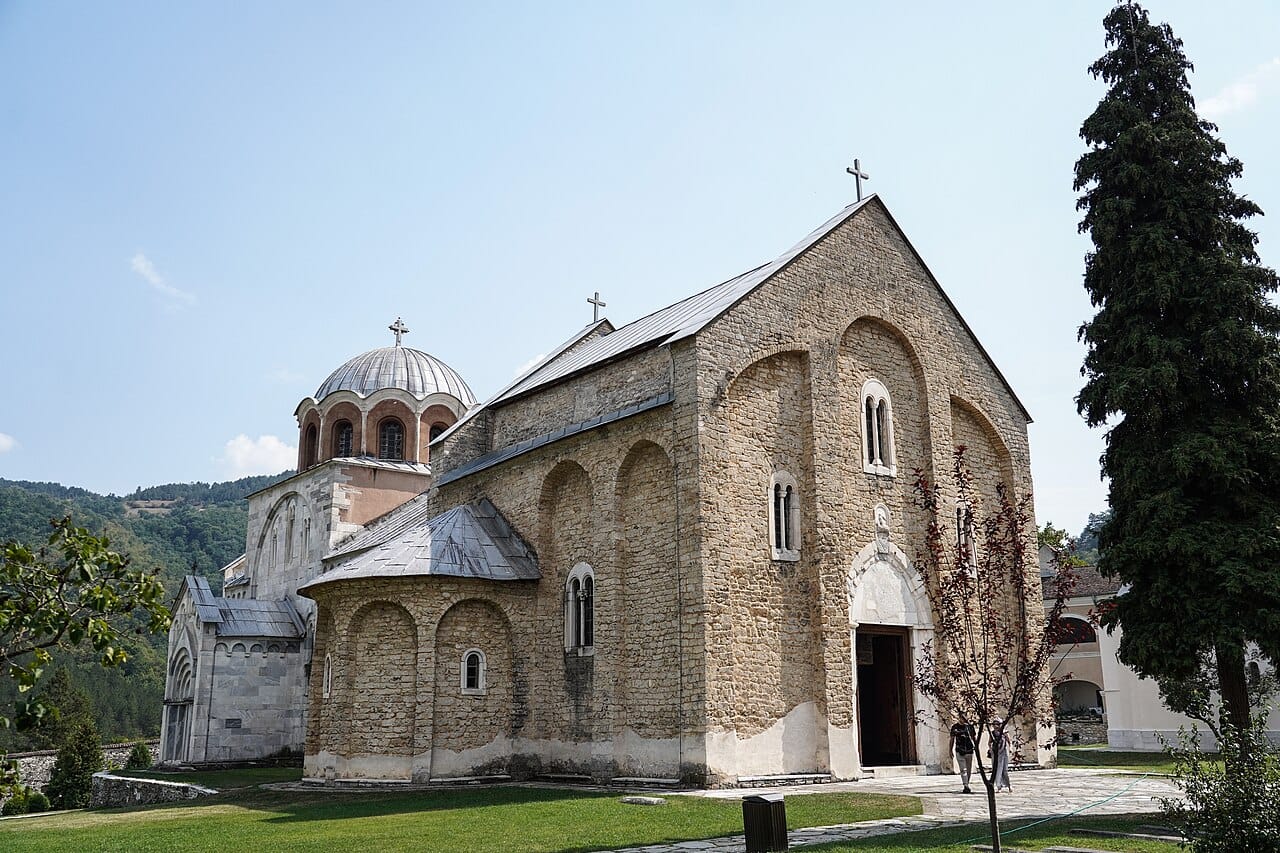
The great majority of Serbs belong to the Serbian Orthodox Church, an Eastern Orthodox faith that has been bound up with Serbian national identity for centuries and helped preserve a sense of nationhood through long periods of foreign rule. The church's monasteries, many of them medieval masterpieces filled with frescoes, are among the country's greatest cultural treasures. Religious tradition, festivals, and the family patron saint celebration remain important features of Serbian life.
Serbian cuisine is hearty and meat-rich, sharing much with the wider Balkans. Grilled meats are central, above all cevapi, small grilled rolls of minced meat, and various skewers and cutlets, often accompanied by ajvar, a relish of roasted red peppers. Hearty stews, fresh cheeses, and bread feature widely, and meals are frequently rounded off with rakija, a strong fruit brandy. Food is closely tied to a culture of generous hospitality.
Agriculture is an important part of Serbia's economy, centred on the rich black soil of the Vojvodina plain in the north, one of the most fertile regions in Europe. Farmers there grow abundant maize, wheat, sugar beet, and sunflowers, and the country is a notable producer of fruit, including being among the world's leading exporters of raspberries. Serbia also has a long winemaking tradition and produces plums in great quantity for both eating and brandy.
Serbian culture is bound tightly to the Orthodox Church and to a deep sense of history. Its medieval monasteries, their walls glowing with frescoes, are the nation's greatest treasures and the roots of its identity, and traditions such as the slava, the celebration of a family's patron saint, mark the rhythm of life. The Serbs cherish a rich heritage of epic poetry, much of it dwelling on Kosovo and the Ottoman age, and a lively modern culture of music, from soulful traditional song to the exuberant brass bands famous at the Guca trumpet festival. Warm and demonstrative hospitality, strong family bonds, and a pride in producing world-beating sportspeople, above all the tennis champion Novak Djokovic, are all central to the national character.
No question cuts deeper in Serbian life than that of Kosovo. To Serbs, Kosovo is the cradle of their medieval state and faith, the site of the 1389 battle and of many of their holiest monasteries, and the constitution still describes it as part of Serbia. Yet Kosovo has long had an overwhelmingly ethnic-Albanian majority, and after the war of 1998 and 1999, in which Serbian forces were driven out by a NATO bombing campaign, it declared independence in 2008. That independence is recognised by the United States and most Western states but rejected by Serbia, along with Russia, China, and others, leaving Kosovo's status disputed and unresolved. For Serbs the loss is a wound and an injustice; for Kosovo's Albanians it is hard-won freedom after repression. European-brokered talks grind on, and flashpoints still flare in the Serb-populated north, making Kosovo the defining and most sensitive issue in Serbia's present and its path toward Europe.
Serbia has a population of around 6.6 million people, the great majority ethnic Serbs, a South Slavic and Orthodox Christian people, alongside minorities including Hungarians in the north. Like much of the region, the country faces population decline through low birth rates and emigration. Most Serbians live in towns and cities, above all the lively capital, Belgrade, one of the oldest and largest cities in the Balkans, set at the confluence of the Sava and the Danube.