Kinship is the study of how societies organise relatedness, and it was for a long time the central preoccupation of anthropology. The finding that made it a discipline rather than a hobby is that kinship is not simply biology written down: societies differ systematically in who counts as a relative, and those differences are patterned rather than arbitrary.
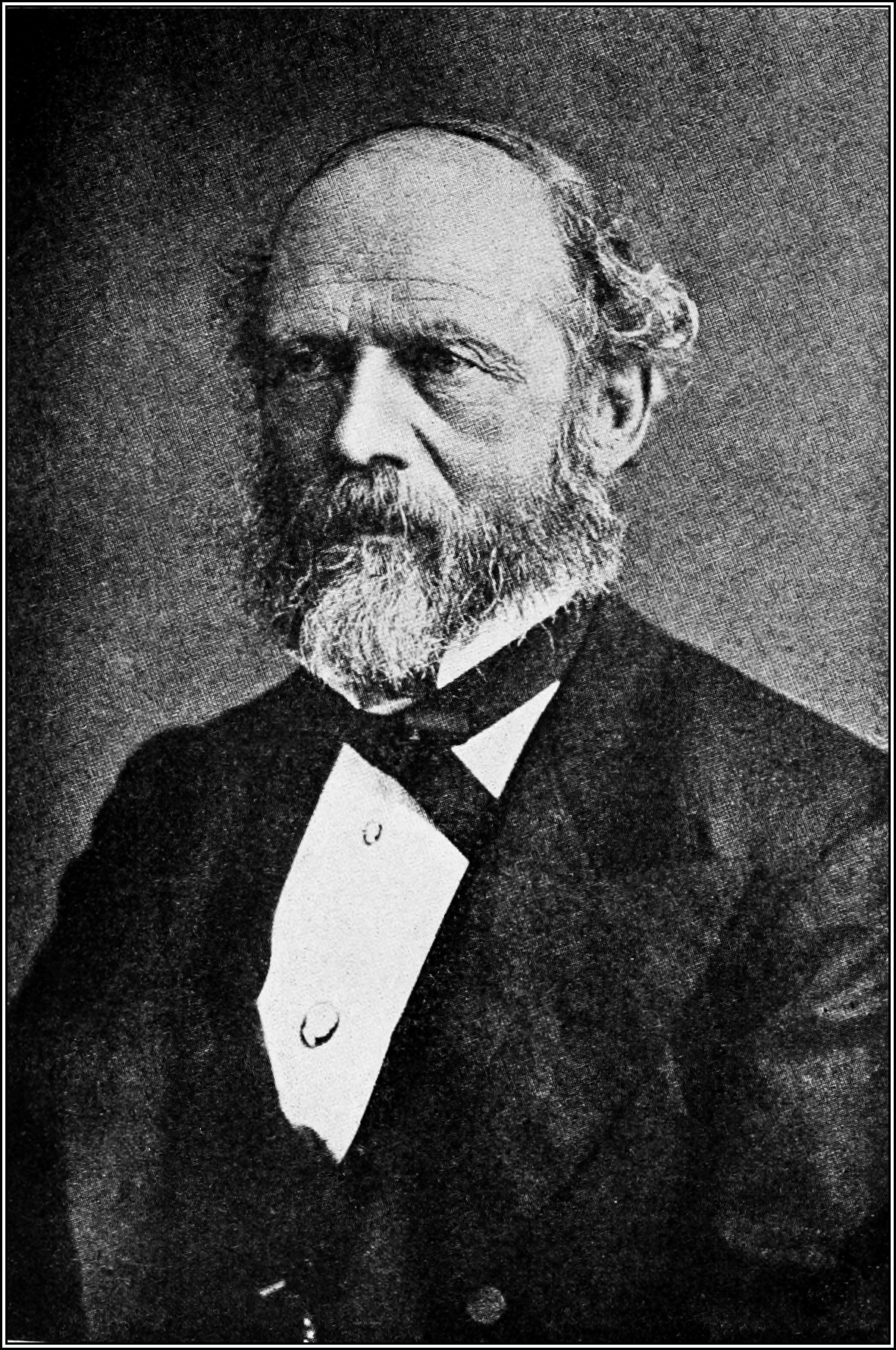
Lewis Henry Morgan, working in the nineteenth century, noticed that the Iroquois used the same word for a father and a father's brother, and different words for a mother's brother. English does the opposite, collapsing both into uncle. His survey of terminologies worldwide established that such systems fall into a small number of recurring types rather than varying without limit.
A terminology is a classification with consequences. Which relatives a person may marry, who inherits, where a couple lives after marriage, and who owes whom support all follow from it. Anthropologists distinguish descent traced through the father, through the mother, or through both, and note that matrilineal descent is not the same as matriarchy: authority in such societies frequently rests with a woman's brother rather than with women.
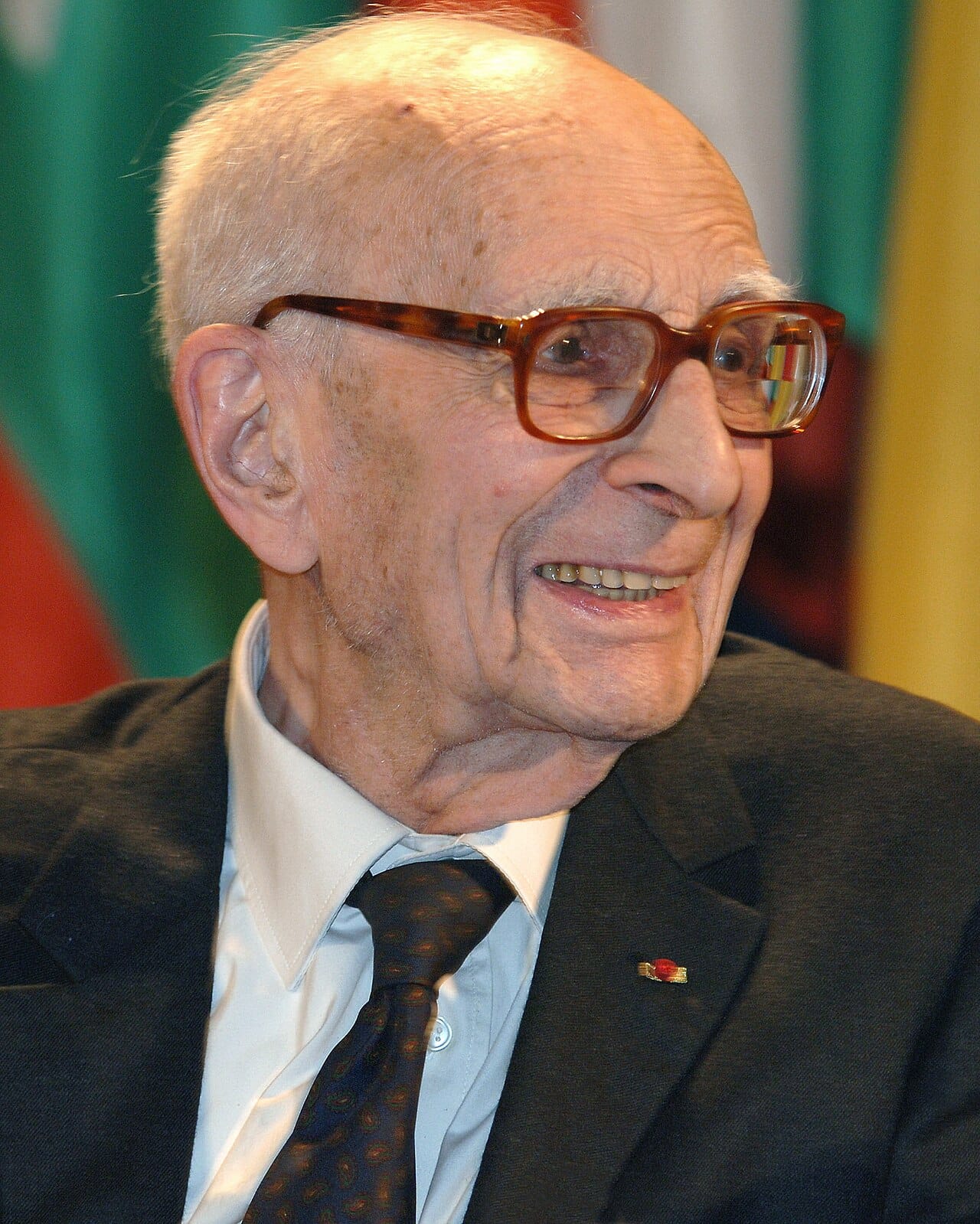
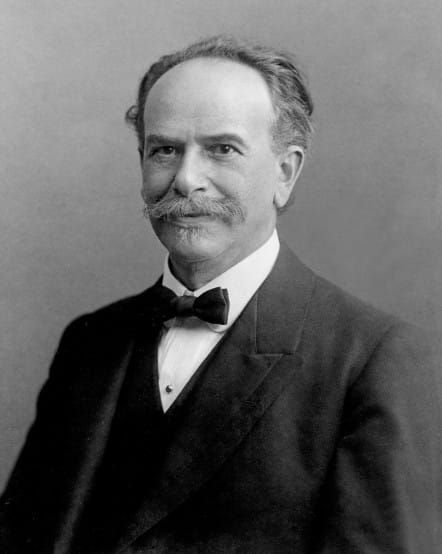
Two schools divided the field. British descent theory, associated with Radcliffe-Brown and Evans-Pritchard, treated lineages as the units that hold societies together in the absence of a state. Claude Levi-Strauss argued instead that the key is alliance: the incest prohibition forces groups to marry outward, so marriage functions as an exchange that binds groups to one another, and kinship is best read as a system of exchange rather than a structure of descent.
David Schneider argued in the 1980s that the entire field had projected a European folk theory onto everyone else, assuming that biological reproduction is everywhere the basis of relatedness when many societies build relatedness from feeding, co-residence, or shared naming. The critique was severe enough that kinship studies went quiet for a period.
The field returned reframed around relatedness rather than pedigree, and found new relevance in questions the older framework handled badly: adoption, assisted reproduction, surrogacy, donor conception, and same-sex parenthood, all of which separate the biological and social components that the classical models had treated as one thing.