The transfer of objects as gifts rather than as trade, governed by obligations to give, to receive and to reciprocate. It is a distinct economic system rather than an informal version of exchange, and it operates in every society including those with money.
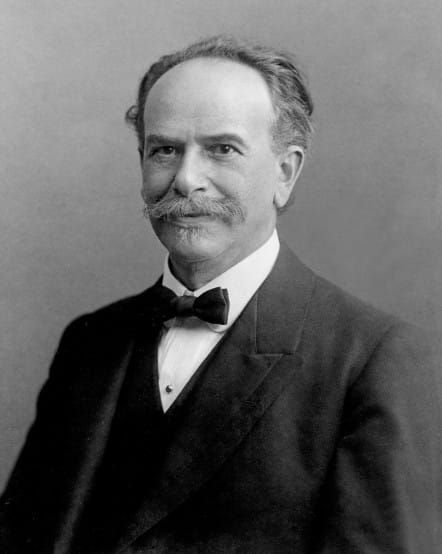
Marcel Mauss set out the analysis in 1925, drawing on ethnographic material from several societies.
There is an obligation to give, since refusing to give is a refusal of relationship.
There is an obligation to receive, since refusing a gift is a refusal of the giver.
There is an obligation to reciprocate, at an appropriate interval and to an appropriate degree.
The last is what distinguishes gift exchange from commerce. In a purchase, the transaction closes: goods and payment are exchanged and neither party owes the other anything. In gift exchange the transaction deliberately does not close, and the outstanding obligation is the relationship.
This is why immediate repayment is an insult in gift contexts. Settling instantly declines the relationship, and this is intuitive to anyone who has been handed cash after buying a friend dinner.
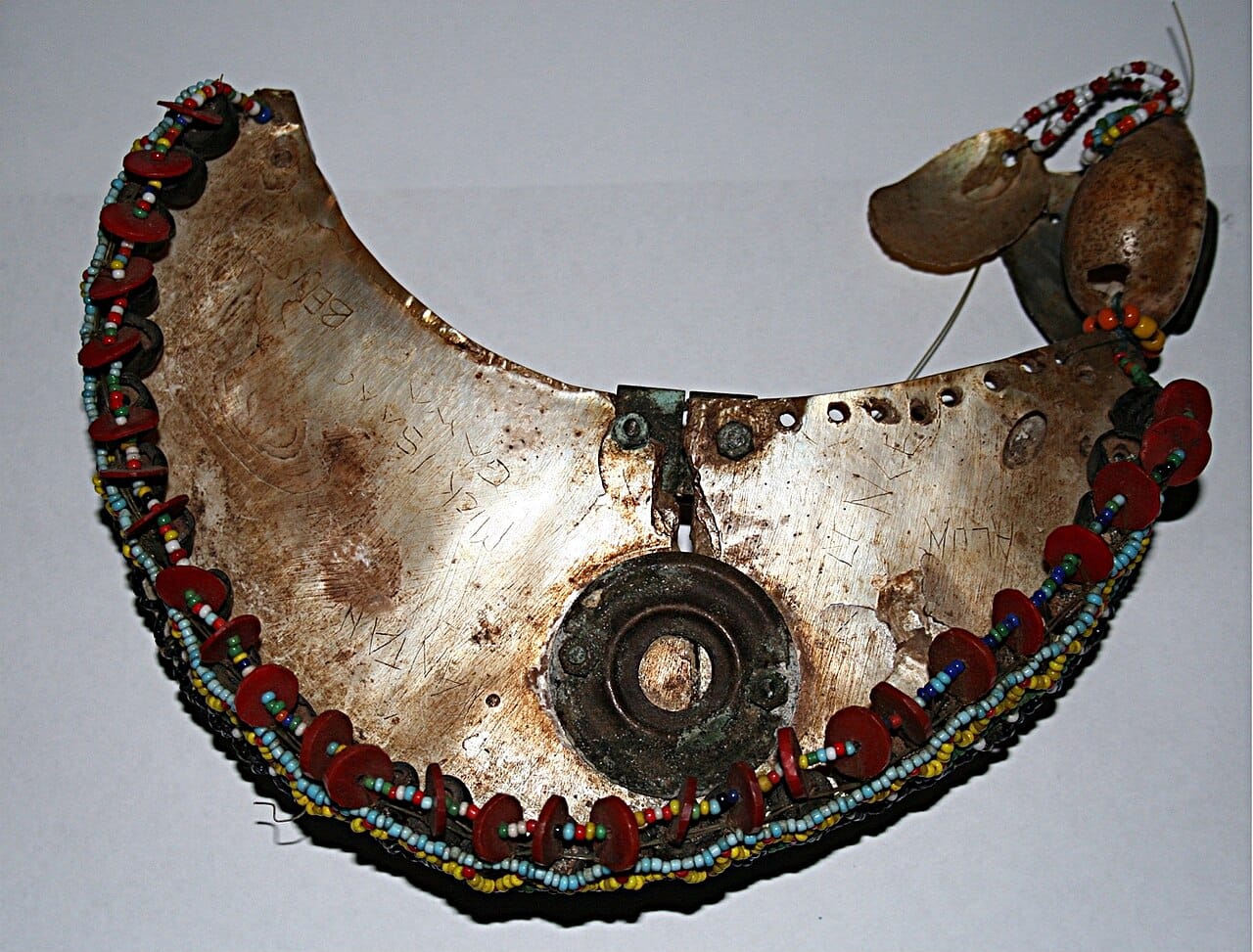
The Kula ring, documented by Bronislaw Malinowski among the Trobriand Islanders, involves shell valuables circulating between islands in fixed directions, necklaces one way and armbands the other.
The objects are not used, are not consumed, and are not retained permanently. They are received, held for a period, and passed on. Their value lies in the history of who has held them.
The expeditions required dangerous open-sea voyages, and utilitarian trade occurred alongside them. The Kula itself was not that trade; it established and maintained the relationships within which trade could occur safely.
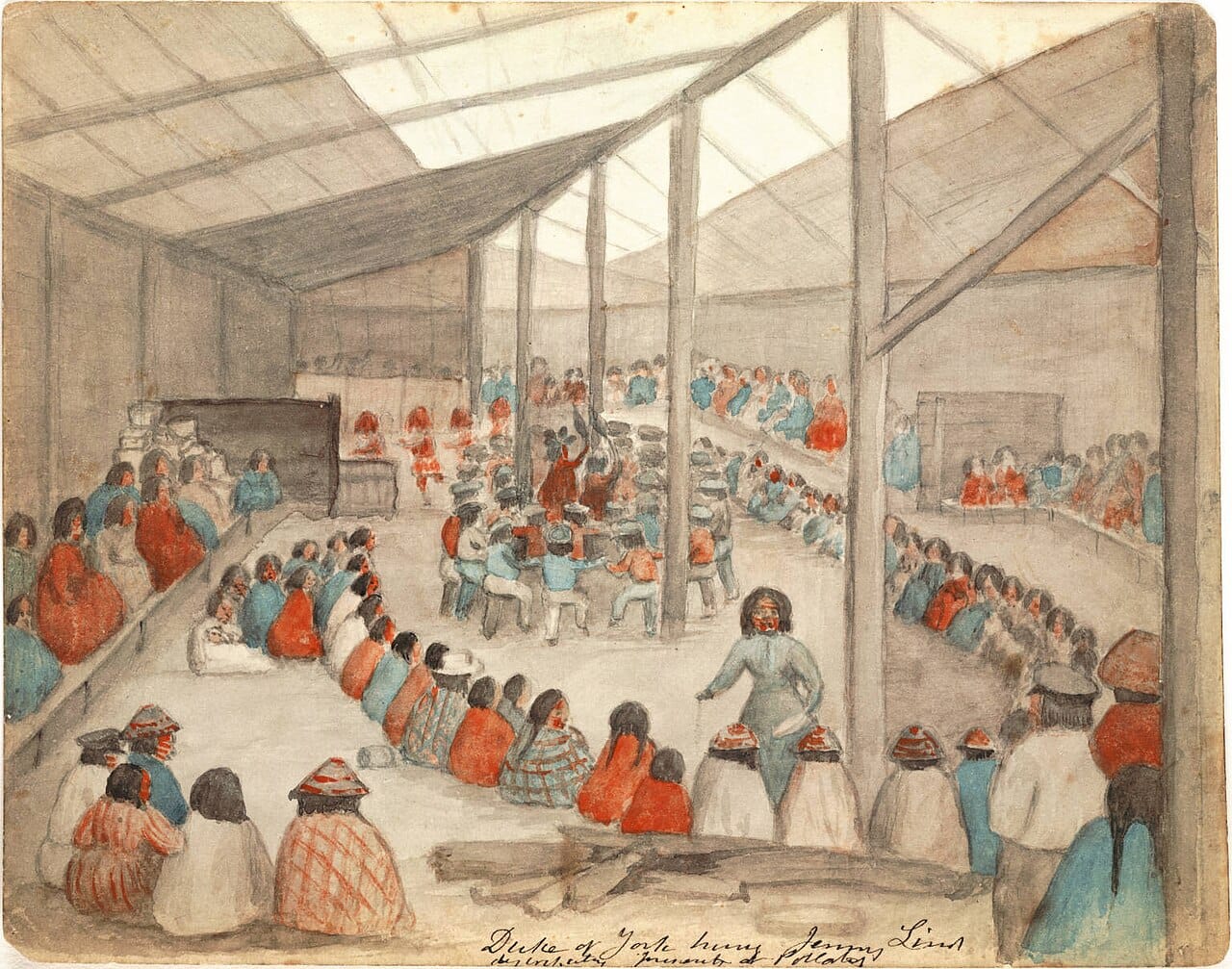
The potlatch of Pacific Northwest peoples involved feasts at which the host distributed and in some cases destroyed large quantities of property. Status followed from what was given away rather than what was kept, and rival hosts competed in generosity.
Colonial governments in Canada and the United States banned the potlatch, in Canada from 1885 until 1951, precisely because it inverted the accumulation of property they were attempting to instil.
Gift exchange performs functions that market exchange does not.
It creates and maintains relationships. An outstanding obligation is a tie, and a network of such obligations is a social structure.
It distributes goods in societies without markets or money, moving surplus from those who have it to those who do not, with the expectation of return when circumstances reverse. This functions as insurance in environments where any household may have a bad year.
It establishes rank. Where status follows from giving, generosity is competitive, and the potlatch is the extreme case.
It creates peace between groups. Exchange partners do not raid one another, and gift relationships across group boundaries reduce conflict.
Marshall Sahlins distinguished degrees of reciprocity by social distance: generalised reciprocity within close kin, where no return is calculated; balanced reciprocity between more distant partners, where equivalence is expected; and negative reciprocity with outsiders, where each party tries to gain at the other's expense.

Gift exchange did not disappear with money. It occupies the domains where relationship rather than transaction is the point.
Birthdays, weddings and hospitality operate on gift logic, and the rules are strict though unwritten. Cash is generally inappropriate where an object is expected, price tags are removed, and the value must be judged rather than matched.
Offering payment where a gift is expected is a category error that people recognise immediately. Paying a host for dinner, or a friend for help moving, converts a relationship into a transaction and is understood as a rejection.
Blood donation was studied by Richard Titmuss in 1970, who argued that voluntary unpaid donation produced a safer and more plentiful supply than paid systems, and that introducing payment could reduce donation by changing its meaning. The finding has been debated since and the underlying observation, that payment can crowd out motivation, has held up in other settings.
Reciprocity is also exploited commercially. Free samples and unsolicited small gifts create a sense of obligation that raises compliance, which is a documented effect used deliberately in sales.
Gift exchange demonstrates that market exchange is one system among several rather than the natural form of economic life, and that societies without markets were not therefore without economies.
It also identifies something durable about obligation. The rules governing gifts are unwritten, are learned without instruction, and are enforced by social consequence rather than by law, which makes them one of the clearer examples of an institution that operates entirely without formal machinery.