Human females stop reproducing decades before they die, which almost no other species does. The grandmother hypothesis proposes that this is an adaptation: a woman who stops having children and helps raise her grandchildren leaves more descendants than one who continues.
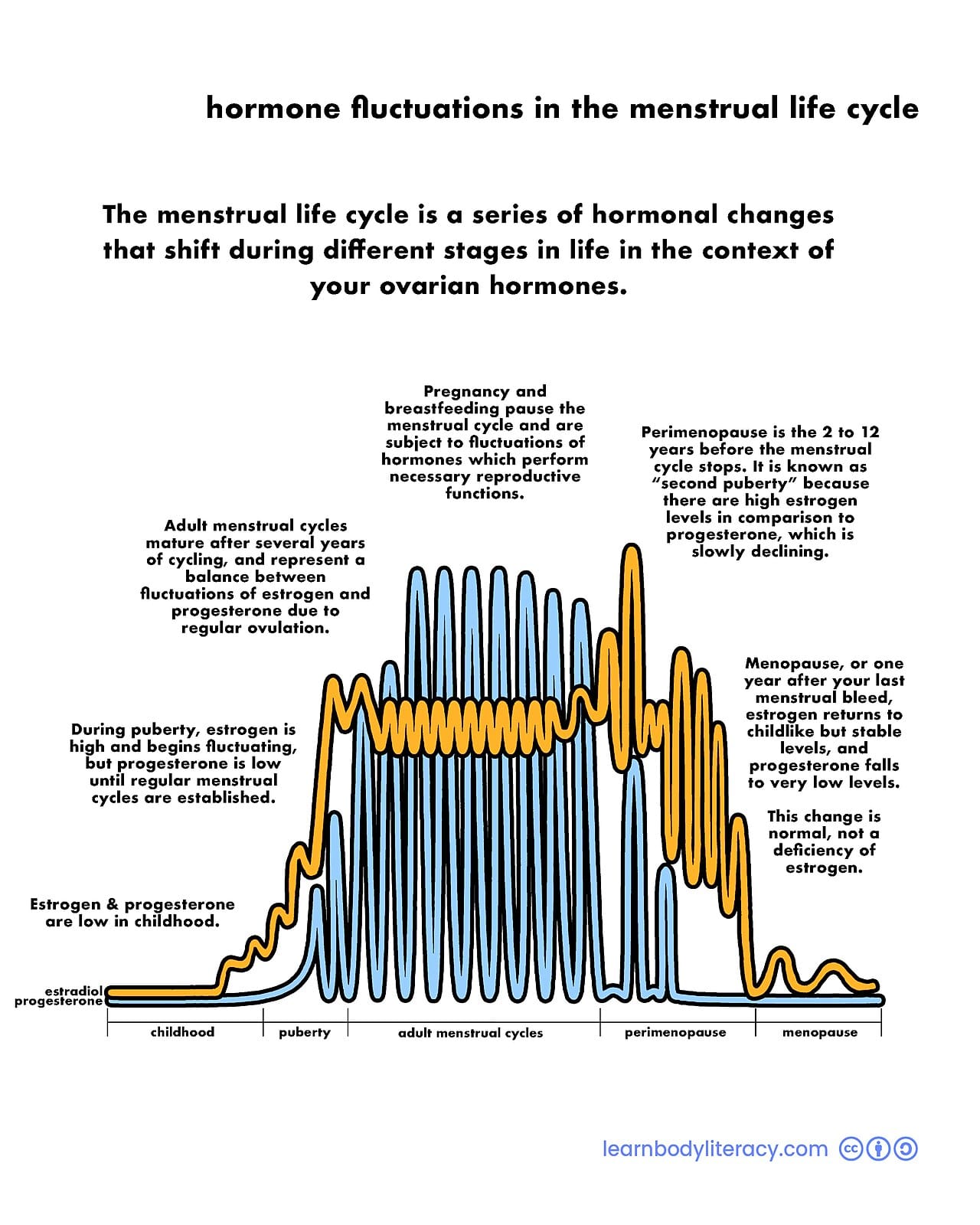
Menopause is genuinely unusual. In most mammals, reproductive capacity declines roughly in step with the rest of the body, and females die still fertile or nearly so. Human females typically become infertile around fifty and, where mortality is not dominated by disease, commonly live thirty years beyond it.
The pattern is not an artefact of modern medicine. Studies of hunter-gatherer and forager-horticulturalist populations find that adults who survive childhood frequently reach their sixties and seventies, so post-reproductive life is a feature of human demography rather than of hospitals.
From a strictly reproductive standpoint this looks like a defect. Any allele extending fertility should be favoured, and instead fertility ends early and reliably.
George Williams suggested in 1957 that ceasing reproduction might pay if the risks of late childbirth outweighed its returns and if surviving to help existing offspring paid better.
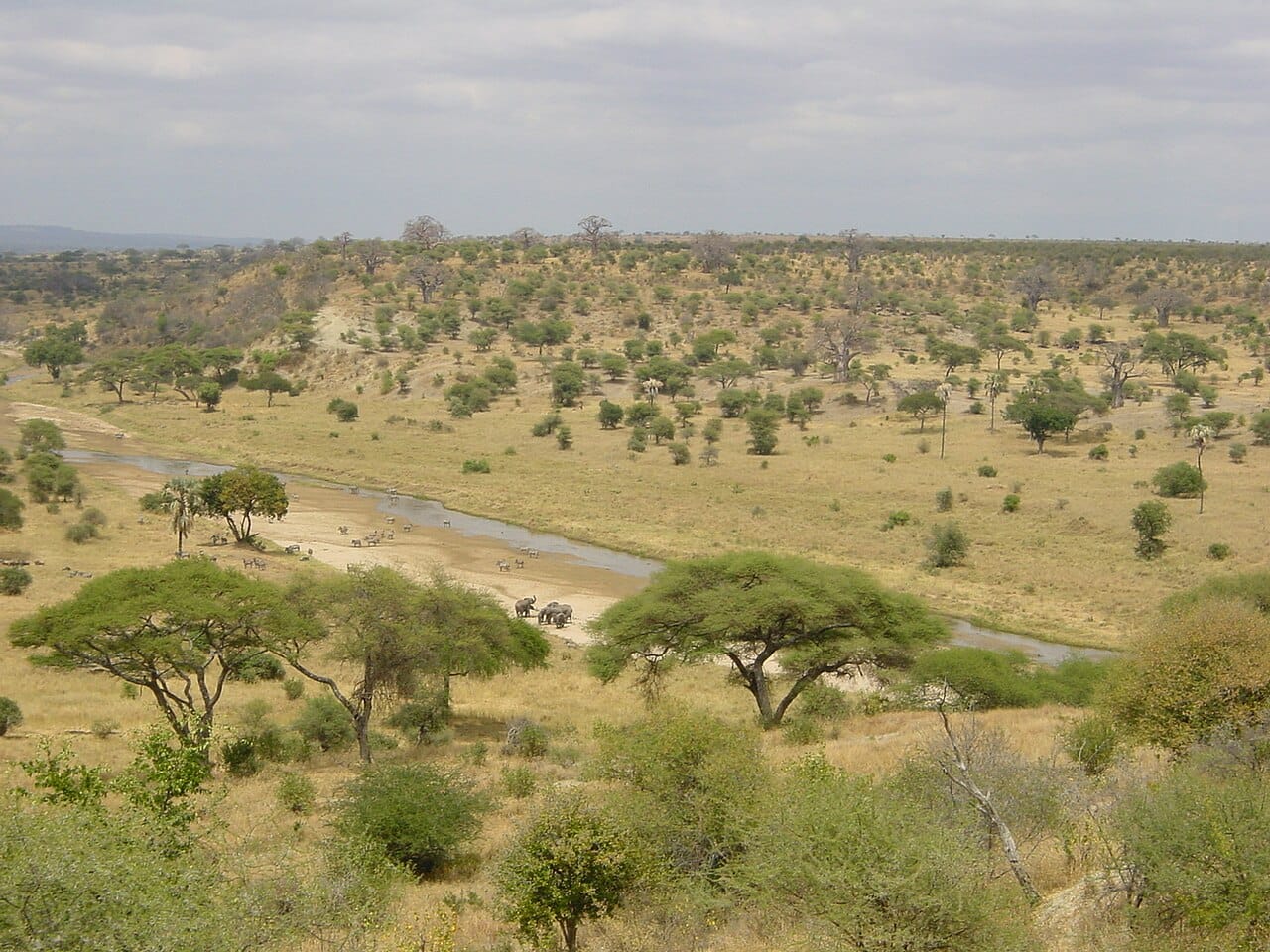
Kristen Hawkes and colleagues developed the modern version from fieldwork among the Hadza of Tanzania in the 1980s and 1990s. They observed that older women foraged intensively and productively, particularly for deep tubers requiring strength and skill, and that their provisioning was directed at grandchildren.
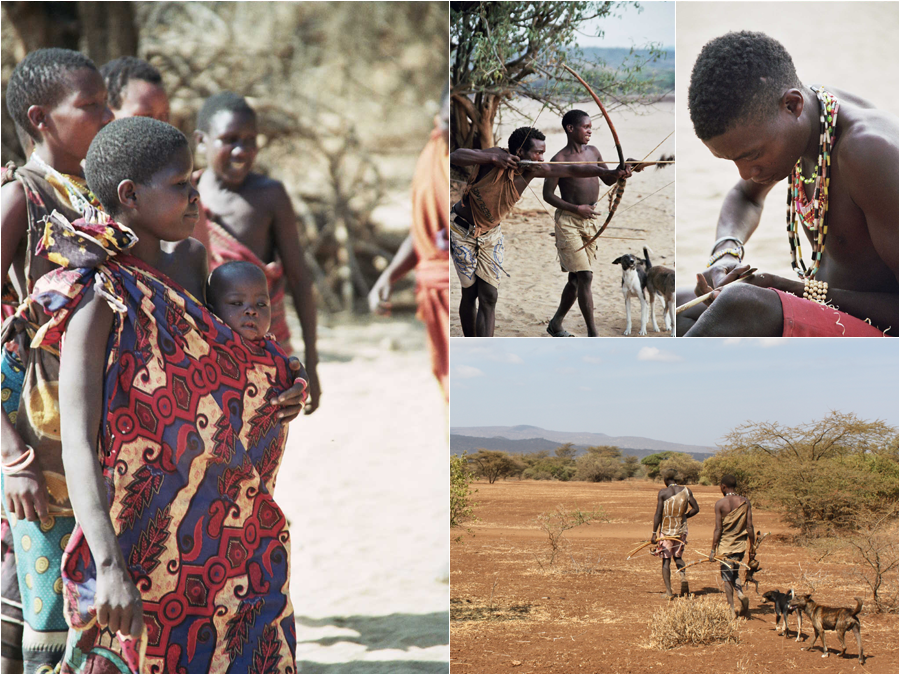
The proposed consequence is specific: a grandmother's help lets her daughter wean earlier and conceive again sooner, raising the daughter's reproductive rate. The grandmother's genetic return comes through grandchildren rather than children, and if that return exceeds what continued childbearing would yield, selection favours stopping.
Hawkes extended the argument to human life history generally, proposing that grandmothering is what allowed the long human lifespan, the long childhood, and the extended period of learning that goes with it.
Historical demographic records provide the strongest tests, because they cover many families over many generations.
Studies of Finnish and Canadian church and parish registers by Mirkka Lahdenpera, Virpi Lummaa and colleagues found that women with a living mother nearby had more children, at shorter intervals, with better survival. The effect was measurable and consistent across both populations.
The effect depends on proximity. A later study using Finnish records found the benefit disappeared when the grandmother lived more than about two hundred kilometres away, and that very old grandmothers were associated with slightly worse grandchild survival, presumably because they became a cost rather than a help.
Killer whales provide the most useful comparison. They are one of the few other species with genuine menopause, and studies led by Darren Croft found that post-reproductive females lead the group during salmon shortages and that their sons in particular suffer elevated mortality after their mothers die. The parallel is striking, and it involves ecological knowledge rather than food provisioning.
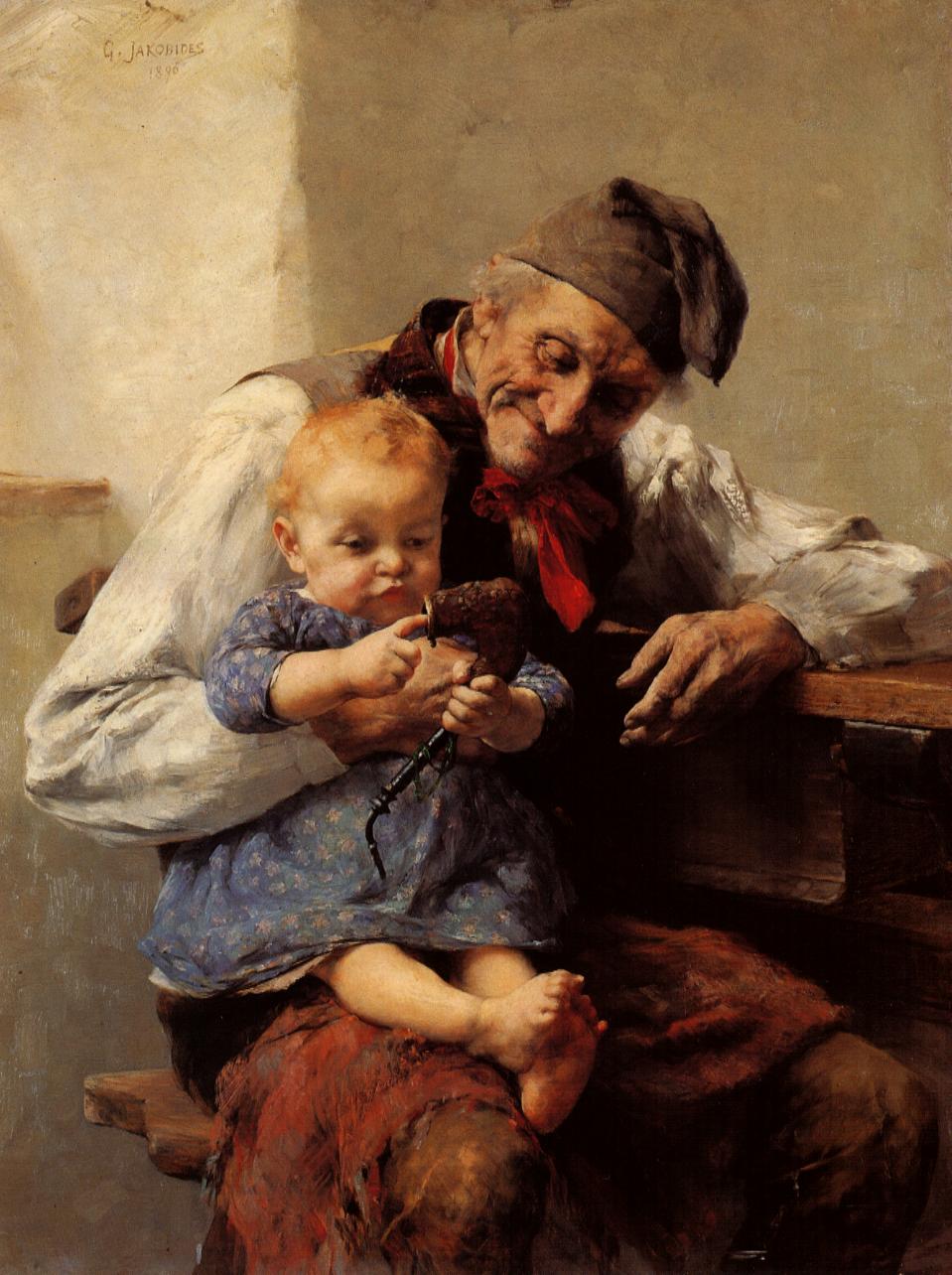
The effect sizes are modest. Grandmothers add perhaps one or two grandchildren over a lifetime in the studied populations, and whether that is sufficient to select for something as dramatic as decades of enforced infertility is arguable.
The direction of causation is not clean in observational data. Families with a surviving grandmother differ in other ways, including health and resources, and the correlation with grandchild survival could partly reflect those.
Several alternatives remain live. The mother hypothesis holds that stopping reduces the risk of a mother dying in a late childbirth and leaving dependent children unsupported, which does not require grandchildren to enter the calculation. The reproductive conflict hypothesis, supported by modelling and by evidence from Finnish records, holds that simultaneous reproduction by a woman and her daughter-in-law is costly to both, and that selection favours the older woman ceding.
The most deflationary alternative is that menopause is not adapted at all. Oocytes are all produced before birth and are not replenished, so the supply runs down on a schedule set long before human lifespans lengthened. On this reading menopause is a fixed constraint that became visible when other causes of death receded, and grandmothering is a use found for the resulting years rather than the reason for them.
The proposal is coherent, has real supporting data, and has an identified mechanism. What is missing is a way to distinguish it from its alternatives, which predict much of the same evidence.
The observation that would settle it does not exist and cannot easily be constructed: it would require comparing reproductive success across women who did and did not undergo menopause, and no such variation is available. Comparative work across species with and without post-reproductive life is the most promising route, and the number of species available is very small.