The proposal that humans evolved to run long distances, and that running down prey over hours in the heat was how our ancestors hunted before weapons. It explains an unusual amount of human anatomy, and the behaviour it depends on is barely documented.
Humans are poor sprinters. A good human sprinter is slower than most quadrupeds of similar mass, and far slower than the animals we hunted.
Over distance the comparison inverts. Humans can sustain running for hours in conditions that force most mammals to stop. In races over very long distances, the best human runners beat horses, and humans are among the few mammals capable of covering tens of kilometres in midday heat.
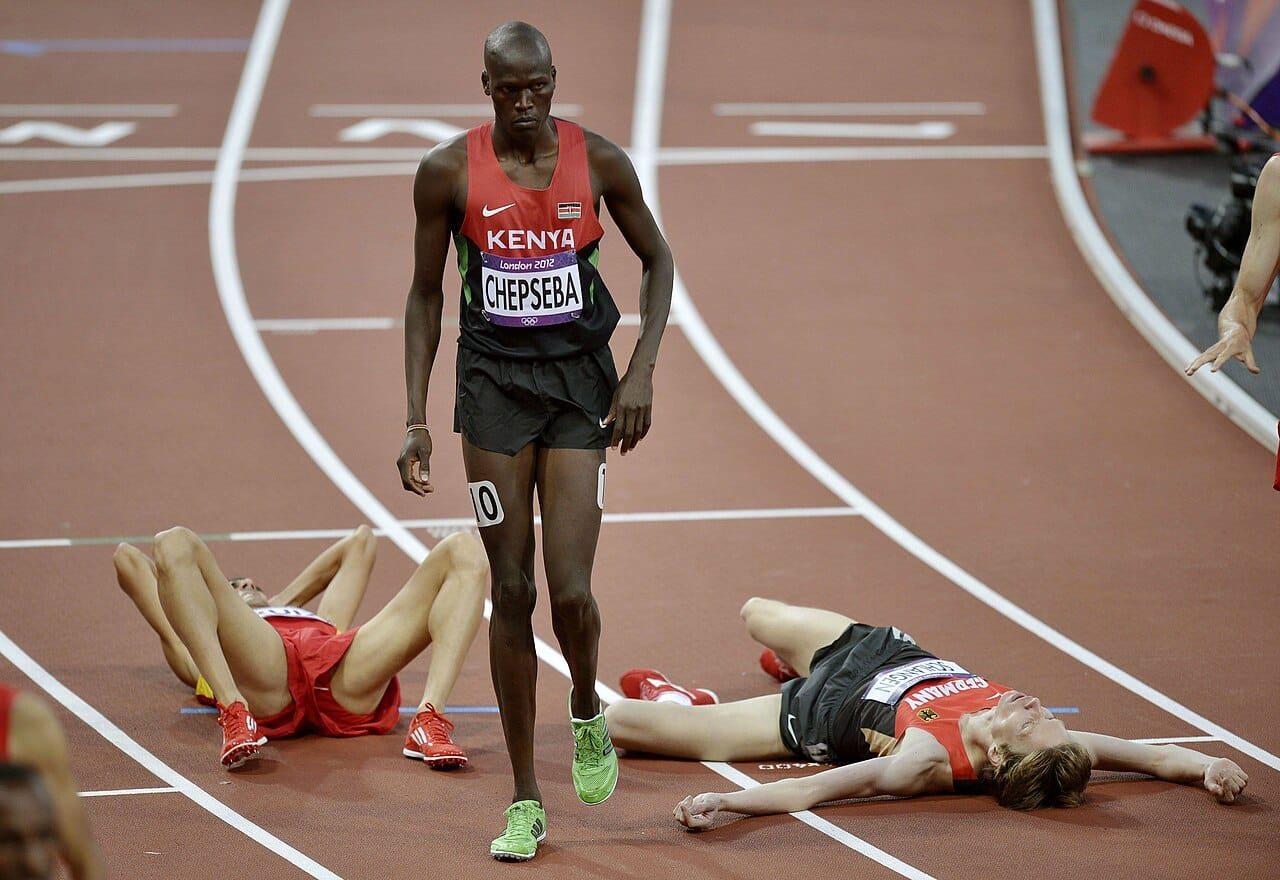
Dennis Bramble and Daniel Lieberman set out the case in Nature in 2004, building on earlier work by David Carrier.
Their argument is anatomical. A long list of human features are useless for walking, useless for sprinting, and specifically useful for endurance running.
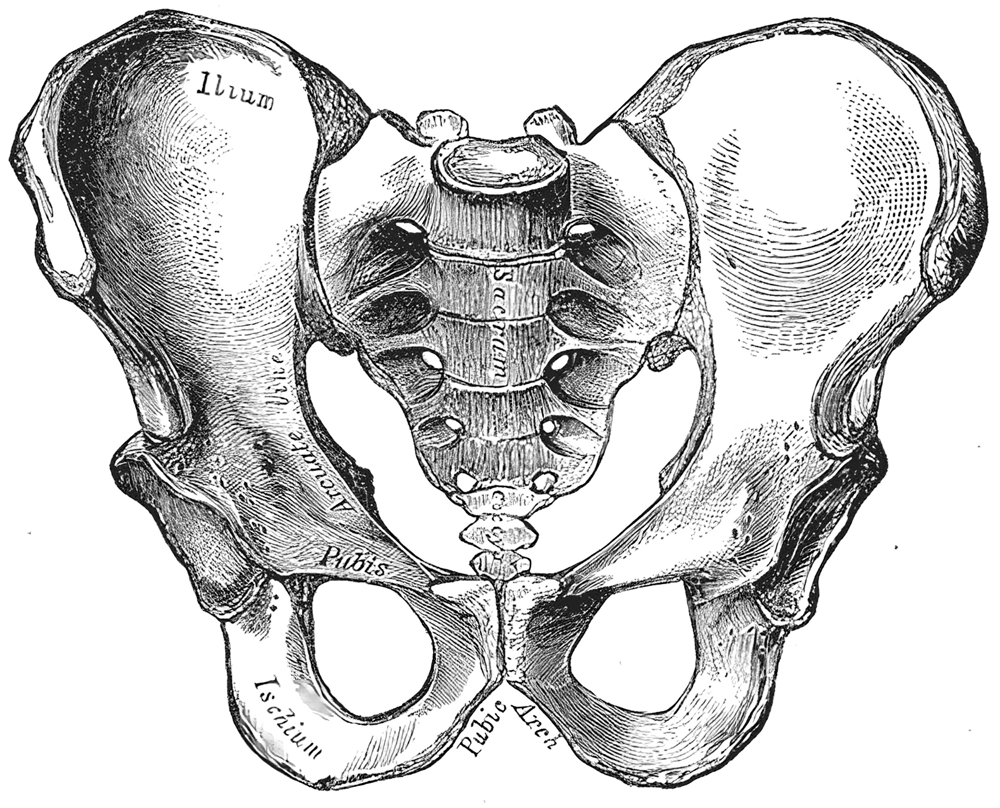
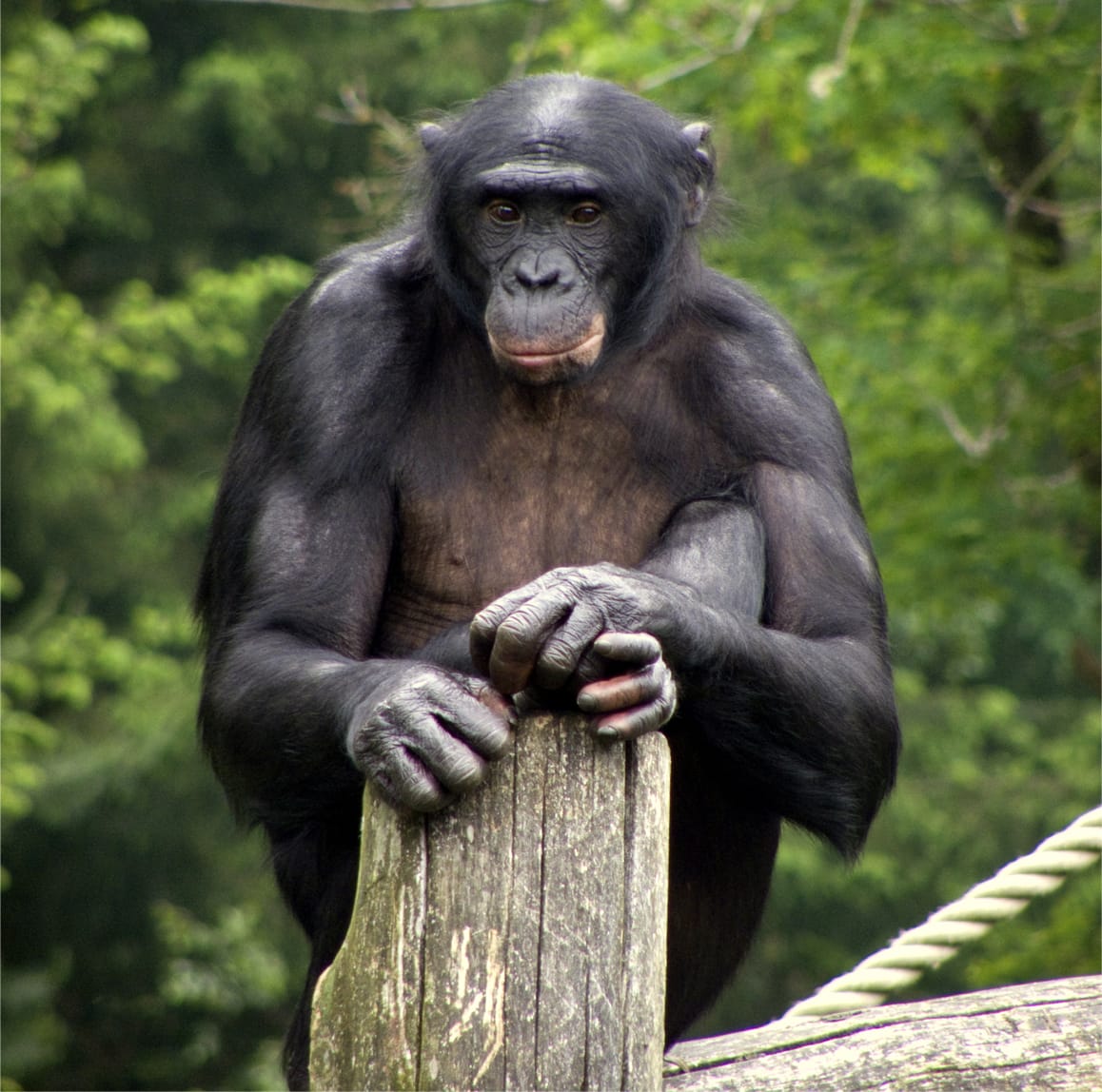
The nuchal ligament stabilises the head against pitching, and is present in running mammals and absent in apes. Long springy Achilles tendons and arched feet store and return elastic energy, saving substantial metabolic cost per stride. Large gluteus maximus muscles fire during running and barely during walking. Wide shoulders decoupled from the head allow the torso to counter-rotate against the hips. Short toes, long legs and narrow waists all help.
Most importantly, humans sweat. Eccrine sweat glands over a largely hairless body allow evaporative cooling while moving, and this is unusual. Most mammals cool by panting, which cannot be done efficiently while galloping, because the gait couples breathing to stride. A galloping quadruped therefore accumulates heat and must stop.
Persistence hunting follows from this. Track an animal, keep it moving, deny it the chance to rest and cool, and after some hours it collapses from hyperthermia and can be killed at close range with no weapon beyond a simple spear.
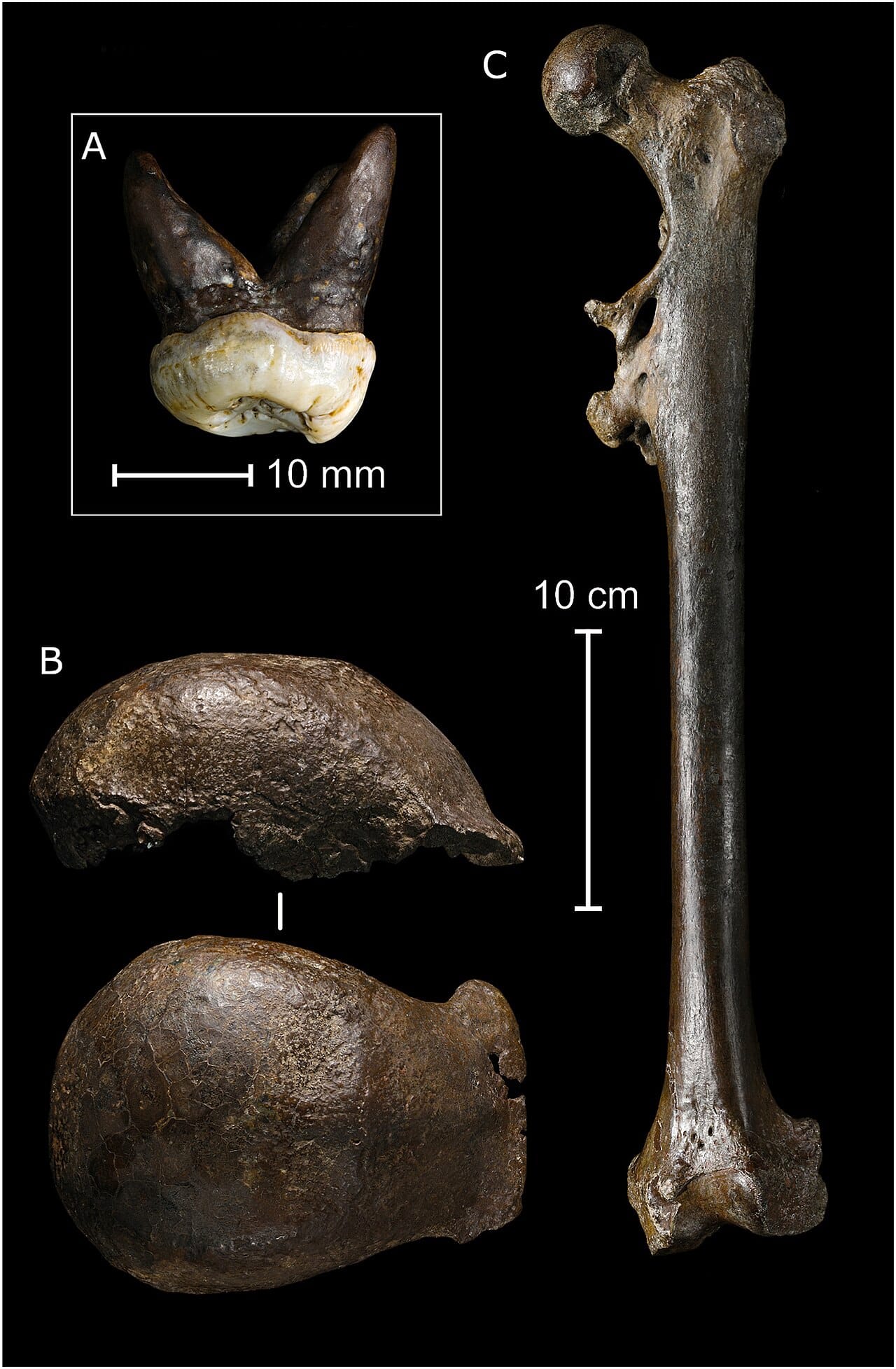
The timing fits. The features appear with Homo erectus around two million years ago, alongside evidence of increased meat consumption, and before the invention of projectile weapons.
The behavioural evidence is thin, and this is the central problem.
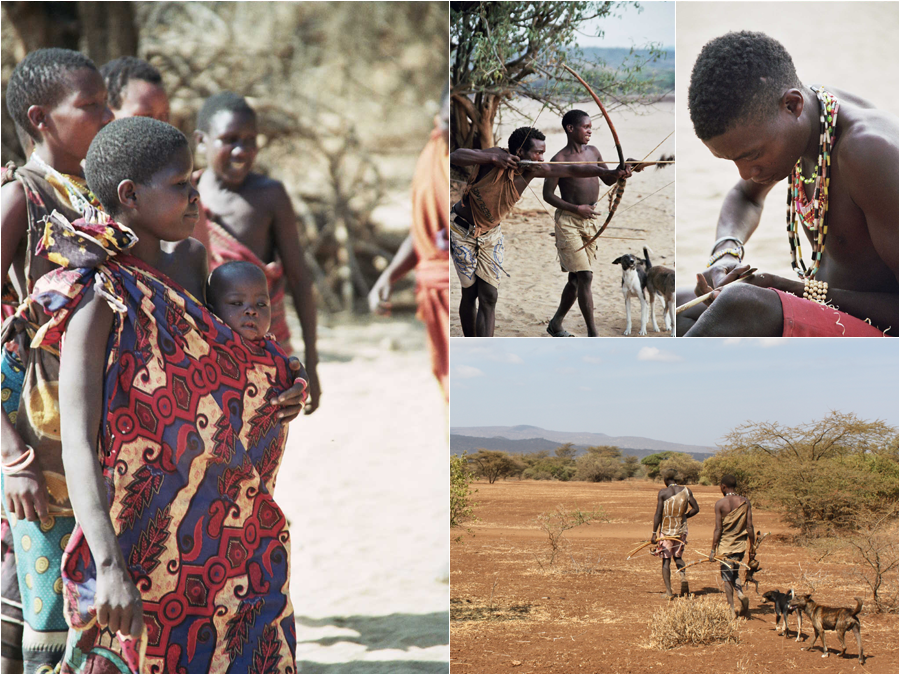
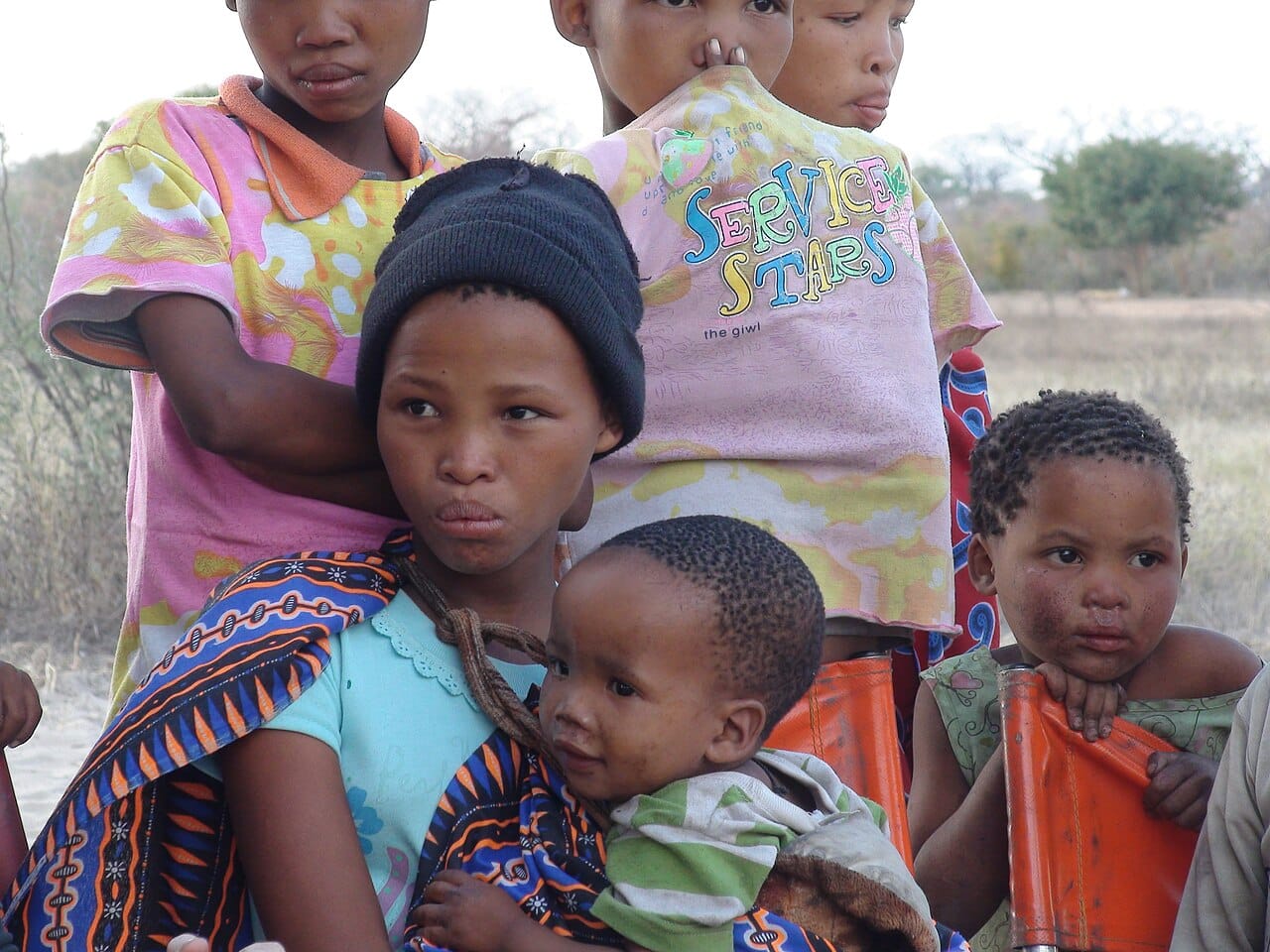
Persistence hunting has been documented in very few societies. The best known accounts come from the Kalahari, filmed with San hunters, and from a small number of other groups including the Tarahumara and some Australian and Mexican cases. Several of the documented instances were arranged or encouraged by researchers.
Henry Bunn and Travis Pickering have argued that the archaeological evidence of prey selection at early sites does not match persistence hunting. The age profile of the animals butchered indicates prime adults, which is what ambush hunting produces; persistence hunting tends to take the young, old and weak that cannot maintain flight.
The energetic case has been questioned. Persistence hunting is extremely costly, requires substantial water, and fails often. Whether it returns more calories than it consumes across many attempts is not established, and the modern accounts suggest a high failure rate.
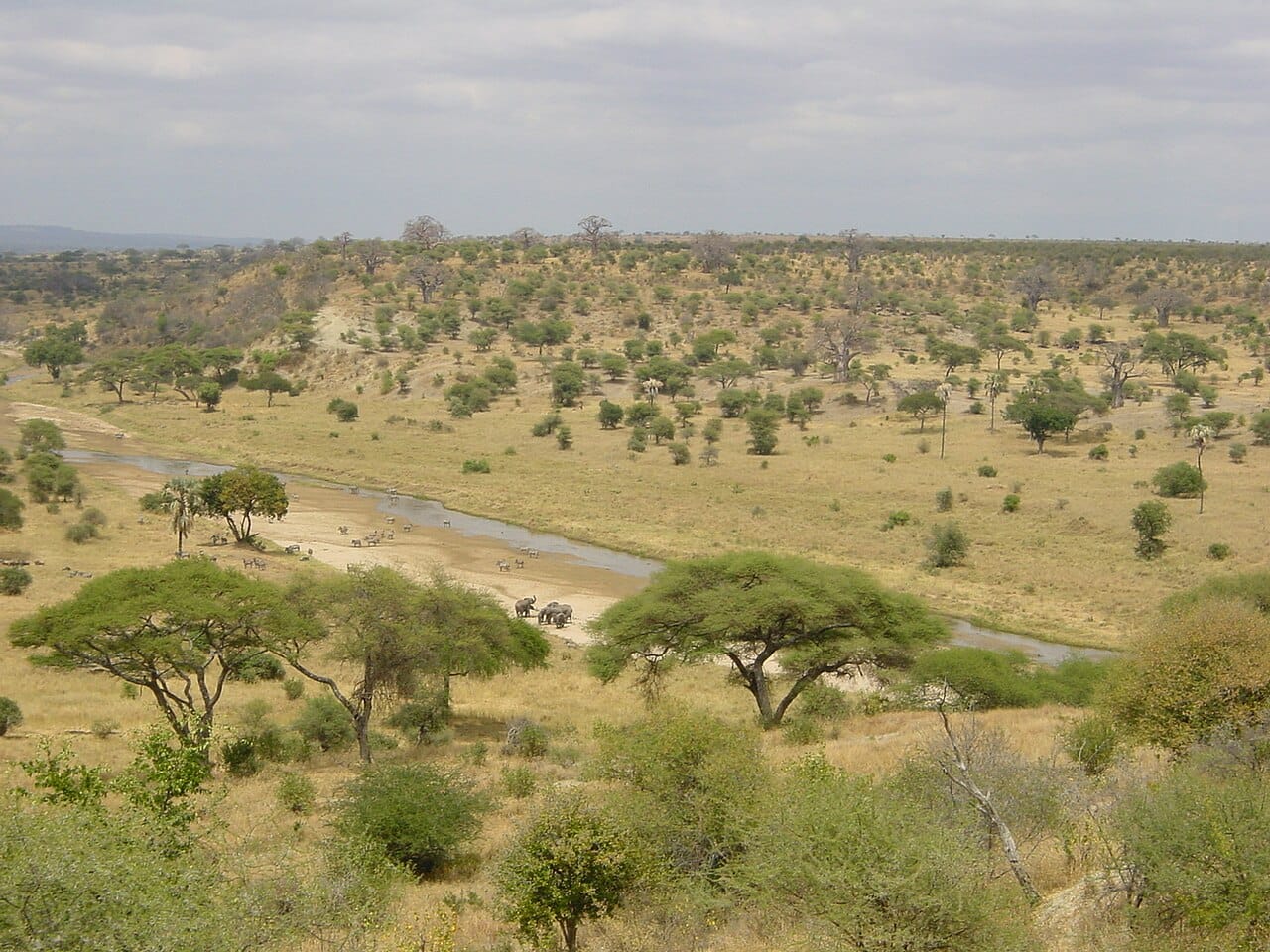
Alternative explanations exist for most of the anatomy. Efficient walking over long distances, which is undisputed and enormously important for a species that ranges widely, accounts for several of the features. Scavenging at speed, reaching a carcass before competitors, requires much of the same physiology without requiring prey to be run down. Thermoregulation while foraging in open habitat explains sweating without any hunting story.
That humans are exceptionally good at endurance locomotion and at cooling while doing it is not in dispute. Neither is the anatomical list, nor its timing.
What is disputed is the selective pressure. Bramble and Lieberman propose that running down prey is what selected for it. Critics propose that walking, ranging, scavenging or thermoregulation did, and that the running ability is a consequence rather than the target.
The evidence that would settle it is behavioural and archaeological, and both are difficult.
Fossils record anatomy, not what it was used for. Ethnographic observation of persistence hunting is nearly exhausted, since almost no group still practises it, and the surviving examples are affected by contact and by the presence of observers. Archaeological signatures that would distinguish persistence hunting from ambush hunting exist, principally prey age profiles and butchery patterns, and the ones examined so far have not favoured it.
The hypothesis is influential well outside anthropology, having been popularised in running culture and used to support arguments about footwear and running form that it does not straightforwardly support. That popularity has run some distance ahead of the evidence, which is worth noting when it is encountered as settled fact.