Plants whose genome has been altered using recombinant DNA techniques. They have been grown commercially since 1996, cover a substantial share of several major crops, and remain among the most disputed applications of biotechnology despite a consistent scientific record on safety.
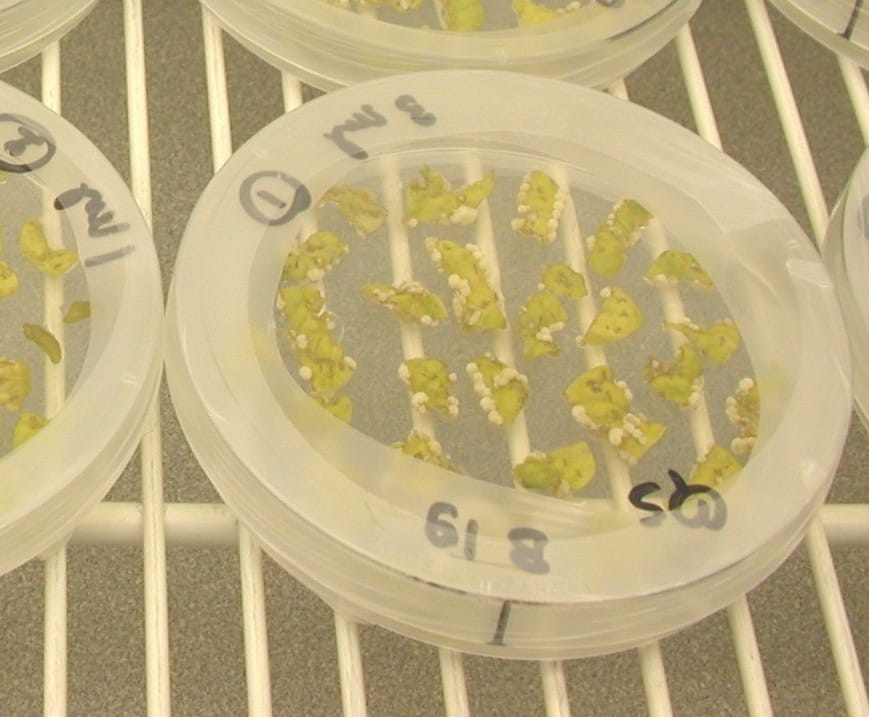
The commonest method uses Agrobacterium tumefaciens, a soil bacterium that naturally inserts DNA into plant cells, causing tumours. The tumour-causing genes are removed and the desired sequence substituted, and the bacterium delivers it.
Biolistics, or the gene gun, coats microscopic particles with DNA and fires them into tissue, and is used for species that Agrobacterium does not readily infect.
Transformed cells are selected using a marker, generally antibiotic or herbicide resistance, and regenerated into whole plants.
Genome editing, principally with CRISPR, is a distinct technique that alters existing sequence rather than inserting foreign DNA, and several jurisdictions regulate the products differently for that reason. The CRISPR capsule treats the method.
Herbicide tolerance is the most widely planted trait. Crops are made resistant to a broad-spectrum herbicide, generally glyphosate, so the field can be sprayed without harming the crop.
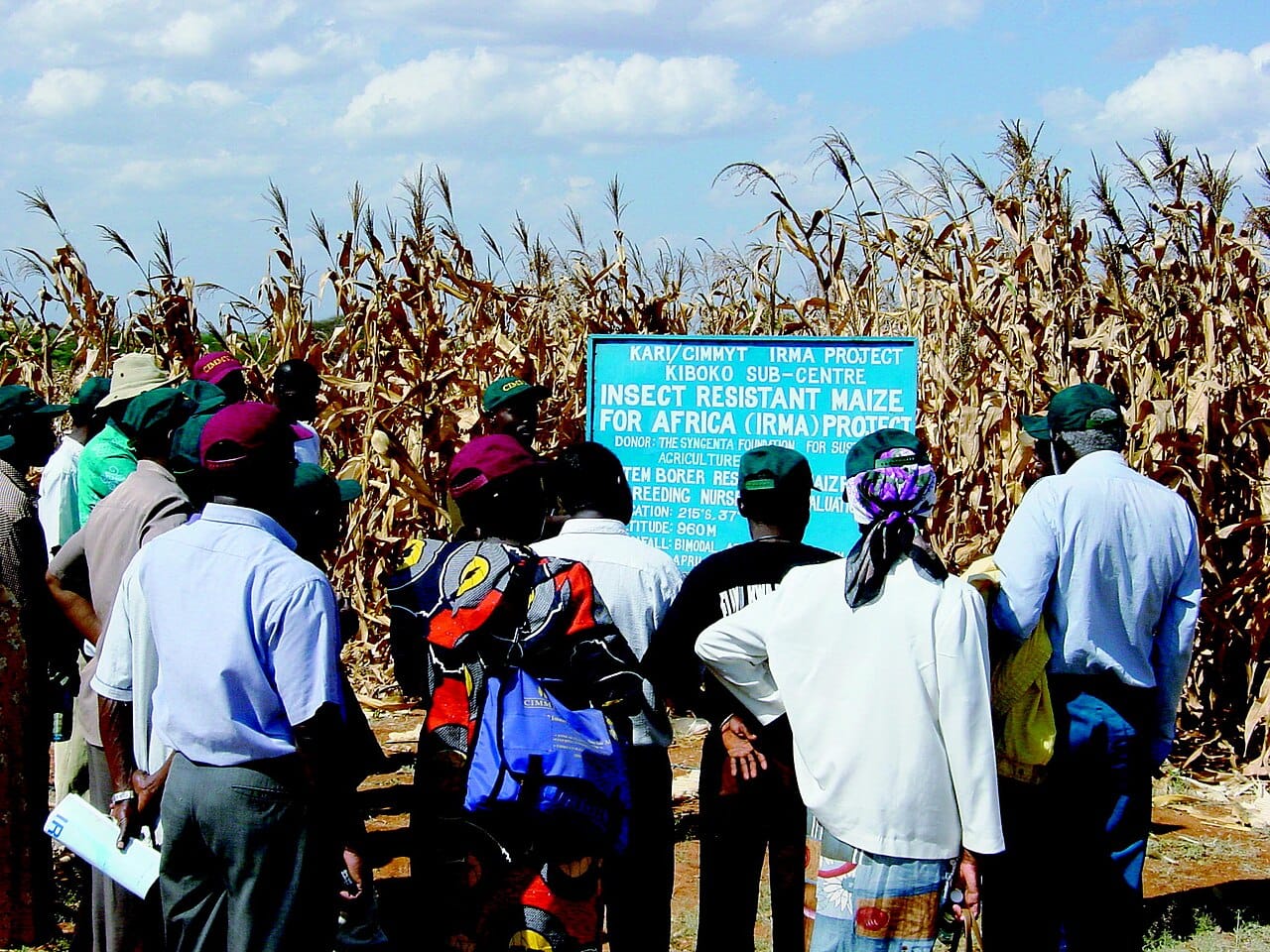
Insect resistance is the second. Genes from Bacillus thuringiensis produce proteins toxic to specific insect larvae and harmless to mammals. The same bacterium has been used as a sprayed insecticide in organic farming for decades.
Virus resistance saved the Hawaiian papaya industry from ringspot virus in the 1990s, and is a case where no alternative was available.
Nutritional modification includes golden rice, engineered to produce beta-carotene to address vitamin A deficiency. It has been the subject of prolonged regulatory and political dispute and has reached very limited deployment.
Drought and salt tolerance are targets with fewer commercial products, since the traits are controlled by many genes rather than one.
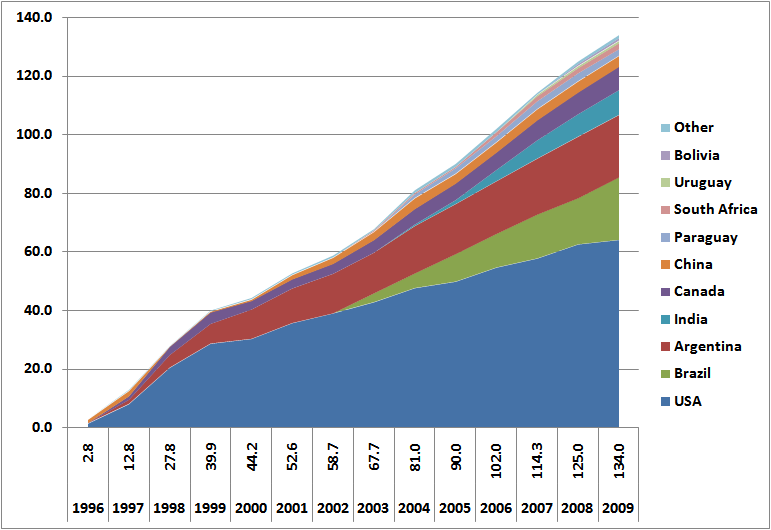
Adoption is concentrated. Soybean, maize, cotton and canola account for the great majority of the area planted, and a handful of countries for most of the total.
The scientific position is more settled than public debate suggests, and stating it plainly is appropriate.
Major reviews, including a substantial 2016 report from the United States National Academies examining nearly a thousand studies, have found no evidence that approved genetically modified crops present greater risk to human health than their conventional counterparts.
Comparable conclusions have been reached by the World Health Organization, the European Commission after funding a decade of research, and the national science academies of many countries.
This is a claim about approved products assessed case by case, not a claim that any conceivable modification is safe. The regulatory principle applied is that the product should be assessed rather than the technique.
Conventional breeding is not risk-free by comparison. Mutagenesis breeding, which induces random mutations with radiation or chemicals, has produced many commercial varieties and is generally subject to less regulatory scrutiny than transgenic modification, which several commentators regard as inconsistent.
The safety consensus does not resolve several real arguments.
Herbicide use. Herbicide-tolerant crops have reduced tillage and shifted herbicide use toward glyphosate, and glyphosate-resistant weeds have emerged in response, which has driven use back up and prompted stacking of multiple tolerance traits. Whether the net environmental effect is positive is disputed and varies by system.
Insecticide reduction is better supported. Insect-resistant cotton and maize are associated with substantial reductions in insecticide application in several countries, with corresponding benefits for farm worker health.
Corporate concentration. Seed markets are dominated by a small number of firms, patents restrict seed saving, and the licensing terms have been a significant source of opposition independent of the technology.
Coexistence and labelling. Whether producers who wish to avoid the technology can do so, and whether consumers should be informed, are questions about choice rather than about hazard, and treating them as safety questions has confused the debate in both directions.
Ecological effects, including gene flow to wild relatives and effects on non-target insects, are studied and are specific to crop and region rather than general.
Genetically modified crops are the largest deliberate deployment of recombinant DNA technology outside medicine, and the divergence between the scientific assessment and public opinion in several countries is among the widest for any technology.
That divergence is itself instructive. The dispute has never been primarily about the evidence on health, and treating it as though it were has left the questions people actually care about, concerning corporate control, farming systems and choice, largely unaddressed.