The design and construction of biological systems that do not exist in nature, treating cells as programmable manufacturing platforms. It applies engineering method to biology, and how far that method transfers is the field's central question.
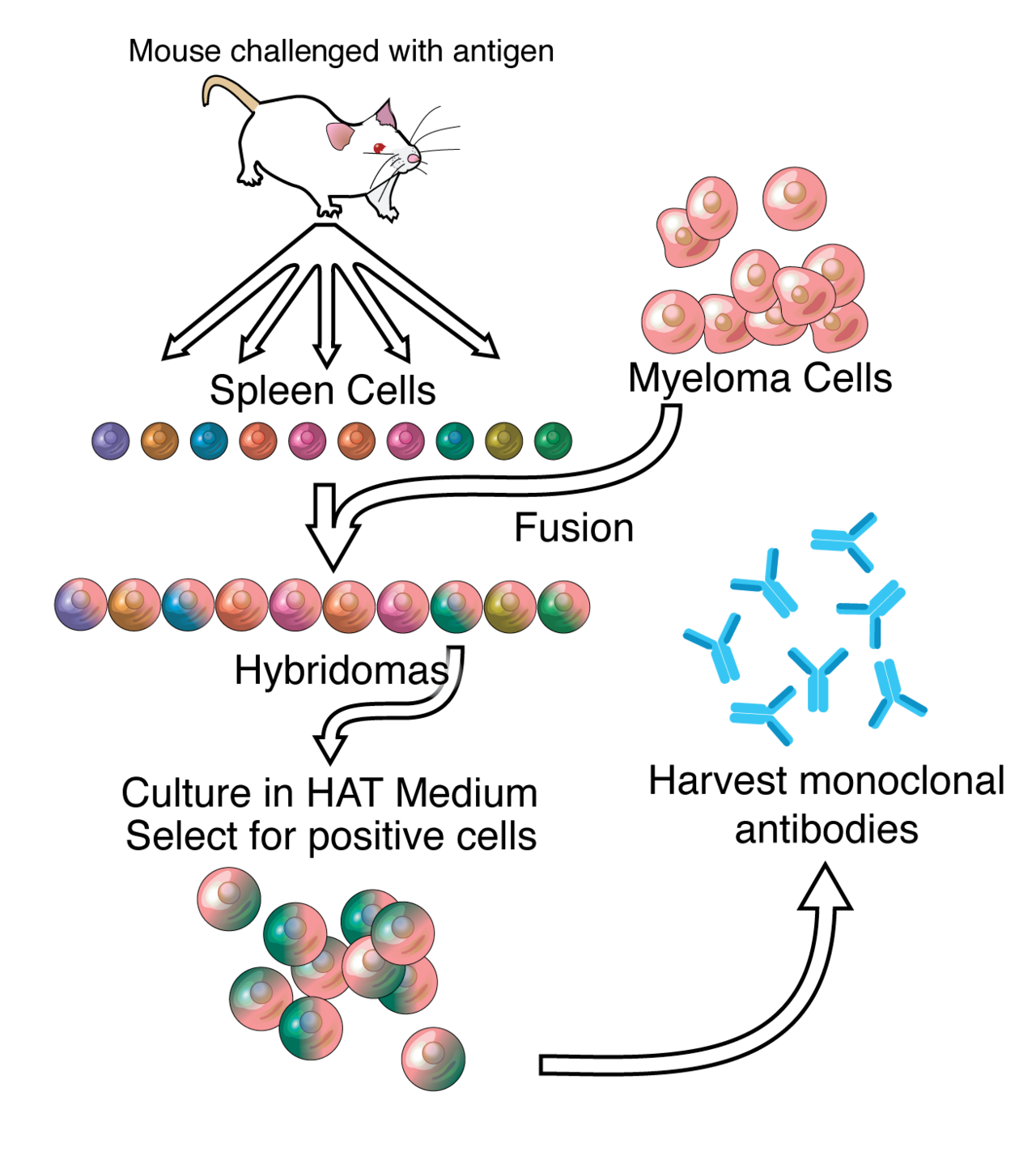
Genetic engineering as practised from the 1970s inserted a gene into an organism so that it produced a protein, as the insulin capsule describes.
Synthetic biology aims further: to design systems with specified behaviour, assembled from characterised components, using an engineering workflow.
The intended method borrows directly from engineering disciplines.
Standardisation, so that components have documented behaviour and can be combined predictably. The BioBricks registry, established at MIT, was an early attempt to build such a parts catalogue.
Abstraction, so that a designer can work at the level of devices without attending to every molecular detail.
Modularity, so that a component behaves the same way in different contexts.
Design, build, test and learn cycles, iterating rapidly rather than proceeding by individual experiments.
Genetic circuits were the founding demonstrations. In 2000 two groups published a toggle switch, a cell that could be flipped between two stable states, and a repressilator, a genetic oscillator producing rhythmic fluorescence. Neither did anything useful; both showed that defined dynamic behaviour could be engineered.
Metabolic engineering is the largest commercial application. Cells are engineered to produce compounds through pathways assembled from genes of several organisms. The best known case is the production of a precursor of the antimalarial drug artemisinin in yeast, which required transferring and tuning a multi-step plant pathway.
Biosensors are engineered cells that detect a substance and produce a readable signal, with applications in environmental monitoring and diagnostics.
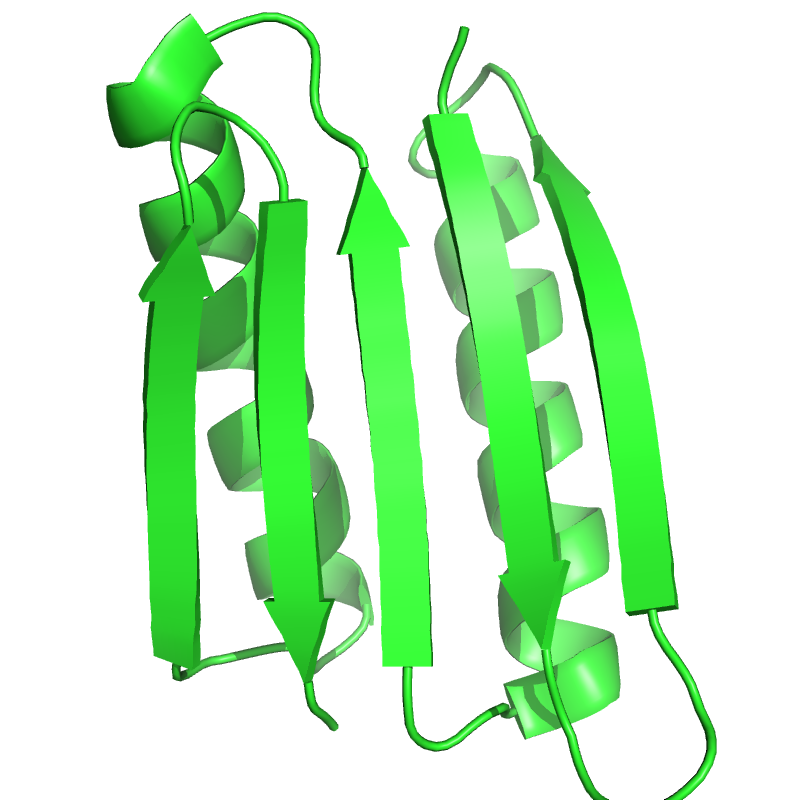
Protein design has advanced substantially, with computational methods now producing proteins with structures and functions not found in nature.
A minimal genome was constructed by the Venter Institute, which synthesised a bacterial genome chemically, transplanted it into a recipient cell, and then progressively removed genes to determine the minimum required for life under laboratory conditions. The resulting organism has fewer than five hundred genes, and the function of a substantial proportion of them remains unknown, which is a striking result in itself.
Expanded genetic codes have been demonstrated, with organisms incorporating amino acids beyond the standard twenty, and with additional base pairs added to DNA.
The field's founding analogy was to electronics, and the analogy has proved partially false in specific ways.
Context dependence is the main problem. A genetic component's behaviour changes with the host cell, its growth state and what else is present, which undermines modularity.
Evolution works against the design. Engineered functions cost the cell energy, so mutants that lose the function grow faster and take over the population. Long-running production strains must be designed to resist this.
Burden and crosstalk arise because engineered systems compete for the cell's shared machinery and interact with its native networks in ways not intended.
Noise is intrinsic. Gene expression in individual cells is stochastic, so identical cells behave differently, and designs must tolerate that variation rather than assume it away.
The response has been to develop better characterisation, host cells stripped of unnecessary functions, and automated design tools, rather than to abandon the approach. The honest assessment is that the engineering framing has been productive and that biology remains substantially harder to engineer than the early rhetoric implied.
Biosecurity is the most serious. Falling costs of DNA synthesis raise the possibility of constructing dangerous pathogens, and the reconstruction of the 1918 influenza virus and the synthesis of horsepox from ordered fragments both demonstrated feasibility. Screening of synthesis orders is the principal safeguard and is voluntary in much of the world.
Biocontainment addresses engineered organisms escaping. Approaches include engineered dependence on a synthetic nutrient unavailable outside the laboratory.
Ownership and access are contested, particularly where organisms are engineered to produce compounds currently grown by farmers in specific regions, since substitution can remove a livelihood.
The broader argument about whether designing organisms differs in kind from breeding them is genuine, and the regulatory frameworks in most jurisdictions were written for earlier techniques and fit poorly.
Synthetic biology is an attempt to convert biology from a descriptive science into a construction discipline, and the parts of it that have succeeded, particularly metabolic engineering and protein design, have produced medicines and materials that could not be made otherwise.
Its difficulties are equally informative. The specific ways cells resist being engineered, through context dependence, evolution and noise, are statements about what biological systems are, and the field has learned more about that from failing to engineer them than from succeeding.