CRISPR is a method for cutting DNA at a chosen location, which makes editing a genome a routine laboratory procedure rather than a specialist feat. It has moved from a curiosity of bacterial immunity to an approved medicine in roughly a decade, which is unusually fast.
Bacteria store fragments of the viruses that have attacked them in clustered repeats in their own genomes, and use those stored sequences to recognise and cut the same virus if it returns. This is an adaptive immune system in an organism without immune cells, and it was studied for years as a piece of microbiology with no obvious application.
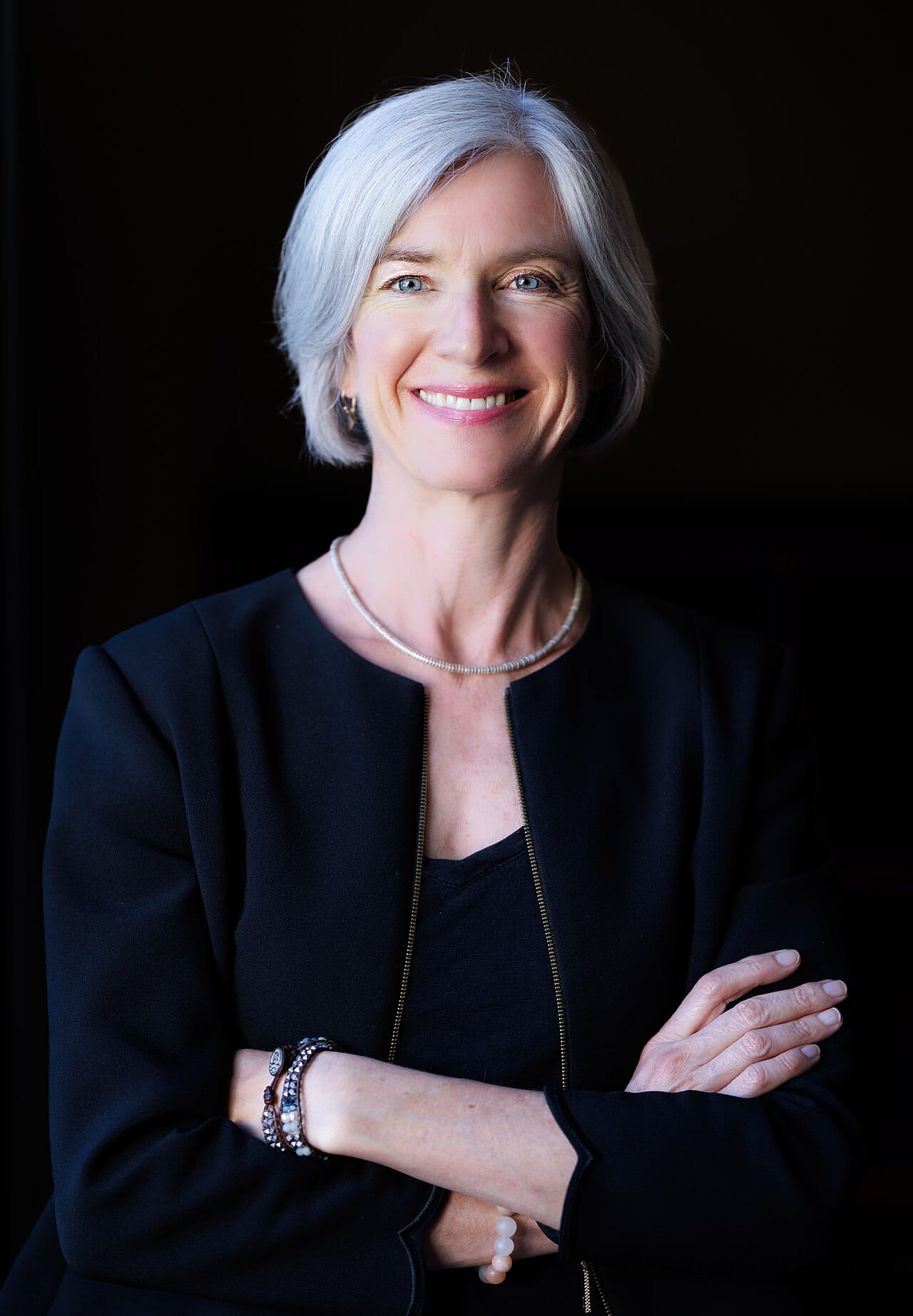
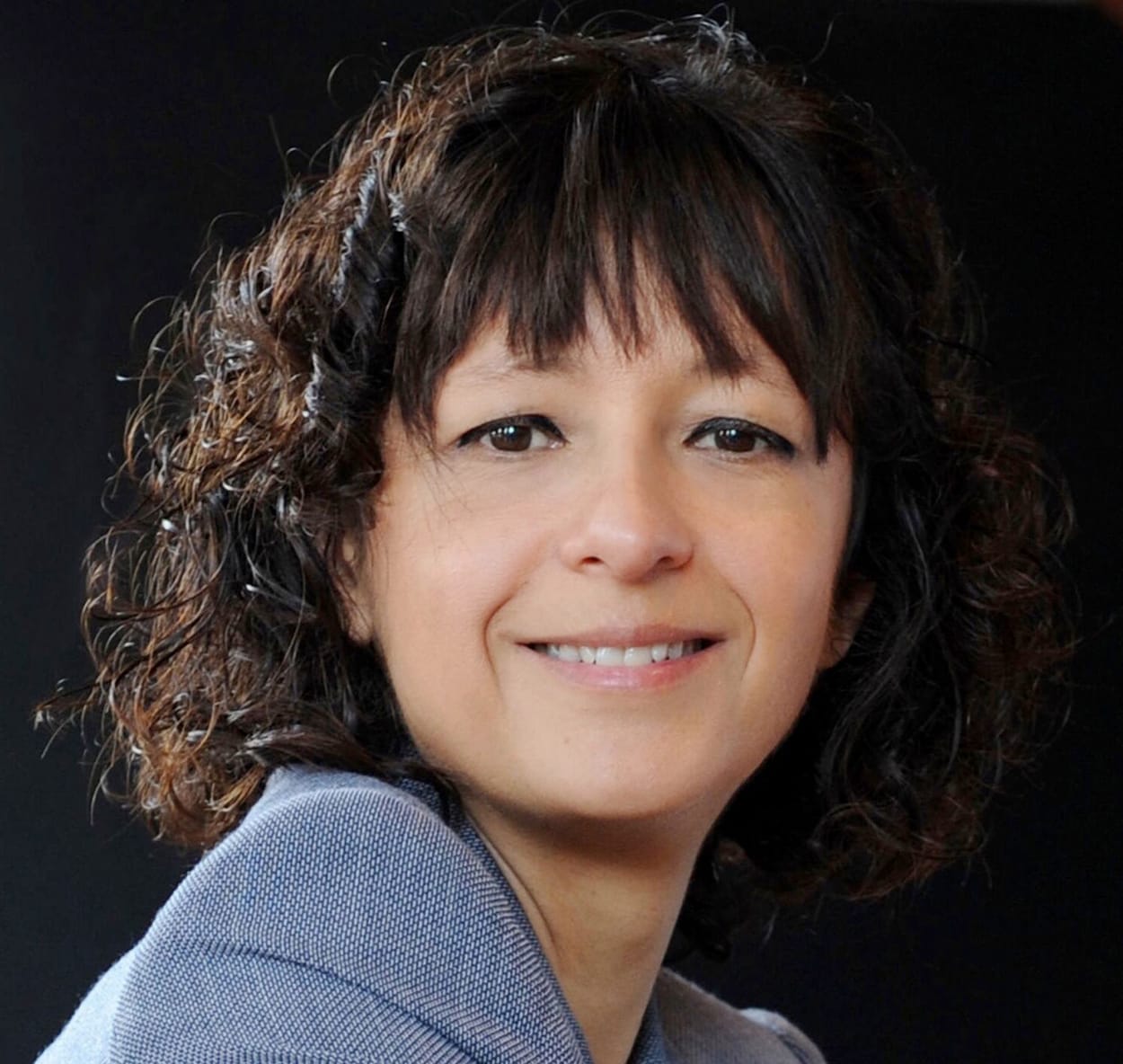
In 2012 Jennifer Doudna and Emmanuelle Charpentier showed that the system could be reprogrammed: supply a guide RNA matching any sequence, and the Cas9 protein will cut there. They received the Nobel Prize in Chemistry in 2020.
The claim that CRISPR works is not speculative. In late 2023 regulators in the United Kingdom and the United States approved Casgevy, a CRISPR-based therapy for sickle cell disease and beta thalassaemia, in which a patient's own blood stem cells are edited outside the body to restore foetal haemoglobin and returned. It has since been approved in the European Union, Switzerland, Canada, Bahrain, Saudi Arabia and the United Arab Emirates. Trial results have been substantial and durable. Editing is standard practice in research laboratories worldwide, and agricultural applications are in commercial use.
A further threshold was crossed in 2025. An infant known as KJ, born with a severe deficiency of the enzyme carbamoyl phosphate synthetase 1, was treated at the Children's Hospital of Philadelphia with a base-editing therapy designed for his particular mutation and made for him alone. It went from diagnosis to dosing in roughly six months. A treatment for a single patient does not fit the regulatory or commercial model medicine is built on, and how such therapies are to be approved, funded and made available is now an open question rather than a hypothetical one.
Off-target cutting, where the system edits a similar sequence elsewhere, is the main technical concern and the object of continuing work on more precise variants such as base and prime editing, which change letters without a double-strand break. Delivery is the harder problem: editing cells removed from the body and returned works well, but reaching cells in place, particularly in the brain, remains difficult. Cost is the practical barrier, with approved therapies priced in the millions per patient, which raises questions about who will actually receive them.
The dispute is not about whether editing works but about which uses are acceptable. Editing somatic cells affects one patient. Editing embryos, sperm, or eggs changes every subsequent generation and cannot be consented to by the people it affects most.
In 2018 He Jiankui announced the birth of twins whose embryos he had edited, an act condemned almost universally as premature, poorly justified medically, and inadequately consented, and for which he was imprisoned in China. That episode hardened an international consensus against heritable editing for now, though not a permanent prohibition, and the boundary between correcting a severe disease and selecting for other traits is where the argument continues.