The Dominican Republic is a country in the Caribbean, occupying the eastern two-thirds of the island of Hispaniola, which it shares with Haiti. The site of the first permanent European settlement in the Americas, its capital, Santo Domingo, holds the oldest cathedral, fortress, and university of the New World. A land of mountains, beaches, and fertile valleys, it has become one of the most visited destinations in the Caribbean and a regional economic power, famous above all for its baseball players and its music.
The Dominican story begins with the Taino, runs through the very first chapter of European empire in the New World, and passes through a struggle for nationhood on a divided island and a long dictatorship before reaching the modern republic.
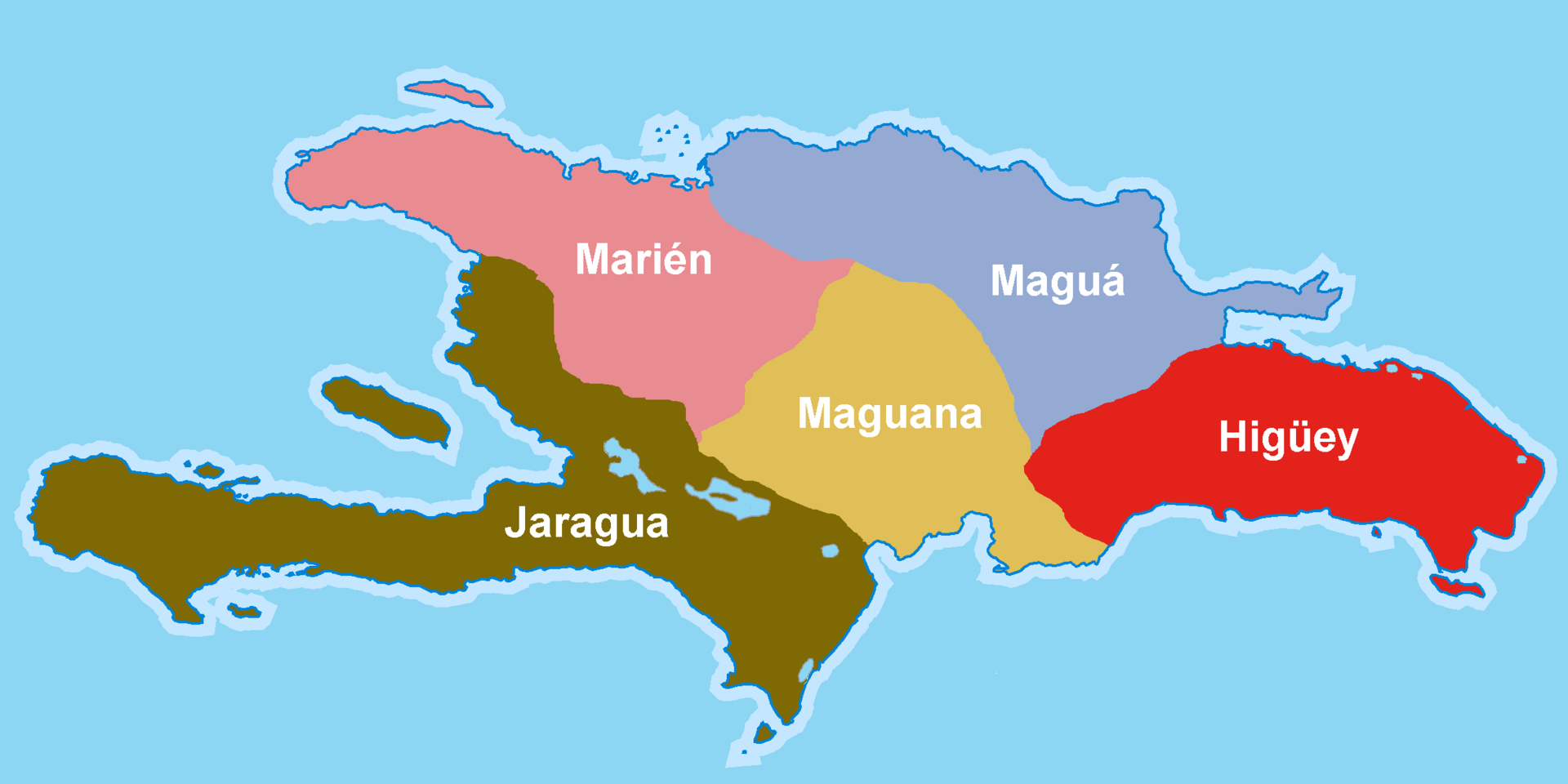
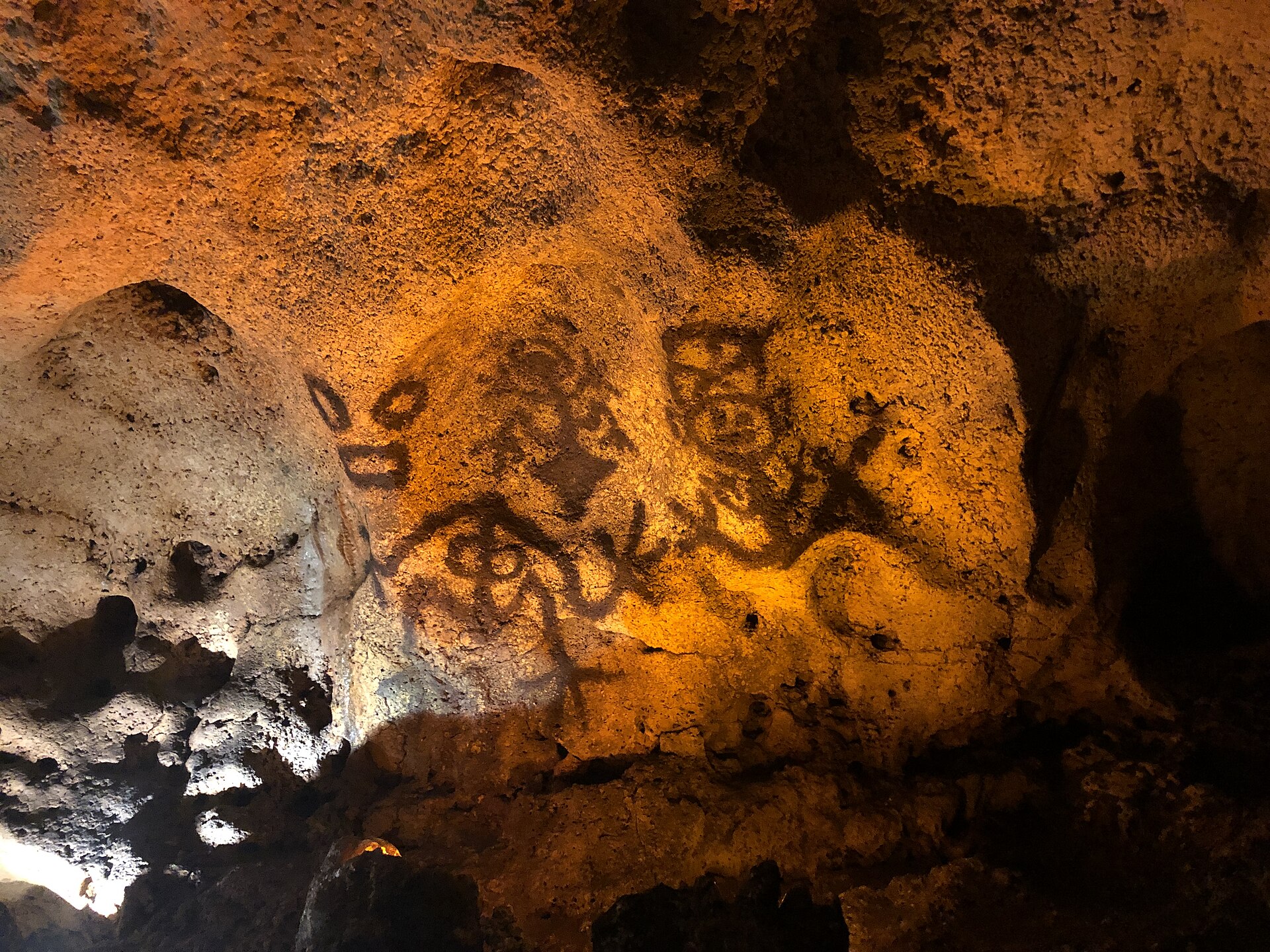
Before Europeans came, Hispaniola was home to the Taino, an Arawak people organised into several chiefdoms and skilled in farming, fishing, and carving. It was on this island, in 1492, that Christopher Columbus made his first landfall in the Americas, and here that Spain planted its first colony. Within a few decades disease and forced labour had all but destroyed the Taino, though their words, foods, and blood live on in the Dominican people.
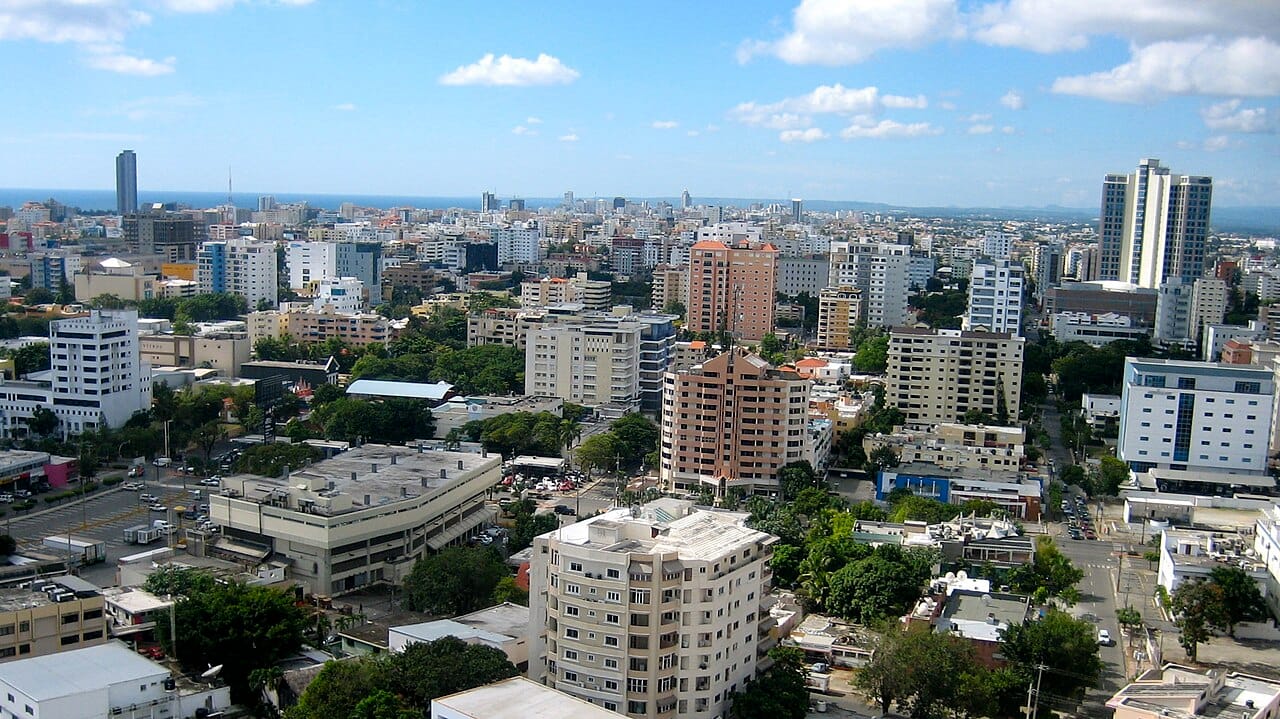
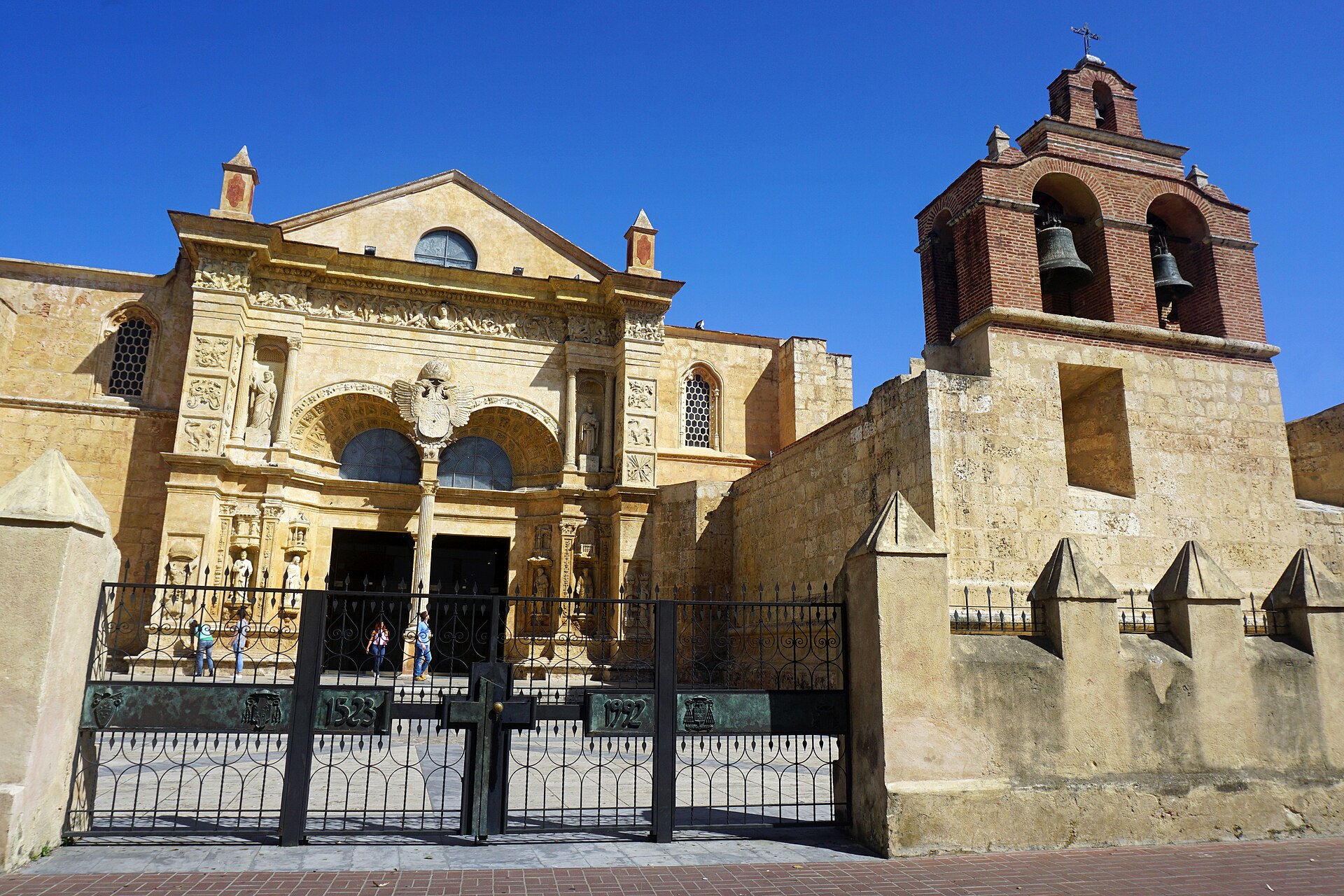
Santo Domingo, founded at the end of the fifteenth century, became the first seat of Spanish power in the New World and the base from which the conquest of the Americas was launched. It holds the oldest cathedral, the oldest surviving fortress, and the oldest university in the hemisphere, a colonial core now preserved as a World Heritage site. As Spain's attention moved to the mainland and its gold and silver, the colony declined into a quiet, poor backwater.
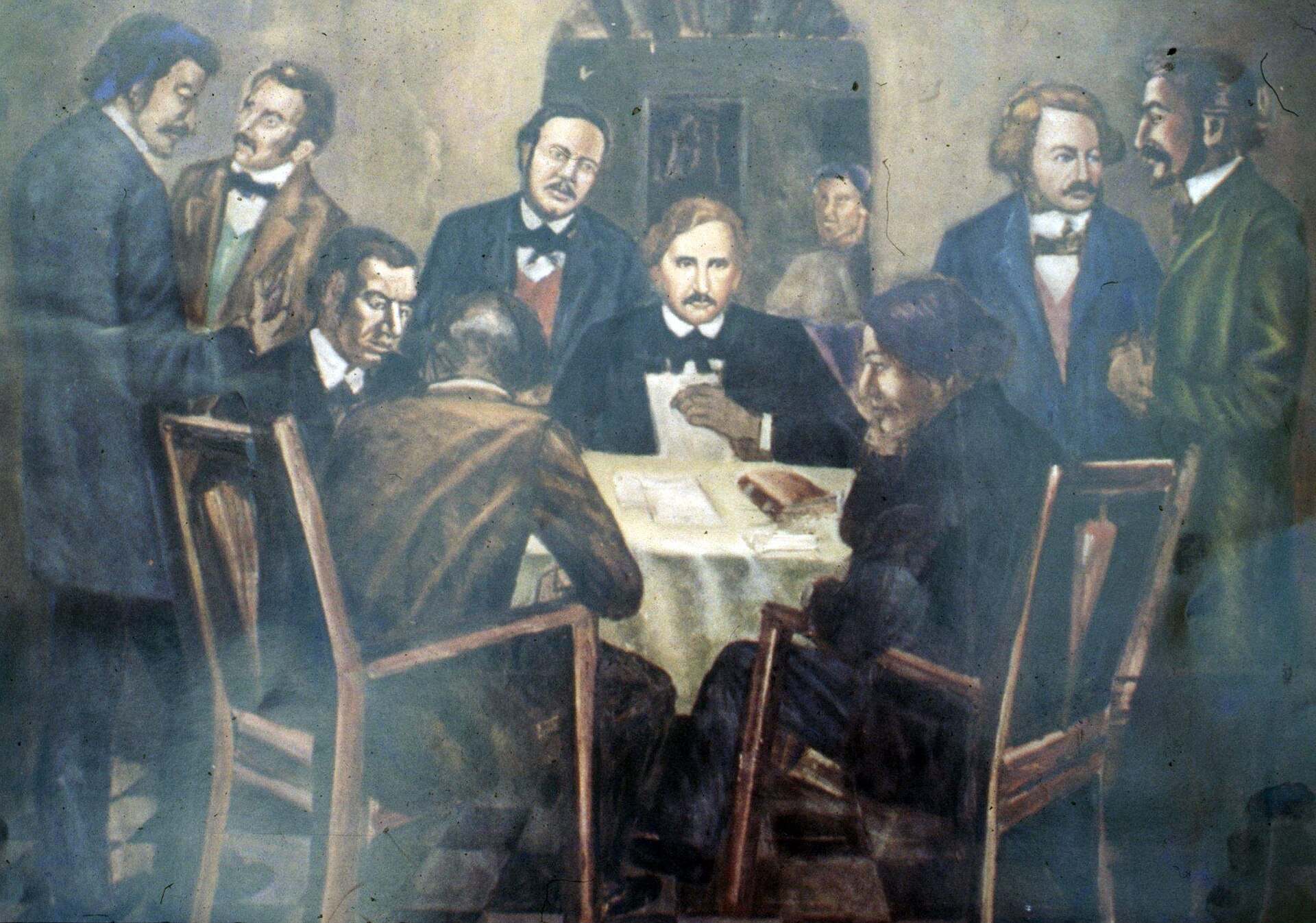
The island's history diverged when its western third, ceded to France, became the rich sugar colony that rose in revolution to form Haiti. In 1822 Haiti occupied the whole island, and it was from Haitian rule, not Spanish, that the Dominican Republic won its independence in 1844, led by the patriot Juan Pablo Duarte. Independence was followed by chronic instability, a brief return to Spain, and United States occupation, culminating in the long and brutal dictatorship of Rafael Trujillo, who ruled from 1930 until his assassination in 1961.
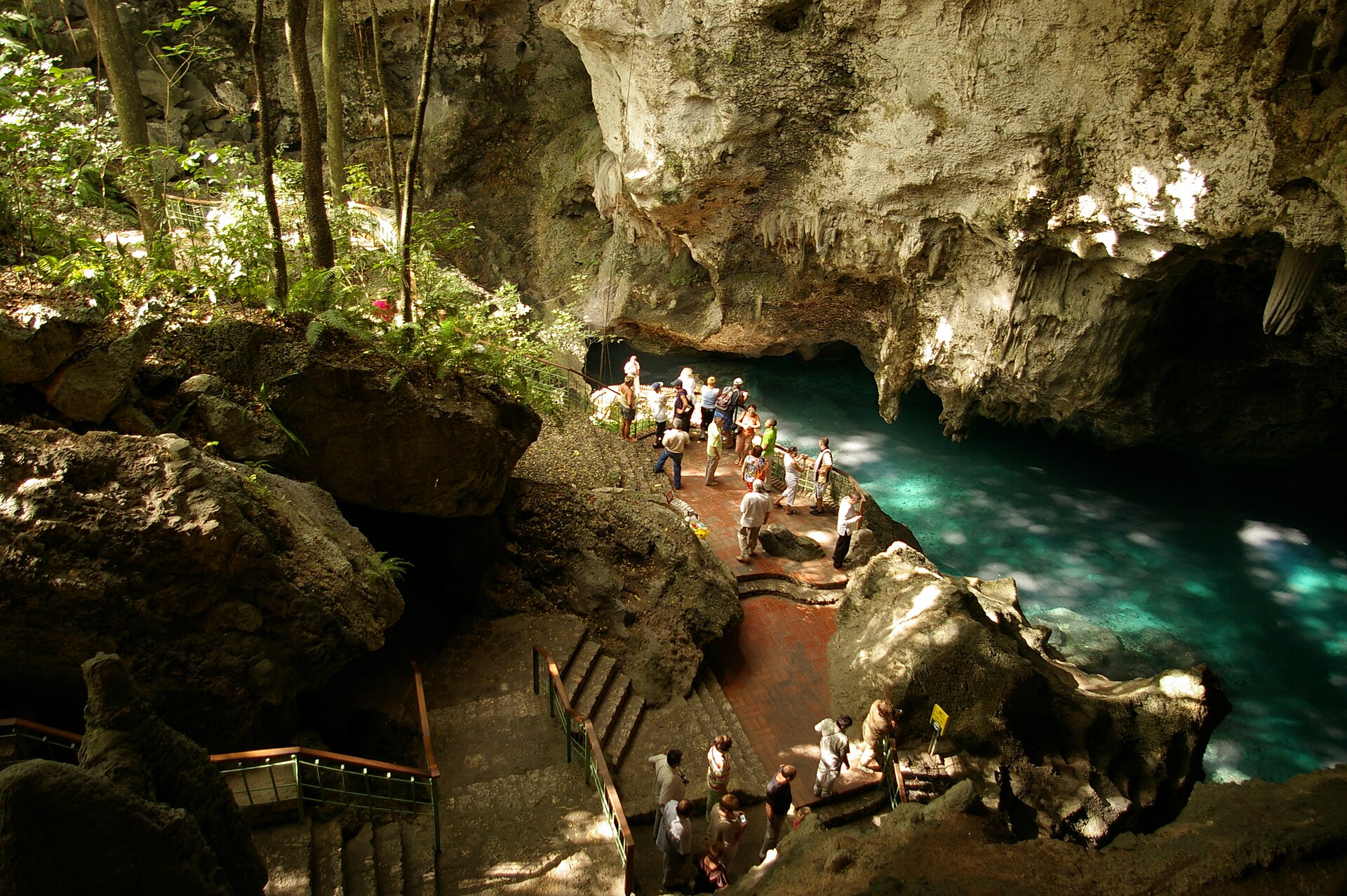
The Dominican Republic is the most geographically varied country in the Caribbean. It is crossed by several mountain ranges, including Pico Duarte, the highest peak in the West Indies, between which lie fertile valleys, while the coastline offers long beaches on both the Atlantic and the Caribbean. The country holds both lush, well-watered regions and a semi-desert in the west, as well as Lake Enriquillo, a salt lake well below sea level that is the lowest point in the Caribbean. This variety of landscapes supports both diverse agriculture and a thriving tourism industry.
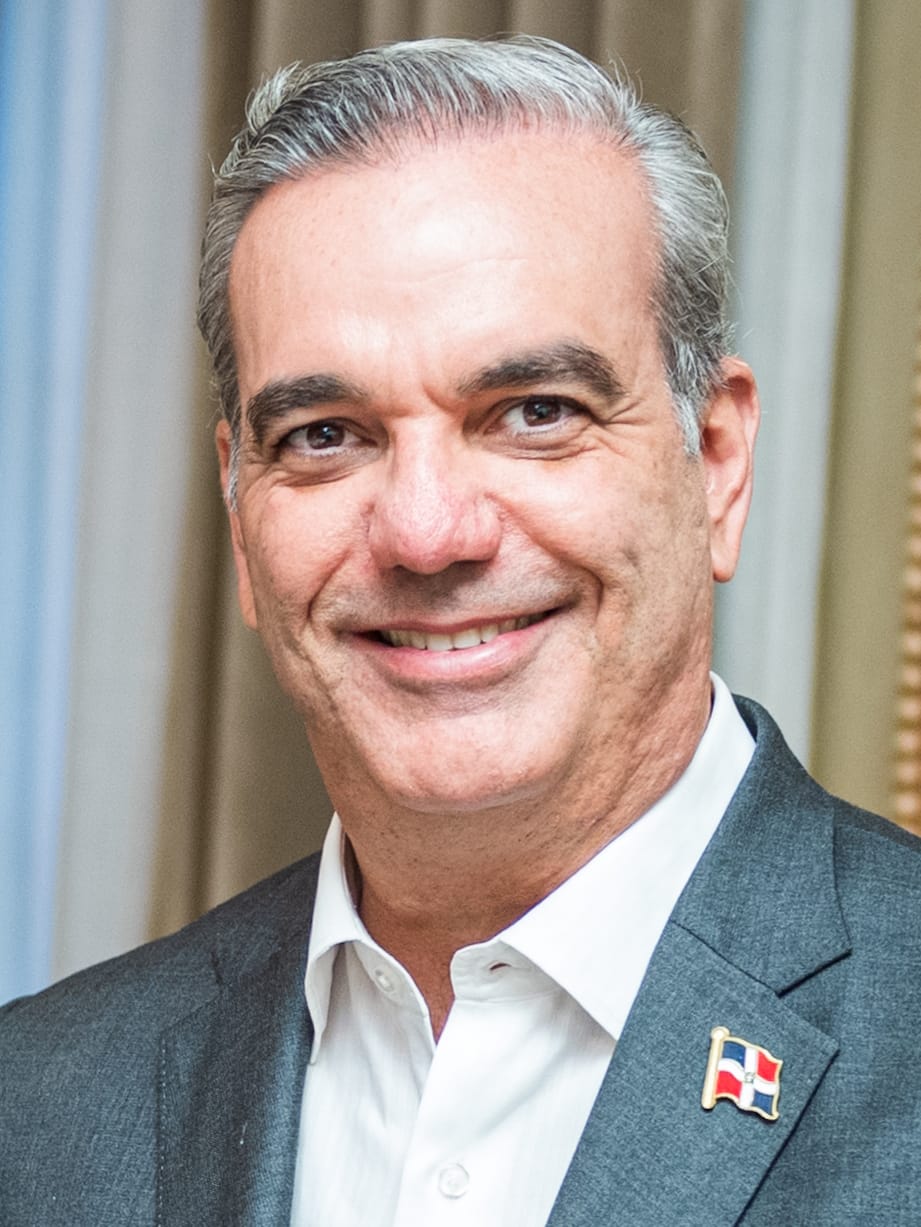
The Dominican Republic is a presidential republic and, by the standards of its region and its own turbulent past, a stable and increasingly prosperous democracy in which power alternates peacefully between parties. The president since 2020 is Luis Abinader of the Modern Revolutionary Party, re-elected by a wide margin in 2024, who has governed over one of the fastest-growing economies in Latin America while facing the perennial questions of corruption, inequality, and the country's fraught relationship with Haiti. After the trauma of the Trujillo years and the instability that followed, the peaceful transfers of power of recent decades are a source of quiet national pride.
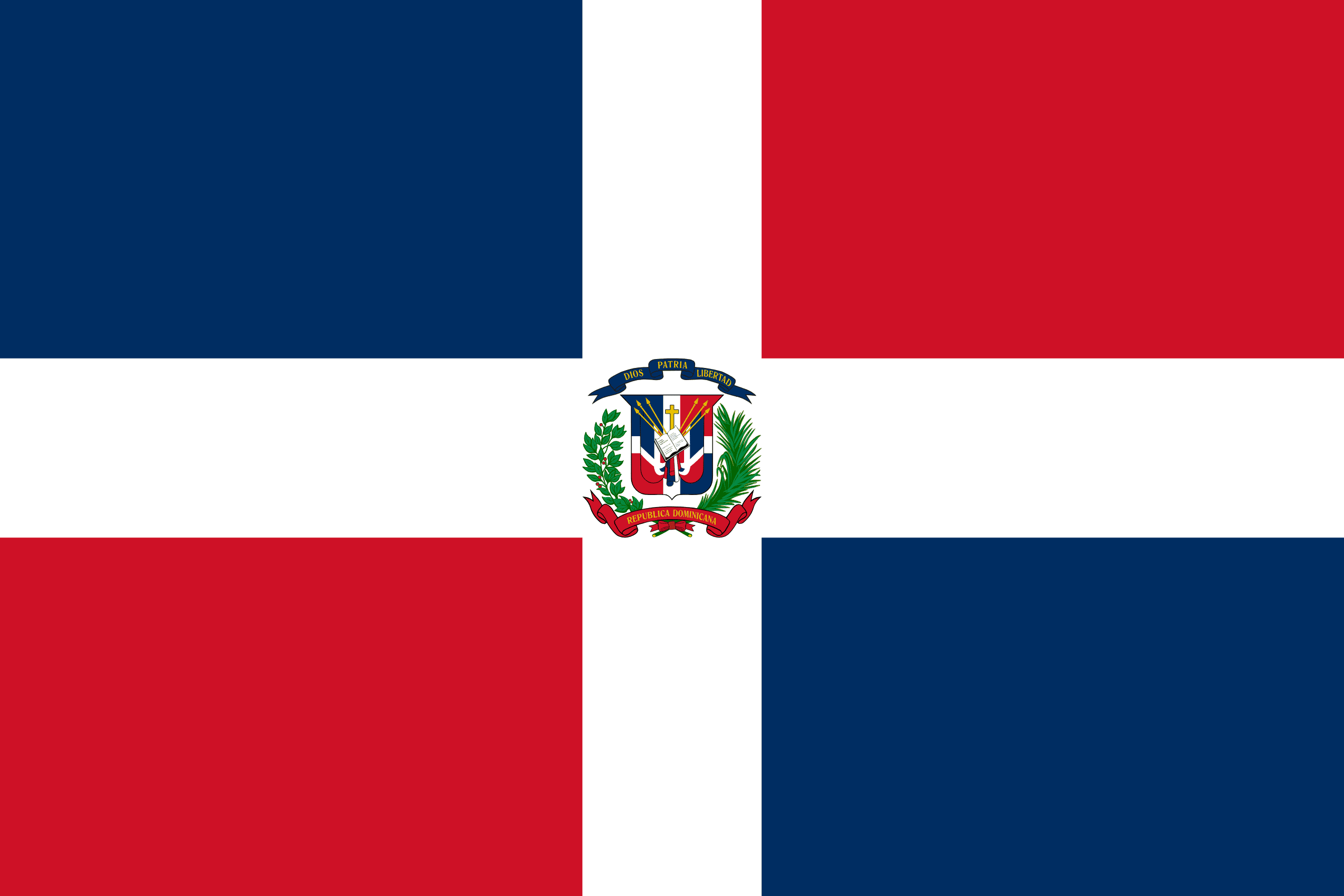
The flag of the Dominican Republic is divided by a white cross into four rectangles, blue and red, with the national coat of arms in the centre. It is the only national flag in the world to feature an image of the Bible in its coat of arms, which shows the holy book open, along with a cross and the national motto. The blue is said to represent liberty, the red the blood of heroes, and the white cross salvation and the faith, reflecting the country's Catholic identity.
The Dominican Republic is a predominantly Roman Catholic country, the deep legacy of Spanish colonisation, with Catholicism woven into the culture, calendar, and national identity, symbolised by the Bible on the national flag. In recent decades evangelical Protestant churches have grown significantly. Folk beliefs and practices, some with African roots, also persist alongside Catholicism in places. Religion plays an important role in Dominican society, and the country's deep Catholic heritage is reflected in its historic churches and festivals.
Dominican cuisine is hearty and flavourful, blending Spanish, African, and Taino influences. The everyday national dish is la bandera, the flag, a plate of rice, red beans, and stewed meat, often with fried plantains and salad, the staple lunch of the country. Sancocho, a rich meat-and-vegetable stew, is a beloved festive dish, and mangu, mashed plantains, is a classic breakfast. Tropical fruit, seafood, and the country's famous coffee and rum complete a satisfying and distinctive Caribbean food culture.
Agriculture has long been important to the Dominican Republic, favoured by its fertile valleys and varied climate. The country is a major producer of sugarcane, historically the backbone of the economy, along with cocoa, of which it is a leading organic producer, coffee, and tobacco for its renowned cigars. Tropical fruits, including bananas and avocados, and vegetables are also grown. Agriculture, however, now shares the economy with tourism, mining, and manufacturing, which have made the country one of the largest and fastest-growing economies in the Caribbean.
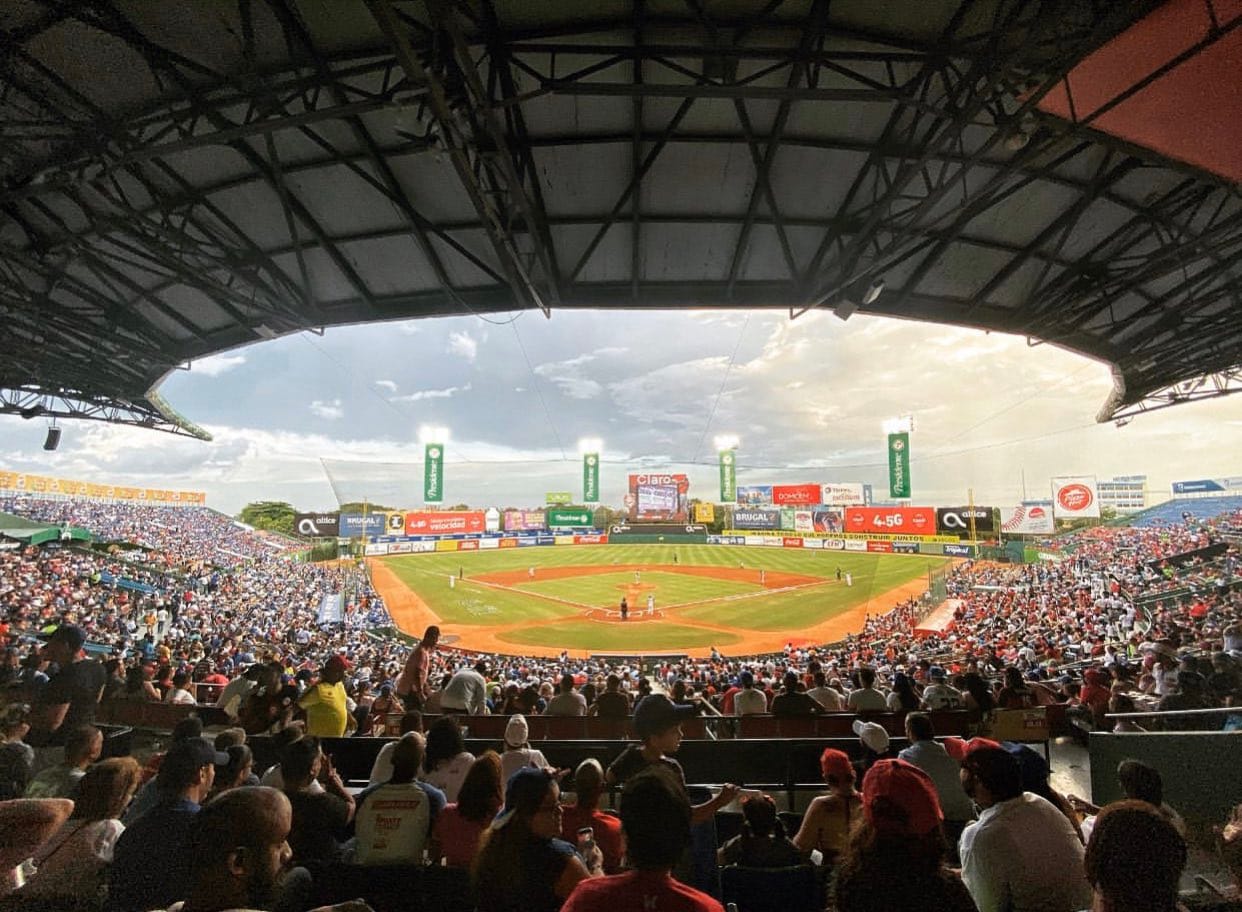
Dominican culture is warm, musical, and proudly its own, a blend of Spanish, African, and Taino roots. Its heartbeat is music and dance: the merengue, the national rhythm, and the romantic, melancholy bachata, both born on the island and now loved across the world. Above all, the Dominican Republic is a nation obsessed with baseball, which it plays with a passion and a brilliance out of all proportion to its size, sending more players to the North American major leagues than any country outside the United States and treating its stars as national heroes. Festivals, carnival, and a famously exuberant social life complete a culture that has spread far beyond the island through a large and lively diaspora.
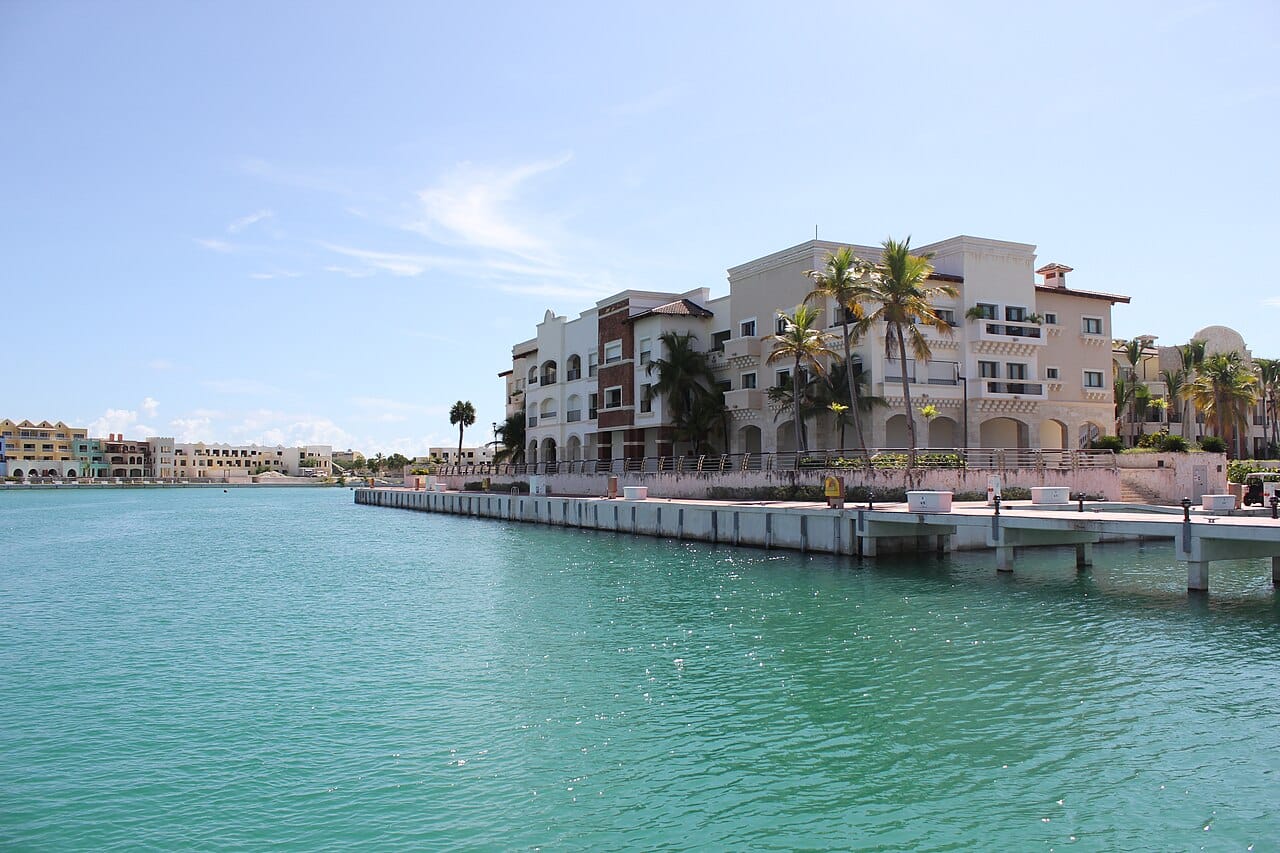
Once a poor exporter of sugar, the Dominican Republic has become one of the largest and fastest-growing economies in the Caribbean and Central America, driven by tourism, mining, free-trade manufacturing zones, and the remittances sent home by Dominicans abroad. Tourism is the great engine: the beaches of Punta Cana and the north coast draw millions of visitors a year, making the country the most visited destination in the Caribbean. This growth has lifted many, though poverty and sharp inequality persist, and the wealth of the tourist resorts sits alongside far poorer rural and urban communities.
The Dominican Republic has a population of around 11 million people, the great majority of mixed European, African, and indigenous descent, reflecting the island's colonial history. Spanish is the official language, and Roman Catholicism the dominant faith. The population is concentrated in the fertile valleys and along the coasts, above all in the sprawling capital, Santo Domingo, the oldest city in the Americas. A very large Dominican diaspora lives abroad, especially in the United States, and the money they send home is important to the economy.