Cuba is the largest island nation in the Caribbean, lying just south of Florida at the gateway between North and South America. A land of tobacco fields, sugar plantations, and colourful colonial cities, it has a vibrant culture of music and dance that has influenced the world. Since its 1959 revolution, Cuba has followed a singular path as a communist state, a small country that has loomed large in global affairs out of all proportion to its size.
Cuba's history runs from its indigenous Taino, through Spanish sugar and slavery and a long fight for freedom, to the revolution that set the island on a path unlike any other in the hemisphere.
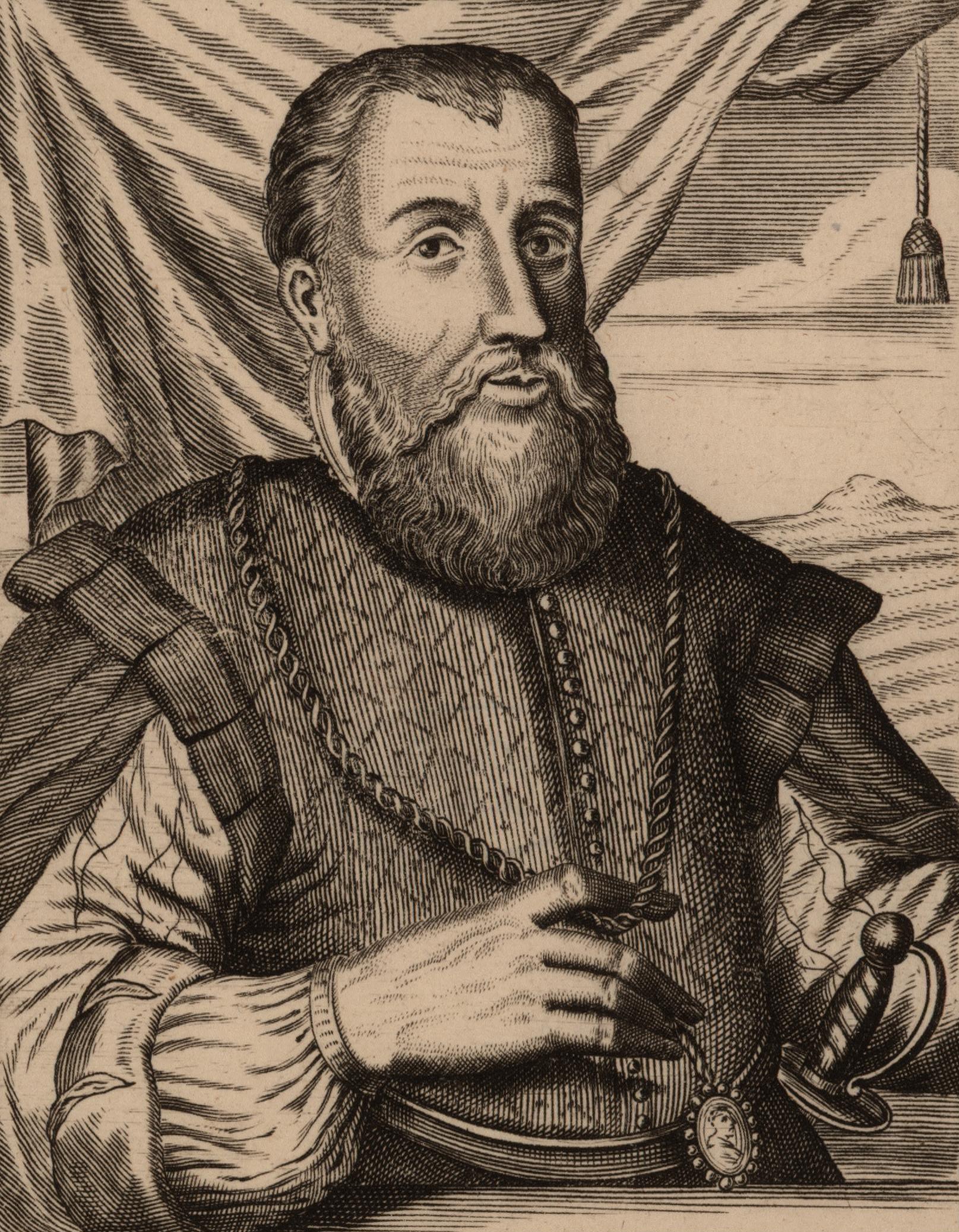
The island was home to the indigenous Taino when Christopher Columbus reached it in 1492. The conquistador Diego Velazquez founded the first Spanish towns soon after, and over the following centuries Spain built on Cuba a wealthy plantation economy of sugar and tobacco, worked by the forced labour of hundreds of thousands of enslaved Africans, whose descendants would shape the island's people and culture.
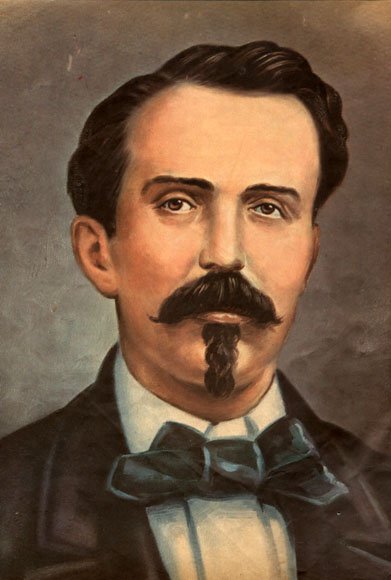
In the later nineteenth century Cubans rose repeatedly against Spanish rule, in long and bloody wars led by figures now revered as national fathers, among them Carlos Manuel de Cespedes and the writer and patriot Jose Marti. The struggle ended in 1898 when the United States intervened in the Spanish-American War, and Spanish rule collapsed, leaving Cuba nominally independent but under heavy American influence.
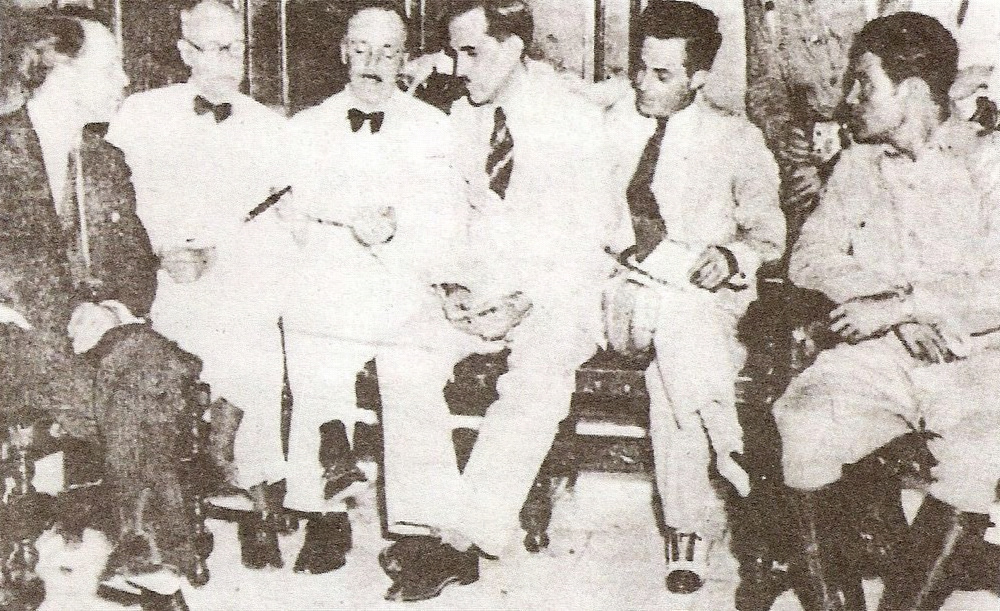
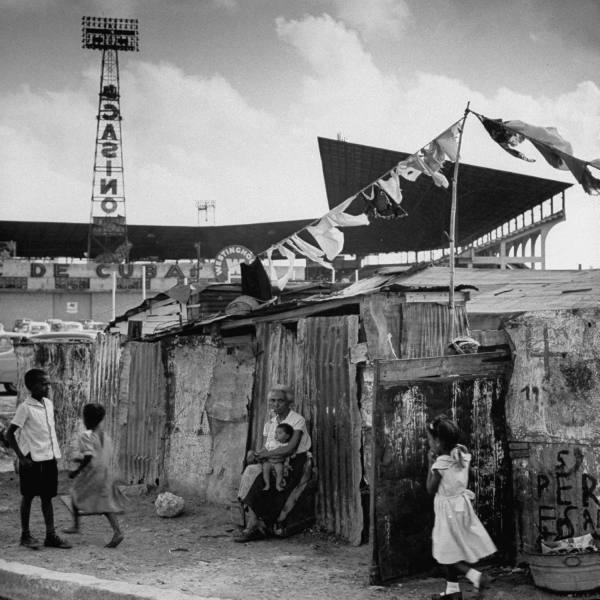
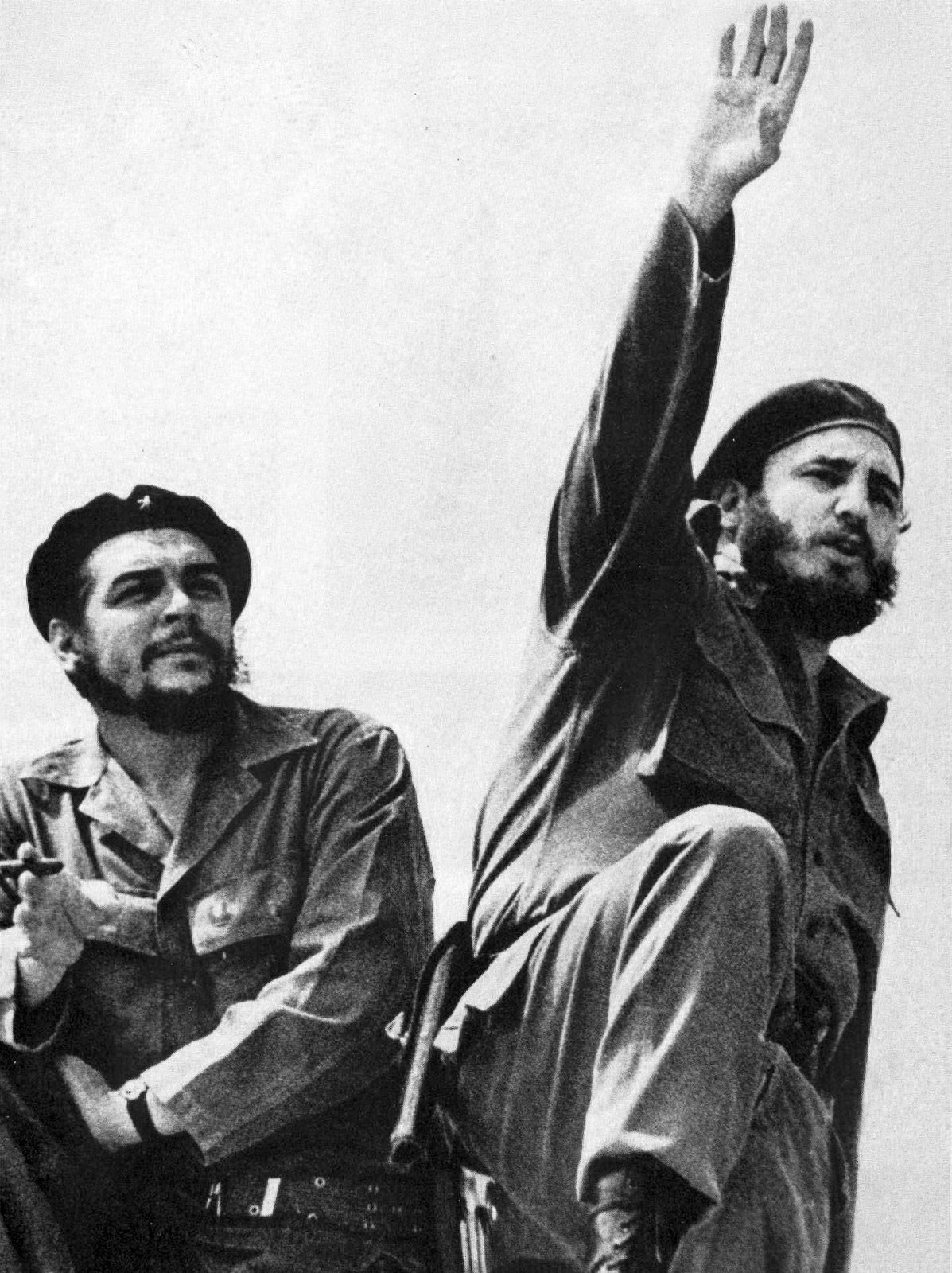
The Cuban republic of the early twentieth century was prosperous but unequal and politically turbulent, and it fell increasingly under the sway of the strongman Fulgencio Batista and of American business and organised crime. Beneath the glamour of 1950s Havana lay deep poverty. In 1959 a revolution led by Fidel Castro and his comrades, including the Argentine Che Guevara, overthrew Batista and set Cuba on a socialist course that would transform the island and defy the United States for generations.
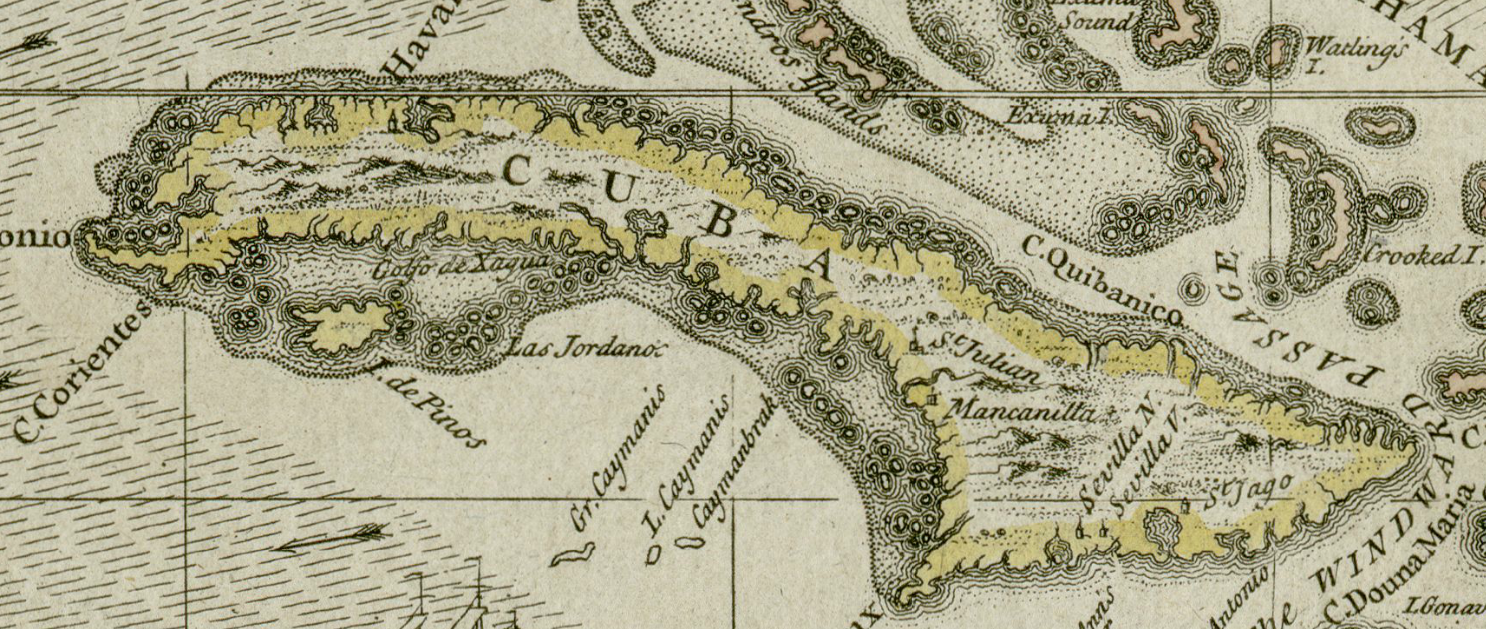
Cuba is a long, narrow island, the largest in the Caribbean, made up of one main island and many smaller keys. Much of the land is gentle and fertile, ideal for the sugar and tobacco that shaped its economy, with low mountain ranges, notably the Sierra Maestra in the southeast, where Castro's rebels made their base. Surrounded by warm Caribbean waters and fringed with beaches, coral reefs, and mangroves, the island enjoys a tropical climate, though it lies in the path of Atlantic hurricanes.
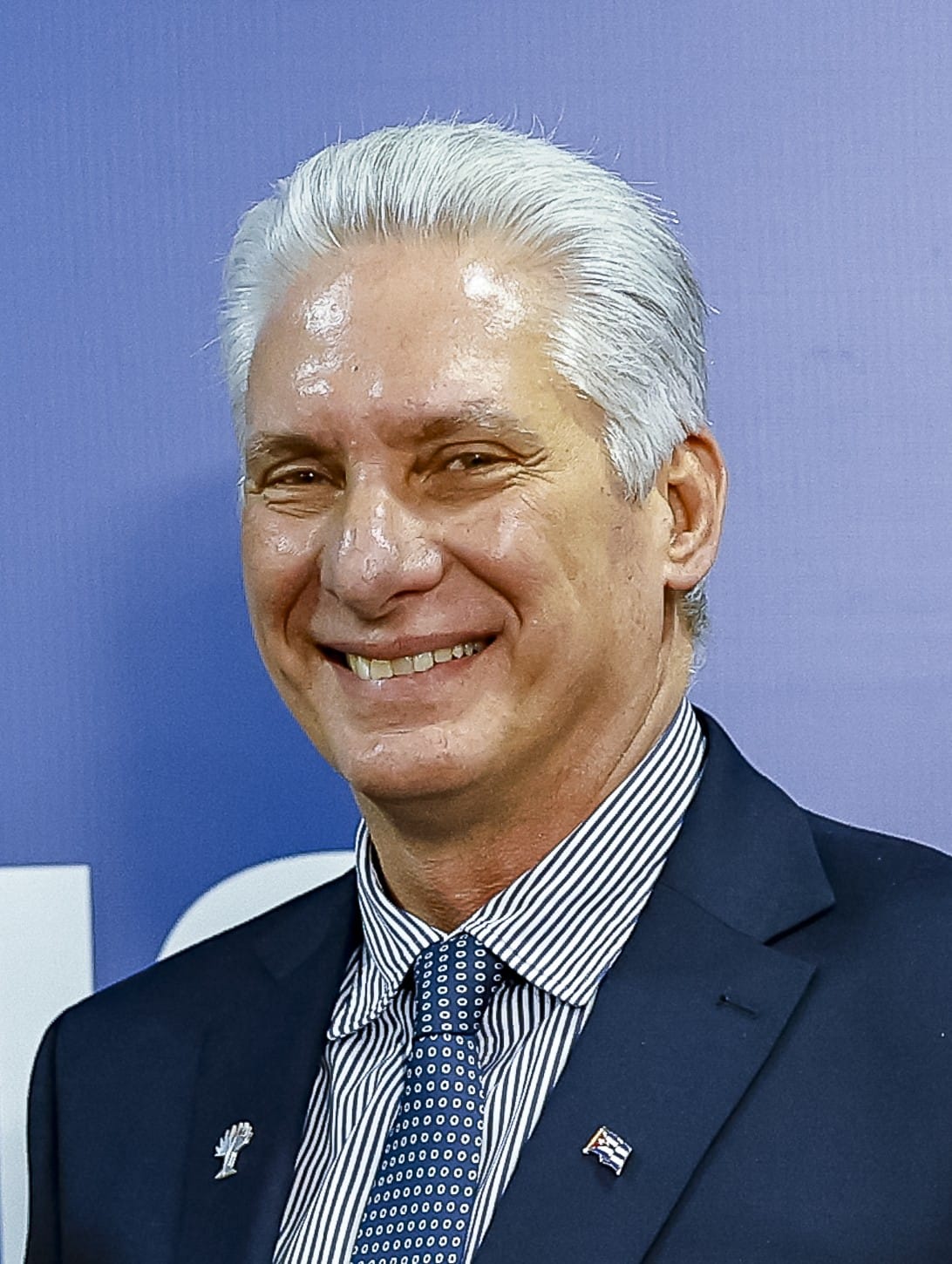
Cuba is a one-party socialist state, governed by the Communist Party of Cuba, the only legal party, whose leadership sets the direction of national life. For nearly fifty years the country was led by Fidel Castro, who handed power to his brother Raul, and only in recent years has leadership passed beyond the Castro family: Miguel Diaz-Canel became president in 2019 and head of the Communist Party in 2021, the first Cuban leader from neither the revolution's founding generation nor the Castro family. The state controls most of the economy and the media, and while it points to achievements in education and health, it does not permit organised opposition, and dissent is tightly restricted.
Cuba's economy is centrally planned and dominated by the state, and it has been in serious difficulty for decades. Sugar, once its lifeblood, has faded, and the island now relies on tourism, on nickel, on its famous cigars and rum, on a notable biotechnology and pharmaceutical sector, and, above all, on the money earned by sending Cuban doctors to work abroad and on remittances from Cubans overseas. It has been battered by three great blows: the long United States economic embargo, the sudden loss of Soviet subsidies when the USSR collapsed in 1991, which brought years of severe hardship known as the Special Period, and its own inefficiencies. Since around 2020 the country has faced a punishing new crisis of shortages, blackouts, and inflation.
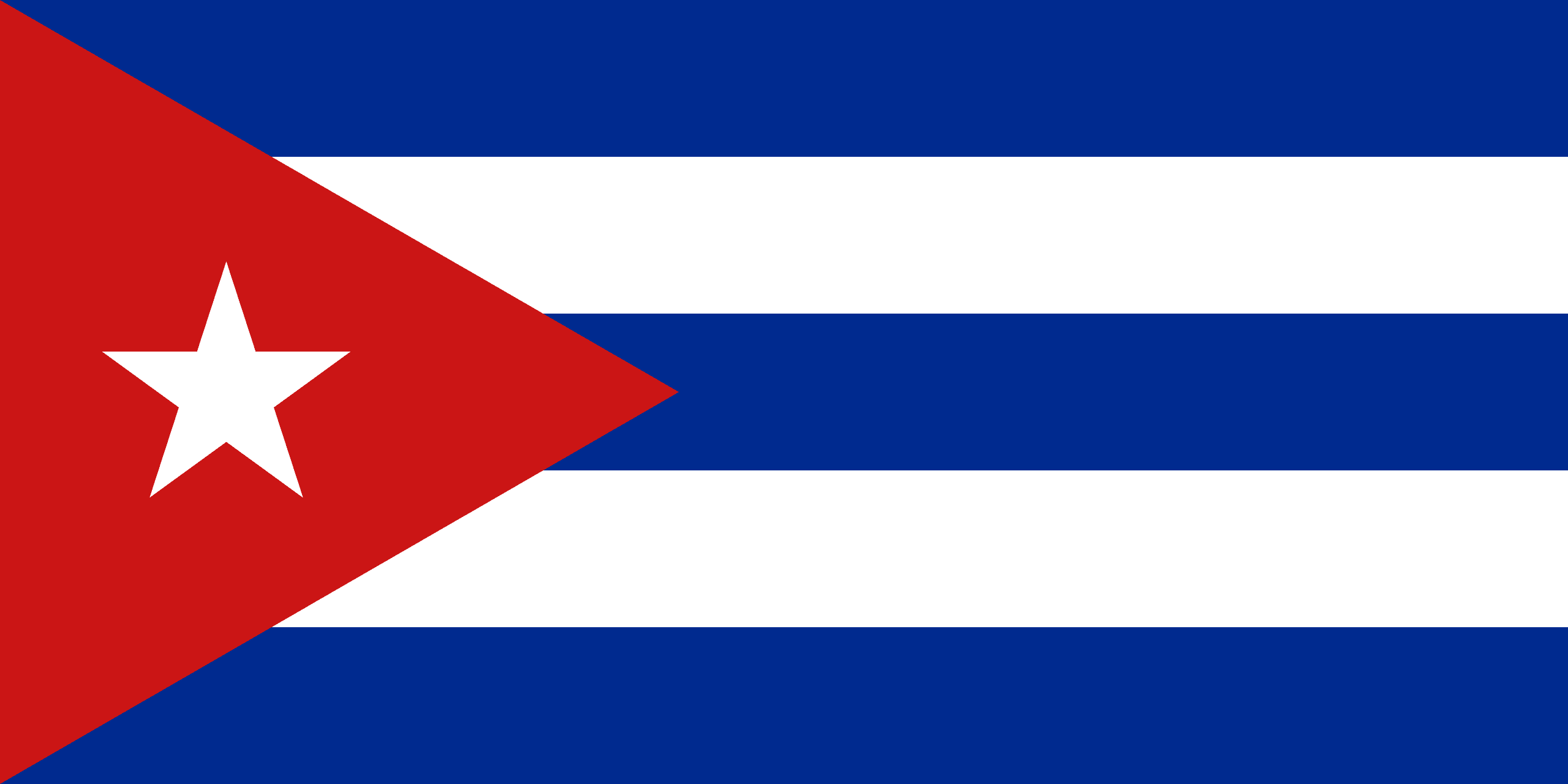
The flag of Cuba has five horizontal stripes of blue and white, with a red triangle at the hoist bearing a single white five-pointed star. The three blue stripes are said to represent the three regions into which the island was once divided, the white the purity of the patriots' cause, the red triangle the blood shed and the ideals of liberty, equality, and fraternity, and the lone star the independent nation, giving the flag its nickname, the Lone Star flag.
Cuba was historically a Roman Catholic country, though religious practice was discouraged for decades after the revolution, when the state was officially atheist before later easing its stance. A distinctive feature of Cuban spirituality is Santeria, an Afro-Cuban religion that blends the West African beliefs of enslaved peoples with Catholic saints, widely practised across the island. Today Cubans follow a mix of Catholicism, these Afro-Cuban traditions, growing Protestant churches, and secular outlooks.
Cuban cuisine blends Spanish, African, and Caribbean influences into hearty, flavourful food. A classic dish is ropa vieja, shredded beef stewed with peppers and tomatoes, and rice and beans appear at almost every meal, the black beans and rice combination affectionately named moros y cristianos. Roast pork, fried plantains, and cassava are staples, and the island is world-famous for two of its agricultural products: its cigars and its rum.
Agriculture in Cuba has long centred on sugar, which dominated the economy for centuries and was farmed on great plantations, though its importance has declined. The island is renowned above all for tobacco, the basis of its celebrated hand-rolled cigars, grown in the western valleys. Coffee, citrus, and tropical fruits are also produced. Much farmland is state-run or cooperative, and the country has at times struggled to feed itself, importing a large share of its food.
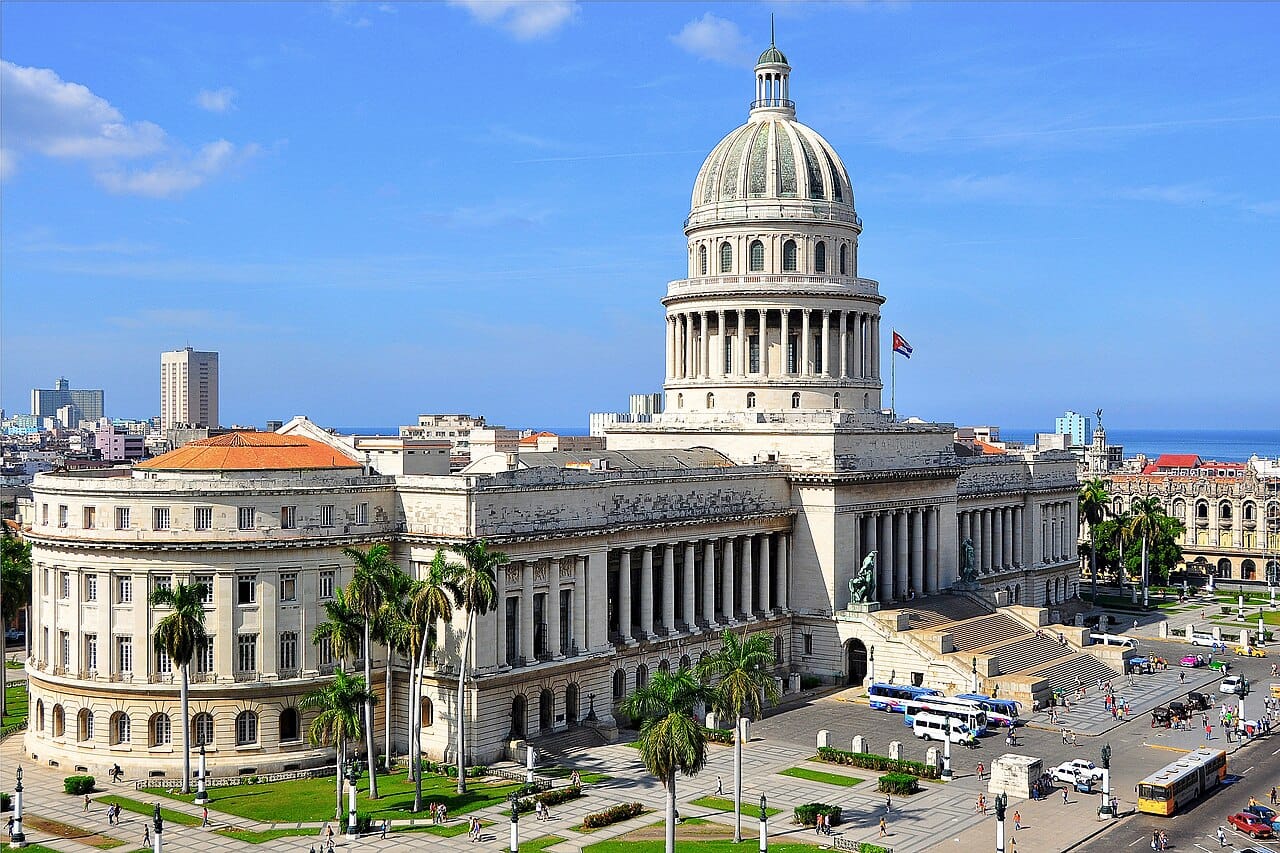
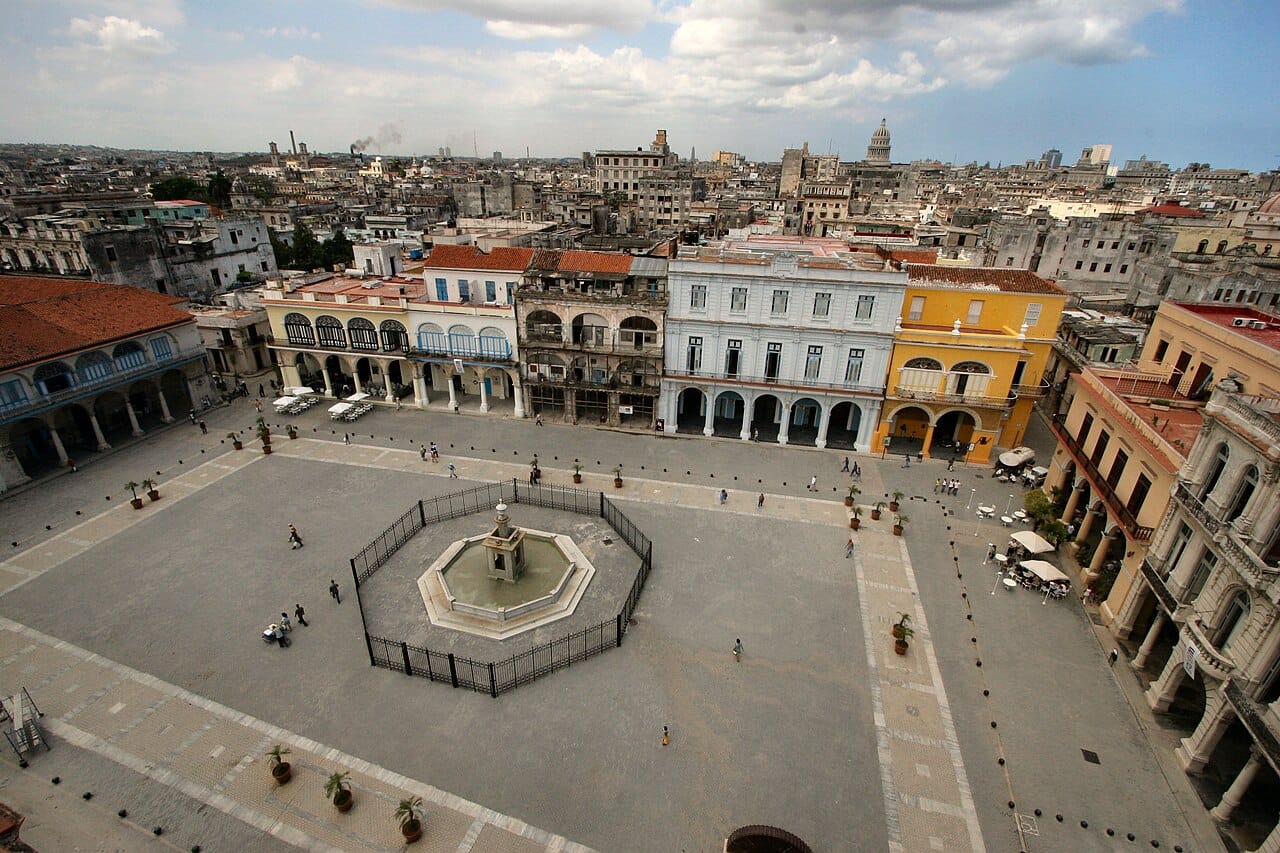
For a small island, Cuba has had an outsized cultural influence, above all through its music. The rhythms born here, son, mambo, cha-cha-cha, and the rumba, along with the dance and the great tradition of Cuban jazz, spread across the world and shaped popular music everywhere. The island is famous too for its faded but magnificent Spanish colonial architecture, its 1950s American cars kept running for decades, its passion for baseball and boxing, and a rich literary heritage. Cuban identity blends Spanish and African roots, seen in the Afro-Cuban religion of Santeria and in the food, music, and spirit of the people, who are known for warmth and resilience through hard times.
Few countries divide opinion like Cuba. Its supporters, at home and abroad, point to a revolution that delivered universal education and health care, high literacy, and a proud independence in the face of a hostile superpower ninety miles away. Its critics point to more than sixty years of one-party rule with no free elections, tight control of speech and the press, the jailing of dissidents, and an economy that cannot feed or supply its own people. The long United States embargo sits at the centre of the argument: the Cuban government blames it for the island's poverty, while critics counter that the system's own failures are the deeper cause. What is not in dispute is the human toll of the recent crisis. Rare mass protests broke out in 2021, and since 2020 hundreds of thousands of Cubans, among the largest exodus in the island's history, have left in search of a better life, many for the United States. The future of the revolution, and of the island itself, is an open question.
Cuba has a population of around 11 million people, of mixed European and African descent reflecting its colonial and plantation history. The country is noted for high levels of literacy and a health system that has long been a point of national pride, even amid economic hardship. Most Cubans live in cities, above all the historic capital, Havana, with its faded Spanish colonial grandeur. Economic difficulties have driven waves of emigration, many to the United States, and the population has begun to shrink and age.