Jamaica is an island nation in the Caribbean Sea, the third largest island of the Greater Antilles, south of Cuba. A land of lush green mountains, beaches, and a vibrant culture, it has had an influence on the world far out of proportion to its size, above all through its music. The birthplace of reggae and of the global icon Bob Marley, the cradle of the Rastafari movement, and home to the world's fastest sprinters, Jamaica is a small island with an outsized cultural footprint.
Jamaica's history runs from the Taino, through English sugar and slavery and the fierce resistance it provoked, to an independence that unleashed one of the most influential cultures on Earth.
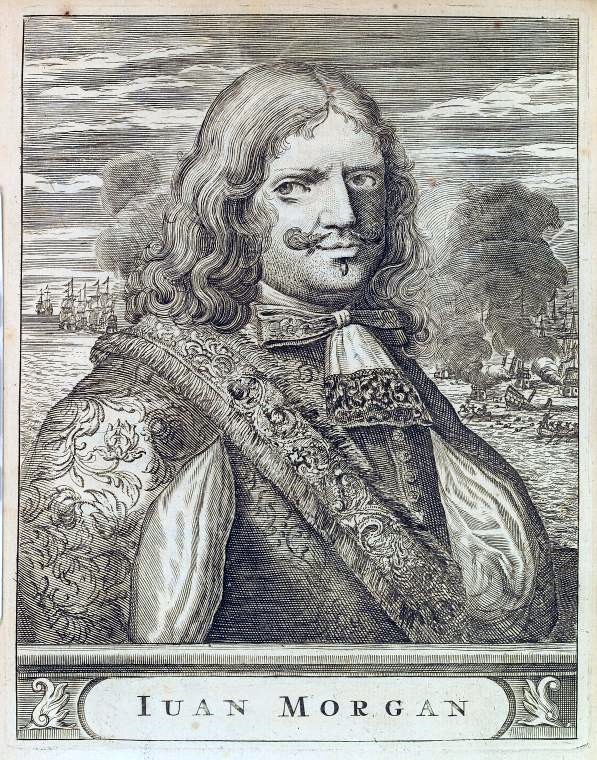
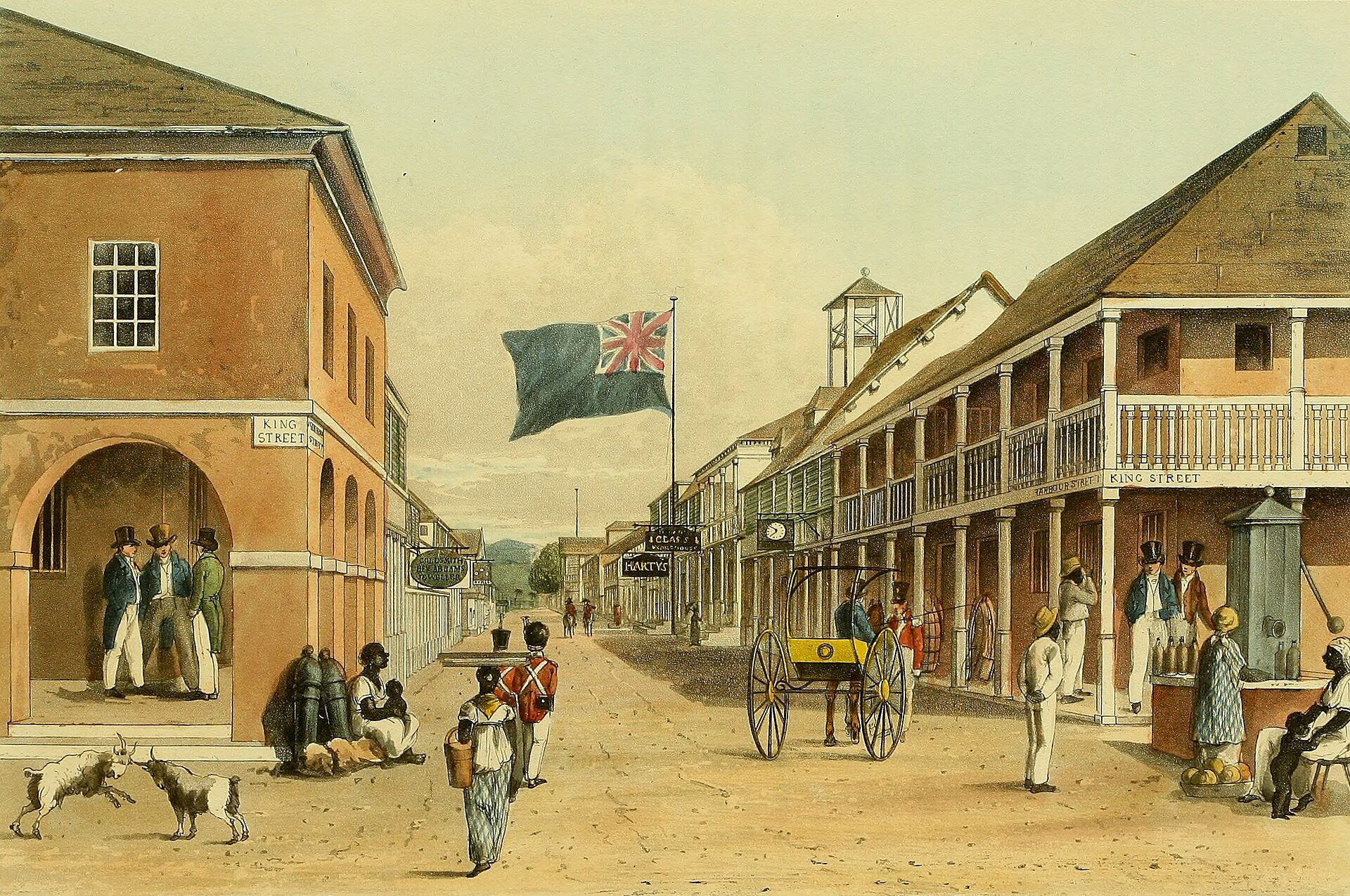
Jamaica was home to the Taino people before Christopher Columbus reached it in 1494, after which Spanish rule all but destroyed the indigenous population. In 1655 the English seized the island, and its harbour town of Port Royal grew into a notorious haven for the buccaneers and pirates who preyed on Spanish shipping, among them Henry Morgan, until much of the wicked city slid into the sea in a catastrophic earthquake in 1692.
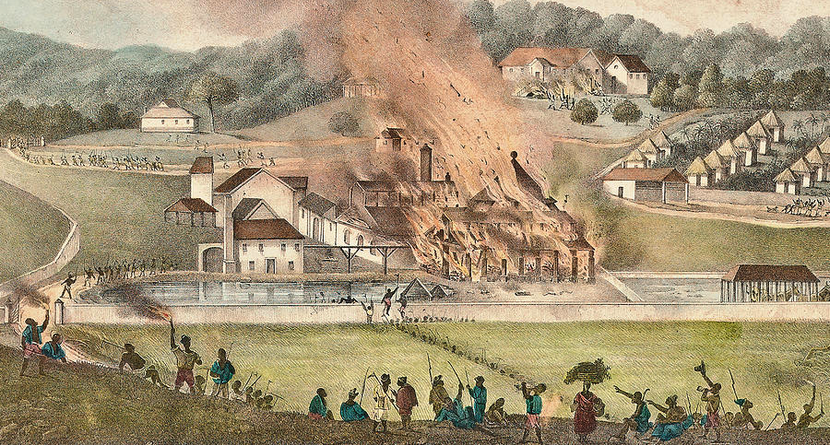
Under the English, Jamaica became one of the world's great sugar colonies, worked by vast numbers of enslaved Africans under brutal conditions. But the enslaved never stopped resisting: the Maroons, communities of those who had escaped, waged war from the mountains and won treaties recognising their freedom, and a series of great uprisings, above all the Baptist War of 1831, led by the preacher Sam Sharpe, shook the system and helped hasten the abolition of slavery across the British Empire.
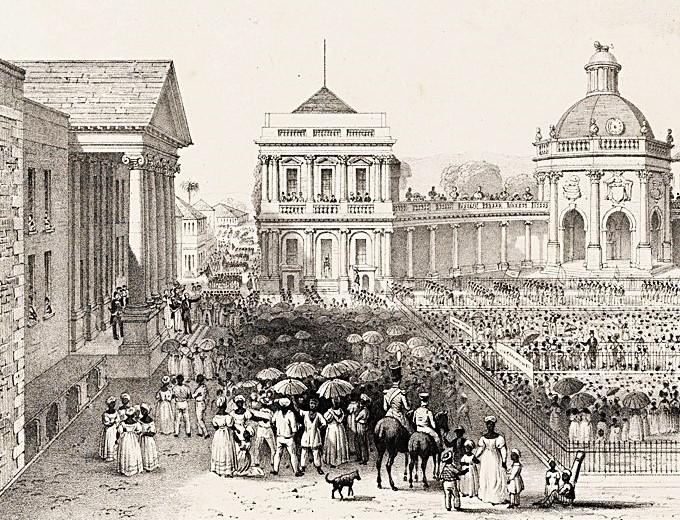
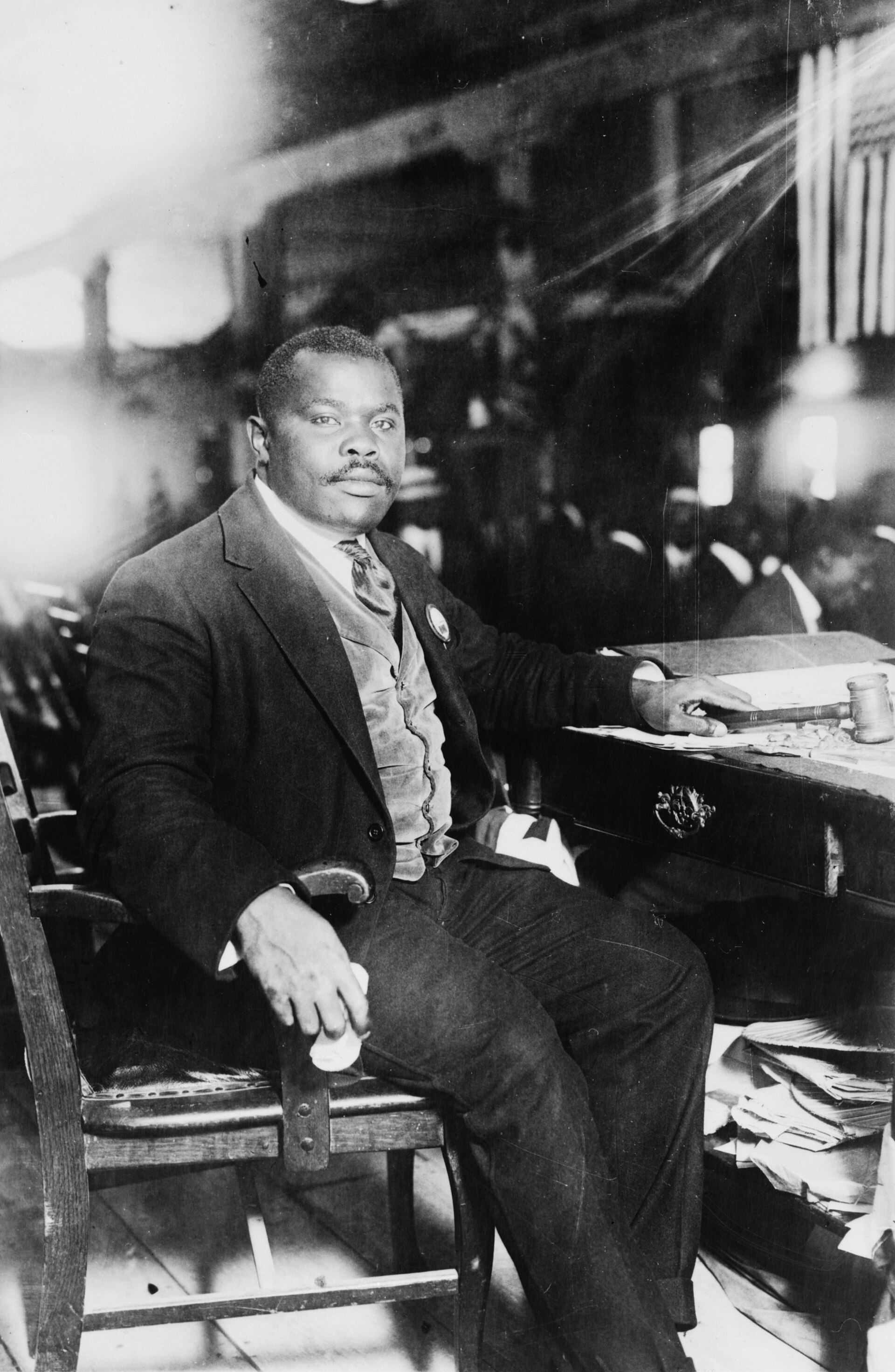
The century after emancipation was one of hardship and slow political awakening, marked by uprisings such as the Morant Bay rebellion of 1865. From this ferment came Marcus Garvey, whose message of Black pride, unity, and self-reliance made him one of the most influential figures of the twentieth century and helped inspire the Rastafari movement and liberation struggles far beyond Jamaica. The island won its independence from Britain in 1962.
Jamaica is a mountainous tropical island, with a backbone of ranges rising to the Blue Mountains in the east, famous for the coffee grown on their misty slopes, and falling to coastal plains and a shoreline of beaches, cliffs, and harbours. Lush forests, rivers, and waterfalls cover much of the interior, and the warm Caribbean waters and coral reefs ring the coast. This green, dramatic landscape, with its varied climate from hot coast to cool highlands, has long shaped the island's farming and its scenic appeal.
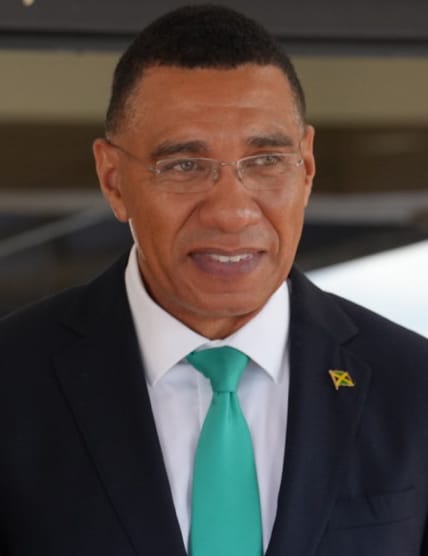
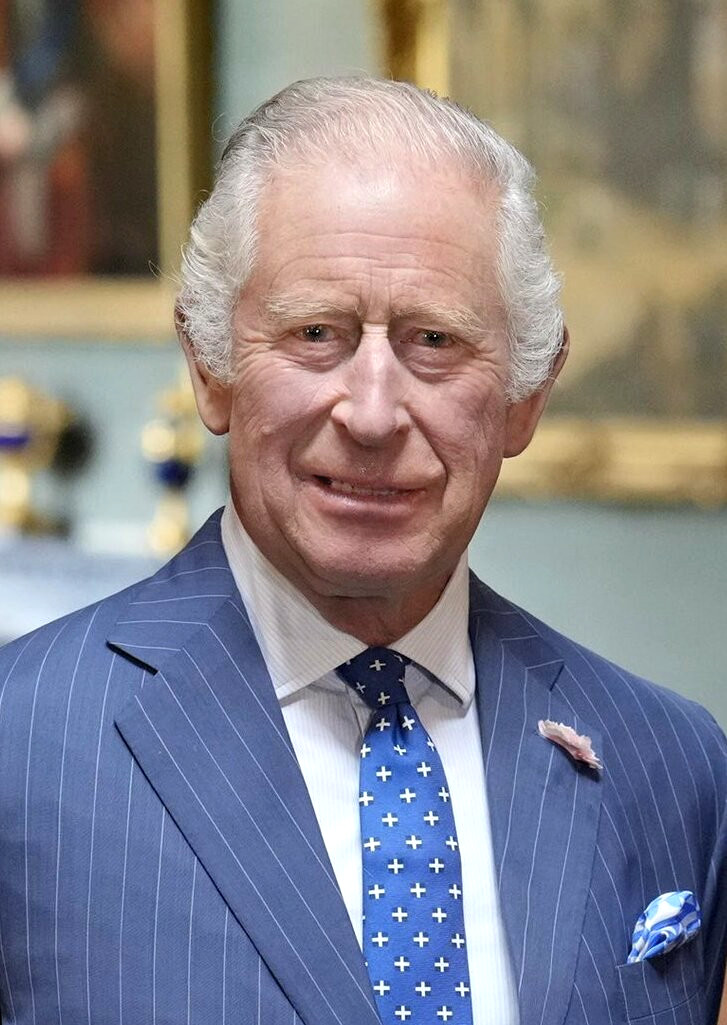
Jamaica is a parliamentary democracy and a Commonwealth realm, still recognising King Charles the Third as head of state, represented by a governor-general, though the country is moving toward becoming a republic with a president of its own. Its politics is a stable, vigorously contested two-party affair between the Jamaica Labour Party and the People's National Party. The prime minister since 2016 is Andrew Holness of the JLP, who won a third term in 2025 on the strength of a fall in the island's notoriously high crime, one of the central and stubborn challenges, along with debt and emigration, facing the nation's governments.
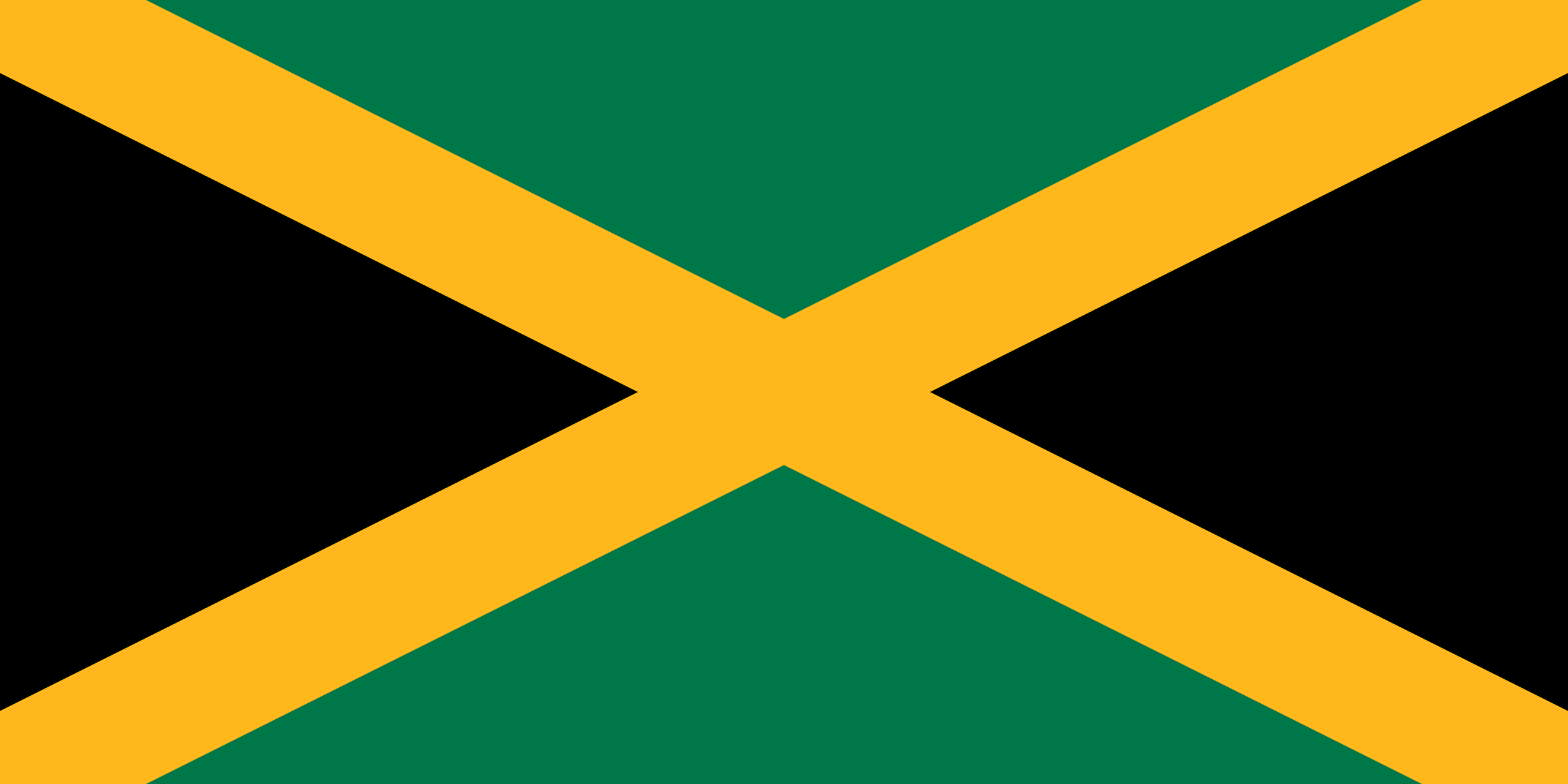
The flag of Jamaica is distinctive as one of the only national flags to contain none of the colours red, white, or blue. It is divided by a golden diagonal cross into four triangles, black at the sides and green at the top and bottom. The gold represents the sunshine and the natural wealth of the country, the green its lush vegetation and hope, and the black the strength and creativity of the people. The bold design is instantly recognisable as a symbol of Jamaica.
Jamaica is a strongly Christian country, with one of the highest numbers of churches per person in the world, the majority belonging to a variety of Protestant denominations, a legacy of British and missionary influence, along with Roman Catholics. The island is also the birthplace of the Rastafari movement, a faith that emerged in the twentieth century, revering an Ethiopian emperor and shaping the island's culture and music. Traditional Afro-Caribbean spiritual practices also persist, and religion is a powerful force in Jamaican life.
Jamaican cuisine is bold and full of flavour, famous around the world for its fiery, fragrant jerk seasoning, a blend of spices used to marinate and grill chicken, pork, or fish. The national dish is ackee and saltfish, the yellow fruit of the ackee cooked with salted cod. Rice and peas, patties, curried goat, and an abundance of tropical fruit and fresh seafood fill the table, and the cuisine reflects African, European, Indian, and Chinese influences in a uniquely Jamaican blend.
Agriculture remains important to Jamaica, though less dominant than in the plantation era. Sugarcane, once the foundation of the colonial economy, is still grown, along with bananas, and the island is famous for its Blue Mountain coffee, among the most prized and expensive in the world, grown on the cool eastern heights. Yams, other tubers, fruit, and vegetables are grown for local use, and the island also produces the spice allspice, known as pimento. Bauxite mining and tourism, however, are larger pillars of the modern economy.
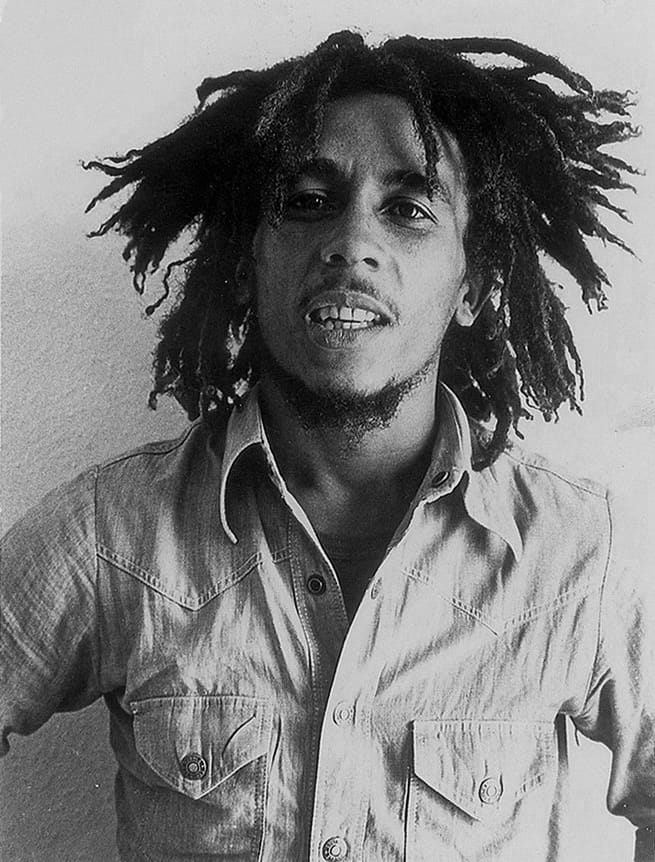
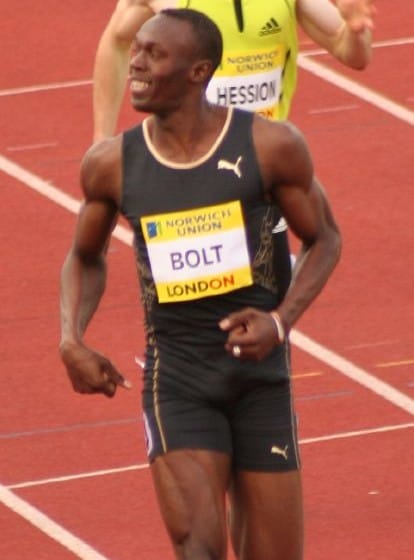
Jamaica's true empire is cultural, and few nations of any size have shaped the modern world's music and style as this small island has. From its dancehalls and sound systems came ska and rocksteady and then reggae, the pulsing, message-laden sound that, carried worldwide by Bob Marley, became one of the most beloved and influential genres on the planet and a voice of protest and hope everywhere; from Jamaica too came the sound-system culture that helped give birth to hip-hop, and the dancehall that keeps evolving today. Bound up with the music is the Rastafari faith, with its own imagery and language, and its spread abroad. And Jamaica's genius is not only musical: on the track, this nation of under three million produces the fastest humans alive, above all the incomparable Usain Bolt, a source of enormous national pride.
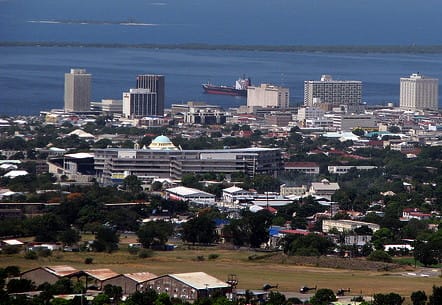
Jamaica has a population of around 2.8 million people, the great majority of African descent, descendants of those brought to the island in slavery, along with minorities of mixed, Indian, Chinese, and European origin, captured in the national motto, Out of Many, One People. English is the official language, while most Jamaicans speak the expressive creole known as Patois. The population is concentrated in the coastal lowlands and in the capital, Kingston, and a large Jamaican diaspora lives abroad, especially in Britain, the United States, and Canada.