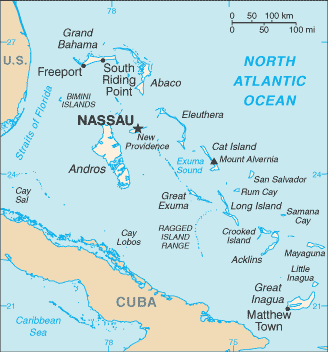
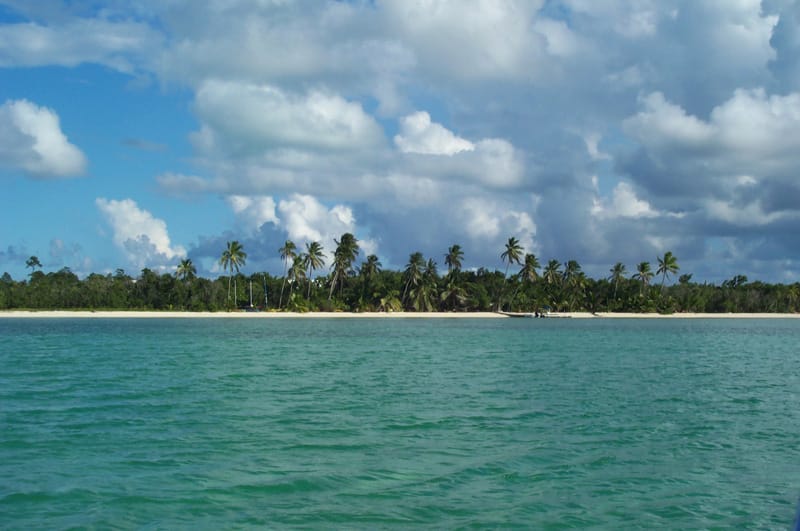
The Bahamas is an island nation in the Atlantic Ocean, an archipelago of around 700 islands and many more cays scattered southeast of Florida and north of Cuba. Famous for its turquoise waters, white and pink sand beaches, and coral reefs, it is one of the wealthiest countries in the Caribbean region, its prosperity built on tourism and offshore finance. It was here, on a Bahamian island, that Christopher Columbus is said to have made his first landfall in the Americas in 1492, an event that opened a fateful new chapter in world history.
The Bahamas has spent five centuries making a living from where it sits: astride the shipping lanes out of the Caribbean, and ninety kilometres from Florida. Piracy, wrecking, blockade-running, rum-running, tourism, and offshore banking are the same idea in different centuries.
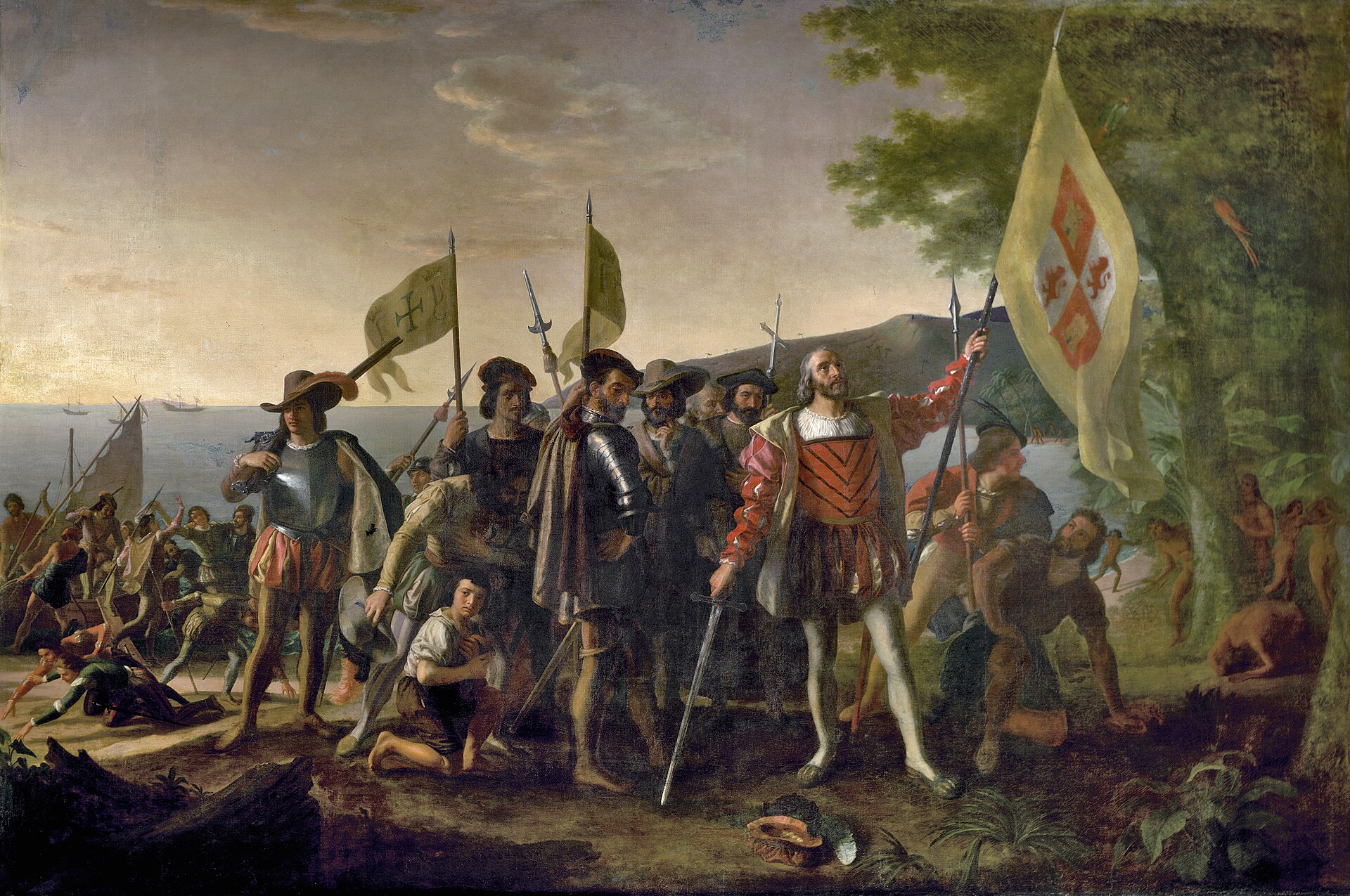
The islands were settled by the Lucayans, a Taino people, several centuries before Europeans arrived. Columbus made his first American landfall on a Bahamian island in October 1492, an island whose exact identity is still argued over, with San Salvador the conventional candidate. Spain found no gold in the archipelago and instead shipped the Lucayans to Hispaniola and Cuba to work the mines and pearl fisheries; within about twenty-five years the entire population, tens of thousands of people, had been destroyed, and the islands stood empty for more than a century.
English settlers from Bermuda arrived in the 1640s, and in the absence of effective government Nassau became the headquarters of the Caribbean pirates, among them Blackbeard, Charles Vane, and the celebrated women pirates Anne Bonny and Mary Read. A former privateer, Woodes Rogers, was sent as governor in 1718 and broke the pirate republic, giving the colony its motto: expelled, commerce restored.
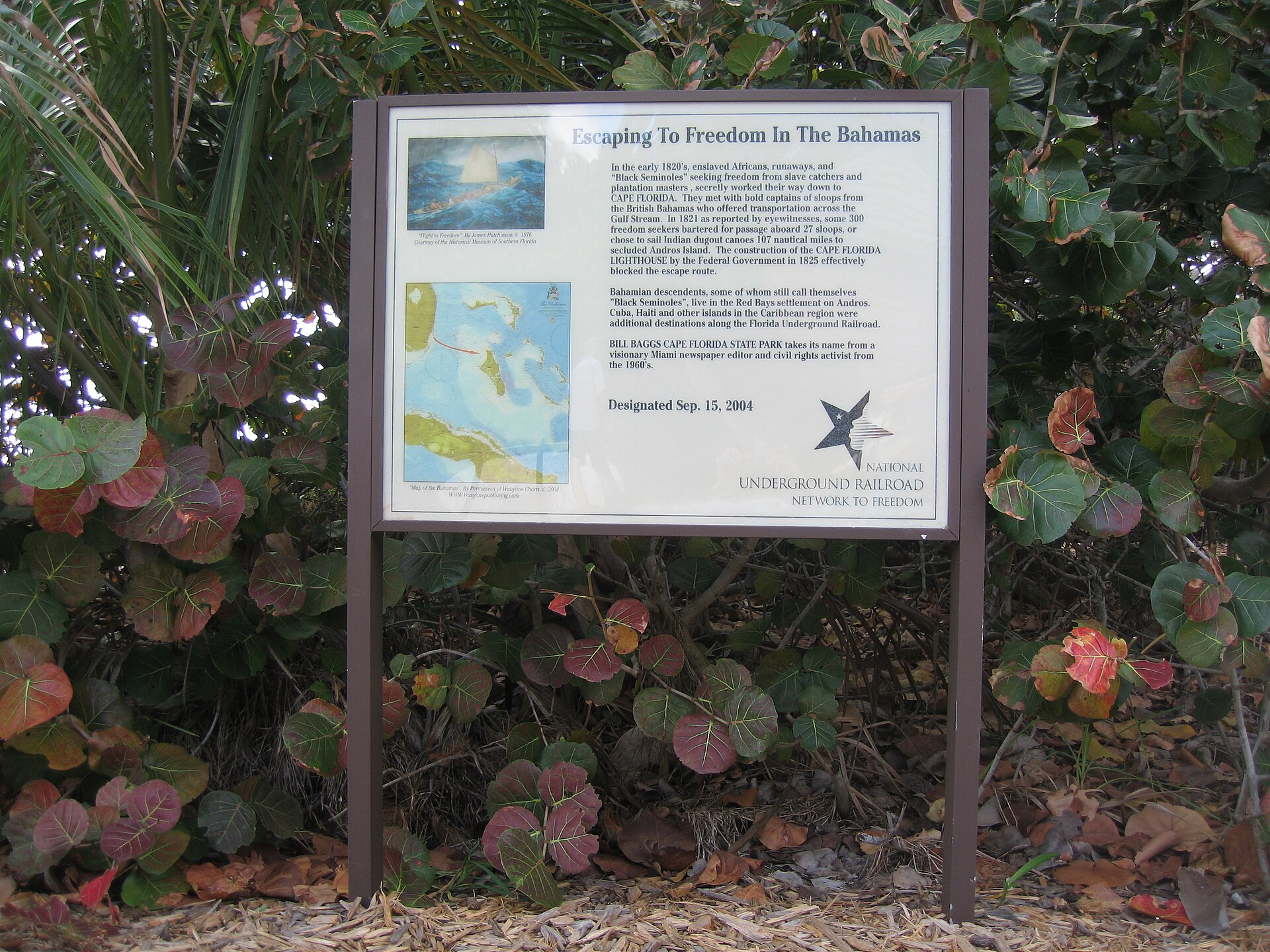
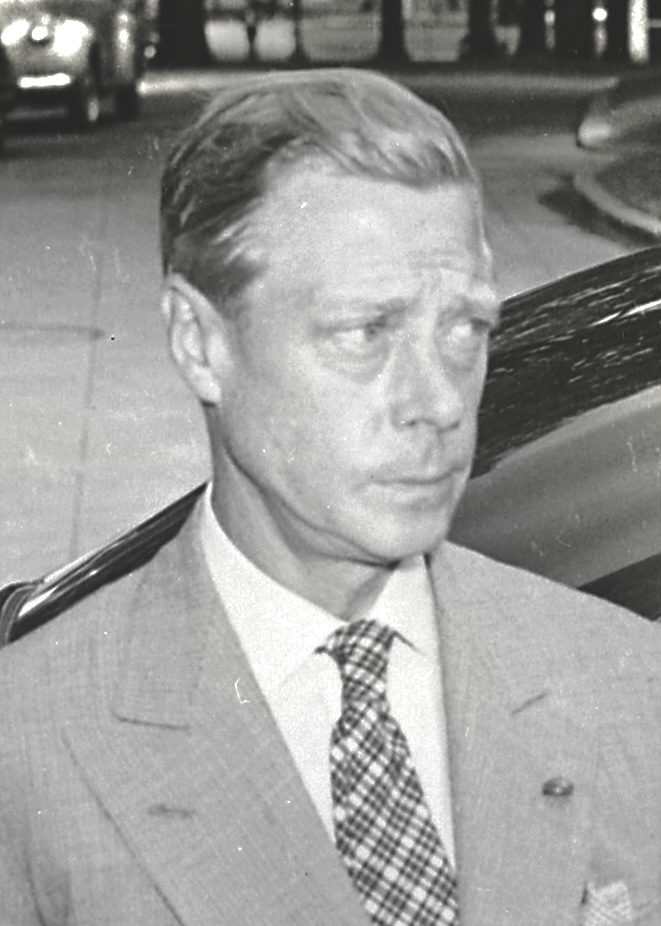
After the American Revolution some thousands of loyalists arrived, many bringing enslaved people, and briefly attempted cotton planting, which the soil defeated. Slavery was abolished in the British Empire in 1834, and the Bahamas had already become a destination for people escaping bondage in the American south, some of whom reached the islands by boat and were freed on arrival. The pattern of profiting from other people's prohibitions then set in: blockade-running to the Confederacy during the American Civil War made Nassau rich for four years, and Prohibition in the United States did the same in the 1920s. The Duke of Windsor, the former Edward the Eighth, was made governor during the Second World War, an appointment intended to keep him at a safe distance from Europe.
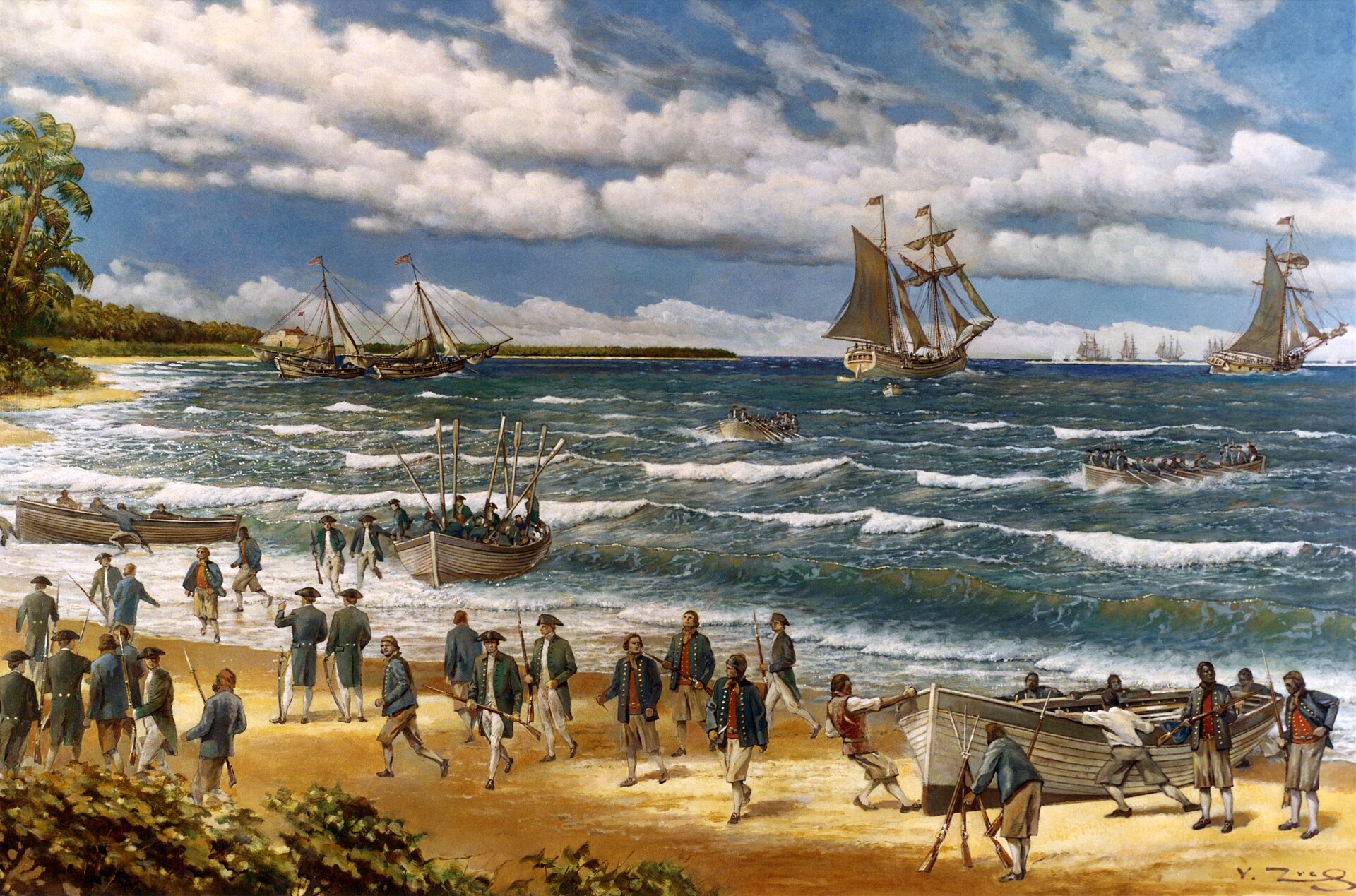
Political life until the mid-twentieth century was controlled by a small white merchant elite known as the Bay Street Boys. The Progressive Liberal Party won a majority in 1967, an event Bahamians call Majority Rule Day and mark as a public holiday, and under Lynden Pindling the country became independent within the Commonwealth on 10 July 1973, retaining the British monarch as head of state. Politics since has alternated between the PLP and the Free National Movement. Philip Davis of the PLP became prime minister in 2021 and was returned at an early general election on 12 May 2026, the first Bahamian leader to win consecutive terms since 1997.
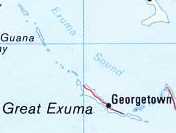
The Bahamas is a scattered archipelago of around 700 islands and some 2,400 cays and rocks, of which about thirty are inhabited, spread over a very large area of the western Atlantic rather than the Caribbean proper. The islands are limestone, low and flat, with the highest point, Mount Alvernia on Cat Island, reaching only 63 metres. They sit on two vast shallow carbonate platforms, the Great and Little Bahama Banks, and it is the shallowness of that water over white sand that produces the extraordinary turquoise visible from space.
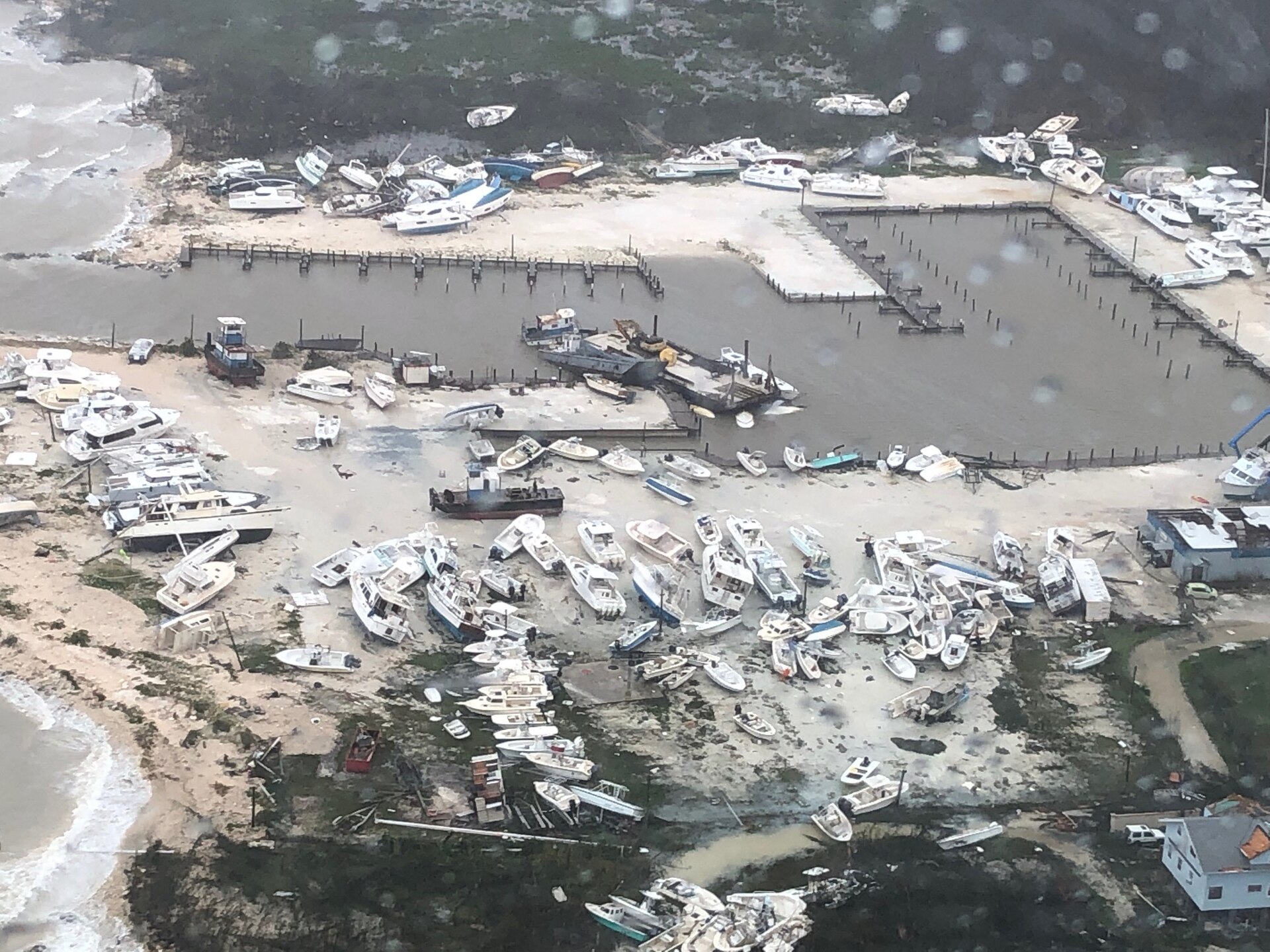
Where the banks drop away the water goes very deep very suddenly, most dramatically at the Tongue of the Ocean beside Andros. The islands are riddled with blue holes, flooded sinkholes and cave systems that are among the world's most important sites for cave diving and for the study of ancient climate. Andros, the largest island, holds the third-longest barrier reef in the world. Being low and lying squarely in the hurricane belt makes the country acutely exposed: Hurricane Dorian, which stalled over Abaco and Grand Bahama in 2019 as a category five storm, destroyed much of both and made rising sea levels a matter of national survival rather than abstract concern.
The Bahamas is among the wealthiest countries in the Americas by income per head, and it rests on two pillars. Tourism, direct and indirect, accounts for something close to half the economy and a similar share of employment, drawing millions of visitors a year, a large proportion of them cruise passengers arriving at Nassau, along with the resort trade on Paradise Island and Grand Bahama. Financial services are the second pillar: the country has long been a major offshore banking and company-registration centre, built on the absence of income, corporate, capital gains, and inheritance taxes, with government revenue raised instead through customs duties and, since 2015, value added tax.
That second pillar has been under sustained pressure. International initiatives on tax transparency and money laundering have forced the Bahamas to open registers, exchange information, and abandon some of the secrecy the industry was founded on, and the country has spent years working its way off and back onto various international lists. It was an early adopter of a central bank digital currency, the Sand Dollar, launched in 2020. The structural vulnerabilities are the ones any small tourism economy has, magnified by geography: dependence on the American market, very high import bills for food and fuel, high public debt made worse by Dorian and the pandemic, and the fact that a single storm can remove a year of output.
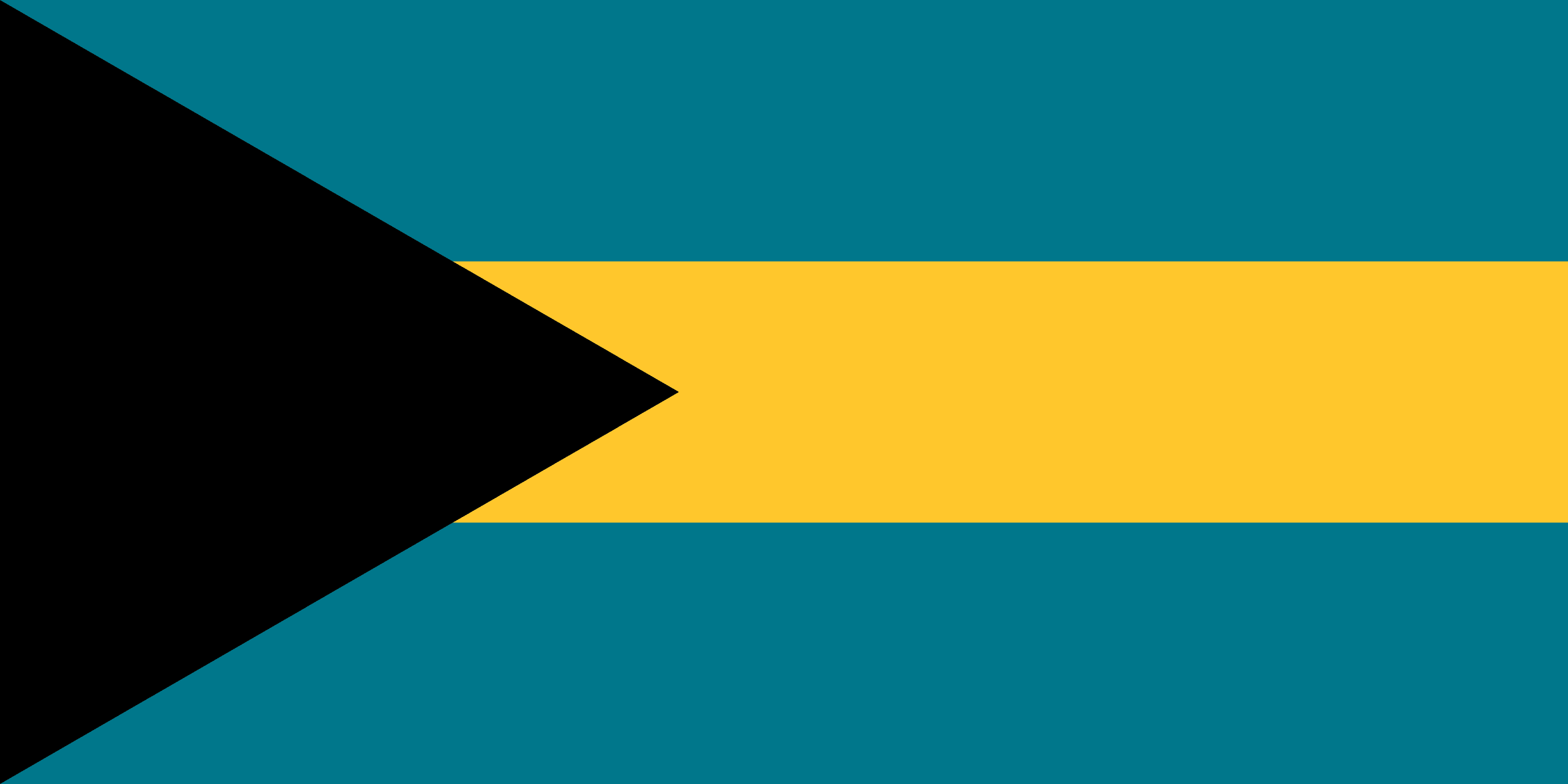
The flag of the Bahamas has three horizontal bands of aquamarine, gold, and aquamarine, with a black triangle at the hoist. The aquamarine represents the surrounding sea, the gold the sun and the beaches of the islands, and the black triangle the strength, vigour, and unity of the Bahamian people, pointing toward the resources of land and sea that they are determined to develop. The bright, distinctive design, adopted at independence in 1973, evokes the natural beauty on which the nation's identity and prosperity rest.
The Bahamas is a strongly Christian country, with one of the highest numbers of churches per person in the world, reflecting the central place of faith in national life. The population is overwhelmingly Protestant, with Baptist, Anglican, Pentecostal, and other denominations all prominent, a legacy of British rule and of the islands' African heritage, alongside a Roman Catholic minority. Religion is woven deeply into the culture, and the church is an important social institution, while folk beliefs of African origin have also left their mark on some traditions.
Bahamian cuisine is built on the bounty of the sea, and above all on the conch, a large sea snail that is the national delicacy, eaten raw in salads, fried in fritters, or in chowder. Fresh fish, spiny lobster, and other seafood are central, often accompanied by peas and rice, a staple, and by johnnycake or grits. Tropical fruit, spicy sauces, and dishes seasoned in the island style round out a food culture that, fittingly for an ocean nation, draws its character from the surrounding waters.
Agriculture plays only a small role in the economy of the Bahamas, limited by the thin, poor soils of the coral islands, and the country imports most of its food. What farming exists produces fruit and vegetables, citrus, and poultry, and there is some commercial fishing, especially for the prized spiny lobster and conch. The economy rests overwhelmingly on two pillars: tourism, drawing huge numbers of visitors to the islands' beaches, resorts, and cruise ports, and offshore financial services, which together make the Bahamas one of the most prosperous nations in the region.
The centre of Bahamian culture is Junkanoo, the street parade held in the small hours of Boxing Day and New Year's Day, in which organised groups compete in costumes of crepe paper and cardboard built over months, moving to cowbells, goatskin goombay drums, whistles, and brass. Its origins lie in the brief holidays granted to enslaved people at Christmas, and it survived suppression to become the national festival and a serious competitive institution with judges, scores, and long-running rivalries.
Rake-and-scrape, played on accordion, saw, and goatskin drum, is the older popular music, and goombay gave its name to a whole style. Straw work, plaited from palm fronds, is the characteristic craft. Bahamian English coexists with a distinct dialect, and the phrase Family Islands, used for everything outside New Providence and Grand Bahama, says something about how the country sees itself. Sport is a source of considerable national pride out of proportion to size: Bahamian sprinters and relay teams have taken Olympic gold, and Sir Durward Knowles won sailing gold in 1964.
The Bahamas has a population of around 400,000, the great majority of African descent, alongside communities of European, mixed, and other origin, and a substantial population of Haitian descent whose legal status has been a recurring and contentious political issue. English is the official language, spoken alongside Bahamian dialect.
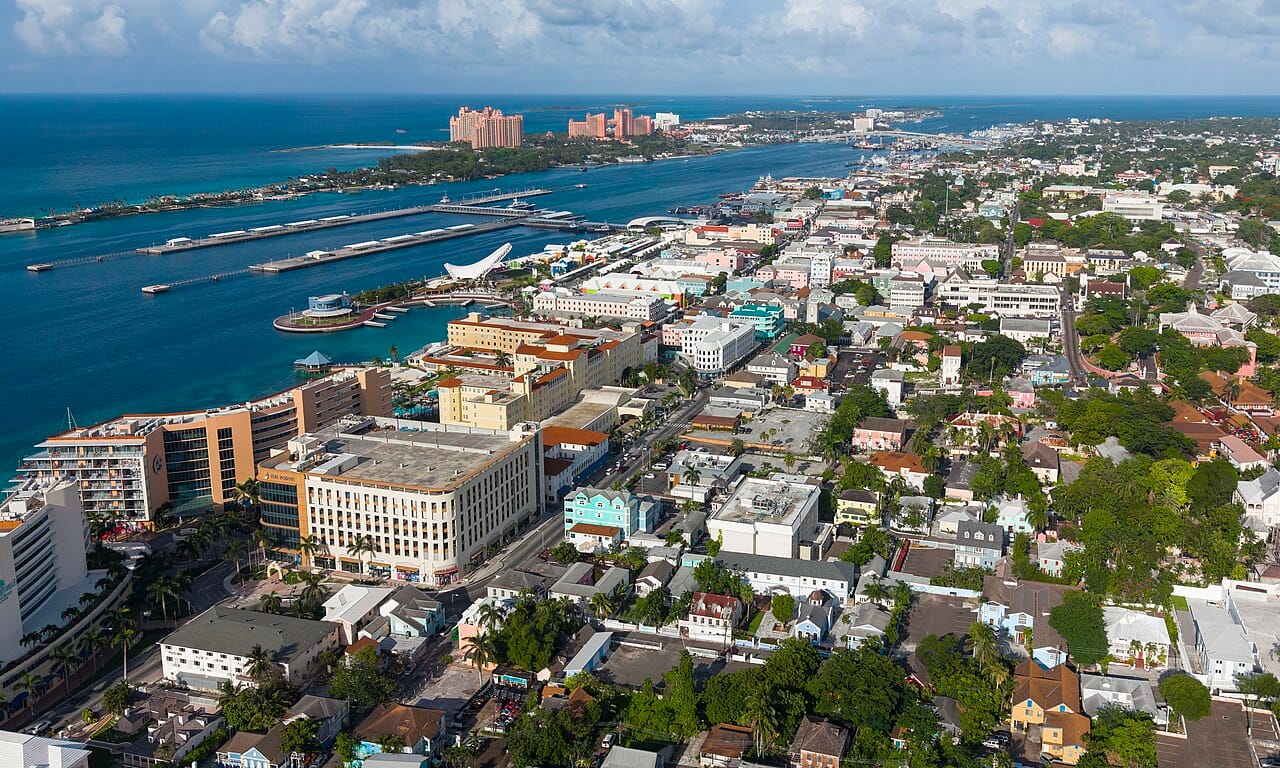
Settlement is extremely uneven. Something close to three quarters of Bahamians live on New Providence, a small island holding Nassau, with Grand Bahama next; the remaining Family Islands, some of them large, hold small and ageing populations, and internal migration toward Nassau has been continuous for decades. That concentration makes the country simultaneously wealthy in aggregate and thinly served in its periphery, where hurricanes do their worst damage and rebuilding takes longest.