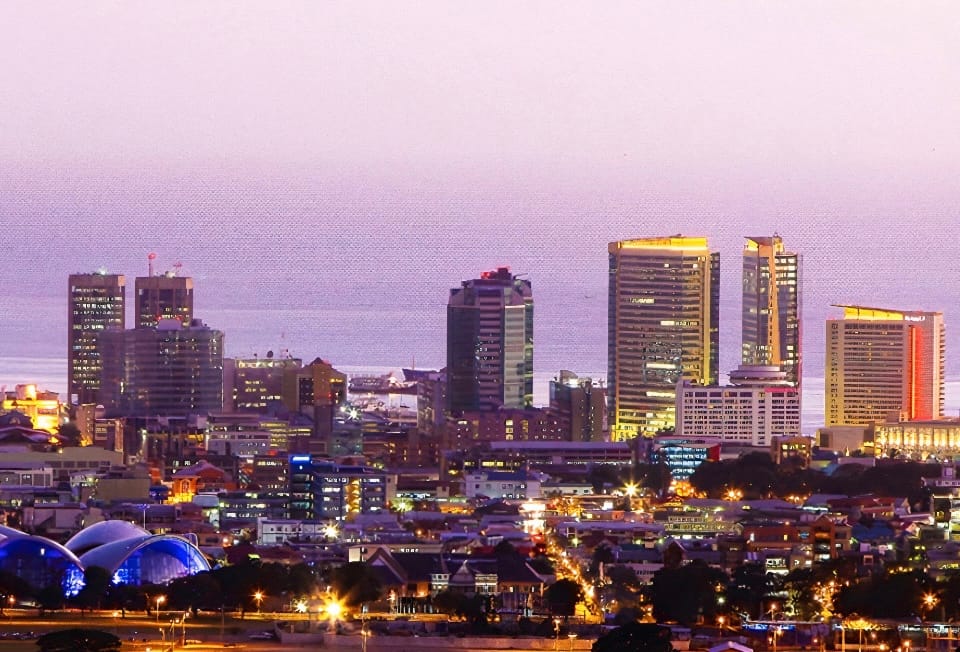
Trinidad and Tobago is a twin-island country in the southern Caribbean, lying just off the coast of Venezuela. Unusually for the region, its prosperity rests not on tourism or sugar but on oil and natural gas, making it one of the wealthier nations of the Caribbean. It is also one of the most culturally vibrant, the birthplace of the steelpan, of calypso and soca music, and of one of the world's greatest street festivals, its Carnival, all the products of an exceptionally diverse society.
Trinidad and Tobago's history is one of a Caribbean crossroads, contested by empires and peopled by successive waves of arrivals, from the enslaved to the indentured, whose mingling created one of the most diverse societies in the Americas.
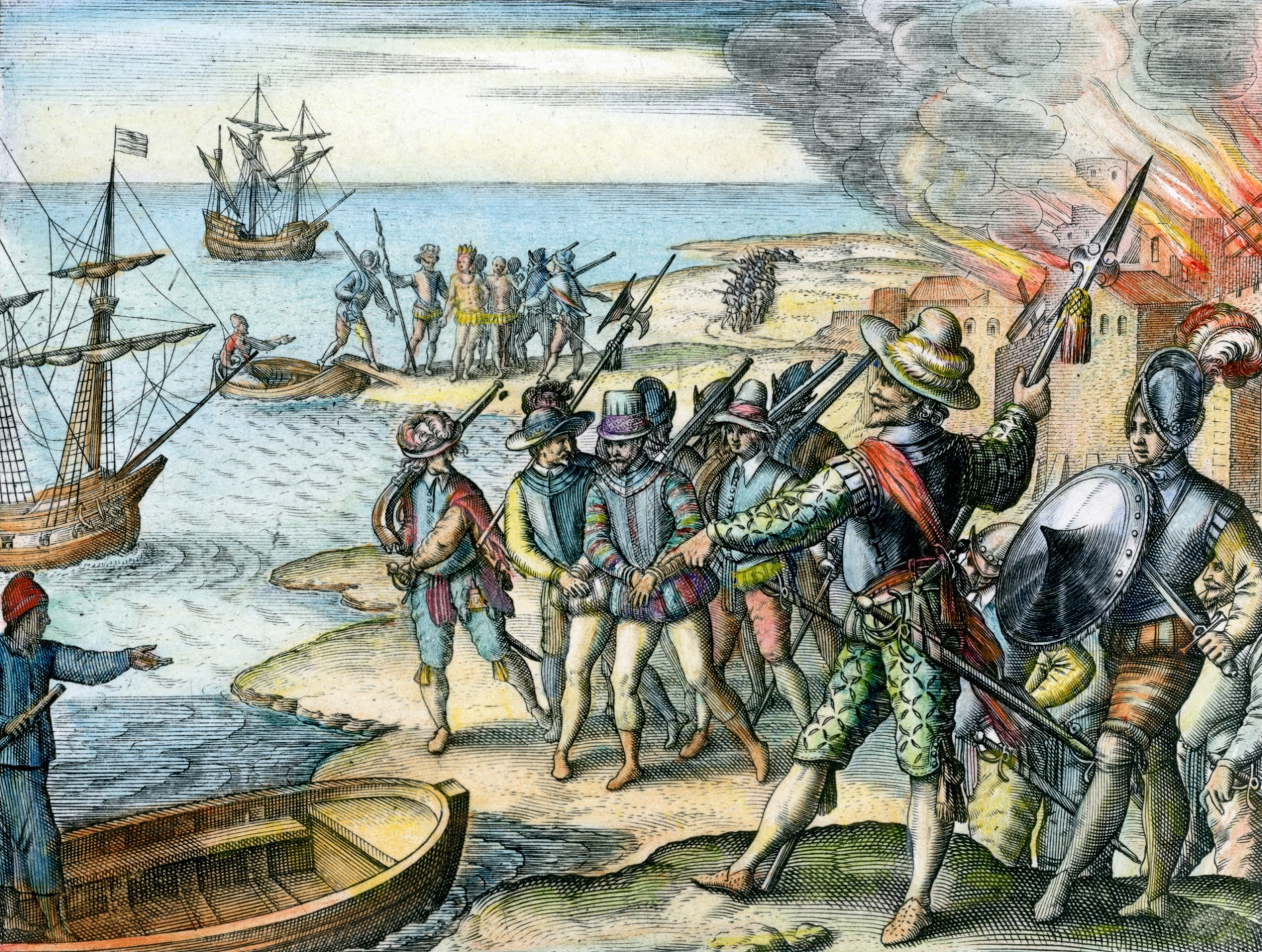
The islands were home to indigenous Carib and Arawak peoples before Columbus reached them in 1498. Spain claimed Trinidad but left it a thinly settled backwater, raided at times by rivals such as the English adventurer Walter Raleigh, who careened his ships in its Pitch Lake. Little Tobago, meanwhile, was fought over relentlessly, changing hands among the Dutch, French, British, and others more than thirty times, one of the most contested scraps of land in the Caribbean.
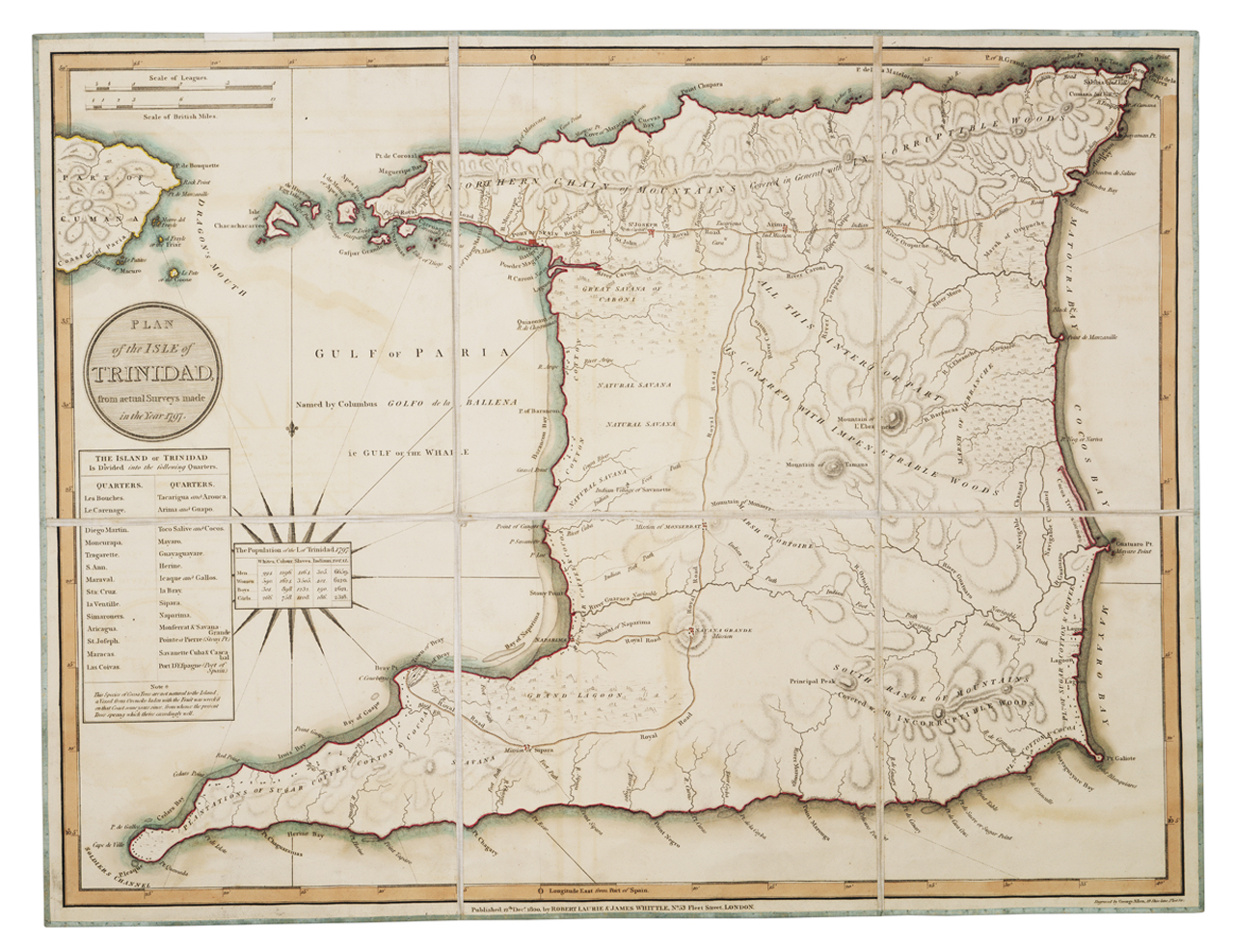
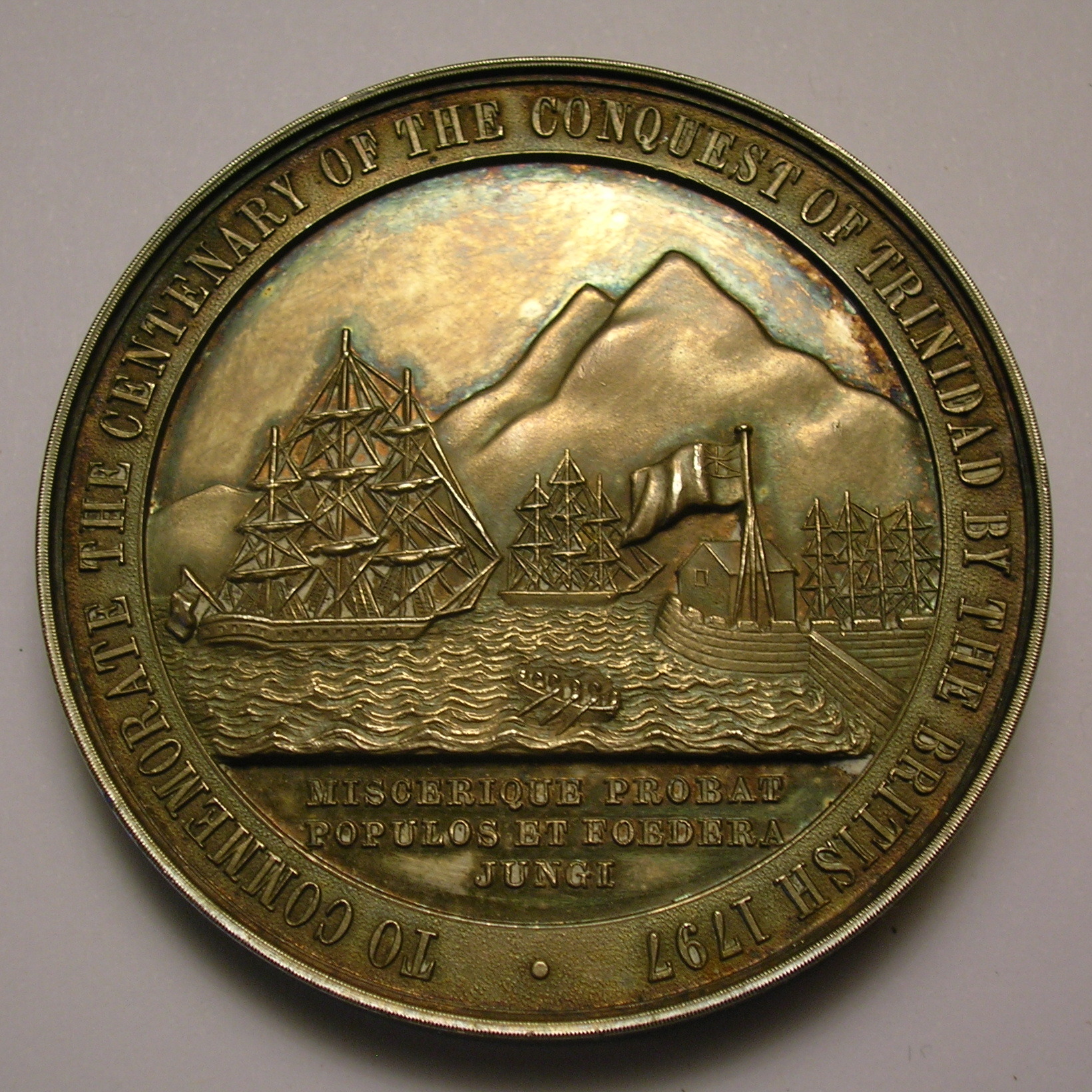
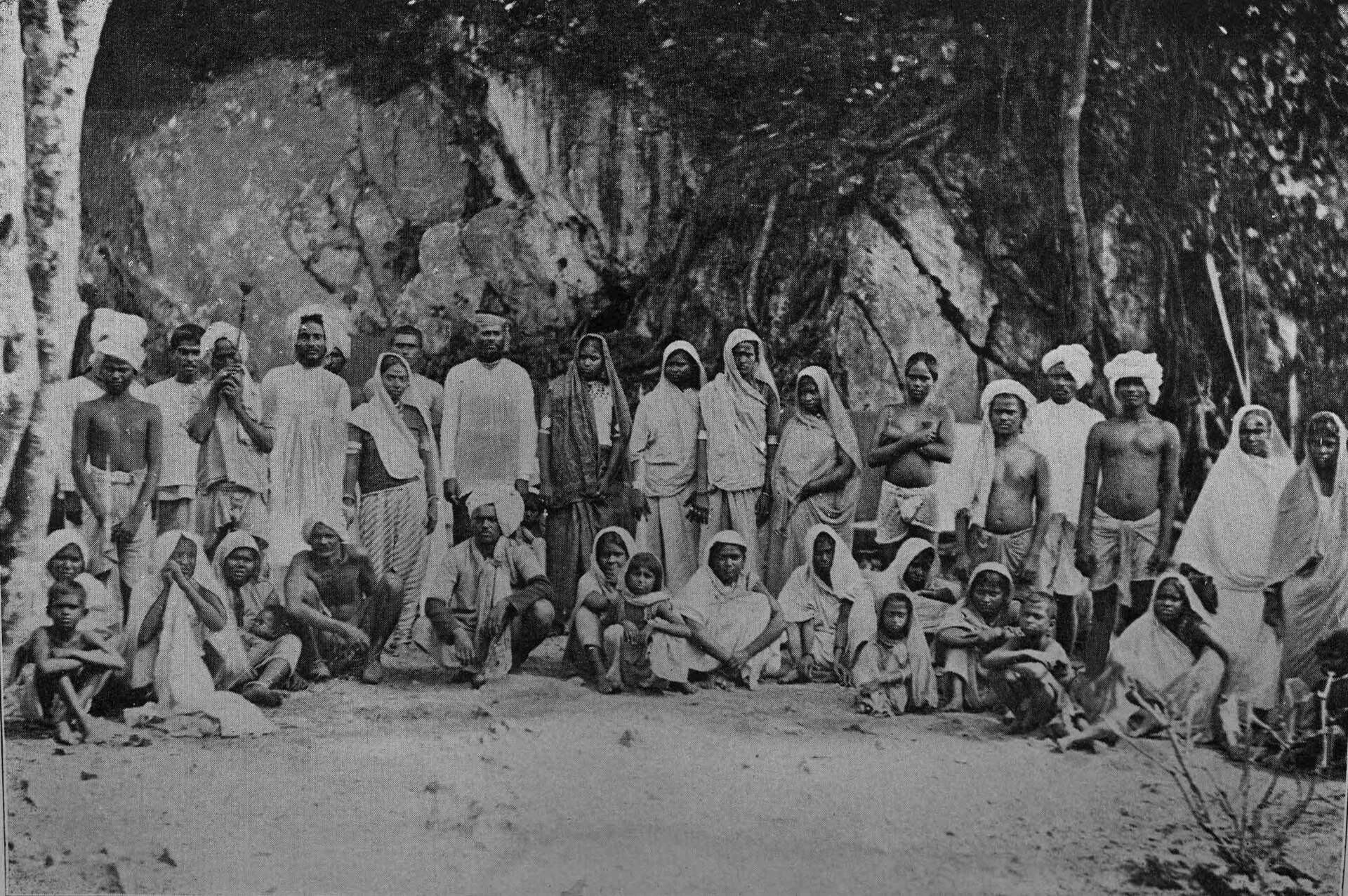
Trinidad passed to Britain at the turn of the nineteenth century, and the islands were developed as sugar and cocoa colonies worked by enslaved Africans. After slavery was abolished in the 1830s, the planters turned to a new source of labour, bringing well over a hundred thousand indentured workers from India to toil on the estates, a migration that reshaped the country and created its large Indo-Trinidadian community. The two islands were joined under British administration and won their independence together in 1962.
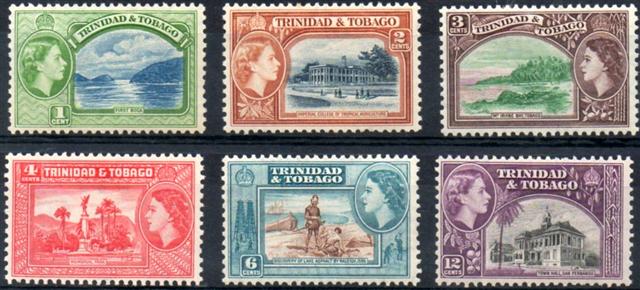
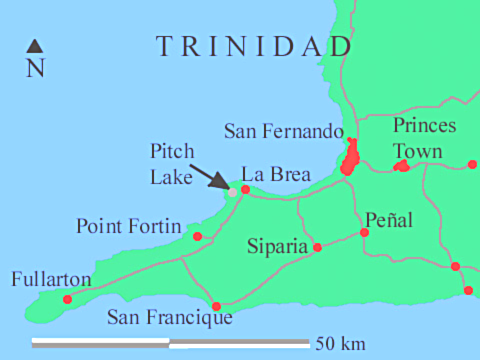
Trinidad, the larger island, lies close to the South American mainland, of which it was once a part, and shares its geology, with a northern range of forested mountains and lowland plains, while smaller Tobago, to the northeast, is hillier and more typically Caribbean, with rainforested hills and coral reefs. The islands have a tropical climate and rich wildlife, including a remarkable variety of birds, reflecting their continental origins. Trinidad also holds a famous natural curiosity, a lake of liquid asphalt, the largest natural deposit of its kind in the world.
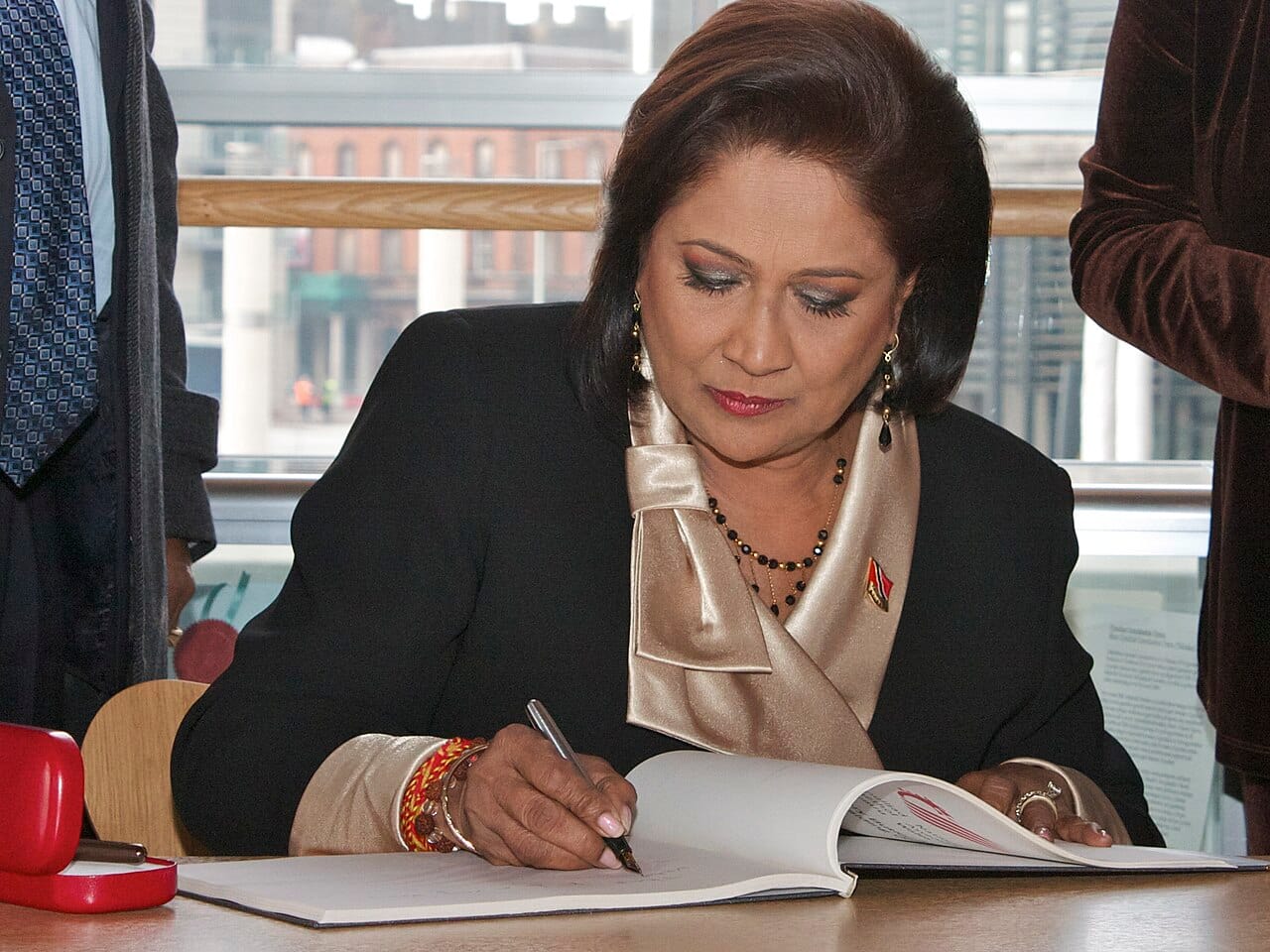
Trinidad and Tobago is a parliamentary republic, having replaced the British monarch with its own president in 1976, and one of the more prosperous and industrialised democracies in the Caribbean. Its politics has long divided broadly along the lines of its two main communities, between the historically Afro-Trinidadian People's National Movement and the Indo-Trinidadian United National Congress, which alternate in power through free elections. In 2025 the UNC returned to office and its leader, Kamla Persad-Bissessar, again became prime minister. Managing the wealth and the swings of the oil-and-gas economy, and confronting a serious problem of violent crime, are the government's chief concerns.

The flag of Trinidad and Tobago is red, crossed by a black diagonal band edged in white running from the upper hoist to the lower fly. The red represents the warmth and energy of the sun and the people, the black the strength, unity, and dedication of the nation and its wealth of the land, and the white the sea, purity, and equality. The bold, simple design, adopted at independence in 1962, is a confident emblem of the young twin-island nation.
Trinidad and Tobago is one of the most religiously diverse countries in the Americas, a reflection of its mixed population. Christianity, in both Roman Catholic and Protestant forms, is the largest tradition, brought by European colonisation and missionary work. Hinduism, brought by the Indian indentured labourers, is followed by a large share of the population, and there is a significant Muslim community as well. This diversity is celebrated in a calendar of festivals from each faith, and religious tolerance is a notable feature of the society.
The cuisine of Trinidad and Tobago is a flavourful fusion reflecting its diverse population, blending African, Indian, European, and other influences. The Indian heritage is especially strong: a beloved national street food is doubles, a sandwich of curried chickpeas in fried flatbread, and roti wraps and curries are everywhere. Pelau, a one-pot dish of rice, meat, and pigeon peas, callaloo, and fresh seafood are also favourites, all generously spiced. The food, like the music, is a celebrated expression of the islands' mixed culture.
Agriculture plays a smaller role in the economy of Trinidad and Tobago than in most Caribbean nations, because the country's wealth comes from energy rather than crops. Historically the islands grew sugarcane and were a notable producer of cocoa, prized for its quality, and these, along with coconuts, citrus, and food crops, are still grown. Today, however, the economy rests overwhelmingly on oil and natural gas, found onshore and offshore, which have made Trinidad and Tobago one of the most industrialised and prosperous countries in the Caribbean.
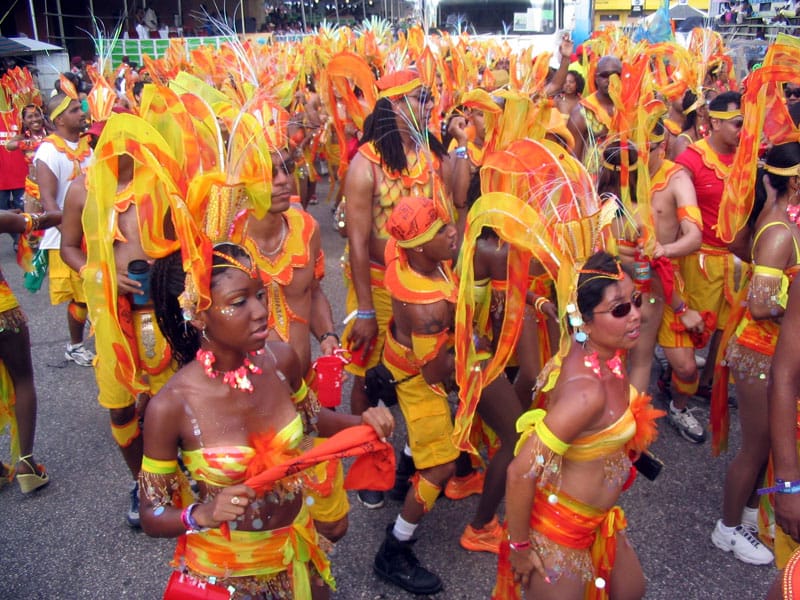
For a country of its size, Trinidad and Tobago has given the world an astonishing amount of music and celebration, all born of the mixing of its peoples. Its Carnival, an explosion of costume, music, and dance in the days before Lent, is one of the greatest street festivals on Earth and the model for Caribbean carnivals everywhere. From it came calypso, the witty, sharp-tongued song of social commentary, and its faster modern cousin soca, and, most remarkably, the steelpan, an instrument beaten out of discarded oil drums in the poor yards of Trinidad in the 1930s and 40s, widely called the only acoustic musical instrument invented in the twentieth century. The islands also gave the world the Nobel-winning writer V. S. Naipaul, and celebrate the festivals of all their faiths, Carnival, Diwali, and Eid alike, as national events.
Trinidad and Tobago has a population of around 1.4 million people, one of the most diverse in the Americas, divided largely between two roughly equal communities: Indo-Trinidadians, descended from the indentured labourers from India, and Afro-Trinidadians, descended from enslaved Africans, along with people of mixed, European, Chinese, and Middle Eastern descent. English is the official language. The great majority live on Trinidad, especially around the capital, Port of Spain, while Tobago holds a small fraction of the population.