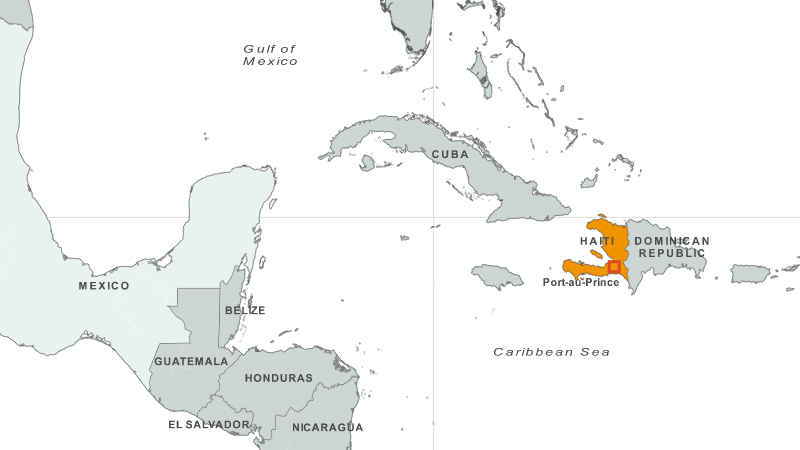
Haiti is a country in the Caribbean, occupying the western third of the island of Hispaniola, which it shares with the Dominican Republic. It holds a unique and heroic place in history as the site of the only successful large-scale slave revolt, which made it the first independent Black republic and the second independent nation in the Americas. Yet that proud beginning was followed by crushing burdens, and Haiti has long been the poorest country in the Western Hemisphere, beset in recent times by disaster and instability.
Haiti did something no other people has done: enslaved Africans overthrew their masters, defeated three European empires, and founded a state. Almost everything that has happened since has been shaped by that achievement and by the price the world extracted for it.
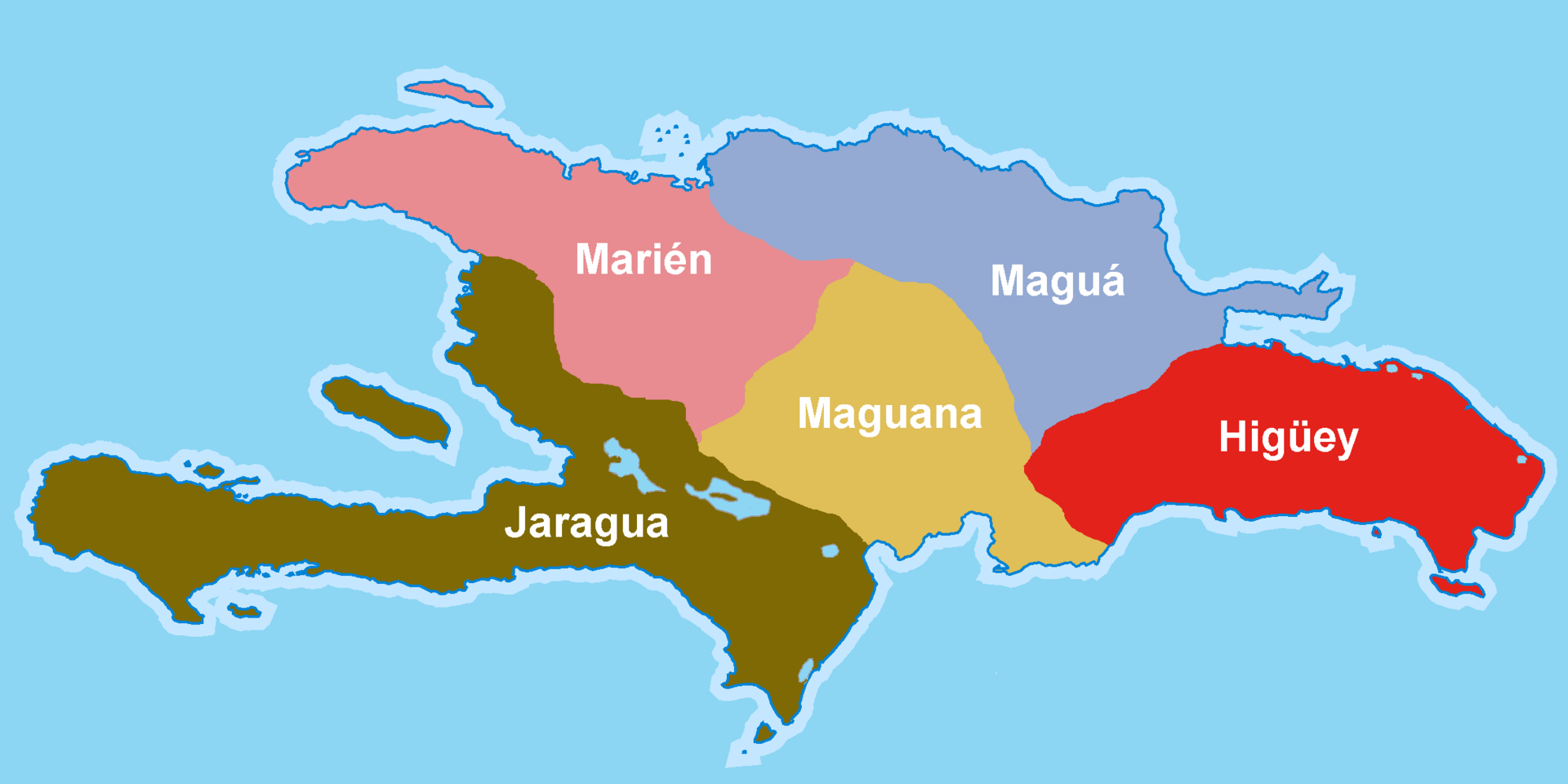
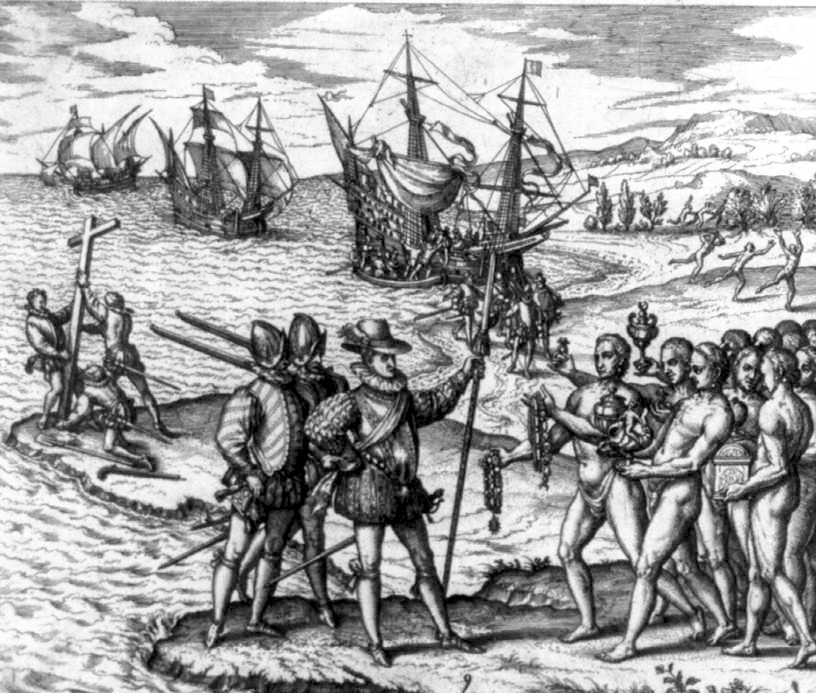
The island was home to the Taino, organised into chiefdoms, when Columbus landed in 1492 and established the first Spanish settlement in the Americas. Within a few decades the Taino had been destroyed by forced labour and disease. Spain's interest moved to the mainland, and French buccaneers occupied the western third, which Spain formally ceded in 1697. The French turned Saint-Domingue into the most profitable colony on Earth, producing a large share of the world's sugar and coffee and generating an enormous share of French overseas trade, on a system so lethal that the enslaved population had to be continually replenished by the Atlantic trade because it could not sustain itself.
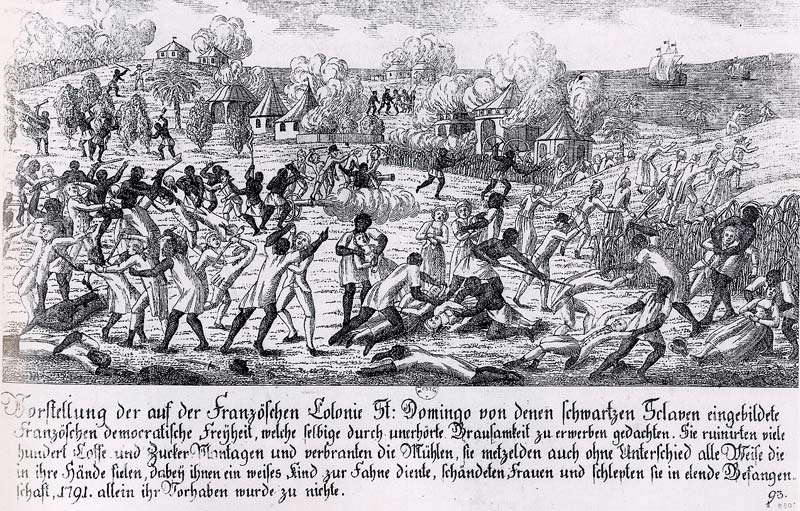
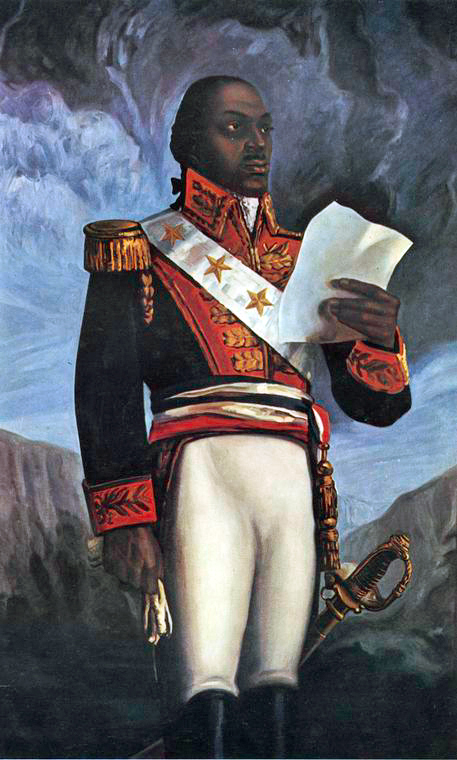
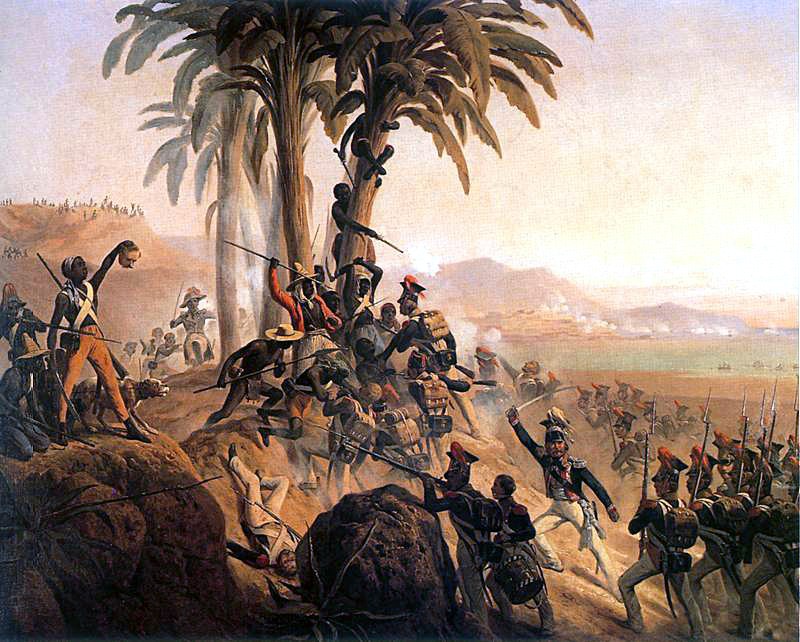
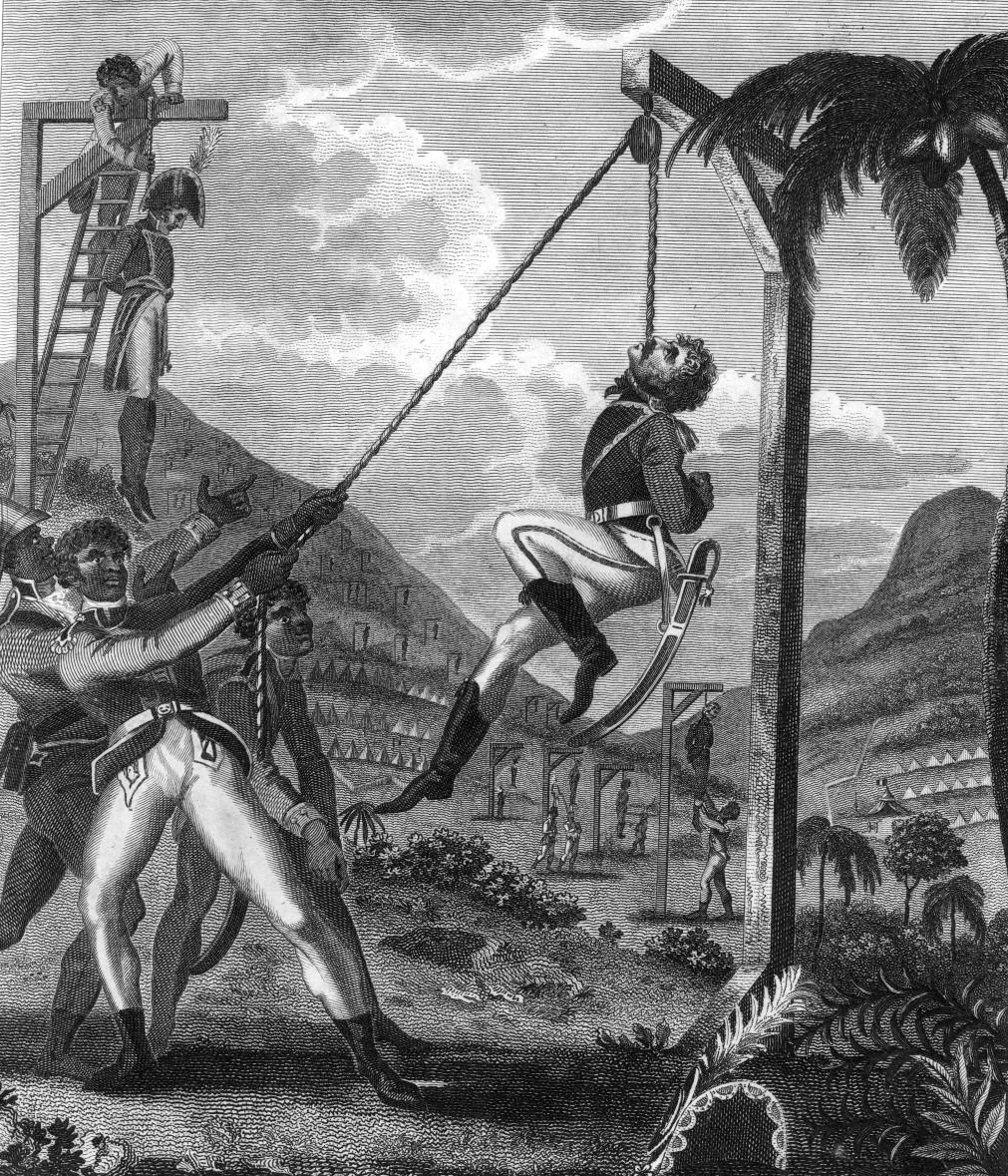
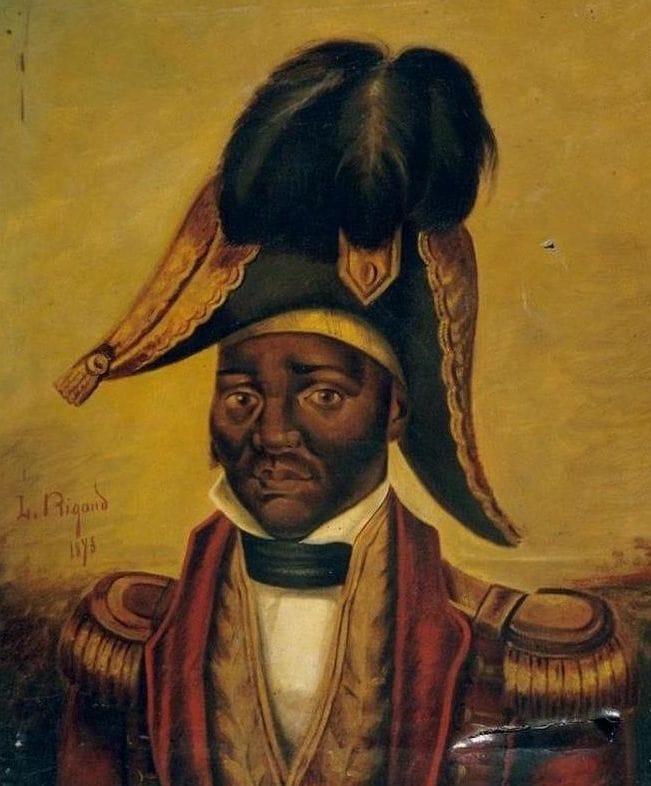
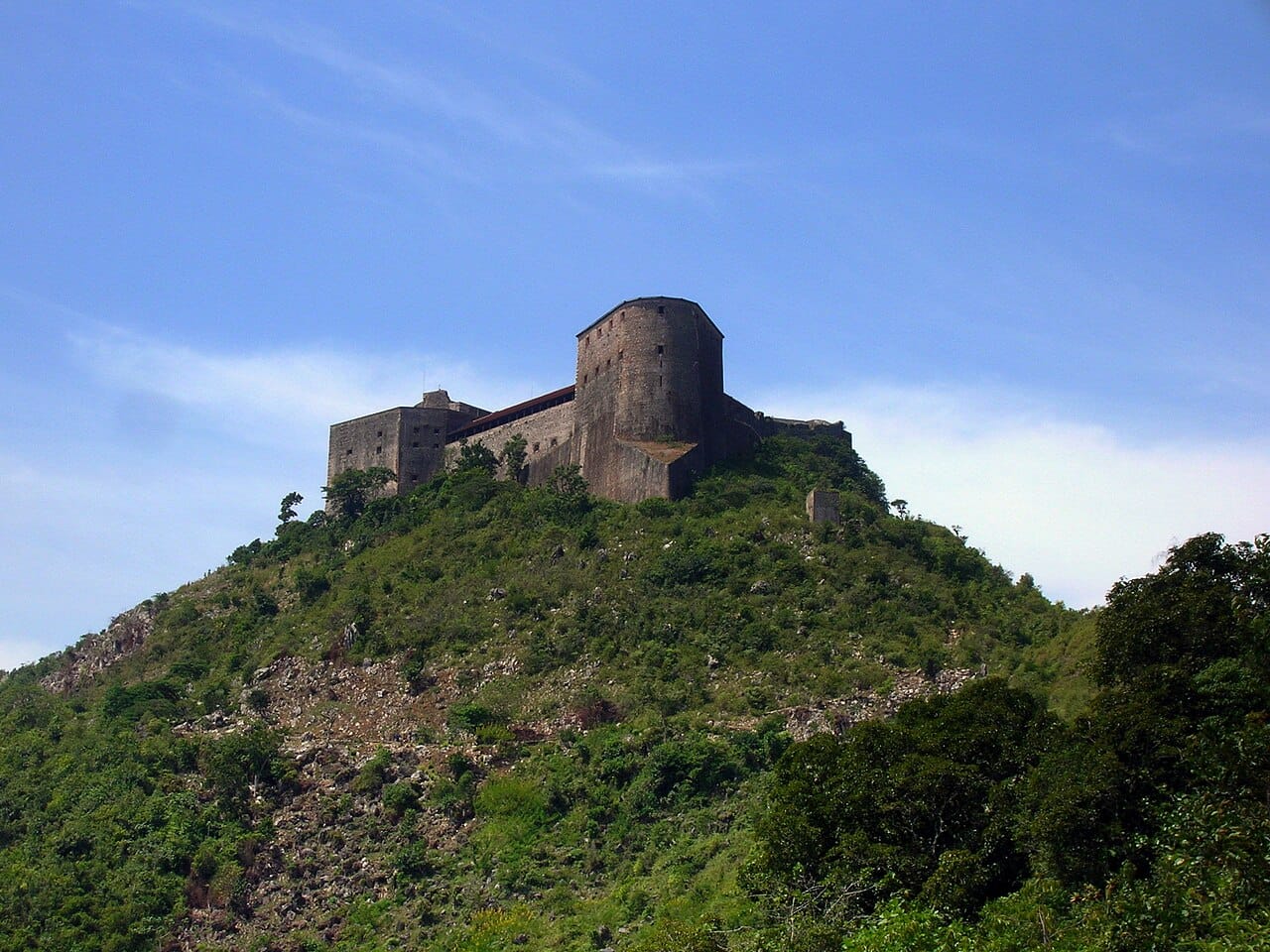
In August 1791 the enslaved of the northern plain rose, burning the plantations. The war that followed lasted thirteen years and was fought against France, and at various points against Spanish and British expeditionary forces seeking to seize the colony. Its dominant figure was Toussaint Louverture, born into slavery, a self-taught general and administrator who by 1801 governed the whole island and promulgated a constitution abolishing slavery while nominally remaining under French sovereignty. Napoleon sent an army to restore slavery, seized Toussaint by deception, and shipped him to a French prison where he died in 1803. The war resumed under Jean-Jacques Dessalines, and the French, ruined by yellow fever and by defeat at Vertieres, withdrew. On 1 January 1804 Dessalines declared independence and restored the island's indigenous name, Haiti.
Independence was not the end of the cost. Slaveholding powers, including the United States, refused recognition for decades, fearing the example. In 1825 France sent warships to Port-au-Prince and demanded 150 million francs in compensation for the loss of its slaves and plantations as the price of recognition. Haiti agreed, borrowing from French banks to pay, and the resulting debt, later reduced but serviced through loan after loan, was not finally discharged until 1947. For much of the nineteenth and early twentieth centuries a very large share of government revenue went to foreign creditors rather than to schools, roads, or ports. Modern assessments of what this transfer cost Haiti's development run into the tens of billions of dollars, and calls for restitution have been raised repeatedly, including by Haitian governments; France has acknowledged the moral question without agreeing to repay.
The United States occupied Haiti from 1915 to 1934, taking control of its finances and rewriting its constitution to permit foreign land ownership. From 1957 to 1986 the country was ruled by Francois Duvalier and then his son Jean-Claude, a dictatorship enforced by the Tontons Macoutes militia that killed tens of thousands and drove much of the educated class abroad.
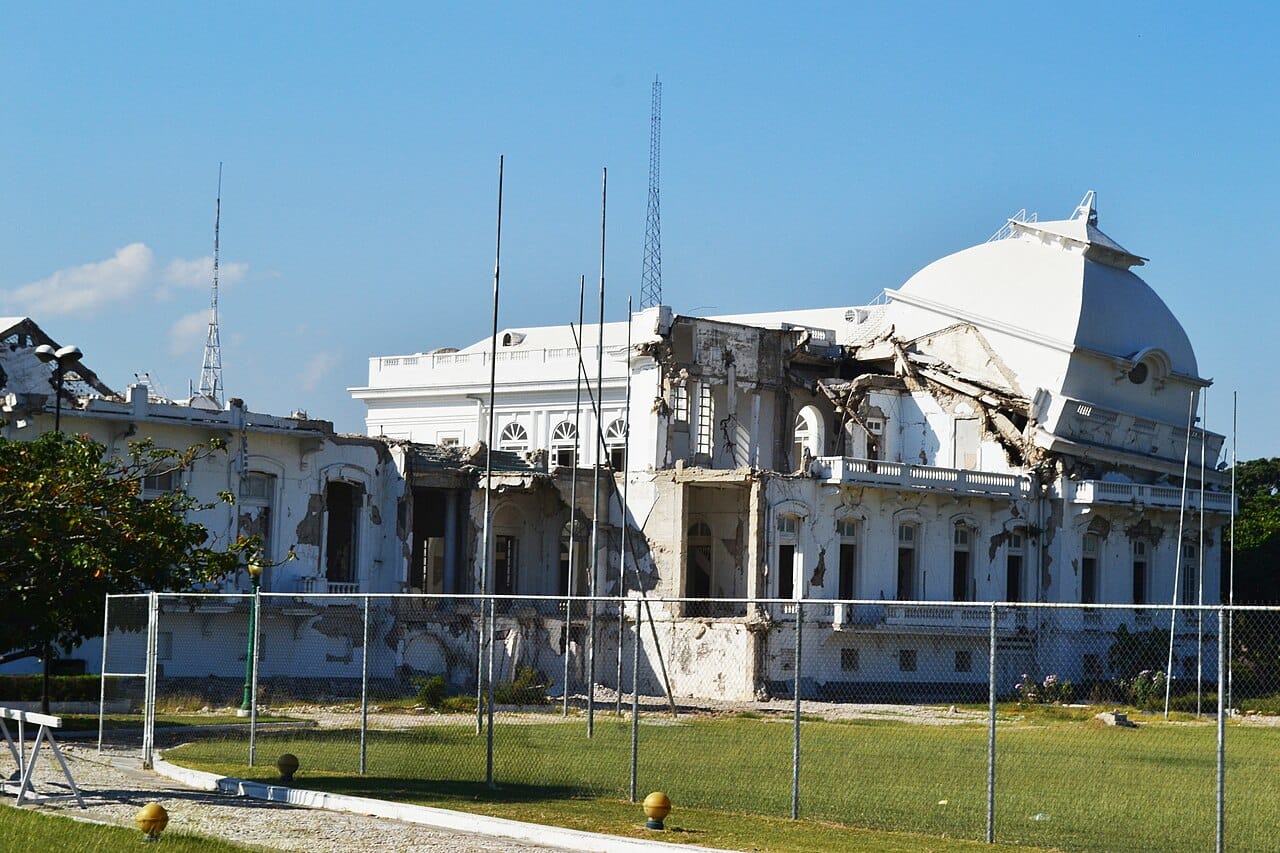
Haiti's recent history has been a sequence of compounding shocks. Jean-Bertrand Aristide, the first president elected in a free vote in 1990, was overthrown by the army, restored by an American intervention, elected again, and removed again in 2004. On 12 January 2010 an earthquake struck near Port-au-Prince, killing somewhere in the range of two to three hundred thousand people and destroying much of the capital, including the National Palace. The international relief effort that followed is widely regarded as a failure of coordination, and United Nations peacekeepers introduced cholera through a contaminated sanitation system, causing an epidemic that killed around ten thousand people; the UN acknowledged its role only years later.
President Jovenel Moise was assassinated in his home in July 2021 by a squad of foreign mercenaries, and a magnitude 7.2 earthquake struck the south weeks later. No election has been held since 2016, and the terms of every elected official have expired. Armed gangs, long linked to political and business patrons, filled the vacuum and by 2024 controlled most of Port-au-Prince, forcing the resignation of the acting prime minister. A Transitional Presidential Council was installed in April 2024 with a mandate to 7 February 2026, and a Kenyan-led Multinational Security Support mission deployed, which the Security Council converted into a larger Gang Suppression Force by resolution in September 2025, though funding and troop shortfalls have slowed it. An electoral decree in December 2025 set votes for 2026; a planned August ballot was suspended by the prime minister on the ground that the security situation would not permit it, and the electoral authority subsequently scheduled elections for December 2026, which would be the first in a decade. More than a million people are internally displaced.
Haitian tradition holds that the revolution was launched at a secret Vodou ceremony in August 1791 at a place called Bois Caïman, where a priest and priestess led the enslaved in a ritual and a vow to rise against their masters, an event treated as the sacred spark of the revolution. While most historians accept that some gathering took place, the details of the ceremony, and even precisely how it unfolded, are debated, with the famous account a mixture of history, later tradition, and legend.
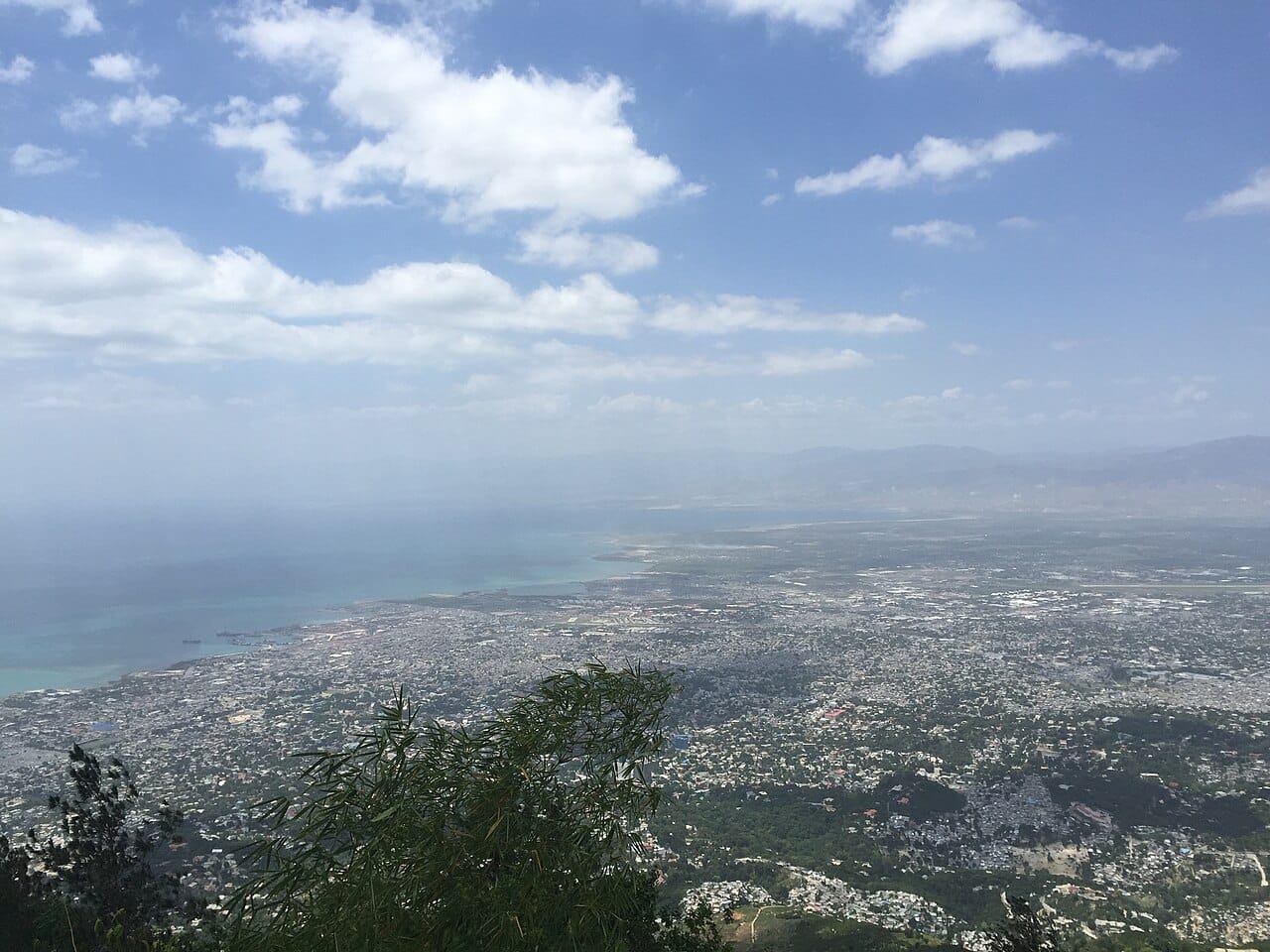
Haiti occupies the western third of Hispaniola, and its name is the Taino word for land of high mountains, which describes it exactly: several rugged ranges run across the country, rising to over 2,600 metres at Pic la Selle, with fertile plains and valleys between them and a deeply indented coast whose two peninsulas enclose the Gulf of Gonave like a pincer. The country sits in the hurricane belt and on the boundary between the Caribbean and North American plates, which is why both storms and earthquakes recur.
Deforestation is the environmental fact that shapes everything else. Trees have been cut for fuel and charcoal, the cooking fuel most households can afford, and for farmland on slopes too steep to hold soil, and forest cover has fallen dramatically over the past century. The result is severe erosion, the loss of topsoil into the sea, reduced farm yields, and flooding that turns ordinary rain into a disaster; the contrast with the greener Dominican Republic is visible from the air along the border. Some reforestation and fuel-switching programmes exist, but they run against an economics in which charcoal is what people can buy.
Haiti is the poorest country in the Americas by a wide margin, and the reasons are historical as much as current: the indemnity paid to France, a century of debt service, the American occupation, the Duvalier kleptocracy, and, more recently, disasters and the collapse of security. Agriculture employs the largest share of the workforce, growing coffee, mangoes, cocoa, and staple crops on small plots, though the country now imports most of its rice, a shift dating to tariff reductions in the 1980s and 1990s that opened the market to subsidised American rice and undercut local growers, a decision a former United States president publicly apologised for in 2010.
Garment assembly for the American market is the main manufacturing sector and the largest formal employer. By far the most important source of income, however, is the diaspora: remittances from Haitians in the United States, Canada, the Dominican Republic, France, and elsewhere amount to a very large share of national income, considerably more than the country earns from exports. Since 2021 the gang control of the ports, the main roads, and the fuel terminals has made ordinary commerce difficult and has driven inflation and hunger sharply higher.
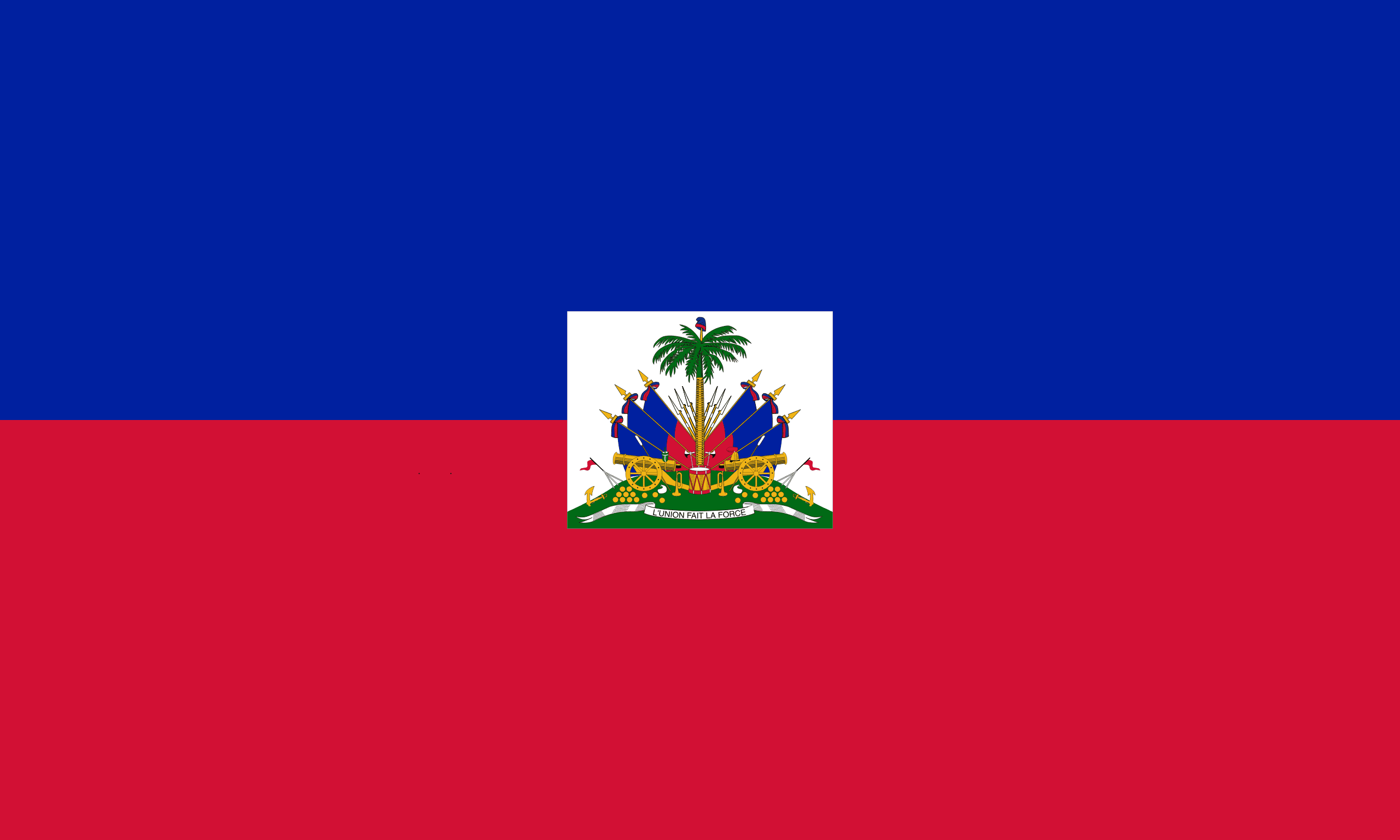
The flag of Haiti has two horizontal bands of blue over red, with the national coat of arms on a white panel in the centre for official use. By tradition the blue and red were created during the revolution by tearing the white from the French tricolour, leaving the colours of the formerly enslaved and free people of colour, and sewing them together, a symbol of the rejection of France and the union of the people. The coat of arms shows weapons and a palm tree topped with a liberty cap.
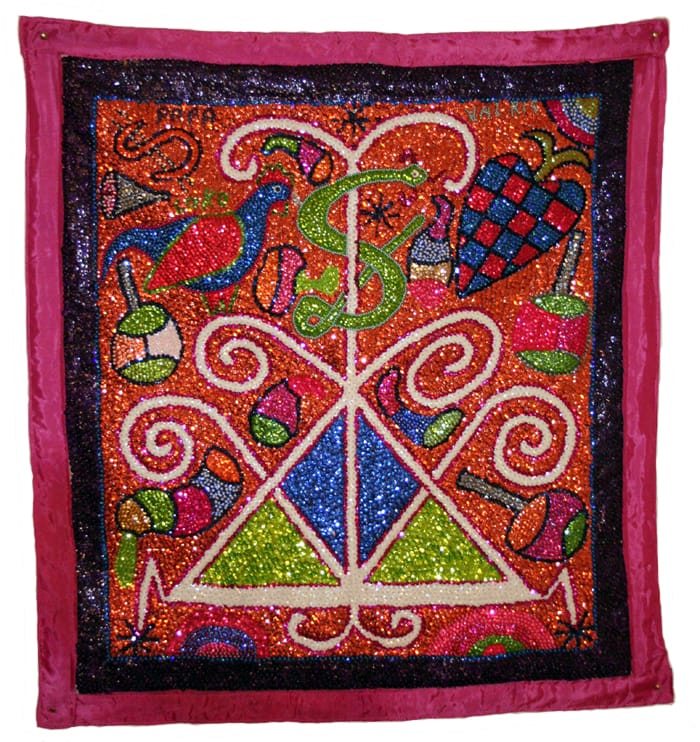
The majority of Haitians are Christians, predominantly Roman Catholic, a legacy of French rule, alongside a growing number of Protestants. Yet Haiti is equally defined by Vodou, a religion that grew from the West African beliefs of the enslaved, blended with Catholic elements, which is widely practised, often alongside Christianity, and which played a powerful role in the revolution and in national identity. Far from the lurid caricature known abroad, Vodou is a complex faith honouring a pantheon of spirits and the ancestors.
Haitian cuisine is flavourful and distinctive, blending African, French, and Caribbean influences with a love of bold spices and chili. The national dish is griot, chunks of pork marinated and fried until crisp, often served with fried plantains and a spicy pickled-vegetable relish called pikliz. Rice and beans, hearty stews, and dishes seasoned with a fragrant herb-and-spice base are staples, along with seafood from the surrounding sea. The food is a proud part of a rich and resilient culture.
Agriculture is the livelihood of a large share of Haitians, mostly small farmers working eroded and exhausted hillsides, growing food crops such as maize, rice, beans, and root vegetables, along with coffee, cocoa, and mangoes for export. The country was once a great producer of sugar and coffee, but generations of deforestation, soil erosion, and lack of investment have left its agriculture struggling to feed the population, and recurring hurricanes and droughts add to the hardship of rural life.
For a country so often described only through its disasters, Haiti has one of the most productive cultures in the hemisphere. Haitian painting, particularly the Cap-Haitien and Saint-Soleil schools, is collected internationally, and its metalwork, cut and hammered from oil drums at Croix-des-Bouquets, is a genuine folk industry. In literature, Jacques Roumain, Jacques Stephen Alexis, Marie Vieux-Chauvet, Dany Laferriere of the Academie francaise, and Edwidge Danticat writing from the diaspora have given Haiti a presence in French and English letters out of all proportion to its size. The theory of magical realism owes a direct debt to Alejo Carpentier's encounter with Haiti.
Music runs from the Vodou drumming that underlies everything to the compas dance music created in the 1950s, to rara, the raucous street processions of Lent, and to rap kreyol. Carnival is the great national event. And the language itself is a cultural achievement: Haitian Creole, built by the enslaved from French vocabulary on West African grammatical foundations, is spoken by every Haitian, was made co-official in 1987, and is one of the most widely spoken creoles in the world.
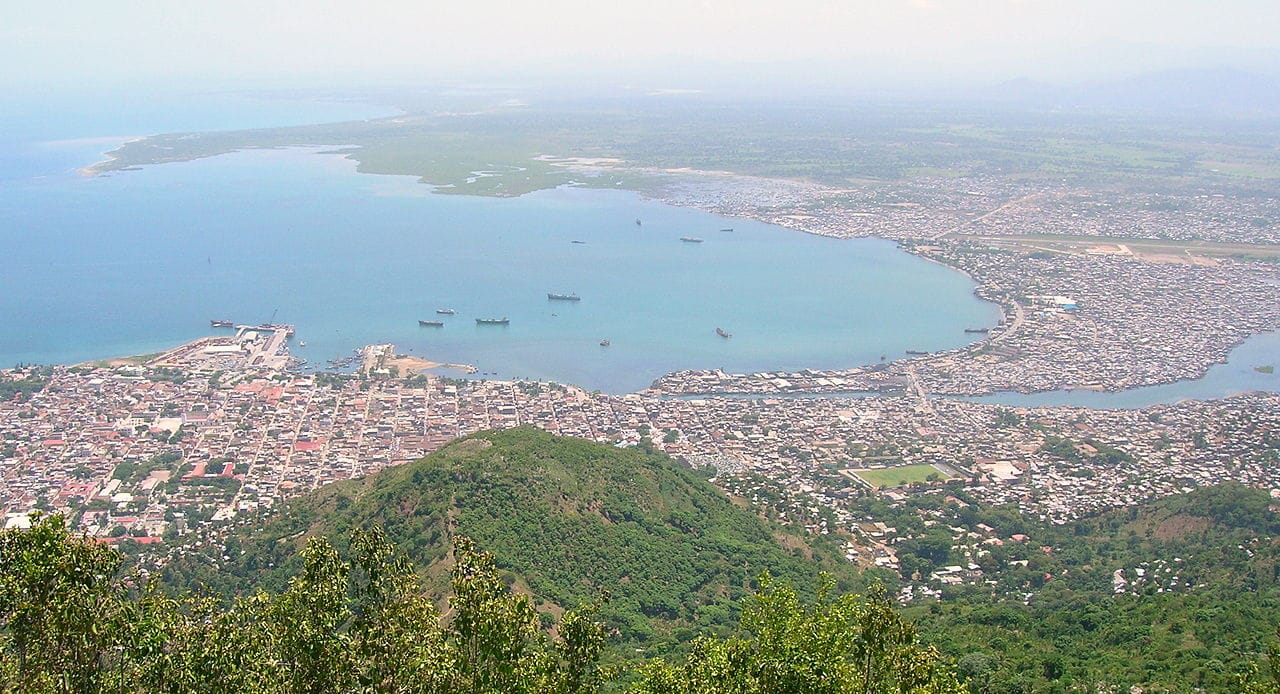
Haiti has a population of around 11 to 12 million, almost entirely of African descent, the descendants of people brought in slavery who took their own freedom. Everyone speaks Haitian Creole, and a minority also speaks French; both have been official since 1987, though French long dominated schooling and administration in a way that disadvantaged the Creole-speaking majority, an imbalance education reform has slowly addressed. The population is young, and roughly half now lives in cities, above all in the Port-au-Prince metropolitan area.
The diaspora is central to Haitian life rather than peripheral to it. Very large Haitian communities live in the United States, particularly Florida and New York, in the Dominican Republic, Canada, France, Chile, and Brazil, and their remittances keep a large share of households afloat. Relations with the Dominican Republic are close and difficult at once, with a long history of labour migration to the cane fields, the 1937 massacre of Haitians ordered by Trujillo, a 2013 court ruling that stripped citizenship from many Dominicans of Haitian descent, and recurring mass deportations. Since 2021 displacement has become the dominant demographic fact, with more than a million people driven from their homes inside the country by gang violence.