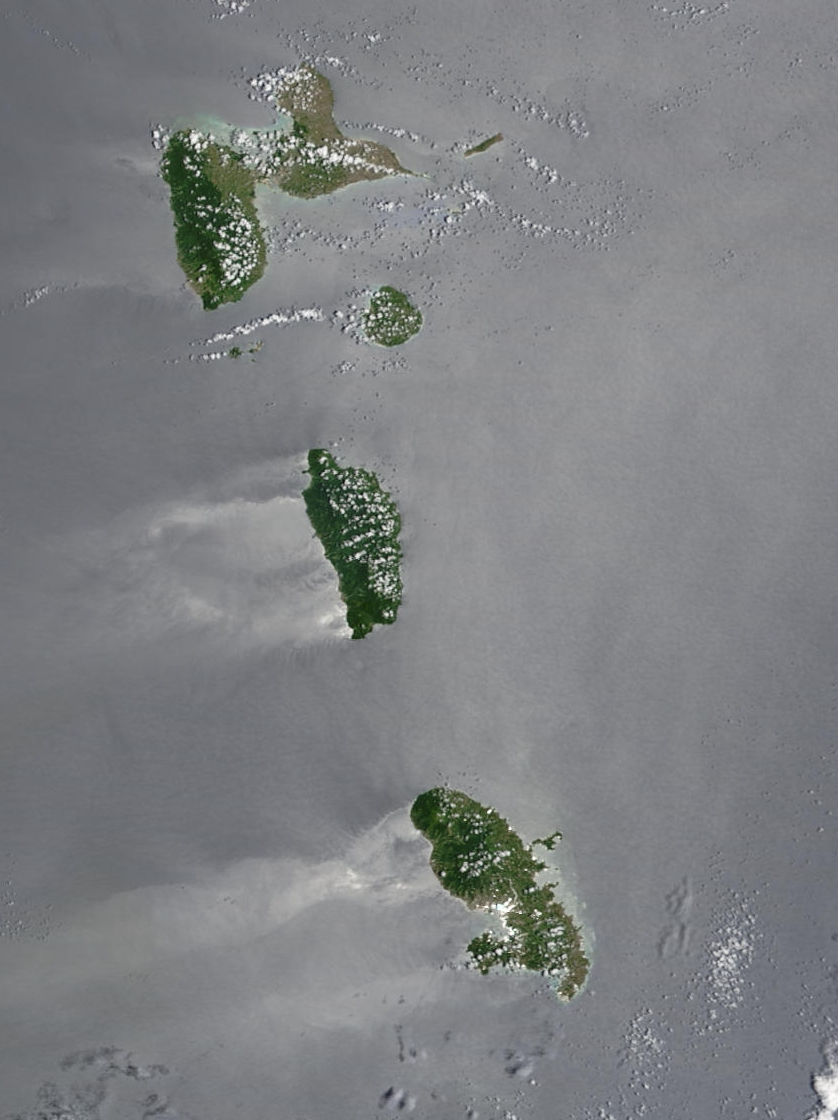
Dominica is an island nation in the eastern Caribbean, among the Windward Islands between the French territories of Guadeloupe and Martinique. Known as the Nature Island for its wild, mountainous, rainforest-clad landscape, it is one of the most unspoiled and dramatic islands in the Caribbean, a place of volcanoes, hot springs, rivers, and a famous boiling lake rather than of resort beaches. It is also notable as the last refuge of the region's indigenous Kalinago people. A former British colony, it became an independent republic in 1978. It should not be confused with the Dominican Republic.
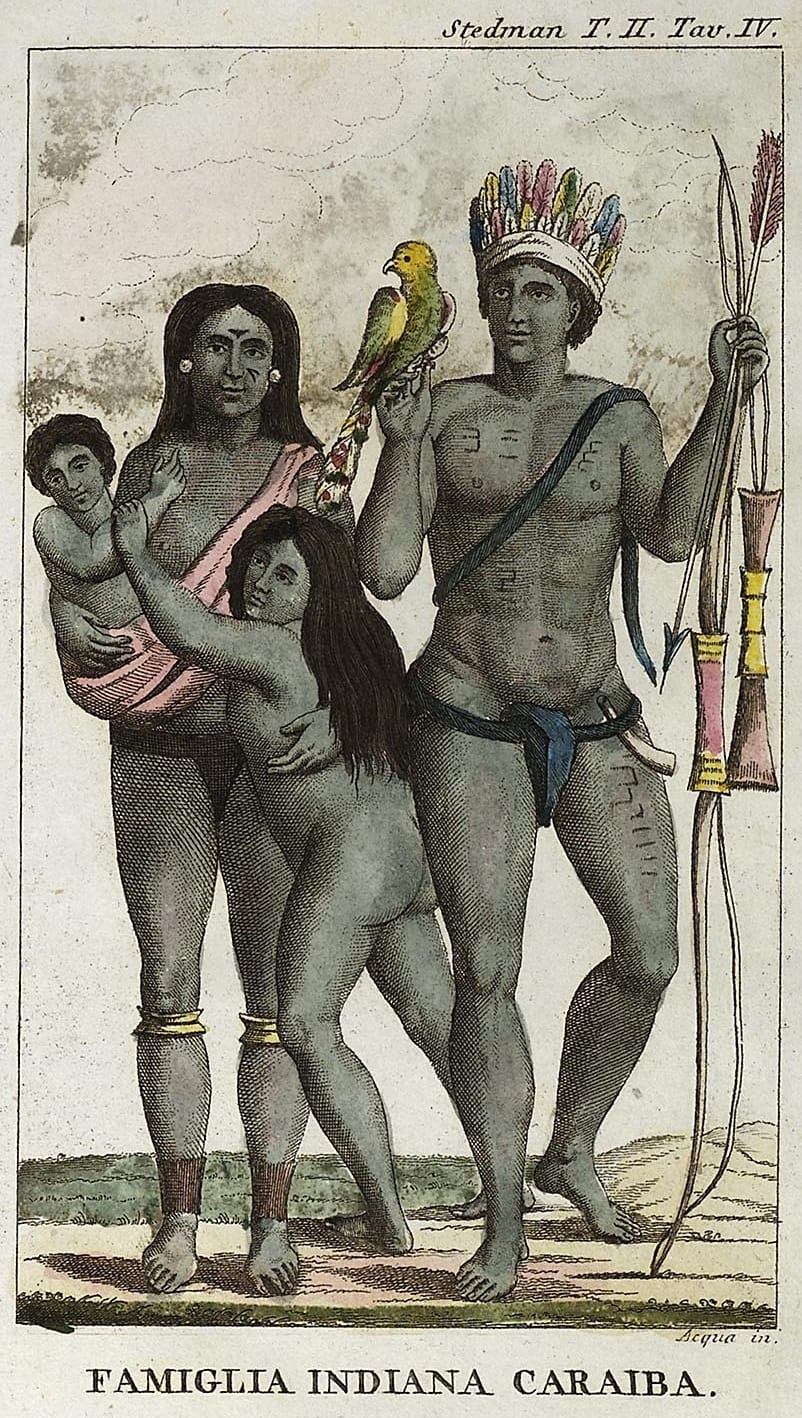
Dominica's mountains did something no other Caribbean island's did: they kept the Europeans out for two centuries. The Kalinago, who had displaced or absorbed the earlier Arawak population, used the island's near-impassable interior as a base and defended it so effectively that Britain and France signed a treaty in 1748 agreeing to leave it as neutral Kalinago territory, a concession made nowhere else. Settlement came anyway, French from Martinique and Guadeloupe first, then British after 1763, and the island changed hands repeatedly until Britain secured it in 1805 by paying a ransom to a French force that had burned Roseau.
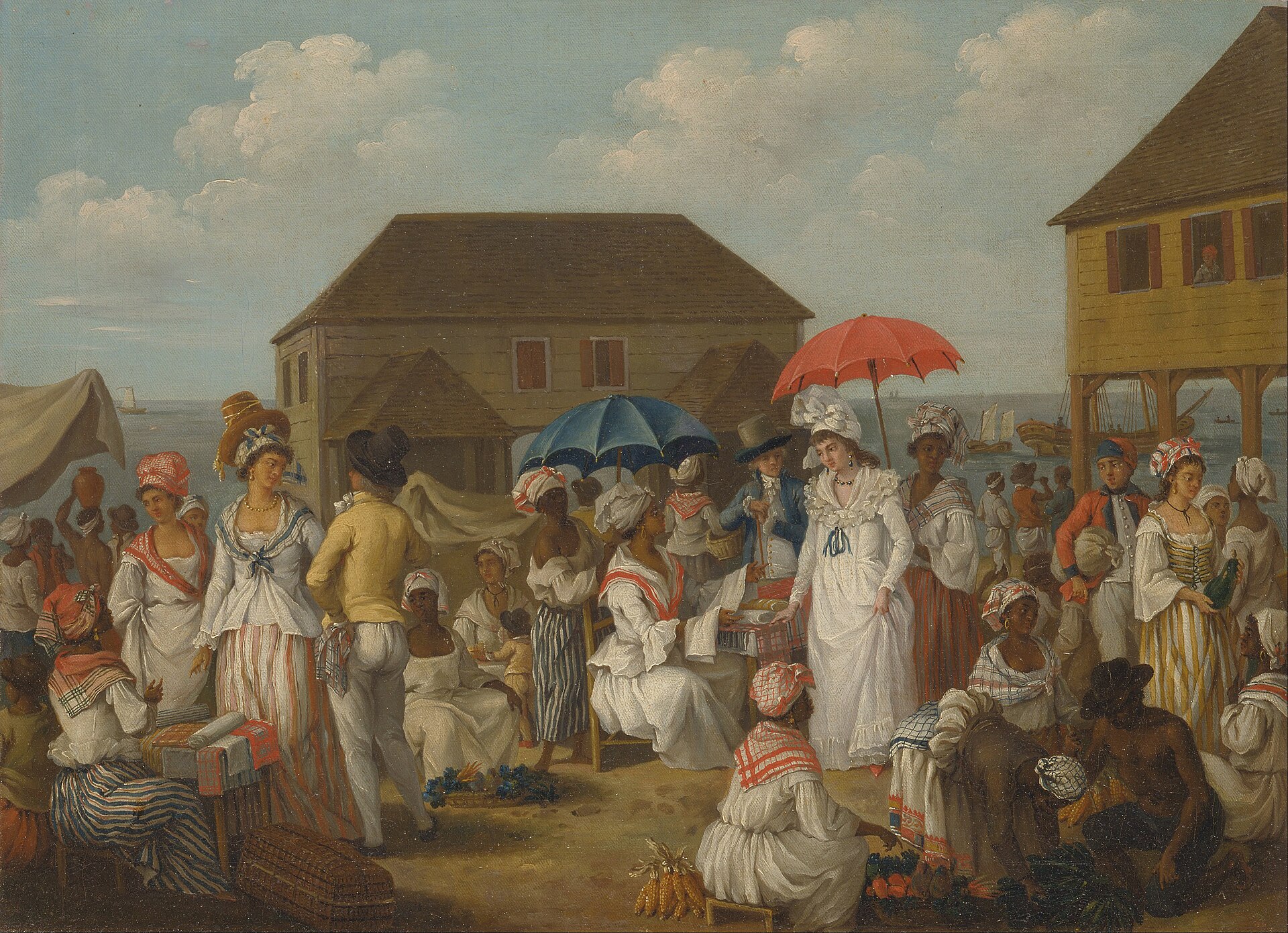
Plantations followed, worked by enslaved Africans, but the terrain limited them, and the same mountains that had sheltered the Kalinago sheltered maroons, communities of escaped slaves who fought a series of wars against the British into the 1810s. Both legacies survived. The Kalinago Territory on the east coast, established in 1903, holds the largest surviving indigenous community in the eastern Caribbean, governed by an elected chief and council.
Dominica became a British colony, gained internal self-government in 1967, and became an independent republic within the Commonwealth on 3 November 1978, choosing a president rather than the British monarch as head of state, unlike most of its neighbours. The early years were turbulent: the first government fell amid protests in 1979, a hurricane devastated the island the same year, and two coup attempts followed involving, improbably, American and Canadian white supremacists in a scheme known as the Bayou of Pigs.
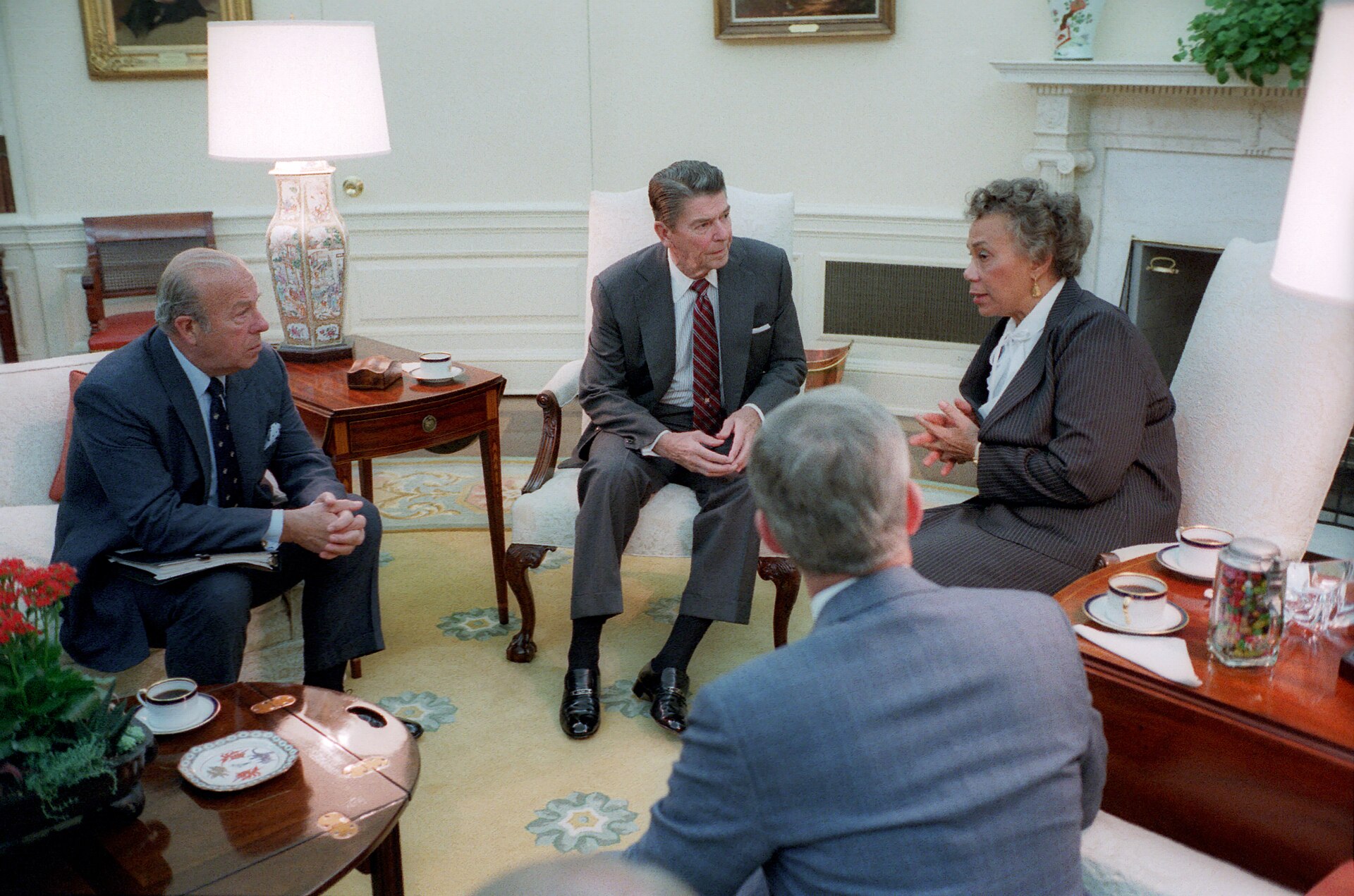
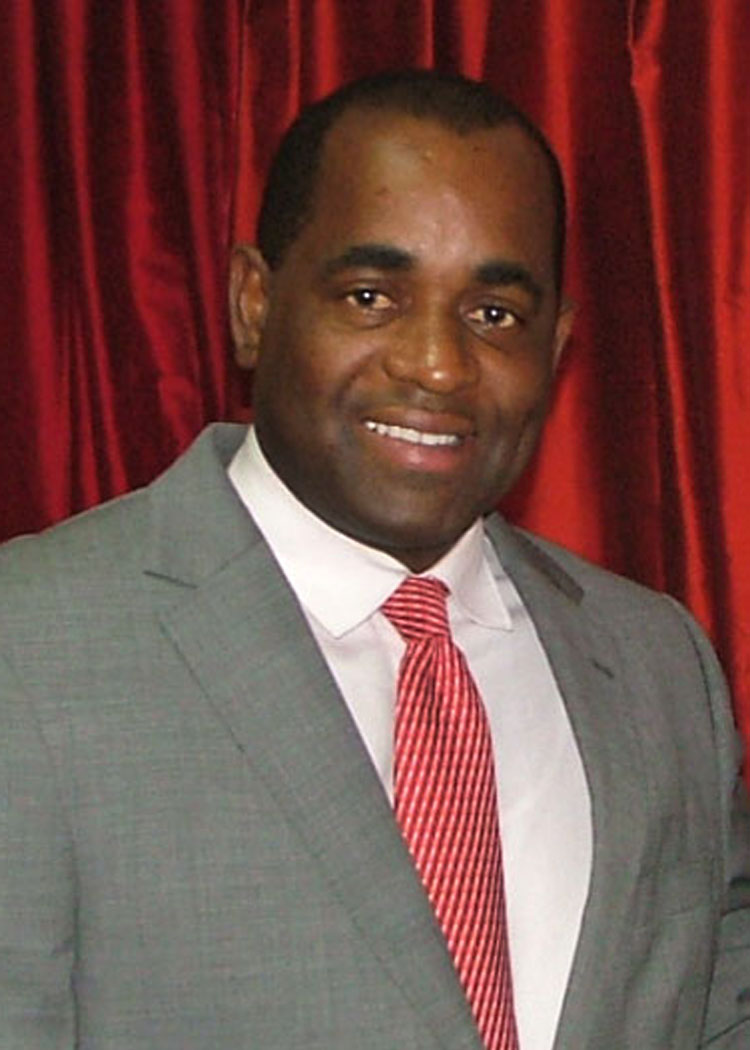
Order came with Dame Eugenia Charles, prime minister from 1980 to 1995, the first woman to lead a Caribbean country and one of the longest-serving women heads of government anywhere at the time. Known as the Iron Lady of the Caribbean, she was the public face of the regional request that brought the United States into Grenada in 1983, standing beside President Reagan to announce it. Roosevelt Skerrit has been prime minister since 2004, one of the longest-serving leaders in the hemisphere; his Dominica Labour Party won 19 of the 21 seats at the general election of 6 December 2025, with the remaining two going to independents after opposition parties boycotted over electoral reform. Sylvanie Burton became president in 2023, the first Kalinago to hold the office.
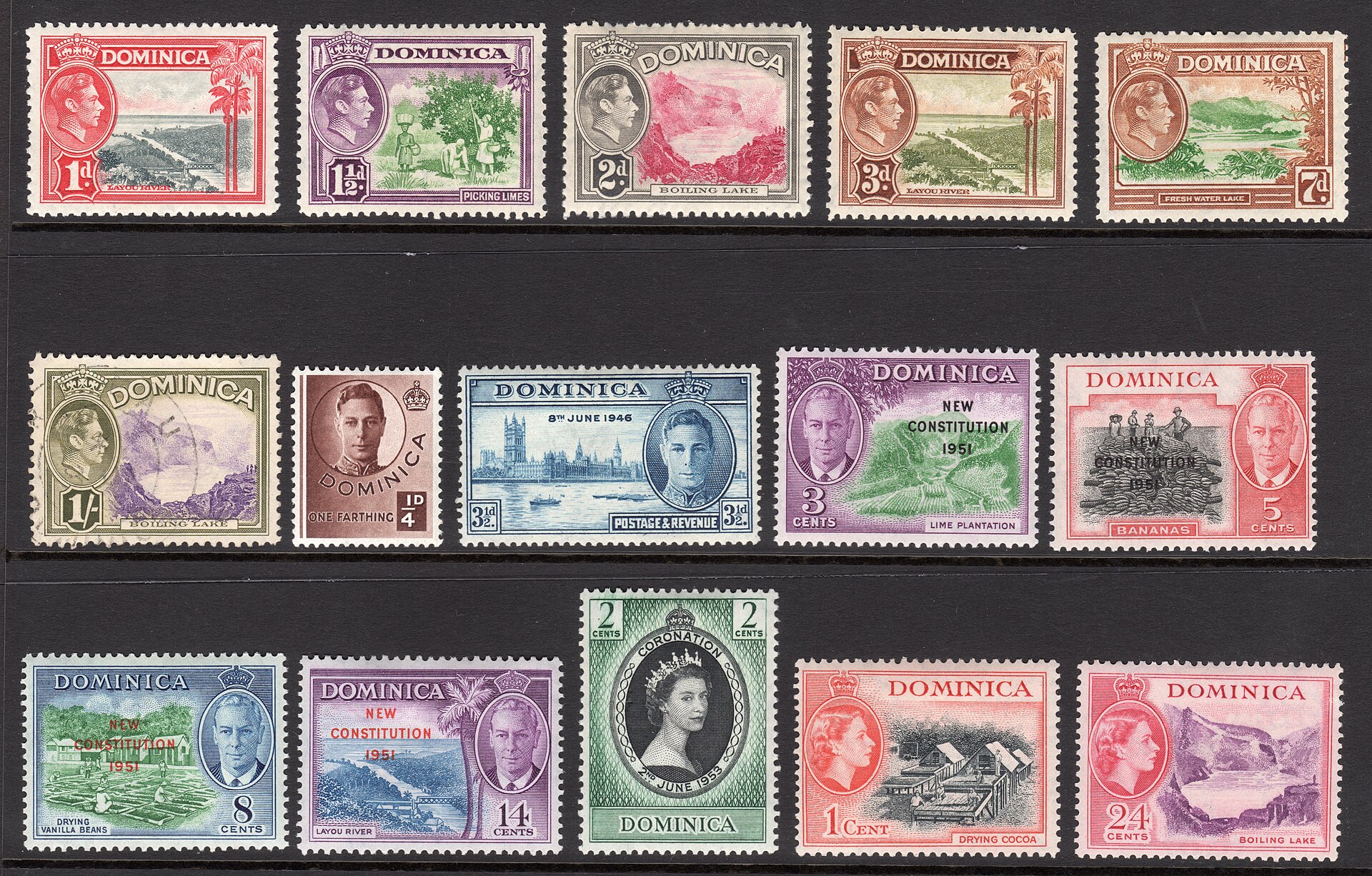
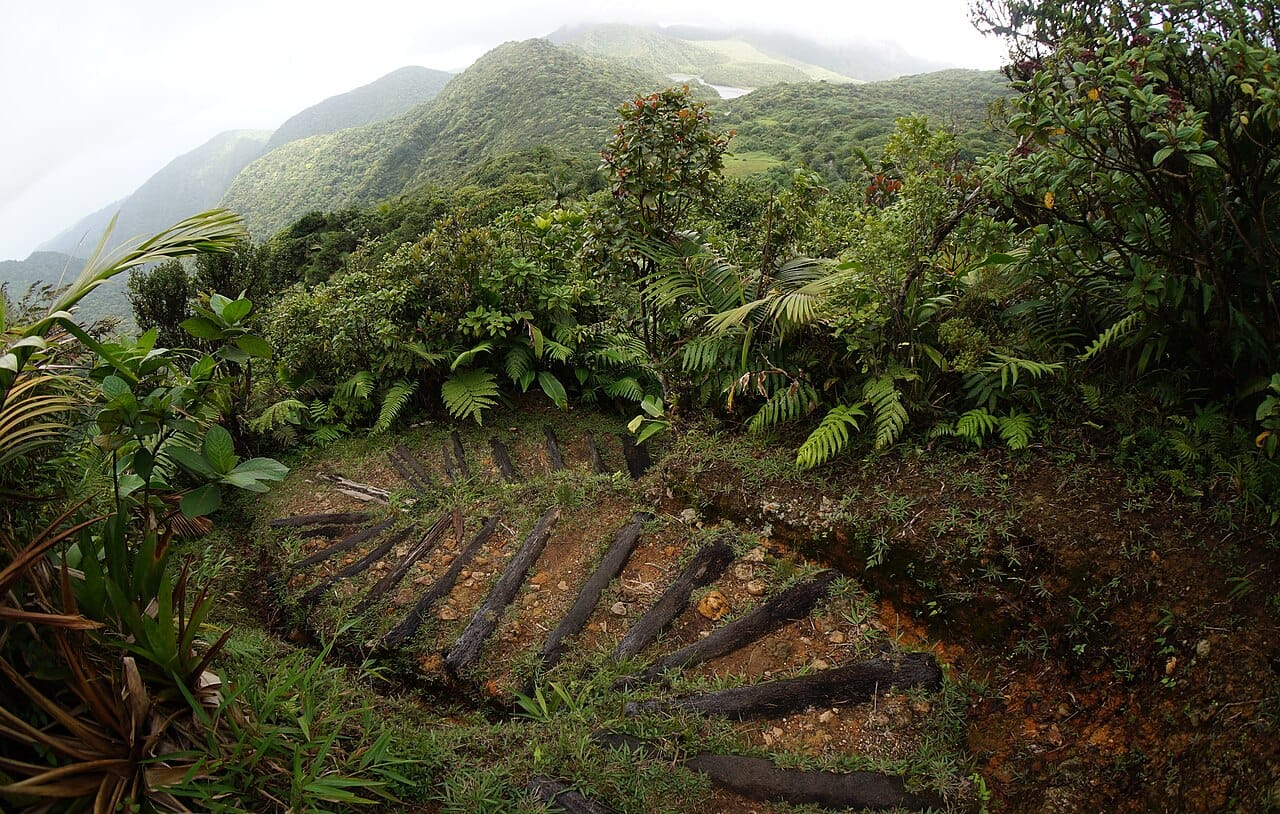
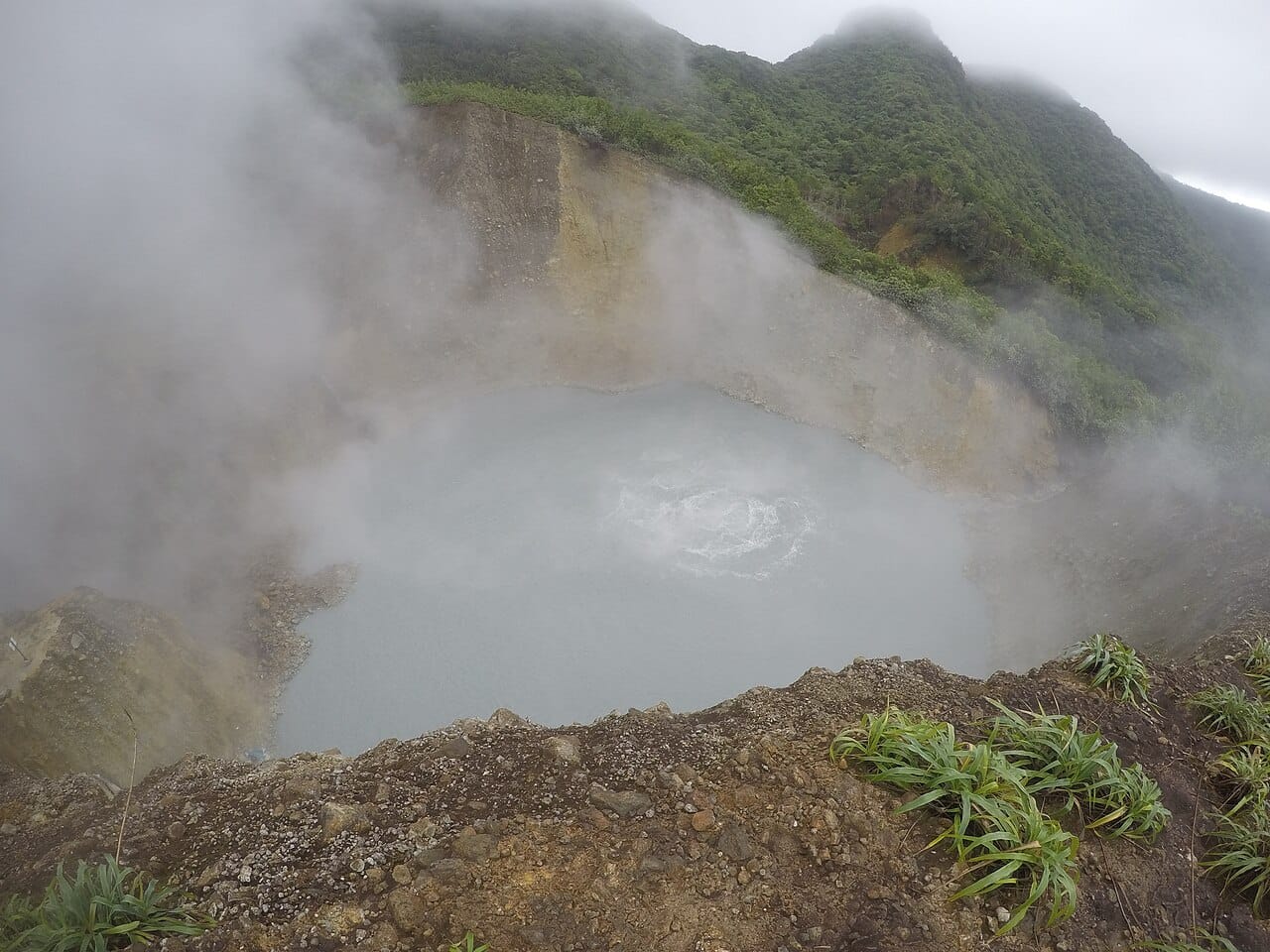
Dominica is the youngest island in the Lesser Antilles and by some distance the most rugged: a volcanic spine of steep forested ridges rising to Morne Diablotins at 1,447 metres, cut by so many rivers that the island claims one for every day of the year. It has nine potentially active volcanoes, more per unit area than anywhere else in the world, and the geothermal activity that comes with them, including fumaroles, sulphur springs, and the Boiling Lake, a flooded fumarole of grey, churning water reached only by a hard six-hour walk through the Valley of Desolation. Morne Trois Pitons National Park is a World Heritage site.
That geology gave Dominica a different Caribbean history and a different Caribbean economy. There are few long sandy beaches, the interior was never easy to clear, and mass resort tourism largely passed the island by, which is precisely what has made it attractive to hikers, divers, and the whale-watching trade; sperm whales are resident in its waters year round. Roughly two thirds of the island remains forested, and it holds two parrots found nowhere else, the sisserou or imperial amazon, which appears on the flag, and the smaller jaco.
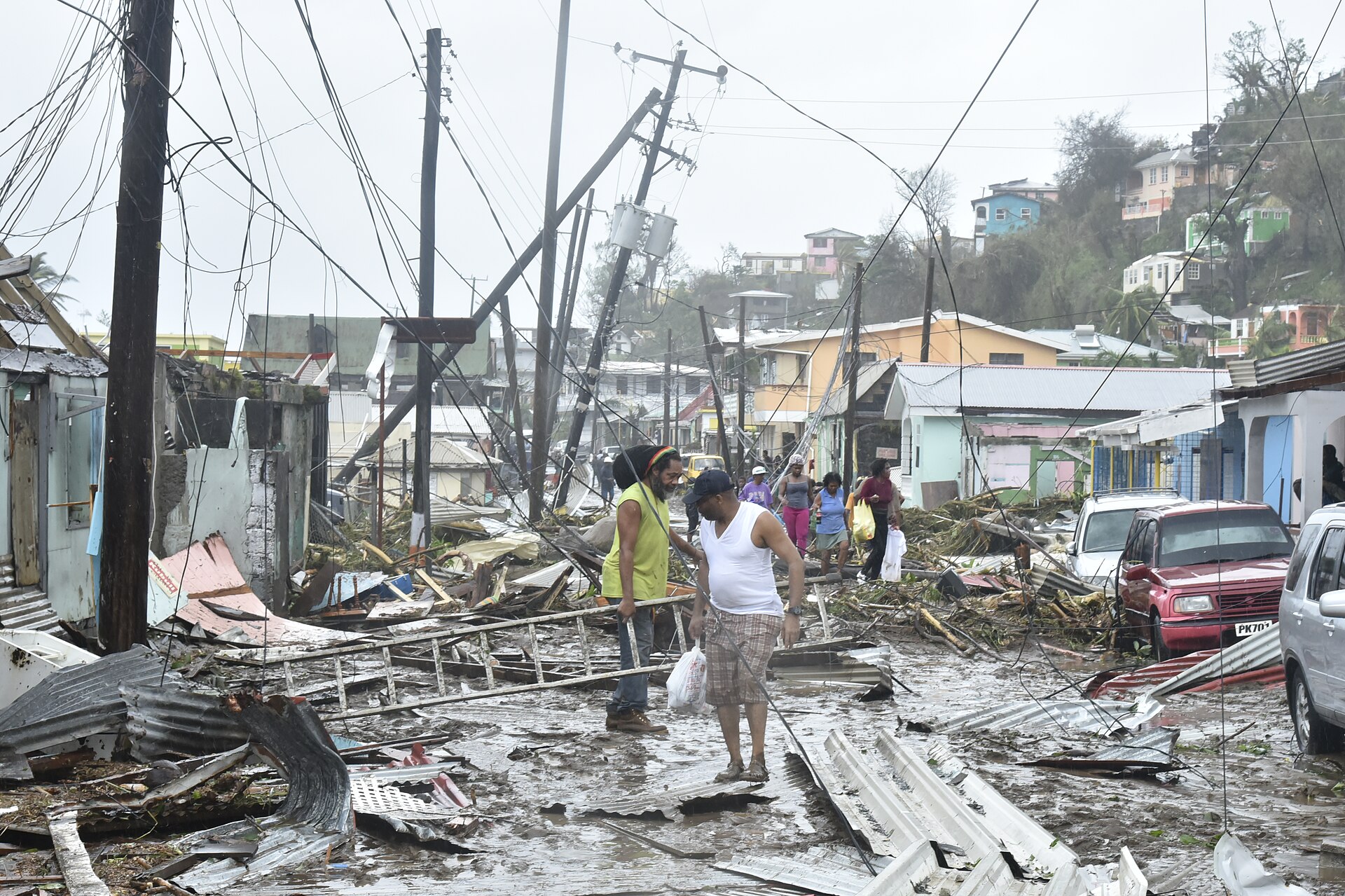
The same mountains funnel catastrophe. Tropical Storm Erika killed dozens in 2015, and in September 2017 Hurricane Maria crossed the island as a category five storm, killing dozens more, stripping the forests bare, and destroying or damaging the great majority of buildings, with losses estimated at well over twice the country's annual output. Dominica responded by declaring the aim of becoming the world's first climate-resilient nation, rebuilding to hurricane standards and developing geothermal power.
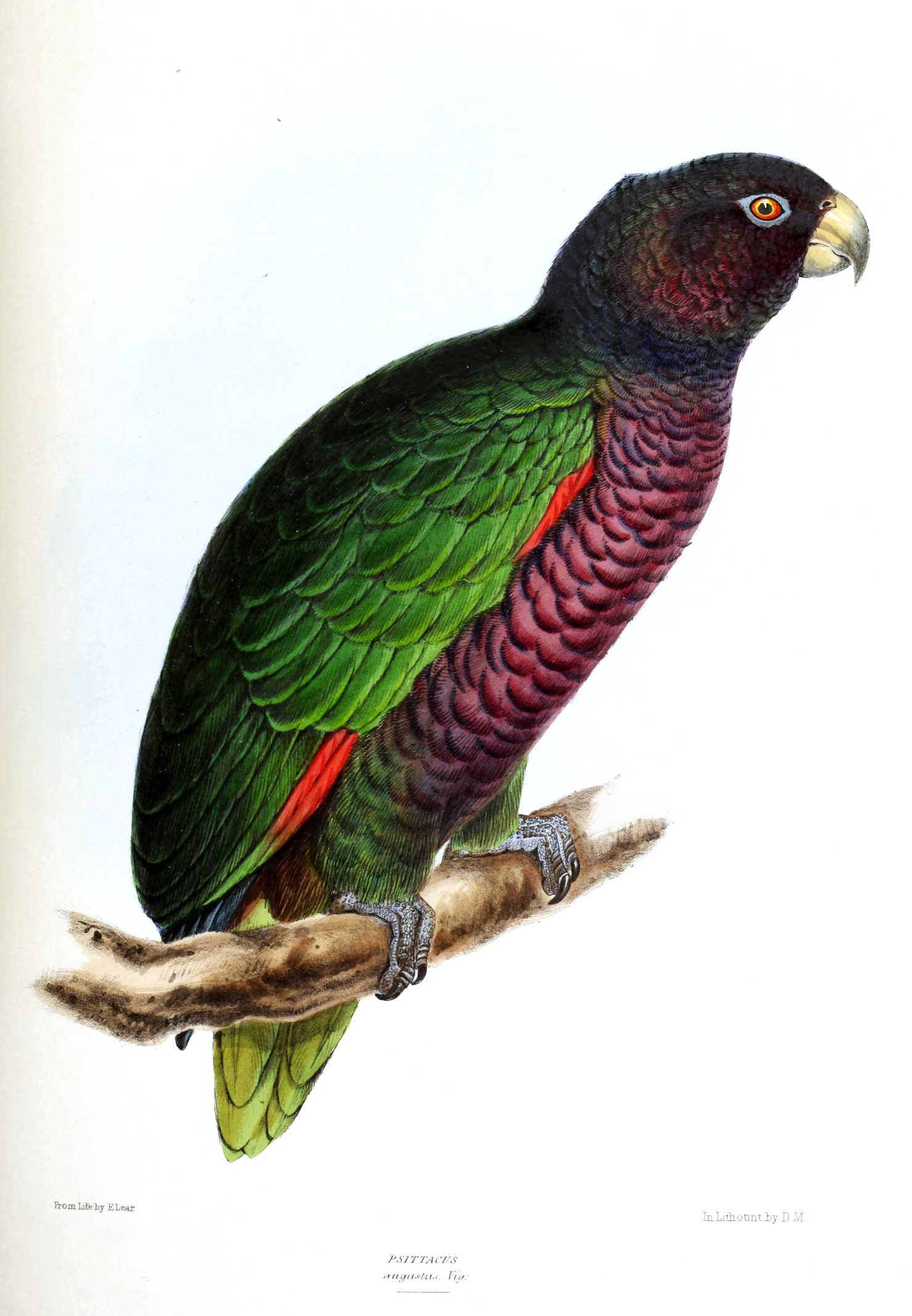
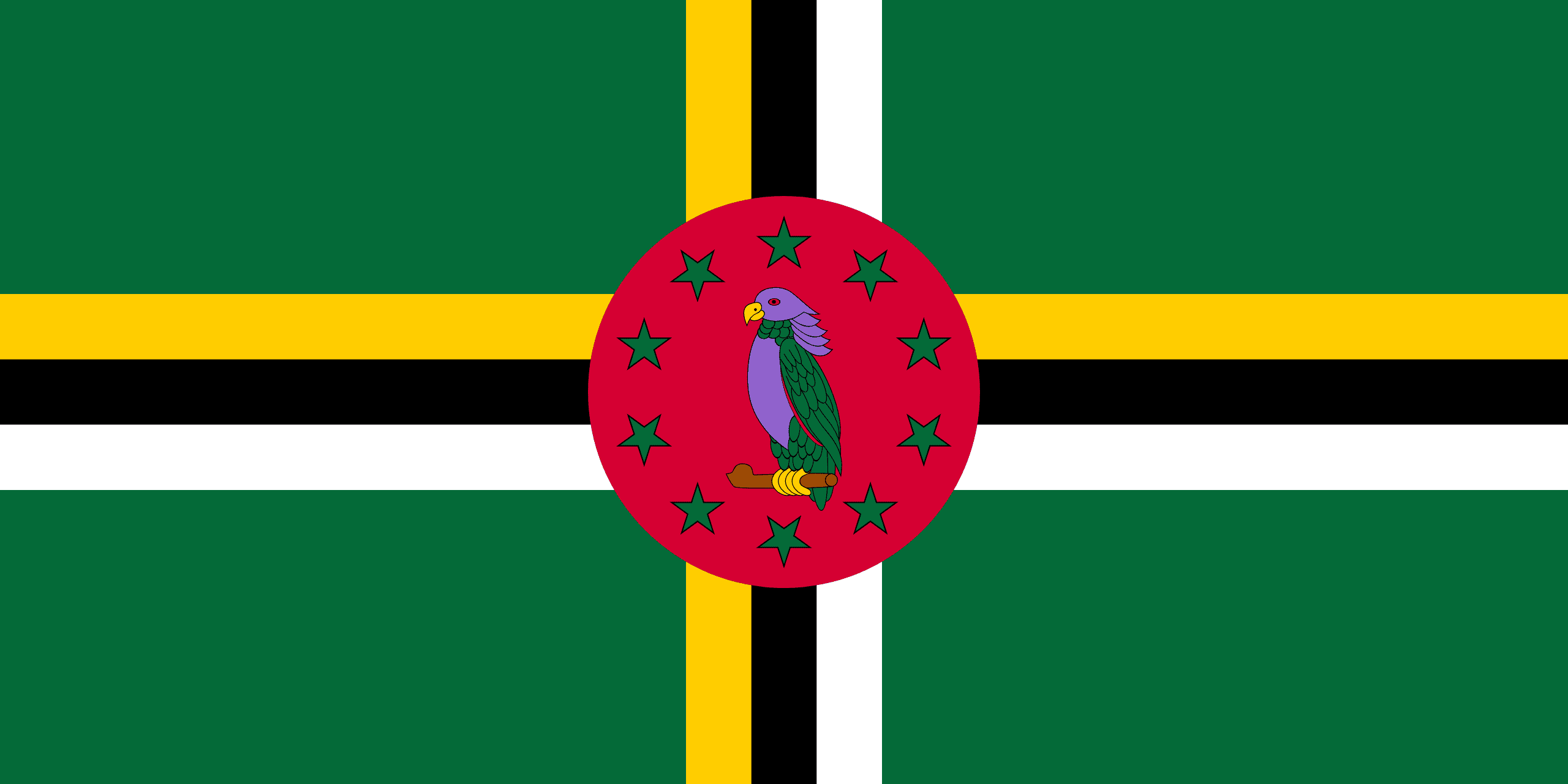
The flag of Dominica is green, crossed by a centred cross of yellow, black, and white stripes, with a red disc in the middle bearing the national bird, the Sisserou parrot, encircled by ten green stars. The green field represents the island's lush vegetation, and the cross the Christian faith, its three colours standing for the indigenous people, the African heritage, and the pure water and soil. The ten stars stand for the country's ten parishes, and the rare Sisserou parrot, found only on Dominica, makes its flag one of the few to feature a purple colour.
Dominica is a strongly Christian country, and unusually for a former British colony in the Caribbean, it is predominantly Roman Catholic, a legacy of the long period of French influence and settlement on the island before British rule. A range of Protestant denominations, including Methodist, Pentecostal, and Adventist churches, are also present and growing. Religion plays an important role in the island's community life and culture. The indigenous Kalinago community, while largely Christian, also retains elements of its own traditions, adding to the island's distinctive heritage.
Dominican cuisine, drawing on African, French, British, and indigenous Kalinago influences, makes good use of the island's abundant fresh produce, root crops, and seafood. The national dish is mountain chicken, which is in fact a large frog once common on the island, traditionally stewed or fried, though it has become rare and protected. Callaloo soup, made from leafy greens, fresh river and sea fish, breadfruit, plantains, and an array of ground provisions and tropical fruit feature strongly, in a hearty cuisine rooted in the bounty of the lush Nature Island.
Agriculture has long been central to Dominica, whose fertile volcanic soils and ample rainfall make it one of the more agricultural of the Caribbean nations. Bananas have been the dominant export crop and a mainstay of the rural economy, though vulnerable to storms and shifting trade rules, and the island also grows citrus, coconuts, root crops, and a variety of tropical fruits and vegetables, much of it on small farms. With its small population and unspoiled environment, Dominica has promoted itself as an organic and ecotourism destination alongside its farming.
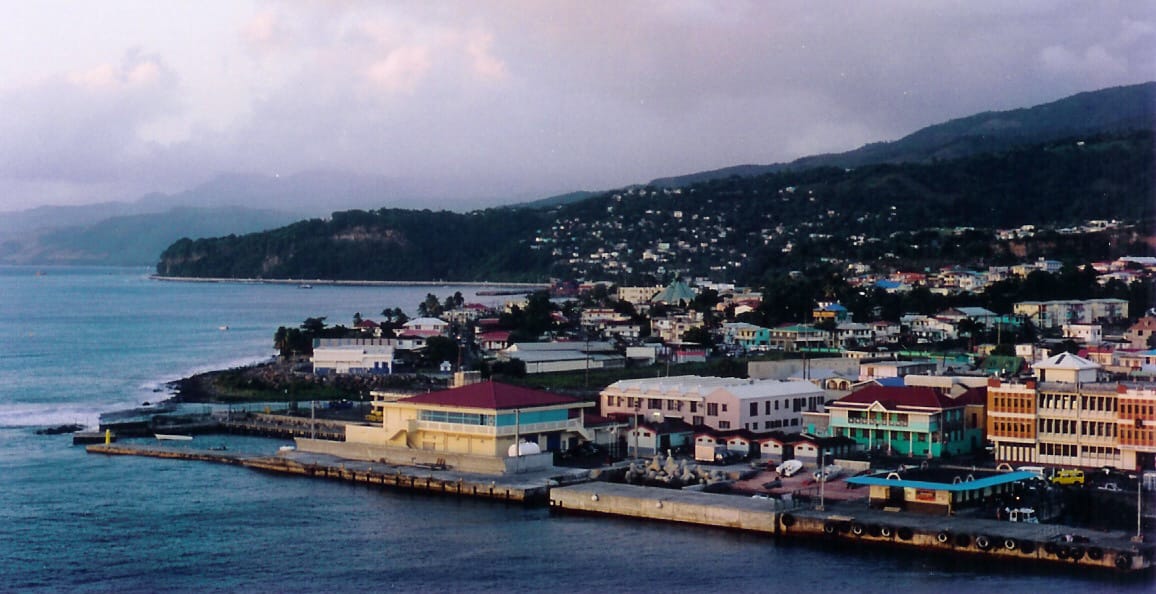
Dominica has the smallest economy in the eastern Caribbean currency union and a narrow base. Bananas were the mainstay for decades under preferential access to the British market, and the loss of that preference following World Trade Organization rulings in the 1990s hit the island hard, pushing farming toward a mix of bananas, citrus, coconuts, root crops, and bay oil. Tourism is deliberately of a different kind from its neighbours', built on hiking, diving, whale watching, and river bathing rather than resorts, though a cruise terminal at Roseau and new hotels have shifted that somewhat.
Two other sources matter disproportionately. Citizenship by investment, one of the oldest such programmes in the world, has provided a very substantial share of government revenue and funded much of the post-Maria reconstruction, and has drawn scrutiny from the European Union and others over due diligence. And geothermal energy, which the volcanoes make abundantly available, is the long-term bet: a plant at Laudat is intended to make the island self-sufficient in electricity and eventually an exporter to neighbouring French territories.
Dominica has a population of around 67,000 and, unusually for the region, one that has been slowly shrinking through emigration. The great majority are of African descent, with people of mixed heritage and the Kalinago, who number roughly 3,000 and hold some 3,700 acres of communal land on the east coast, the largest surviving indigenous community in the eastern Caribbean; their territory elects its own chief, and Kalinago identity has undergone a marked revival, including efforts to recover a language that had been almost entirely lost.
English is official, and almost everyone also speaks Kwéyòl, the French-based creole inherited from the island's French period, which is shared with Saint Lucia and the neighbouring French departments. Settlement follows the coast, with Roseau in the southwest and Portsmouth in the north, while the interior remains largely empty forest. Dominica has an unusual reputation for longevity, with a notably high number of centenarians for its size.