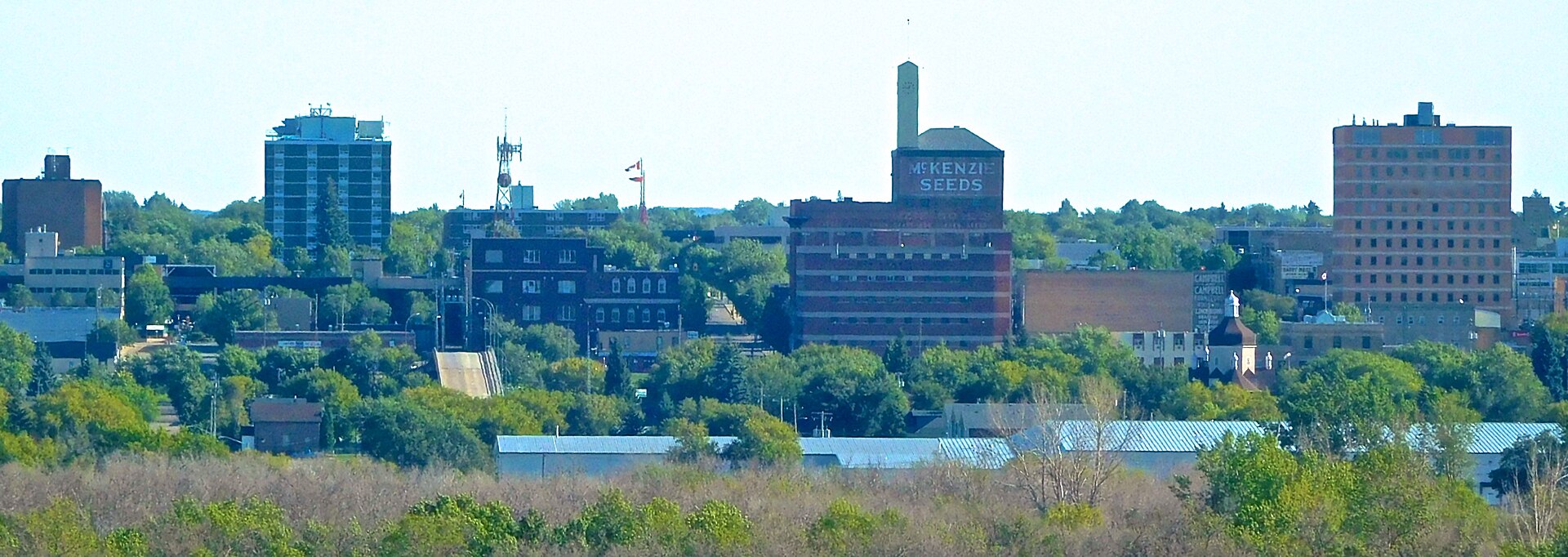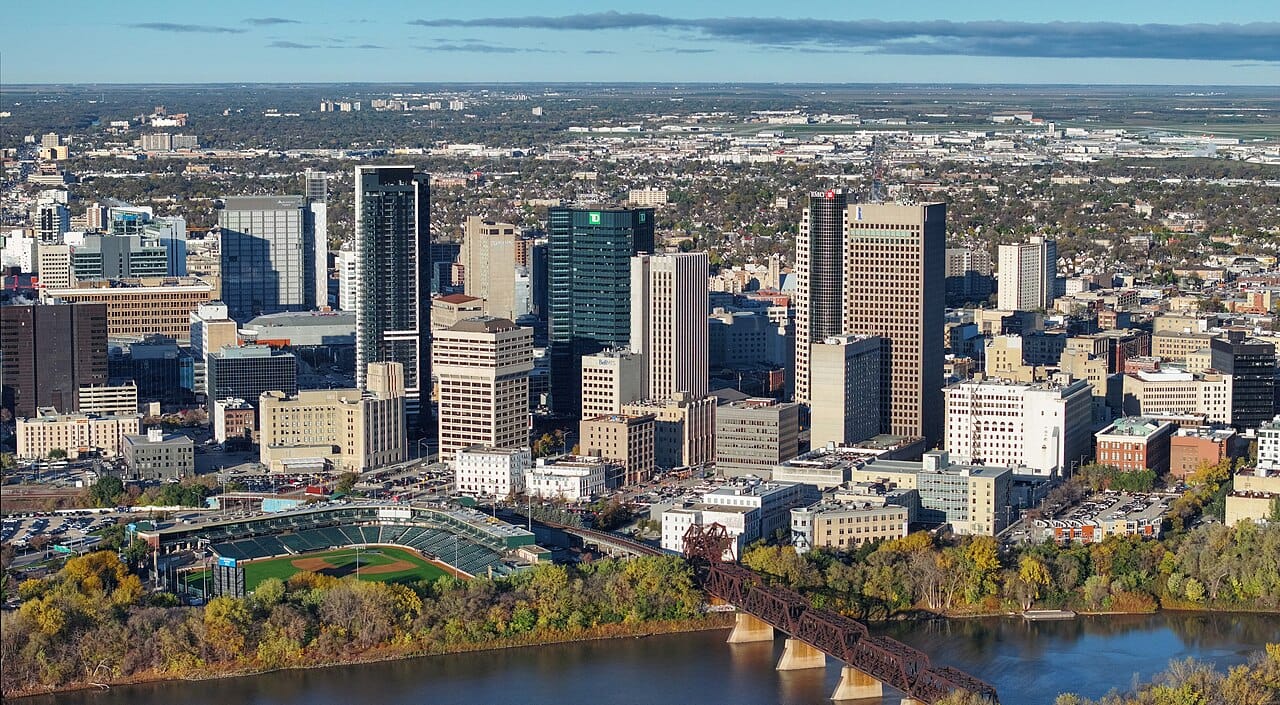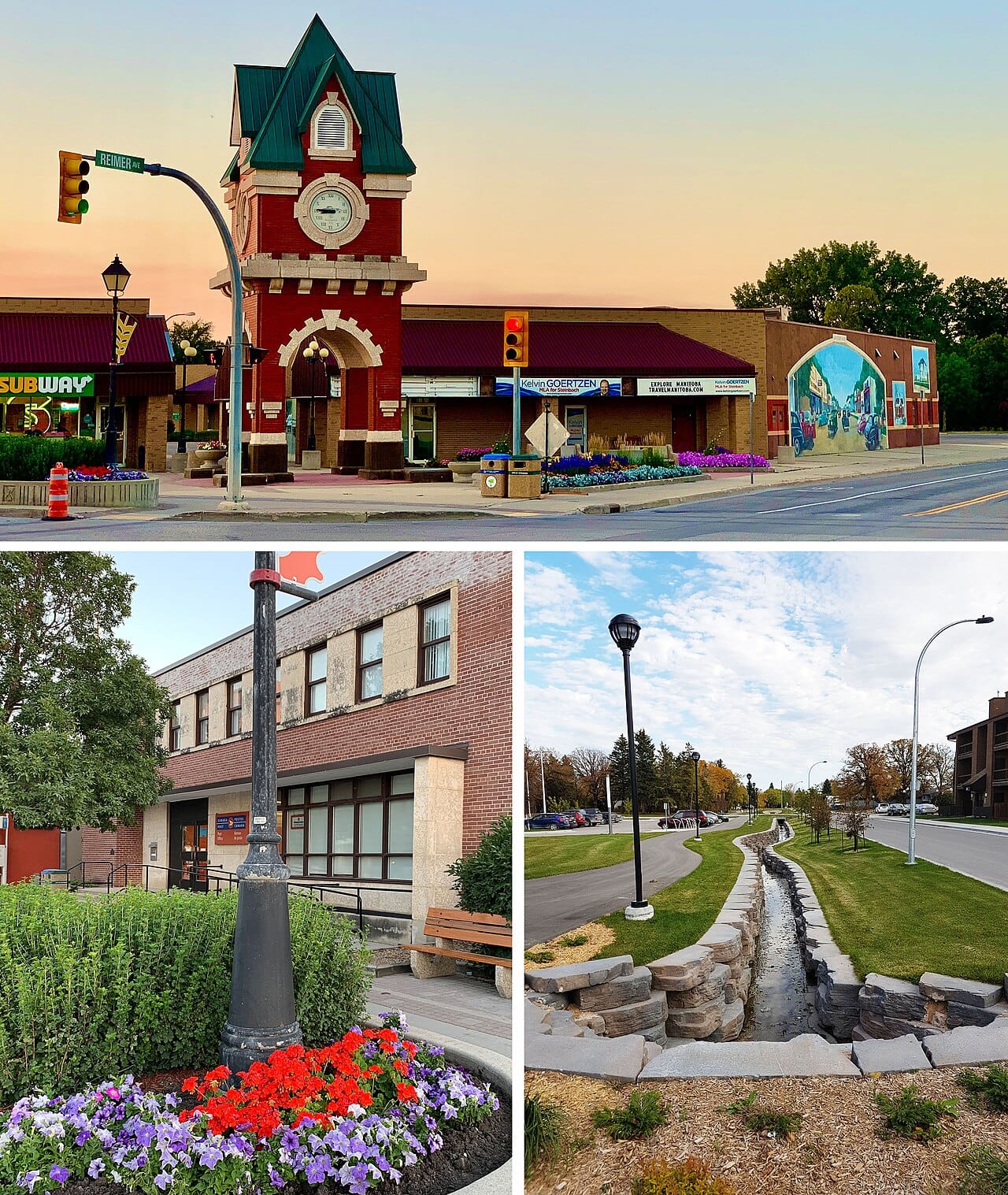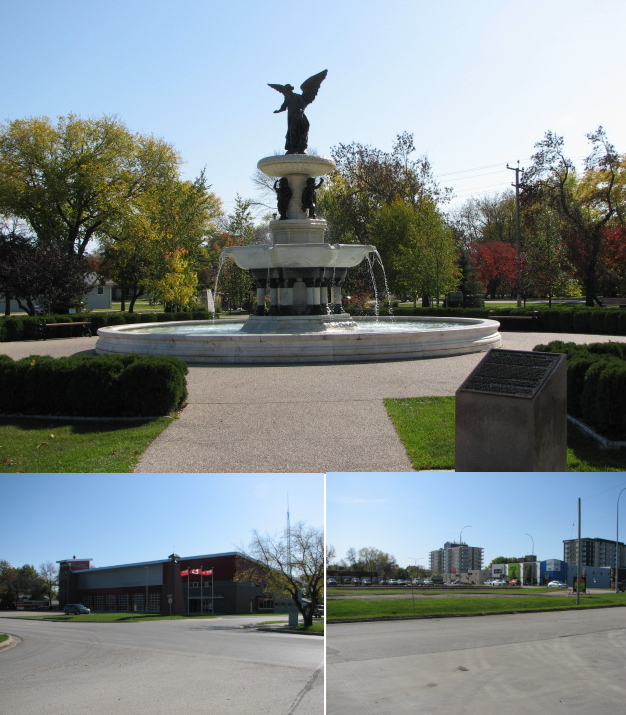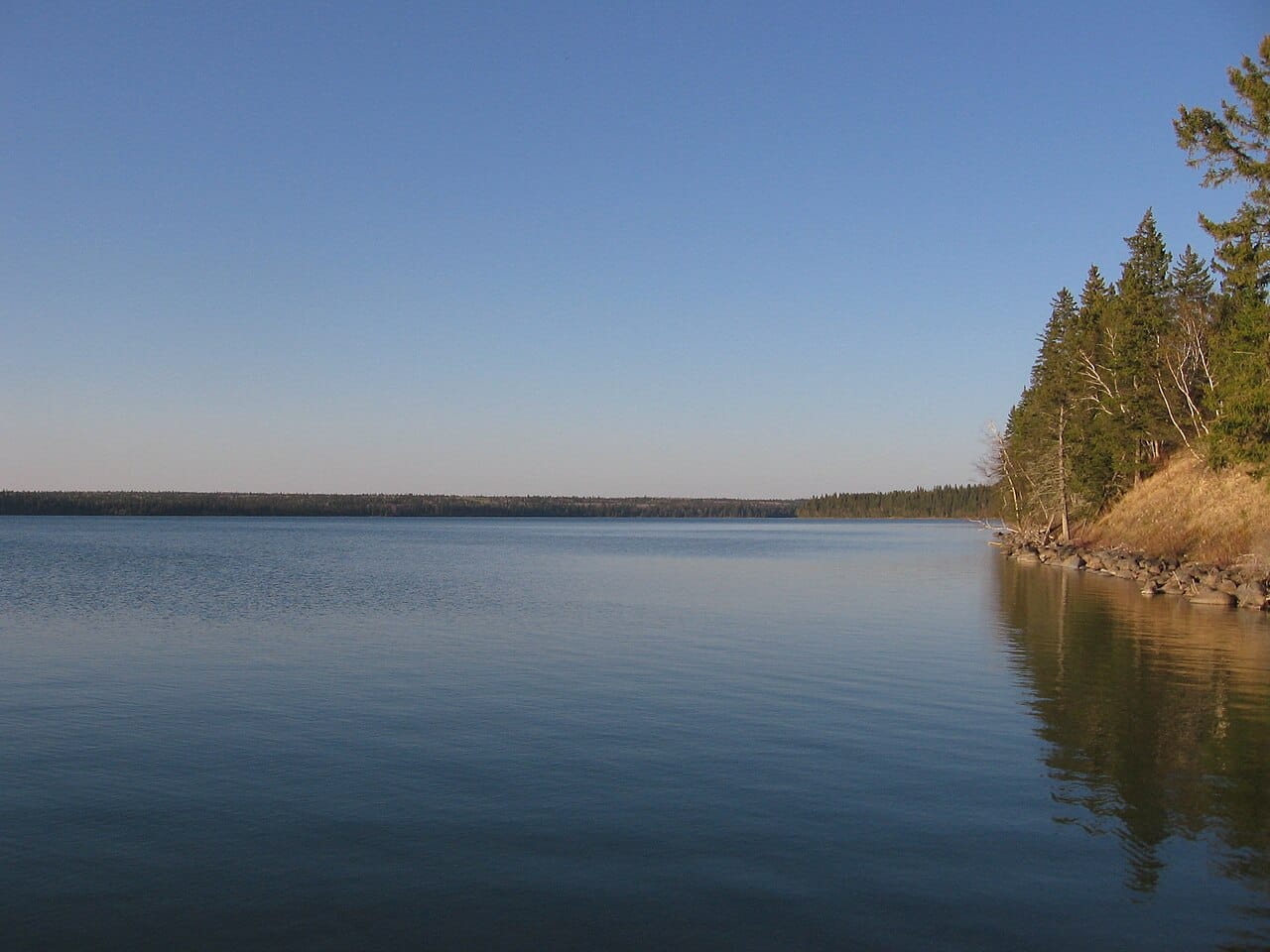
Dauphin is a city in the Parkland region of western Manitoba, between Riding Mountain National Park and Lake Dauphin, with 8,368 residents at the 2021 census. It is the service centre for a large agricultural district and the host of Canada's National Ukrainian Festival, an event that reflects the settlement history of the whole region. It also has a distinctive place in social policy history as the site of the Mincome experiment.
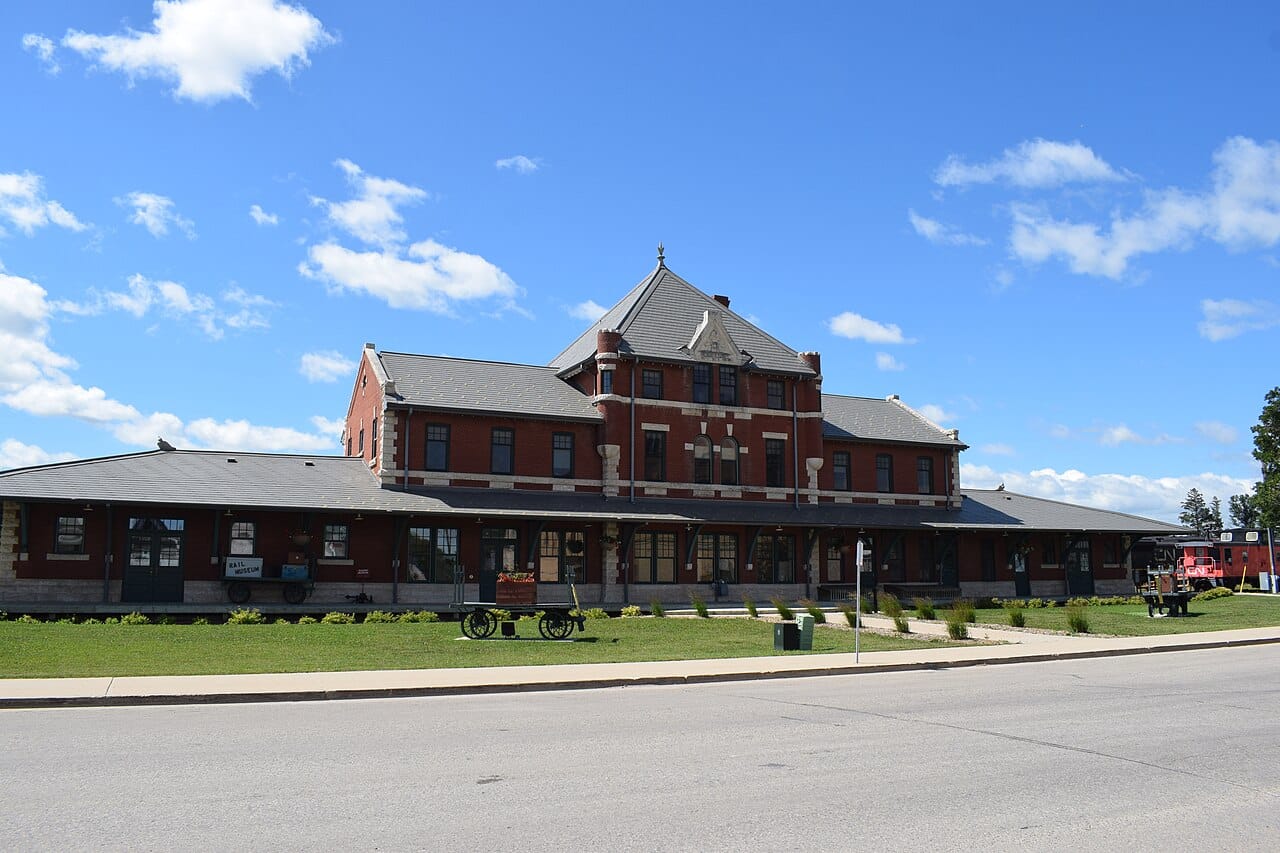
The name comes from Lac Dauphin, given by La Verendrye in the 1730s in honour of the heir to the French throne. A Hudson's Bay Company post operated nearby from the late eighteenth century.
Settlement began in earnest in the 1880s and accelerated sharply after 1896, when the Canadian Northern Railway arrived and Clifford Sifton's immigration campaign began drawing large numbers of Ukrainian settlers to the Canadian west. The Parkland's mix of woodland, water and arable land resembled parts of Galicia and Bukovina, and the region received one of the densest Ukrainian settlements in Canada.
Between 1974 and 1979 Dauphin was the site of Mincome, a guaranteed annual income experiment run jointly by the federal and Manitoba governments. Every resident of the town was eligible for a payment sufficient to keep a household above a set income floor.
The programme ended when governments changed, and its data sat unanalysed for decades. Later work found small reductions in working hours, concentrated among new mothers and teenagers who stayed in school longer, along with an eight per cent fall in hospital admissions, notably for mental health. Dauphin is cited internationally in basic income debates as a result, though the findings are drawn from a single town over five years and are read with appropriate caution.
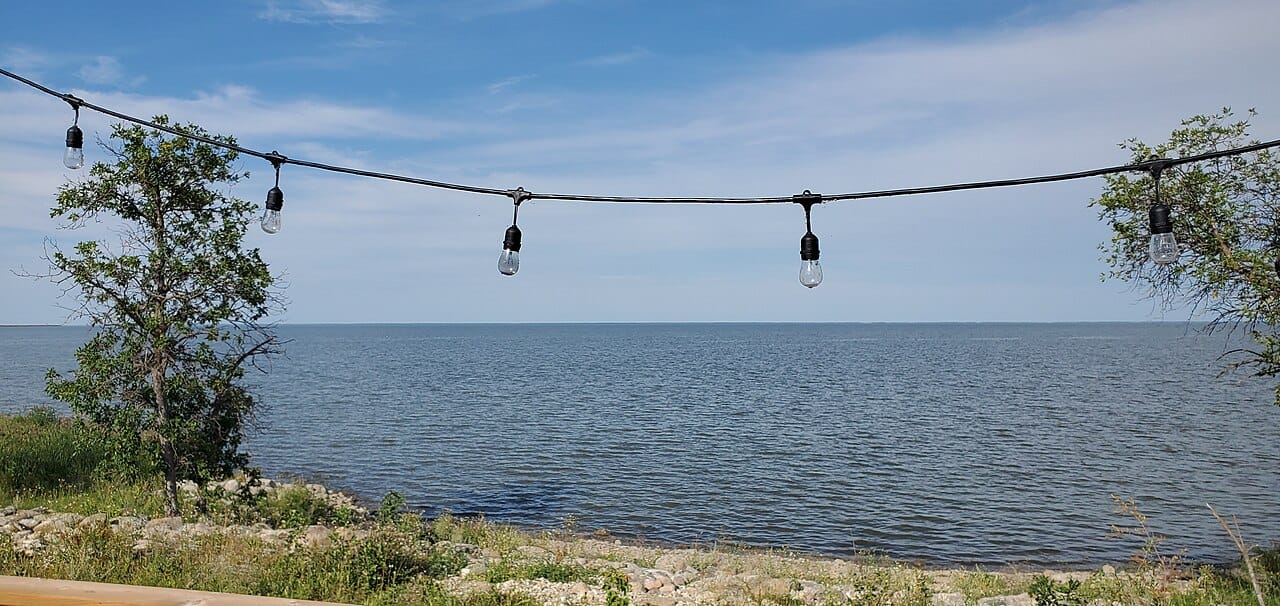
Dauphin sits in the Parkland, the transition belt between the open prairie to the south and the boreal forest to the north, with aspen bluffs, mixed farmland and abundant water.
Riding Mountain National Park lies immediately south, on the highland of the Manitoba Escarpment. Established in 1930, it protects a large area of forest, lake and grassland well above the plain, and it is the region's principal draw for visitors.
Dauphin is governed by a mayor and six councillors. It was incorporated as a town in 1898 and became a city in 1998.
Agriculture is the foundation: grain, oilseeds and cattle across the Parkland. The city provides the processing, retail, professional and health services for a wide rural district.
Tourism connected to Riding Mountain National Park is a seasonal contributor, and the park's presence supports outfitting, hospitality and recreation businesses.
Health care and public administration are significant employers, as they are in most regional centres of this size.
The Mountain View School Division serves the city and the surrounding area. Assiniboine Community College maintains a Parkland campus in Dauphin.
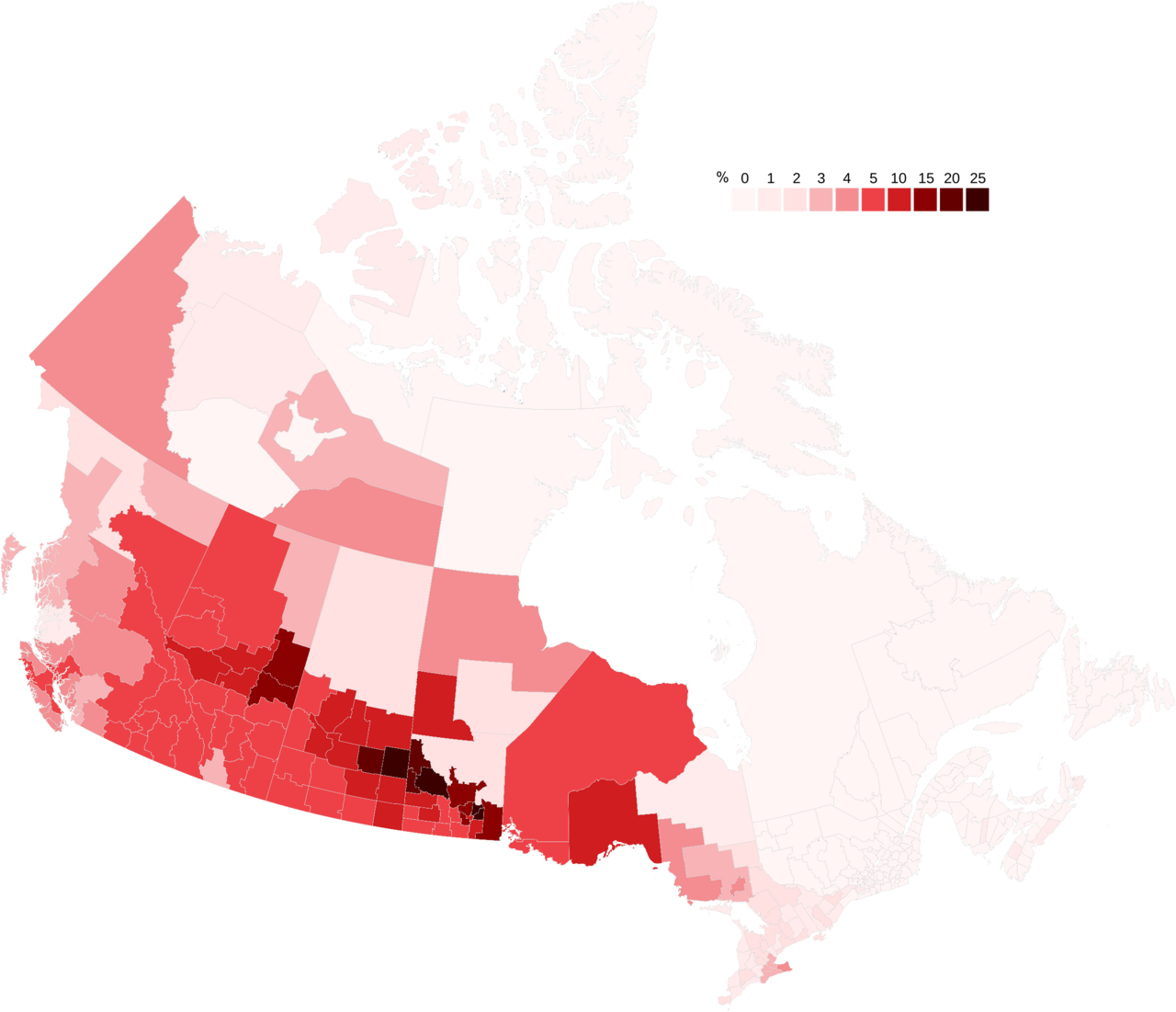
Ukrainian heritage is central to Dauphin's identity. Canada's National Ukrainian Festival, held since 1966 at Selo Ukraina south of the city, is the largest event of its kind in the country and draws performers and visitors from across North America and from Ukraine.
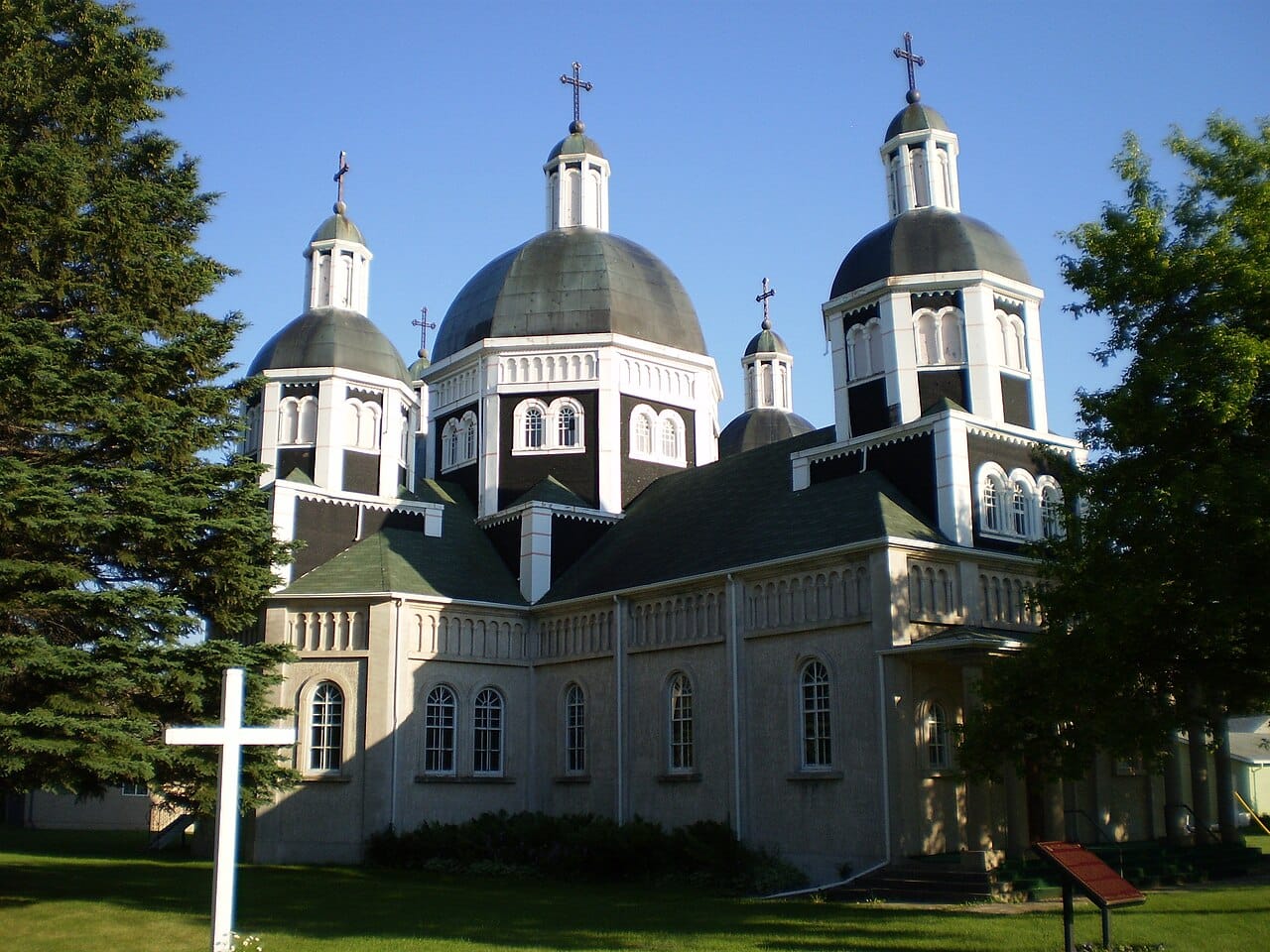
The area's Ukrainian churches are among the most recognisable landmarks of the Parkland, and the two eastern rites, Catholic and Orthodox, both established parishes here as the settlers arrived.
Countryfest, a large outdoor country music festival held at the same site since 1990, is the city's other major annual event.
The 2021 census recorded 8,368 residents. Dauphin serves a trading area several times its own size, and like much of rural Manitoba it has an older age profile than the province as a whole.