Offender profiling infers a perpetrator's characteristics from crime scene evidence. The specific claim that it reliably narrows a suspect pool, and that trained profilers do so better than other people, is not supported by the research and has not been for decades.
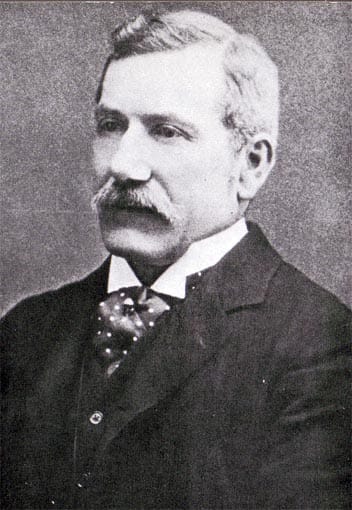
The first documented profile is usually credited to Thomas Bond, a police surgeon who in 1888 wrote an assessment of the Whitechapel murderer's likely characteristics. James Brussel's 1956 profile of New York's Mad Bomber is the other founding case, and it was reported as strikingly accurate.
The method was formalised by the FBI Behavioral Science Unit in the 1970s. Its members interviewed convicted serial offenders and from those interviews built a system for inferring characteristics from scene evidence.
The central FBI framework divided offenders into two types. Organised offenders plan, control the victim, bring a weapon and leave a tidy scene, and were said to be intelligent, socially competent and employed. Disorganised offenders act impulsively, leave a chaotic scene, and were said to be of lower intelligence and socially isolated.
The typology has been tested and does not hold. David Canter and colleagues analysed the crime scenes of 100 American serial murders in 2004 and found that the organised features occurred together in most cases, so they characterised serial murder generally rather than distinguishing a subgroup. The disorganised features did not co-occur reliably at all. The classification does not partition offenders because most cases show a mixture.
The underlying assumption is also questionable. It requires behaviour at a crime scene to reflect stable personality traits consistently enough to be read backwards, and the personality literature has found situational variability in behaviour to be large.
Studies comparing profilers with other groups on the same case material have found small differences and inconsistent ones. Profilers do somewhat better than untrained people on some measures, and generally not better than other experienced investigators, and sometimes not better than students given the same file.
Richard Kocsis's studies found professional profilers outperforming comparison groups on some dimensions, and chemistry students performing comparably on others. Brent Snook and colleagues reviewed the field in 2007 and 2008 and concluded that the evidence for meaningful accuracy was thin, and that profiling's reputation rested largely on anecdote.
The Barnum effect explains part of the reputation. Profiles often contain statements that fit a large fraction of possible offenders, and such statements are read as accurate once a suspect is in custody. Alison and colleagues demonstrated this directly in 2003 by giving officers a profile and either the real offender or a fabricated and quite different one, and finding that both groups rated the profile as accurate.
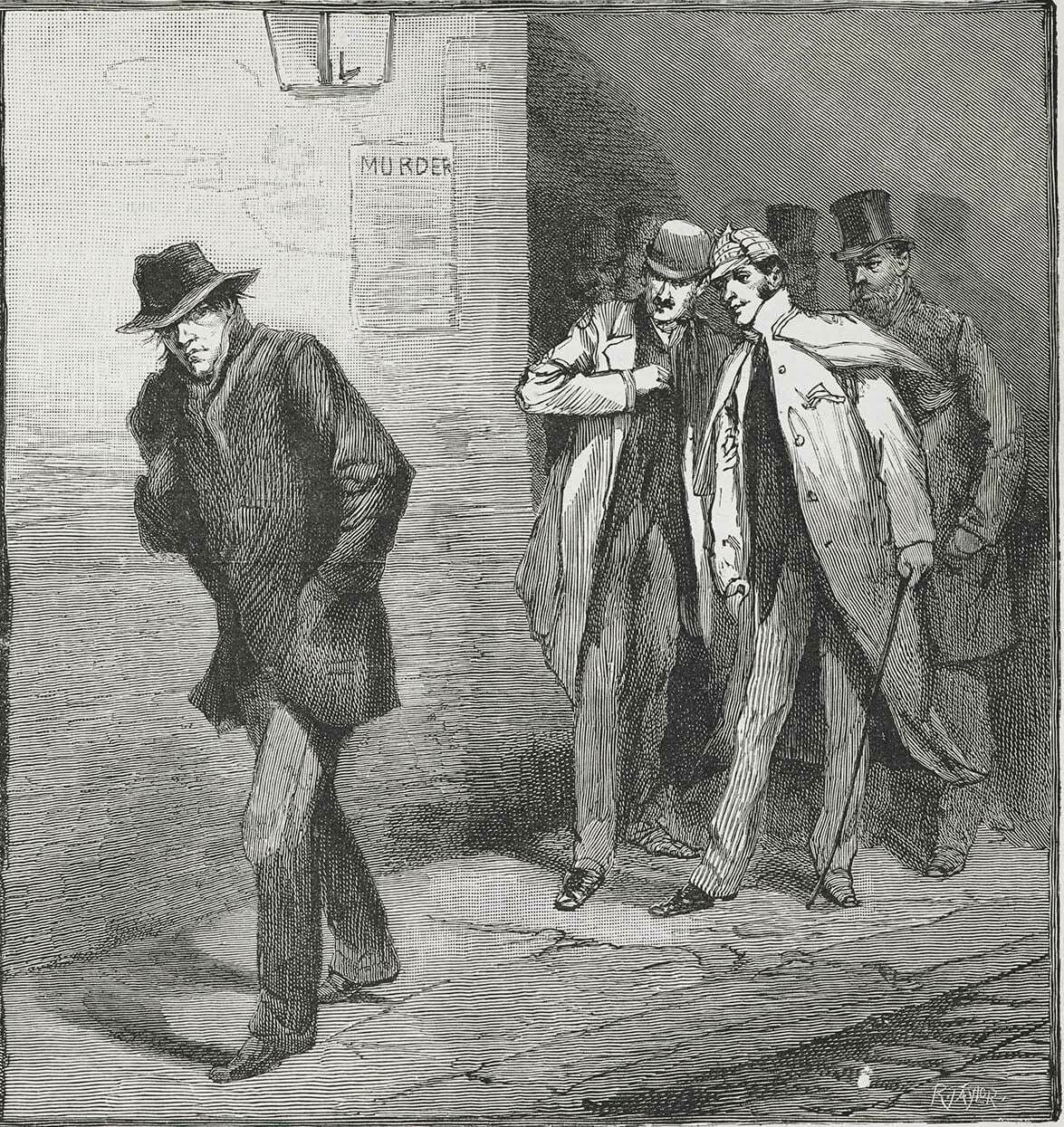
The famous successes are selected after the event. The Mad Bomber profile is remembered for the detail about a buttoned double-breasted suit and not for the parts that were wrong, including the predicted nationality and living arrangements.
The failures are less remembered. In the Washington sniper case of 2002 the widely circulated profile described a single white male in a white van; the offenders were two Black men in a blue sedan. In the Yorkshire Ripper investigation an incorrect geographic and dialect assessment contributed to the eventual offender being interviewed and released several times.
Two related practices have better evidence and are often confused with profiling.
Geographical profiling infers a likely base of operations from the spatial pattern of offences. It rests on measurable regularities in how far people travel to offend, is testable, and performs adequately in evaluations. Its claims are modest and about geography rather than personality.
Linkage analysis, determining whether several offences share an offender from behavioural consistency, has moderate empirical support.
Neither supports the popular picture of an expert deducing a personality from a crime scene. That picture comes largely from fiction, and its persistence in policing is itself a subject of research.