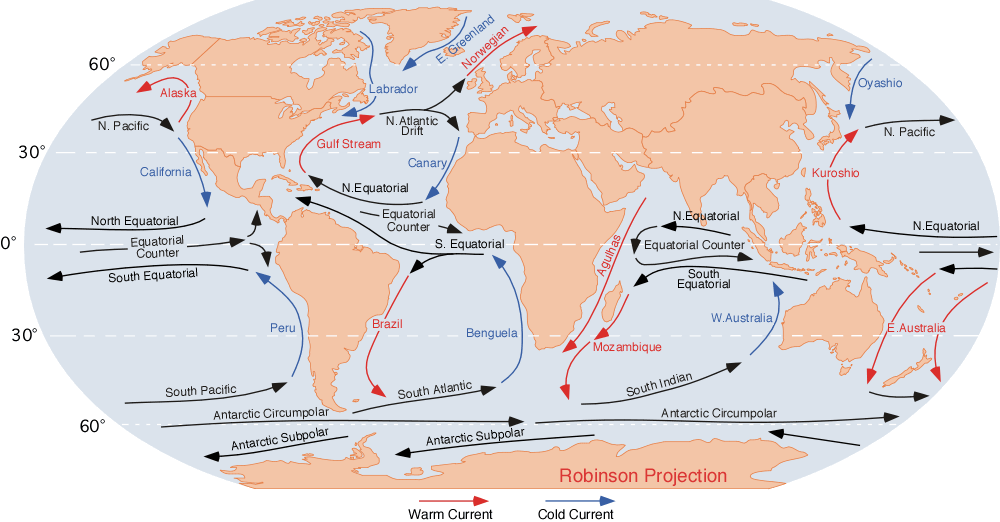
Structures built by colonial animals from calcium carbonate, occupying a tiny fraction of the ocean floor and supporting a very large share of its species. They exist because of a partnership between an animal and an alga, and that partnership is what makes them vulnerable.
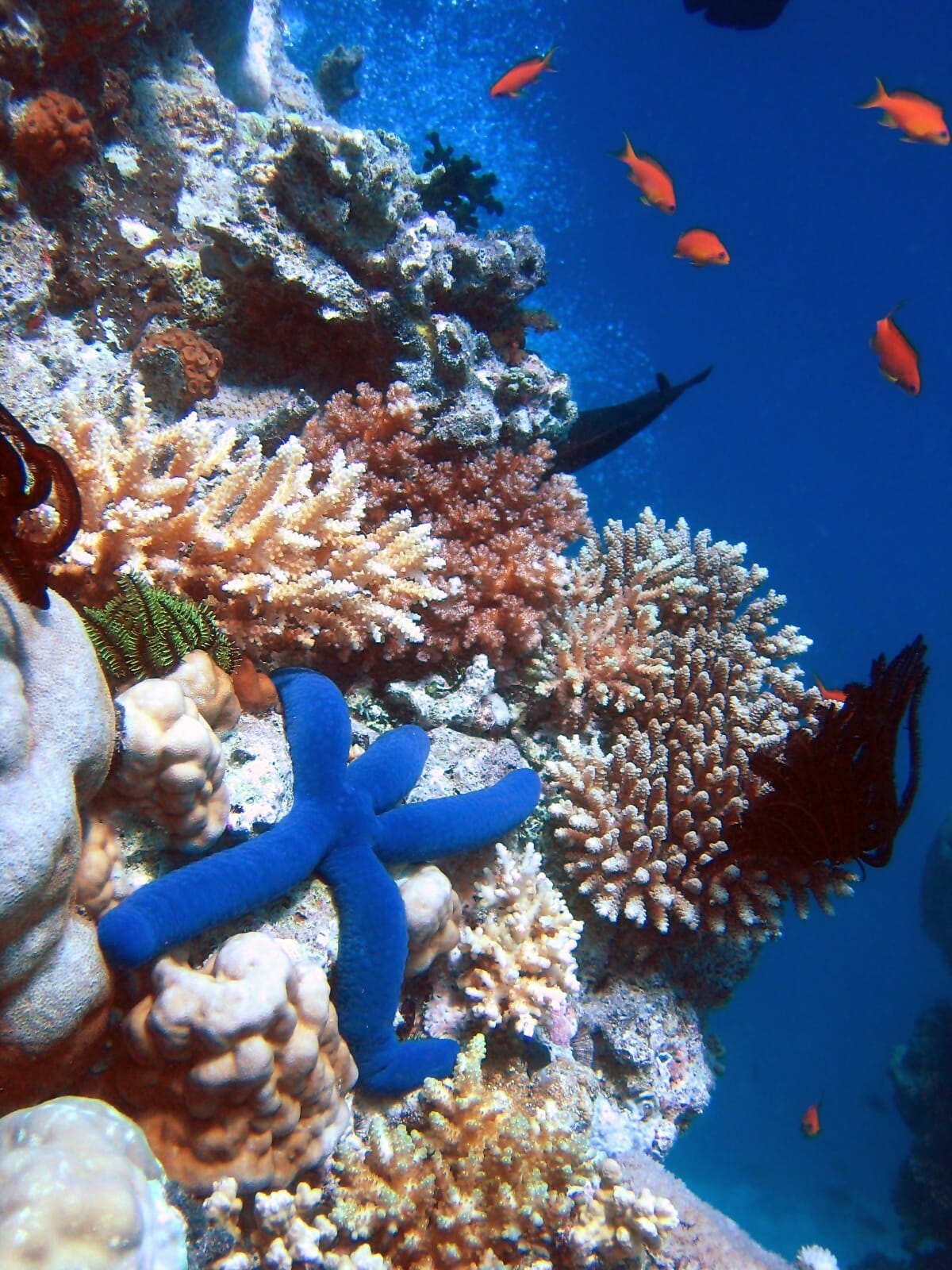
A coral is an animal, a polyp related to sea anemones and jellyfish, with a ring of tentacles around a mouth.
Reef-building corals are colonial. Each polyp secretes a calcium carbonate skeleton beneath itself, and colonies of thousands grow together. A reef is the accumulated skeleton of many generations, with a thin living layer on the surface.
Growth is slow, typically a few millimetres to a few centimetres per year, so large reef structures represent thousands of years of accumulation.
Reef-building corals contain single-celled algae called zooxanthellae in their tissues.
The algae photosynthesise and pass a large share of the resulting sugars to the coral, in some cases supplying the great majority of its energy. The coral supplies shelter, carbon dioxide and nitrogen compounds.
This arrangement explains nearly everything about where reefs occur. They require clear water, because the algae need light, which is why reefs are shallow and absent where rivers deliver sediment. They require warm water, restricting them mostly to the tropics. And they thrive in nutrient-poor water, which is unusual: most productive marine systems require nutrients, and reefs achieve high productivity in clear ocean water precisely because the partnership recycles nutrients internally rather than drawing them from the surroundings.
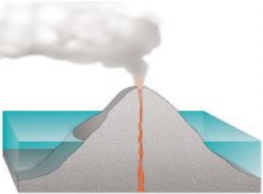
Fringing reefs grow directly against a shore.
Barrier reefs are separated from the shore by a lagoon.
Atolls are rings of reef enclosing a lagoon, with no central island.
Charles Darwin proposed in 1842 that these are three stages of a single process. A reef forms around a volcanic island; the island subsides slowly while the reef grows upward to stay in the light; eventually the island disappears beneath the surface leaving a ring.
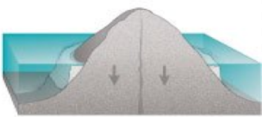
The proposal was made from surface observation alone and was confirmed a century later when drilling through Pacific atolls reached volcanic basement beneath more than a kilometre of reef limestone, exactly as subsidence requires. It is among the more strongly vindicated predictions in the earth sciences.
Reefs occupy well under one per cent of the ocean floor and are estimated to support around a quarter of all marine species, which makes them the most concentrated marine habitat known.
They protect coastlines. Reefs dissipate a large proportion of incoming wave energy, and their loss increases coastal erosion and storm damage measurably. Studies have estimated the value of this protection in the billions of dollars annually and, more importantly, the populations exposed without it.
They support fisheries on which many coastal and island populations depend for protein and income, and tourism revenue in reef regions is substantial.
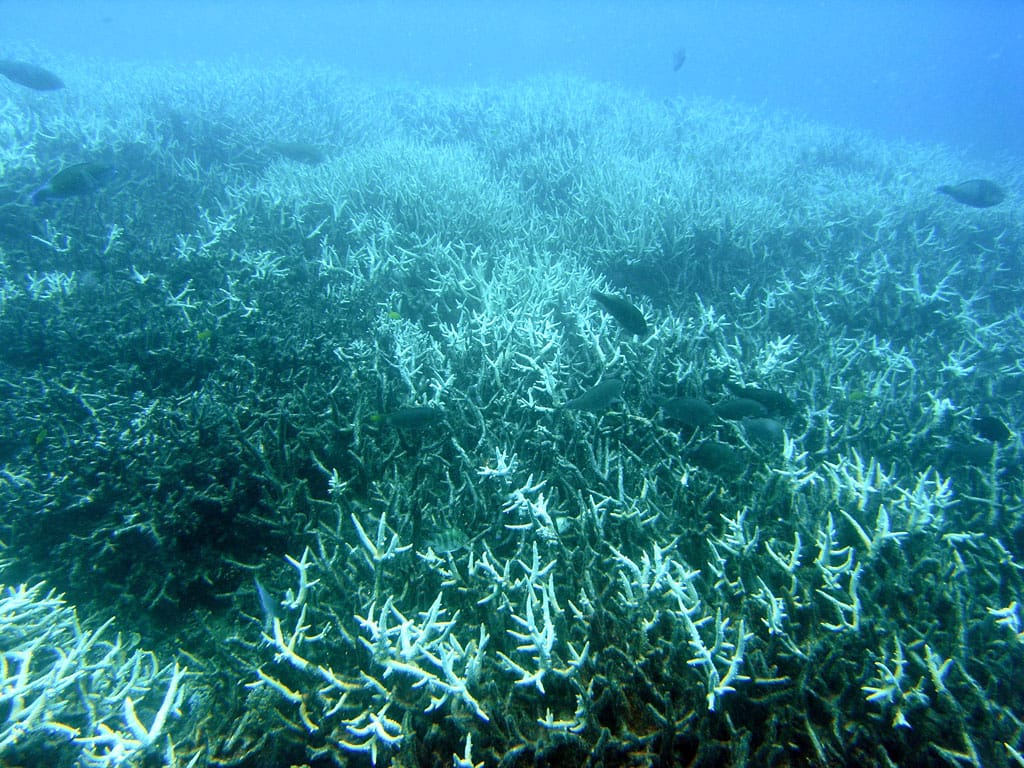
The partnership breaks down under stress. When water is too warm, the algae are expelled, and the coral loses both its colour, revealing the white skeleton beneath, and its main energy supply.
Bleaching is not immediately fatal. If conditions return to normal quickly the algae can be reacquired. If the stress persists the coral starves.
Mass bleaching events driven by marine heatwaves have become markedly more frequent since the 1980s, and repeated events give reefs less time to recover between them. Successive global bleaching events have affected large fractions of the world's reefs, and the Great Barrier Reef, treated in its own capsule, has experienced several within a decade.
Ocean acidification compounds this. Additional dissolved carbon dioxide lowers the pH of seawater and reduces the availability of the carbonate ions corals use to build skeletons, making construction harder and dissolution easier.
Local pressures act alongside the global ones: nutrient runoff promotes algae that overgrow corals, sediment blocks light, destructive fishing damages structure directly, and disease outbreaks have caused severe losses in some regions.
Projections indicate substantial losses of reef cover under continued warming, with the extent depending on emissions and on whether corals or their algal partners can adapt quickly enough, which is an active research question.
Coral reefs concentrate more biological diversity into less area than any other marine system, and they physically protect coastlines that hundreds of millions of people live on.
They are also the clearest example of a whole ecosystem whose existence depends on a single symbiotic relationship operating within a narrow temperature range, which is what makes them the most frequently cited indicator of ocean warming.