Richard Wrangham's proposal that cooking made humans human: that controlling fire and processing food with it supplied the energy for a large brain, reshaped the body, and set the pattern of human social life. The argument is elegant and its central evidence problem is the date.
Wrangham set it out in Catching Fire in 2009.
Cooking externalises digestion. Heat gelatinises starch, denatures protein and softens tissue, so cooked food yields substantially more usable energy than the same food raw, and requires far less effort to chew and digest.

That energy gain, he argues, is what a large brain required. Brain tissue is metabolically expensive, and a raw diet in the available environments could not have supported it. The gut reduction and the tooth and jaw reduction seen in the human lineage follow from food that needs less processing.
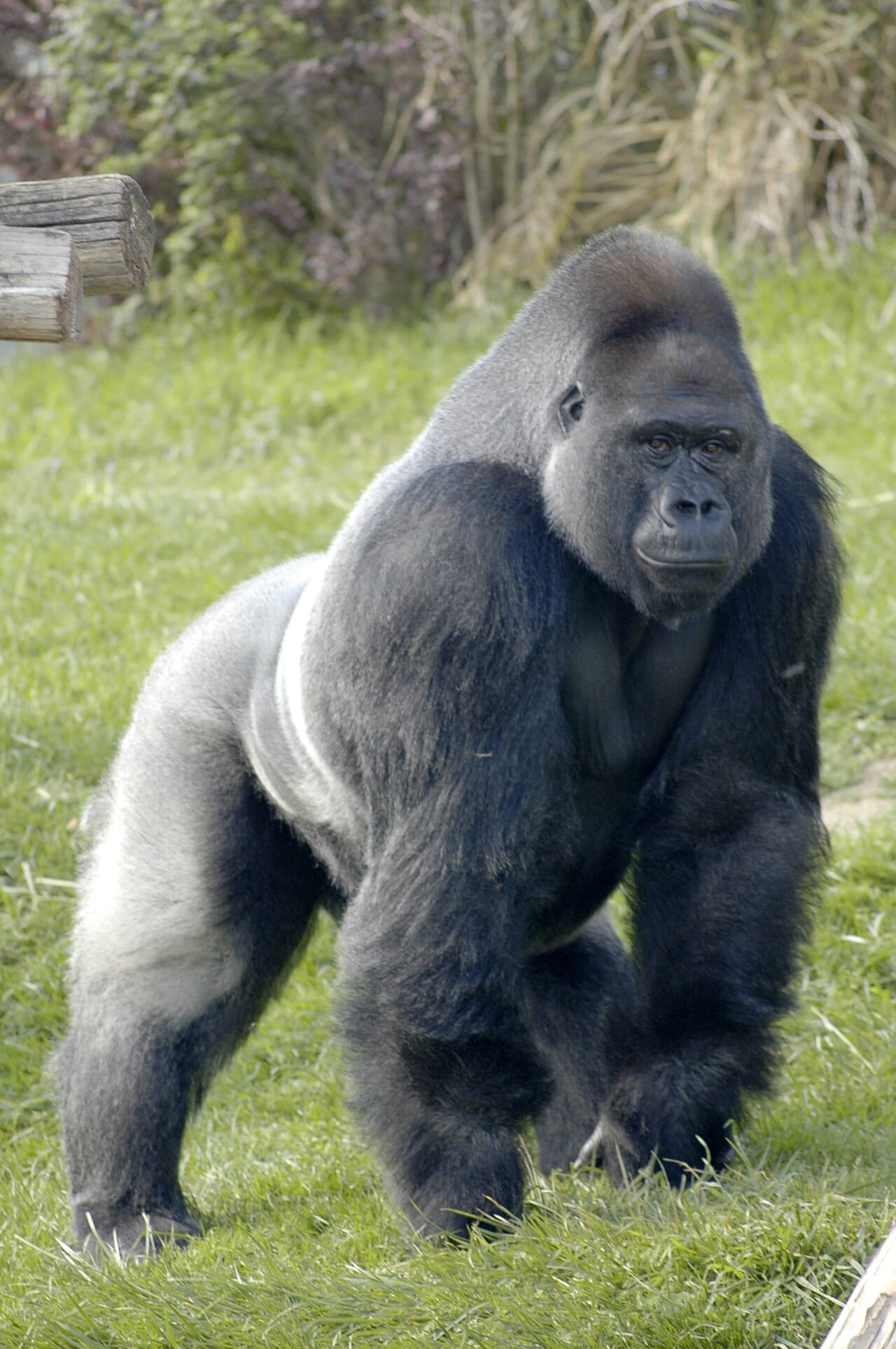
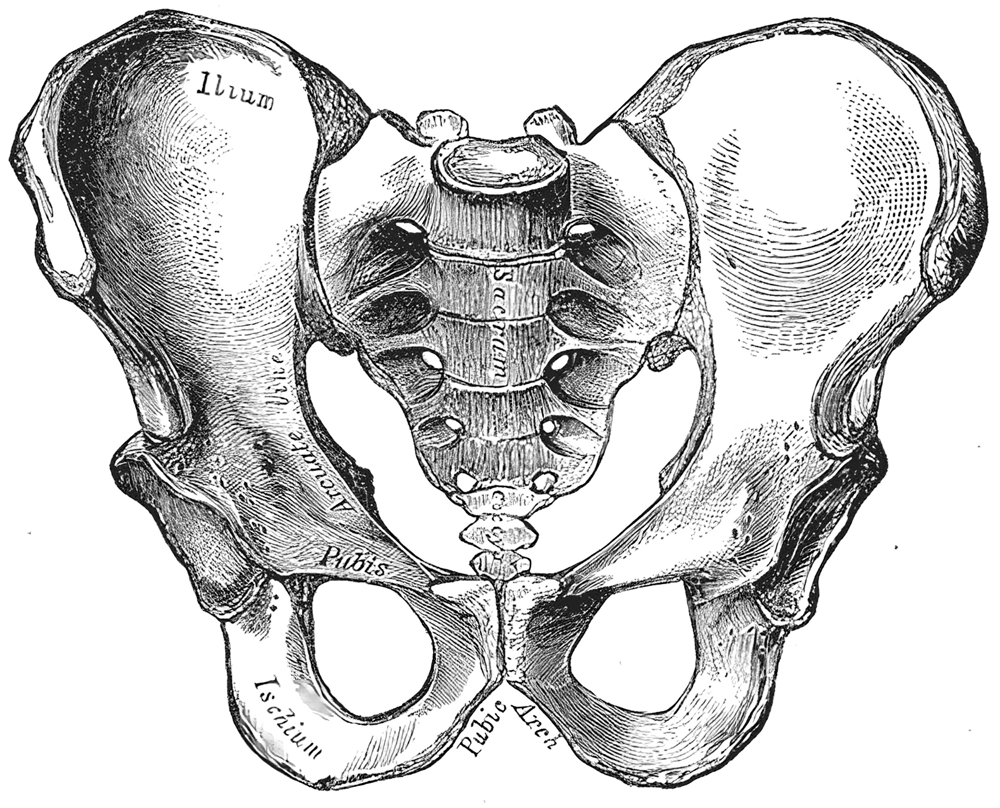
The bodily evidence is real. Humans have small teeth, weak jaw muscles, small stomachs and short colons relative to other apes, and we cannot survive on raw wild foods in the way our anatomy would otherwise suggest. Studies of modern raw-food dieters, eating cultivated high-yield produce with modern blenders, still find low body weight and, in women, frequently disrupted menstruation.
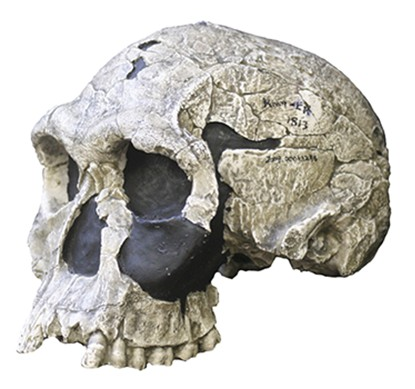
Wrangham places the transition at the origin of Homo erectus, roughly 1.9 million years ago, because that is where the anatomy changes: body size up, teeth down, gut inferred smaller.
He extends the argument socially. A cooked meal must be prepared in one place and takes time, which creates a site of shared food, a division of labour, and vulnerability to theft that pair-bonding may have addressed. The household, on this account, is a consequence of the hearth.
The hypothesis requires controlled fire by 1.9 million years ago, and the archaeological evidence for that is thin.
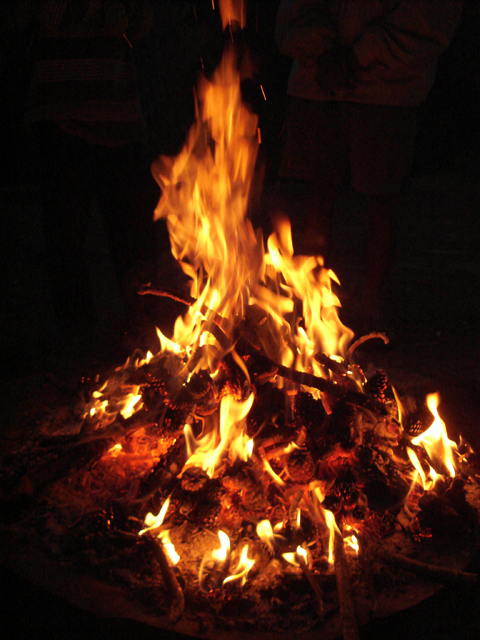
Firm, widely accepted evidence of habitual fire use appears around 400,000 years ago, with hearths, burnt bone and heat-altered stone in association. Earlier claims exist. Wonderwerk Cave in South Africa has burnt material at around a million years, and Koobi Fora and Chesowanja in Kenya have suggestive traces at 1.5 million, but these are contested and the distinction between a controlled fire and a natural one that passed through a site is genuinely difficult to make.
That leaves a gap of well over a million years between the anatomical change the hypothesis explains and the earliest reasonable evidence of the cause.
The absence of evidence is not decisive. Open-air hearths preserve poorly, early fire use may have been occasional rather than habitual, and the sites available from that period are few. But a hypothesis whose key requirement is undemonstrated for a million years is in an uncomfortable position, and Wrangham has acknowledged this as the main challenge to it.
Non-thermal processing may account for much of the gain. Pounding, slicing and grinding also reduce chewing effort and increase digestibility, require no fire, and are archaeologically attested earlier through stone tools. Work by Daniel Lieberman and others has quantified the chewing reduction from simple mechanical processing and found it substantial.
Increased meat eating raises energy density without cooking, and cut-marked bones appear well before any fire evidence.
The metabolic premise has also been questioned. Herman Pontzer's measurements found human total energy expenditure higher than other apes rather than merely reallocated, which suggests the constraint on brain size was solved by raising energy throughput generally rather than by cooking specifically. Cooking would be one contributor among several, including hunting, food sharing and cooperative provisioning.
That cooking increases energy yield and reduces processing cost is established experimentally and is not in dispute. That humans are obligate cooks, unable to thrive on raw wild food, is well supported. That fire use became universal and central to human life is obvious.
What is contested is whether cooking caused the anatomical transition or accompanied it, and whether the timing works at all.
The hypothesis is filed here rather than as a theory because its central requirement is an archaeological claim that the archaeology does not currently support. If controlled fire is securely dated to two million years, the argument becomes very strong. Until then it is a good explanation waiting on a date.