The art and industry of moving pictures. It rests on a property of perception, was invented within a few years in several countries at once, and became the first mass art form of the twentieth century.
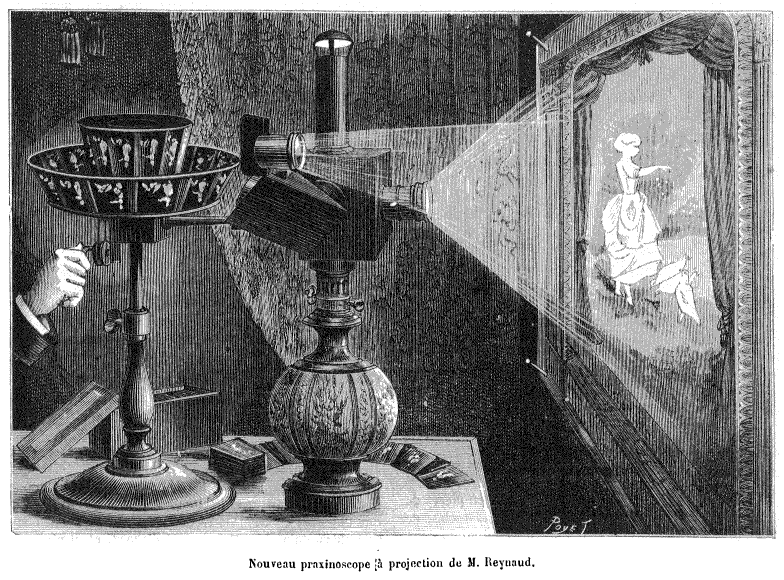
A film is a sequence of still images shown in rapid succession. Motion is perceived because the visual system integrates them, an effect usually attributed to persistence of vision and better explained by the beta movement and phi phenomena, in which the brain constructs motion between successive static images.
The rate matters. Below about sixteen images per second, motion appears jerky. Silent film ran at varying rates around that figure, which is why footage played at modern speeds appears comically fast. Twenty four frames per second became the sound-era standard because it was the slowest rate giving acceptable audio quality on an optical soundtrack.
Several strands converged in the 1880s and 1890s.
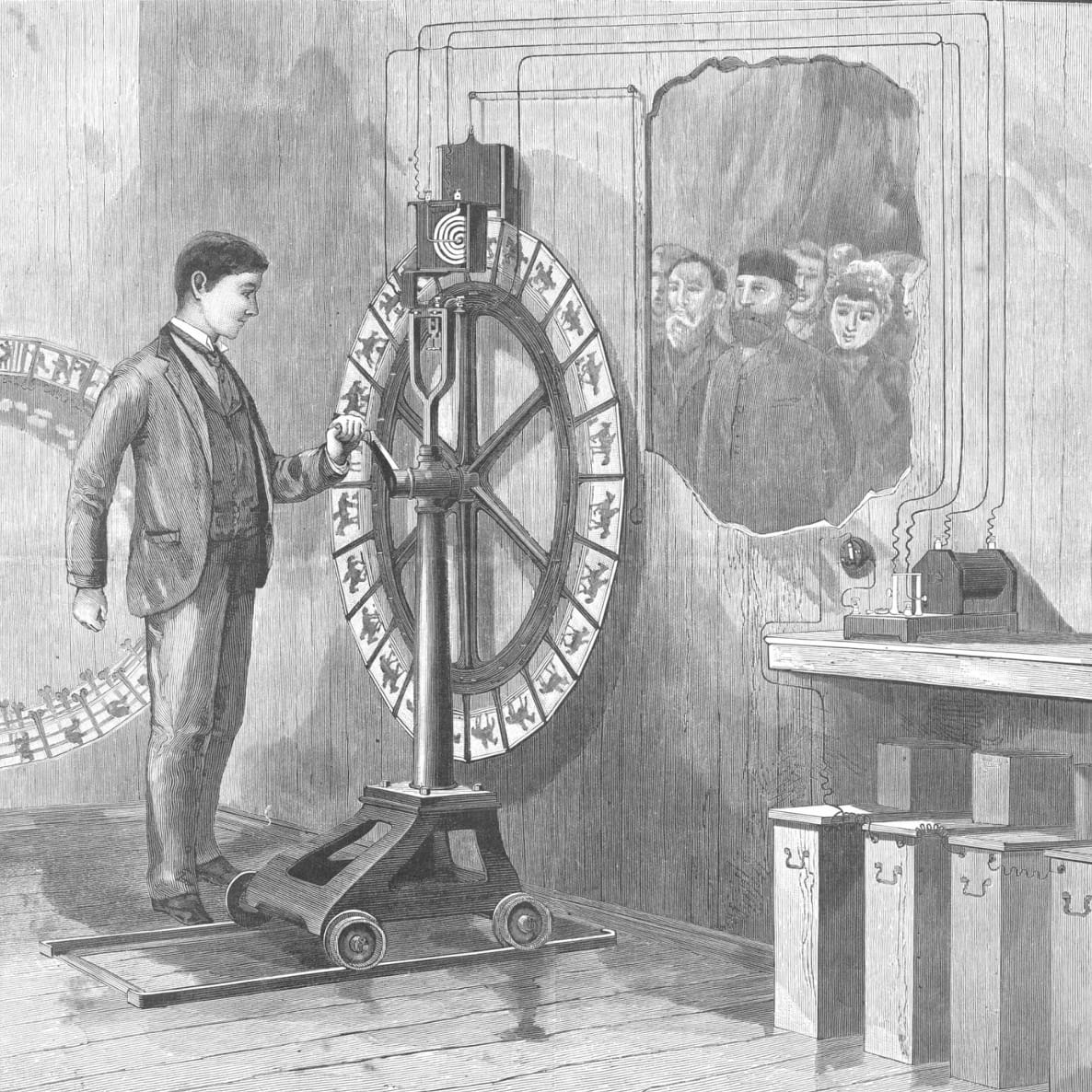
Eadweard Muybridge's sequential photographs of a galloping horse in 1878, made to settle whether all four hooves leave the ground at once, demonstrated that motion could be broken into stills. Étienne-Jules Marey developed chronophotography for scientific study of movement.
Flexible celluloid film, from the late 1880s, supplied a medium that could be moved rapidly through a camera.
Thomas Edison's laboratory, with William Dickson doing much of the work, produced the Kinetoscope, a cabinet viewed by one person at a time.
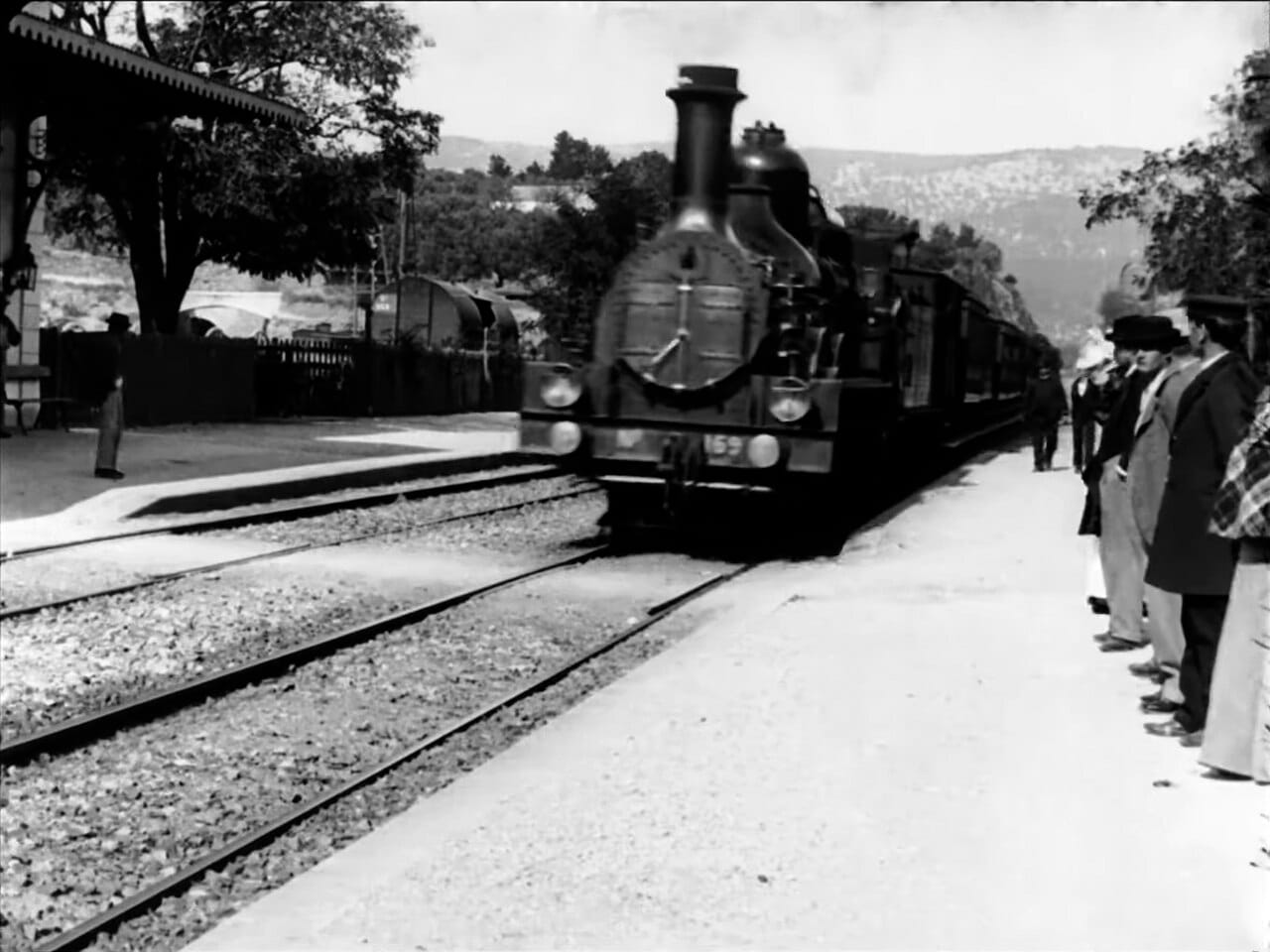
The Lumière brothers in France projected films to a paying audience in 1895, and projection is the decisive step, since it made film a collective experience and therefore a commercial and social one.
The story that audiences fled the arrival of a train is almost certainly exaggerated and is itself an early example of film publicity.
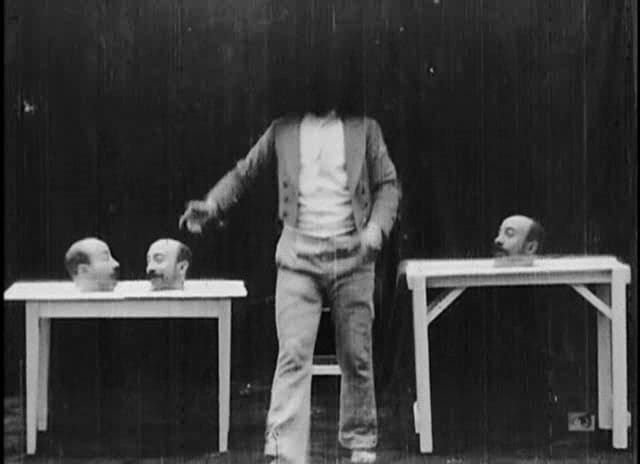
Georges Méliès, a magician, discovered that film could show things that had not happened, developing substitution splices, multiple exposure and other effects. From the beginning the medium therefore had two impulses: recording the world, and constructing one.
Early films were single fixed shots. The techniques now taken for granted had to be invented and were not obvious.
Editing between shots, changes of camera distance, cross-cutting between simultaneous actions, and camera movement developed over roughly two decades, and audiences had to learn to read them. Cutting from a wide shot to a close-up was initially confusing rather than natural.
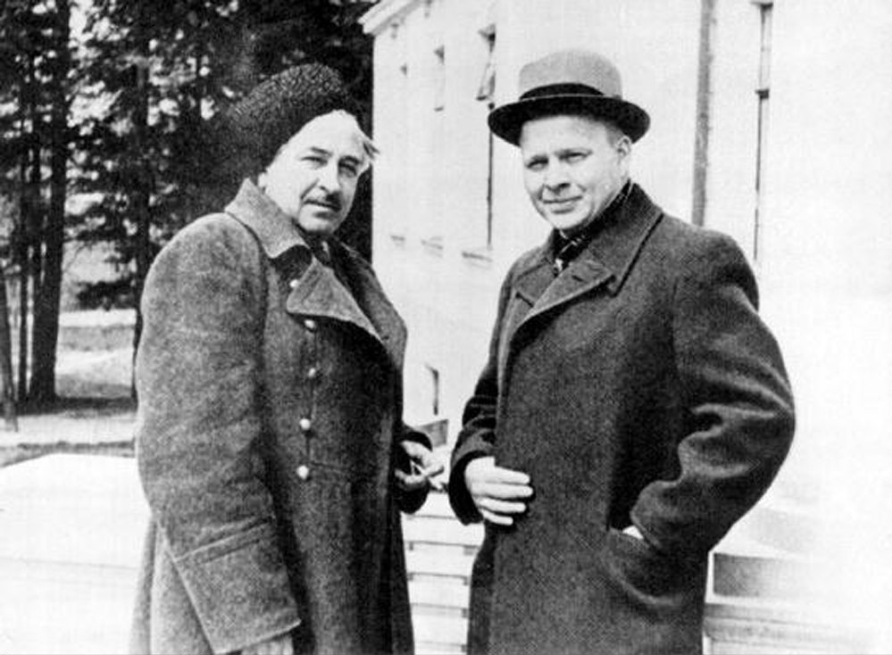
Soviet filmmakers in the 1920s investigated editing systematically. The Kuleshov effect, in which the same shot of an actor's face appears to express different emotions depending on the shot that follows it, demonstrated that meaning is produced by juxtaposition rather than residing in the individual shot.
Sound arrived commercially in 1927 and changed the industry within about three years. It ended some careers, restricted camera movement initially because early microphones and cameras were noisy and immobile, and it fragmented the international market, since a silent film needed only new title cards to cross a language boundary.
Colour developed through several processes, with three-strip Technicolor from the 1930s producing the saturated look of the period, and it became standard in the 1950s and 1960s.
Television prompted the widescreen formats and spectacles of the 1950s, as cinema differentiated itself from a competitor in the home.
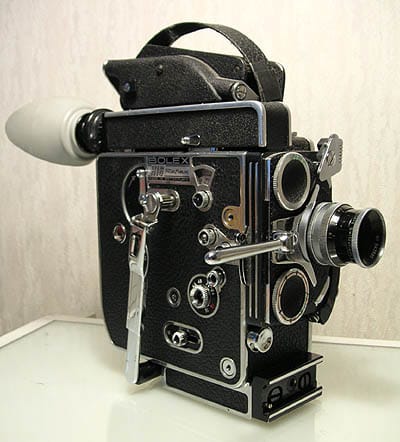
Lightweight cameras and portable sound in the 1950s and 1960s enabled shooting outside studios, which underlies both observational documentary and the new wave movements in Europe and elsewhere.
Digital capture and projection displaced film stock in the 2000s, and digital effects removed most physical limits on what can be depicted. Streaming distribution has changed release patterns and financing substantially since the 2010s.
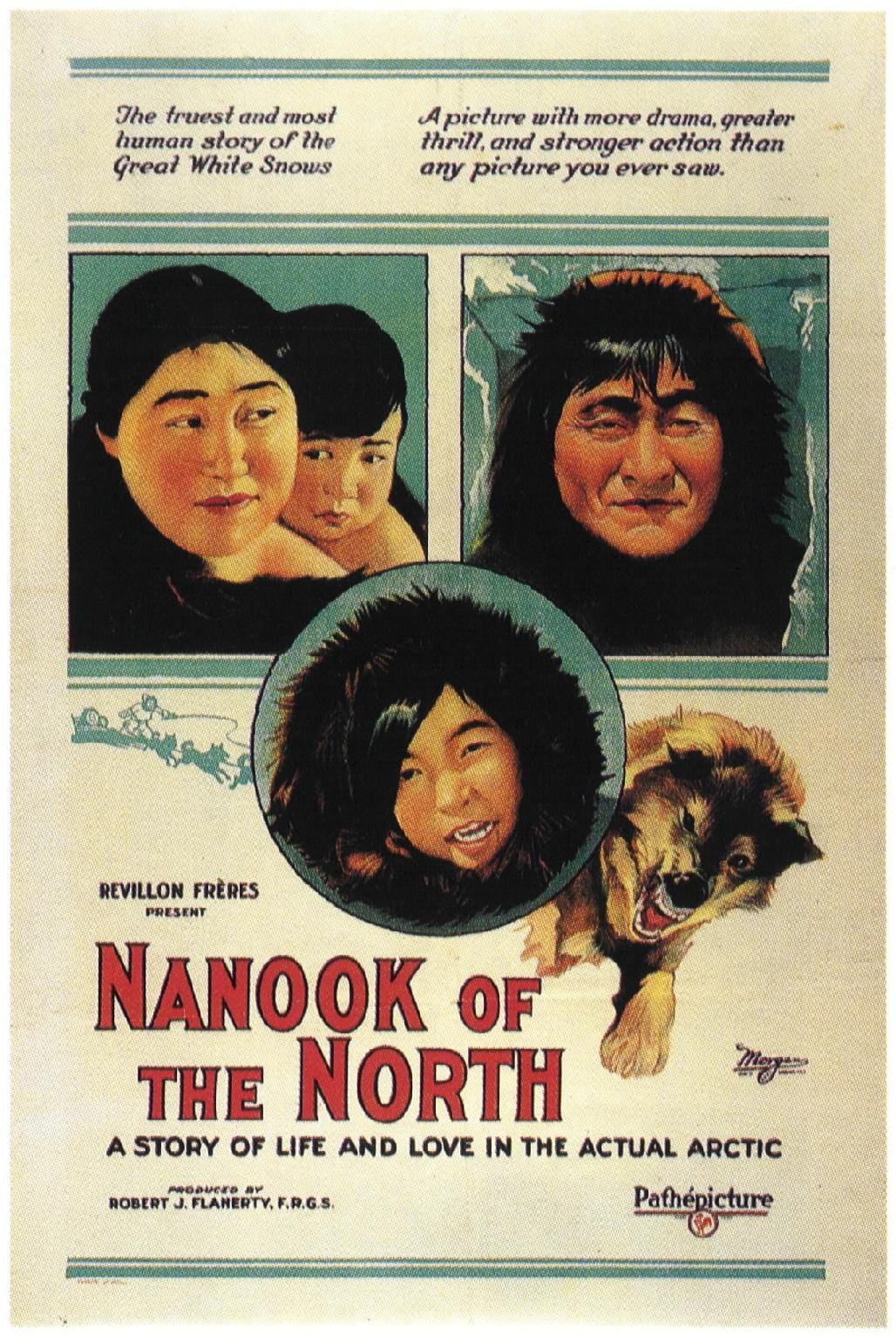
American cinema dominates global revenue and attention, and it has never been the whole of the medium.
India produces more feature films annually than any other country, with major industries in several languages. Japanese, Chinese, Korean, Iranian, Egyptian, Nigerian and Latin American cinemas have their own traditions, audiences and international influence, and Nigeria's video-based industry is among the largest in the world by output.
Cinema was the first art form that was simultaneously mass-produced, industrially distributed and available at low cost to a general audience, and for much of the twentieth century it was the dominant shared cultural experience.
It also demonstrates a pattern common to media technologies: the mechanism was discovered by people interested in the mechanism, and what the medium became was determined afterwards by others who saw that it could tell stories.