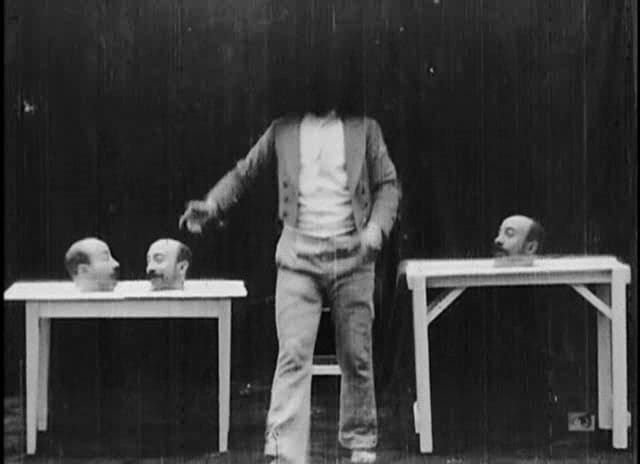
Film presenting factual material about real events and people. The form is as old as cinema itself, and the question of how far a documentary constructs what it appears merely to record has been part of it from the beginning.
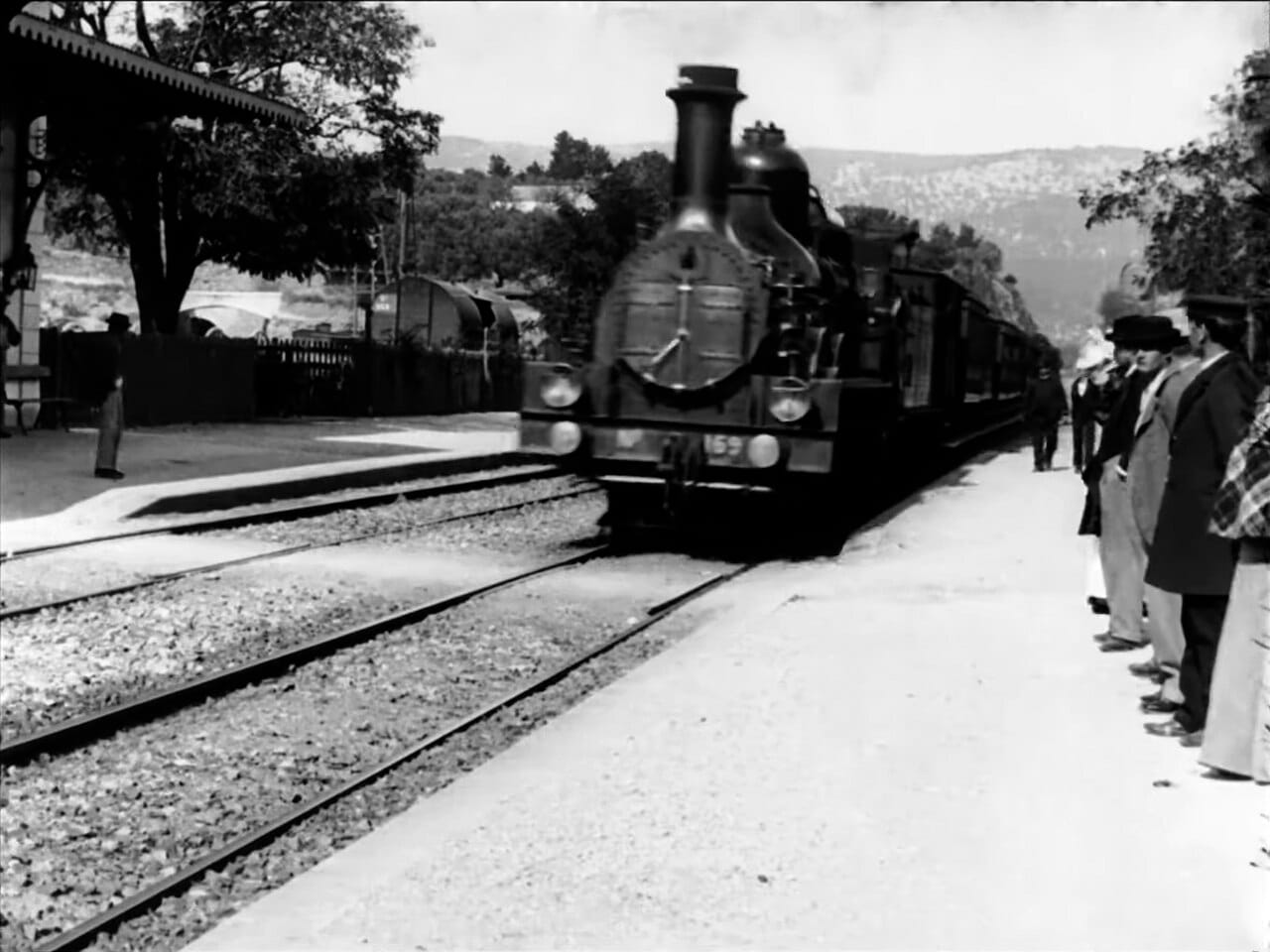
The earliest films were documentary in the sense of recording actuality. The Lumière brothers filmed workers leaving a factory and a train arriving at a station, and audiences came to see the world reproduced rather than a story told.
These were single unedited shots. What was missing was the shaping that turns footage into an account.
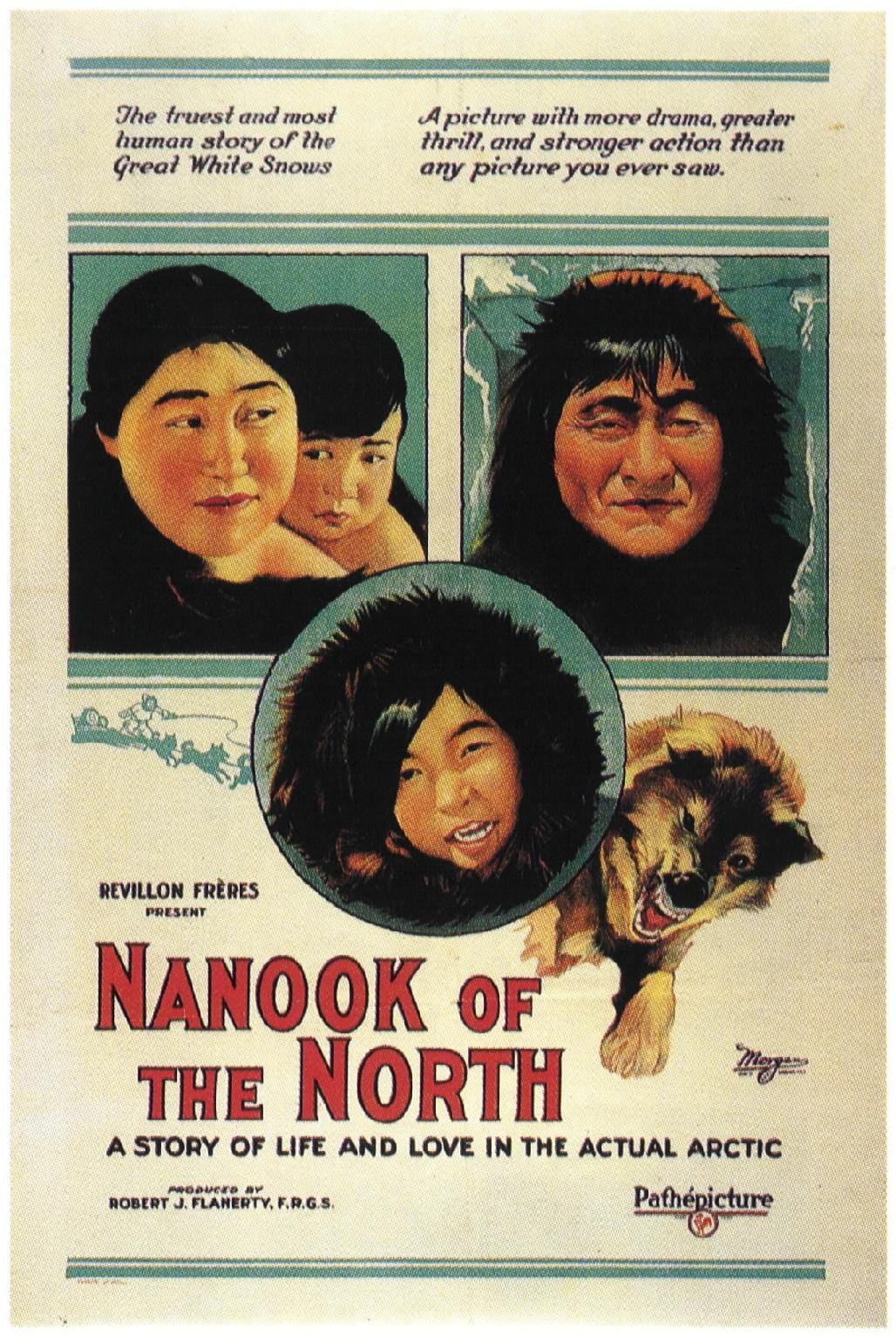
Nanook of the North, released in 1922, is conventionally treated as the first feature-length documentary. Robert Flaherty lived among Inuit people in northern Quebec and filmed hunting, building and daily life.
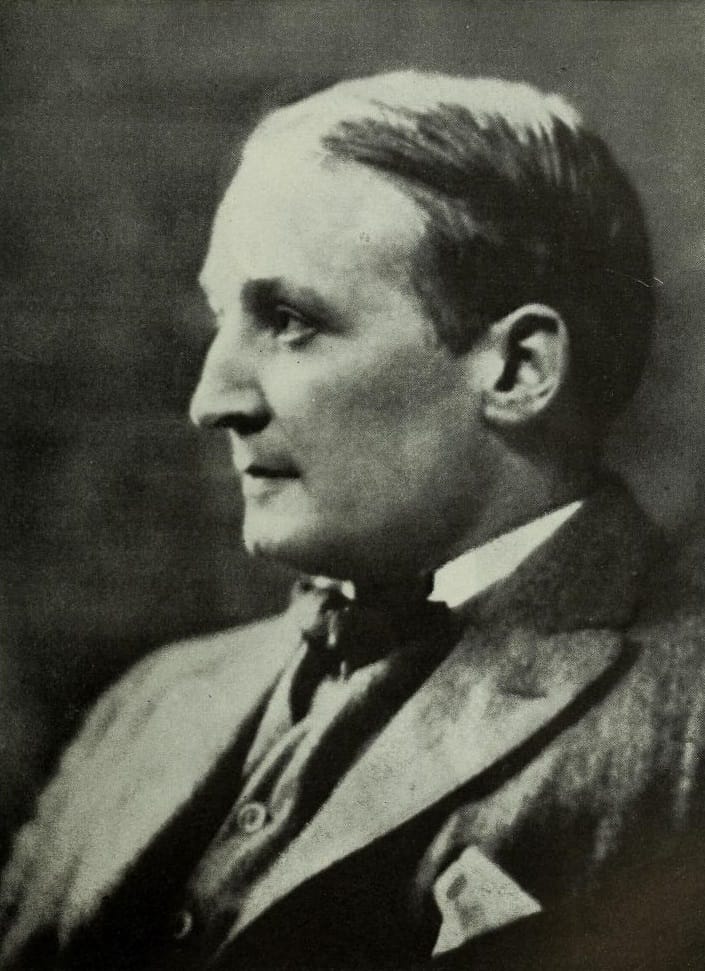
It also established the form's central problem. Flaherty staged sequences: a walrus hunt was conducted with harpoons rather than the rifles then in use, an igloo was built oversized and open-sided so there was light to film inside, and the family shown was assembled for the film.
Whether that makes it dishonest or simply makes visible what all documentary does has been argued about ever since. Flaherty's defence was that reconstruction was necessary to convey a truth that direct filming could not capture, which is an argument still made.
John Grierson coined the term documentary reviewing a later Flaherty film and defined it as the creative treatment of actuality, a phrase that concedes the point directly: the creative treatment is not incidental.
Expository documentary addresses the viewer directly, usually through narration, and assembles images to support an argument. The authoritative narrator became the default form for decades and is still the norm in broadcast natural history and history programming.
Observational documentary, which emerged in the late 1950s and 1960s, removes narration and interviews and attempts to record events without intervening. It became possible when cameras and synchronised sound recorders became light enough to be carried by two people, which is a case of a technical change producing an aesthetic one.
Cinéma vérité, developed in France, took the opposite approach from the same equipment: the filmmaker provokes and participates, on the reasoning that a camera cannot be neutral and that acknowledging it is more honest than pretending otherwise.
Participatory documentary places the filmmaker in the film explicitly, and reflexive documentary draws attention to the process of filming itself.
Essay films use documentary material to develop an argument or a meditation rather than to report.
Evidence and record. Film has documented war, disaster and atrocity, and footage shot at the liberation of the concentration camps was used in prosecutions and remains among the most consequential documentary material ever recorded.
Scientific and medical use came very early.
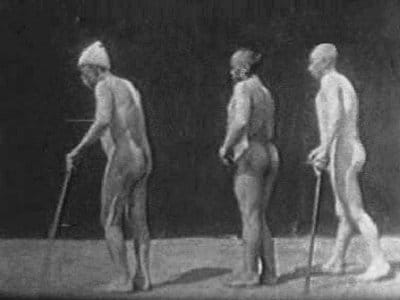
Advocacy and social reform, with films made to argue for change, from the British documentary movement of the 1930s onward.
Propaganda, which uses the same techniques toward state ends and demonstrates that documentary technique carries no guarantee of truthfulness. Leni Riefenstahl's films for the Nazi regime are the standard case, and their technical influence on later filmmaking is uncomfortable and real.
Natural history, which has become among the most watched documentary forms and which routinely uses techniques including composite sequences, captive animals and sound recorded separately, generally disclosed only in supplementary material.
Every documentary makes choices that shape meaning: what to film, where to place the camera, what to cut, what order to use, what music to add, whom to interview and which answers to keep.
None of these is avoidable, and each affects the impression given. A film assembled entirely from unstaged footage can still mislead through selection and sequence.
The contemporary position in the field is that objectivity is not achievable and that the relevant standard is one of good faith and disclosure: not fabricating events, not misrepresenting chronology, not using footage of one thing to stand for another, and being clear where reconstruction has been used.
Practice varies, and disputes over specific films are frequent, particularly where dramatic reconstruction is used without clear labelling.
Documentary is the form through which most people encounter direct evidence of events they did not witness, which gives it evidential weight that fiction does not claim.
That weight is exactly why the constructedness matters. A documentary is an argument made with real material, and treating it as unmediated record misunderstands what it is, in a way that has consequences whenever the subject is contested.