The Central African Republic is a landlocked country at the very heart of the African continent, a sparsely populated land of savanna in the north and rainforest in the south. Despite considerable natural wealth in diamonds, gold, timber, and wildlife, it is one of the poorest and least developed countries in the world, its history scarred by a brutal colonial past, instability, and recurring conflict. Its forests in the southwest shelter some of Africa's last forest elephants and lowland gorillas.
The Central African Republic has been emptied out repeatedly, first by slave raiding, then by a colonial concession system of exceptional brutality, and since independence by a cycle of coups and rebellions that has never quite ended. Its history is largely the history of what has been extracted from it.
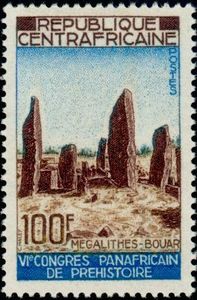
The Bouar megaliths, standing stones raised in the west of the country, are among the oldest monuments in Central Africa and are the clearest trace of the region's deep past. In later centuries the area sat between larger powers and was raided from all sides: by the Sudanese states to the north and east, by Bornu and Wadai, and by the trader-warlords of the nineteenth century, of whom Rabih az-Zubayr was the most feared. Much of the population was carried off or fled into the forests and the rock outcrops, and the territory the French found was underpopulated in a way it had not been before, a fact that still shows in the country's low density.
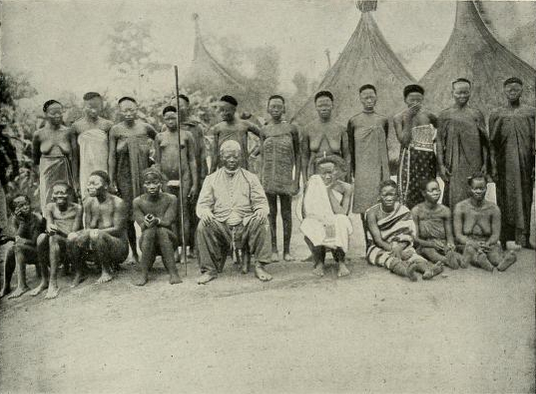
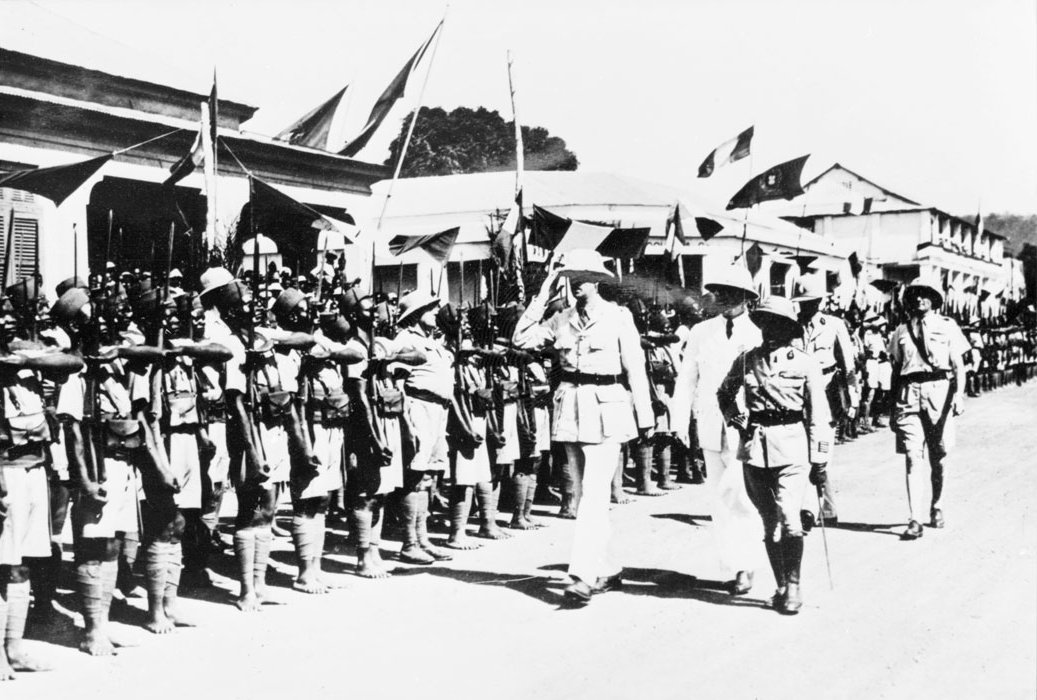
France claimed the territory as Ubangi-Shari in the 1890s and, rather than administer it, leased most of it to private concession companies with the right to extract rubber and ivory and to compel the labour to do it. The abuses were severe enough to cause a scandal in France itself when André Gide published an account of what he saw on a journey through the colony in the 1920s. Construction of the Congo-Ocean railway in the neighbouring colony took a heavy toll on conscripted workers from the region, and a major revolt, the Kongo-Wara rebellion, was suppressed between 1928 and 1931. Bangui became briefly significant during the Second World War, when French Equatorial Africa rallied to the Free French. Barthelemy Boganda, a former priest who founded the nationalist movement and gave the future country its name and its flag, died in a plane crash in 1959, months before independence.
Independence came in 1960. Six years later Jean-Bedel Bokassa took power in a coup and, in 1976, proclaimed himself Emperor Bokassa the First, staging a coronation of extraordinary expense, reportedly a substantial share of the country's annual budget, complete with a gilded throne in the shape of an eagle. He was removed by French troops in 1979 after the killing of schoolchildren who had protested against compulsory uniforms. What followed was a repeating pattern: elected governments, army mutinies, coups, and foreign interventions, with France, and later others, as the recurring external hand.
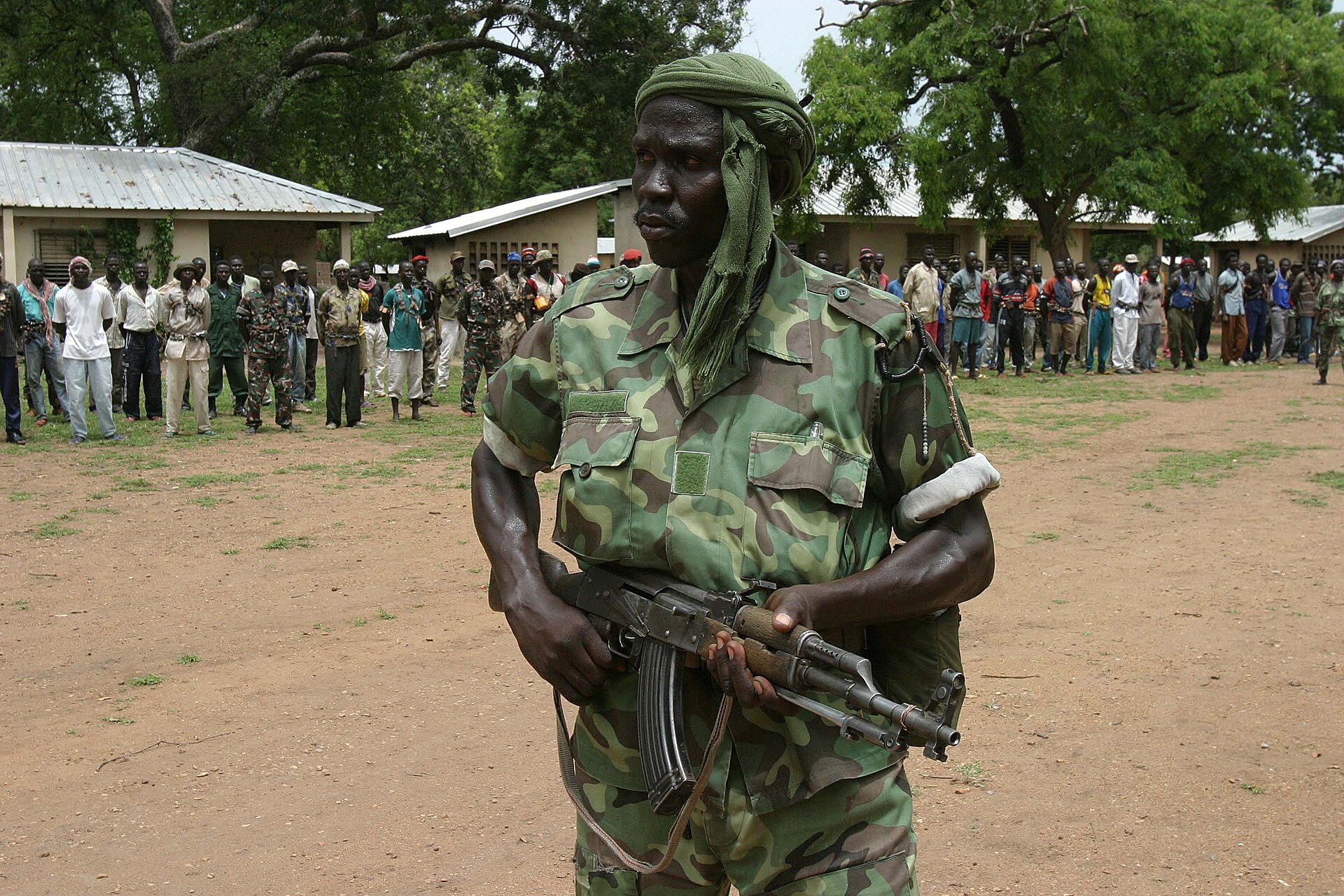
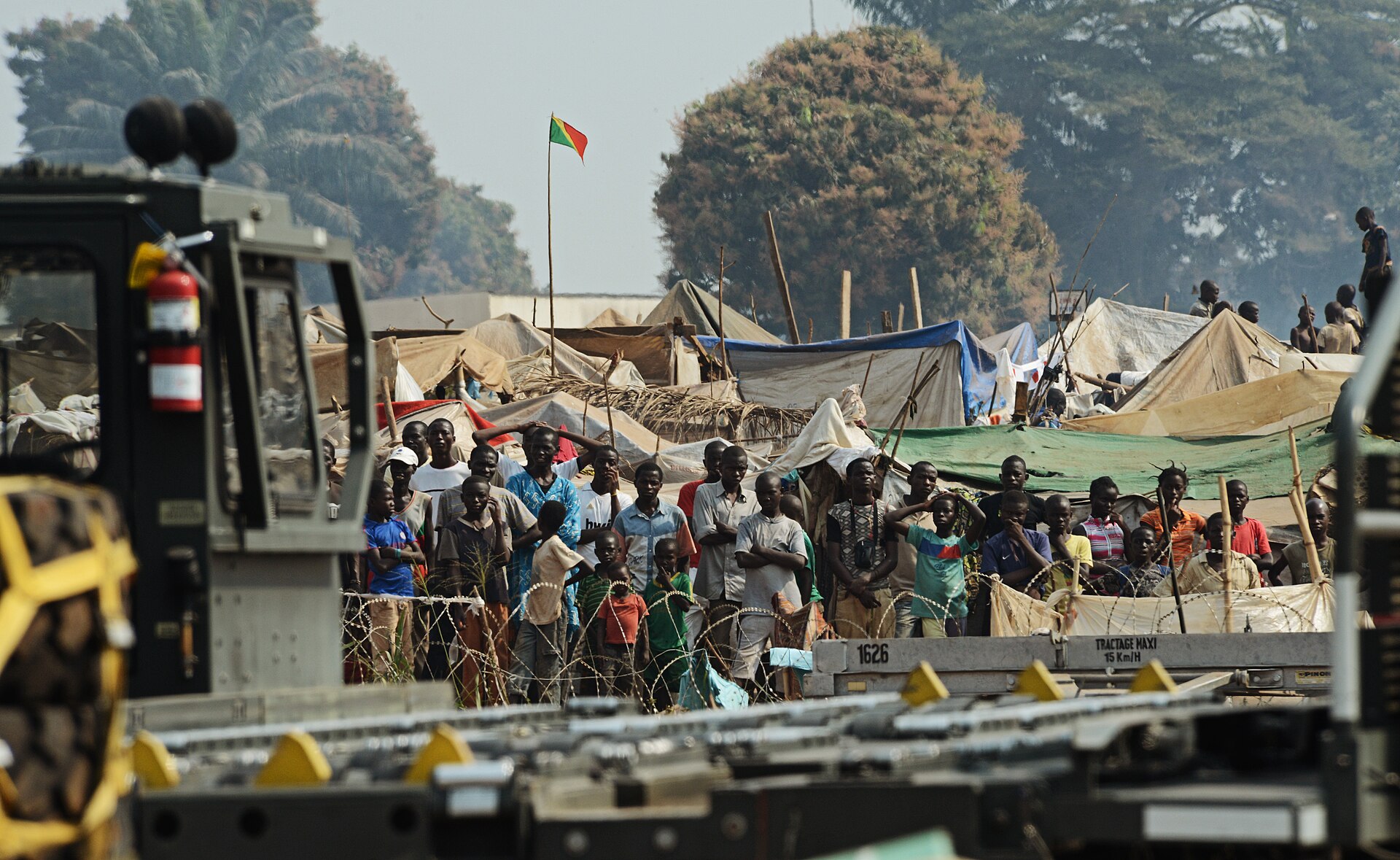
In 2013 a mainly Muslim coalition of northern rebel groups, the Seleka, overthrew the government and took Bangui. Their conduct provoked the formation of mainly Christian and animist militias, the anti-balaka, and the fighting that followed acquired a sectarian character it had not previously had, with massacres on both sides, the near-total expulsion of Muslims from parts of the west, and, at its peak, close to a quarter of the population displaced. United Nations investigators and the International Criminal Court have pursued cases arising from it; religious leaders, notably the Catholic archbishop and the leading imam of Bangui, campaigned publicly together against the sectarian framing.
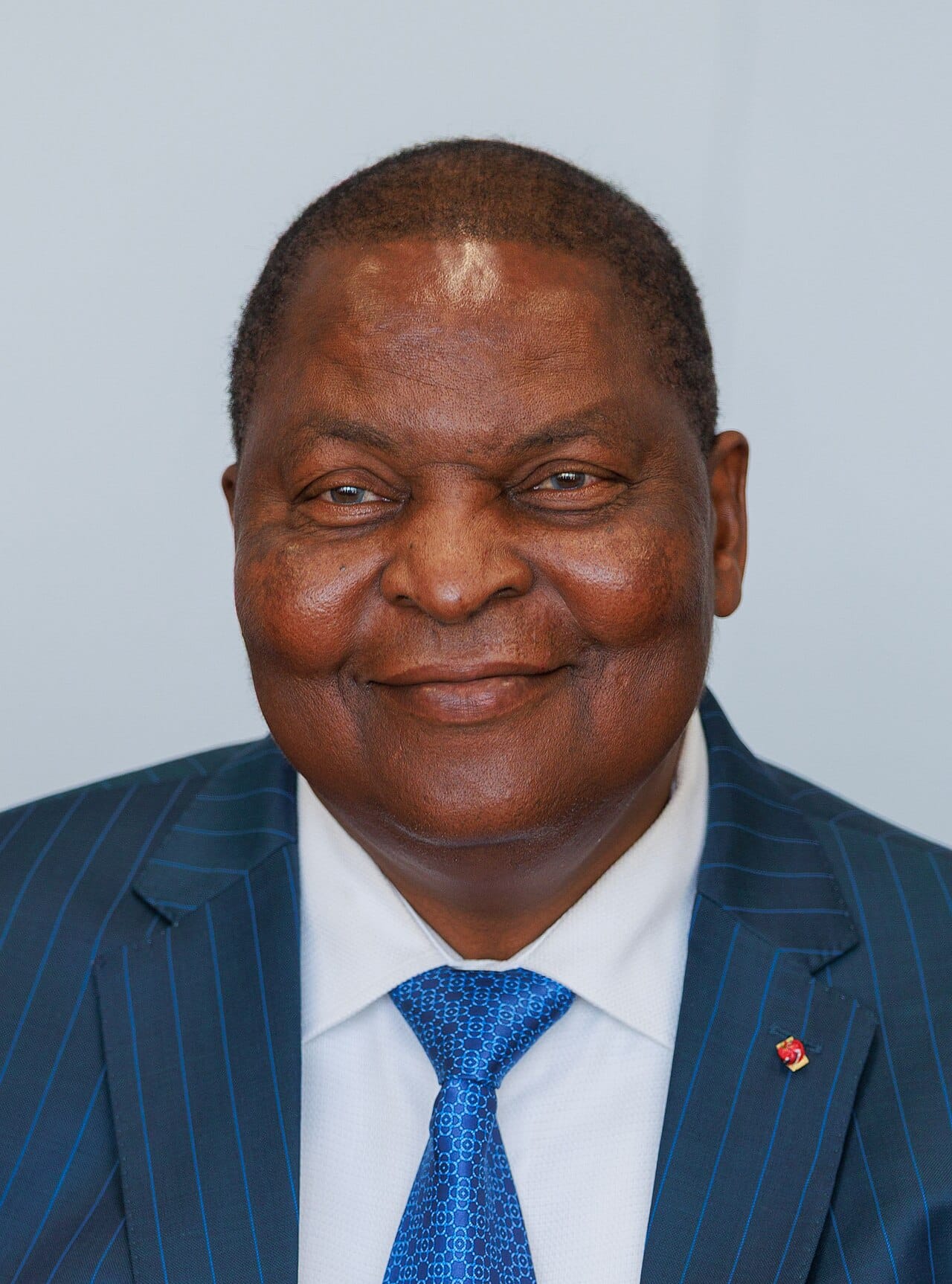
Faustin-Archange Touadera, a mathematics professor and former prime minister, was elected president in 2016 and re-elected in 2020. In 2023 a referendum approved a new constitution that removed the two-term limit and extended terms to seven years, which opponents boycotted and described as designed for one purpose. At elections held on 28 December 2025, Touadera was returned for a third term with 77.9 per cent of the vote, confirmed by the Constitutional Court in January 2026; the runner-up, Anicet-Georges Dologuele, took 13.5 per cent and challenged the result unsuccessfully, alleging fraud. Turnout was reported at 52.4 per cent, well up on 2020, and the president's party took two thirds of the declared legislative seats.
The government's authority outside Bangui and the main towns remains limited, with armed groups controlling significant territory and financing themselves from gold, diamonds, cattle taxes, and roadblocks. A United Nations peacekeeping mission has been deployed since 2014. From 2018 the government also brought in Russian private military contractors, the Wagner Group and its successor structures, who have provided close protection for the president and fought alongside the army; their presence has been credited with pushing rebels back from the capital and has been the subject of United Nations and other investigations alleging serious abuses against civilians, alongside concessions granted to associated companies in gold, diamonds, and timber. The Central African Republic also became, in 2022, the second country in the world to adopt bitcoin as legal tender, a decision reversed the following year.
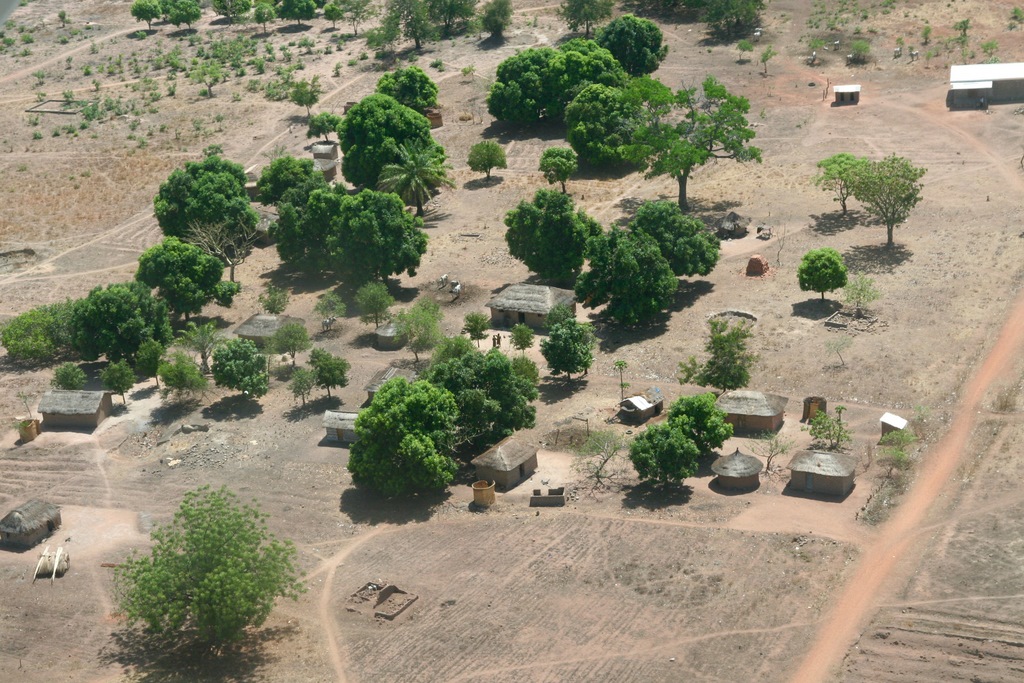
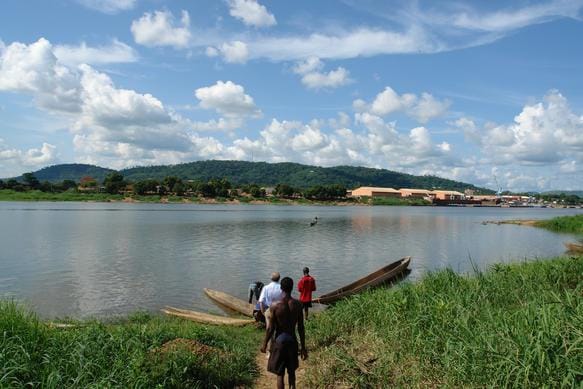
The Central African Republic lies almost exactly at the centre of the continent, a rolling plateau that forms the watershed between the Congo and Chad basins. The north is dry savanna and woodland running toward the Sahel, while the south, with much heavier rainfall, is covered by dense tropical rainforest at the northern edge of the Congo Basin. The Ubangi River, a major tributary of the Congo, forms much of the southern border and is the country's main outlet, since it is landlocked and its roads are poor; goods move by barge to Brazzaville and onward.
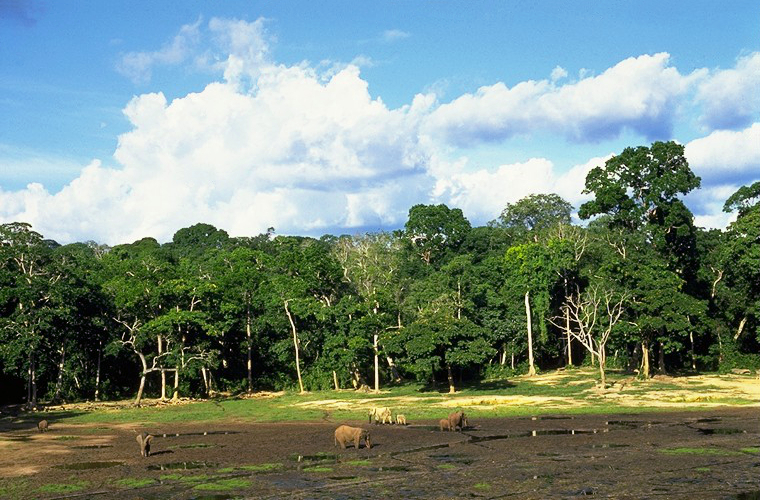
The southwest holds Dzanga-Sangha, a reserve of forest and clearings that is among the best places in the world to see forest elephants, which gather in the mineral-rich baï clearings in numbers of over a hundred, along with western lowland gorillas and bongo. In the northeast, the Manovo-Gounda St Floris park was inscribed by UNESCO for its herds of large mammals and has since been listed as in danger, its wildlife heavily depleted by poaching in the absence of any effective state presence.
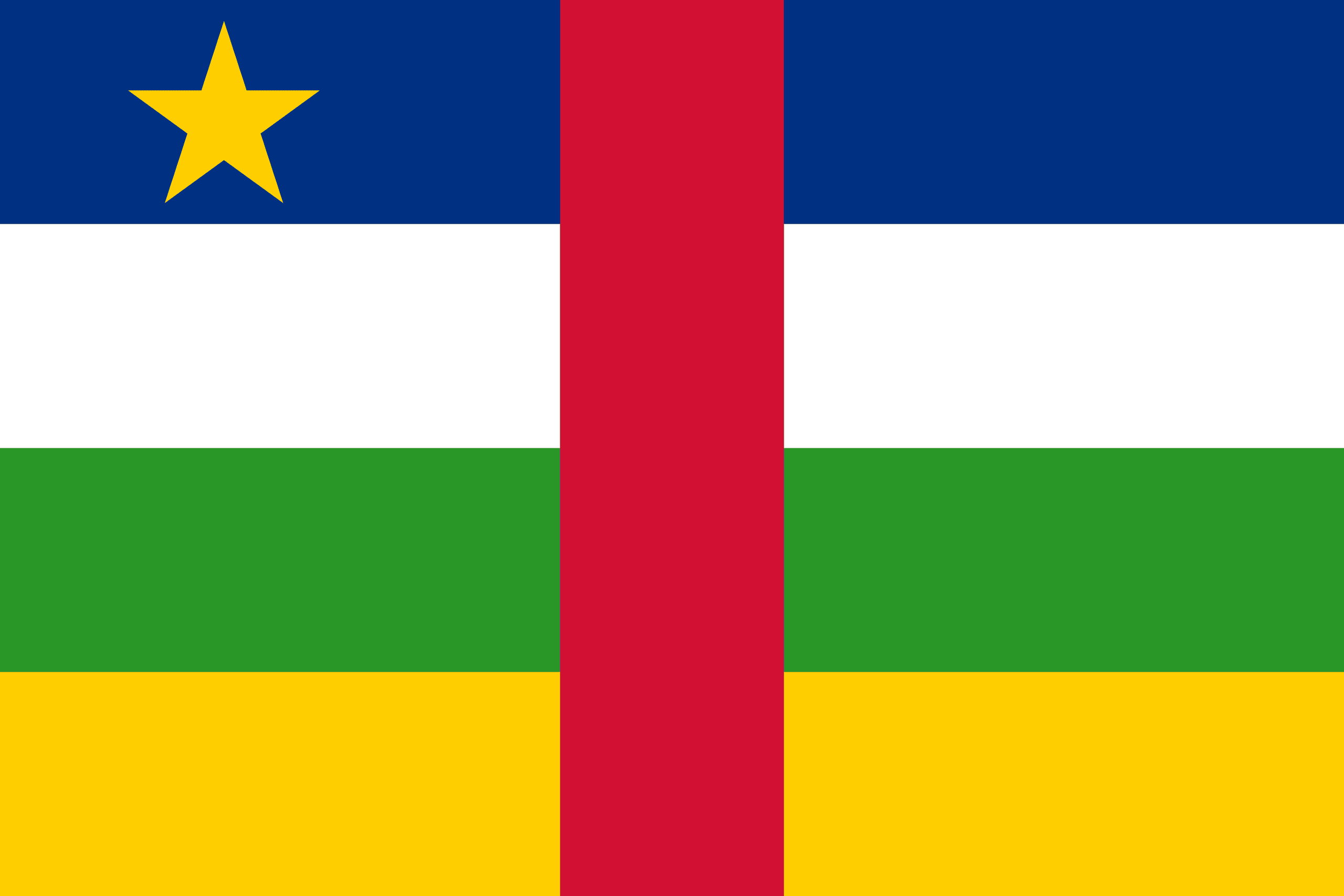
The flag of the Central African Republic is unusual, combining the pan-African colours with those of France. It has four horizontal stripes of blue, white, green, and yellow, crossed by a single vertical red stripe in the centre, with a yellow star in the upper hoist. The colours and the design are meant to symbolise the union of Africa and Europe and the unity of the country's peoples, with the red stripe binding the others together and the star representing independence and a guiding hope.
The majority of people in the Central African Republic are Christians, the result of missionary activity, divided between the Roman Catholic Church and various Protestant churches, alongside a significant Muslim minority, especially in the north and among traders, and many who follow traditional African religions. Tragically, religious identity became entangled with the country's recent conflict, in which armed groups formed along largely Muslim and Christian lines, though religious leaders have also worked together to promote peace and reconciliation.
The cuisine of the Central African Republic is based on the produce of its farms and forests. Cassava and other starchy roots, along with plantains, are staples, often pounded into a dough and eaten with rich sauces. Cassava leaves cooked into a stew, peanut-based sauces, okra, and other greens are common, accompanied by meat, freshwater fish from the rivers, or bushmeat from the forest. The food is hearty and simple, reflecting a largely rural, subsistence way of life.
Agriculture is the livelihood of the great majority of people in the Central African Republic, most of it small-scale subsistence farming of cassava, yams, maize, peanuts, and other crops, with cotton and coffee grown for export. The country is also rich in resources that have done little to relieve its poverty, including diamonds and gold, much of it mined informally, and valuable tropical timber from its forests. Years of conflict and a lack of infrastructure have prevented the country from developing its considerable potential.
The Central African Republic's most internationally celebrated cultural export is the music of the Aka, the forest-dwelling people of the southwest, whose polyphonic singing, in which several independent vocal lines interlock without a leader, has been studied by ethnomusicologists for decades and was inscribed by UNESCO as intangible cultural heritage. It is not performance in the Western sense but a shared social activity tied to hunting, mourning, and celebration. The Aka and related forest peoples have also suffered severe discrimination and dispossession as logging and mining have advanced into the forest.
Elsewhere the country's cultural life runs on the drum languages and dances of the savanna peoples, on wood carving and basketry, and on the unifying effect of Sango, which functions as a genuinely national language in a way that is rare in Africa. Football is the national sport, and the country produced Basile Boli, and, in basketball, a notable line of players.
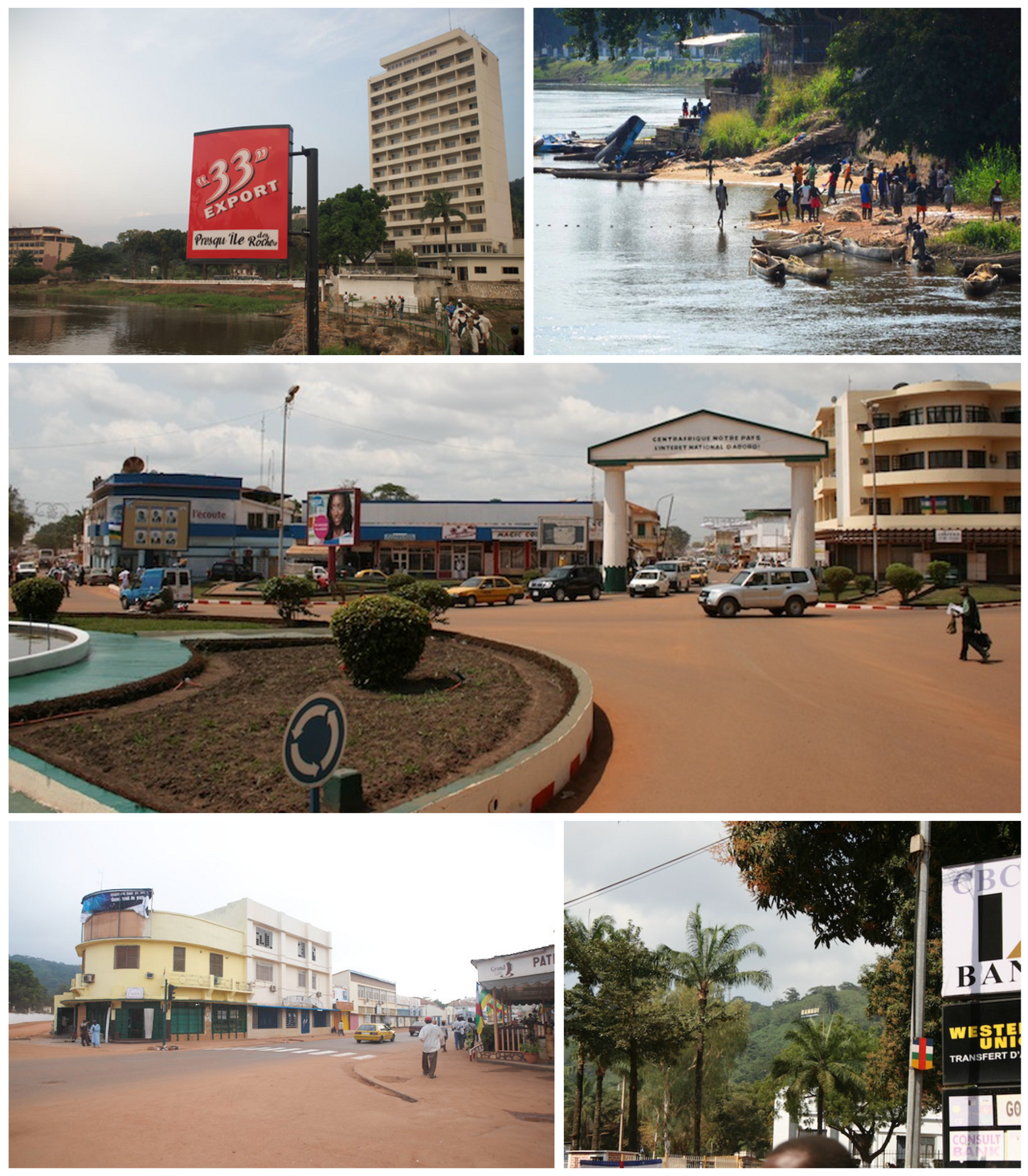
The Central African Republic has a population of around 5 to 6 million spread across a territory larger than France, making it among the most thinly populated countries in Africa, a legacy in part of the nineteenth-century raiding that carried off much of the population. Some eighty ethnic groups are represented, the largest being the Gbaya, Banda, Mandjia, Sara, and Mbum, along with the Aka of the southwestern forests and the Fulani herders of the north.
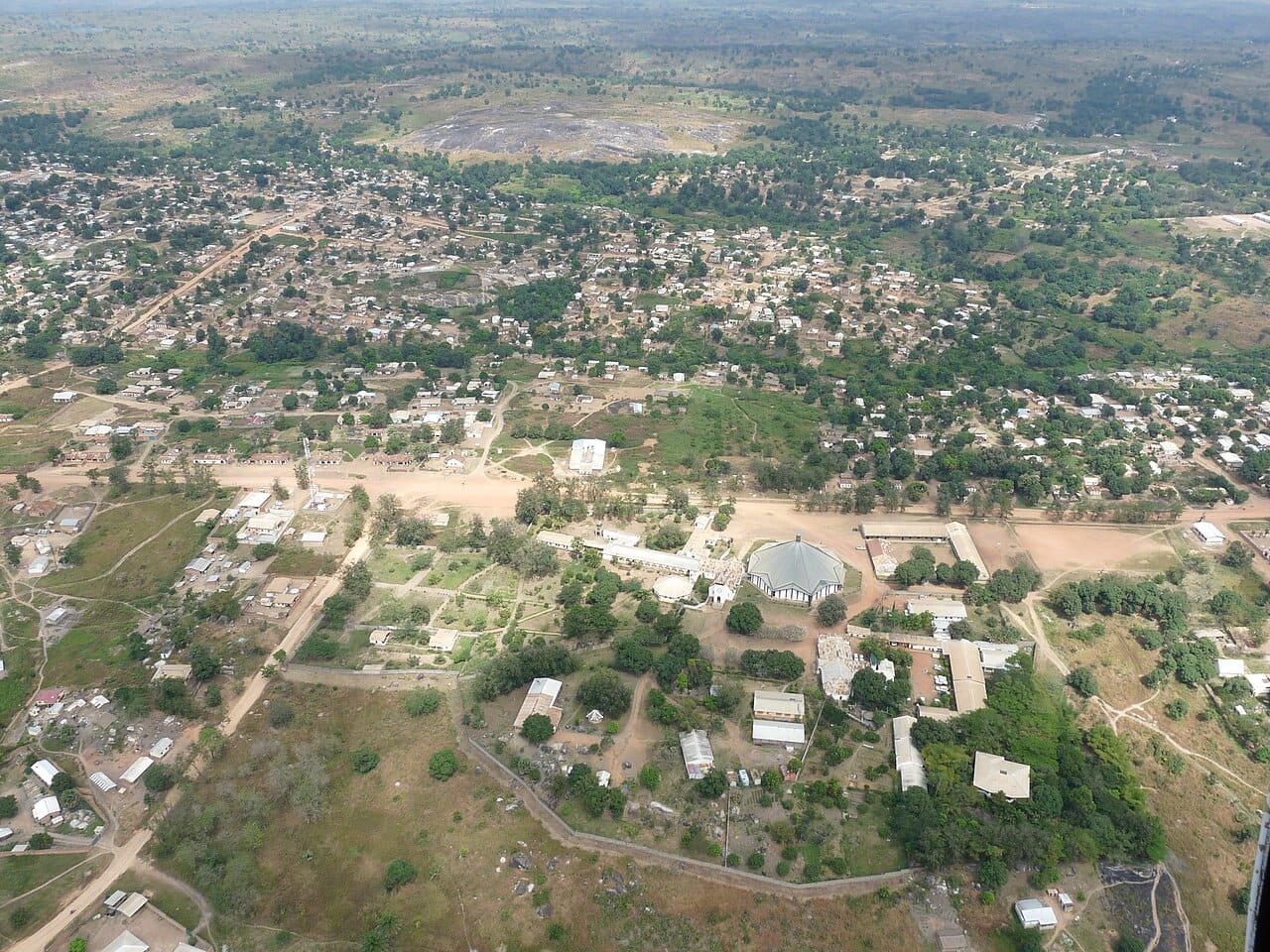
The country has an unusual linguistic asset: Sango, originally a river trade language, is spoken by almost everyone as a first or second language and is co-official with French, giving a very diverse country a genuine common tongue. Most people live in the west and along the rivers, with Bangui by far the largest city. Human development indicators are among the lowest in the world, and life expectancy is among the shortest anywhere; hundreds of thousands remain displaced inside the country or living as refugees in Cameroon, Chad, and the two Congos.