Cameroon is a country in west-central Africa, on the Gulf of Guinea, often called Africa in miniature for the remarkable range of landscapes, climates, and peoples packed within its borders. From tropical rainforest and coastal plains to savanna and mountains, and home to hundreds of ethnic groups, it is a microcosm of the continent. A former German, then French and British colony, it is unusual in modern Africa for being officially bilingual.
Cameroon's history is shaped by an extraordinary diversity of peoples and by a colonial past split between three European powers, whose legacy still divides the nation today.
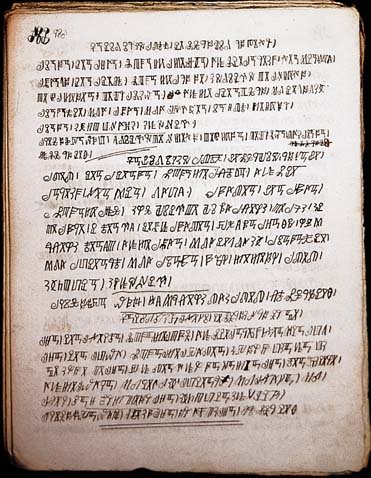
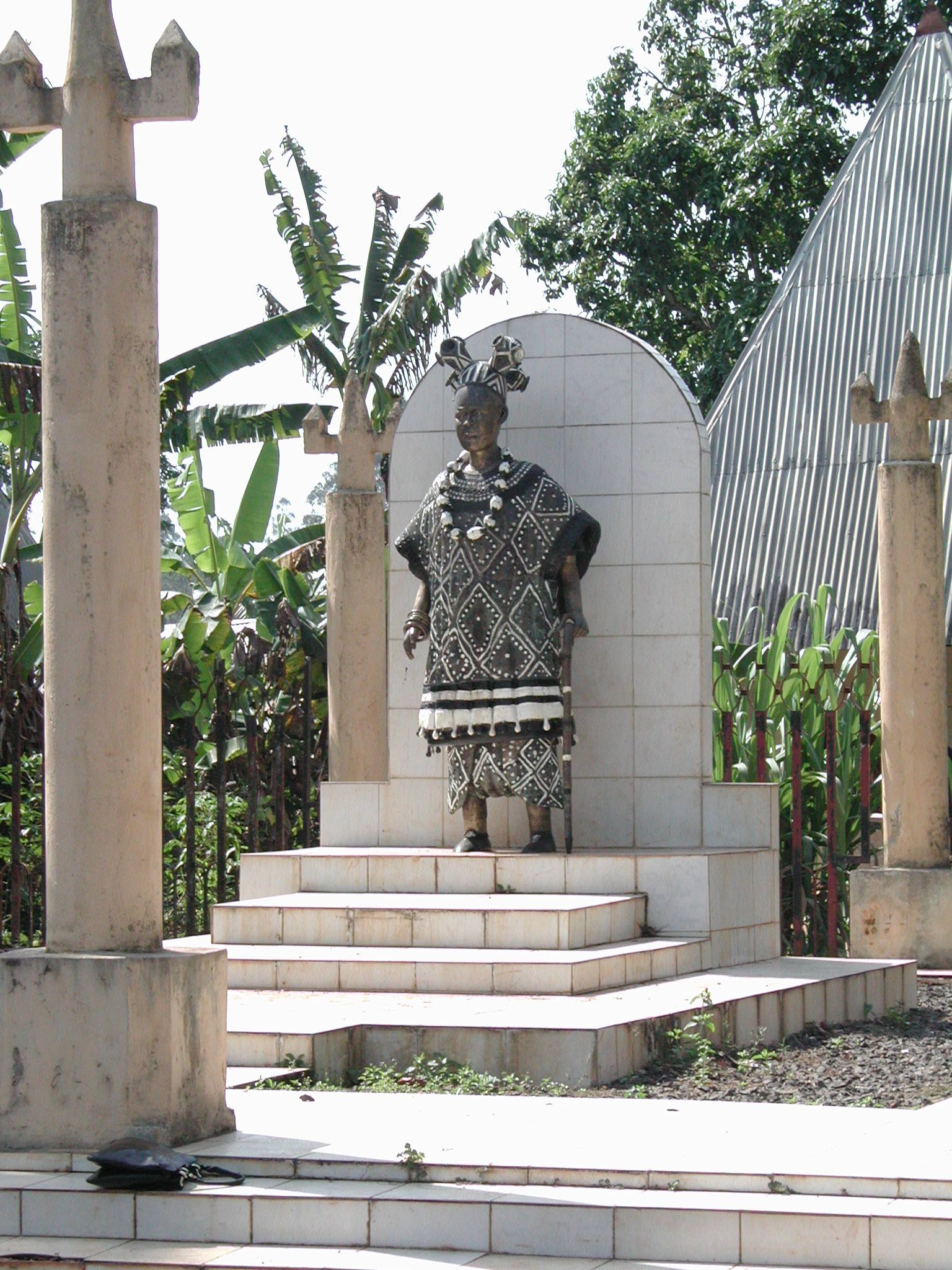
The land was home for centuries to a great array of peoples and kingdoms, from the Sao civilisation near Lake Chad to the highland chiefdoms of the west and the kingdom of Bamum, whose remarkable ruler, King Njoya, invented an entire writing system for his own language. This deep heritage of kingship, art, and craft survives in the traditional rulers and rich cultures found across the country.
Portuguese sailors named the coast for the prawns in its river, and in the nineteenth century Germany claimed the territory as the colony of Kamerun. After Germany's defeat in the First World War, the land was divided between France and Britain, who ruled their portions separately for four decades, planting the seeds of the linguistic divide, French and English, that still marks the country.
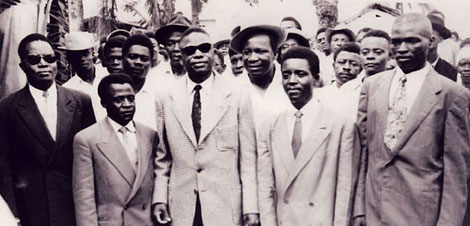
A determined independence movement, spearheaded by the UPC, was violently suppressed by the French before independence came around 1960. The French territory and the southern part of the British one then joined together to form a reunified, bilingual Cameroon, under its first president Ahmadou Ahidjo, who built a centralised state and, in 1982, handed power to his successor.
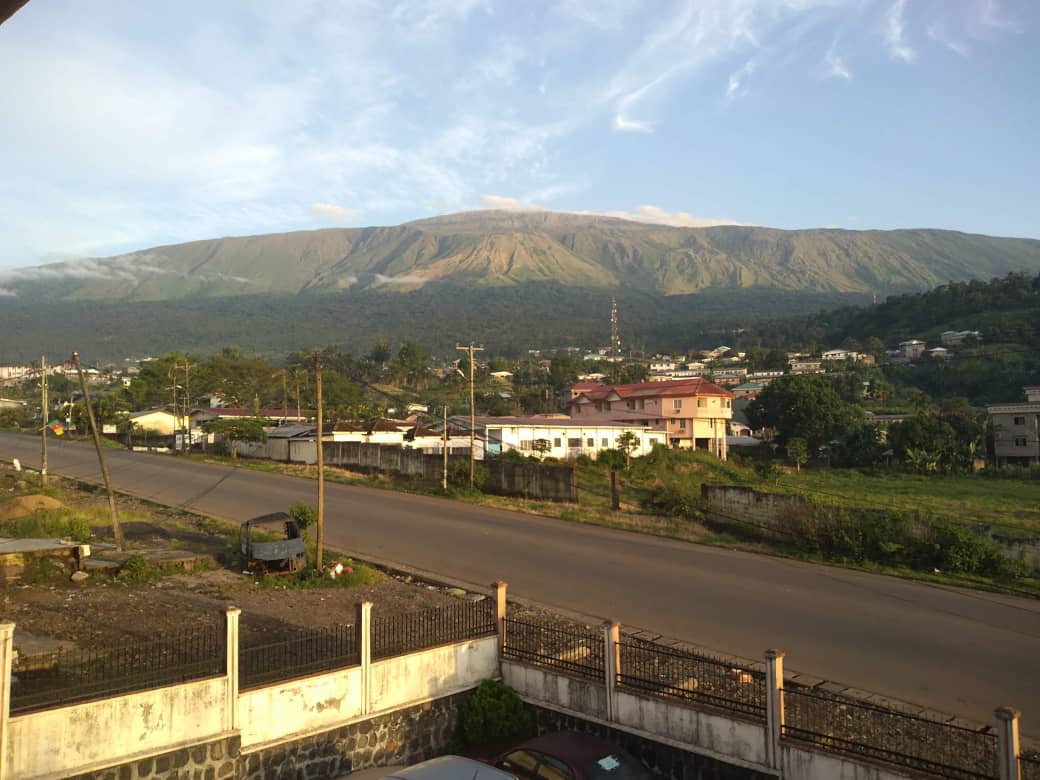
Cameroon's nickname, Africa in miniature, comes from its astonishing geographic variety. The coast on the Gulf of Guinea is hot and wet, backed by the volcanic Mount Cameroon, the highest peak in West Africa. Inland lie dense rainforests, then a central plateau of savanna, and finally the dry, hot plains of the far north reaching toward Lake Chad. This range of environments supports an equally rich variety of wildlife, farming, and human cultures.
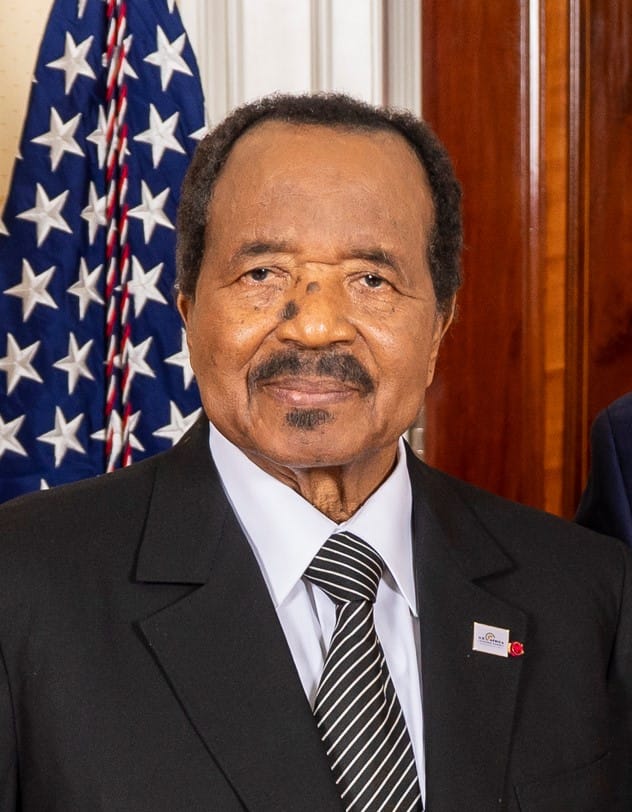
Cameroon is, on paper, a presidential republic, but it has been governed for more than four decades by a single man. Paul Biya has held the presidency since 1982, making him one of the longest-ruling leaders in the world and, in his nineties, among the oldest, sustained by a tightly controlled political system and a dominant ruling party. Elections are held but their fairness is widely doubted, and his re-election yet again in 2025 was disputed by the opposition and followed by unrest. With the president so old and so long in power, the question of what comes after him, and who will succeed him, hangs heavily over the country's future.
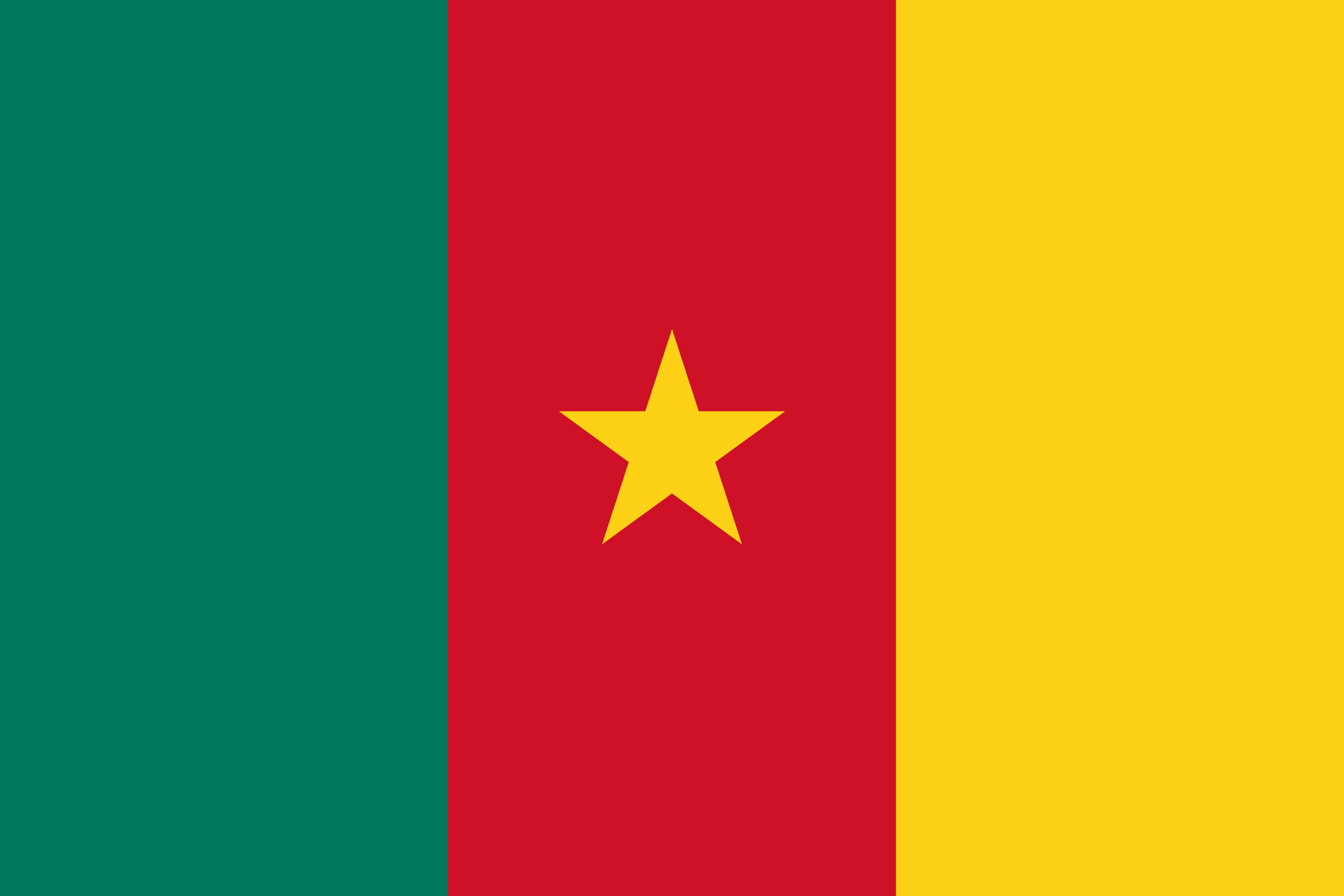
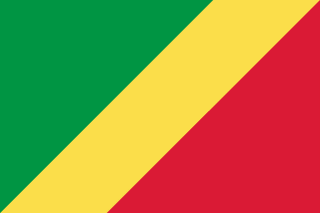
The flag of Cameroon has three vertical bands of green, red, and yellow, with a single yellow star at the centre of the red band. These are the pan-African colours: green for the forests of the south, yellow for the savanna of the north and the sun, and red for unity. The central star is itself often called the star of unity, expressing the joining together of the country's diverse regions and peoples into one nation.
Cameroon's religious make-up reflects its geography. Christianity, both Catholic and Protestant, predominates in the south and the cities, brought by European missionaries, while Islam is strong in the north, where it arrived across the Sahel centuries ago. Traditional African religions remain widely practised throughout the country, often alongside the world faiths. This blend of beliefs generally coexists peacefully and is part of the country's broader diversity.
Cameroonian cuisine is as varied as its peoples and regions. A celebrated national dish is ndole, a stew of bitterleaf greens cooked with peanuts and meat or fish. Starchy staples such as fufu, plantains, cassava, and rice accompany rich sauces and soups, and grilled fish and meat are popular. The cooking draws on the abundance of the forests, savannas, and coast, and each region adds its own ingredients and traditions to a diverse food culture.
Agriculture is central to Cameroon's economy and employs a large share of its people, favoured by fertile soils and varied climates. The country is a significant producer of cocoa and coffee, important export crops, along with cotton, bananas, and palm oil, and it also earns from oil and timber. In the diverse landscape, farmers grow everything from tropical fruits in the south to grains and livestock in the drier north. This agricultural variety is another expression of the country's nickname.
Cameroon truly earns its billing as Africa in miniature: some 250 ethnic groups, speaking a great many languages, live within its borders, from the highland kingdoms of the west to the Muslim emirates of the north and the forest peoples of the south. Bridging them, awkwardly, are the two colonial languages, French and English. From this abundance flows a rich culture, above all in music, where Cameroon gave the world makossa, the danceable style carried to global fame by artists such as Manu Dibango, and the frenetic bikutsi. And nothing unites the country like football: the national team, the Indomitable Lions, and stars such as Roger Milla and Samuel Eto'o have long been a wellspring of national pride.
Two crises define Cameroon's present. The first is the sheer longevity of Paul Biya's rule: more than four decades in power, with no clear successor, have left the political system sclerotic and the country anxious about the transition to come. The second, and bloodier, is the Anglophone crisis. The English-speaking minority, about a fifth of the population and concentrated in two western regions, has long felt marginalised within a state dominated by the French-speaking majority. When peaceful protests by lawyers and teachers in 2016 were met with force, grievance hardened into an armed separatist insurgency demanding an independent state its supporters call Ambazonia. The conflict has killed thousands, driven hundreds of thousands from their homes, and kept many children out of school for years, with atrocities committed by both the security forces and the separatists. Alongside it, the far north faces attacks from the jihadist group Boko Haram. How Cameroon manages its succession and heals its divisions is the urgent and unresolved question of its future.
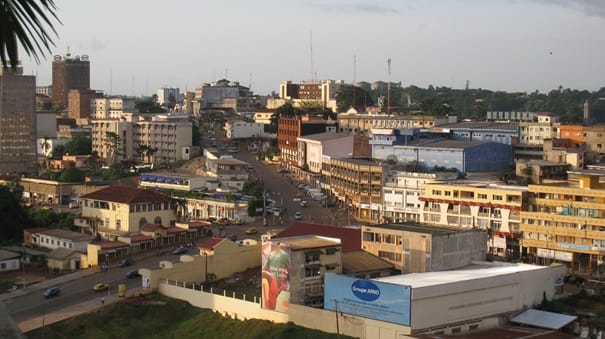
Cameroon has a population of around 28 million people and is one of the most ethnically and linguistically diverse countries in Africa, home to some 250 groups speaking a great many languages. French and English are both official languages, a legacy of colonial division, and the balance between the two communities is a defining issue. The population is young and split between the largest city and port, Douala, and the capital, Yaounde, in the interior.